

A resource for those seeking information on organizing and transforming spaces.

Make it Go Away
When potential clients call, we ask them about their space challenges and one of the most common answers is the big three: attic, basement and garage. We call these areas “Make it go away” rooms. The habit goes past out of sight out of mind to reveal a deeper issue with clutter and how we deal with stuff. When we have homes for items organizational systems make sense, however, for many household items when the don’t have a home we put them in the attic, basement or garage. You ever notice people don’t use “put it” that much but rather “throw it” when talking about those make it go away items.

When potential clients contact us, we ask them about their space challenges and one of the most common answers is one or all of the big three: attic, basement and garage. We call these areas “Make it go away” spaces. The habit goes past out of sight out of mind to reveal a deeper issue with clutter and how we deal with stuff. When we have homes for items, organizational systems make sense; however, for many household items when they don’t have a home they end up in the attic, basement or garage. You ever notice people don’t use “put it” that much, but rather “throw it” when talking about those make it go away items.
The Items in Question

Stuff we hide in the attic usually falls into two camps, those items we don’t know what do with in the first place and those items that don’t have an easy category. Think about your holiday decorations. That category is pretty straight forward. Items that don’t have an easily defined category usually have to do with the word “could.” Saving items for what if scenarios can lead to a clutter attic or basement. These items tend to be bulky like canoe oars or skis. Another challenge can be the “I feel I need to keep it” section. This is where that chair from your great uncle’s house comes in.
Solutions
Why does it matter if the attic or basement are clear, anyway? We not only want to use that storage space to keep items we don’t use often like keepsakes and seasonal items but one way or another you will move eventually and those heavy clutter zones make a stressful time that much more stressful. When it comes to excessive clutter most people get stuck even knowing where to start. The attic and basement require time, physical labor and a plan. A professional organizer not only provides you with special motivated time, experience, and a systematic approach we also bring the manual labor. Focus on why you are keeping the item in the first place. If the item isn’t expensive or can easily be obtained again maybe it is time for it to move on. Consider splitting a dumpster with a neighbor for a day of bulk removal helping each other lug that rusty antique creepy baby carriage down from the attic. Kicking the can down the road adds up in your valuable space if you are stuck indoors due to weather why not use that time to actually “make it go away”

Guest Post - Home Move: Making It an Enjoyable Experience
Moving is not an easy task but it doesn’t have to be a procession of misery. Every now and then we are faced with this activity, and its frequency is especially familiar to roaming millennials that tend to move from one apartment to the other. Anxiety will not only make the entire experience feel longer, it will also make you less efficient and, even worse, open the possibility for mismanagement and lost items. If the long and stress-inducing shadow of a big move looms over your head, here’s how the move can be reassessed, making it an enjoyable experience.
Home Move: Making It an Enjoyable Experience

Moving is not an easy task but it doesn’t have to be a procession of misery. Every now and then we are faced with this activity, and its frequency is especially familiar to roaming millennials that tend to move from one apartment to the other. Anxiety will not only make the entire experience feel longer, it will also make you less efficient and, even worse, open the possibility for mismanagement and lost items. If the long and stress-inducing shadow of a big move looms over your head, here’s how the move can be reassessed, making it an enjoyable experience.
Declutter before you begin
If you need to move, you just need to start packing, right? Well, it is not as simple as it sounds. Chances are, your temporary home is quite “lived in” and there are numerous items just lying around, and some have probably even turned into dangerous stumbling blocks. Before the big move, you need to declutter your home, and it can actually end up being a much longer and bigger task than you initially thought. Just start with the small things and start putting them into labeled cardboard boxes. Once you start packing things into a car or a van, these will go on top, so put them first in the area where they won’t stand in the way.
Jagged edges and sharp objects
Decluttering can last for several weeks, and in the meantime, you can think of ways to minimize the chances for injury during the move, as well as the integrity of bulkier items. You can use duct tape to “secure” these bulkier items to an extent and make the jagged edges safer. You can also purchase special types of Styrofoam coverings which can make matters even easier and safer. By properly covering and securing your bulky furniture, you are killing two birds with one stone – keeping yourself and indeed the furniture safe. You don’t need extra expenditure on your hands after the costly move.
Don’t be ashamed to look for help
If the entire project appears to be too overwhelming for you, don’t be ashamed to ask for help. Turn to your family members or friends to lend a hand and ask them if they can also put their vehicle to your service. Prioritize asking the help from someone who owns a minivan, because it will make the entire move much breezier. Still, there are solutions even if everybody’s too busy to help out. These removalists from Sydney's Eastern Suburbs, for example, offer an efficient move with no hidden charges and with astounding efficiency. Therefore, you are not exactly without options.
Don’t leave anything waiting the day before the move

All of your tasks related to moving, including the preparation of furniture and packing of smaller goods, should be done as late as the morning before the move. You need some time to clear your head before the main part of the job begins and, as the natural main organizer of the occasion, you need to be on your toes throughout the process in order to save precious time of everyone involved.
Check after you move
After all of the stuff has been moved to the new apartment or a house, go back to the old place and check it thoroughly before you hand in the keys. Look into the remaining nooks and crannies in search of possible missed items and – this is the extremely important part – check if all the remaining devices and appliances are turned off. The last thing you need is to pay excess bills or, even worse, the insurance of the household you have just left forever.
While uprooting your entire life and changing the backdrop of your daily activities can be an extremely stressful endeavor, especially if you are anxious by nature, it can also be a chance for a new beginning, the rite of passage to the exciting tomorrow and a new arrangement filled with opportunities. In the end, it is all about perspective – the point of view can turn a deplorable situation into something inspiring or at least something you are indifferent towards. The only truly important element that should be taken out of the equation is anxiety.
Lillian Connors can’t resist the urge to embark on a myriad of green living/home improvement projects and spread the word about them. She cherishes the notion that sustainable housing and gardening will not only make us far less dependent on others regarding the dwellings we inhabit, but also contribute to our planet being a better place to live on. You can check her out on Twitter.

The Dreaded Attic
Attics can be a nightmare. Often things have been stored in your attic for over 30 years.
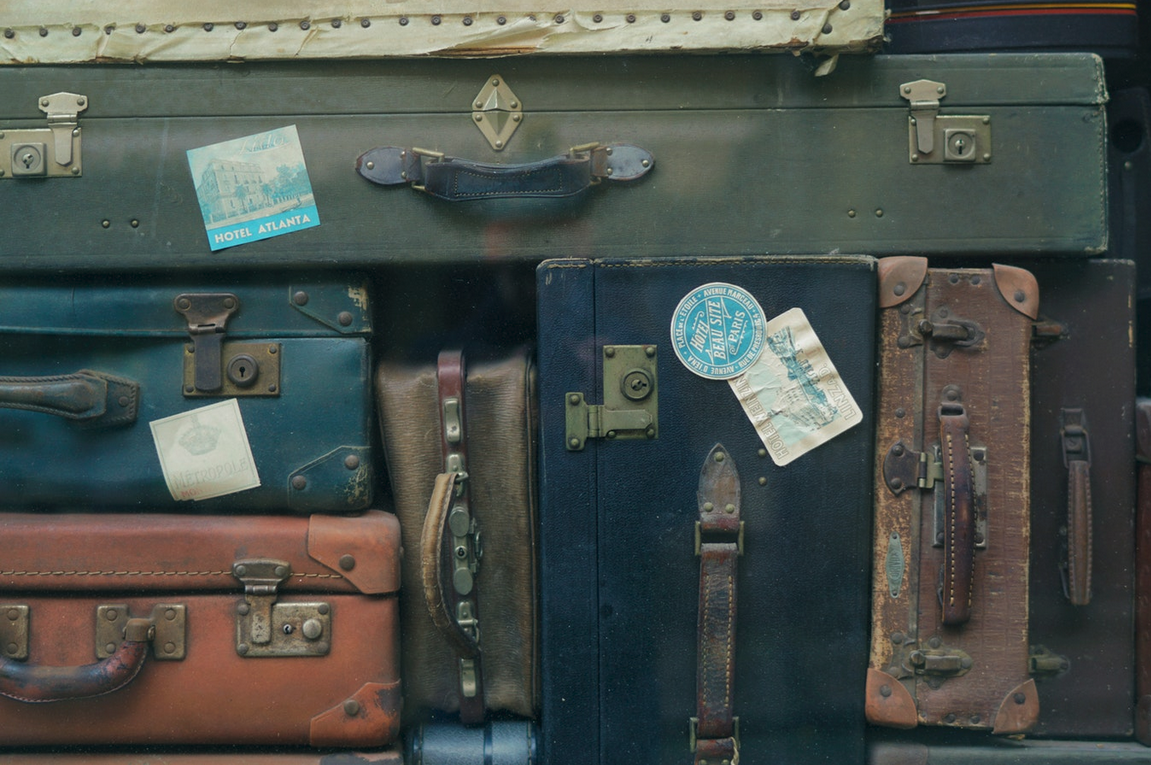
Attics can be a nightmare. Often things have been stored in your attic for over 30 years.
Boxes untouched and filled with multi-generational items. Attics serve as a catch all, a great example of what is “out of sight, out of mind.” We have experienced many instances when a house is listed on the market we get the phone call that it is finally time to get in the attic and bring down the items to sort, review, donate or sell.
Here are some tips for properly organizing your attic:
Items stored in the attic should not be temperature sensitive. For example, photographs, paintings, and musical instruments should not be exposed to extreme temperatures.
Your keepsakes such as college mementos, awards and trophies should be kept in clear plastic bins. Label the outside what the bin contains without writing directly on the bin. The same goes for children’s keepsake clothing and toys. Often our clients ask us about turning t-shirts into quilts. Here is a link should you be interested in a t-shirt quilt.
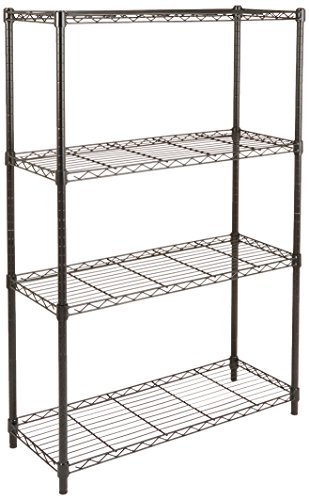
Try to get as much off the floor as possible. Inexpensive vertical shelving can be helpful. This way, you will be able to easily find what you are looking for and not rummage around the attic floor.
Holiday décor should also be stored in clear plastic bins. Plus plastic bags for oversized awkward items. Many households have large quantities of holiday items and gift wrap. Maybe store it in a separate area of the attic for ease of finding it when necessary.
Attics tend to be a “make it go away “ destination for numerous items such as old electronics, pet carriers, unused rugs, dated financial paperwork and other uncategorized items. Sometimes there are even boxes from previous moves which were never opened. Often we keep things with the intention that maybe someday they will come in handy. If you haven’t used something in many years it may be time to donate inexpensive, outdated and unused items.
Attics are a place where furniture can be stored away and forgotten. In fact, you may even want to bring it down but don’t want to hurt yourself (how did it fit up here in the first place?) If you think there is value to a piece of furniture there are people who can come appraise it for you. Certainly items can be repaired and sold, or donated to people who may have use for them.
However, if the attic is making you feel overwhelmed and you need help, feel free to contact us.
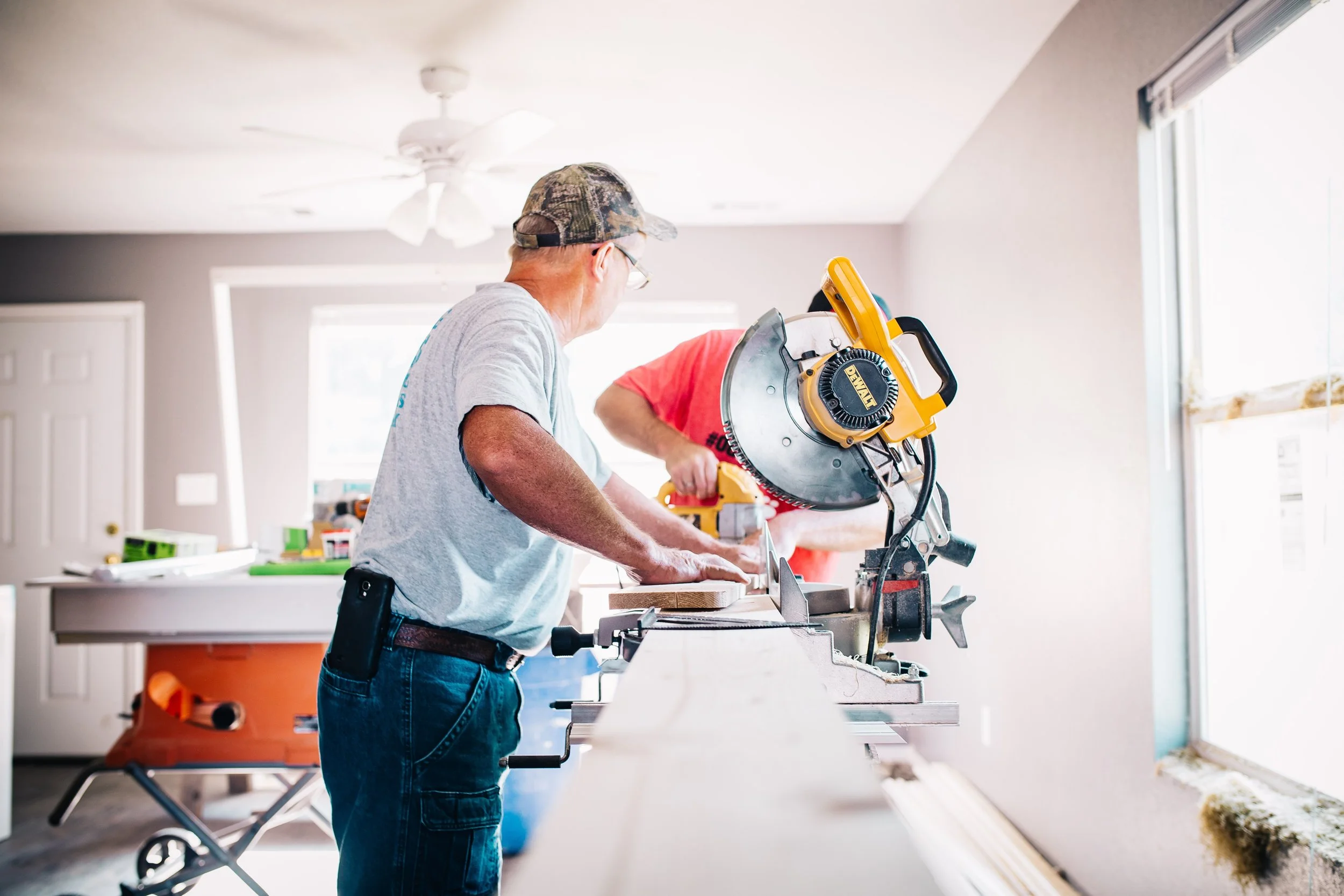
Guest Post - Tips for Cheap and Eco-Friendly Home Renovation
Tips for Cheap and Eco-Friendly Home Renovation
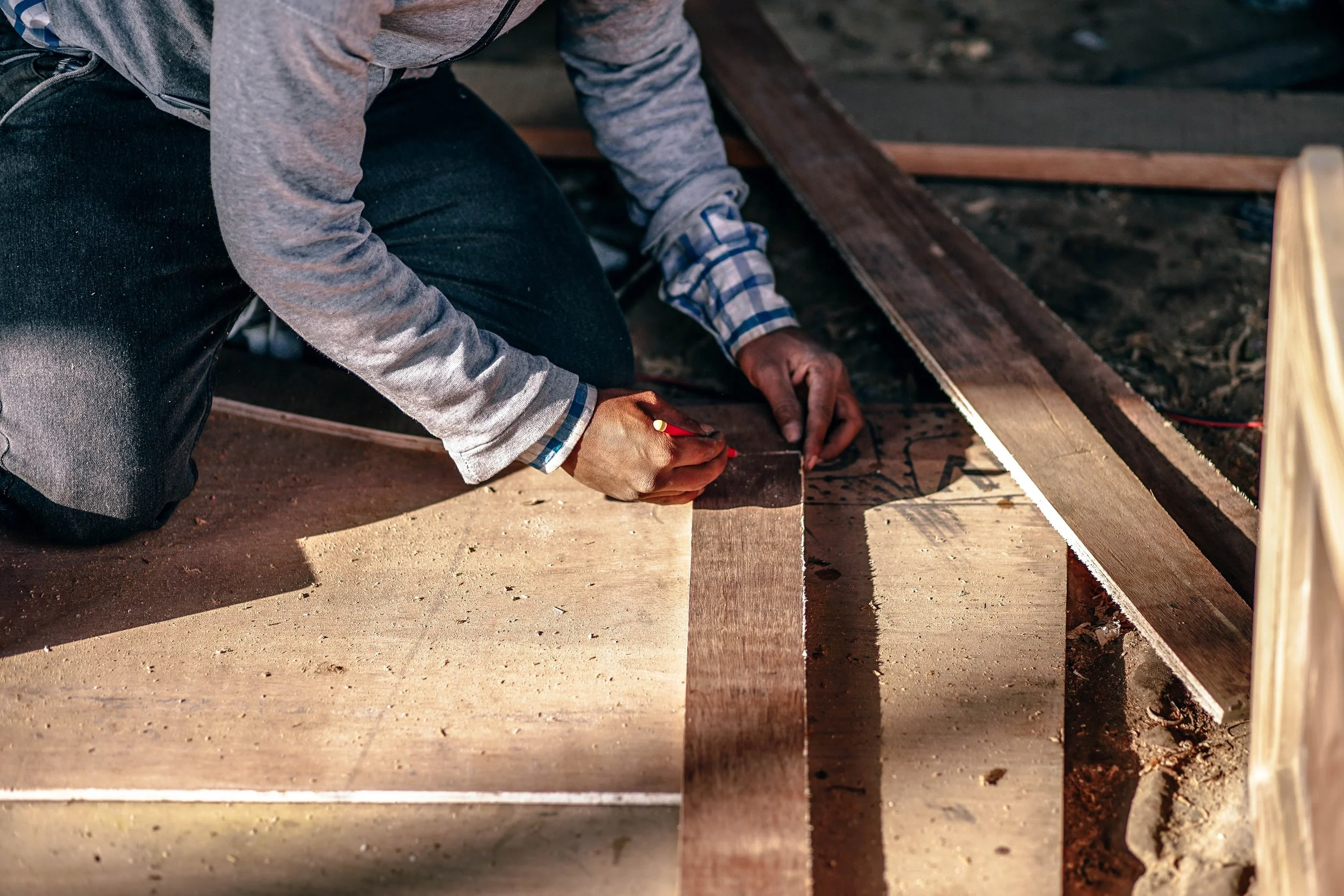
While in an ideal scenario you’d probably want to move to a bigger house, the economy is giving your two choices – remodelling and extending. So, you’ve set down the road of renovating your home to make it more interesting but also to better accommodate your current lifestyle and needs. Even so, while your and your family’s health should be your primary concern, staying on top of your budget is always welcome. Take note of these environmentally-friendly home renovation tips that won’t force you to take out a second mortgage.
Buy reclaimed materials
Reclaimed wood is not only eco-friendly, but also very appealing and increasingly popular in upscale renovation circles. It can be used with great success for countertops, flooring, even walls. It’s not a rare case to see it around the kitchen hood as well. Just think about the time, energy, and money you’d need to produce a similar product from scratch.
Choose locally sourced materials
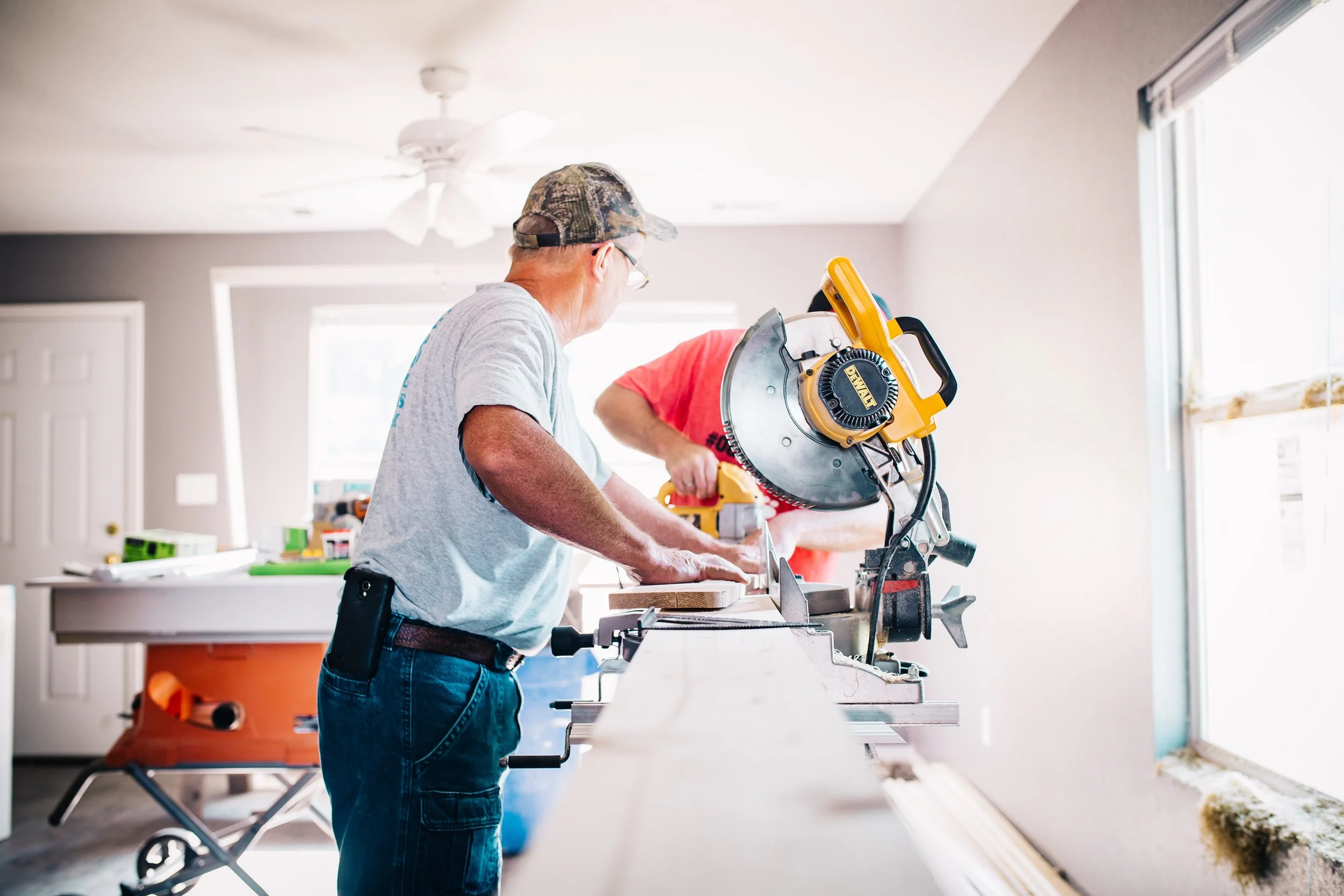
Buying eco-friendly product is great, but if it has to be shipped from across the county, its greenness dwindles away. As a great alternative to buying reclaimed, purchase locally-sourced materials that require far less energy to get to your door. In addition, local professionals possess a vast knowledge of nearby communities, types of homes and even the local climate, all of which can be useful for your project.
Instead of demolishing – deconstruct
Before you go full sledgehammer and start tearing down walls and knocking down entire rooms, walk around your home with a notepad and see what can be salvaged and reused before it goes down. Not only is this an eco-friendly approach, but it saves money in the end. Although ‘if it ain’t broke, don’t fix it’ rule doesn’t always apply here, there’ll likely be a ton of material you can reuse, such as light fixtures, flooring, tile, bricks, cabinets, and moulding.
Insulate on the outside
For the façade insulation, choose a quality product such as expanded polystyrene (EPS) which is relatively inexpensive yet durable, lightweight, non-toxic and 100% recyclable. On top of it, it has fantastic thermal properties, so by applying only 100mm of the EPS to a solid wall takes down the u-value to 0.3 W/m2 or better. If you want to lower the cost even more, instead of purchasing yours, you can look into some of mobile aluminium scaffolding rental companies and rent a product that suits your project.
Upgrade to eco-friendly windows
Draughty windows are the plague of eco-friendly homes. If you don’t take the problem seriously, before you know it, your electricity bills on heating and cooling will definitely remind you that something isn’t right. While cellular PVC is a popular energy-efficient window material, it’s produced in a process that releases toxins into the atmosphere. Consider a few other green solutions such as a double and triple pane glass, sustainably-harvested wooden frames, and fibreglass frames made from sand, which is virtually an inexhaustible resource.
Use low-VOC paints
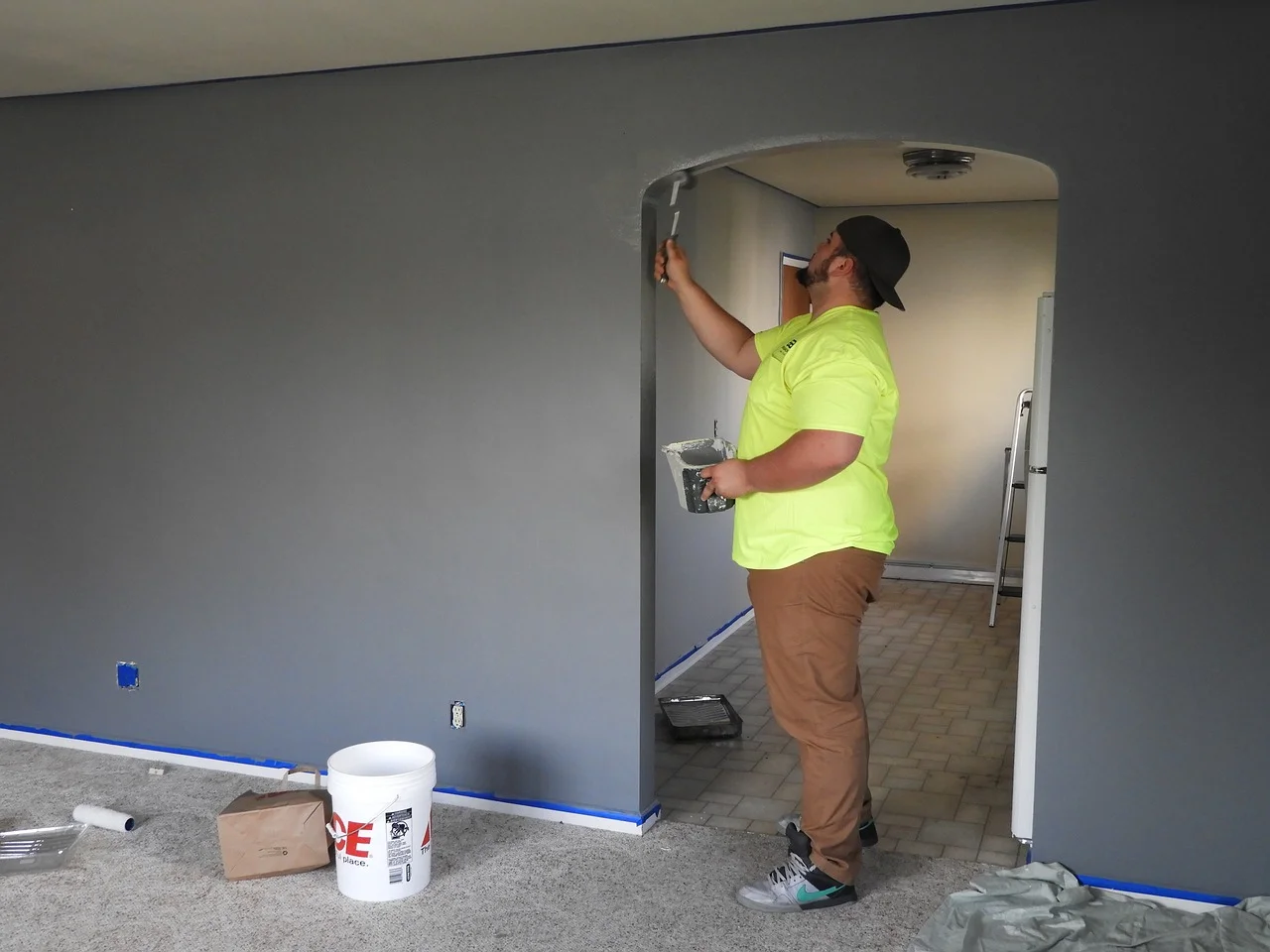
The favourable smell of a freshly-painted room actually comes from volatile organic compounds (VOCs), chemicals that evaporate from painted surfaces at ordinary room temperature. Their presence in interior paints comes from petroleum-based solvents used in their production. Instead of these solvents, low-VOC paints use water, and produce no harmful emissions once applied to the walls.
Increase natural light with skylights
Reduce the time you use lamps during the day by adding skylights and illuminating your homes’ interior naturally. While installing them in every room isn’t very cost-effective, place them strategically in the rooms you most commonly use during the day, such as the living room and the dining room/kitchen. The scaffold you hired for the façade insulation can be of great help for this project as well. Remember to fit your skylights with automated blinds to block the sunlight when needed.
Renovating your home doesn’t have to be expensive or complicated. And if you choose to take your project a step further and renovate your home in an eco-friendly manner, you won’t only be helping the environment, but also giving back to your community, while saving some money in the process.

Lucas Bergman is a real estate agent and renewable energy consultant with many hobbies and passions, but above all, he enjoys the most spending time with his wife – Mara. He also likes Lord of the Rings. He, actually, very much likes Lord of the Rings. He is a regular contributor at smoothdecorator.com.

