

A resource for those seeking information on organizing and transforming spaces.

Guest Post - Tiny & Tidy: How to Make the Most of Your Small Space
Small space living is all the rage, and why not? By confining yourself to a small square footage, you’re forced to limit your consumption, which means you save money, live an eco-friendlier life, and have a lot less cleaning to do. But, whether you live in a compact urban apartment, a tightly packed camper van, or a charming tiny house off the grid, adjusting to life in tight quarters can be a challenge if you’re used to wide open spaces. The solution is three-fold: Optimize, Organize, and Omit. Here are the specifics.
We partnered with a home improvement company for this post. The opinions in the post are honest. All reviews and opinions expressed in this post are based on our personal views. We are excited because we know you will love it.

Small space living is all the rage, and why not? By confining yourself to a small square footage, you’re forced to limit your consumption, which means you save money, live an eco-friendlier life, and have a lot less cleaning to do. But, whether you live in a compact urban apartment, a tightly packed camper van, or a charming tiny house off the grid, adjusting to life in tight quarters can be a challenge if you’re used to wide open spaces. The solution is three-fold: Optimize, Organize, and Omit. Here are the specifics.
Optimize: Making Small Spaces Feel Big
Choose Double-Duty Furniture – A coffee table or bed with built-in storage, a stool that also serves as a plant stand, a desk slash dining room table slash console table. All of these are examples of double-duty furniture that helps you make the most out of your small space. Because, let’s face it: When you’re working with a tiny footprint, there’s simply no room for luxuries like guest seating or a table to eat dinner. Addressing that head-on can improve your quality of life without overwhelming your small space.
Make Use of “Dead” Space – Scan your environment. Are there spaces throughout the room that could be turned into storage space or otherwise usable areas? One of the best examples of transforming dead space into functional space is the loft bed. By hoisting your sleep sanctuary up high into the air—space that would otherwise sit unused and ignored—you’re opening up a whole bunch of floor area for other applications. The same goes for the space beneath your bed, the back of doors, and the underside of shelving, which could be fitted with hooks.
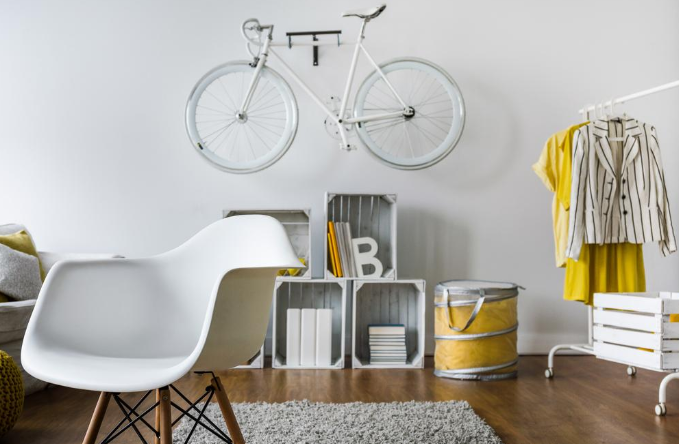
Stick to Modern and Minimalist Décor – Bad news for diehard fans of Victorian and rococo furniture: Small space living is probably not for you. The reality is that ornamental or highly decorative furniture needs more room to breathe and tends to make small spaces feel crammed. On the other hand, simple, uncomplicated furniture pieces from the Scandinavian or modern movements feel like they take up less space, even if they actually don’t. When it comes to furniture, keep it simple.
Organize: Keeping Everything in Its Right Place
Keep the Floor Clear – Having a cluttered floor doesn’t just create clutter, it also creates a hazardous environment where slipping and tripping are inevitable. Get things off the floor by bundling your cables and creating purpose-built storage for everything you own. Having well-thought-out storage throughout your space will help prevent you from being tempted to toss things on the ground when you’re done. You’ll be quite surprised to see how a clear floor space transforms the look and feel of the room. Most likely, it’ll translate into a clearer head for you and a more enjoyable living space to boot.
Enhance Your Wall Storage – One great way to keep your main living area neat, clean, and well-organized is by moving things to the walls. Wall shelving, over-the-door hooks, and hanging organizers can help you optimize your space while making it feel extra organized. In the kitchen or office area, consider creating a fabric wall organizer with hook-and-loop tape that lets you hang all sorts of items up and out of the way without the commitment of hooks or permanent shelving. Try to take an essentialist approach: Anything you don’t need must go, or it will create stressful clutter in your space.
Omit: Simplifying Life, Simplifying Your Space
Purge Like There’s No Tomorrow – Whether your approach is gentle, loving, and KonMari through and through or more rifle through everything you own and violently purge things you no longer use, there’s no wrong way to get rid of excess stuff. An easy way to shake up your purging protocol is to get into the mindset of constant elimination. Don’t just get rid of stuff once or twice a year during spring cleaning. Instead, think of the getting-rid-of process as an ongoing one that needs perpetual maintenance for success.
Work on Depersonalizing What You Own – If you’re a person who tends to have emotional connections to physical objects or who gets sentimental from time to time when getting rid of things, try to learn how to depersonalize objects and let go of the guilt you may have around letting it go. For example, you probably have several items in your home that you’re hanging onto purely because someone gave them to you, not necessarily because you like them. Get through this guilt by donating the items so you know that someone else will get plenty of love and enjoyment from them.

Go for a “Capsule” Wardrobe – Adjusting to small space life takes some reconditioning. Sure, you have to be constantly purging, but you also have to reframe the way you think about consumption. When you’re space-limited, of course, less is more. One of the best examples of minimalism as it pertains to stuff is the capsule wardrobe. These small, cleverly considered wardrobes contain only a few versatile essentials that you can mix and match to create a multitude of different looks, all while lessening clutter and consumption.
Enjoying the Small Space Way of Life
Knowing these handy tips will help you create a space that you enjoy, no matter how compact, challenging, or limited it may be. Those who live in tidy spaces are known to make healthier choices, have better relationships, and even demonstrate lower levels of stress and depression. In the end, all spaces are enjoyable when they make you feel happy, proud, or relaxed, so keep those goals in mind as you’re coming up with your small space strategy.
Author Bio: Halle Summers is a Marketing Coordinator for FASTENation Inc., a premier global manufacturer, technical converter, distributor, and designer of adhesive based fasteners and tapes. She has extensive knowledge of adhesives and fastener solutions, vendors, industry trends, and how they are used across various verticals. When she isn’t writing articles, she enjoys spending time in downtown Charleston, South Carolina and all the amazing food her hometown has to offer.

Guest Post - 4 Ways to Increase Indoor Storage Space on Your Property
Storage space is always a key factor to consider when you're in the process of organizing your home. However, most people have their belongings scattered about in an inefficient manner and aren't fully utilizing the storage capabilities of their property. When you consider the overall acreage that you have with the interior and exterior space combined, there are usually plenty of ways to further optimize your storage configuration. With that said, here are four ways to increase the indoor storage space on your property:

Storage space is always a key factor to consider when you're in the process of organizing your home. However, most people have their belongings scattered about in an inefficient manner and aren't fully utilizing the storage capabilities of their property. When you consider the overall acreage that you have with the interior and exterior space combined, there are usually plenty of ways to further optimize your storage configuration. With that said, here are four ways to increase the indoor storage space on your property:
Construct an External Storage Building
If you have a significant amount of stuff that needs to be stowed away, it may be best to free up some of your indoor storage capacity by moving some items to an external structure. If you don't already have a shed, you could construct a steel building using one of the kits from Armstrong Steel. Their kits make it easy to assemble a large storage building in the same way you'd put together a piece of the furniture, with all the parts and instructions included.
Add a Storage Compartment Under the Stairs
If you have a staircase in your home, you could consider building an under stairs storage compartment to hold some items. There are plenty of DIY tutorials that will show you how to convert the space under your stairs into a storage closet. This also provides the additional benefit of increasing the amount of closely accessible storage within your home, as the stairs are probably frequently used and centrally located.
Organize and Compartmentalize Your Garage
If you have a garage, you're already one step ahead in the battle to free up more storage space inside your home. Assess the available square footage and consider building wall-mounted cabinets or closets in your garage to add organized storage space without sacrificing the space where your vehicle would normally be parked. If you're like most homeowners, chances are your garage may already be packed with stuff, so organizing the existing clutter might be your first challenge in making room for other items while practicing optimal space-efficiency.
Use Stackable Storage Containers
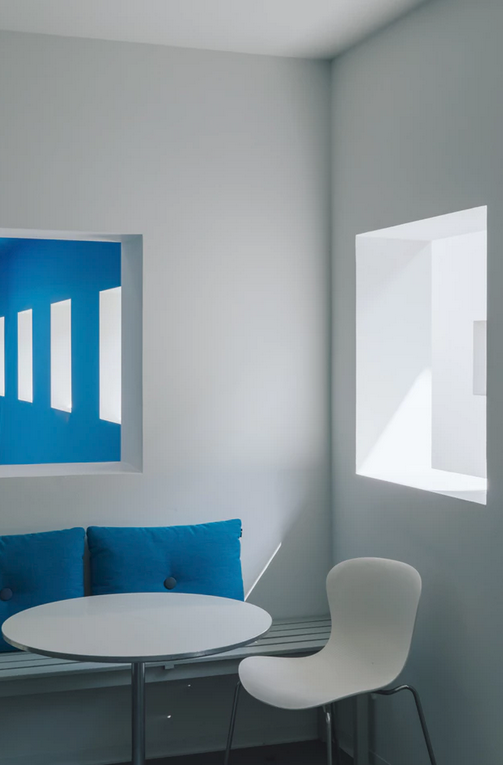
Just like cities are having to build upwards to accommodate population growth, you may also have to do some vertical stacking to get a better grip on your indoor storage situation. If you're struggling to find spots in your cabinets and closets, it might be time to get some stackable containers. This will not only keep everything neatly contained, it will also help you find what you're looking for faster because each stacked drawer can be labelled to indicate its contents.
Consider the Use of Packing Cubes
Finally, as an extra tip, if you have an abundance of clothing and small items that can be compressed, you might want to look into compression packing cubes for stowing away some of your out-of-season clothes. For example, if it’s summer time you could compress all of your winter clothes into packing cubes so they're not taking up rack space in your closet. Ultimately, with the simple techniques in this guide, you should be able to get a handle on your indoor storage predicament within the course of a single weekend.
Author Bio: Emily Roberts is a young aspirational writer who spends as much of her free time as possible on the web. When she's not writing, she's reading. She's always trying to learn and digest new information so that she can stay on top of whatever stories she wishes to write about.

Guest Post - 5 Tips for Tackling Your Small Home Office Project with Minimal Effort
When your home is tight on space, it can be tough to find a distraction-free area to work. But work still needs to get done. So, how can your reconcile the limited square footage inside your home with the need for a dedicated workspace? You can start by using these simple tips to create a practical small office in even the tiniest of homes.

When your home is tight on space, it can be tough to find a distraction-free area to work. But work still needs to get done. So, how can your reconcile the limited square footage inside your home with the need for a dedicated workspace? You can start by using these simple tips to create a practical small office in even the tiniest of homes.
You Don’t Need Tons of Space for a Functional Office
As you look around your home, you may be wondering where you can fit furniture for your office. After all, you need a comfortable spot to sit and complete your work, but a giant desk and chair just won’t do. A built-in office desk could be a perfect solution to provide a compact workspace without actually taking up too much room in your smaller home. Building in a desk also allows you to customize this office essential to fit any area, including that spot under your stairs or corner of your guest room. Really, all you need to stay productive is a small area secluded from household distractions, and you have the perfect set-up for your small home office.
Your Project Budget Doesn’t Have to Be Big, Either
Unless you need a lot of tech, you should be able to keep the budget for your home office fairly tight. Springing for a small built-in desk, as mentioned above, can actually save you some cash, especially if you DIY. You can even use reclaimed wood or extra lumber you may have hanging around your house, so long as you have a set of basic DIY tools. You can also keep costs low by adopting a minimal decor style for your office space. Aside from being budget-friendly, minimalism will also keep your new work area free of clutter that can distract you. That’s an added bonus for your productivity and focus, in addition to a plus for your home office budget.
Small Touches Can Add Major Comfort to Your Space

Keeping things minimal is good for your budget and business, but adding a few personal touches can sometimes make your home office feel more comfortable. That comfort is key, especially when you work from home on a regular basis. So, grab a comfortable office chair to go along with your customized desk, but try to pick one that fits your personality. If you’re the type who powers through the workday with the help of caffeine, then you may also want to consider adding a compact coffee maker so you can refill your mug with minimal interruptions in your workflow.
Your Office Furnishings Can also Be Multi-Functional
A built-in desk and a comfortable chair can make you more productive, but you can also look for desk, chair and other furnishing options that serve multiple purposes in your home. For example, a built-in desk that also folds into the wall can help clear out space when you need it in a smaller home. If you need a spot to store files and documents, you can find ottomans with storage that double as extra seating when you have guests. Some models even have filing spaces built-in, making them the perfect storage solution for smaller home offices.
Compact Tech Can Be Powerful and Effective
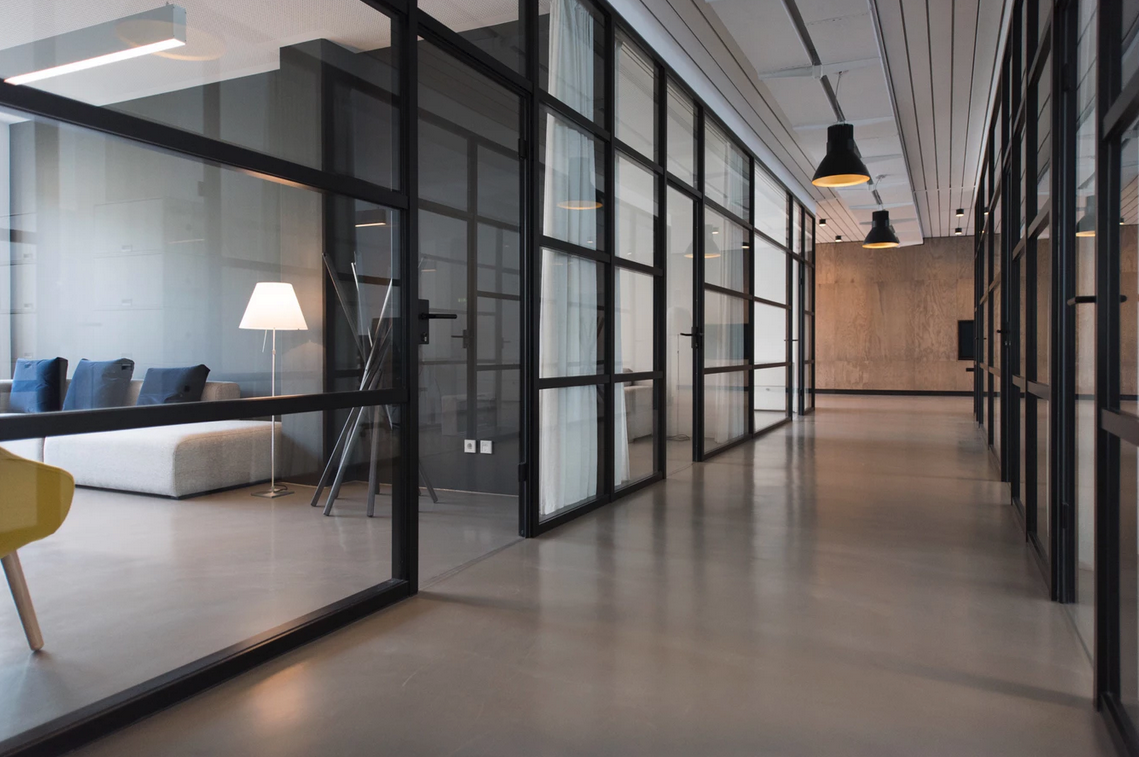
Even the most functional desk and office space can be useless if you don’t have the right tech, but this aspect of your home office does not have to take up a lot of space, either. A lightweight laptop can fit perfectly on even the smallest of desks, but it will also come in handy if you want to work while on the road or need to take your computer with you on an airplane. You can also find compact printers and routers. For file storage, go with the cloud instead of a bulky hard drive for added convenience and security.
Stop stressing about fitting a functional office into your small home. It’s easy to implement a simple work area into any spare corner of your place. You just need the tips above and a little elbow grease to get the job done.
Author Bio: Alice Robertson recently created Tidyhome as a place to share the great cleaning and organizing advice she has developed over the years. Alice loves helping others, and she knows having a clean, organized home can do wonders for stress and mental health.

Guest Post - Top 5 Garage Organization Ideas
When it comes to home organization, the garage is often the very last priority. That’s because it’s the place that holds all the equipment and extraneous possessions that won’t fit anywhere else. Think about it: When you rearrange the living room, you toss the tired accessories and outdated furnishings into the garage. There they join the folding chairs that don’t fit in your hall closet, the seasonal decorations that get displayed a few weeks a year and the leftover supplies from your last craft project. When you clean out closets, your out-of-season clothes are packed into bins that take up more garage space. Add all these unneeded items to the necessary outdoor gear, sports equipment and gardening tools that live in the garage and you’ve got a recipe for disaster.

When it comes to home organization, the garage is often the very last priority. That’s because it’s the place that holds all the equipment and extraneous possessions that won’t fit anywhere else. Think about it: When you rearrange the living room, you toss the tired accessories and outdated furnishings into the garage. There they join the folding chairs that don’t fit in your hall closet, the seasonal decorations that get displayed a few weeks a year and the leftover supplies from your last craft project. When you clean out closets, your out-of-season clothes are packed into bins that take up more garage space. Add all these unneeded items to the necessary outdoor gear, sports equipment and gardening tools that live in the garage and you’ve got a recipe for disaster.
So where do you start to get your garage organized? And what’s the best way to create a place for everything in this catchall space?
The good news is there’s hope. In reality, most garages are blank slates for organization. While they may not offer built-in cubbies, cabinets, shelves and storage solutions, they’re ready and waiting for you to add your own. Take a look at the attached infographic to get five great ideas for straightening up your garage. Use them to make the most of the square footage and create organization that makes it easier to find what you need, when you need it.
Author bio: Ashley W. Smith is Managing Director for Garadry. He formed the company in 2009 and launched the Garadry website in 2015 to meet the needs of the growing consumer base in the U.S. Garadry designs its own range of innovative weather seal products for anybody with a garage/commercial door.

