

A resource for those seeking information on organizing and transforming spaces.

Maximizing Space: Transforming a Small Apartment into a Spacious Haven
Living in a small apartment has its challenges, especially when creating a sense of space and openness. However, with some creative strategies and clever tricks, you can transform your compact living space into a roomy haven that feels much larger than its dimensions. With these tips, you’ll be able to get the most out of your small apartment and create an inviting and spacious atmosphere for yourself and your guests.
Living in a small apartment has its challenges, especially when creating a sense of space and openness. However, with some creative strategies and clever tricks, you can transform your compact living space into a roomy haven that feels much larger than its dimensions. With these tips, you’ll be able to get the most out of your small apartment and create an inviting and spacious atmosphere for yourself and your guests.
Declutter and Organize
The first step in maximizing space is to declutter and organize your belongings. Start by sorting through your items and removing anything you no longer need or use. Embrace minimalism and keep only the essentials. Invest in smart storage solutions such as under-bed boxes, wall-mounted shelves, and multipurpose furniture that can double as storage units. Eliminating clutter and having a well-organized space will make your apartment feel larger and more open.
Bright and Light Colors
When it comes to generating a sense of spaciousness, color selection plays a vital role. Consider choosing light and neutral hues like white, pastels, or light grays to create the illusion of space. These hues reflect light and make the room feel more expansive. Consider painting the ceiling in a slightly lighter shade than the walls to give the impression of height. Additionally, use mirrors strategically to reflect light and create the illusion of depth. Place mirrors across from windows or in narrow hallways to enhance the sense of space.
Clever Furniture Arrangement
Choosing the right furniture and arranging it thoughtfully can significantly impact how spacious your apartment feels. Select furniture that suits the scale of your apartment and opt for pieces with slim profiles to maintain an open flow. Place furniture away from walls and create distinct zones within the space. Use area rugs to delineate different areas and create a sense of depth. Arrange furniture in a way that promotes easy movement and keeps the sightlines open.
Multifunctional Furniture
In order to maximize the utility of your limited space by embracing multifunctional furniture. Seek out pieces that offer versatility and serve multiple roles, such as a sofa bed, storage ottomans, or a collapsible dining table that can be conveniently stowed away when not needed. Utilize vertical space with tall bookshelves that provide storage for books, decor items, and even kitchenware. Incorporating furniture that serves multiple functions can maximize space and create a versatile living environment.
Smart Storage Solutions
In a small apartment, effective storage solutions are essential. Embrace creative storage options like wall-mounted hooks for hanging coats and bags, floating shelves in the kitchen for storing cookware, and vertical shoe racks for maximizing floor space. Utilize the area under your bed with storage containers, or invest in a bed frame with built-in drawers. Utilizing every nook and cranny of your apartment lets you keep your belongings organized and free up valuable floor space.
Natural Light and Window Treatments
Ample natural light can make any space feel more expansive. Remove heavy curtains or blinds that block natural light and opt for lightweight, sheer curtains or blinds that allow sunlight to filter through. If privacy is a concern, consider using frosted window film that allows light in while maintaining your privacy. Utilize window sills for plants or decor items to bring the outdoors inside and create a connection with nature.
Conclusion
Living in a small apartment doesn't mean sacrificing comfort and style. By implementing these space-maximizing strategies, you can transform your compact living space into a spacious and inviting haven. Decluttering, using light colors, strategic furniture arrangement, multifunctional furniture, smart storage solutions, and embracing natural light are all key elements to create the illusion of space and make your small apartment feel larger. With a little creativity and ingenuity, your small apartment can become a delightful and spacious retreat you'll love coming home to.

How Decluttering Can Improve Your Financial Situation
Discover how decluttering can improve your financial situation. Learn how decluttering can increase financial awareness and save money.
Financial well-being is a crucial aspect of our lives, influencing our overall quality of life and peace of mind. Surprisingly, one powerful tool to enhance our financial situation lies in the practice of decluttering. In this article, we will explore the connection between clutter and finances, highlighting how decluttering can improve your financial situation.
Understanding the Relationship Between Clutter and Finances
To comprehend how decluttering affects our finances, we must first define clutter. Clutter refers to the accumulation of unnecessary items that create disorder and chaos in our physical and mental spaces. Interestingly, clutter also has a significant impact on our financial decisions. It can lead to impulsive buying, overspending, and poor money management.
Furthermore, clutter comes with hidden costs. When our possessions pile up, it becomes difficult to organize our homes and locate and maintain our essential belongings. We waste time and money buying duplicates, replacing lost items, or paying late fees for bills buried under clutter. The financial toll of clutter can be substantial, impacting our savings and financial goals.
The Benefits of Decluttering on Your Financial Situation
Increased financial awareness and organization—Decluttering prompts us to assess our financial situation, organize important documents, and gain clarity about our expenses, debts, and assets. By clearly understanding our financial landscape, we can make informed decisions and set realistic goals.
Opportunities for selling unused items—It presents an opportunity to turn our unused possessions into cash. Items that no longer serve us can be sold through online platforms or local consignment stores, providing an additional income stream or contributing to debt repayment.
Saving money through reduced impulse buying—Clutter often fuels impulsive buying habits. By creating a more streamlined living space, we minimize the temptation to acquire unnecessary items. The practice of space planning fosters mindful consumption, saving us money in the long run.
Creating a more efficient living space—A clutter-free environment promotes efficiency and productivity. With fewer distractions and a well-organized space, we can focus on our financial tasks, such as budgeting, tracking expenses, and managing investments. This increased efficiency translates into better financial decision-making and improved overall financial health.
Practical Steps to Declutter Your Finances
To harness the benefits of decluttering, it is essential to take practical steps toward organizing your financial life:
Assess your financial situation—Begin by reviewing your income, expenses, debts, and savings. Identify areas of improvement and set achievable financial goals.
Organize financial documents and information—Gather and organize important financial documents, such as bank statements, tax records, and investment statements. Store them in a secure and easily accessible manner.
Eliminate unnecessary expenses—Review your expenses critically and identify areas where you can cut back. Cancel subscriptions or memberships that no longer provide value and renegotiate contracts to save money.
Implement a budget and track expenses—Create a comprehensive budget that aligns with your financial goals. Track your expenses diligently to identify areas of overspending and make adjustments accordingly.
Real-Life Examples of How Decluttering Can Improve Your Financial Situation
Decluttering can improve your financial situation and can be a cost-saving lifesaver when it comes to moving. By taking the time to declutter your belongings before the big move, you can significantly reduce the size and weight of your load and simplify your relocation. With fewer items to pack and transport, you can opt for a smaller moving truck or require fewer movers, leading to lower moving costs. Additionally, it allows you to sell or donate unwanted items, potentially generating extra funds or tax deductions.
Moreover, by organizing your belongings and getting rid of unnecessary clutter, you can avoid purchasing duplicate items or paying for storage space, further reducing your moving-related expenses. In essence, decluttering streamlines the moving process lightens the financial burden, and ensures a smoother transition to your new home.
Using Decluttering Principles to Improve Long-Term Financial Habits
Beyond the immediate benefits, getting rid of clutter can inspire lasting positive changes in our financial habits:
Developing a minimalist mindset—Embracing minimalism encourages intentional consumption and prioritizing quality over quantity. By adopting a minimalist mindset, we become more discerning with our purchases and invest in items that truly add value to our lives.
Adopting mindful spending practices—The process fosters mindfulness, helping us evaluate our purchasing decisions more thoughtfully. We become mindful of our needs versus wants, reducing impulsive purchases and saving money in the process.
Investing in quality over quantity—It allows us to recognize the value of investing in high-quality items that last longer and require less frequent replacement. While investment like decluttering and home improvement is initially more expensive, this investment can lead to substantial long-term savings.
Establishing sustainable habits—It is an ongoing process requiring regular maintenance. By integrating decluttering into our daily routines, we cultivate a sustainable habit that prevents clutter from accumulating and supports our long-term financial well-being.
Additional Considerations for a Healthy Financial Future
To ensure a healthy financial future, it's important to consider the following:
Seeking professional financial advice—If you feel overwhelmed by your financial situation, consider consulting a financial advisor who can provide tailored guidance and help you navigate complex financial decisions. Also, if you are in the middle of planning your move, experts from bigmansmoving.com suggest hiring professional assistance. Letting professionals help during this time can significantly save you time and money.
Understanding the emotional aspect of decluttering—It can be an emotional journey as we let go of sentimental items or confront our spending habits. Be patient and kind to yourself throughout the process, allowing yourself to experience the emotional benefits.
Continuously reassessing and maintaining financial order—Regularly review your financial situation, reassess your goals, and adjust your budget as needed. Maintain the habit of decluttering and mindful spending to sustain your financial improvements over time.
Conclusion
Decluttering can improve your financial situation and offers remarkable benefits for your financial well-being. By decluttering our physical and mental spaces, we can enhance our financial awareness, save money, and create a more efficient living environment. Through practical steps and adopting these principles, we can cultivate long-term financial habits that promote mindful consumption and financial stability. So, let's embark on this journey, unlock the financial potential it holds, and create a brighter financial future.
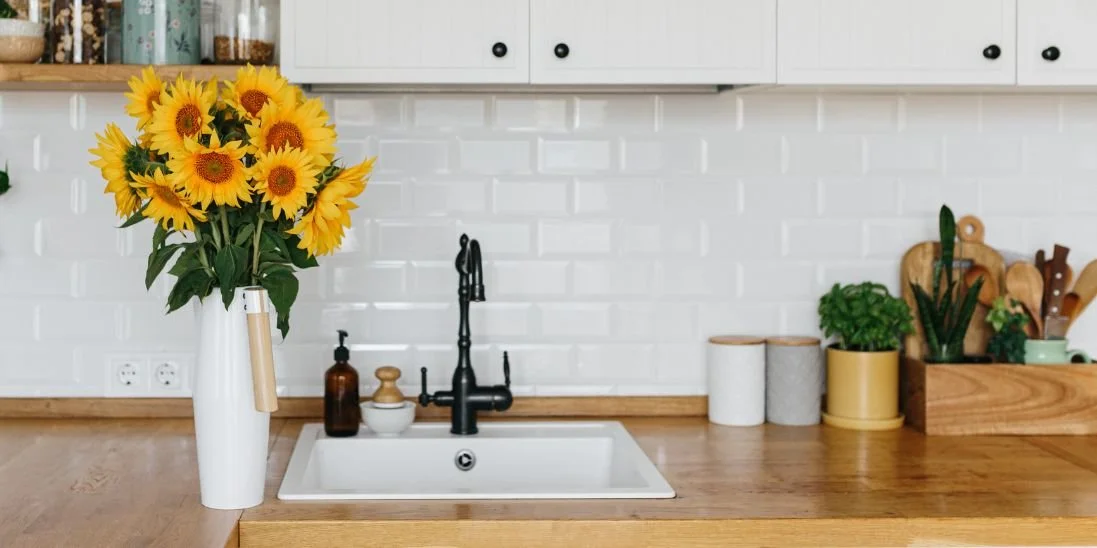
What To Remember When Decorating Your Home for the Summer
When the seasons change, decorate your home to reflect the natural environment. Use these decorating tips to give your home a wonderful summer vibe.
Getting your home ready for the summertime can be a lot of work. You need to consider how you’ll keep the space cool and best take advantage of the long daylight hours.
Many homeowners take the opportunity to reorganize their homes for the warmer weather. Knowing what to remember when decorating your home for the summer will help you achieve stunning results that you and your guests will enjoy.
Bring Plants and Flowers Indoors
If you want to give your home a bit of summertime fragrance and color, bringing some of your favorite plants and flowers inside can add a nice touch to the space. The pungent smells of species such as lilies, daffodils, and jasmine will provide a pleasant summer scent for your home.
Ensure the temperature in your home is at a comfortable level so the plants stay healthy. You should also check to ensure there are no pests on the plants before bringing them in. Houseplants need time to get used to their new environment before you start feeding and watering them in their standard amounts.
Focus on Your Outdoor Space
Having a cozy indoor space in the summer is nice, but you may also want to spend time outdoors. Outdoor decorations will make relaxing on sunny days easier for you and your guests. Defining the outdoor space will create a comfortable area to enjoy the weather.
You have many options when decorating outdoors. However, good shade and lighting should be a priority if you want to enjoy the outdoors anytime. Learn about these common outdoor decor mistakes to ensure the space meets your needs.
Use Earthy Patterns and Textures
Whether decorating indoors or outdoors, have a design that matches the season. Using earthy patterns and textures on your fabrics will give the space a lovely aesthetic that doesn’t look flat. Layering designs will create a sense of dimensionality that adds depth to the area.
The right colors and textures will improve the mood and make visitors feel more at home. A harmonious design will help the space flow from one area to the next. Combining your favorite furniture, fabrics, and natural lighting will amplify the earthy tones and give your home a natural summer feel.
Create a Theme That Fits the Season
When the weather warms up, it’s nice to be outside to enjoy the fresh air. Creating a friendly theme to fit the season will help you relax and enjoy your outdoor space.
You have a lot to remember when decorating your home for the summer. Effectively managing your indoor and outdoor space will ensure you get the most out of the season.

Why an Organized Pantry Can Mean Cheaper Grocery Bills
Maintaining an organized pantry is not only visually pleasing but also holds the potential to significantly reduce your grocery bills. A well-kept pantry ensures that ingredients and supplies are easily accessible, preventing food waste and unnecessary purchases. In this article, we will explore the numerous benefits of an organized pantry and how it can lead to substantial savings on your grocery bills.
Maintaining an organized pantry is not only visually pleasing but also holds the potential to significantly reduce your grocery bills. A well-kept pantry ensures that ingredients and supplies are easily accessible, preventing food waste and unnecessary purchases. In this article, we will explore the numerous benefits of an organized pantry and how it can lead to substantial savings on your grocery bills.
Maximizing Space and Visibility
One of the primary advantages of an organized pantry is the ability to maximize space and visibility. When shelves are clutter-free and items are neatly arranged, you can easily see what you have and what you need to restock. No more rummaging through the pantry, searching for that elusive jar of spices or box of pasta!
Imagine this scenario: You're craving a delightful snack while settling down for a movie night. In an organized pantry, a designated space for snacks allows you to quickly locate your desired treat. This not only saves you time but also ensures that you don't purchase unnecessary duplicates during your next grocery run.
Reducing Food Waste
An organized pantry helps reduce food waste, which is not only environmentally responsible but also has a positive impact on your wallet. When items are neatly arranged according to expiration dates, you can easily identify those that are nearing their expiry. By using them before they go bad, you can minimize waste and avoid having to repurchase the same item unnecessarily.
Additionally, a well-organized pantry encourages better meal planning. When you know exactly what ingredients you have on hand, you can plan meals around them, reducing the chances of forgotten or neglected items spoiling at the back of your cupboard.
Taking Advantage of Sales and Bulk Purchases
A tidy pantry enables you to take full advantage of sales and bulk purchases. When you can easily see and access your existing stock, you'll know precisely when it's time to replenish certain items. This allows you to plan your shopping trips strategically, buying in bulk when prices are lower or items are on sale. By purchasing larger quantities at discounted prices, you'll save money in the long run.
Consider stocking up on pantry staples like rice, pasta, canned goods, and even snacks like sea salt popcorn! If you have an organized pantry, you can keep track of your supplies and take advantage of bulk deals when they become available. Buying in bulk not only saves you money but also ensures that you never run out of essential ingredients, including popcorn for those cozy movie nights.
Meal Planning and Batch Cooking
An organized pantry goes hand in hand with meal planning and batch cooking, both of which can significantly reduce your grocery bills. By planning your meals for the week ahead, you can create a comprehensive shopping list that includes only the necessary ingredients. This eliminates the need for last-minute grocery store visits and impulse purchases.
Batch cooking is another effective strategy to save money. Prepare large batches of meals and store them in portioned containers in your pantry or freezer. This way, you'll have ready-made meals on hand, reducing the temptation to order takeout or buy convenience foods. Batch cooking also allows you to take advantage of bulk purchases and seasonal produce, further reducing your overall grocery expenses.
Efficient Storage Solutions

Investing in efficient storage solutions for your pantry can have a significant impact on your grocery bills. Utilize clear containers, airtight jars, and labeled bins to store ingredients and snacks. This not only keeps your pantry organized but also helps to maintain the freshness and longevity of the items. With proper storage, you can extend the shelf life of perishable goods and reduce the risk of food spoilage.
Additionally, consider implementing a "first in, first out" system, where newly purchased items are placed at the back, pushing older items to the front. This ensures that you use up older items before they expire, reducing food waste and saving you money.
Tracking and Evaluating Expenses
An organized pantry allows you to track and evaluate your grocery expenses more effectively. By keeping receipts and maintaining a record of your purchases, you can identify patterns, spot areas where you can cut costs, and make adjustments to your shopping habits. This information empowers you to make informed decisions and prioritize your spending based on your budget and needs.
Conclusion
Maintaining an organized pantry is a simple yet effective way to save money on your grocery bills. By maximizing space, reducing food waste, taking advantage of sales and bulk purchases, engaging in meal planning and batch cooking, utilizing efficient storage solutions, and tracking your expenses, you can significantly cut down on unnecessary costs.
Start decluttering, labeling, and organizing your pantry today, and enjoy the benefits of a well-kept space. With a well-organized pantry, you'll have a clear view of your inventory, avoid food waste, make smarter shopping decisions, and ultimately save money in the long run.

