

A resource for those seeking information on organizing and transforming spaces.

5 Tips for Smoother Home Decluttering
Decluttering your home can make it more comfortable, organized, functional, and manageable. A clear plan will help you make steady progress while keeping unnecessary stress and mess under control, turning overwhelming spaces into organized sanctuaries.

Decluttering your home can make it more comfortable, organized, functional, and manageable. A clear plan will help you make steady progress while keeping unnecessary stress and mess under control, turning overwhelming spaces into organized sanctuaries.
This article will share five tips that will help you undertake a smoother, more manageable home decluttering!
Set Clear Decluttering Goals Before You Start
Before opening a single closet, decide what you want to accomplish. Decluttering an entire home at once can feel like a huge undertaking, so focus on a specific area or goal first. You might want to clear an overcrowded bedroom. Or if you’re looking into creating more usable space, you might want to clear your garage space or your bedroom to make room for a workshop or an office. Having a defined purpose makes it easier to decide which belongings to keep or let go.
Give yourself a realistic timeframe, too. A weekend may be enough for a small room, while larger projects might take longer. Working methodically can help you stay focused and prevent you from simply shifting the chaos around or creating yet another overwhelming pile of unsorted belongings.
Sort Household Items With Consistent Criteria
Once you choose an area, establish a simple system for deciding what stays and what goes by considering which items are regularly used, emotionally meaningful, difficult to replace, or genuinely worth keeping. If something has been sitting untouched for years and has no practical or sentimental value, it may be a good candidate for removal.
Consistency is important here. Decluttering often becomes difficult when every item receives a completely different standard, so set aside belongings you plan to keep, donate, recycle, or discard as you work. Be thoughtful with sentimental possessions, as emotional attachment makes decisions harder. You do not need to eliminate everything nonessential - the goal is to create a home where the belongings you keep have a clear purpose.
Work Through One Area at a Time
Decluttering is easier to manage when you contain the work to one area before moving somewhere else. Starting with a single closet or room gives you a visible sense of progress, which can make it easier to continue, keeping you motivated to cross the finish line without burning out. It also prevents items from being moved around the house without actually leaving the property.
Begin with areas that tend to collect unnecessary belongings. Storage closets and garages can become especially challenging because they often hold items that have been forgotten over time. Then, break larger spaces into manageable sections. Once one section is finished, clean the cleared space before moving forward to make the results feel more immediate.
Rent a Trash Dumpster for Larger Cleanouts
Some decluttering projects produce far more waste than a household trash bin can accommodate. This is particularly common when you are clearing out a garage, basement, attic, or several rooms at once, as years of accumulated items and outdated materials can quickly overwhelm your standard disposal options. In these situations, a trash dumpster rental can provide a convenient place to collect discarded household materials throughout the project.
Choosing an appropriately sized dumpster can help you avoid overflowing trash containers and repeated trips to a disposal facility. Before renting, estimate how much material you expect to remove. Also, check which items the provider accepts, as certain materials may have special disposal requirements. A dumpster can also help establish a clear endpoint for the decluttering process by having a designated place for permitted waste as you work.
Create a Plan for Items Leaving Your Home
Decluttering does not end when you decide what you no longer need - you also need a practical plan for getting those belongings out of your home. Items that can be donated should be separated from materials that need to be recycled or discarded, while anything you intend to sell should have a reasonable deadline, so they don't linger for months and quietly turn back into clutter.
Schedule drop-offs or pickups as soon as possible, and arrange disposal for items that cannot be reused, so that your hard work results in a genuinely cleaner space.
Conclusion
A smoother home decluttering project starts with realistic goals and a consistent process. By working through manageable areas and arranging appropriate disposal for unwanted materials, you can reduce the stress that often comes with a major cleanup.
Take the process one area at a time, and the results will become easier to see.

Vacation’s Over… 6 Easy Ways to Unpack, Get Organized, and Reset Your Home
Coming home from vacation is a total slap in the face. You walk through the door, smell stale air, and watch your relaxation vanish before your bags even hit the floor. Suddenly, you’re not lounging by a pool, you’re staring down a pile of dirty laundry, a mountain of mail, and a suspect fridge.
Coming home from vacation is a total slap in the face. You walk through the door, smell stale air, and watch your relaxation vanish before your bags even hit the floor. Suddenly, you’re not lounging by a pool, you’re staring down a pile of dirty laundry, a mountain of mail, and a suspect fridge.
Most of us make it worse by letting a half-open suitcase sit on the bedroom floor for three weeks, stepping over it every morning just to dig out clean socks. Stop doing that. If you want to keep your sanity and avoid living in a chaotic transit lounge, rip the band-aid off immediately. Empty the bag, handle the mess, and reset.
1. Ditch the Suitcase Immediately
Open the bag immediately and empty everything out. Put your toiletries back where they belong, dump your dirty clothes into the laundry room, and shove the empty bag into a closet so you don't have to look at it anymore. If spending a week in a clean, uncluttered hotel made you realize your own place is driving you crazy, resetting your environment straight away will bring your sanity back. Getting the physical luggage out of your line of sight removes half the mental weight of coming home.
2. Attack the Laundry Avalanche
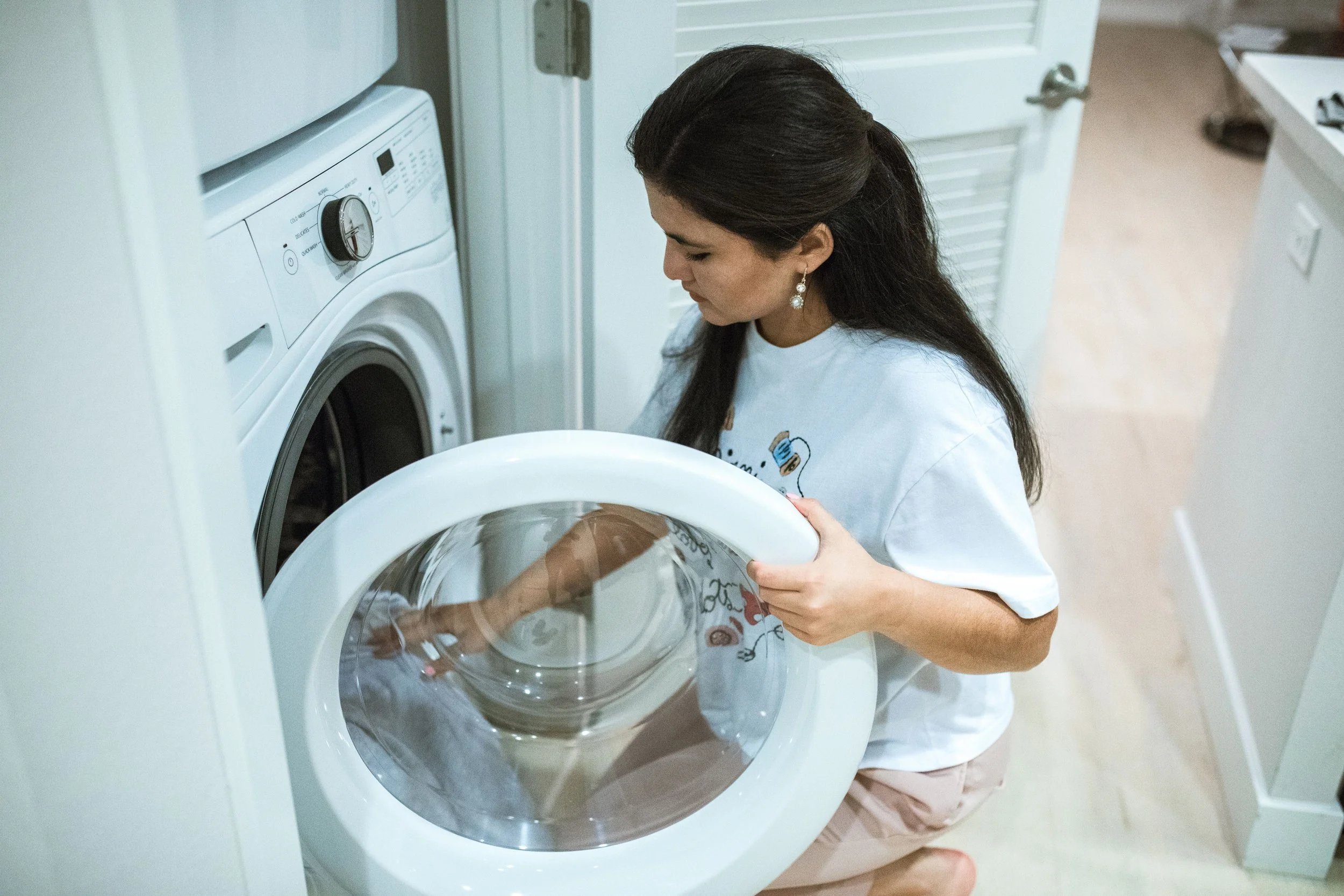
Don't even bother taking off your shoes before you start the wash. Toss that giant bag of damp, sunscreen-scented vacation clothes straight into the machine right away. Getting the first load spinning before you even sit down on the couch builds instant momentum.ini existential crisis. Before you know it, you're lying in bed late at night checking every Brunswick house for sale online, convincing yourself that buying a whole new property is easier than doing three loads of laundry. Keep running loads back-to-back until it’s done, and actually fold the clothes right away instead of letting them live in a laundry basket for a week.
3. Perform a Brutal Fridge Cleanout
There is always a moment of pure dread when you open the refrigerator after being away. Toss out whatever half-empty milk, ancient leftovers, or questionable spinach you left behind without second-guessing yourself. Don't try to smell it or convince yourself it's still good. Wipe down the shelves quickly, and immediately place a small online order for basic groceries. Just get coffee, eggs, bread, and milk. You do not want to wake up on your first morning back to a barren kitchen, zero caffeine, and a ruined mood.
4. Sort the Mail Over the Trash Can
Your mailbox probably overflowed while you were away, and the natural temptation is to dump the whole stack on your kitchen island to deal with "later." Do not let that pile touch your countertops. Stand directly over your recycling bin or trash can while you sort through it. Tear up the junk flyers, local catalogs, and credit card offers on the spot. Only save actual bills or important letters, and put them in one designated spot so they don't get lost in the shuffle.
5. Put Souvenirs and Extras Away Right Now
Deal with the random stuff you brought back before it becomes permanent clutter on your dining table. Put the souvenir mug in the cupboard, throw the local snacks in the pantry, and toss those half-empty travel shampoo bottles straight into the bin. If you bought an impulse item that you realize you don't actually like or need, donate it or get rid of it now. Don't let guilt turn travel impulse buys into permanent household clutter that collects dust.
6. Reset the Air and Environment
A stale, closed-up house makes post-vacation blues ten times worse. Open every window in the place for twenty minutes to flush out the dead, stagnant air. Run a quick vacuum over the main walkways, wipe down the bathroom sink, and light a fresh candle to instantly kill that dusty, empty-house smell. Taking ten minutes to freshen the physical air completely changes how your home feels. Getting back to reality is tough, but handling these quick resets the minute you walk in means you can actually relax in your home instead of living out of a duffel bag all week.
Post-vacation blues are real, but living in self-inflicted chaos makes them ten times worse. So put your phone down, step away from the couch, and unlatch that suitcase right now. Toss that first load of dirty clothes into the wash and grab a trash bag, your future self will thank you tomorrow morning when you're drinking coffee in a clean, quiet house instead of digging through a duffel bag for socks.

The "last 10%" of a move: the odd, bulky, forgotten items no checklist covers, and how to finally plan for them.
The "last 10%" of a move: the odd, bulky, forgotten items no checklist covers, and how to finally plan for them.

The moving truck pulled away hours ago, and most boxes are unpacked. Yet there's still a strange pile by the garage door, the kind every household seems to grow without meaning to. Half a bottle of laundry detergent. A tangle of extension cords. Three keys that open nothing anymore. A lamp with a shade that never quite survived the trip. That leftover pile is what movers and organizers call the "last 10%" of a move. It's the awkward, easy-to-forget stuff that doesn't fit neatly into "keep," "donate," or "trash" until moving day is already underway. Most moving checklists cover furniture and boxes. Almost none of them cover this.
What Actually Counts as the "Last 10%" of a Move?
This category is the collection of items with no obvious home. Partially used cleaning supplies, seasonal decorations, mismatched cords and chargers, sentimental odds and ends, and anything too bulky to pack like a normal box. These things get skipped in early planning because they don't belong to a room or a project the way furniture or dishes do. Some things follow a household from move to move without ever finding a real place, quietly riding along in a box that never gets fully unpacked. Naming this category early, before packing starts, is the first step toward actually dealing with it instead of just relocating it again. Most people don't realize they have one until it's already in the way.
Why Do Bulky and Oversized Items Always End Up in This Pile?
Bulky items are the most predictable members of this leftover category. They require decisions nobody wants to make under time pressure. A treadmill, a large mirror, a piano; none of these fit into a standard box or a quick donation drop-off. They get pushed to "figure out later" long after the moving date is set. Relocating a bulky instrument is a textbook example of this problem. A piano is heavy and awkward to angle through doorways. It's genuinely risky to move without the right equipment, yet it rarely gets a line item on the moving checklist until the truck is already booked.
Planning for these pieces at the very start, not the week before, keeps them from becoming a last-minute scramble that eats an entire moving-day afternoon and often costs extra once movers realize the job is bigger than quoted.
What Are the Most Common Leftover Categories?
A handful of categories show up in almost every one of these piles, regardless of the size of the move. A useful list to check against before packing begins:
Partially used cleaning supplies, paint cans, and household chemicals
Cords, chargers, and cables with no obvious matching device
Bulky furniture and equipment like pianos, treadmills, or large mirrors
Seasonal decorations stored outside normal closet rotation
Sentimental odds and ends without an assigned home, like loose photos or ticket stubs
None of these categories is hard to handle on its own. The problem is that they rarely get planned for until they're already underfoot.
How Should You Plan for These Items Before Moving Day?
Give this leftover category its own moving-day plan from the start. Don't let it default to whatever box happens to be nearby. A single clearly labeled bin for miscellaneous items, sorted before packing begins, keeps the pile from spreading across five different boxes. Storage and organizing hacks built for people who move often work well here. Frequent movers have already solved the problem of what to do with things that don't have a permanent home. Setting a firm decision deadline, a week before the move, for anything still sitting in that bin also helps. It stops the pile from turning into permanent clutter in the new place.
What Happens When This Pile Doesn't Get a Plan?
Skipping this planning step doesn't make the pile disappear. It just moves with the household and resurfaces later, usually at the worst time. Unresolved decisions about odd items tend to show up as low-grade stress weeks after the boxes are gone. A garage still half full of unsorted items three months in isn't really about the garage. It's leftover decision fatigue from moving day that never got resolved. Handling this pile early keeps that stress from following the household into its new routine, where it usually surfaces as irritation rather than an obvious cause.
What Does the Research Say About Clutter and Decision Fatigue?
There's a real cognitive reason this pile feels so draining. Sabine Kastner, a psychology professor who leads attention research at the Princeton Neuroscience Institute, has found that visual clutter competes directly with the brain's ability to focus. It tires out cognitive function the longer it stays in view. A pile of undecided items doesn't just take up floor space. It quietly taxes attention every time someone walks past it. That's part of why this stray pile feels disproportionately stressful compared to its actual size. The brain treats unresolved visual clutter as unfinished business, and it keeps flagging that unfinished business until someone finally deals with it.
Close Out the Pile Instead of Packing It Again
The "last 10%" of a move isn't a sign of bad packing. It's a predictable category that almost every move produces, and it deserves its own plan rather than a leftover pile by the door. Sort it early. Label it clearly. Set a real deadline for the bulky and awkward pieces, and treat the sentimental odds and ends as their own small project instead of an afterthought. Before the next move starts, walk through the house and name what's likely to end up in this pile. That single step turns the "last 10%" from a source of stress into just another checklist item, one that gets closed out instead of carried to the next address.

How to Stay Organized When Moving Out of a Rental
Moving out of a rental is one of those times when your organizing skills really get put to the test. On top of packing boxes, changing your address, and figuring out your new place, there's usually one more task waiting at the end: a thorough end of lease cleaning that satisfies your landlord or property manager. If you've ever lost part of your security deposit over a few missed spots, you know how frustrating that can feel.
We partnered with a home improvement company for this post. The opinions in the post are honest. All reviews and opinions expressed in this post are based on our personal views. We are excited because we know you will love it.

Moving out of a rental is one of those times when your organizing skills really get put to the test. On top of packing boxes, changing your address, and figuring out your new place, there's usually one more task waiting at the end: a thorough end of lease cleaning that satisfies your landlord or property manager. If you've ever lost part of your security deposit over a few missed spots, you know how frustrating that can feel.
The good news is that a little organization goes a long way here. With the right approach, you can move out smoothly and leave the place in great shape without the last-minute scramble.
Start With a Simple Checklist
Before you even start packing, it helps to walk through your rental and jot down anything that will need attention before you leave. Think about things like:
Kitchen appliances, especially the oven and fridge
Bathroom tile, grout, and fixtures
Carpets and flooring throughout the home
Windows, tracks, and blinds
Walls, in case of scuffs or marks
Outdoor areas, if your lease covers them
Having this list early means you're not trying to remember everything the night before you hand back the keys.
Pack First, Clean Second
It might sound obvious, but one of the biggest organizing wins is separating your packing and cleaning into two clear stages. Trying to do both at once usually means you end up cleaning around boxes and furniture, which makes the whole process take longer and leaves a higher chance of missed spots. Once everything is packed and moved out, you have a clear, empty space to work through room by room.
Decide Early: DIY or Bring in Help
Cleaning an entire home to the standard most leases require takes more time than people expect, especially with everything else going on during a move. This is where it helps to make a decision early rather than leaving it until the last day. Some renters prefer to handle their vacate cleaning themselves with a solid checklist and a free weekend. Others choose to bring in a professional moving out cleaning service, since a lot of companies specialize in getting homes ready to meet the exact standards landlords and property managers look for during a final inspection.
Either way, deciding ahead of time means you can build it into your moving timeline instead of scrambling for it at the end.
Keep Your Paperwork Organized Too
While you're organizing the physical space, don't forget the paperwork side of moving out. Keep copies of your move-in condition report, any communication with your landlord, and photos of the property once it's clean. If there's ever a question about your bond cleaning results or your deposit, having this on hand makes the conversation much easier.
A Smooth Move-Out Is Just Good Organizing
At the end of the day, a stress-free move-out comes down to the same principles as any other organizing project: break it into smaller steps, tackle them in the right order, and don't leave everything until the last minute. Whether you handle the cleaning yourself or bring in help, going in with a plan makes the whole process a lot less overwhelming, and gives you the best shot at getting your full deposit back.