

A resource for those seeking information on organizing and transforming spaces.

Organizing for Multigenerational Homes: Harmony in Shared Spaces
Discover the art of organizing for multigenerational homes. Learn to create a space where everyone thrives.
How do you blend the bustling energy of youngsters with the peaceful routines of older people? We will unveil the secrets to curating spaces that bridge age gaps, nurture connections, and transform houses into homes that echo with laughter, support, and the timeless rhythm of family. We'll guide you through the art of organizing for multigenerational homes.
Creating Functional Shared Spaces
Firstly, designing these spaces requires a masterful blend of art and intention. The cornerstone of a functional space is an open layout—an area that breathes and connects, fostering conversations that crisscross generations and an atmosphere of warmth. Yet, within this openness, we cannot overlook the need for personal retreats, alcoves of solitude that offer respite and reflection. Additionally, it's about identifying pieces that wear versatility as their hallmark, seamlessly adapting to the dynamic preferences of the young and the comfort-oriented requirements of the elderly.

The furniture weaves connections between generations, from convertible seating morphing with a twist to ingenious storage solutions that embrace function and form. If you already have great furniture you want to reuse, remember to use the right packing supplies as Zapt Movers California suggests. With high-quality furniture now in place, grandparents can regale their grandchildren with stories of yesteryears, and parents can unwind after the day's hustle. As daylight wanes and laughter fills the air, these shared spaces transcend their physical dimensions, transforming into a tapestry of shared experiences, laughter, and understanding.
Designing for Accessibility
Catering to the needs of elderly family members stands as an imperative as we embrace inclusivity within our shared spaces. That entails weaving features like handrails, ramps, and non-slip flooring into our design tapestry. These elements facilitate mobility and underscore our commitment to creating an environment where all can thrive. When considering the comfort architecture, the bedrooms' arrangement takes center stage. For older adults, a ground-floor bedroom becomes a haven of ease. This choice sidesteps the stairs challenge, ensuring their sanctuary is within easy reach. So, as sunsets paint the sky and weary bones seek rest, this thoughtful gesture resonates deeply.
Yet, accessibility extends its arms beyond the corridors. It ventures into the most intimate corners of our abode: the bathrooms. Here, installing grab bars and adjustable fixtures becomes a non-negotiable investment. Safety knows no age, and these installations stand as sentinels, guarding against slips and providing a secure foundation for all generations. So, accessibility isn't just about features; it's about fostering an environment where every member feels valued and at home regardless of age or ability. Moreover, it's about recognizing that our shared spaces embody our collective commitment to one another's well-being.
Personalizing Individual Spaces
These spaces are more than mere corners; they're canvases for identity to unfurl. When organizing for multigenerational homes, individuality is key. A harmonious home embraces diversity while upholding unity. Encouraging each family member to infuse their personal touch into their spaces fosters a sense of ownership and cultivates an atmosphere of inclusivity. You can downsize your home to personalize it without creating clutter.
Furthermore, you can keep an inventory of everything in storage for easy access. If you are unsure how to create a home inventory, remember that a list can help you maintain order easily. With a clutter-free home, you can easily achieve a conflict-free environment.

While personalization brings uniqueness, cohesion remains the heart's desire. Balancing the two is an art worth mastering. Imagine a painter using a consistent color palette across their canvas, creating a visual melody that resonates from scene to scene. In much the same way, you can highlight shared spaces with shared elements. So, add a consistent color scheme, complementary decor, or thematic accents. Overall, these threads of continuity tie the tapestry together, forming a visual narrative that's as pleasing as it is cohesive. Ultimately, personalization isn't about clashing uniqueness but about harmonizing it.
Shared Responsibilities and Chores
Next, these tasks aren't mere duties; they're the threads that stitch together the fabric of everyday life, fostering a spirit of collaboration and mutual support. A chore chart stands as a roadmap to harmony. Assigning tasks fairly among family members is like orchestrating a well-balanced composition, where each instrument plays its part to create a symphony of functionality. From sweeping floors to setting the table, each contribution is a note that resonates with the rhythm of togetherness.
So, to infuse variety and prevent the humdrum of routine from setting in, the art of rotating responsibilities comes into play. Much like seasons changing, rotating tasks keep the household dynamic and engage each family member in diverse ways. Additionally, this rotation breathes new life into familiar chores and ensures that every individual has an opportunity to contribute their unique strengths. At its core, shared responsibilities are more than just a means to an end; they're a tangible expression of care and shared investment in the household's well-being. Moreover, they remind us that everyone plays a vital part in nurturing the home regardless of age or role.
Conflict Resolution and Flexibility

Navigating conflicts requires a skillful hand and an open heart. Active listening becomes a torch that illuminates the path to resolution. By lending our ears and embracing empathy, we unlock the door to understanding each other's perspectives. Finding common ground is the compass that steers us toward unity—a reminder that shared values and aspirations lie beneath differences. Flexibility is the glue that keeps the family mosaic intact. Just as the seasons change, so does the family dynamic.
Adaptation is the secret to weathering these shifts with grace. The roles that elders once played might evolve, and the interests of the young might transform. Embracing these changes with an open mind is key to preserving harmony amid evolution. The art of conflict resolution and flexibility is a journey of growth and transformation. Once you defuse disagreements and reach compromises, the family emerges stronger, each member contributing to the rich narrative of coexistence.
Summary On Organizing For Multigenerational Homes
In the intricate dance of multigenerational living, the canvas of shared spaces becomes a masterpiece of unity. Families can harmonize diverse generations into a tapestry of connection by valuing communication, personalization, and organizing for multigenerational homes. Embracing each member's interests, boundaries, and contributions nurtures an environment where the old and the young coexist with empathy. Through conflicts navigated and bonds strengthened, the home becomes a sanctuary where generations thrive together, creating lasting memories and forging unbreakable ties.

Home Organization for Book Lovers: Managing Extensive Collections
Discover the art of home organization for book lovers! From custom shelves to cozy reading nooks, create a delightful haven for your collection.
If you're a book lover, you know the joy of immersing yourself in the world of literature. However, you also understand the challenges that come with managing an extensive collection. Home organization is crucial to keep them accessible, well-preserved, and aesthetically pleasing. Therefore, we'll explore practical tips and creative ideas to help you efficiently arrange, store, and display your favorites. From space-saving shelving solutions to cataloging methods that simplify finding your favorite titles, we've got you covered. Discover how to strike the perfect balance between order and charm with home organization for book lovers. Also, ensure that your treasured books bring delight to both your mind and your living space. Embrace the art of organization and transform your home into a perfect reading nook.
Prepare Your Book Collection
First and foremost, take a comprehensive inventory of your collection to assess its size and scope. Identify the prevalent genres and categories you own. Once you have a clear picture, it's time to declutter. Be honest about which ones you truly want to keep, and consider donating or giving away the ones you no longer need. After decluttering, it's time to choose an organizational system that suits your preferences. You can opt for a traditional method like arranging them alphabetically by title or author or get creative with alternative methods such as organizing them by genre, color, or even by the emotions they evoke. Now comes the practical aspect of organizing. Consider investing in custom bookshelves or built-ins to maximize your space and create an elegant display.
If you're on a budget, plenty of do-it-yourself shelving options are available that can be both functional and visually appealing. Think about the flow of your space and how you want to arrange them. You might want to dedicate a whole room to your collection or create a cozy reading nook in the living room. Be mindful of accessibility, so you can easily find the ones you want to read. If you are moving into a new home, especially in an area with high humidity like Florida, Pro Movers Miami advises you to prepare your book collection by wrapping it in adequate protective paper.
Additionally, use the right moving boxes so that the weight of the books won’t damage. Lastly, remember that book organization is an ongoing process. As you acquire new ones, make sure to integrate them into your existing system. Regularly reassess and rearrange what you have to keep the space tidy and enjoyable.
Utilize Furniture and Storage Solutions

In your Miami home, when implementing the tips for home organization for book lovers, effectively utilizing furniture and storage solutions is essential for managing your collection. Custom shelves and built-ins offer elegant options tailored to your space. Consider hiring professionals to design and install bespoke solutions or embark on a budget-friendly DIY project for a personal touch. Wall-mounted shelves are excellent for maximizing vertical space and adding modern flair to your home decor. Multi-functional furniture with built-in shelves, like bookcase headboards or storage ottomans, provides a clever way to store them while serving other purposes. Decorative bookcases and open shelving units can add style and sophistication to your living spaces. Incorporate decorative boxes and baskets into your shelves to keep smaller items organized. These additions can hold bookmarks, reading glasses, and other reading accessories.
Make the most of underutilized spaces by adding floating shelves above doorways or around windows. These can turn seemingly empty areas into functional displays. Additionally, ladder-style shelves or rolling carts provide a mobile storage solution and add a touch of whimsy to your home library. When space is limited, consider using furniture with hidden storage compartments. Coffee tables, side tables, and even benches can hide them beneath their surfaces. These pieces not only keep them organized but also contribute to a clutter-free living area.
Managing a Book Collection in Miami's Climate

Firstly, choose the right location for your home library, preferably a cool, well-ventilated area away from direct sunlight and moisture-prone spots. Invest in a dehumidifier to maintain optimal humidity levels, safeguarding them from mold and mildew growth. Regularly clean and dust the space to prevent debris accumulation, as dust can attract moisture and lead to damage. Consider using dust jackets to shield them from humidity and other environmental factors. When storing rare or valuable books, use acid-free and archival-quality materials to preserve their condition in the long term. Proper air circulation is crucial, so avoid overcrowding your shelves, as it can impede airflow and contribute to humidity build-up.
If possible, install ceiling or portable fans in your home library to keep the air circulating and maintain a consistent temperature. Another option is to place moisture-absorbing materials like silica gel packs in your storage areas to help combat excess humidity. Regularly inspect them for any signs of damage, discoloration, or warping. If you notice any issues, address them promptly to prevent further deterioration. In case of severe weather warnings, take preemptive measures like covering your shelves with plastic sheets to protect your collection. If you are moving into a new home, consider the moving and packing process. Hiring white glove movers in Miami Beach is a great decision, as trained pros that go the extra mile make sure your books are safe during transport. By adopting these strategies, you can ensure they remain well-preserved and ready to be enjoyed for years.
Create a Cozy and Inviting Reading Space

Start by selecting a quiet corner or a well-lit spot with ample natural light to set the right ambiance. Consider adding soft, plush cushions or a comfortable armchair where you can sink in and get lost in your favorites. Blankets and throws add warmth and a touch of comfort, making your reading nook all the more inviting. Personalize your space with items that reflect your personality and interests, such as artwork, photographs, or decorative objects with sentimental value. A side table or shelf nearby can hold your current reads or a reading lamp for those late-night sessions. Introduce natural elements like potted plants or a small indoor fountain to create a serene atmosphere. These elements add beauty, improve air quality, and contribute to a calming environment.
Pay attention to lighting by incorporating adjustable lighting options. Soft, warm lighting can create a soothing ambiance, while task lighting ensures you have adequate illumination for reading without straining your eyes. Consider incorporating a shelf into your reading space to have your favorites within arm's reach. This adds to the cozy atmosphere and serves as a visual reminder of the joys of reading. Lastly, minimize distractions and noise in your reading space, allowing you to immerse yourself in the captivating worlds within the pages fully. With attention to detail, you can create a haven where you can indulge in the pleasure of reading.
A Conclusion on Home Organization for Book Lovers
In the bustling city of Miami, a home organization for book lovers with extensive collections is an art worth mastering. Cultivating a cozy and inviting reading space further enhances the pleasure of indulging in your favorites. Your home library becomes a sanctuary of literary delight by striking a balance between functionality and ambiance.
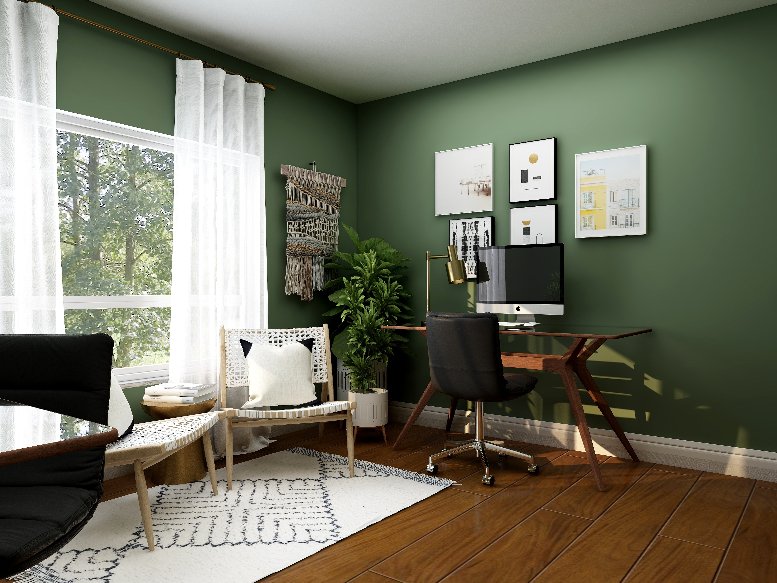
Clever Storage and Organizational Ideas for a Clutter-Free Home Office
Working from home or telecommuting is hardly a new concept, but the COVID-19 pandemic really put remote work at the forefront, and it’s looking like it’s here to stay. Through this shift in working culture, the home office has become a sanctuary for productivity, allowing individuals to balance their work and personal lives conveniently.
We partnered with an office furniture company for this post. The opinions in the post are honest. All reviews and opinions expressed in this post are based on our personal views. We are excited because we know you will love it.
Working from home or telecommuting is hardly a new concept, but the COVID-19 pandemic really put remote work at the forefront, and it’s looking like it’s here to stay. Through this shift in working culture, the home office has become a sanctuary for productivity, allowing individuals to balance their work and personal lives conveniently.
However, creating a clutter-free home office that’s conducive to productive work is easier said than done. This is especially true if your home can spare very limited space for your work requirements. In this article, we will explore clever storage and organizational ideas that will transform your home office into a clutter-free and inspiring workspace, providing you with great ideas for upgrading your work setup.
Embrace Multifunctional Furniture
Multifunctional office furniture is a game-changer for a clutter-free home office. These versatile pieces maximize space and serve multiple purposes, combining aesthetics with functionality. Here are a few suggestions:
Opt for desks with built-in drawers and shelves to keep office supplies organized. Alternatively, consider utilizing under-desk storage solutions to maximize the use of space beneath your work surface.
Consider ottomans or coffee tables with hidden storage compartments, allowing you to tuck away items when they are not in use.
Shop for fold-out desks and convertible furniture that offer flexibility. They provide additional workspace when needed and disappear seamlessly when not required.
Make the Most of Wall Space
When it comes to storage solutions, do not overlook your walls. Utilizing vertical space is a brilliant way to keep your home office clutter-free. Below are a few tips on how to achieve this:
Install floating shelves to display books and decorative items, freeing up valuable desk space.
Consider using pegboards, which provide customizable and versatile organization options. Pin frequently used tools, supplies, and accessories, making them easily accessible without cluttering your desk.
Transform a section of your office wall into a corkboard or whiteboard, where you can pin important notes, reminders, and inspiration, ensuring that your workspace remains clean and organized.
Use Office Accessories Creatively
Office accessories can be the unsung heroes of your organizational strategy. Using different solutions, you can eliminate the mess on your desk one by one. Take a look at these recommendations for essential accessories:
Invest in cable management solutions to keep cords and cables tidy and prevent them from becoming a tangled mess.
Get desk organizers such as pen holders, file trays, and document organizers to keep your desk neat and efficient.
Take a look around your home for creative storage solutions—mason jars make excellent holders for pens and other small items, and repurposed household items like old suitcases can serve as unique and stylish storage containers.
Explore Digital Solutions for a Paperless Office
Embracing digital solutions can significantly reduce paper clutter and make your home office more efficient. Here are some tips for going paperless:
Subscribe to digital filing systems and cloud storage for storing and accessing important documents and files from anywhere.
Utilize your scanner and opt for document management apps to help you digitize physical papers easily.
Consider creating a hybrid system where you keep essential physical documents in a designated filing system while scanning and storing non-essential items digitally. This approach ensures that you enjoy the benefits of a paperless office without losing the familiarity of traditional paper organization.
Implement Color-Coded and Labeled Organization
Color coding and labeling is a powerful technique for organizing your home office supplies. To implement this system in your office space, check out these suggestions:
Assign specific colors to different categories of items. This simple yet effective method allows you to identify and find what you need quickly.
Label storage containers, shelves, and drawers to maintain a sense of order, preventing items from ending up in the wrong place and creating clutter.
Declutter Regularly and Maintain the Order
Creating a clutter-free home office is an ongoing process that requires regular maintenance. Here are a few recommendations to keep your office clean and organized:
Set aside time at least once a month to declutter your workspace.
Remove any unnecessary items and ensure everything has its designated place.
Establish a cleaning and organizing routine to keep your office in top shape.
Don’t Forget About Personalization and Aesthetics
While the main goal is to maintain a clutter-free home office, it is essential to personalize your workspace to make it truly your own.
Add touches of decor and artwork that inspire and motivate you. Make sure that they occupy as little space as possible.
Strive to strike the right balance between aesthetics and functionality. An aesthetically pleasing office can create a positive and inviting atmosphere, making your work hours enjoyable and productive.
Every dedicated remote worker deserves a clutter-free home office where they can work in peace. In building this work sanctuary, you have to think about your needs and embrace new technologies that make office work so much more efficient. Moreover, think about what nurtures your ambitions and cultivates your potential. Through these innovative solutions and ideas, you can discover for yourself what gives you inspiration and motivation to be successful in your chosen career path.
What to Know When Hiring a Professional Home Organizer
From understanding their expertise to choosing the right organizer, learn the essentials for hiring a professional home organizer.
Welcome to the ultimate guide on hiring a professional home organizer! If you've ever dreamt of living in a clutter-free paradise, you're in the right place. We're here to unveil the secrets of turning chaos into pure bliss. Say goodbye to the never-ending battle with overflowing closets and chaotic corners. With the help of a professional home organizer, your home will be a sanctuary of organization and serenity. Get ready to unlock the wonders of a well-organized space and discover how to choose the perfect organizer who will bring order and harmony into your life. Let's dive in and declutter like never before!
Understanding the Role of a Professional Home Organizer
So, you've decided to bring in the big guns—the professional home organizers who eat chaos for breakfast. But wait, what exactly do they do? They are experts in designing and implementing personalized systems that will revolutionize your home. They have an eye for detail, a knack for problem-solving, and the magical ability to create order out of pure mayhem. By bringing a professional home organizer on board, you're inviting a superhero into your life—one who will tackle the mess with gusto and leave you with a space that dreams are made of. Say goodbye to endless searching for misplaced items and hello to a Zen-like atmosphere where everything has a designated spot.
Assessing Your Organizational Needs
Are your closets bursting at the seams? Is your paperwork piling up like a never-ending mountain? Or perhaps your kitchen resembles a culinary tornado aftermath? Take a deep breath and survey your space with a discerning eye. If you want to make your new place comfortable, identify the trouble spots, those places that make you cringe every time you lay eyes on them. Maybe it's the overflowing garage or that chaotic entryway that greets you with chaos every time you step through the door. Once you've identified the target zones, get specific about your challenges and goals. Assess how much you're willing to invest in this transformation and consider the time you have available for the project.
Researching and Choosing the Right Professional Home Organizer
First things first, start by gathering intel on reputable home organizers. Jump online and explore their websites, social media platforms, and online reviews. Pay close attention to testimonials from satisfied clients who have experienced the magic of their organizational wizardry. Turn to your trusted allies: friends and family. The word-of-mouth grapevine can be a treasure trove of valuable information. Prepare probing questions to unravel their approach, methodology, and expertise. Dig deep and make sure their values and organizational style align with your vision. Ask for a portfolio of their previous projects and examine before-and-after photos.
Interviewing Potential Home Organizers
Before hiring a professional home organizer, prepare yourself with a set of thought-provoking questions to dive deep into their organizational prowess. Ask about their approach and methodology—how they tackle clutter and create customized solutions. Do they have a knack for spatial optimization? Are they masters of maximizing storage space? Discover their unique superpowers! Experience speaks volumes, so inquire about their track record. How long have they been organizing homes? Have they dealt with situations similar to yours? A seasoned organizer with a proven history of triumphing over clutter is a force to be reckoned with. Qualifications matter too! Explore their professional background, certifications, and training. During the interview, trust your instincts. Chemistry matters! You'll be working closely with your chosen home organizer, so ensure there's a personal connection.
Understanding Pricing and Contracts
Transparency is key! Ensure that your potential home organizer provides a clear breakdown of their fees, outlining what's included in the package and any potential additional costs. You deserve to know exactly what you're paying for and what services are encompassed in the agreed-upon price. A written agreement is essential to protect both parties involved. Take the time to thoroughly review and understand the terms and conditions outlined in the contract. Look out for details like the scope of the project, timeline, cancellation policies, and any guarantees or warranties provided.
Relocation experts from Transparent International NYC advise: "If any aspect of the contract raises questions or concerns, don't hesitate to seek clarification. Clear communication is vital to ensure everyone is on the same page and that expectations are met; it's normative."
Ensuring Confidentiality and Privacy
Confidentiality is a top priority when choosing a home organizer. During the interview process, address any concerns you may have and discuss how they handle sensitive information. Reputable organizers understand the significance of discretion and will gladly provide reassurances about protecting your privacy. To further fortify the walls of confidentiality, inquire about the measures they take to safeguard personal information. Are they committed to secure document handling and storage? Do they have protocols in place to ensure your secrets remain hidden from prying eyes? Don't hesitate to ask for non-disclosure agreements if you feel it's necessary. Trust is the foundation of a successful partnership, so select a home organizer who demonstrates professionalism, integrity, and respect for your privacy.
Compatibility and Personal Connection
Consider their communication style. Are they open, approachable, and responsive? Effective communication is the lifeblood of collaboration, ensuring you and your organizer are always on the same page throughout the process. Find someone who makes you feel heard and valued. Compatibility also extends to working styles and approaches. Discuss your preferences and organizational philosophies with potential home organizers. Need more texture and decor? Are they flexible and adaptable to your unique needs? Do their methods align with your desired outcome? Finding someone who resonates with your vision and understands your goals will pave the way for a harmonious journey.
Scheduling and Timelines
Rome wasn't built in a day, and neither will your perfectly organized kingdom. Patience is key. Communicate your availability and preferred scheduling parameters to your chosen professional home organizer. Together, you'll work out a plan that accommodates both parties' needs. Flexibility is essential, as unforeseen circumstances may arise during the organizing process. During your discussions, confirm the estimated duration of the organizing project. While it may vary depending on the scope, having a rough idea will help you plan accordingly.
Finally
So, hiring a professional home organizer went smoothly. Good job! Now, it's time to embrace organized life fully. Cherish your clutter-free haven, revel in the freedom it brings, and celebrate the peace of mind that comes from living in a well-organized space. Remember, this is just the beginning of a lifelong journey of organization and serenity. Continue to nurture the habits and systems established during the organizing process. Regular decluttering, assigning items to their rightful places, and staying committed to an organized lifestyle will ensure that chaos remains at bay.

