

A resource for those seeking information on organizing and transforming spaces.

How to Maximize Space in a Small House?
Living in a small house can be challenging, especially when it comes to organizing and maximizing your available space. With thoughtful planning and innovative solutions, you can transform your small living environment into a functional and comfortable home. This guide provides practical strategies to help you maximize space in a small house, enhancing both its functionality and aesthetic appeal.
We partnered with a moving company. for this post. The opinions in the post are honest. All reviews and opinions expressed in this post are based on our personal views. We are excited because we know you will love it.

Living in a small house can be challenging, especially when it comes to organizing and maximizing your available space. With thoughtful planning and innovative solutions, you can transform your small living environment into a functional and comfortable home. This guide provides practical strategies to help you maximize space in a small house, enhancing both its functionality and aesthetic appeal.
Living in a small house often means facing the challenge of limited space and the need for efficient organization. The key to making a small house feel spacious and comfortable lies in maximizing the use of every square foot. By adopting smart design principles and utilizing multifunctional furniture, you can create a home that meets all your needs without feeling cramped.
Planning Your Floor Plan
A well-planned floor plan is essential for an efficient small house. Optimize your layout by analyzing each area and incorporating smart storage solutions, such as built-in shelving, under-stair storage, and multifunctional furniture. This approach maximizes space and ensures a smooth flow throughout your home.
Optimizing Layout: Consider open floor plans that eliminate unnecessary walls and create a sense of openness. Use furniture placement to define different areas instead of building physical barriers.
Creating Zones: Divide your space into functional zones, such as living, dining, and sleeping areas. This approach helps organize the space and makes it feel larger and more structured.
Utilizing Vertical Space
Vertical space is a valuable asset in a small house. By utilizing walls and vertical surfaces, you can significantly increase your storage options without taking up additional floor space.
Vertical Storage Solutions: Install shelves, cabinets, and wall-mounted units to store items off the ground. Floating shelves and wall-mounted racks are perfect for holding books, decor, or kitchen essentials.
Smart Use of Walls: Hang hooks for bags, coats, and accessories. Use pegboards or magnetic strips in the kitchen to store utensils and knives, freeing up drawer space.
Choosing Multifunctional Furniture
In a small house, every piece of furniture should serve multiple functions to maximize utility and save space.
Multiple Functions: Opt for furniture that can perform more than one role, such as a dining room table that can double as a workspace or a sofa that converts into a guest bed.
Space-Saving Designs: Invest in compact and transformable furniture, like fold-out tables or modular sofas. Murphy beds and expandable dining tables are excellent choices for small space living.
Enhancing Living Areas
Creating a comfortable and functional living room in a small house requires careful selection of furniture and decor.
Small Space Design: Choose slim, streamlined furniture that fits the scale of the room. Avoid bulky pieces that dominate the space.
Creating the Illusion of Space: Use mirrors to reflect light and create a sense of depth. Light colors on walls and furniture can make the room feel airy and spacious. Additionally, using vertical lines in your decor can draw the eye upward, making the space feel taller.
Efficient Use of Small Rooms
Each room in a small house has unique challenges, but with the right approach, you can make the most of every corner.
Designing for Small Rooms: Tailor your design to the specific needs of each room. For example, in a small bedroom, use under-bed storage and wall-mounted shelves to free up floor space. In a bathroom, opt for corner shelves and over-the-toilet storage.
Smart Storage: Incorporate built-in storage solutions like cabinets and drawers to minimize clutter. Rolling carts can be used in various rooms for flexible storage that can be moved as needed.
Maximizing Storage
Effective storage solutions are crucial for maintaining an organized small house. Look for hidden storage opportunities and innovative furniture designs that offer extra space.
Innovative Storage Solutions: Use furniture with hidden storage, such as ottomans with compartments or beds with built-in drawers. Consider installing shelves or cabinets in underutilized areas like under stairs or in corners.
Utilizing Unused Areas: Transform often-overlooked spaces into storage areas. For instance, the space above doorways can be used for shelves, and the area under stairs can be converted into a closet or pantry.
Creating Functional Zones
Dividing your small house into distinct functional zones can help organize activities and make the space more versatile.
Zone Creation: Use rugs, furniture, and lighting to delineate different areas within a room. For example, use a sofa to separate the living area from the dining space or a bookshelf to create a visual barrier between the living room and a home office.
Flexible Living: Design zones that can adapt to different activities. A living room can also serve as a home office or guest room with the addition of a fold-out desk or a sleeper sofa.
Space-Saving Tips for Common Areas
Common areas like the living room, dining area, and kitchen often require creative solutions to maximize space without compromising functionality.
Living Room: Arrange furniture to enhance flow and use pieces that can double as storage, such as coffee tables with shelves or media consoles with compartments.
Dining Area: Choose space-efficient dining room tables like drop-leaf or extendable tables that can adjust based on the number of people dining. Consider benches that can be tucked under the table when not in use to save space.
Kitchen: Optimize your kitchen layout by using vertical storage, installing pull-out shelves, and utilizing cabinet organizers to keep items accessible and orderly.
Making a Room Feel Larger
Creating the illusion of space can make small rooms feel more comfortable and less cramped.
Illusion of Space: Incorporate design elements like light colors, reflective surfaces, and minimalistic decor to visually expand the room. Position mirrors opposite windows to reflect natural light and make the space appear larger.
Minimalism: Embrace a minimalist approach by decluttering and keeping only essential items. Simple, clean lines and a lack of excess decor can help a room feel more open and less congested.
Conclusion
Maximizing space in a small house involves a combination of strategic planning, smart furniture choices, and creative design techniques. By optimizing your floor plan, utilizing vertical space, and selecting multifunctional furniture, you can create a home that is both functional and aesthetically pleasing.
Remember, the key to successful small space living is flexibility and adaptability. Tailor your solutions to your specific needs and preferences, and don't be afraid to experiment with different ideas to find what works best for your space. With the right approach, you can make your small house feel spacious, comfortable, and truly your own.

Space Savvy: Custom Closet Storage for a Clutter-Free Home
Imagine waking up and stepping into a perfectly organized closet where everything you need is at your fingertips. Whether you have a cozy wardrobe or a grand walk-in closet, clutter can turn even the best mornings into a frantic search for that missing shoe or favorite jacket.
We partnered with a home improvement company for this post. The opinions in the post are honest. All reviews and opinions expressed in this post are based on our personal views. We are excited because we know you will love it
Imagine waking up and stepping into a perfectly organized closet where everything you need is at your fingertips. Whether you have a cozy wardrobe or a grand walk-in closet, clutter can turn even the best mornings into a frantic search for that missing shoe or favorite jacket.
With the right custom closet storage solutions, you can transform your chaotic space into a haven of order and efficiency. No more clothes piles and tangled accessories—just a streamlined, clutter-free environment that saves you time and stress.
In this guide, you will discover innovative ideas to help you design the closet of your dreams, making every day a bit easier and more stylish. Embark on this journey to reclaim your space and elevate your everyday routine.
Incorporate Multi-Functional Furniture
Optimizing your closet space starts with thinking beyond traditional storage solutions. One game-changing approach is incorporating multi-functional furniture. Imagine a sleek ottoman that provides a comfy spot to sit while you put on your shoes and opens up to reveal hidden storage for scarves, belts, or even handbags. Or consider a dresser with a built-in mirror and jewelry organizer, streamlining your morning routine by keeping all your essentials in one place.
You can maximize your closet's efficiency without sacrificing style by integrating furniture serving multiple purposes. A bench with pull-out drawers or a bed with built-in under-storage can drastically reduce clutter, making it easier to keep your space tidy.
These multi-functional items are ideal for cramped areas where every square inch matters. Accept the possibilities of multipurpose furniture to design a closet that fits your demands and keeps your home tidy.
Include Shelves
Adding shelves is one of the easiest and most efficient ways to maximize the space in your closet. Shelves offer flexible storage options that make it easier to keep items accessible and organized. Consider adding movable shelves to change the height and accommodate various items, such as rows of shoes or piles of sweaters.
Think of combining open and closed shelves. Open shelves are perfect for displaying your most-used items, allowing you to grab them quickly without rummaging through piles. You can use closed shelves or boxes to store seasonal clothes or less frequently used accessories, keeping them dust-free and out of sight.
Vertical space is often underutilized in closets, so never forget to extend shelves to the ceiling. This creates additional storage for items you need to access daily, such as luggage or special occasion outfits. With the right shelving, your closet can become a model of organization and efficiency.
Install Closet Armoires
Incorporating closet armoires into your storage strategy can transform your space by adding functionality and elegance. These freestanding units offer versatile storage solutions that can adapt to your needs, providing extra space for clothing, accessories, and more.
Closet armoires come in various styles and sizes, making them perfect for any room, whether you have a compact bedroom or a spacious walk-in closet. They often feature a combination of hanging rods, drawers, and shelves, allowing you to organize different items efficiently. For example, you can hang dresses and suits on the rods, store folded sweaters in the drawers, and place shoes or accessories on the shelves.
A well-chosen armoire can also enhance the aesthetic of your space. Opt for designs that complement your existing decor, whether a sleek, modern piece with clean lines or a vintage-inspired armoire with intricate details. Additionally, armoires can provide a stylish solution for storing items that do not fit in your built-in closet, creating a cohesive and clutter-free look in your home.
By incorporating a closet armoire, you can add practical storage and a touch of sophistication to your space, making it easier to keep everything organized and accessible.
Group Clothes by Styles and Colors

Grouping clothes by style and color is a powerful strategy to bring order and harmony to your closet. Make it easier to find what you need, create outfits, and maintain a visually appealing space when you arrange your wardrobe this way.
Start by sorting your clothes into categories based on style. Group all your workwear, casual outfits, formal attire, and activewear separately. This way, when getting ready for a specific occasion, you can go directly to the relevant section of your closet, saving you time and reducing stress.
Next, organize each category by color. Arrange your clothes in a gradient from light to dark or by the colors of the rainbow. This method makes your closet look more visually appealing and helps you quickly locate items. For example, you can easily scan the blue section if you want to wear something blue rather than rummaging through everything.
This dual-organization approach also highlights wardrobe gaps, making it easier to identify what you need more of and what you might have in excess. Keeping your closet neat and systematic by grouping clothes by style and color enhances your daily routine and brings a sense of calm and order to your space.
Display Your Shoes
Making your shoes the spotlight of your closet adds style and functionality. Install dedicated shoe racks or adjustable shelves at eye level to create a designated space for your footwear. Clear acrylic shelves offer a modern touch and make it easy to see each pair.
Consider adding a glass-fronted cabinet to display your favorite fitted shoes, protecting them from dust while turning them into a stylish focal point. For smaller spaces, over-the-door or hanging organizers keep shoes off the floor and neatly arranged.
Enhance your display with proper lighting, such as LED strips or spotlights, to highlight your collection. Doing so makes finding shoes easier and adds a boutique-like feel to your closet.
Having a Clutter-Free Closet

You can transform your home into a clutter-free haven by focusing on custom closet storage solutions. From multi-functional furniture and smart shelving to stylish armor and spotlight-worthy shoe displays, each element contributes to an organized, efficient space.
Grouping clothes by style and color further enhances accessibility and aesthetic appeal. These thoughtful strategies simplify your daily routine and bring a sense of calm and order to your home. Embrace these ideas to create a closet that reflects your style and meets your organizational needs effortlessly.

Move With Zen: Protecting Your Health During The Big Move
Moving! It's a thrilling chapter filled with fresh possibilities – a new house, a new neighborhood, maybe even a new job. But amidst the excitement, it's easy to underestimate the physical and mental toll that moving can take. Between the packing, the lifting, the endless to-do lists, and the goodbyes to familiar surroundings, moving can quickly become a recipe for stress, exhaustion, and even injury.
Moving! It's a thrilling chapter filled with fresh possibilities – a new house, a new neighborhood, maybe even a new job. But amidst the excitement, it's easy to underestimate the physical and mental toll that moving can take. Between the packing, the lifting, the endless to-do lists, and the goodbyes to familiar surroundings, moving can quickly become a recipe for stress, exhaustion, and even injury.
That's why prioritizing your health throughout the moving process is crucial. This comprehensive guide sheds light on the various ways moving can impact your well-being, from sleep deprivation and dehydration to heightened stress levels and emotional distress. But fear not, weary mover! We're here to equip you with a toolbox of tips and strategies to safeguard your health and sanity during this transitional time.
Physically, we'll explore the importance of incorporating healthy movement and proper lifting techniques to avoid injuries. We'll also delve into mindful nutrition and hydration practices to keep your energy levels soaring throughout the packing frenzy. And let's face it, sometimes the best way to protect your back and your sanity is to enlist some extra muscle. This guide explores the benefits of utilizing professional movers – they can be lifesavers (literally!) when it comes to the heavy lifting and logistical burdens.
So, take a deep breath, grab a water bottle, and get ready to embark on a healthy move! By prioritizing your physical and mental well-being, you can transform this transition from a stressful ordeal into an exciting adventure.
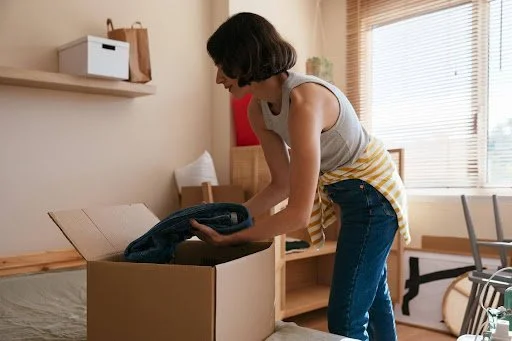
Moving On Up: Unveiling The Hottest Relocation Trends & Destinations
The American dream of packing up your life and chasing new opportunities across the country is alive and well. Thanks to a confluence of factors – from the rise of remote work to the allure of sunnier climes – a growing number of people are opting for long distance moves. In fact, over the past five years, a staggering 16% of Americans have said goodbye to their home states, enlisting the help of long distance movers, and embarking on exciting new chapters elsewhere.
The American dream of packing up your life and chasing new opportunities across the country is alive and well. Thanks to a confluence of factors – from the rise of remote work to the allure of sunnier climes – a growing number of people are opting for long distance moves. In fact, over the past five years, a staggering 16% of Americans have said goodbye to their home states, enlisting the help of long distance movers, and embarking on exciting new chapters elsewhere.
This surge in long distance moves is fascinating, and it raises a lot of questions. Where exactly are people going? What's driving this relocation revolution? And perhaps most importantly for those considering a cross-country adventure, what are the current trends shaping the nationwide housing market?
This resource below delves into the latest trends and statistics, providing a comprehensive overview of what’s happening nationwide. We'll explore the top destinations attracting new residents, uncover the factors influencing these choices, and even examine the impact of the current housing market on both buyers and sellers. So, whether you're a seasoned mover yourself or simply curious about the ever-evolving landscape of American migration, this report has something for you. Get ready to unpack some interesting insights – and maybe even start brainstorming your own move!

