

A resource for those seeking information on organizing and transforming spaces.
10 Common Moving Mistakes and How to Avoid Them
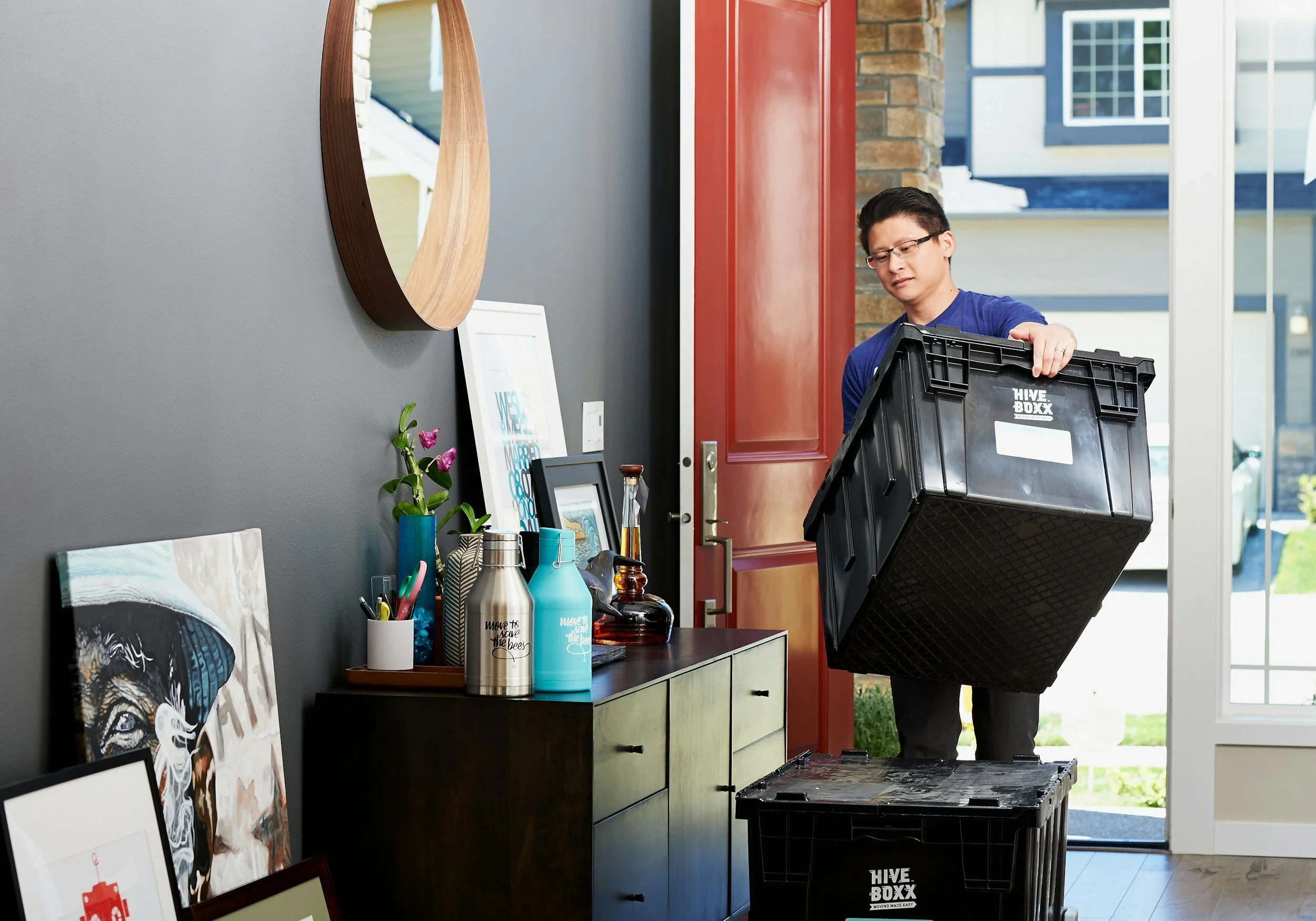
Moving can be a stressful and overwhelming experience. From packing up your belongings to coordinating logistics, there are many factors to consider when it comes to a successful move. To help ease the process, we've compiled a list of 10 common moving mistakes and how you can avoid them. By staying organised and proactive, you'll be able to navigate your move with confidence.
We partnered with a home improvement company. for this post. The opinions in the post are honest. All reviews and opinions expressed in this post are based on our personal views. We are excited because we know you will love it.
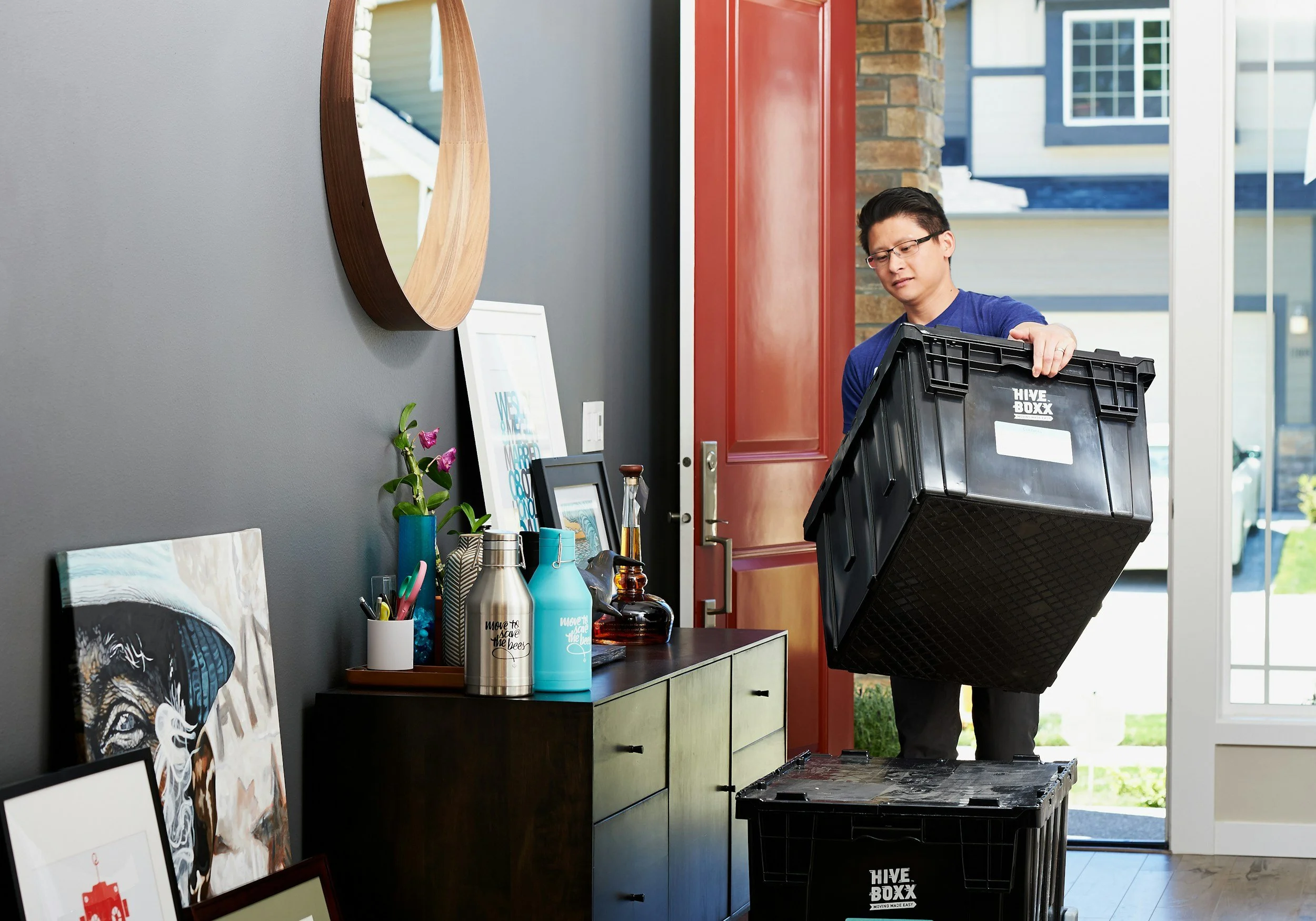
Moving can be a stressful and overwhelming experience. From packing up your belongings to coordinating logistics, there are many factors to consider when it comes to a successful move. To help ease the process, we've compiled a list of 10 common moving mistakes and how you can avoid them. By staying organised and proactive, you'll be able to navigate your move with confidence.
1. Procrastinating on Packing
Packing is often one of the most time-consuming aspects of moving, so it's essential to start early. Many people make the mistake of putting it off until the last minute, resulting in rushed packing or even leaving items behind. Create a packing schedule and tackle one room at a time, starting with seasonal or rarely used items. Seek the support of professional house movers in Auckland for stress-free moving.
2. Failing to Declutter
Moving presents an excellent opportunity to declutter your belongings and get rid of things you no longer need or use. However, some people skip this crucial step and end up bringing unnecessary items along with them. Before you start packing, go through each room and separate items into three categories: keep, donate/sell, and discard.
3. Underestimating Packing Supplies
Running out of packing supplies can cause unnecessary stress during your move. It's easy to underestimate how many boxes, bubble wrap, tape, and other materials you'll need. Be sure to stock up on these essentials well in advance so that you're not caught without them as moving day approaches.
4. Neglecting Proper Labeling
Labelling your boxes might feel like an extra step, but trust us - it will save you time later on! Don't make the classic mistake of throwing things haphazardly into boxes without labelling their contents or their designated rooms in your new home. Clear labels will ensure faster unpacking and help keep track of fragile items that require special care.
5. Overloading Boxes
It may be tempting to load large boxes full of heavy items for efficiency, but doing this can lead to damage, injury, or even unexpectedly collapsed boxes during transit. Instead, distribute the weight evenly by using smaller boxes for heavier items and sturdy medium-sized ones for lighter belongings.
6. Ignoring Inventory
Creating a detailed inventory of your possessions is essential for keeping track of everything during and after your move. Avoid the mistake of neglecting this step, as it will undoubtedly come in handy if any items go missing or get damaged in transit.
7. Not Researching Moving Companies
Choosing a reputable moving company is crucial to ensuring a smooth and successful move. Many people underestimate this step and end up regretting their decision when faced with costly damages or unprofessional behaviour. Take the time to research multiple moving companies, read reviews, and compare quotes to find one that meets your specific needs and budget.
8. Misjudging Truck Size
Underestimating the size of the truck needed for your move is another common mistake people make. A truck too small may require multiple trips or leave you unable to fit all of your belongings. Alternatively, selecting a truck that's too large means you're paying for unnecessary space. Take inventory of your belongings before booking a moving truck to determine the appropriate size.
9. Forgetting about Utilities
In all the hustle and bustle of moving preparations, it's easy to forget about cancelling utilities at your current residence and setting them up at your new one. Last-minute arrangements can be stressful and may result in temporary service interruptions. Notify utility companies well in advance to ensure a smooth transition on your moving day.
10. Overlooking Important Documents
During a move, important documents like passports, birth certificates, social security cards, etc., might be misplaced or forgotten amidst the chaos. To avoid critical document loss or delay in accessing them when needed (especially during new home setups), pack these items separately from other belongings and keep them with you at all times during the move.
Conclusion
Moving can be a challenging and complex process, but it doesn't have to be a nightmare. By learning from the common mistakes that many people make during their moves and taking proactive measures to avoid them, you can ensure a smoother and more successful transition. Start by giving yourself ample time to pack and declutter your belongings. Stay organised by creating a packing schedule and labelling your boxes clearly. Remember to distribute the weight evenly to prevent damage or injuries.

Fun and Creative Ways to Pack Your Items for the Move
Discover fun and creative ways to pack your items for the move! Make your move efficient and enjoyable with these tips.
Packing for a move can be stressful, but it doesn't have to be dull. Incorporating fun and creative ways to pack your items for the move can make the process enjoyable and even exciting. Explore various inventive methods to pack efficiently, keep your clothes in pristine condition, and keep your spirits high.
Pack Your Items for the Move: Start with a Plan
Before you begin to pack your items for the move, it's vital to have a solid plan. Determine what supplies you'll need, such as boxes, bubble wrap, and tape. Create a checklist to keep track of your progress. This planning stage will set the tone for a smooth and enjoyable packing experience. Planning ahead also helps you to stay organized and reduce the likelihood of forgetting important items.
Color-Code Your Boxes
Assign different colors for each room. Use colored markers or stickers to label your boxes accordingly. This method makes unpacking easier and adds a touch of fun to the process. When you arrive at your new home, you’ll know exactly where each box belongs. Additionally, this system can be a fun way to get the whole family involved in the packing process, as children often enjoy helping with color-coding. If the task feels overwhelming, you can always trust expert packers to handle the job efficiently.
Use T-Shirts as Padding
Instead of bubble wrap, use your t-shirts to cushion fragile items. This saves money and adds a personal touch to your packing. Plus, it’s eco-friendly! Your t-shirts can provide excellent protection for delicate items like glassware and ceramics. You’ll also save space since you won’t need to pack your clothing separately.
Create a Packing Playlist
Music can make any task more enjoyable. Curate a playlist of your favorite upbeat songs to keep your energy levels high while you pack. Dancing while packing is highly encouraged! A good playlist can turn a tedious task into a fun activity. You might even find yourself looking forward to packing sessions.
Pack a "First Night" Box
Pack a box with essentials you'll need for the first night in your new home. Include items like toiletries, a change of clothes, and basic kitchen supplies. Label it clearly and make it easily accessible. This way, you won’t have to rummage through multiple boxes to find what you need after a long day of moving. Having all your immediate necessities in one place can make your first night more comfortable and less stressful.
Utilize Household Items as Containers
Use baskets, bins, and other containers where you already have items to pack. This reduces the need for additional boxes. For example, laundry baskets can hold bulky items like pillows and blankets, while storage bins can be used for smaller items. Utilizing what you already have can save money and reduce waste. However, it's wise to opt for quality supplies for fragile or valuable items to ensure they remain safe during the move.
Use Suitcases for Heavy Items
Suitcases with wheels are perfect for packing heavy items like books. This makes them easier to transport and prevents potential injuries from lifting heavy boxes. Suitcases are designed to carry heavy loads and are easier to maneuver than boxes, making them an ideal choice for packing dense items.
Get Creative with Labels
Instead of simple text labels, try using fun drawings or stickers to indicate the contents of each box. This can be a great activity to involve kids in the packing process. Drawing a picture of the items inside can be especially helpful for children who cannot read yet. It also adds a personal touch and can make unpacking more enjoyable.
Pack by Room, Not by Item
Focus on packing one room at a time rather than sorting items by type. This method keeps things organized and makes unpacking less overwhelming. When you arrive at your new home, you can tackle unpacking one room at a time, making the process more manageable. It also helps to ensure that nothing gets left behind or misplaced. For more tips on packing your items for the move, visit hansenbros.com. Their website offers valuable resources, including real-life stories about packing tips for easier moving. You'll find a wealth of information to help make your move more efficient.
Host a Packing Party
Invite friends and family over for a packing party. Provide snacks and drinks, and turn packing into a social event. More hands make light work, and the company will make the task more enjoyable. You can set up different packing stations and assign specific tasks to each person. This way, you can pack your items for the move quickly while enjoying the company of loved ones.
Personalize Your Packing
Write notes or draw pictures on the boxes. These little personal touches can bring smiles when unpacking and reminiscing about the move. For example, you could write a special memory associated with an item or draw a picture representing its significance. These small details can add a sentimental touch to the moving process.
Utilize Technology
Take photos of how your electronics are set up before dismantling them. This will make reassembly easier and ensure everything is remembered. You can also create a digital inventory to keep track of all your items. Using apps designed for moving can help you stay organized and ensure that nothing gets lost during the move.
Incorporate Seasonal Decorations
If you’re moving around on a holiday, use your seasonal decorations as packing material. For example, Christmas stockings can be used to wrap delicate items, and Halloween buckets can be used to hold small items. This can add a festive touch to your packing and help you stay organized. Plus, you won’t have to find separate storage for your decorations.
Create a Moving Day Survival Kit
Pack a separate bag with all the essentials you’ll need on moving day, like snacks, water, important documents, and a phone charger. This will keep you prepared and less stressed. A survival kit ensures you have everything you need within reach, making the moving day more manageable and less chaotic.
Utilize Space Efficiently
Fill every nook and cranny in your boxes. Use socks to fill gaps between items or pack smaller items inside larger ones. This maximizes space and keeps items secure. Efficient use of space can reduce the number of boxes you need and make the packing process more streamlined. It also helps to protect your items from shifting during transit. If you need to store some items temporarily, consider renting a self-storage unit to keep them safe and organized.
Incorporate Fun Challenges
Turn packing into a game. Challenge yourself to pack a box in a specific amount of time or see how many items you can fit in a single box without breaking anything. These challenges can make packing more enjoyable. You can also create friendly competitions with family members to see who can pack the fastest or most efficiently.
Final Words
Incorporating these fun and creative ways to pack your items for the move can transform a typically stressful task into an enjoyable experience. From color-coding and using household items to hosting packing parties and utilizing technology, there are countless ways to make packing more efficient and satisfying. Happy moving!

Mastering the Art of Organizing Your Self Storage Unit
To organize a self storage unit efficiently, start by decluttering and categorizing items. Use clear bins for easy identification, label everything clearly, stack boxes to maximize space, create an aisle for access to all items, and consider shelving units to keep things off the floor and organized.
We partnered with a storage company. for this post. The opinions in the post are honest. All reviews and opinions expressed in this post are based on our personal views. We are excited because we know you will love it.
What are some tips for organizing a self storage unit efficiently?
To organize a self storage unit efficiently, start by decluttering and categorizing items. Use clear bins for easy identification, label everything clearly, stack boxes to maximize space, create an aisle for access to all items, and consider shelving units to keep things off the floor and organized.
Introduction
When you're getting your storage unit ready, keeping things organized is super important. If you arrange your stuff the right way, not only will you make the most out of the space, but finding what you need later on won't be a headache. There are lots of tips to get more from your storage space, such as using clear plastic bins for easy access and choosing good shelves for efficient storage. Knowing how to tidy up your self-storage spot means less time wasted and no fuss digging through messy boxes. So why not get better at organizing now?
Preparing Your Storage Unit for Organization
Before you start organizing your storage unit, take a moment to think about what items you'll be storing. Make a detailed list of everything to help use the available storage space in the best way possible. Instead of using cardboard boxes, which might not last long, go for clear plastic bins to store items. They're tougher and let you see what's inside without opening them up. To make the most out of the space going upwards, consider getting some good shelving units. Getting ready properly is crucial for keeping your storage unit tidy and makes finding things much easier when you need them.
Assessing What You Plan to Store
Before you start putting things away, it's a good idea to think about what you want to keep in your storage unit. Make a list of all the stuff that's taking up too much space at home or those items you just need to put aside for a while. By doing this, you'll figure out exactly what packing materials you might need and how best to arrange everything so it fits nicely. It helps if your list is organized by categories because this makes finding and storing things way easier. Knowing what’s inside each box or bin means less hassle when it comes time to find something specific later on. With an eye on the kinds of things you're planning to store, picking the right containers and spots for them becomes a great way to simplify your storage process.
Creating a Detailed Inventory List
After you've figured out what items you're going to keep in your self storage unit, it's really important to make a thorough list of everything. This should cover the number of each box, what's inside them, and any special directions for things that could break easily. Having a master list and map of your storage unit allows you to easily locate items, even if they are buried in the back of the storage unit. This way, you can avoid blindly digging through boxes and potentially damaging your belongings. For keeping things organized and making sure you can get to them without hassle, think about marking your boxes with a permanent marker.
Essential Supplies for an Organized Storage Unit
When you're getting your storage space all sorted out, it's super important to have the right stuff on hand. Go for clear plastic bins over cardboard boxes because you can see what's inside them way easier. It’s a good idea to get some strong shelving units too, so you can use up every bit of space effectively. With clear bins, spotting what you need is a breeze and those tough shelves are great for holding heavy items without any trouble. Don't forget to keep a permanent marker close by so you can label each bin properly. These tools will help make organizing your storage unit much smoother and keep everything looking neat and tidy. Additionally, it's important to group similar items together at the front of your unit for easy access and to leave an aisle to walk in and out with ease.
The Importance of Using Clear Plastic Bins Over Cardboard Boxes
When it comes to keeping your stuff in a storage unit, clear plastic bins are way better than cardboard boxes. They keep your belongings safe from dampness, mold, and bugs, making sure everything stays just like new. With their see-through sides, you can easily spot what's inside without having to dig through each box. These sturdy containers can be stacked on top of each other too, which is great for using the storage space smartly. Choosing these plastic bins is definitely a smart move if you want to protect your items while they're stored away.
Selecting the Right Shelving Units to Maximize Space
When you're setting up your storage unit, picking the right shelves is key to using the space well. Go for shelves that you can adjust so they fit items of different sizes. It's a good idea to pick ones made from strong metal or tough plastic since they last longer and can support fragile items. Having wheels on your shelving can make moving things around a breeze. Also, getting shelves with several levels helps use up vertical space better. By choosing the best shelving options, you'll be able to pack more into your storage unit and keep everything tidy.
Strategies for an Efficient Layout
When setting up your storage unit, it's really important to make the most out of every inch and keep things easy to get to. Start by putting stuff you use a lot right at the front so you can grab them without any trouble, while things you only need now and then can go towards the back. By making good use of vertical space, like piling boxes on top of each other or getting some solid shelves, you'll free up more room for available space. With painter’s tape, mark different areas so everything stays where it should be. Following these tips will help organize your storage unit better and make finding what you need less of a hassle.
Designing a Layout That Maximizes Accessibility
When you're setting up your self storage unit, make sure everything is easy to get to. Put the items you'll need access to in the front of your storage unit so they're easily accessible. With boxes and bins, put the heavy ones on the bottom and lighter ones above them. By using tall shelving units, you can take advantage of vertical space too. Make sure every box has a label showing what's inside for quick spotting. Organize things by putting similar items together; this makes finding what you need faster and cuts down on hassle when searching through your storage unit.
Utilizing Vertical Space: Tips for Stacking and Shelving
When you're setting up your storage unit, it's really important to use the space going up. To do this right, stack boxes high and make good use of shelves. Begin with the heavy stuff at the bottom and put lighter boxes above them. Think about getting strong shelving units that can hold all your things without a problem. For those smaller bits and pieces, bins are super handy to keep everything tidy. By stacking boxes and utilizing shelves, you'll be able to make the most out of the vertical space in your storage unit efficiently. Don't forget to keep a stool or ladder handy for accessing high items.
Keeping Your Storage Unit Safe and Secure
Knowing how key it is to manage the climate in your storage unit helps keep your stuff in good shape. Choosing a lock that keeps things safe is really important for looking after what you own. It doesn't matter if you're keeping holiday decorations or something pricey, making sure they're secure matters a lot. With these steps, you can stop bugs, dampness, and mold from ruining anything. This way, you'll feel at ease knowing everything's safe in your storage place.
Understanding the Importance of Climate Control
Keeping your stuff in a storage unit safe really depends on managing the temperature inside. If it gets too hot or cold, things like photos, electronics, and wood can get ruined for good. By making sure the temperature stays steady, you stop bad stuff like mold and mildew from growing or wooden items from bending out of shape. Before picking a storage spot, think about what the weather usually likes around there and choose one that keeps the air just right to protect your belongings longer. Putting climate control high on your list when choosing a storage unit makes a big difference in keeping everything in top shape.
Lock Selection: Ensuring Your Items Are Protected
When you're picking out a lock for your storage unit, make sure security is at the top of your list. Go for a strong padlock that comes with something called a shackle guard; it helps keep tampering away. Instead of just any old padlock, think about getting a disc lock because they're tougher against tools like bolt cutters. You'll also want to pick one that can stand up to drilling and being pried open. Keep in mind, spending money on a really good lock is key if you want to protect your belongings well inside your storage unit.
Conclusion
Keeping a tidy storage unit is more beneficial than you might realize. With these tips, your belongings will be secure and easily accessible whenever you need them. An organized storage space saves you time and effort in the long run. So, invest some effort upfront, choose high-quality storage supplies, and enjoy the benefits of a well-maintained self-storage unit. Additionally, considering a facility like Lakeside Storage can be a great option to ensure your items are stored in a reliable and accessible location.

Top 4 Storage Hacks for Keeping Your Clothes in Pristine Condition
We’ve all been there: when your closet feels overstuffed, your dresser is a tangle of mismatched clothing items, and your wardrobe looks like something out of a nightmare. We make do with what we have the best we can, and with all the distractions of day-to-day life, it’s easy to have this problem sneak up on you. All of a sudden, clothes that should have been in pristine condition are stretched thin, torn, or creased in ways that seem impossible to get out; and you have no idea what happened.
We’ve all been there: when your closet feels overstuffed, your dresser is a tangle of mismatched clothing items, and your wardrobe looks like something out of a nightmare. We make do with what we have the best we can, and with all the distractions of day-to-day life, it’s easy to have this problem sneak up on you. All of a sudden, clothes that should have been in pristine condition are stretched thin, torn, or creased in ways that seem impossible to get out; and you have no idea what happened.
Improper storage of clothing shortens their lifespan, causing beloved articles to degrade in ways both surprising and upsetting. In this article, we’ll show you how to store your clothes so they stay in pristine condition; no matter how long you’ve had them for.
1. Maximize Closet Space
First, we know this may be a bit painful, but if your storage areas are overcrowded; well, you’ve gotta go the Marie Kondo route. If it doesn’t spark joy, it’s gotta go, and the sooner the better.
Audit the clothing in your dresser and your closet, assessing the value of what you have both intrinsically and personally. Fast fashion items are often made of cheaper stuff and will degrade faster than more expensive, well-made items. If your closet or dresser is overcrowded, and fast fashion items are shoved in right next to your more expensive, treasured clothing options, they can cause those expensive items to degrade faster by association.
If you have some fast fashion items that you’d like to keep, consider alternative methods for storage that don’t pack them in with your more expensive stuff. Consider donating anything you don’t want to keep or don’t see yourself wearing for a while to a local shelter. This way, you can declutter while also doing some good, knowing your clothing is going to those who need it.
2. Repair Damaged Items
Whether folding your clothes up in a dresser or hanging them in a closet, make sure that any outstanding damage to your clothing is repaired before storage. Tears, holes, and frays will grow worse if left untreated, especially on the hanger, as they will make your clothing degrade faster over time.
Also, especially when prepping clothing for long-term storage, be sure to wash every article before putting them aside. It may be tempting to transition clothes that have been sitting folded in your dresser for a while to a box without any extra steps, but washing them prevents odors from transferring between items, and can help stave off the odor of staleness that is often a consequence of long-term unuse.
Hack 3: Know When To Fold Vs. Hang
As a general rule, more expensive items should be hung up carefully, without packing clothing around them to minimize wrinkling. Keeping your closet organized in such a way keeps your clothing in top condition, avoiding staining from adjacent fabrics, looking neat, and preventing stretching. Less expensive items, or items being prepped for long-term storage, should be folded. Army rolling your clothes does more to maximize storage space than the traditional fold and also does a better job of preventing creases.
Daily essentials like cotton dress shirts, outerwear, blouses, and henleys should be hung up in your closet or wardrobe; seasonal items like sweaters and thick pants should be hung up in a relevant space in your alternative storage area. The same goes for clothes you keep in your dresser, with daily items army-rolled and packed away close by.
Remember, anything you haven’t used in the last year and has no sentimental value can be discarded; you can inexpensively replace low-quality clothing with high-quality options while also keeping up with current fashion trends. Tricks like looking for vintage clothing items, comparison shopping, or deal-hunting will help you replace old fast-fashion articles quickly.
Hack 4: Choose Your Storage Options
Finally, we come to best practices for alternative storage. Store your clothing in bins that are airtight and weather resistant, as these will degrade less over time and prevent pests from making a home in your clothing. Only use cardboard boxes if you’re planning on keeping them inside your main residence, as they’re more likely to degrade quickly from inadequate temperature conditions.
Follow the above tips, and your clothing will remain pristine; no matter where it's stored.

