

A resource for those seeking information on organizing and transforming spaces.

Simple Tips for Organizing and Decluttering Your Home
Missouri, with its sprawling plains and vibrant cities, embodies a spirit of order and accessibility that can inspire homeowners to bring the same level of organization into their living spaces. Embracing the practice of decluttering and organizing in Missouri can transform a chaotic home into a serene and efficient environment. Just as the state efficiently manages its diverse landscapes from the Ozarks to the bustling streets of St. Louis, you too can manage your home space to optimize tranquility and functionality.
Missouri, with its sprawling plains and vibrant cities, embodies a spirit of order and accessibility that can inspire homeowners to bring the same level of organization into their living spaces. Embracing the practice of decluttering and organizing in Missouri can transform a chaotic home into a serene and efficient environment. Just as the state efficiently manages its diverse landscapes from the Ozarks to the bustling streets of St. Louis, you too can manage your home space to optimize tranquility and functionality.
Start with a Plan
Before diving into organizing, develop a clear plan. Begin by setting goals for each room in your home, determining what you need from each space. A plan acts like a roadmap, guiding you through each step of the decluttering process. Decide on deadlines to keep yourself accountable and track your progress. This approach not only streamlines your efforts but also helps keep you motivated, as you can clearly see the results as each area is tackled.
Assess Your Storage Needs
Effective storage solutions are crucial for maintaining a clutter-free home. Assess your current storage areas and think about what items you need to access regularly versus those you do not. For residents of Joplin Missouri storage options are readily available to safely house items that are infrequently used but still necessary. This could include seasonal decorations, out-of-season clothing, or extra furniture. Using offsite storage facilities can greatly free up space in your home and reduce daily clutter.
Use the Four-Box Method
The four-box method is a practical approach to sorting items efficiently. As you go through your belongings, use four boxes labeled: keep, donate, sell, and throw away. This method forces you to make a decision for each item, preventing unnecessary items from lingering without a place. It's a simple yet effective way to ensure that everything in your home has a purpose and a place, or else it finds a new home or is discarded.
Go Room by Room
Tackling an entire house at once can be overwhelming. Instead, focus on one room at a time. This allows you to give each space the attention it deserves, leading to more thorough cleaning and organizing. Start with high-traffic areas or rooms that cause you the most stress. Completing one room provides a sense of accomplishment and motivates you to move on to the next, making the process more manageable and less daunting.
Maximize Vertical Space
Utilizing vertical space can dramatically increase your storage capacity without cluttering your living areas. Install shelves or cabinets that reach up high, and use hooks on the backs of doors to hang coats, bags, or jewelry. This strategy makes use of often-overlooked space and helps keep your floors clear, creating a more open and airy environment in your home.
Digitize What You Can
To further reduce clutter, consider converting physical items to digital formats where possible. This applies especially to paperwork, photographs, and media like CDs and DVDs. Scanning documents and storing them on a computer or in the cloud not only saves physical space but also makes it easier to access and organize important files. Going digital can also help secure your data, as cloud storage often includes backup options to prevent loss.
Implement Storage Solutions
Once you’ve decluttered, it’s time to organize what remains. Implementing smart storage solutions can make a big difference. Use drawer dividers for utensils or office supplies, install closet organizers for clothes, and use labeled bins for toys or seasonal items. These systems help maintain order by ensuring everything has a specific place, which discourages the buildup of new clutter.
Establish a Maintenance Routine
Maintaining order in your home is an ongoing process. Establish a routine to periodically reassess and tidy up spaces. This could be a quick weekly tidy-up or a more thorough monthly check. Regular maintenance prevents clutter from accumulating and helps keep your home organized long-term. It also allows you to adapt your organization systems to any changes in your lifestyle or family needs.
Teach Household Members
To keep your home organized, it’s important to get all household members involved. Teach everyone where items should go and encourage them to maintain the organization systems you’ve set up. Assign specific tasks or areas for each person to manage, making it a shared responsibility. This not only keeps your home tidy but also fosters a sense of teamwork and respect for the shared space.
Optimize with Labels and Signs
Using labels and signs within your home can streamline your organizing efforts dramatically. Labeling shelves, bins, and drawers clarifies where items belong and helps prevent misplacement. In the kitchen, labels can distinguish spices or differentiate between flours and sugars. In a child’s room, labels on bins can guide them on where to store toys, books, or crafts, promoting independence and responsibility. This simple practice not only maintains order but also saves time during cleanup, as everyone knows exactly where things go. Effective labeling transforms chaotic spaces into models of efficiency, making daily routines smoother and more manageable.
In conclusion, organizing and decluttering your home is not just about cleaning up once; it’s about creating systems that ensure your space remains free of clutter in the future. By following these simple tips and involving the whole family in the process, you can maintain a tidy, stress-free home. These habits not only improve the look and feel of your living areas but also enhance the overall quality of life for everyone in the household. These simple steps can transform any chaotic home into an oasis of calm and order. As you continue to apply these principles, you'll notice a significant reduction in stress and an increase in productivity. Remember, a decluttered space leads to a decluttered mind, enhancing your overall well-being and happiness.

How To Organize A Pickleball Paddle Collection In Your Home
In the past year, I have purchased between 25 and 50 pickleball paddles, but I am getting to the point where I either need to optimize to hide this now “large” equipment or transform my garage showcase the paddles.
In the past year, I have purchased between 25 and 50 pickleball paddles, but I am getting to the point where I either need to optimize to hide this now “large” equipment or transform my garage showcase the paddles.
So, let’s go through how you may also organize your rapidly growing pickleball paddle collection.
And just for your own reference, I decided to use my garage to organize my pickleball paddle collection.
And, this is still very much a work in progress.
1. Sell Unused Pickleball Paddles
If you can get rid of unused pickleball paddles, you may free up space almost immediately.
For example, while I extensively reviewed the Niupipo pickleball paddle I find that I rarely use the paddle when comparing it to my Vatic Pro 14mm vs 16mm pickleball paddle.
So before you begin organizing, you may consider getting rid of unused pickleball paddles or even cheap pickleball paddles.
2. Use Wall-Mounted Racks
One of the best ways to save space is by using wall-mounted racks. I plan to have a few in my garage and they work wonders.
Vertical Storage: Mount the racks vertically to maximize wall space. This keeps the paddles off the ground and easily accessible.
Easy Access: Wall racks make it simple to grab and go. I don’t have to dig through a pile to find the paddle I need.
Protective Holders: Choose racks with protective holders to avoid scratching the paddles. This keeps them in good conditions.
3. Utilize Pegboards
Pegboards are another great option for organizing. They offer flexibility and efficiency.
Customizable Layout: I love how customizable pegboards are. You can arrange hooks and holders any way you like.
Holds Accessories: Pegboards aren’t just for paddles. You can also hang balls, bags, and other accessories.
Affordable Solution: They’re relatively inexpensive. You can find pegboards at most hardware stores.
4. Install Overhead Storage
If you’re really tight on space, look up! Overhead storage can be a game-changer.
Utilize Ceiling Space: Overhead racks make use of otherwise wasted ceiling space. I plan to install a couple in my garage and it’s made a big difference.
Store Less Frequently Used Items: I can keep my less frequently used paddles and gear up there. It’s a great place for off-season storage.
Safe and Secure: Make sure the racks are securely installed to avoid any accidents.
5. Use Shelving Units
Shelving units are versatile and provide ample storage. They can fit in tight spaces and are very practical.
Compact Design: I found a narrow shelving unit that fits perfectly in my garage. It doesn’t take up much floor space.
Adjustable Shelves: Look for units with adjustable shelves. This allows you to customize the height based on your needs.
Additional Storage Bins: Use bins or baskets on the shelves to keep things organized. Label them for easy identification.
6. Create a Dedicated Storage Corner
Sometimes, a small dedicated corner can make a big difference. Here’s how I set up mine.
Corner Shelves: Install corner shelves to maximize the use of space. They’re perfect for holding paddles and gear.
Hooks and Hangers: Add hooks and hangers for bags and other equipment. This keeps everything off the floor.
Compact Storage Solutions: Use compact storage solutions like stackable bins. They’re great for keeping smaller items organized.
7. Keep It Tidy with a Storage Bench
A storage bench is a dual-purpose solution. It offers seating and storage in one.
Multifunctional: You may consider a storage bench. It’s a great place to sit and change shoes, and it holds my paddles and gear.
Hidden Storage: The hidden storage keeps everything out of sight and makes the garage look tidier.
Easy to Access: It’s easy to open and access my paddles. Plus, it’s a comfortable spot to rest after a game.
Final Thoughts
Organizing my pickleball paddle collection in my small garage has been doable albeit difficult.
Selling unused pickleball paddles, wall-mounted racks, pegboards, overhead storage, shelving units, a dedicated storage corner, and storage benches are all excellent solutions.
I am hoping that these tips can keep my paddle collection fresh and fun. Hopefully, these tips can help you make the most of your small garage space too.
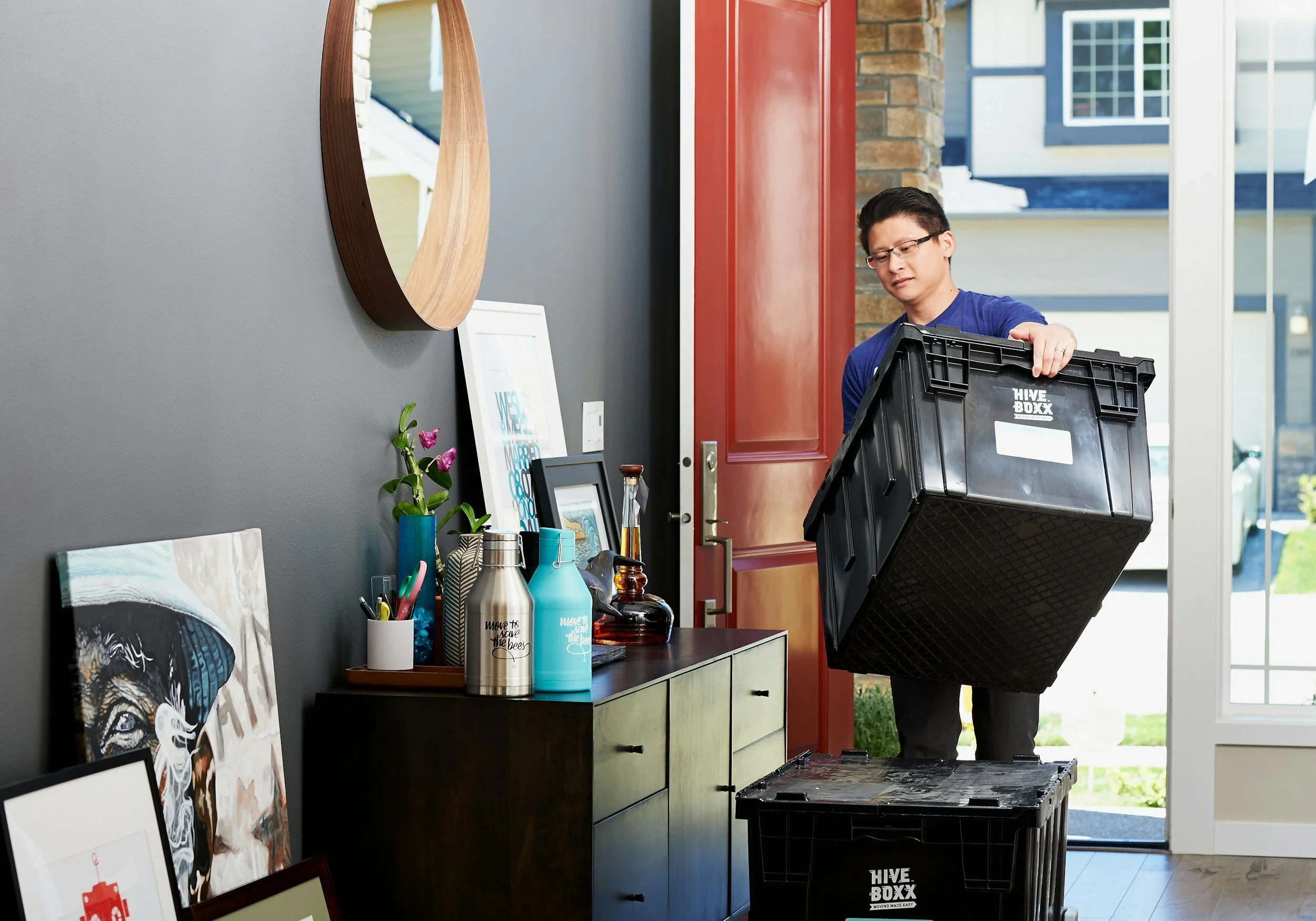
10 Common Moving Mistakes and How to Avoid Them
Moving can be a stressful and overwhelming experience. From packing up your belongings to coordinating logistics, there are many factors to consider when it comes to a successful move. To help ease the process, we've compiled a list of 10 common moving mistakes and how you can avoid them. By staying organised and proactive, you'll be able to navigate your move with confidence.
We partnered with a home improvement company. for this post. The opinions in the post are honest. All reviews and opinions expressed in this post are based on our personal views. We are excited because we know you will love it.
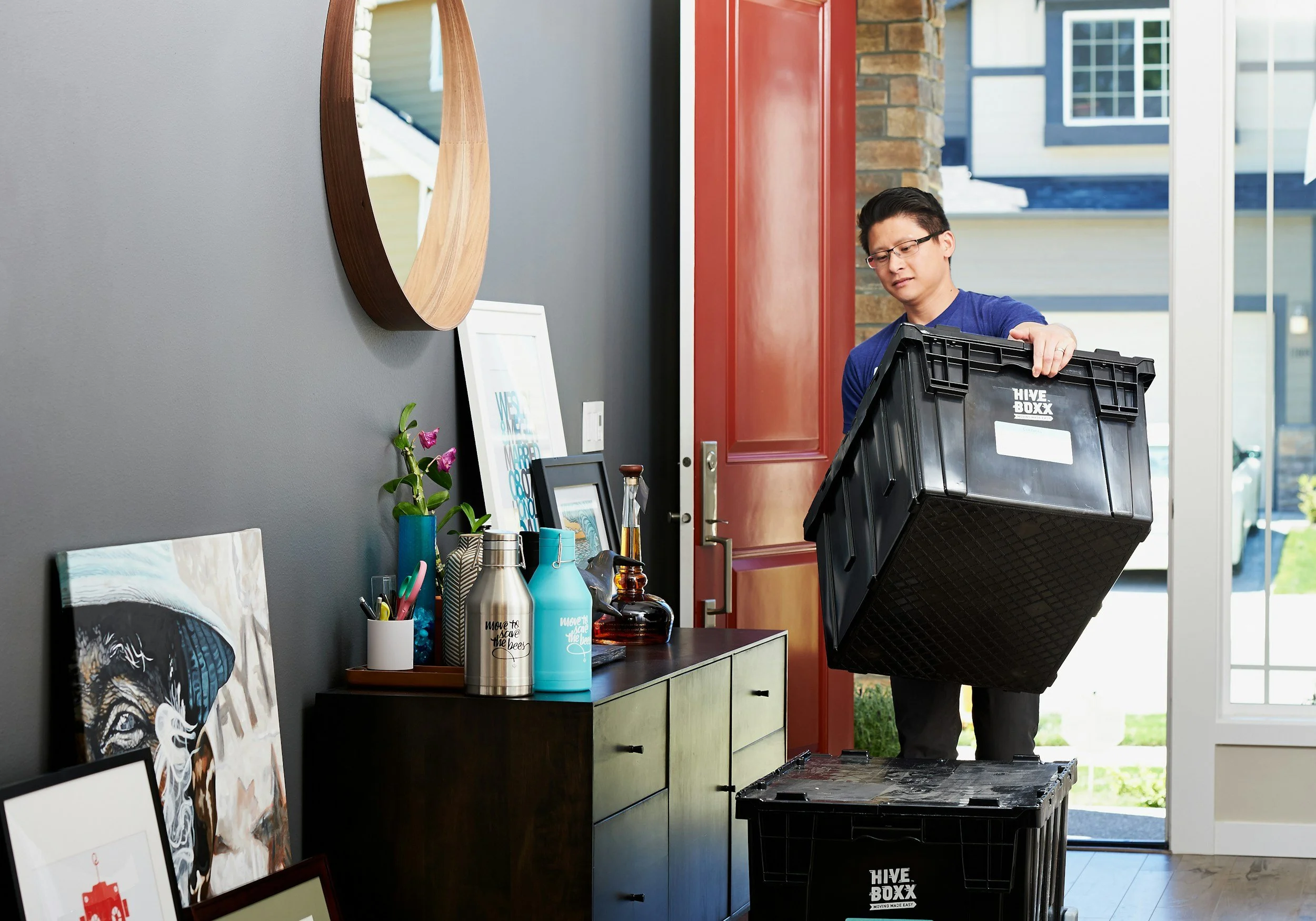
Moving can be a stressful and overwhelming experience. From packing up your belongings to coordinating logistics, there are many factors to consider when it comes to a successful move. To help ease the process, we've compiled a list of 10 common moving mistakes and how you can avoid them. By staying organised and proactive, you'll be able to navigate your move with confidence.
1. Procrastinating on Packing
Packing is often one of the most time-consuming aspects of moving, so it's essential to start early. Many people make the mistake of putting it off until the last minute, resulting in rushed packing or even leaving items behind. Create a packing schedule and tackle one room at a time, starting with seasonal or rarely used items. Seek the support of professional house movers in Auckland for stress-free moving.
2. Failing to Declutter
Moving presents an excellent opportunity to declutter your belongings and get rid of things you no longer need or use. However, some people skip this crucial step and end up bringing unnecessary items along with them. Before you start packing, go through each room and separate items into three categories: keep, donate/sell, and discard.
3. Underestimating Packing Supplies
Running out of packing supplies can cause unnecessary stress during your move. It's easy to underestimate how many boxes, bubble wrap, tape, and other materials you'll need. Be sure to stock up on these essentials well in advance so that you're not caught without them as moving day approaches.
4. Neglecting Proper Labeling
Labelling your boxes might feel like an extra step, but trust us - it will save you time later on! Don't make the classic mistake of throwing things haphazardly into boxes without labelling their contents or their designated rooms in your new home. Clear labels will ensure faster unpacking and help keep track of fragile items that require special care.
5. Overloading Boxes
It may be tempting to load large boxes full of heavy items for efficiency, but doing this can lead to damage, injury, or even unexpectedly collapsed boxes during transit. Instead, distribute the weight evenly by using smaller boxes for heavier items and sturdy medium-sized ones for lighter belongings.
6. Ignoring Inventory
Creating a detailed inventory of your possessions is essential for keeping track of everything during and after your move. Avoid the mistake of neglecting this step, as it will undoubtedly come in handy if any items go missing or get damaged in transit.
7. Not Researching Moving Companies
Choosing a reputable moving company is crucial to ensuring a smooth and successful move. Many people underestimate this step and end up regretting their decision when faced with costly damages or unprofessional behaviour. Take the time to research multiple moving companies, read reviews, and compare quotes to find one that meets your specific needs and budget.
8. Misjudging Truck Size
Underestimating the size of the truck needed for your move is another common mistake people make. A truck too small may require multiple trips or leave you unable to fit all of your belongings. Alternatively, selecting a truck that's too large means you're paying for unnecessary space. Take inventory of your belongings before booking a moving truck to determine the appropriate size.
9. Forgetting about Utilities
In all the hustle and bustle of moving preparations, it's easy to forget about cancelling utilities at your current residence and setting them up at your new one. Last-minute arrangements can be stressful and may result in temporary service interruptions. Notify utility companies well in advance to ensure a smooth transition on your moving day.
10. Overlooking Important Documents
During a move, important documents like passports, birth certificates, social security cards, etc., might be misplaced or forgotten amidst the chaos. To avoid critical document loss or delay in accessing them when needed (especially during new home setups), pack these items separately from other belongings and keep them with you at all times during the move.
Conclusion
Moving can be a challenging and complex process, but it doesn't have to be a nightmare. By learning from the common mistakes that many people make during their moves and taking proactive measures to avoid them, you can ensure a smoother and more successful transition. Start by giving yourself ample time to pack and declutter your belongings. Stay organised by creating a packing schedule and labelling your boxes clearly. Remember to distribute the weight evenly to prevent damage or injuries.

Fun and Creative Ways to Pack Your Items for the Move
Discover fun and creative ways to pack your items for the move! Make your move efficient and enjoyable with these tips.
Packing for a move can be stressful, but it doesn't have to be dull. Incorporating fun and creative ways to pack your items for the move can make the process enjoyable and even exciting. Explore various inventive methods to pack efficiently, keep your clothes in pristine condition, and keep your spirits high.
Pack Your Items for the Move: Start with a Plan
Before you begin to pack your items for the move, it's vital to have a solid plan. Determine what supplies you'll need, such as boxes, bubble wrap, and tape. Create a checklist to keep track of your progress. This planning stage will set the tone for a smooth and enjoyable packing experience. Planning ahead also helps you to stay organized and reduce the likelihood of forgetting important items.
Color-Code Your Boxes
Assign different colors for each room. Use colored markers or stickers to label your boxes accordingly. This method makes unpacking easier and adds a touch of fun to the process. When you arrive at your new home, you’ll know exactly where each box belongs. Additionally, this system can be a fun way to get the whole family involved in the packing process, as children often enjoy helping with color-coding. If the task feels overwhelming, you can always trust expert packers to handle the job efficiently.
Use T-Shirts as Padding
Instead of bubble wrap, use your t-shirts to cushion fragile items. This saves money and adds a personal touch to your packing. Plus, it’s eco-friendly! Your t-shirts can provide excellent protection for delicate items like glassware and ceramics. You’ll also save space since you won’t need to pack your clothing separately.
Create a Packing Playlist
Music can make any task more enjoyable. Curate a playlist of your favorite upbeat songs to keep your energy levels high while you pack. Dancing while packing is highly encouraged! A good playlist can turn a tedious task into a fun activity. You might even find yourself looking forward to packing sessions.
Pack a "First Night" Box
Pack a box with essentials you'll need for the first night in your new home. Include items like toiletries, a change of clothes, and basic kitchen supplies. Label it clearly and make it easily accessible. This way, you won’t have to rummage through multiple boxes to find what you need after a long day of moving. Having all your immediate necessities in one place can make your first night more comfortable and less stressful.
Utilize Household Items as Containers
Use baskets, bins, and other containers where you already have items to pack. This reduces the need for additional boxes. For example, laundry baskets can hold bulky items like pillows and blankets, while storage bins can be used for smaller items. Utilizing what you already have can save money and reduce waste. However, it's wise to opt for quality supplies for fragile or valuable items to ensure they remain safe during the move.
Use Suitcases for Heavy Items
Suitcases with wheels are perfect for packing heavy items like books. This makes them easier to transport and prevents potential injuries from lifting heavy boxes. Suitcases are designed to carry heavy loads and are easier to maneuver than boxes, making them an ideal choice for packing dense items.
Get Creative with Labels
Instead of simple text labels, try using fun drawings or stickers to indicate the contents of each box. This can be a great activity to involve kids in the packing process. Drawing a picture of the items inside can be especially helpful for children who cannot read yet. It also adds a personal touch and can make unpacking more enjoyable.
Pack by Room, Not by Item
Focus on packing one room at a time rather than sorting items by type. This method keeps things organized and makes unpacking less overwhelming. When you arrive at your new home, you can tackle unpacking one room at a time, making the process more manageable. It also helps to ensure that nothing gets left behind or misplaced. For more tips on packing your items for the move, visit hansenbros.com. Their website offers valuable resources, including real-life stories about packing tips for easier moving. You'll find a wealth of information to help make your move more efficient.
Host a Packing Party
Invite friends and family over for a packing party. Provide snacks and drinks, and turn packing into a social event. More hands make light work, and the company will make the task more enjoyable. You can set up different packing stations and assign specific tasks to each person. This way, you can pack your items for the move quickly while enjoying the company of loved ones.
Personalize Your Packing
Write notes or draw pictures on the boxes. These little personal touches can bring smiles when unpacking and reminiscing about the move. For example, you could write a special memory associated with an item or draw a picture representing its significance. These small details can add a sentimental touch to the moving process.
Utilize Technology
Take photos of how your electronics are set up before dismantling them. This will make reassembly easier and ensure everything is remembered. You can also create a digital inventory to keep track of all your items. Using apps designed for moving can help you stay organized and ensure that nothing gets lost during the move.
Incorporate Seasonal Decorations
If you’re moving around on a holiday, use your seasonal decorations as packing material. For example, Christmas stockings can be used to wrap delicate items, and Halloween buckets can be used to hold small items. This can add a festive touch to your packing and help you stay organized. Plus, you won’t have to find separate storage for your decorations.
Create a Moving Day Survival Kit
Pack a separate bag with all the essentials you’ll need on moving day, like snacks, water, important documents, and a phone charger. This will keep you prepared and less stressed. A survival kit ensures you have everything you need within reach, making the moving day more manageable and less chaotic.
Utilize Space Efficiently
Fill every nook and cranny in your boxes. Use socks to fill gaps between items or pack smaller items inside larger ones. This maximizes space and keeps items secure. Efficient use of space can reduce the number of boxes you need and make the packing process more streamlined. It also helps to protect your items from shifting during transit. If you need to store some items temporarily, consider renting a self-storage unit to keep them safe and organized.
Incorporate Fun Challenges
Turn packing into a game. Challenge yourself to pack a box in a specific amount of time or see how many items you can fit in a single box without breaking anything. These challenges can make packing more enjoyable. You can also create friendly competitions with family members to see who can pack the fastest or most efficiently.
Final Words
Incorporating these fun and creative ways to pack your items for the move can transform a typically stressful task into an enjoyable experience. From color-coding and using household items to hosting packing parties and utilizing technology, there are countless ways to make packing more efficient and satisfying. Happy moving!

