

A resource for those seeking information on organizing and transforming spaces.

Decluttered & Daylight: How Organised Homes Maximise Light and Space
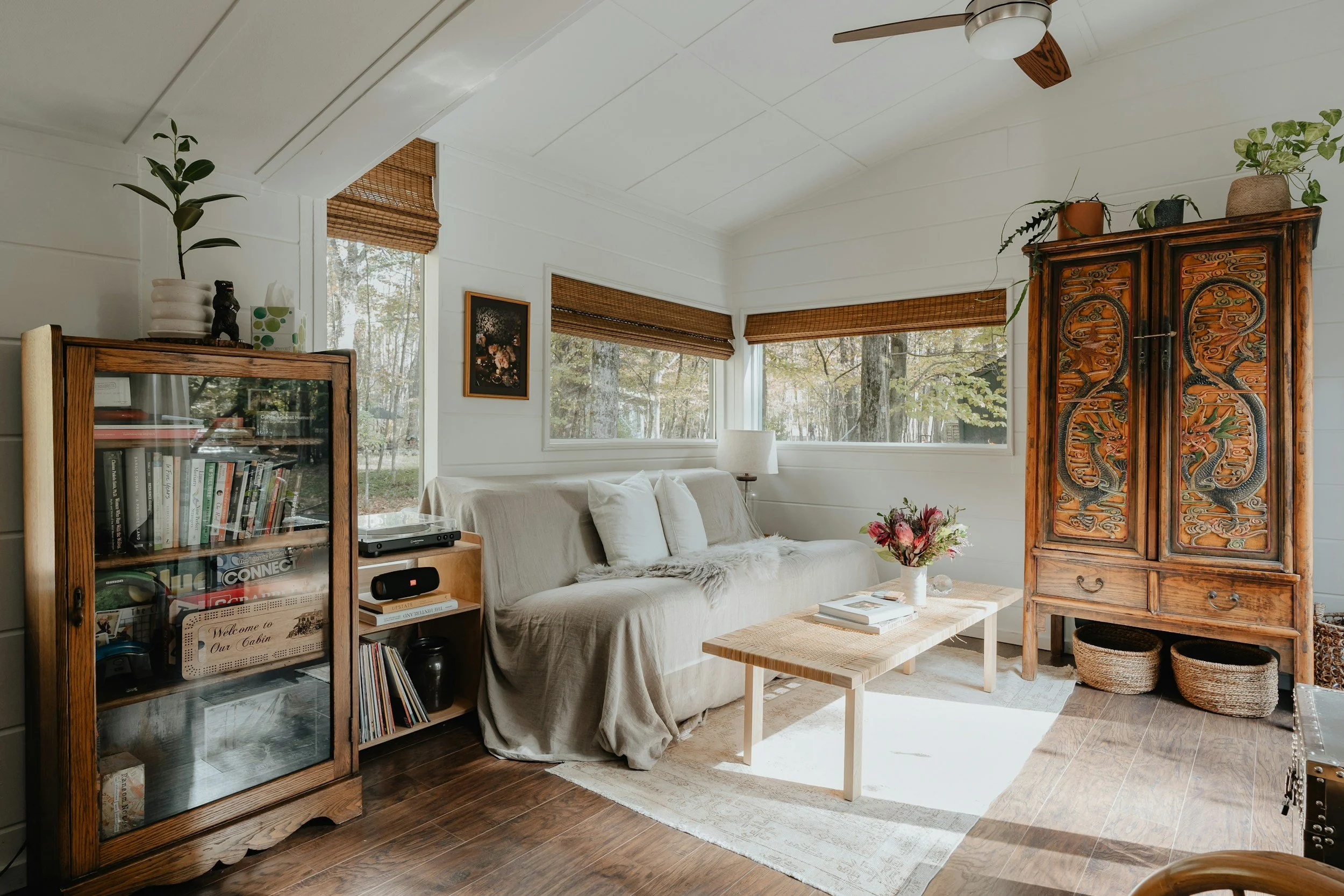
One of the most underrated contributors to how bright a home feels is the amount of visual clutter in it. We often assume daylight levels are fixed — as if the brightness of a room is simply dependent on window size or location. In reality, the way objects, furniture and storage are arranged has a direct effect on how light moves. When belongings are piled into corners, surfaces are covered and pathways are obstructed, daylight gets trapped. Conversely, when objects are given a logical place to live, the space between them becomes brighter and easier to inhabit.
We partnered with a home design company for this post. The opinions in the post are honest. All reviews and opinions expressed in this post are based on our personal views. We are excited because we know you will love it.
One of the most underrated contributors to how bright a home feels is the amount of visual clutter in it. We often assume daylight levels are fixed — as if the brightness of a room is simply dependent on window size or location. In reality, the way objects, furniture and storage are arranged has a direct effect on how light moves. When belongings are piled into corners, surfaces are covered and pathways are obstructed, daylight gets trapped. Conversely, when objects are given a logical place to live, the space between them becomes brighter and easier to inhabit.
This is why organization is not just a lifestyle trend. It has a measurable architectural effect. Light doesn’t just illuminate objects — it interacts with surfaces, materials and volume. When a room is visually lighter, it becomes perceptually larger. And when the room feels larger, it becomes more comfortable to use.
Start With Surfaces
Flat surfaces are where clutter shows up first. Kitchen counters, console tables, desk tops — these are the areas where daily life accumulates. The most useful future-forward habit is to categorize objects and give them a dedicated place. If everything is always on display, it creates visual noise that disrupts how the eye reads a space. A room with clean surfaces allows daylight to bounce more evenly, which contributes to a calmer, more balanced feel.
Storage That Doesn’t Crowd The Walls
A common mistake in smaller homes is lining every wall with furniture. When walls become storage barriers, daylight loses the ability to ‘float’ across the room unobstructed. Selecting fewer pieces but giving them higher functionality keeps the room readable and removes the sense of heaviness that pulls the space inward.
Tall storage can work well, but ideally with breathing room around it — especially near windows. The more air you allow between the structural elements and the glazing, the more room daylight has to flow.
Triangle Windows Need Smart Shading
Architectural statements are no longer limited to rectangles. Many modern homes — especially new-builds and remodels with vaulted ceilings — incorporate triangle windows in peak roof sections or dramatic clerestory shapes. These windows bring in fantastic
daylight, but they also require shading to prevent glare and overheating.
Triangle window blinds are specifically designed to handle these unique angles. Electric triangle blinds are becoming more popular because they allow homeowners to control shading without physically reaching for awkward angles. With motorized operation, the homeowner can maintain the sculptural impact of the geometry while still protecting comfort, privacy and daylight balance in the home.
Light Zones Instead of Light Everywhere
Decluttering isn’t just about removing objects — it’s about deciding where attention should be directed. In interior design terms, this is known as visual weighting. When everything is highlighted, the room feels busy. When the eye has a clear hierarchy, rooms feel calmer. Future-ready organization means directing daylight to places that benefit from focus — reading chairs, dining areas, creativity corners — while letting the non-essential zones recede.
Choosing Reflective Elements With Intention
Glossy surfaces reflect light, but too much gloss can feel artificial or visually aggressive. A more tasteful approach is to use subtle reflectivity: satin metals, pale stone, lightly reflective paint sheens. Organization gives you the room to make these material choices matter. When surfaces are clear, the light they reflect is more even and more pleasing to experience daily.
Conclusion: Organization Is A Light Strategy
Homes don’t need massive windows to feel bright. The interior can work with the light if the space is given clarity. Organization allows daylight to become a design tool rather than an afterthought. When things have logical homes, when surfaces are clear, and when architectural features — even triangular glazing — are managed thoughtfully, houses become brighter, calmer and more human-centered.
Decluttering isn’t a chore — it’s a spatial choice that reveals the light you already have.
The Post-Move Rituals That Create Instant Comfort and Order
Create comfort fast with practical post-move rituals that build order, reduce stress, and help your new home feel settled right away.
A new home feels fresh and full of potential, yet the first hours can feel chaotic. Simple post-move rituals help reduce stress, build order, and set the tone for calm daily living. These steps guide your focus, make unpacking easier, support clear decisions, help you settle, and make each room feel functional from the start.
Start With a Reset Moment
Take a short pause before unpacking. A brief walk-through helps you see the layout without boxes blocking your view. This moment gives you clarity and supports better decisions about placement, storage, and flow. You also begin working with intention rather than jumping between tasks.
Why Post-Move Rituals Matter for Immediate Calm
Your move may be complete, but your home still needs structure. Early habits create comfort, spark routine, and give each space purpose. These post-move rituals also prevent clutter from forming during the unpacking stage and help you avoid common mistakes everyone makes in the first few days. Practical steps, clear priorities, and small wins help you settle with confidence.
Set Up Your Primary Comfort Zones First
Focus on spaces that support daily habits. These include the bedroom, bathroom, kitchen, and entry area. Each one influences your routine, energy, and comfort.
Bedroom: Make the bed, place lamps, and choose a spot for the clothes you need tomorrow.
Bathroom: Stock toiletries, towels, and basic cleaning items.
Kitchen: Set up a small meal station with dishes, utensils, and simple foods.
Entry Area: Place hooks, a shoe mat, and a small tray for keys and small items.
Post-Move Rituals That Bring Quick Order and Focus
Your list of post-move rituals should feel simple and practical. Each task brings a quick sense of order without overwhelming you. Short tasks help you build momentum and keep your focus on progress, not perfection.
Create a One-Day Unpacking Plan
Create a one-day unpacking plan that feels light and manageable. You don’t need to finish everything in a single day—your only goal is to give yourself a sense of structure and purpose. Begin by unpacking the essentials so your new space feels functional right away. Break larger tasks into simple 20-minute sessions to stay focused without feeling overwhelmed. Keep a small bin nearby for random items you’re not ready to sort; you can find their proper place later. Use a timer to prevent fatigue, and take short breaks to reset your mind and keep your energy steady as you settle in.
Use Simple Storage Solutions to Lift the Space
Using simple storage solutions can quickly lift the look and feel of your space by bringing order where it matters most. Start by adding drawer dividers to keep small items from getting lost in the clutter, then label your bins so everything has a clear home. Baskets help contain loose items that tend to scatter, while grouping belongings by purpose makes your daily routine easier to navigate. Finally, place the things you use most often within easy reach, giving your space a sense of calm efficiency that supports both comfort and productivity.
Clean as You Unpack
Wipe shelves, counters, and drawers before placing items. This action prevents dust build-up and gives you a clean foundation. A fresh home supports better productivity, relaxation, and focus.
Keep Your Surfaces Clear
Tables and counters attract clutter. Clear surfaces make the home look ready, open, and peaceful. After unpacking each box, check the nearest surface. Put items in their category bins right away. It is a small step with a big payoff.
Smart Strategies for Better Setup
Mindfulness before a move shapes how smoothly you settle in later. When you stay aware of what you pack, why you pack it, and how it fits into your new space, you create a calmer and more organized transition. This mindset naturally leads to smarter decisions about what to keep, how to group items, and where they will eventually belong. As you work through your move tasks, you can use packing hacks that simplify unpacking and help you stay focused on steady progress. These techniques give you space to reflect and adjust your approach, which enables you to do it the right way while keeping momentum.
A thoughtful mid-process plan also encourages practical choices. Declutter before you pack so you don’t move items you no longer want. Create a packing plan that outlines room-by-room priorities. Use quality packing materials to protect your belongings and reduce stress later. These small steps support clear sorting, faster setup, and smarter placement once you arrive. They work together to help you stay intentional, reduce overwhelm, and settle in with confidence.
Create Your Mid-Home Comfort Stations
Creating your mid-home comfort stations helps you stay balanced while you continue unpacking and settling in. Start with a small hydration and snack station where you keep water, light snacks, and a few plates within easy reach. Staying fueled supports better decisions and lowers stress as you move from task to task.
Also, add a simple relaxation corner with one chair, a lamp, and a calming touch like a soft blanket or candle—this becomes your quick reset space when you need a moment to breathe. Then designate a charging zone for all your cables, chargers, and power banks. Having one central spot prevents tangles, misplaced items, and unnecessary frustration. Together, these stations bring rhythm and comfort to your new home during the transition phase.
Create a Quick Daily Reset Routine
A quick daily reset routine can make your home feel calmer and more manageable while you unpack. By taking a few minutes each evening to put loose items in bins, clear the kitchen counters, and prepare your clothes for the next day, you create a sense of order that carries into the morning. Small habits like wiping the bathroom sink and placing boxes in the areas where they belong help keep clutter from building up and make each day of settling in feel a little easier. Over time, this simple routine supports a predictable, tidy environment that helps you feel more at home.
Make Your Entryway Functional Early
Make your entryway functional early because this small space sets the tone for the comfort and order of your entire home. Setting up a few key items right away—such as hooks for jackets and bags, a shoe mat to keep dirt contained, a small tray for keys, a dedicated bag holder, and a mirror for quick checks before heading out—creates an immediate sense of structure. This simple setup supports your daily routine, reduces clutter, and strengthens your feeling of control every time you walk through the door.
Calm And Comfort With Small Daily Habits
Settling into a new space feels easier when you make small choices that support comfort and clarity. Begin by refreshing the air and light—open the windows for a few minutes to clear out stale air, and experiment with different lighting setups until the room feels balanced. These tiny shifts help the space feel brighter and more grounded.
As you unpack, create a simple box-removal routine by breaking down each empty box and stacking it near the door for recycling. That keeps each room open, reduces visual clutter, and makes your progress easier to see. Finally, personalize one meaningful spot each day by placing a photo, plant, or favorite item somewhere you’ll notice it. This gentle habit brings warmth into your home and helps it feel lived-in long before everything is fully set up.
Stay Flexible and Adjust Your Systems
Your first setup may not be perfect, and that is normal. Adjust your systems as you become familiar with the flow of your home and how each room supports your routine. These post-move rituals help you refine each space and make your move more successful by showing you which items need better placement or easier access. Move items based on use frequency and comfort, and shift zones as your daily habits settle. Flexibility supports better long-term order and helps your home feel more efficient with each small change.
Building Comfort With Simple Post-Move Rituals
Your new home grows more comfortable each day. Clear habits, quick wins, and practical plans help you settle with ease. These post-move rituals turn boxes into organized spaces and new rooms into familiar places. With steady steps and simple systems, your home becomes a space that supports your daily comfort and personal rhythm.

Organize to Maximize: Boost Your Home’s Value
When a home looks too clean, it feels like nobody lives there. This standard of cleanliness is unrealistic. Yet, when it’s time to sell, that’s exactly what buyers fall for. The illusion of order helps tick all the boxes. Now, the key to perfect organisation is about finding a way to make rooms look bigger, calmer, and more expensive than they really are. The secret is not owning less, but showing less, and if you don’t know how to do it, here are some ways to get started.
When a home looks too clean, it feels like nobody lives there. This standard of cleanliness is unrealistic. Yet, when it’s time to sell, that’s exactly what buyers fall for. The illusion of order helps tick all the boxes. Now, the key to perfect organisation is about finding a way to make rooms look bigger, calmer, and more expensive than they really are. The secret is not owning less, but showing less, and if you don’t know how to do it, here are some ways to get started.
The First Impression
The first ten seconds matter a lot because they can tell potential buyers a lot about your Aussie home. First, you have to make the entryway visually appealing. You should vacuum everything and make sure there are no signs of mud or dust layers on the flooring.
You should also mop the floor with warm water and eucalyptus oil instead of harsh cleaning chemicals. Eucalyptus makes the air smell clean. And keep one neutral scent that lingers. You don’t want the buyers to smell stale air. Opening the windows and sweeping the floors before potential buyers arrive would be a smart move.
The Storage Secret No One Talks About
Attics, sheds, and garages are goldmines. If you have either one of them, you’re lucky because these are the secret chapters of a home’s story. Most owners throw things in there thinking buyers won’t care, but when people look for family homes for sale in Mildura, or any other booming regional spot, they absolutely do.
Transparent bins are a good idea because they reveal contents without opening anything. And if you can create walking space between stored items, it changes everything. Suddenly, it’s not storage, it’s potential. People like to think that the rest of the house reflects this neatness, so they’re immediately more invested.
Kitchen Glow and Flow
A greasy kitchen is an immediate no. It tells buyers that you didn’t take good care of this part of the house, and it also kills the illusion of a perfect home.
So, scrub the stovetop with a paste of baking soda and warm water. But here’s the trick: wipe it off with a microfibre cloth soaked in vinegar and a drop of peppermint oil. The mint cuts through any residual cooking smell. And check your grout. White grout sells. Grey grout does not.
Remember that every detail matters, so rearrange the dishes and the mug collection. Even the fridge handle matters. You should wipe it with disinfectant and olive oil because it makes plastic look brand new and metallic ones catch the light just right.
Bathroom Is The Silent Judge
Bathrooms sell houses, but only if they look immaculate. And only if they smell like nothing. Limescale around taps is a value killer, so when you organize your home, make sure to put this on a to-do list. Soak a paper towel in vinegar, wrap it around the tap base, and leave it for ten minutes. The fizzing you’ll hear is your equity coming back to life.
Bathroom furniture plays a huge role here. Arranging for more storage space is not only a smart move, but a visual one, too. When everything has a place, the bathroom looks more intentional and somehow larger.
Windows, Light, and Illusion

Any real estate agent will tell you that people buy light more than they buy rooms. That’s why windows need to vanish. They need to be so clean that they look almost non-existent. Clean them with one part vinegar to one part water, wipe in vertical strokes inside, horizontal outside.
Don’t forget to wipe window sills, especially if you own some plants. Dust and soil marks just look unprofessional. And wash your curtains properly. Musty curtains dull the entire room, like fog. If you want to cheat brightness, use mirrors directly opposite windows. But clean those too because fingerprints kill the illusion.
Conclusion
A valuable home is the one that feels clean down to the air. Truth be told, buyers don’t always consciously know why they like a house; they just feel it’s fresh. That’s the scent of properly dried towels, clean door handles, and invisible fingerprints. Cleaning for value is important. So, if your house smells faintly of lemon oil and is calm, don’t be surprised when people start picturing themselves there. That’s not luck. That’s the power of proper polishing.

How Senior Moving Services Differ Between The U.S. and Canada
Relocating during the golden years is more than just packing and moving boxes. It is an emotional transition that deserves patience, care, and the right support. Many seniors move to downsize, live closer to family, or settle into a retirement community. But what many families don’t realize is that senior moving services differ significantly between the United States and Canada.
We partnered with a relocation company for this post. The opinions in the post are honest. All reviews and opinions expressed in this post are based on our personal views. We are excited because we know you will love it.

Relocating during the golden years is more than just packing and moving boxes. It is an emotional transition that deserves patience, care, and the right support. Many seniors move to downsize, live closer to family, or settle into a retirement community. But what many families don’t realize is that senior moving services differ significantly between the United States and Canada.
From how moves are organized to the kind of support offered, both countries have their own systems designed to help older adults relocate comfortably. Let’s explore how these differences shape the moving experience for seniors on both sides of the border.
How Senior Moves Are Managed In Each Country
In both nations, senior movers share the same goal — helping older adults move safely and with dignity. Yet, their approach differs in structure and service model.
In the United States, most companies follow the Senior Move Management system. Certified professionals plan every detail, from sorting and packing to arranging estate sales and setting up the new home. These specialists often belong to professional associations like NASMM (National Association of Senior Move Managers), which ensures they follow strict training and care standards.
In Canada, the concept is more community-oriented. Many full-service movers include senior relocation as part of their broader offerings. Instead of relying on independent move managers, senior movers Ottawa and other Canadian cities provide complete solutions that combine packing, junk removal, furniture setup, and storage under one coordinated plan. The focus is on trust, affordability, and building long-term relationships within the community.
Regulations and Safety Standards You Should Know
The difference between the two countries also appears in their moving regulations.
In the United States, interstate senior moves are regulated by the Federal Motor Carrier Safety Administration (FMCSA). Movers must meet federal guidelines for licensing, insurance, and cargo protection. This gives seniors added peace of mind when moving between states.
In Canada, moving services are governed provincially rather than nationally. For example, Ontario and British Columbia have their own consumer protection rules. While this system allows flexibility, it also means that standards may vary between provinces. However, Canadian movers often make up for this with stronger personal attention and local accountability that seniors appreciate.
Emotional and Family Support During The Move
A senior move is not just physical work it’s an emotional journey. Both countries recognize this but handle it differently.
In the U.S., senior move managers often work with caregivers, therapists, and senior living advisors. They aim to reduce emotional stress by involving family members in the process and helping seniors feel settled in their new space.
In Canada, family plays a more active role. Relatives often take the lead, with movers assisting wherever needed. Some moving companies collaborate with local retirement homes or real estate agents to provide comprehensive support. The result is a move that feels personal, respectful, and community-driven.
Comparing Costs and Flexibility
Pricing also differs between the two systems.
In the United States, hiring a certified senior move manager can cost between $1,500 and $5,000, depending on the scope of work. Additional costs may apply for transportation, storage, or furniture assembly.
In Canada, the approach is more bundled and transparent. Senior moving packages typically range from $1,000 to $3,000 for local relocations, often including packing, transport, and setup. Many of the top movers in Ottawa even offer flexible payment options or senior discounts to make the process smoother for retirees on fixed incomes.
Final Thoughts: Choosing The Right Approach
Whether you are in the U.S. or Canada, moving for seniors is about comfort, safety, and compassion. Understanding how each country’s system works can help families plan better and make informed decisions.
The U.S. approach offers a structured process led by certified managers, ideal for families wanting professional oversight. The Canadian approach focuses more on community, trust, and family involvement, which creates a warmer and more personal moving experience.
In the end, what matters most is ensuring that every senior feels supported, respected, and at peace as they begin a new chapter in life.

