

A resource for those seeking information on organizing and transforming spaces.

How to Choose the Right Professional Organizer for Your Home
Clutter can make a home feel chaotic and stressful, with every room serving as a reminder of unfinished tasks. A professional organizer can help turn this chaos into a calm, functional space that suits your lifestyle. By the end, you’ll know what to look for in the right organizer for your home.
We partnered with a home organizing company for this post. The opinions in the post are honest. All reviews and opinions expressed in this post are based on our personal views. We are excited because we know you will love it.

Clutter can make a home feel chaotic and stressful, with every room serving as a reminder of unfinished tasks. A professional organizer can help turn this chaos into a calm, functional space that suits your lifestyle. By the end, you’ll know what to look for in the right organizer for your home.
Step 1: Get Clear on What You Need
Before searching for a professional organizer, take a moment to identify what you truly need support with, whether it’s general clutter, a life transition, or a specific area, such as the kitchen or home office. Pinpoint the main trouble spots—closets, the garage, or a workspace that no longer functions well. Consider your timeline, whether you want quick progress or a slower, steadier approach, along with any limits related to budget, energy, or readiness to let things go. Clarifying these pieces provides a clearer picture of the type of organizer who will best suit your situation.
Step 2: Find Organizers Who Match Your Style and Situation
Each professional organizer brings a distinct approach, so take a moment to find someone whose methods align with how you want your home to function. Some emphasize a minimalist aesthetic, while others create spaces that feel warm and comfortably lived-in. You may prefer a polished, Instagram-ready result, or you may want solutions that prioritize practicality and everyday ease. It helps to be clear about which direction feels most suitable for your household.
Specializations also vary widely. Many organizers focus on whole-home projects, while others concentrate on packing and unpacking, supporting moves or downsizing, or working with specific groups such as families, seniors, or neurodivergent clients. These distinctions shape your experience, so look for someone whose background naturally fits your needs.
As you review websites and portfolios, take note of the photos, language, and overall tone. Do the rooms look achievable for your lifestyle? Do the descriptions feel approachable and realistic? These small cues offer helpful insight into whether their style aligns with your expectations. If you’re in the Washington, D.C. area, Sort It Out—led by professional organizer Gillian Economou—shows how a team can communicate its specialties and a judgment-free philosophy.
Selecting an organizer whose outlook resonates with your own sets the stage for a steady, reassuring partnership as you refresh your space.
Step 3: Check Experience, Process & Reviews
Once you’ve narrowed your list, take a closer look at the organizer’s background and how they structure their work. Project examples offer a clear sense of their style, the types of spaces they manage, and how they approach different household needs. Their process should feel steady and transparent, typically beginning with a consultation, progressing to hands-on sessions, and concluding with thoughtful follow-up to help you maintain the results.
Reviews can offer even more profound insight. Look for comments from clients who felt comfortable throughout the process, appreciated a judgment-free approach, and experienced changes that continued well after the sessions ended. These details often reflect an organizer who listens carefully, adapts to each individual's needs, and supports clients respectfully and sustainably.
Step 4: Use the Consultation Wisely
The consultation is your opportunity to determine if an organizer is a good fit. Consider setting up a brief call or virtual tour of your space. Use this time to ask specific questions about their methods and how they align with your needs. Find out how they support clients who feel overwhelmed, what a typical session looks like, and whether they provide assistance with donations or recycling. Understanding their pricing and how they ensure systems stay in place will also guide your decision.
Step 5: Compare Pricing and Fit
When comparing organizers, look at their pricing models. Some charge by the hour, while others offer packages that might include multiple sessions or team-based work. Additional services, such as product shopping or donation drop-offs, can also impact the cost. While budget matters, prioritize the value and comfort you have with the organizer rather than the lowest price. The right fit will offer support and solutions that make the investment worthwhile.
Red Flags
Be aware of warning signs as you explore your options. Vague pricing, a lack of photos or reviews, and dismissive language are all red flags. An organizer who doesn't take the time to understand your lifestyle and preferences may not be the best choice for a successful partnership.
Shaping a Home That Works for You
It's normal to feel embarrassed about clutter, but remember that professional organizers have seen it all. The right organizer will approach your home with understanding and support, not judgment. By following these steps, you can find someone who helps transform your space into a more organized, functional environment. Begin by booking a consultation and focus on one area to start. This small step can lead to a more organized and peaceful home.
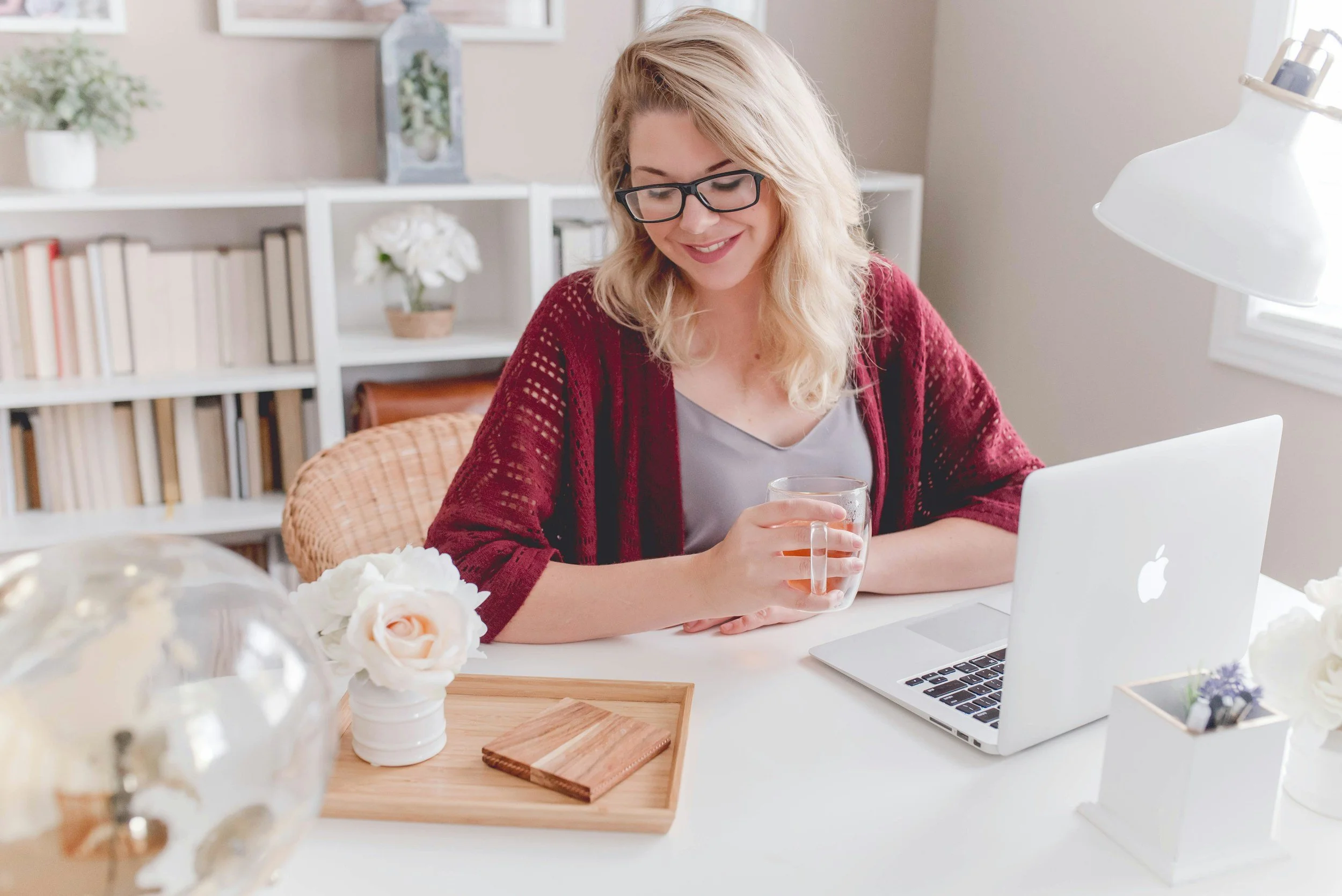
Working from Home? Focus-Boost Your Office Space Ready For 2026
As the evenings draw in and our pre-christmas to-do lists grow longer, many of us are spending more time inside - working, studying, unwinding - and trying to keep our heads above the end-of-year rush. In terms of handling both the positive and negative mental gymnastics that come with the “hibernation” period of the winter months, the “vibes” of the spaces we live in become increasingly more responsible for shaping how we feel.
We partnered with a home improvement company for this post. The opinions in the post are honest. All reviews and opinions expressed in this post are based on our personal views. We are excited because we know you will love it.

As the evenings draw in and our pre-christmas to-do lists grow longer, many of us are spending more time inside - working, studying, unwinding - and trying to keep our heads above the end-of-year rush. In terms of handling both the positive and negative mental gymnastics that come with the “hibernation” period of the winter months, the “vibes” of the spaces we live in become increasingly more responsible for shaping how we feel.
There’s growing evidence that aside from looking good, natural materials around the home can help us feel calmer, more grounded, and more focused. The connection between nature and wellbeing isn’t going anywhere, and features like wall panelling, stone surfaces and an array of luscious house plants may well be set to define how we shape our interiors in 2026.
Your Mood and Focus Start at Home
The purpose of our home has changed in recent years. Once a place of rest and relaxation, an escape from the outside world, it’s now become our daily office environment and, for those with children, potentially even a classroom. When the lines blur, so too does our ability to focus and rest properly. With this in mind, it’s no wonder designers and psychologists alike are turning their attention to biophilic design - the idea that we feel and function better when our spaces echo the natural world.
Studies have shown that rooms with natural textures and daylight exposure can lower stress, stabilise heart rates, and even improve cognitive performance. It’s the same principle that explains why you feel instantly more relaxed in a café filled with wood and plants than in a bright white office. With the darker, busier months of winter now upon us, this kind of “restorative design” becomes a vital aspect of our home lives.
The Science Bit (Made Simple)
You don’t need to dive into neuroscience to know that we’re wired to respond to nature. Even so, a 2025 study found that interiors with higher amounts of exposed wood had a measurable effect on stress recovery and humidity stability - both factors in maintaining comfort and focus. Yet another showed that adding a few plants to a classroom or home office improved perceived concentration and mood.
In other words, when nature is part of our environment, our bodies and minds fall into rhythm with it. Nature doesn’t just make a space look calm, but also helps your body feel calm.
WFH Without The FML Moments
Whether we like it or not, most of us have some version of a home workspace - from a corner of the kitchen to a fully fledged office. Whichever you have, staying focused in the same space where you rest, eat, and scroll is a key consideration of interior design. How can you optimise your workspace without sacrificing the comfort of your home?
A good place to start is with your senses.
Move your desk closer to natural light if you can, and bring in something tactile, like a wooden desktop, a cork noticeboard or a linen lampshade - anything that feels more “alive” than plastic. Even adding a single living element, like a small plant, can soften the feel of a space.
As much as these are aesthetic tweaks, they’re also small psychological nudges that tell your brain that “this is a space where you can think clearly”. Looking forward, interior trends are going to be leaning further and further into finding this balance, and creating spaces designed to flex between productivity and peace.
Mindfulness In The Home
Mindfulness is often packaged as meditation apps and deep breathing exercises, but it’s also about your physical surroundings. The things we see and touch every day are constant reminders to stay present in the moment.
It stands to reason, then that 2026 will be the year sensory design really takes off. Expect interiors to be shaped around not just how they look, but how they feel, sound, and even smell. Next year will be about grounding, warmth, and authenticity. Gone are the sterile greys of early minimalism, and in their place will come organic textures, earthy tones, and natural finishes that feel personal and long-lasting.
Of course, it’s not just about looks. The rise of hybrid working and the ongoing focus on mental health mean people want homes that help them function and recover from function. Sustainability is part of it too, and we’re choosing materials that last, age well, and come with a story.
Let Nature Tackle The Winter Blues
This time of year can be a perfect storm of stress: darker mornings, busier diaries, and that creeping end-of-year fatigue. Thankfully, your space can help more than you think.
There’s not a lot of daylight at this time of year, so it’s important to let in as much as possible while it is around. In the evenings, switch to softer lighting and surround yourself with warm textures to signal it’s time to unwind.
A splash of green goes a long way, and it’s these small sensory anchors that help you stay grounded through the chaos.
Design That Does More Than Look Good
So much of what we call “good design” is visual, but 2026 will remind us that beauty and wellbeing aren’t separate ideas, but are intertwined.
Natural materials make us feel something. They reconnect us with the world beyond our screens and deadlines, and as we spend another winter largely indoors, that connection becomes more important than ever. Small details that can change the emotional temperature of a room will help to future-proof your design choices for calmer, more focused living

Decluttered & Daylight: How Organised Homes Maximise Light and Space
One of the most underrated contributors to how bright a home feels is the amount of visual clutter in it. We often assume daylight levels are fixed — as if the brightness of a room is simply dependent on window size or location. In reality, the way objects, furniture and storage are arranged has a direct effect on how light moves. When belongings are piled into corners, surfaces are covered and pathways are obstructed, daylight gets trapped. Conversely, when objects are given a logical place to live, the space between them becomes brighter and easier to inhabit.
We partnered with a home design company for this post. The opinions in the post are honest. All reviews and opinions expressed in this post are based on our personal views. We are excited because we know you will love it.
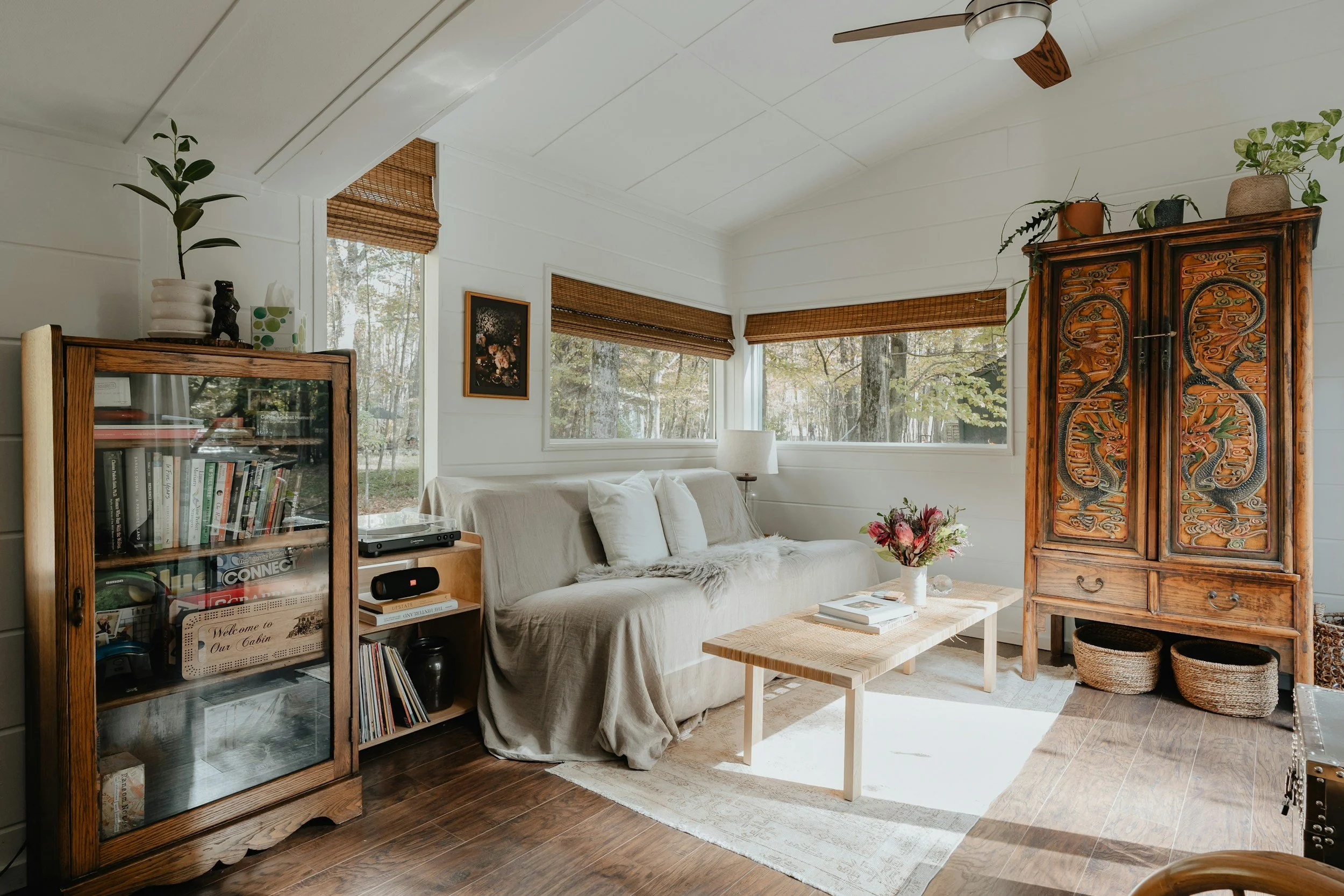
One of the most underrated contributors to how bright a home feels is the amount of visual clutter in it. We often assume daylight levels are fixed — as if the brightness of a room is simply dependent on window size or location. In reality, the way objects, furniture and storage are arranged has a direct effect on how light moves. When belongings are piled into corners, surfaces are covered and pathways are obstructed, daylight gets trapped. Conversely, when objects are given a logical place to live, the space between them becomes brighter and easier to inhabit.
This is why organization is not just a lifestyle trend. It has a measurable architectural effect. Light doesn’t just illuminate objects — it interacts with surfaces, materials and volume. When a room is visually lighter, it becomes perceptually larger. And when the room feels larger, it becomes more comfortable to use.
Start With Surfaces
Flat surfaces are where clutter shows up first. Kitchen counters, console tables, desk tops — these are the areas where daily life accumulates. The most useful future-forward habit is to categorize objects and give them a dedicated place. If everything is always on display, it creates visual noise that disrupts how the eye reads a space. A room with clean surfaces allows daylight to bounce more evenly, which contributes to a calmer, more balanced feel.
Storage That Doesn’t Crowd The Walls
A common mistake in smaller homes is lining every wall with furniture. When walls become storage barriers, daylight loses the ability to ‘float’ across the room unobstructed. Selecting fewer pieces but giving them higher functionality keeps the room readable and removes the sense of heaviness that pulls the space inward.
Tall storage can work well, but ideally with breathing room around it — especially near windows. The more air you allow between the structural elements and the glazing, the more room daylight has to flow.
Triangle Windows Need Smart Shading
Architectural statements are no longer limited to rectangles. Many modern homes — especially new-builds and remodels with vaulted ceilings — incorporate triangle windows in peak roof sections or dramatic clerestory shapes. These windows bring in fantastic
daylight, but they also require shading to prevent glare and overheating.
Triangle window blinds are specifically designed to handle these unique angles. Electric triangle blinds are becoming more popular because they allow homeowners to control shading without physically reaching for awkward angles. With motorized operation, the homeowner can maintain the sculptural impact of the geometry while still protecting comfort, privacy and daylight balance in the home.
Light Zones Instead of Light Everywhere
Decluttering isn’t just about removing objects — it’s about deciding where attention should be directed. In interior design terms, this is known as visual weighting. When everything is highlighted, the room feels busy. When the eye has a clear hierarchy, rooms feel calmer. Future-ready organization means directing daylight to places that benefit from focus — reading chairs, dining areas, creativity corners — while letting the non-essential zones recede.
Choosing Reflective Elements With Intention
Glossy surfaces reflect light, but too much gloss can feel artificial or visually aggressive. A more tasteful approach is to use subtle reflectivity: satin metals, pale stone, lightly reflective paint sheens. Organization gives you the room to make these material choices matter. When surfaces are clear, the light they reflect is more even and more pleasing to experience daily.
Conclusion: Organization Is A Light Strategy
Homes don’t need massive windows to feel bright. The interior can work with the light if the space is given clarity. Organization allows daylight to become a design tool rather than an afterthought. When things have logical homes, when surfaces are clear, and when architectural features — even triangular glazing — are managed thoughtfully, houses become brighter, calmer and more human-centered.
Decluttering isn’t a chore — it’s a spatial choice that reveals the light you already have.
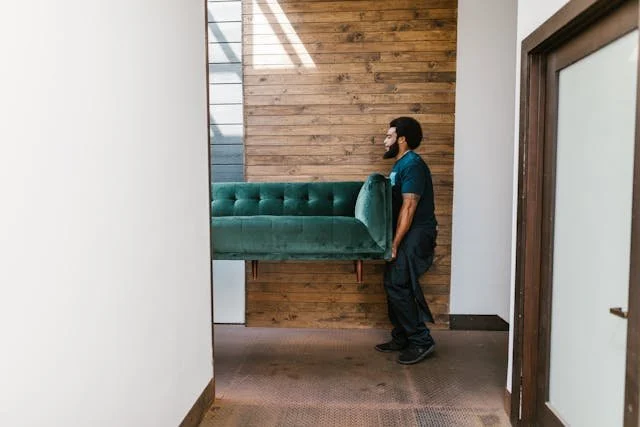
The Post-Move Rituals That Create Instant Comfort and Order
Create comfort fast with practical post-move rituals that build order, reduce stress, and help your new home feel settled right away.
A new home feels fresh and full of potential, yet the first hours can feel chaotic. Simple post-move rituals help reduce stress, build order, and set the tone for calm daily living. These steps guide your focus, make unpacking easier, support clear decisions, help you settle, and make each room feel functional from the start.
Start With a Reset Moment
Take a short pause before unpacking. A brief walk-through helps you see the layout without boxes blocking your view. This moment gives you clarity and supports better decisions about placement, storage, and flow. You also begin working with intention rather than jumping between tasks.
Why Post-Move Rituals Matter for Immediate Calm
Your move may be complete, but your home still needs structure. Early habits create comfort, spark routine, and give each space purpose. These post-move rituals also prevent clutter from forming during the unpacking stage and help you avoid common mistakes everyone makes in the first few days. Practical steps, clear priorities, and small wins help you settle with confidence.
Set Up Your Primary Comfort Zones First
Focus on spaces that support daily habits. These include the bedroom, bathroom, kitchen, and entry area. Each one influences your routine, energy, and comfort.
Bedroom: Make the bed, place lamps, and choose a spot for the clothes you need tomorrow.
Bathroom: Stock toiletries, towels, and basic cleaning items.
Kitchen: Set up a small meal station with dishes, utensils, and simple foods.
Entry Area: Place hooks, a shoe mat, and a small tray for keys and small items.
Post-Move Rituals That Bring Quick Order and Focus
Your list of post-move rituals should feel simple and practical. Each task brings a quick sense of order without overwhelming you. Short tasks help you build momentum and keep your focus on progress, not perfection.
Create a One-Day Unpacking Plan
Create a one-day unpacking plan that feels light and manageable. You don’t need to finish everything in a single day—your only goal is to give yourself a sense of structure and purpose. Begin by unpacking the essentials so your new space feels functional right away. Break larger tasks into simple 20-minute sessions to stay focused without feeling overwhelmed. Keep a small bin nearby for random items you’re not ready to sort; you can find their proper place later. Use a timer to prevent fatigue, and take short breaks to reset your mind and keep your energy steady as you settle in.
Use Simple Storage Solutions to Lift the Space
Using simple storage solutions can quickly lift the look and feel of your space by bringing order where it matters most. Start by adding drawer dividers to keep small items from getting lost in the clutter, then label your bins so everything has a clear home. Baskets help contain loose items that tend to scatter, while grouping belongings by purpose makes your daily routine easier to navigate. Finally, place the things you use most often within easy reach, giving your space a sense of calm efficiency that supports both comfort and productivity.
Clean as You Unpack
Wipe shelves, counters, and drawers before placing items. This action prevents dust build-up and gives you a clean foundation. A fresh home supports better productivity, relaxation, and focus.
Keep Your Surfaces Clear
Tables and counters attract clutter. Clear surfaces make the home look ready, open, and peaceful. After unpacking each box, check the nearest surface. Put items in their category bins right away. It is a small step with a big payoff.
Smart Strategies for Better Setup
Mindfulness before a move shapes how smoothly you settle in later. When you stay aware of what you pack, why you pack it, and how it fits into your new space, you create a calmer and more organized transition. This mindset naturally leads to smarter decisions about what to keep, how to group items, and where they will eventually belong. As you work through your move tasks, you can use packing hacks that simplify unpacking and help you stay focused on steady progress. These techniques give you space to reflect and adjust your approach, which enables you to do it the right way while keeping momentum.
A thoughtful mid-process plan also encourages practical choices. Declutter before you pack so you don’t move items you no longer want. Create a packing plan that outlines room-by-room priorities. Use quality packing materials to protect your belongings and reduce stress later. These small steps support clear sorting, faster setup, and smarter placement once you arrive. They work together to help you stay intentional, reduce overwhelm, and settle in with confidence.
Create Your Mid-Home Comfort Stations
Creating your mid-home comfort stations helps you stay balanced while you continue unpacking and settling in. Start with a small hydration and snack station where you keep water, light snacks, and a few plates within easy reach. Staying fueled supports better decisions and lowers stress as you move from task to task.
Also, add a simple relaxation corner with one chair, a lamp, and a calming touch like a soft blanket or candle—this becomes your quick reset space when you need a moment to breathe. Then designate a charging zone for all your cables, chargers, and power banks. Having one central spot prevents tangles, misplaced items, and unnecessary frustration. Together, these stations bring rhythm and comfort to your new home during the transition phase.
Create a Quick Daily Reset Routine
A quick daily reset routine can make your home feel calmer and more manageable while you unpack. By taking a few minutes each evening to put loose items in bins, clear the kitchen counters, and prepare your clothes for the next day, you create a sense of order that carries into the morning. Small habits like wiping the bathroom sink and placing boxes in the areas where they belong help keep clutter from building up and make each day of settling in feel a little easier. Over time, this simple routine supports a predictable, tidy environment that helps you feel more at home.
Make Your Entryway Functional Early
Make your entryway functional early because this small space sets the tone for the comfort and order of your entire home. Setting up a few key items right away—such as hooks for jackets and bags, a shoe mat to keep dirt contained, a small tray for keys, a dedicated bag holder, and a mirror for quick checks before heading out—creates an immediate sense of structure. This simple setup supports your daily routine, reduces clutter, and strengthens your feeling of control every time you walk through the door.
Calm And Comfort With Small Daily Habits
Settling into a new space feels easier when you make small choices that support comfort and clarity. Begin by refreshing the air and light—open the windows for a few minutes to clear out stale air, and experiment with different lighting setups until the room feels balanced. These tiny shifts help the space feel brighter and more grounded.
As you unpack, create a simple box-removal routine by breaking down each empty box and stacking it near the door for recycling. That keeps each room open, reduces visual clutter, and makes your progress easier to see. Finally, personalize one meaningful spot each day by placing a photo, plant, or favorite item somewhere you’ll notice it. This gentle habit brings warmth into your home and helps it feel lived-in long before everything is fully set up.
Stay Flexible and Adjust Your Systems
Your first setup may not be perfect, and that is normal. Adjust your systems as you become familiar with the flow of your home and how each room supports your routine. These post-move rituals help you refine each space and make your move more successful by showing you which items need better placement or easier access. Move items based on use frequency and comfort, and shift zones as your daily habits settle. Flexibility supports better long-term order and helps your home feel more efficient with each small change.
Building Comfort With Simple Post-Move Rituals
Your new home grows more comfortable each day. Clear habits, quick wins, and practical plans help you settle with ease. These post-move rituals turn boxes into organized spaces and new rooms into familiar places. With steady steps and simple systems, your home becomes a space that supports your daily comfort and personal rhythm.

