

A resource for those seeking information on organizing and transforming spaces.

The 24-Hour Unpack: Organizing Your Essentials in One Day Without Stress
Organize your new home fast with the 24-hour unpack method. Learn simple steps to set up essentials and reduce moving stress.
Moving day can drain your energy, yet the first 24 hours in a new home set the tone for how the next few weeks will feel. A focused plan helps you breathe easier, regain control, and settle in with confidence. Explore how the 24-hour unpack and simple post-move rituals for order give you structure so you can sort your essentials quickly, stay calm, and enjoy a clearer living space by the end of day one.
The 24-Hour Unpack: A Simple Plan to Take Control on Day One
Most people feel overwhelmed by boxes on the first day, but you can ease that pressure with a direct process. This method groups your efforts into small, clear steps. It also helps you stay productive without pushing yourself too hard. Keyword-rich strategies such as moving organization, efficient unpacking, packing essentials, and post-move setup support your goal of quick order and less stress.
Create a Smart System Before You Open a Box
Start with high-impact steps—place boxes in the correct rooms. Keep a small bin for trash and packing materials so your space stays clear. Use a simple sorting method: open one box, empty it, break it down, then move to the next. That helps you track progress without clutter creeping back, similar to guidance you might receive from a professional organizer for your home. Set a timer if you need structure. Short bursts of focused work help you stay consistent and avoid fatigue.
Unpack Your Survival Essentials First
Your first-day essentials should sit in a labeled “open-first” box. Include toiletries, simple cookware, chargers, medication, and key office items. These basics help you function through the day and sleep comfortably at night.
As you settle in, check the home for urgent tasks: lightbulbs that need replacing, outlets that need testing, or alarms that require batteries. Small fixes early on reduce stress later.
How to Stay Organized While You Continue Unpacking
As the unpacking process moves into its busiest stage, your focus may start to slip. That is the moment to rely on simple habits that keep your momentum steady. When you follow a moving checklist, you build a clear path for tasks like decluttering, ordering packing supplies, notifying important parties, and researching moving companies. These steps create structure and support a more organized relocation because each action has a defined place in your plan. With this approach, you adjust your pace, reduce pressure, and keep your setup moving forward without feeling overwhelmed.
Set Up Your Kitchen for Quick Use
The kitchen often feels like the heart of your new home, so give it early attention. Set up your coffee items, plates, a few cups, and essential utensils. Keep counters clear so you have room to work.
Place larger appliances where they make the most sense for daily use. Avoid perfection on day one. You can adjust the layout later. This simple setup helps you prepare basic meals without sorting through stacks of boxes.
Organize Your Bedroom to Support Good Rest
A good night’s sleep helps you stay productive on day two. Make your bed early in the day so you have a grounded space to return to at night. Unpack clothing you need for the next few days and place them in drawers or hang them in the closet. Keep decor for later. Your priority is function, comfort, and easy access.
Set Up Your Bathroom for Daily Use
Unpack your bathroom bag next. Place your toiletries, towels, and shower supplies in easy-to-reach spots. This simple task gives you comfort right away. A prepared bathroom signals that the home is ready for regular routines.
Boost Day-One Success With Practical Zones
Create quick-use zones in your home so your essentials stay organized. A small charging station near an outlet, a drop zone for keys, or a folder for important documents helps you stay centered. These zones bring structure and cut down on misplaced items.
Stay Focused on What You Need Today (and Not Everything Else)
One of the most helpful parts of the 24-hour unpack is the focus on essentials only. You do not need to unbox your entire home today. Instead, choose the pieces that support comfort and function. That prevents burnout and allows your new space to take shape at a steady pace.
Tackle Common Bottlenecks With Small Wins
Some boxes make slow progress because they hold mixed items. Sort them into quick categories: keep, donate, or trash. Fast decisions help you move forward without overthinking. Use small wins to stay energized. Unpacking a single drawer or a stack of dishes builds momentum.
Let Your Living Room Evolve Over Time
The living room often holds decor, books, and extra items that take time to sort. Start with core pieces such as seating, lighting, and a space for entertainment devices. Leave detailed styling for another day. That gives the room purpose without slowing your progress.
Keep Kids and Pets Comfortable
If you have kids or pets, prepare their essentials early. Set up a safe spot with toys, snacks, or a familiar blanket. This small step reduces stress for them and allows you to stay productive.
Use Breaks to Reset Your Energy
Short breaks keep your mind sharp. Stretch, get water, or step outside for fresh air. Even a few minutes away from the boxes can help you stay motivated for the rest of the day.
Know When to Pause for the Day
The goal of the 24-hour unpack is comfort, order, and a calm atmosphere by the end of day one. Stop once your essentials are set, and your living space feels usable. The rest can wait. This approach supports a healthier mindset and helps you work toward an organised home, maximise light and space, giving you room to enjoy your new surroundings.
A Cleaner Start With the 24-Hour Unpack
A focused plan helps you settle into your home with ease. With the 24-hour unpack, you place your energy on the items that matter most. Each small step builds a clear, functional space that supports your daily life. When you finish the first day with order, comfort, and a sense of readiness, you give yourself a stronger start in your new home.
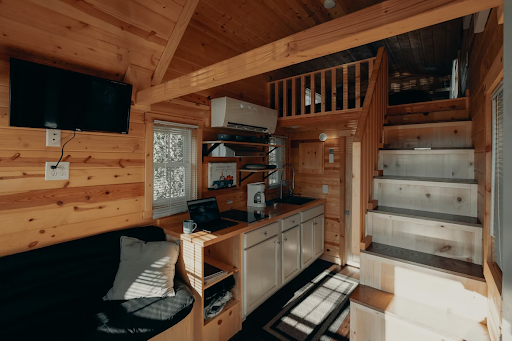
How to Prepare for Tiny Home Living
Preparing for living in a tiny home isn’t just about hyping yourself up to crawl into a loft bedroom. It’s about downsizing your possessions, organizing them effectively, and living simply. It’s also about learning how to keep clutter to a minimum so you can feel comfortable in your new, much smaller home. If you’re getting ready to downsize to tiny home living, these tips may be helpful:
We partnered with a home improvement company for this post. The opinions in the post are honest. All reviews and opinions expressed in this post are based on our personal views. We are excited because we know you will love it.
Preparing for living in a tiny home isn’t just about hyping yourself up to crawl into a loft bedroom. It’s about downsizing your possessions, organizing them effectively, and living simply. It’s also about learning how to keep clutter to a minimum so you can feel comfortable in your new, much smaller home. If you’re getting ready to downsize to tiny home living, these tips may be helpful:
Don’t Rush the Process
Even if it means investing in onsite storage solutions to house your furniture and other possessions short-term or long-term, don’t rush the downsizing process. Giving up things you’re very attached to or that hold fond memories can be difficult, and it may take time to accept selling or donating them. Many people find it helpful to put their possessions in storage, be away from them for a while, and realize they can live comfortably without them.
Adopt the KonMari Method
The KonMari Method is a tidying method created by Japanese organizing consultant, TV presenter, and author, Marie Kondo. It involves choosing items to keep in your home that spark joy and letting everything else go.
Rather than decluttering and organizing room by room, Marie Kondo recommends organizing and tidying by location. Start with clothes, then books, miscellaneous items, and sentimental items.
Digitize and Simplify
One of the most frustrating aspects of downsizing for tiny home living is realizing you have so much stuff you love and use, but not all of it will fit. Books and movies are a great example. You might spend much of your spare time reading books and watching movies, but you don’t have enough room for a large bookcase and shelves for your collections. In that case, digitize and declutter.
Obtain digital copies of your favorite movies to watch anytime you like. You can also download books on a digital book reader, reducing the need for countless physical books.
Invest in Multi-functional Furniture
There are ways to ensure you can bring as many of your belongings as possible into your tiny home. It involves getting clever with furniture and investing in pieces that can serve multiple purposes.
For example, instead of a simple bed base with a mattress, choose one with built-in drawers. Many tiny homes also have sofas built on top of drawers, high shelves, and storage stairs leading to the loft bedrooms. The more innovative furniture you invest in, the more of your valuable possessions you can keep.
Develop Daily and Weekly Routines
Clutter and feeling cramped are two common challenges people face with tiny home living. Even just a few items out of place can become overwhelming in such a small environment.
The average tiny home is only around 37m2, or under 400 square feet. That’s why developing daily and weekly cleaning routines is so important. These routines can involve putting away misplaced items, doing dishes immediately after meals, and making your bed.
You might not be ready for tiny home living yet, but it’s only a matter of time before you are. Start downsizing, decluttering, and investing in multi-functional furniture. Before long, you can be moving into your new tiny home with confidence.
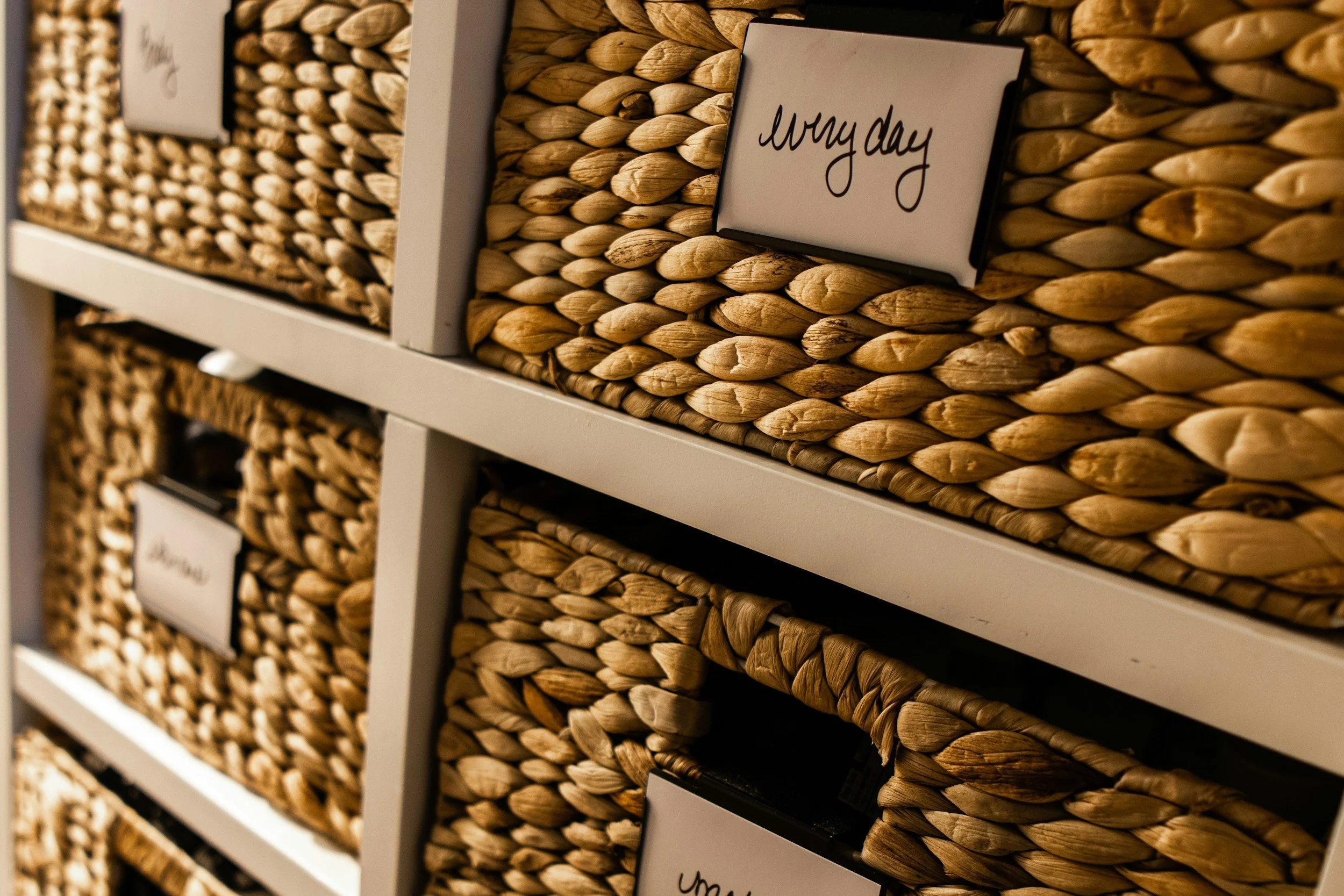
How to Choose the Right Professional Organizer for Your Home
Clutter can make a home feel chaotic and stressful, with every room serving as a reminder of unfinished tasks. A professional organizer can help turn this chaos into a calm, functional space that suits your lifestyle. By the end, you’ll know what to look for in the right organizer for your home.
We partnered with a home organizing company for this post. The opinions in the post are honest. All reviews and opinions expressed in this post are based on our personal views. We are excited because we know you will love it.
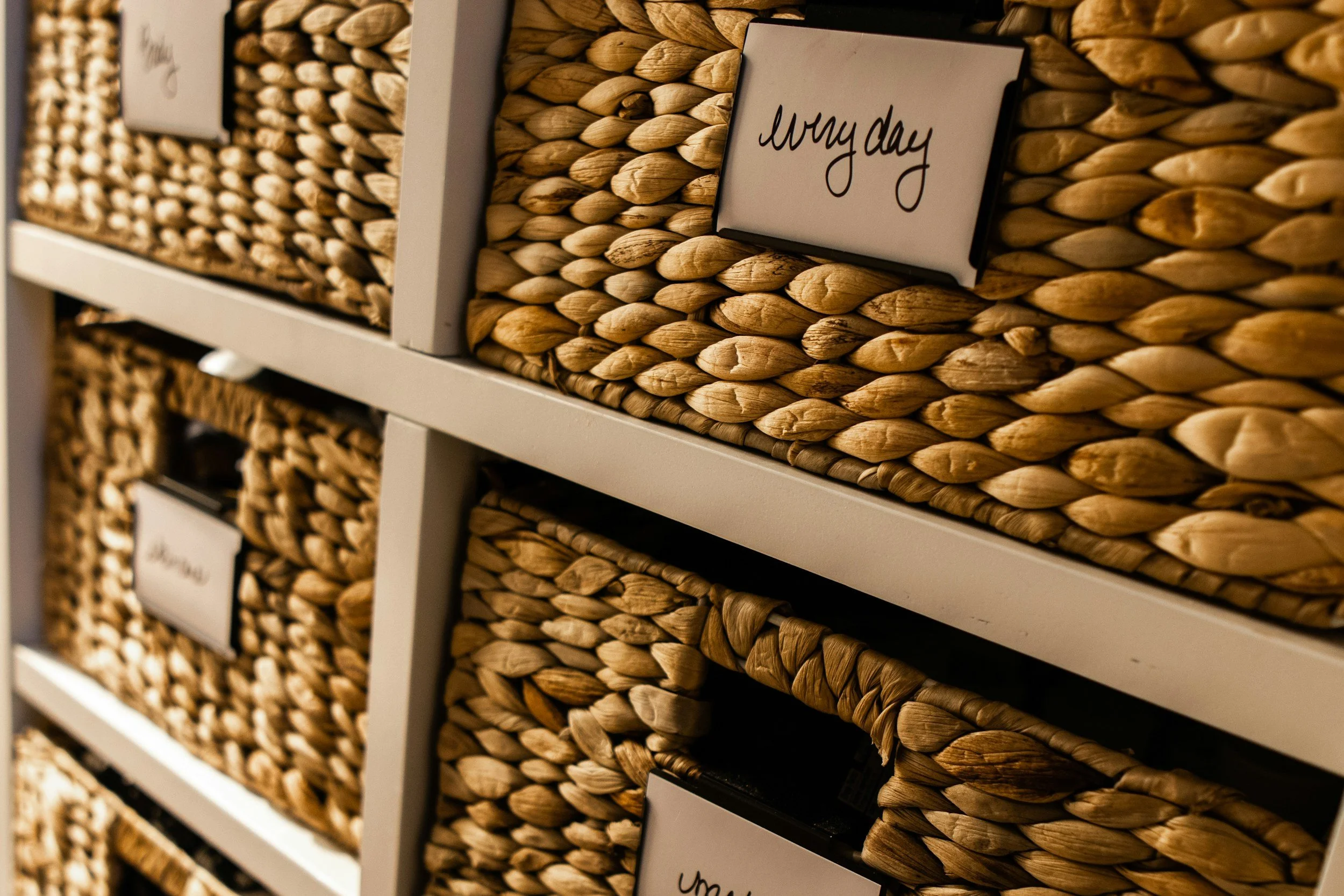
Clutter can make a home feel chaotic and stressful, with every room serving as a reminder of unfinished tasks. A professional organizer can help turn this chaos into a calm, functional space that suits your lifestyle. By the end, you’ll know what to look for in the right organizer for your home.
Step 1: Get Clear on What You Need
Before searching for a professional organizer, take a moment to identify what you truly need support with, whether it’s general clutter, a life transition, or a specific area, such as the kitchen or home office. Pinpoint the main trouble spots—closets, the garage, or a workspace that no longer functions well. Consider your timeline, whether you want quick progress or a slower, steadier approach, along with any limits related to budget, energy, or readiness to let things go. Clarifying these pieces provides a clearer picture of the type of organizer who will best suit your situation.
Step 2: Find Organizers Who Match Your Style and Situation
Each professional organizer brings a distinct approach, so take a moment to find someone whose methods align with how you want your home to function. Some emphasize a minimalist aesthetic, while others create spaces that feel warm and comfortably lived-in. You may prefer a polished, Instagram-ready result, or you may want solutions that prioritize practicality and everyday ease. It helps to be clear about which direction feels most suitable for your household.
Specializations also vary widely. Many organizers focus on whole-home projects, while others concentrate on packing and unpacking, supporting moves or downsizing, or working with specific groups such as families, seniors, or neurodivergent clients. These distinctions shape your experience, so look for someone whose background naturally fits your needs.
As you review websites and portfolios, take note of the photos, language, and overall tone. Do the rooms look achievable for your lifestyle? Do the descriptions feel approachable and realistic? These small cues offer helpful insight into whether their style aligns with your expectations. If you’re in the Washington, D.C. area, Sort It Out—led by professional organizer Gillian Economou—shows how a team can communicate its specialties and a judgment-free philosophy.
Selecting an organizer whose outlook resonates with your own sets the stage for a steady, reassuring partnership as you refresh your space.
Step 3: Check Experience, Process & Reviews
Once you’ve narrowed your list, take a closer look at the organizer’s background and how they structure their work. Project examples offer a clear sense of their style, the types of spaces they manage, and how they approach different household needs. Their process should feel steady and transparent, typically beginning with a consultation, progressing to hands-on sessions, and concluding with thoughtful follow-up to help you maintain the results.
Reviews can offer even more profound insight. Look for comments from clients who felt comfortable throughout the process, appreciated a judgment-free approach, and experienced changes that continued well after the sessions ended. These details often reflect an organizer who listens carefully, adapts to each individual's needs, and supports clients respectfully and sustainably.
Step 4: Use the Consultation Wisely
The consultation is your opportunity to determine if an organizer is a good fit. Consider setting up a brief call or virtual tour of your space. Use this time to ask specific questions about their methods and how they align with your needs. Find out how they support clients who feel overwhelmed, what a typical session looks like, and whether they provide assistance with donations or recycling. Understanding their pricing and how they ensure systems stay in place will also guide your decision.
Step 5: Compare Pricing and Fit
When comparing organizers, look at their pricing models. Some charge by the hour, while others offer packages that might include multiple sessions or team-based work. Additional services, such as product shopping or donation drop-offs, can also impact the cost. While budget matters, prioritize the value and comfort you have with the organizer rather than the lowest price. The right fit will offer support and solutions that make the investment worthwhile.
Red Flags
Be aware of warning signs as you explore your options. Vague pricing, a lack of photos or reviews, and dismissive language are all red flags. An organizer who doesn't take the time to understand your lifestyle and preferences may not be the best choice for a successful partnership.
Shaping a Home That Works for You
It's normal to feel embarrassed about clutter, but remember that professional organizers have seen it all. The right organizer will approach your home with understanding and support, not judgment. By following these steps, you can find someone who helps transform your space into a more organized, functional environment. Begin by booking a consultation and focus on one area to start. This small step can lead to a more organized and peaceful home.
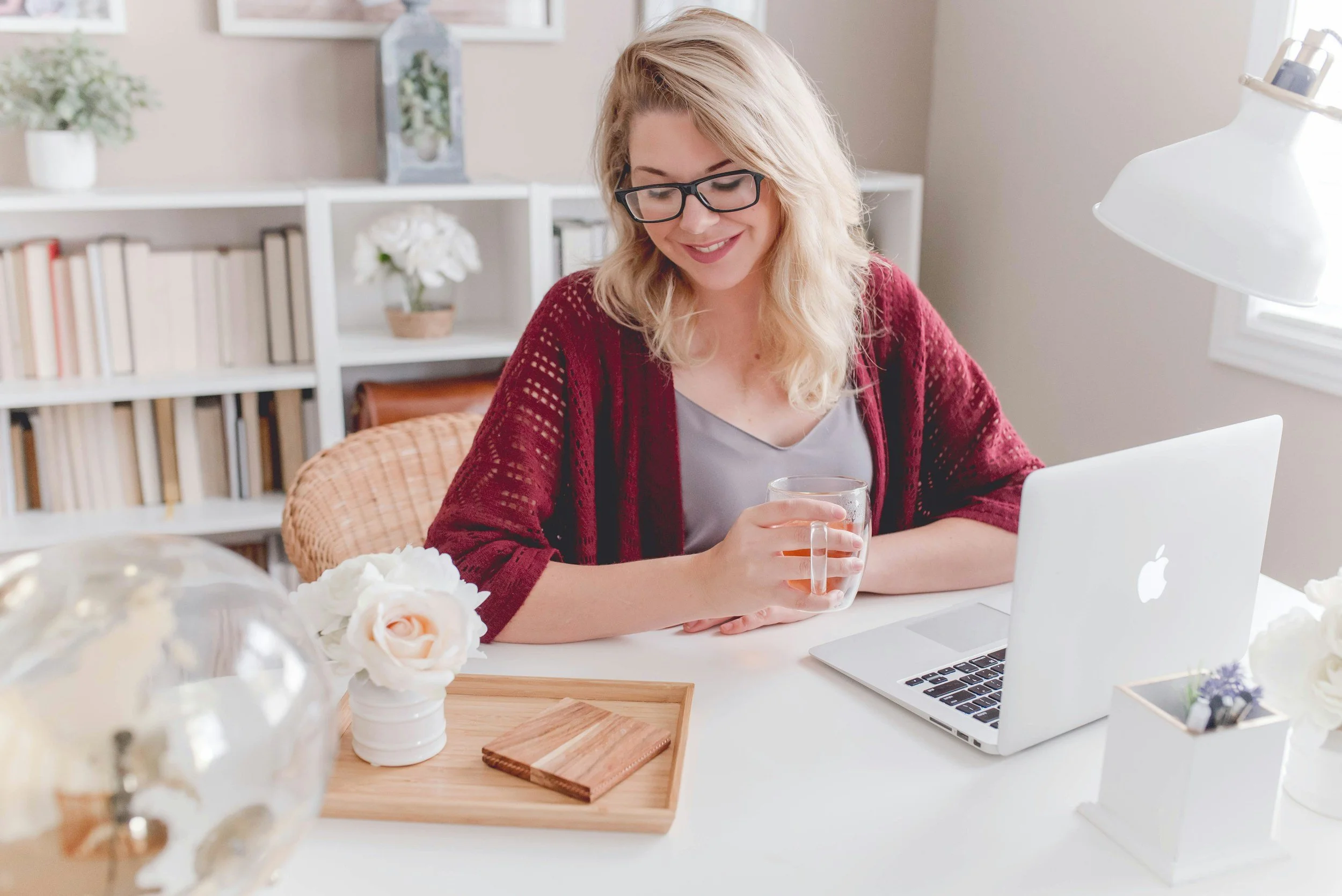
Working from Home? Focus-Boost Your Office Space Ready For 2026
As the evenings draw in and our pre-christmas to-do lists grow longer, many of us are spending more time inside - working, studying, unwinding - and trying to keep our heads above the end-of-year rush. In terms of handling both the positive and negative mental gymnastics that come with the “hibernation” period of the winter months, the “vibes” of the spaces we live in become increasingly more responsible for shaping how we feel.
We partnered with a home improvement company for this post. The opinions in the post are honest. All reviews and opinions expressed in this post are based on our personal views. We are excited because we know you will love it.

As the evenings draw in and our pre-christmas to-do lists grow longer, many of us are spending more time inside - working, studying, unwinding - and trying to keep our heads above the end-of-year rush. In terms of handling both the positive and negative mental gymnastics that come with the “hibernation” period of the winter months, the “vibes” of the spaces we live in become increasingly more responsible for shaping how we feel.
There’s growing evidence that aside from looking good, natural materials around the home can help us feel calmer, more grounded, and more focused. The connection between nature and wellbeing isn’t going anywhere, and features like wall panelling, stone surfaces and an array of luscious house plants may well be set to define how we shape our interiors in 2026.
Your Mood and Focus Start at Home
The purpose of our home has changed in recent years. Once a place of rest and relaxation, an escape from the outside world, it’s now become our daily office environment and, for those with children, potentially even a classroom. When the lines blur, so too does our ability to focus and rest properly. With this in mind, it’s no wonder designers and psychologists alike are turning their attention to biophilic design - the idea that we feel and function better when our spaces echo the natural world.
Studies have shown that rooms with natural textures and daylight exposure can lower stress, stabilise heart rates, and even improve cognitive performance. It’s the same principle that explains why you feel instantly more relaxed in a café filled with wood and plants than in a bright white office. With the darker, busier months of winter now upon us, this kind of “restorative design” becomes a vital aspect of our home lives.
The Science Bit (Made Simple)
You don’t need to dive into neuroscience to know that we’re wired to respond to nature. Even so, a 2025 study found that interiors with higher amounts of exposed wood had a measurable effect on stress recovery and humidity stability - both factors in maintaining comfort and focus. Yet another showed that adding a few plants to a classroom or home office improved perceived concentration and mood.
In other words, when nature is part of our environment, our bodies and minds fall into rhythm with it. Nature doesn’t just make a space look calm, but also helps your body feel calm.
WFH Without The FML Moments
Whether we like it or not, most of us have some version of a home workspace - from a corner of the kitchen to a fully fledged office. Whichever you have, staying focused in the same space where you rest, eat, and scroll is a key consideration of interior design. How can you optimise your workspace without sacrificing the comfort of your home?
A good place to start is with your senses.
Move your desk closer to natural light if you can, and bring in something tactile, like a wooden desktop, a cork noticeboard or a linen lampshade - anything that feels more “alive” than plastic. Even adding a single living element, like a small plant, can soften the feel of a space.
As much as these are aesthetic tweaks, they’re also small psychological nudges that tell your brain that “this is a space where you can think clearly”. Looking forward, interior trends are going to be leaning further and further into finding this balance, and creating spaces designed to flex between productivity and peace.
Mindfulness In The Home
Mindfulness is often packaged as meditation apps and deep breathing exercises, but it’s also about your physical surroundings. The things we see and touch every day are constant reminders to stay present in the moment.
It stands to reason, then that 2026 will be the year sensory design really takes off. Expect interiors to be shaped around not just how they look, but how they feel, sound, and even smell. Next year will be about grounding, warmth, and authenticity. Gone are the sterile greys of early minimalism, and in their place will come organic textures, earthy tones, and natural finishes that feel personal and long-lasting.
Of course, it’s not just about looks. The rise of hybrid working and the ongoing focus on mental health mean people want homes that help them function and recover from function. Sustainability is part of it too, and we’re choosing materials that last, age well, and come with a story.
Let Nature Tackle The Winter Blues
This time of year can be a perfect storm of stress: darker mornings, busier diaries, and that creeping end-of-year fatigue. Thankfully, your space can help more than you think.
There’s not a lot of daylight at this time of year, so it’s important to let in as much as possible while it is around. In the evenings, switch to softer lighting and surround yourself with warm textures to signal it’s time to unwind.
A splash of green goes a long way, and it’s these small sensory anchors that help you stay grounded through the chaos.
Design That Does More Than Look Good
So much of what we call “good design” is visual, but 2026 will remind us that beauty and wellbeing aren’t separate ideas, but are intertwined.
Natural materials make us feel something. They reconnect us with the world beyond our screens and deadlines, and as we spend another winter largely indoors, that connection becomes more important than ever. Small details that can change the emotional temperature of a room will help to future-proof your design choices for calmer, more focused living

