

A resource for those seeking information on organizing and transforming spaces.
How to Maximize Small Home Spaces with Smart Storage Solutions
Small home living is a design reality shaped by urban density, rising housing costs, and changing lifestyles.
Smart storage solutions are systems and strategies that optimize how space is used, accessed, and maintained without increasing square footage.
We partnered with a home improvement company for this post. The opinions in the post are honest. All reviews and opinions expressed in this post are based on our personal views. We are excited because we know you will love it.
Introduction
Small home living is a design reality shaped by urban density, rising housing costs, and changing lifestyles.
Smart storage solutions are systems and strategies that optimize how space is used, accessed, and maintained without increasing square footage.
In the UK and US, over 40 percent of urban households live in homes under 1,000 square feet, and storage limitations consistently rank among the top sources of daily household stress.
That pressure builds quietly, one crowded drawer or overflowing closet at a time.
This guide explores how to maximize small home spaces using clever storage solutions that balance function, flow, and long-term usability.
You will learn how to assess your space, select the right storage systems, optimize each room, and maintain organization without constant resets.
Why Do Small Homes Feel Cluttered So Quickly?
Small homes feel cluttered quickly because limited floor area amplifies every storage inefficiency and visual interruption.
When storage is poorly planned, items remain visible, circulation paths shrink, and daily routines become harder to complete smoothly.
Clutter is not only about quantity.
Clutter is the result of friction between how a space is used and how it is designed to support that use.
In compact homes, horizontal storage fills up fast, while vertical space is often ignored.
Without zoning, objects drift into shared areas and accumulate where they do not belong.
Over time, the home loses its ability to reset itself naturally.
Smart storage addresses this by aligning storage location, accessibility, and capacity with real behavior rather than idealized habits.
What Are Smart Storage Solutions?
Innovative storage solutions are integrated systems that organize, conceal, and distribute belongings efficiently within limited space.
They combine physical design, modular systems, and behavioral logic to reduce clutter without sacrificing access.
Unlike basic shelving, smart storage adapts to changing needs.
It prioritizes vertical space, multi-use components, and hidden capacity while maintaining visual clarity.
Common types include modular storage units, vertical wall systems, multi-functional furniture, and concealed compartments.
Each category serves a different purpose, but all share the same goal.
Smart storage makes space work harder without feeling crowded.
How Do You Assess Your Space Before Adding Storage?
Maximizing storage starts with understanding how your home actually functions, not how it looks in photos.
There are three core steps involved in assessing a small home before introducing new storage systems.
Identify underused or dead zones such as corners, high walls, or awkward recesses.
Observe daily movement patterns and friction points.
Measure and prioritize zones based on frequency of use.
This assessment prevents overbuilding storage that looks good but fails in practice.
Step 1: Identify Dead and Underused Areas
Dead space is any area that exists structurally but is not actively used for storage or movement.
In small homes, dead space often appears above doors, under stairs, beneath beds, or along narrow walls.
These areas are valuable because they add capacity without affecting flow.
Vertical expansion is especially effective because it preserves floor area while increasing volume.
Step 2: Analyze Daily Movement and Habits
Storage should support behavior, not fight it.
Analyzing habits reveals where items naturally land and where friction occurs.
If shoes pile near the door or mail stacks on the counter, the issue is not discipline.
The issue is the lack of storage aligned with real routines.
Step 3: Measure, Map, and Prioritize Zones
Measurement converts potential into precision.
Mapping storage zones allows you to assign capacity where it delivers the highest return.
High-frequency zones deserve accessible storage.
Low-frequency items belong in higher or concealed locations.
What Are the Best Smart Storage Solutions for Small Homes?
The best storage solutions for small homes combine adaptability, accessibility, and minimal visual weight.
They increase usable volume while preserving openness.
Four categories consistently deliver strong results in compact spaces.
Vertical Storage Systems
Vertical storage systems are wall-mounted or floor-to-ceiling structures that use height instead of width.
They include shelving units, pegboards, tall cabinets, and rail-based systems.
Vertical storage works because walls are often underutilized.
By lifting storage off the floor, the room remains visually open while gaining capacity.
Common vertical storage types include
Wall-mounted shelving for books and decor
Pegboards for tools and accessories
Tall cabinets for pantry or linen storage
In many homes, these systems are fabricated using precision metal components formed with equipment such as press brake machines, which shape sheet metal accurately for compact, load-bearing designs.
Well-engineered vertical storage maintains strength while minimizing bulk, a principle borrowed from industrial space optimization.
Multi-Functional Furniture
Multi-functional furniture is furniture that integrates storage into its structure.
Examples include beds with drawers, ottomans with compartments, and fold-out desks with shelving.
These pieces reduce the need for separate storage units.
They also simplify layouts by combining functions into a single footprint.
Multi-functional furniture is convenient in studios and shared rooms where zoning matters.
Built-In and Custom Storage
Built-in storage is storage designed to fit specific architectural features.
This includes alcove shelving, under-stair cabinets, and fitted wardrobes.
Built-ins maximize awkward spaces that standard furniture cannot address.
They also enhance visual continuity by blending with the home's structure.
Hidden and Concealed Storage
Hidden storage solutions conceal capacity within existing surfaces.
Examples include toe-kick drawers, lift-up seating, and behind-door racks.
These systems are ideal for storing low-use items while maintaining a clean aesthetic.
How Can You Maximize Storage Room by Room?
Room-specific storage planning ensures each area supports its primary function without overlap.
Small Living Rooms
Living rooms benefit from storage that doubles as furniture or blends into walls.
Floating shelves, storage benches, and media units with concealed compartments work well.
The goal is to keep surfaces clear while maintaining access to everyday items.
Compact Kitchens
Kitchens in small homes demand high-efficiency storage because every inch matters.
Smart kitchen storage relies on vertical organization, drawer segmentation, and equipment scaled to the space.
Drawer organizers, pull-out pantries, and wall-mounted racks reduce congestion.
Choosing compact commercial-grade solutions, such as stainless steel work tables designed for tight footprints, can also improve workflow without crowding.
Many small home kitchens borrow layout logic from professional environments, where space efficiency is critical.
This is why homeowners increasingly reference compact equipment design principles used in commercial kitchen sinks planning when optimizing storage and work surfaces.
Bedrooms with Limited Closet Space
Bedrooms benefit from under-bed storage, headboard shelving, and vertical wardrobes.
Seasonal items should move upward, while daily items stay within reach. If you still have belongings you rarely use but don’t want to part with, a self-storage marketplace like StorageCafe can help you find a small nearby unit, so your bedroom stays calm and clutter-free.
Bathrooms and Utility Areas
Bathrooms require moisture-resistant storage that prioritizes access and hygiene.
Wall cabinets, over-toilet shelving, and recessed niches maximize functionality without clutter.
What Are the Main Benefits of Smart Storage Solutions?
Smart storage solutions deliver multiple advantages that extend beyond the organization.
Five primary benefits consistently stand out.
The five main benefits include
Improve usability by aligning storage with daily routines
Increase capacity by utilizing vertical and hidden space
Reduce visual clutter by concealing low-use items
Enhance flexibility through modular and adaptable systems
Support long-term organization by reducing reset cycles
Each benefit compounds over time as habits stabilize and friction decreases.
What Are the Common Limitations of Smart Storage in Small Homes?
Despite their advantages, intelligent storage systems have limitations.
There are four main disadvantages to consider.
The four key limitations include
Increase upfront cost when custom or built-in solutions are used
Require planning precision to avoid wasted capacity
Limit flexibility when layouts change significantly
Demand maintenance to prevent overfilling
Understanding these limitations sets realistic expectations and leads to better outcomes.
Modular Storage vs Built-In Storage: Which Is Better for Small Spaces?
Modular storage offers flexibility, while built-in storage delivers maximum efficiency for fixed layouts.
The right choice depends on mobility, budget, and long-term plans.
Modular systems are adjustable and reusable.
Built-ins maximize every millimeter but are permanent.
A comparison table should evaluate cost, adaptability, installation complexity, and resale impact.
How Much Do Smart Storage Solutions Cost?
Smart storage costs vary widely based on materials, customization, and installation.
Average price ranges span from affordable modular systems to premium custom builds.
Typical costs range from 300 to 1,500 USD for modular systems and 2,000 to 8,000 USD for built-in solutions.
In the UK, comparable costs range from 250 to 1,200 GBP and 1,800 to 6,500 GBP.
The four main cost factors include
Materials used, such as wood, metal, or composites
Level of customization required
Installation complexity
Hardware and finishing quality
How Can You Maintain an Organized Small Home Long Term?
Long-term organization succeeds when systems support behavior rather than rely on motivation.
Consistency comes from reducing friction and simplifying decisions.
Key habits include regular editing, assigning homes to items, and respecting capacity limits.
When storage fills, reassessment is required rather than expansion.
A small home stays organized when storage systems evolve alongside lifestyle changes.
Conclusion
Maximizing small home spaces is not about adding more storage.
It is about adding the proper storage in the right places.
Smart storage solutions transform limited square footage into functional, adaptable environments that support daily life rather than restrict it.
By carefully assessing space, choosing appropriate systems, and maintaining realistic habits, small homes can feel open, efficient, and calm.
When storage works with you instead of against you, space stops feeling small.

From Rink To Rack: A Smarter Way To Organize Hockey Gear At Home
Hockey equipment has a reputation for being bulky, damp, and difficult to manage. Without a clear system, gear piles up in garages, mudrooms, or bedrooms, creating clutter and lingering odors. A thoughtful organization approach protects equipment, saves time, and keeps shared living spaces functional. With the right storage choices, hockey gear can fit cleanly into a well-run home.
Hockey equipment has a reputation for being bulky, damp, and difficult to manage. Without a clear system, gear piles up in garages, mudrooms, or bedrooms, creating clutter and lingering odors. A thoughtful organization approach protects equipment, saves time, and keeps shared living spaces functional. With the right storage choices, hockey gear can fit cleanly into a well-run home.
Assessing Space and Traffic Flow
Effective organization starts with selecting the right location. Garages, basements, and mudrooms are common options because they provide separation from living areas and allow for airflow. The space should support easy drop-off after practice and quick access on game days. Wall clearance, ceiling height, and proximity to doors all influence how gear can be stored without blocking movement through the area.
Storage Solutions for Bulky Gear
Hockey equipment benefits from vertical storage. Wall-mounted hooks, pegboards, and shelving units keep items off the floor and visible. Helmets, shoulder pads, and gloves dry more evenly when air can circulate them. For smaller items like tape or skate guards, labeled bins or drawer systems reduce searching and prevent loss. Long items such as hockey sticks can be stored upright in narrow racks or secured horizontally along a wall to avoid warping.
Drying and Ventilation Considerations
Moisture control is critical for maintaining equipment condition and minimizing odor. Open shelving and wire racks allow gear to dry naturally. Dedicated drying racks or boot dryers can speed up the process for skates and gloves. If the storage area lacks natural ventilation, a small fan or dehumidifier can make a noticeable difference in air quality and equipment longevity.
Organization for Shared Households
In homes with multiple players, clear organization prevents confusion. Assigning individual zones or color-coded hooks helps each person manage their own gear. Consistent placement encourages habits that keep the system working long term. When equipment has a designated home, cleanup becomes routine rather than a recurring chore.
A well-organized hockey gear setup supports both the sport and the household. By planning storage around space, airflow, and daily routines, families can keep equipment ready for the rink while maintaining order at home. To learn more about hockey equipment, look over the accompanying resource.


The 24-Hour Unpack: Organizing Your Essentials in One Day Without Stress
Organize your new home fast with the 24-hour unpack method. Learn simple steps to set up essentials and reduce moving stress.
Moving day can drain your energy, yet the first 24 hours in a new home set the tone for how the next few weeks will feel. A focused plan helps you breathe easier, regain control, and settle in with confidence. Explore how the 24-hour unpack and simple post-move rituals for order give you structure so you can sort your essentials quickly, stay calm, and enjoy a clearer living space by the end of day one.
The 24-Hour Unpack: A Simple Plan to Take Control on Day One
Most people feel overwhelmed by boxes on the first day, but you can ease that pressure with a direct process. This method groups your efforts into small, clear steps. It also helps you stay productive without pushing yourself too hard. Keyword-rich strategies such as moving organization, efficient unpacking, packing essentials, and post-move setup support your goal of quick order and less stress.
Create a Smart System Before You Open a Box
Start with high-impact steps—place boxes in the correct rooms. Keep a small bin for trash and packing materials so your space stays clear. Use a simple sorting method: open one box, empty it, break it down, then move to the next. That helps you track progress without clutter creeping back, similar to guidance you might receive from a professional organizer for your home. Set a timer if you need structure. Short bursts of focused work help you stay consistent and avoid fatigue.
Unpack Your Survival Essentials First
Your first-day essentials should sit in a labeled “open-first” box. Include toiletries, simple cookware, chargers, medication, and key office items. These basics help you function through the day and sleep comfortably at night.
As you settle in, check the home for urgent tasks: lightbulbs that need replacing, outlets that need testing, or alarms that require batteries. Small fixes early on reduce stress later.
How to Stay Organized While You Continue Unpacking
As the unpacking process moves into its busiest stage, your focus may start to slip. That is the moment to rely on simple habits that keep your momentum steady. When you follow a moving checklist, you build a clear path for tasks like decluttering, ordering packing supplies, notifying important parties, and researching moving companies. These steps create structure and support a more organized relocation because each action has a defined place in your plan. With this approach, you adjust your pace, reduce pressure, and keep your setup moving forward without feeling overwhelmed.
Set Up Your Kitchen for Quick Use
The kitchen often feels like the heart of your new home, so give it early attention. Set up your coffee items, plates, a few cups, and essential utensils. Keep counters clear so you have room to work.
Place larger appliances where they make the most sense for daily use. Avoid perfection on day one. You can adjust the layout later. This simple setup helps you prepare basic meals without sorting through stacks of boxes.
Organize Your Bedroom to Support Good Rest
A good night’s sleep helps you stay productive on day two. Make your bed early in the day so you have a grounded space to return to at night. Unpack clothing you need for the next few days and place them in drawers or hang them in the closet. Keep decor for later. Your priority is function, comfort, and easy access.
Set Up Your Bathroom for Daily Use
Unpack your bathroom bag next. Place your toiletries, towels, and shower supplies in easy-to-reach spots. This simple task gives you comfort right away. A prepared bathroom signals that the home is ready for regular routines.
Boost Day-One Success With Practical Zones
Create quick-use zones in your home so your essentials stay organized. A small charging station near an outlet, a drop zone for keys, or a folder for important documents helps you stay centered. These zones bring structure and cut down on misplaced items.
Stay Focused on What You Need Today (and Not Everything Else)
One of the most helpful parts of the 24-hour unpack is the focus on essentials only. You do not need to unbox your entire home today. Instead, choose the pieces that support comfort and function. That prevents burnout and allows your new space to take shape at a steady pace.
Tackle Common Bottlenecks With Small Wins
Some boxes make slow progress because they hold mixed items. Sort them into quick categories: keep, donate, or trash. Fast decisions help you move forward without overthinking. Use small wins to stay energized. Unpacking a single drawer or a stack of dishes builds momentum.
Let Your Living Room Evolve Over Time
The living room often holds decor, books, and extra items that take time to sort. Start with core pieces such as seating, lighting, and a space for entertainment devices. Leave detailed styling for another day. That gives the room purpose without slowing your progress.
Keep Kids and Pets Comfortable
If you have kids or pets, prepare their essentials early. Set up a safe spot with toys, snacks, or a familiar blanket. This small step reduces stress for them and allows you to stay productive.
Use Breaks to Reset Your Energy
Short breaks keep your mind sharp. Stretch, get water, or step outside for fresh air. Even a few minutes away from the boxes can help you stay motivated for the rest of the day.
Know When to Pause for the Day
The goal of the 24-hour unpack is comfort, order, and a calm atmosphere by the end of day one. Stop once your essentials are set, and your living space feels usable. The rest can wait. This approach supports a healthier mindset and helps you work toward an organised home, maximise light and space, giving you room to enjoy your new surroundings.
A Cleaner Start With the 24-Hour Unpack
A focused plan helps you settle into your home with ease. With the 24-hour unpack, you place your energy on the items that matter most. Each small step builds a clear, functional space that supports your daily life. When you finish the first day with order, comfort, and a sense of readiness, you give yourself a stronger start in your new home.
How to Prepare for Tiny Home Living
Preparing for living in a tiny home isn’t just about hyping yourself up to crawl into a loft bedroom. It’s about downsizing your possessions, organizing them effectively, and living simply. It’s also about learning how to keep clutter to a minimum so you can feel comfortable in your new, much smaller home. If you’re getting ready to downsize to tiny home living, these tips may be helpful:
We partnered with a home improvement company for this post. The opinions in the post are honest. All reviews and opinions expressed in this post are based on our personal views. We are excited because we know you will love it.
Preparing for living in a tiny home isn’t just about hyping yourself up to crawl into a loft bedroom. It’s about downsizing your possessions, organizing them effectively, and living simply. It’s also about learning how to keep clutter to a minimum so you can feel comfortable in your new, much smaller home. If you’re getting ready to downsize to tiny home living, these tips may be helpful:
Don’t Rush the Process
Even if it means investing in onsite storage solutions to house your furniture and other possessions short-term or long-term, don’t rush the downsizing process. Giving up things you’re very attached to or that hold fond memories can be difficult, and it may take time to accept selling or donating them. Many people find it helpful to put their possessions in storage, be away from them for a while, and realize they can live comfortably without them.
Adopt the KonMari Method
The KonMari Method is a tidying method created by Japanese organizing consultant, TV presenter, and author, Marie Kondo. It involves choosing items to keep in your home that spark joy and letting everything else go.
Rather than decluttering and organizing room by room, Marie Kondo recommends organizing and tidying by location. Start with clothes, then books, miscellaneous items, and sentimental items.
Digitize and Simplify
One of the most frustrating aspects of downsizing for tiny home living is realizing you have so much stuff you love and use, but not all of it will fit. Books and movies are a great example. You might spend much of your spare time reading books and watching movies, but you don’t have enough room for a large bookcase and shelves for your collections. In that case, digitize and declutter.
Obtain digital copies of your favorite movies to watch anytime you like. You can also download books on a digital book reader, reducing the need for countless physical books.
Invest in Multi-functional Furniture
There are ways to ensure you can bring as many of your belongings as possible into your tiny home. It involves getting clever with furniture and investing in pieces that can serve multiple purposes.
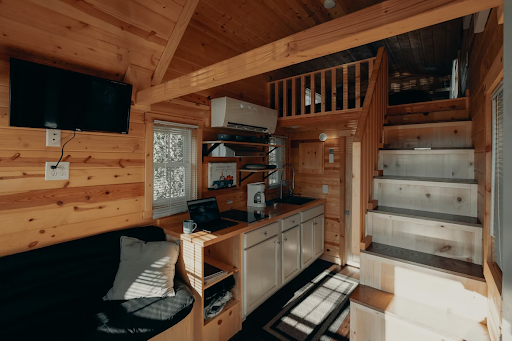
For example, instead of a simple bed base with a mattress, choose one with built-in drawers. Many tiny homes also have sofas built on top of drawers, high shelves, and storage stairs leading to the loft bedrooms. The more innovative furniture you invest in, the more of your valuable possessions you can keep.
Develop Daily and Weekly Routines
Clutter and feeling cramped are two common challenges people face with tiny home living. Even just a few items out of place can become overwhelming in such a small environment.
The average tiny home is only around 37m2, or under 400 square feet. That’s why developing daily and weekly cleaning routines is so important. These routines can involve putting away misplaced items, doing dishes immediately after meals, and making your bed.
You might not be ready for tiny home living yet, but it’s only a matter of time before you are. Start downsizing, decluttering, and investing in multi-functional furniture. Before long, you can be moving into your new tiny home with confidence.

