

A resource for those seeking information on organizing and transforming spaces.
How Mobile Storage Units Can Transform Seasonal Decluttering
Discover how mobile storage units transform seasonal decluttering and help you create space and stay organized easily.
Seasonal clutter builds slowly. One holiday passes, another season arrives, and suddenly closets feel crowded again. Many people struggle to keep a balance between keeping memories and maintaining space. Mobile storage units can truly transform seasonal decluttering because they create breathing room without forcing rushed decisions. Instead of stuffing items into already full closets, you gain a temporary holding space right outside your home. This approach reduces stress and helps you sort belongings at a comfortable pace. Let's find out what the signs are that you need to get a storage unit and transform your decluttering.
Why Mobile Storage Units Transform Seasonal Decluttering

Mobile storage units change the decluttering process by removing the biggest obstacle: timing pressure. Traditional storage requires packing everything quickly and transporting it immediately. With a mobile unit, you load items gradually while deciding what stays or goes. This slower pace helps you make better choices. You can separate decorations, winter gear, or sports equipment without rushing. Many people notice they donate more items once clutter leaves daily sight. Space creates clarity. A storage unit placed near your home also reduces physical strain. You move items once instead of multiple times. This convenience encourages consistency during seasonal cleanups. Over time, you build a simple system for rotating belongings throughout the year. That consistency helps your home stay organized without overwhelming weekend cleanouts or last-minute panic before guests arrive.
Small Homes Benefit the Most From Flexible Storage
Limited square footage often makes seasonal clutter feel overwhelming. Mobile storage offers relief without permanent renovations. Many people realize that removing rarely used items creates instant visual appeal when trying to maximize small home spaces with smart storage solutions. Clearing bulky belongings opens walkways and improves room flow. Your living areas begin to serve their intended purpose again. Storage units allow apartments and small homes to function like larger spaces. Small homes especially benefit from systems that adapt throughout the year instead of relying on crowded closets or overflowing cabinets.
How to Plan the Process Without Overthinking

Many people hesitate because they feel unsure about how to approach this task and seasonal storage solutions without creating extra work. Start small. Choose one area, such as a hallway closet or garage shelf. Remove everything and sort items into keep, store, donate, or discard piles. Avoid perfection. Focus on progress. Load storage items immediately so clutter does not creep back indoors. Create simple rules, like storing anything unused for six months. This keeps decisions clear and quick. Scheduling decluttering sessions in short blocks also helps prevent burnout. Even thirty focused minutes can create visible change. The goal is steady improvement, not instant transformation. When storage sits nearby, you can pause and continue later without losing momentum.
Packing Smarter Makes Seasonal Changes Easier
Packing methods matter more than most people expect. When boxes are organized well, seasonal swaps become fast and stress-free. Many homeowners discover that learning how to organize and label moving boxes so unpacking takes half the time makes storage rotations dramatically easier. Use large labels on multiple sides of each box. Write clear categories instead of vague descriptions. Transparent bins help you identify contents quickly without opening everything. Keep an inventory list on your phone for quick reference. Place heavier items at the bottom and fragile décor on top. Organized packing saves hours every season. It also prevents frustration when searching for decorations or seasonal clothing. A little preparation now eliminates confusion later and keeps your storage system reliable year after year.
Room-by-Room Seasonal Decluttering Made Simple
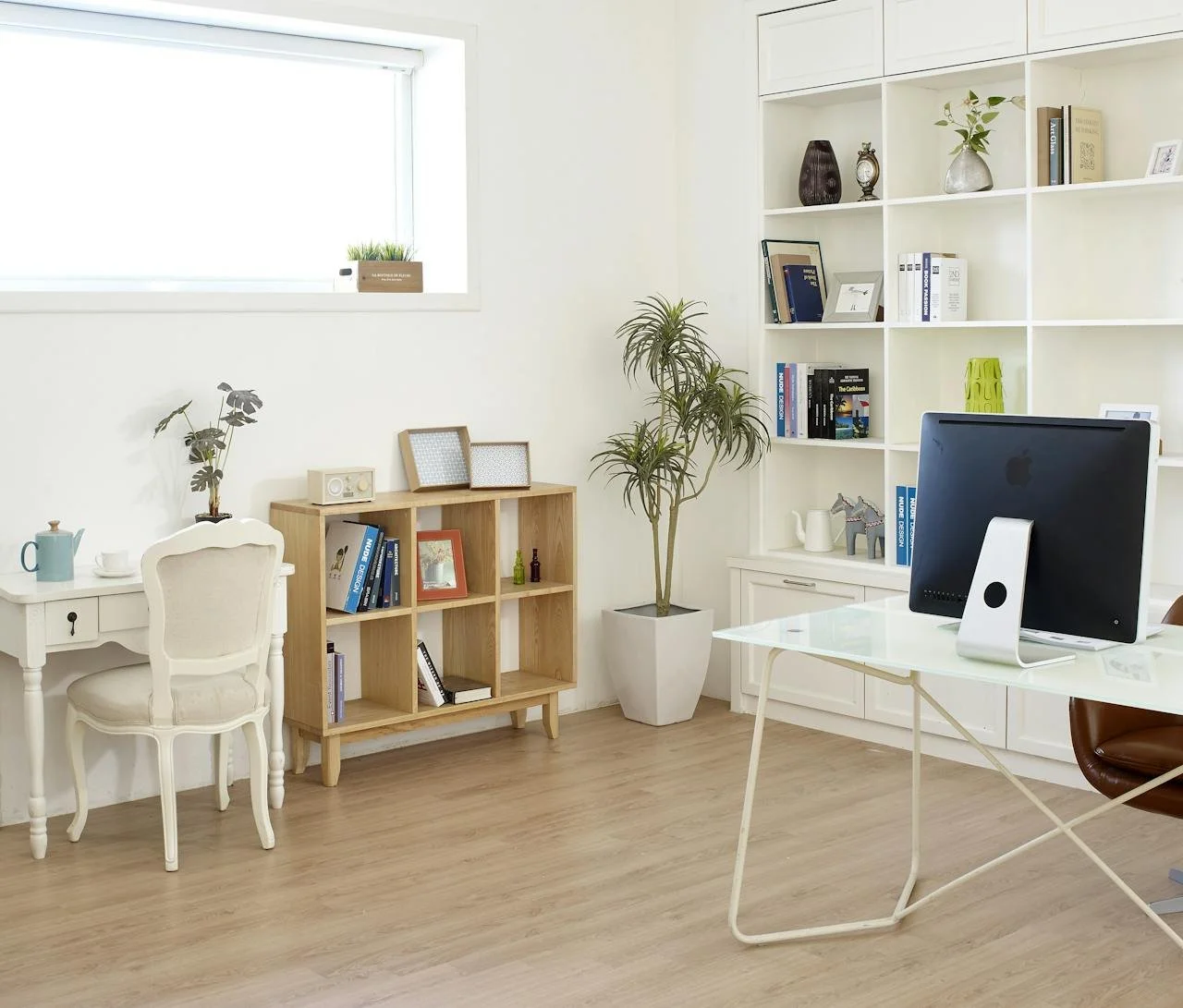
Decluttering feels easier when you focus on one room at a time instead of the whole house. Each space collects seasonal items differently, so your strategy should match how you actually live. A room-by-room approach helps you stay organized and prevents decision fatigue. As you move through your home, separate items you use daily from those needed only during certain seasons. Mobile storage gives you a flexible place to move those extras without creating new clutter indoors. This method helps you transform seasonal decluttering into a manageable routine that fits your lifestyle. Use this simple guide as you work through each area:
Living room: Store holiday décor, extra throws, and seasonal electronics not currently in use.
Kitchen: Rotate specialty appliances, large serving dishes, and holiday cookware.
Bedrooms: Pack off-season clothing, spare bedding, and bulky blankets.
Bathroom: Store extra towels, seasonal toiletries, or backup supplies.
Garage: Move sports gear, gardening tools, or seasonal equipment into labeled bins.
Entryway: Remove seasonal shoes, coats, and accessories to keep traffic areas clear.
How to Keep Your Storage Unit Clean and Well-Maintained
Clean storage protects your belongings and makes seasonal rotation easier. A tidy unit also prevents damage caused by dust, moisture, or pests. Start by preparing items before they ever enter storage. Wipe surfaces, wash fabrics, and allow everything to dry completely. Moisture trapped inside boxes can lead to odors or mildew over time. Use sealed plastic bins for clothing, linens, or decorations instead of weak cardboard. Leave small gaps between boxes so air can circulate. Regular cleaning checks help you catch problems early and keep everything fresh. Follow these simple habits to maintain a clean storage space:
Sweep the floor every visit to prevent dust buildup
Avoid storing food or scented products that attract pests
Use moisture absorbers in humid climates
Elevate boxes slightly using pallets or shelving
Check items seasonally for signs of dampness or damage
Replace broken containers immediately
Conclusion: A Simple Change That Can Transform Seasonal Decluttering
Seasonal organization does not need to feel exhausting or repetitive. Mobile storage units offer flexibility, convenience, and breathing room exactly when you need it. By rotating belongings instead of cramming everything indoors, you create a system that truly helps transform seasonal decluttering into a manageable routine. You gain time, reduce stress, and protect items you still value. When clutter no longer controls your space, seasonal changes become smoother and even enjoyable. With the right approach, storage becomes a tool for clarity, comfort, and long-term balance throughout the year.
How to Organize and Label Moving Boxes So Unpacking Takes Half the Time
Here is what nobody warns you about. Packing a house? Annoying, sure. But survivable. Unpacking forty identical brown boxes in a new place where you cannot find the coffee maker, the bath towels, or a single fork? That is where people actually lose it.
We partnered with a moving company for this post. The opinions in the post are honest. All reviews and opinions expressed in this post are based on our personal views. We are excited because we know you will love it.
Here is what nobody warns you about. Packing a house? Annoying, sure. But survivable. Unpacking forty identical brown boxes in a new place where you cannot find the coffee maker, the bath towels, or a single fork? That is where people actually lose it.
And the weird thing is, the fix takes almost no extra effort. It just has to happen before the boxes get taped shut, not after.
Writing "Kitchen" on a Box Means Almost Nothing
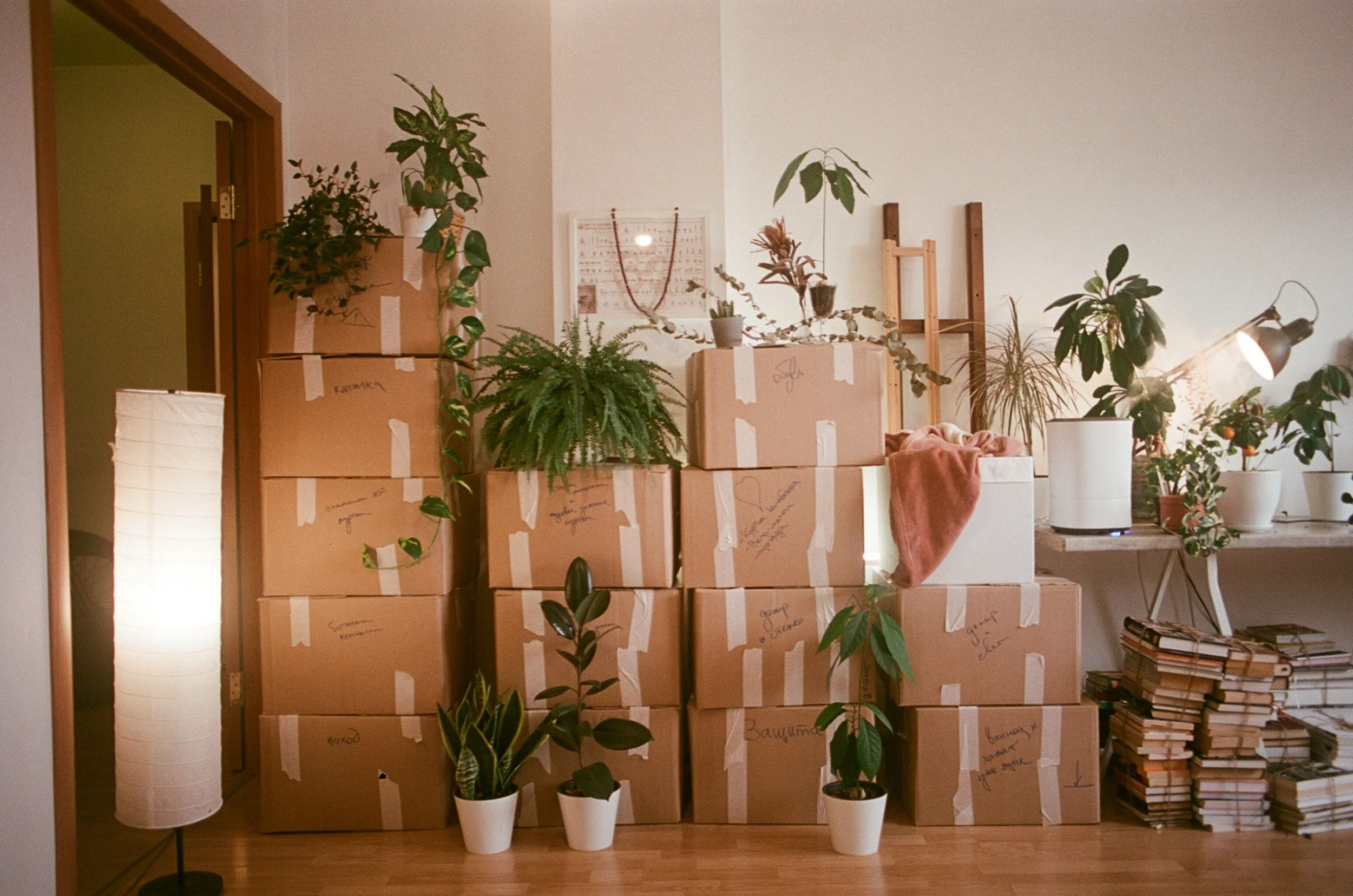
Everybody does this. Grab a Sharpie, scribble the room name on top, move on. Feels productive. Except once you are staring at a wall of twelve boxes that all say "kitchen," you realize that label told you where the box goes but absolutely zero about what is inside.
One of those boxes has your daily plates and mugs. Another one has a bread maker you forgot you owned. Big difference. Huge difference, actually, when it is 8 PM on move-in night and dinner is not happening without finding the right box first.
Room names are a starting point. They are not a system.
Three Things Every Box Needs Written on It
Grab your marker. Write on two sides of the box, not the top. Tops vanish the second boxes get stacked, and they will get stacked.
First thing: the room. Kitchen, master bedroom, kid's bathroom, office. Wherever it needs to land.
Second thing: a quick description of what is actually in there. Not a full inventory, just the highlights. "Everyday dishes, silverware, coffee stuff" works. "Kitchen misc" does not. You will curse yourself later for every box labeled "misc." Guaranteed.
Third thing, and this is the part that changes everything: write either OPEN FIRST or OPEN LATER. The open-first boxes hold whatever you genuinely need within 24 hours. Plates you eat off of daily. Soap. Sheets. Chargers. Everything else gets the "later" tag and can sit in a corner for a week without causing any problems.
Movers drop off forty boxes. You scan for the ones marked OPEN FIRST. You ignore the rest. Suddenly unpacking night feels manageable instead of nightmarish.
Colored Tape Beats Fancy Labels Every Time
Some people go deep with printed labels, spreadsheets, QR codes. If that is your thing, go for it. But for most households, a few rolls of cheap colored tape from the hardware store accomplish the same thing with a fraction of the effort.
Blue for kitchen. Green for bedrooms. Yellow for bathrooms. Whatever combination you pick, just stay consistent. Wrap a strip around each box.
On moving day, when your cousin is hauling stuff in and does not want to stop and read your handwriting on every single box, he just looks at the tape. Blue goes to the kitchen. Green goes down the hall. Done. No questions, no confusion, no boxes ending up in the wrong room because someone was in a rush.
The Phone List Trick That Takes Ten Seconds Per Box
Number each box with a marker. Keep a running note on your phone. That is it.
Box 4: Kitchen, pots and baking sheets, open later. Box 5: Master bedroom, bedding and pillows, open first. Box 11: Office, files and desk supplies, open later.
Sounds tedious. Takes about ten seconds each time. And when you are tearing the house apart three days after the move looking for your kid's tablet charger, you open your phone, search "charger," and box 17 pops up. No digging through random boxes like a raccoon in a dumpster.
Also useful for confirming everything made it off the truck. Count your boxes against the list. If box 23 is missing, you know exactly what was in it.
One Room Per Box, No Exceptions
The fastest way to destroy any labeling system is to start mixing rooms inside a single box. Half kitchen items, half bathroom stuff, maybe a random picture frame from the hallway. Now that box belongs nowhere and the label is meaningless.
If a box is only three quarters full, stuff towels or packing paper in the gap. Resist the urge to grab something from another room just to fill the space. That shortcut always backfires during unpacking. Always.
One room per box. No exceptions. Your future self will be weirdly grateful for this discipline.
Pack a "First Night" Box for Every Person
This one idea alone prevents about 80% of move-in night meltdowns. Each person in the household gets their own clearly marked box with everything they need to survive the first night.
Pajamas. Toothbrush and toothpaste. Phone charger. Any medications. A change of clothes for the next morning. Maybe a snack and a water bottle.
Label it with the person's name and OPEN FIRST in big letters. Load it last on the truck so it comes off first. When everything else is chaos, at least everyone can shower, brush their teeth, and sleep in clean clothes.
Households that would rather skip the whole packing puzzle entirely sometimes bring in a professional packing and unpacking service to handle it. These crews already use built-in labeling and inventory systems as part of their process, so every box shows up sorted by room, listed, and ready to unpack in a logical order.
Do Not Break Down Boxes Too Quickly
Once a room is unpacked, the instinct is to immediately crush the boxes and haul them to recycling. Hold off for a few days. Stuff ends up in wrong rooms sometimes. You might need to check your numbered list to track down something that was not where you expected.
After about a week, when everything has found its permanent spot and nobody is searching for anything, flatten them all and recycle the pile. Job done.
The Real Secret
People who unpack a full house in one organized weekend are not superhuman. They did not hire a life coach. They just spent a little extra time with a marker before the truck showed up.
Three things on every box. One color per room. A ten-second note on the phone. That is genuinely all it takes to turn unpacking from a week-long disaster into something you knock out over a couple of days.

The Myth of the Fresh Start: What Moving Can’t Fix (and What It Can)
Relocation helps some changes, but cannot replace personal effort or reset deeper life patterns, because moving can't fix everything.
Moving often feels powerful because it marks a visible break from what came before. As a result, new surroundings promise relief from stress, frustration, or routines that feel worn out. During periods of dissatisfaction, relocation can seem like an action rather than an avoidance. Yet there are things that moving can’t fix, and they become clear once daily life settles again. A new address can shift pace, access, and exposure; however, it does not rewrite habits or priorities on its own. For this reason, understanding the difference matters. When people treat a move as a tool rather than a solution, expectations stay grounded and outcomes improve over time.
Why Relocation Feels Like Progress Even Before It Happens
Relocation creates a sense of forward motion before any real change occurs. Packing, planning, and decision-making replace reflection with activity, which feels stabilizing during uncertainty. Because of this, many people follow relocation trends, believing location alone drives improvement. The belief persists since movement feels productive. Once the move ends, however, structure fades and familiar patterns return. In reality, the early sense of progress reflects momentum, not resolution. Recognizing this gap helps people avoid disappointment and use relocation with clearer intent.
Preparation Solves Logistics, Not Personal Strain
Strong preparation reduces disruption during a move. You might consider hiring help for your move, but you're still not sure if that's the right thing to do. The only way to get all the info you need is by knowing the right questions to ask before hiring a moving company. Knowing the right information ahead of time will lead to better timing, pricing, and coordination. These steps matter and should not be skipped. Still, preparation only addresses external pressure. Emotional strain linked to routine, workload, or expectations remains unchanged. Planning supports stability, yet personal strain requires separate attention after arrival.
Unresolved Stress Travels Without Resistance
Stress linked to behavior follows easily. Burnout, overcommitment, and avoidance patterns move intact. At first, a new setting may delay triggers; however, it rarely removes them. Once routines settle, familiar responses appear again. People often mistake relief from novelty for resolution. Without awareness, the same stress resurfaces under different conditions. This cycle repeats because the underlying responses stay unchanged. Distance alone does not create insight. Instead, deliberate change must follow.
Financial Changes Have Clear Limits

Cost plays a major role in relocation decisions, and a pocket-friendly relocation can reduce pressure during the transition and early months. In many cases, lower housing costs or shorter commutes help stability. Over time, though, financial strain linked to habits often returns. Spending expands when the structure stays unchanged. A move can create room to reset priorities; still, outcomes depend on follow-through. Financial relief lasts when paired with restraint and planning, not geography alone.
The Environment Can Support Better Daily Structure
Place shapes daily behavior through access and layout. For instance, walkable areas encourage movement without effort. Likewise, quieter neighborhoods support rest and focus. Reliable transit reduces time pressure and supports consistency. These factors remove friction from routines people already want to build. Even so, the environment only supports intention. Someone who avoids rest will stay busy anywhere. A move works best when the location matches the goals already defined.
Social Stability Takes Time to Rebuild
Moving disrupts the connection immediately. Familiar support disappears, even when contact remains possible. Because of this, building trust requires repeated interaction over time. Many people feel isolated after the initial excitement fades. Community grows through consistency rather than arrival. A move does not guarantee belonging. Instead, it creates an opportunity to build it gradually. Patience matters more than optimism during this phase.
Career Pressure Often Reappears After the Honeymoon
Work dissatisfaction drives many relocations. At first, new roles feel lighter due to novelty and reset expectations. Over time, deadlines and demands return. Stress follows boundaries more than location. Without changes in workload control or availability, pressure resurfaces. A move may improve commute time or office culture; still, habits define experience. This reality often surprises people who expected external change to replace internal limits. Sustainable relief requires behavioral adjustment after relocation.
Identity Does Not Change Without Action

Many people expect relocation to reshape how they see themselves. Starting a new chapter in a new city seems exciting, yet identity forms through repeated action. A new place offers permission to act differently; however, it does not guarantee that change will occur. Confidence, discipline, and direction develop through consistency. Without action, identity remains unchanged regardless of the setting. Location provides a backdrop, not a script.
Why Understanding What Moving Can’t Fix Matters
Clarity protects people from misplaced hope. Knowing what moving can’t fix helps focus effort where it belongs. Moving cannot repair strained communication, resolve burnout, or create purpose on its own. It can, however, reduce friction and improve access. When expectations align with reality, relocation becomes useful instead of disappointing. Awareness turns a move into a strategic choice rather than an emotional escape.
What Relocation Can Improve When Used Intentionally
Relocation works best as support rather than a solution. Better layouts can improve focus, while shorter commutes free time for rest and connection. Safer areas reduce constant alertness and mental strain. These improvements matter when paired with effort. Without follow-through, benefits fade. When people treat relocation as a platform for better routines, results hold longer. This shift also helps with making the space more functional, as daily movement and use patterns become easier to maintain. Place supports progress when intention leads.
Turning a Move Into Real Change
A move changes surroundings, not behavior. What moving can’t fix reminds people to pair relocation with honest effort. Progress follows alignment between environment, routine, and expectation. A new home can support better structure and remove daily friction. Still, lasting change depends on what happens after the boxes are unpacked. When relocation serves the intention instead of replacing it, the fresh start people want becomes possible.
Meta:
Kw: Moving Can’t Fix
https://www.pexels.com/photo/new-home-keys-lei-banknotes-romanian-currency-27641070/
https://www.pexels.com/photo/man-in-blue-coverall-posing-between-carton-boxes-7464709/

How to Organize a Home Gym That Actually Motivates You
A home gym sounds motivating in theory. You don’t have to waste time commuting; you just roll out of bed, and you’re ready to hit a new PR before the second breakfast is even ready. But the reality is a bit different. When a home gym is designed without care, the space can directly affect your motivation, making you avoid your workouts rather than fuelling them. This is why every design choice matters: it makes you either step into the room with a sense of purpose or quietly shut the door and promise tomorrow instead.
A home gym sounds motivating in theory. You don’t have to waste time commuting; you just roll out of bed, and you’re ready to hit a new PR before the second breakfast is even ready. But the reality is a bit different. When a home gym is designed without care, the space can directly affect your motivation, making you avoid your workouts rather than fuelling them. This is why every design choice matters: it makes you either step into the room with a sense of purpose or quietly shut the door and promise tomorrow instead.
Start With the Feeling You’re Trying to Evoke
A home gym that works does not begin with buying things, even though the internet insists otherwise. Motivation grows from the atmosphere and from the feeling that the room is on your side and not judging you for missing leg day last week. Following that logic, the most effective home gym is the one that’s organised around how movement feels, not how impressive the setup looks in a photo.
Your brain will stop searching for more entertaining alternatives when your fitness space starts feeling calm, intentional, and slightly inviting. That is why clutter is the first motivation killer. Equipment that does not serve a clear purpose should not live in the room, because every unnecessary object quietly drains energy before a workout even begins.
Design Around Real-Life Workouts
It is natural to want to make your home gym look like a professional fitness centre. But any gym accommodates hundreds of people a day; this one should accommodate you and your family only. That means it should be designed around your real-life workouts, not an ideal routine that only exists during highly motivated weeks.
Flooring should match the type of movement being done, because slipping or discomfort breaks momentum fast. For those investing in advanced leg exercise machines, placement matters more than brand. These machines need space to move safely, but also need to feel integrated rather than intimidating, otherwise they become expensive coat racks.
Give the Room a Clear Job

A space that tries to be everything usually becomes nothing. A home gym should not also be a dumping ground for suitcases, winter coats, or that chair everyone avoids throwing out. When a room has a clear role, the brain switches modes more easily.
Walking into this space should signal movement and effort, even on low-energy days. That signal becomes stronger when the room layout makes sense, with zones that reflect how workouts actually happen. Cardio areas benefit from openness, while strength areas feel better when grounded and stable.
Let Storage Do the Heavy Lifting
Motivation quietly lives inside convenience. You want the equipment to be easy to grab and easy to put away. This will subtly make your workouts feel lighter before they even begin. For that, you’ll need wall-mounted racks, vertical storage, and some type of closed cabinets. These storage options all reduce visual noise, making your home gym look both flawless and functional.
Frequently used items deserve the easiest access. These are usually dumbbells and things like cable attachments. Specialty tools like spare barbell clamps or belts can live higher or further away. This matters more than it sounds. A kettlebell that requires moving three boxes first will be skipped more often than admitted.
Make Progress Visible, Not Loud
Tracking progress can be a great motivator, but it doesn’t have to be aggressive or public to be effective. Subtle visual cues work better over time. A whiteboard with a few key numbers, a calendar with crossed-off days, or even neatly organised equipment that reflects strength gains all reinforce consistency.
The goal is quiet reinforcement, not pressure. Because once you make your progress visible, motivation will start to feel earned rather than demanded. This approach suits long-term fitness far better than hype-driven setups that burn bright and fade fast.
Let the Space Evolve When Necessary
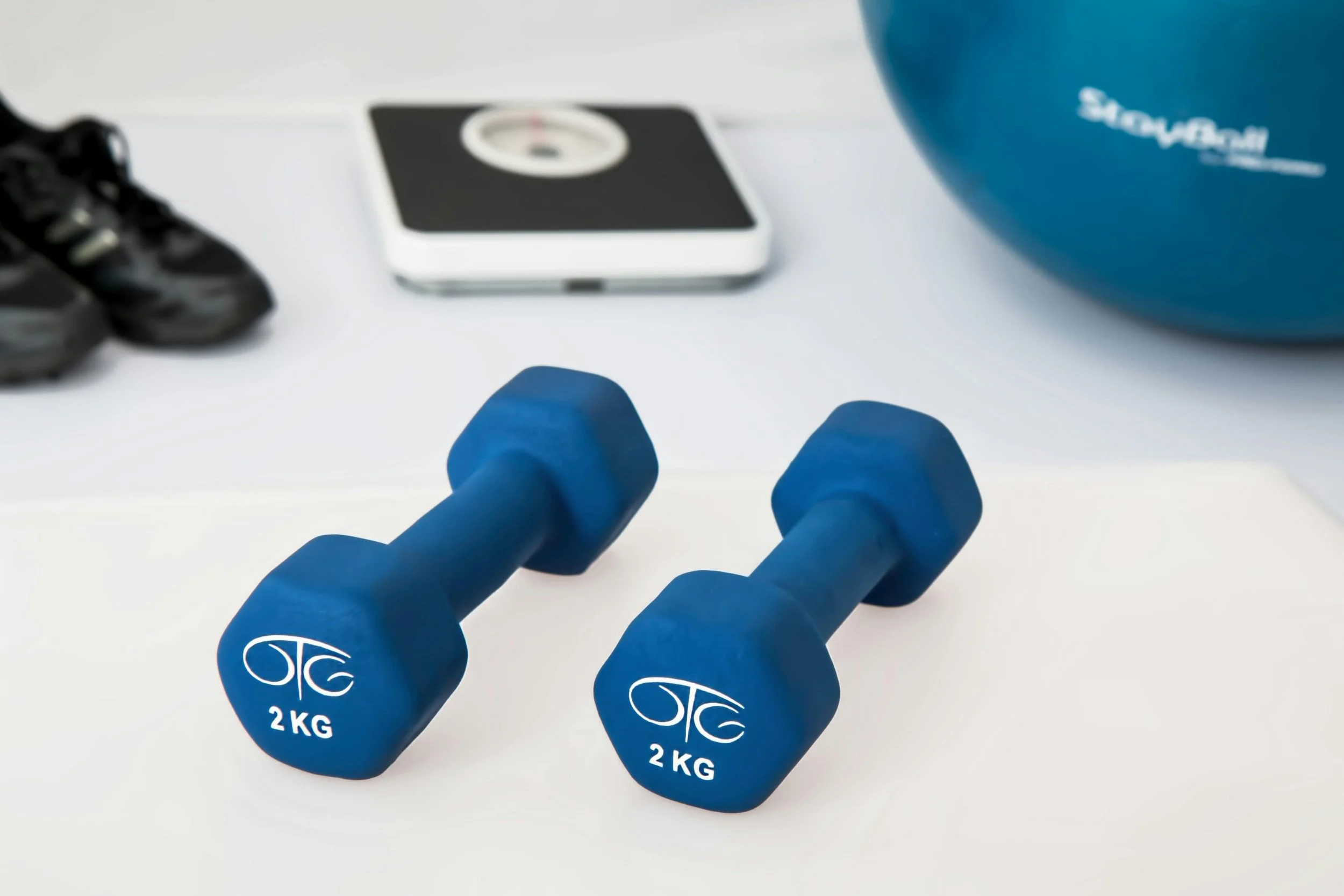
The most successful home gyms are not static. They evolve as goals change, injuries happen, or interests shift. You should allow for that flexibility without shame.
Removing equipment that no longer serves a purpose may be hard, but you need to remind yourself that this is not a failure. Your motivation will stay alive when the space continues to reflect the present version of yourself, not an outdated version of ambition. Remember, a gym that adapts remains relevant, and relevance is what will keep you coming back.
Conclusion
A well-organised home gym does not shout or perform. It quietly supports effort, reduces resistance, and meets people where they are. When the way you organise your gym aligns with real life, motivation stops being something to chase and starts being something that shows up.

