

A resource for those seeking information on organizing and transforming spaces.
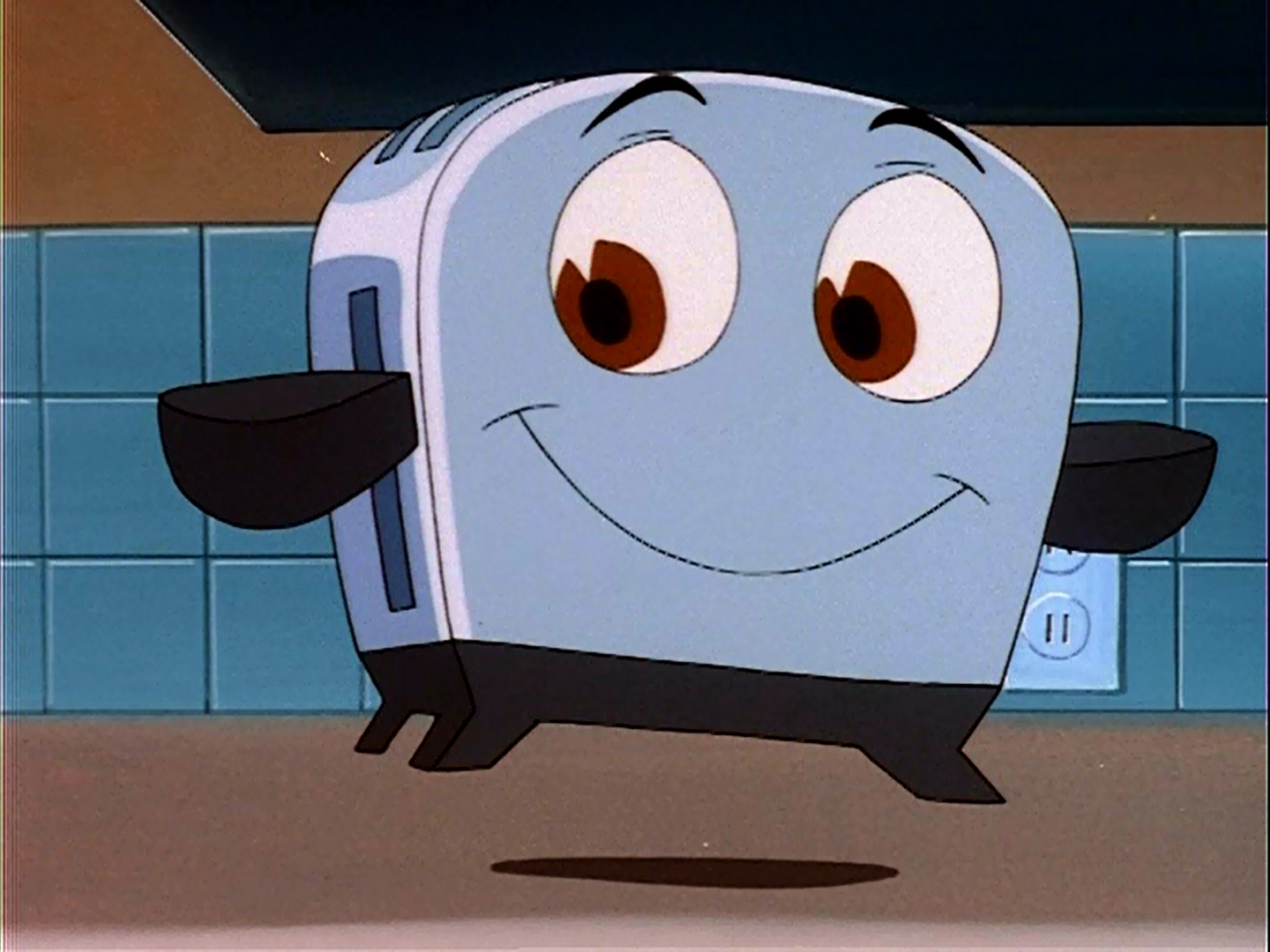
The Brave Little Toaster
Linda reflects on organizing.
Linda reflects on organizing sentimental items.

The Brave Little Toaster movie is responsible for you having a job,” said my 27 year old son. First, I think WHAT? Then I read the comments on a facebook post.
Jennifer:
“I had a huge obsession with saving all kinds of junk after watching the movie…
I was a complete pack rat! I was convinced that something like a piece of plastic might have life in it, and might even talk!”
Christina:
“Totally used to be the same, LOL. Don’t throw it out, it has feelings!!”
Risa:
“SAME”
Lindsay:
“Yes, I got way out of hand”
For those of you not familiar with the movie, The Brave Little Toaster was released 30 years ago as an animated movie. A favorite among families it centered round five extremely likeable and cute talking household appliances; Toaster, Blanky (the electric blanket), Radio, Lampy (the goose-neck lamp), and Kirby (the vacuum cleaner). They miss Rob their owner and live in an abandoned cabin in the woods. One day they decide to reunite with Rob, so they set off on a dangerous trek through the forest to the city. They work together and make it to Rob’s apartment only to hear from Rob’s newer appliances that they are old and useless. They end up in a dumpster in which one would assume there would be no way out. Not going to spoil the ending, but let’s just say the appliances with their wonderful personalities are heroic and all is well that ends well.
As silly as it sounds the movie was a favorite in the 90’s. It was something the whole family would watch on movie night and by the end of the movie how could you not LOVE the “Brave Little Toaster”? He and his friends had to be alive, right?
OK, so clearly as adults we know that not to be true but how many of us still have a stuffed animal or blankie hidden in the closet from our childhood. That animal/blankie talks and understands us plus knows all our childhood secrets.
This leads us to the discussion of keepsakes and sentimental items. OK, we know they are not alive but still they have a special place in our heart. When on jobs our clients are confused about what to do with keepsakes. Maybe it is a stuffed animal, framed photos of grandparents, sentimental jewelry, artwork made by children, first cellphone, collection of theatre tickets, baseball cards, the list is endless.
First and foremost we want no regret. If an item may have sentimental value we will suggest finding a way to store it safely in your home. If it is too large to store, we may suggest taking a photo before letting it go. The key to storing keepsakes is to put like with like. For example, all sports collections together, toys together, jewelry together etc… Once you determine quantity you purchase appropriate size clear plastic bins to store the items. Clear is key so you can see what is inside, we want no barriers. Label the outside and store on a shelf in a remote location.
But what if you don’t want to keep all the items? If you believe things are of value, maybe take them to be appraised. Sterling silver, stamp collections, antique collectibles may have monetary value. A professional organizer can certainly help find dependable appraisers and suggest ways for you to sell your items.
Sometimes we think keepsakes will be valuable and are surprised when after appraisal they are not worth much. For example, this is common with silver plate and many baseball or comic book collections from the 90’s. If not of value then it maybe time to donate to a good charity like a local women’s shelter, veteran’s association, or rescue missions. Maybe these items can be used by someone or simply put a smile on another person’s face.
Getting back to the Brave Little Toaster below is a picture of “Dodo Snoopy, “
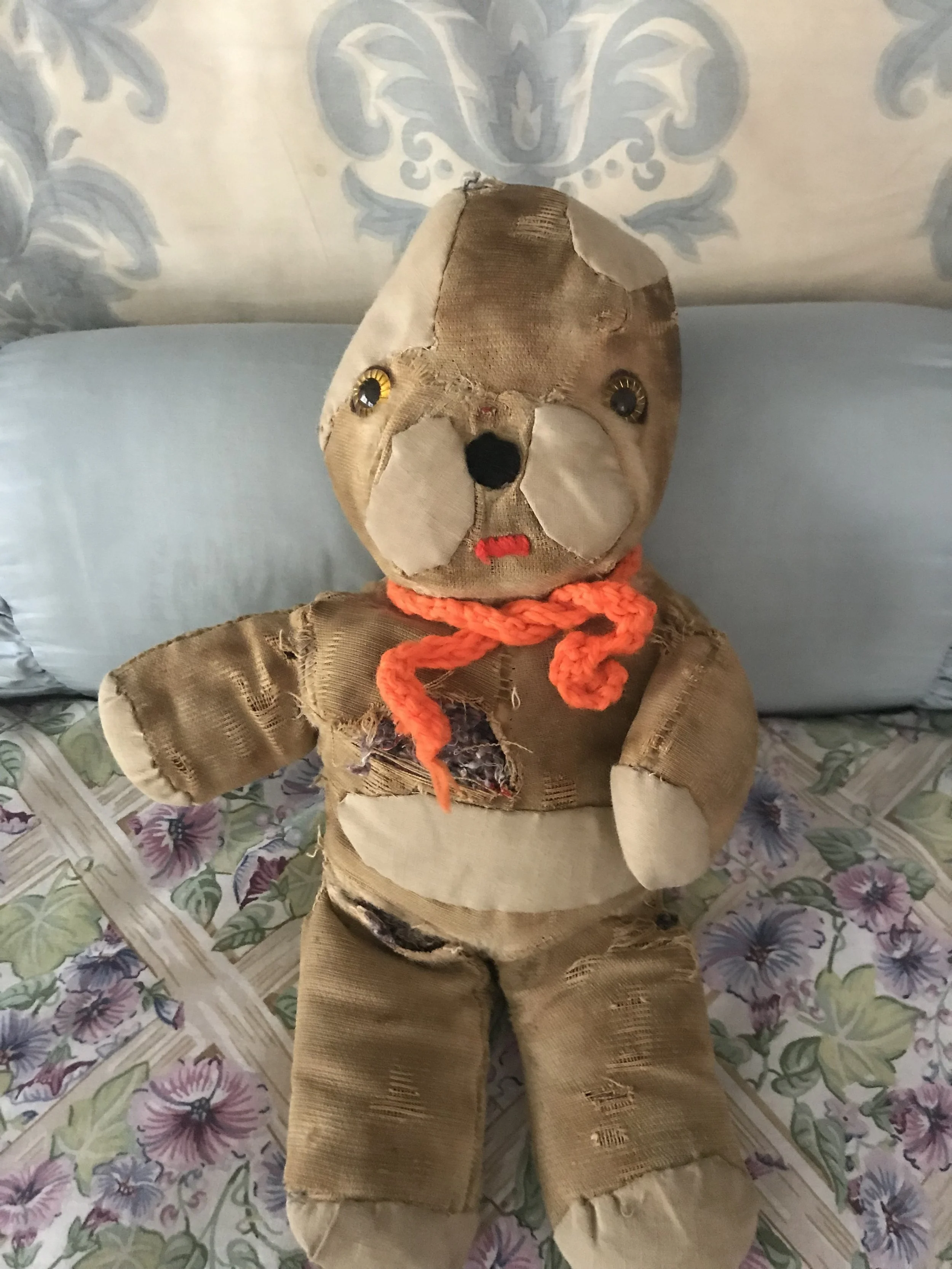
He lives in my closet in a clear bin. He is 54 years old and a special keepsake. Clearly he is not alive, although similar to the “Brave Little Toaster” he used to talk to me when I was a little girl. Can’t ever throw him out, he too has feelings, Hmmm…
Brave Little Toaster animated comedy released July 1987. Adapted from the novel “Brave Little Toaster: A Bedtime Story for Small Appliances” by Thomas M Disch.

The Summer/Winter Swap
I thought about the last time the kids used the Lego. I concluded it had been awhile since they are usually outside enjoying the warm weather. This got me thinking about the Summer/Winter swap.

Yesterday I came downstairs to find the boys playing Lego. I'm actually not sure if they were playing or simply trying to cover every square inch of the first floor in tiny plastic building blocks. After I successfully navigated to the kitchen without stepping on any Lego. I thought about the last time the kids used the Lego. I concluded it had been awhile since they are usually outside enjoying the warm weather. This got me thinking about the Summer/Winter swap.
A basic tenant of organizing is that the things we don't use often should be stored more remotely. During winter not only do we need cold weather clothes but we also may put out holiday decorations. This means it is time for our summer items to take a backseat, no matter how much we wish we were somewhere that required a beach umbrella. In a perfect world we would snap our fingers and our seasonal items would disappear. Assuming we don't know magic the summer items need to be swapped out for winter ones.
Clear bins work well for warm weather clothes, sports, beach or BBQ items. While packing take a few moments to donate or toss any item that is in disrepair or that the kids may have outgrown. Also be careful of packing outdoor items as they may have sand, dirt or even mud that will need to be cleaned before sitting for four months.
Another added benefit of the summer/winter swap is that it allows us to set up clear and easily recognizable areas for different categories. If you have an attic, basement or garage these areas are perfect for remote storage. By having a home for everything you know what you have leading up to the seasonal swap.

Uncluttered Holidays - Priceless
Holidays are fun once we are gathered with our families, feasting, drinking and enjoying the holiday spirit. However, the energy it takes to get there can be exhausting.

Holidays are fun once we are gathered with our families, feasting, drinking and enjoying the holiday spirit. However, the energy it takes to get there can be exhausting. Time is limited, we are all running around trying to stay fit, work, volunteer, eat right, and take care of our families. Finding the time to purchase gifts either by going to a store or even spending the time online is hard to do. When trying to figure out what to purchase as a holiday housewarming gift, a gift for dad, a gift for Uncle Rich, a gift for Aunt Jill, often we get confused and overwhelmed. How many times have you opened a box with another pair of black gloves, another sweater, another scarf or yet another candle?
As professional organizers we see many holiday gifts shoved in closets or hidden in bins in a basement or attic (often never even opened). One of the many ideas we encourage is to give an “experience” over actual material gifts. For example, wouldn’t it be great to open up a package and see tickets to your favorite concert or play? How about a gift card to a spa for a day of rest and relaxation? Maybe a gift card to a favorite restaurant or exercise class? Hmm, maybe a gift card for someone to come organize the playroom or garage? By doing this you have not added more “stuff” to the person’s home, and have given the person something they will really remember.

This applies to children as well as adults. Yes, it is fun to watch kids tear open gifts and see their happy faces when they get something they have been asking for. How about just a few presents and a few experiences. Trust us, the Doc McStuffins nursery will be out of style next year and a new toy will be more popular. It will sit in the corner of a playroom, collecting dust and end up being eventually donated. By giving children experiences, you will have less clutter in your home which will put a smile on their face and yours. How about tickets to a children's performance or museum, just think of the terrific memories they will have. When grandparents ask what to get, maybe suggest movies tickets and ice cream after?
Another idea is to give the gift of time. As mentioned above, our time is so limited and valuable. Weekends are spent at kids sporting events, kid’s birthday parties, visiting children at college or elderly relatives in assisted living, paying bills, food shopping, etc…Finding time to catch up with friends and family can become almost impossible. How great it would be to open a gift and see written: “lunch and museum in the city with me my treat!” Or, “dinner and movie together, on me!” Being with your partner or best friend, spending time together no matter what the monetary value is priceless. It doesn’t necessarily need to be expensive, just hanging out talking, laughing and making memories is better than a sixth pair of gloves, sweater, scarf or candle.
Guest Post: Step-by-Step Guide to Getting Organized for Your Home Sale
Getting organized is a popular topic these days, whether it’s with your time or bookshelves. But selling a home comes with its own special requirements because a lot of organization goes into getting a house show-ready. And trust me, it’s worth the effort to give your house its best chance on the market.

Getting organized is a popular topic these days, whether it’s with your time or bookshelves. But selling a home comes with its own special requirements because a lot of organization goes into getting a house show-ready. And trust me, it’s worth the effort to give your house its best chance on the market.
The secret is to go one step at a time. Here’s a list of helpful home-selling tips broken down into categories. Follow these tips and the end result will be an open, clean, depersonalized home that attracts potential buyers and allows them to imagine living there. In fact, organized and decluttered homes can get 3-5% higher offers than other houses.
Steps to Take
The categories are: decluttering, cleaning, staging, curb appeal, and extras. These tips are for DIY, but all steps can be handled by professionals. These tips also assume that any major repairs your house needs are done.
Decluttering is first. You want buyers to look at the house and not be distracted by your personal things or mess. Clutter must go, inside and outside of the house, from everywhere buyers will want to look. And they will look everywhere.
Label some boxes or bins as Keep/Pack Away, Donate, and Not Sure. Also have a supply of trash bags.
Research places to donate different items. Some organizations will even do pick-up.
Set dates and time on your calendar to declutter, and stick to them.
Start with one room, or just one area, and complete it. It will add up in the end.
Clear surfaces such as shelves, mantles, counters, and tables.
Clear floors of laundry, toys, reading material, etc., and remove family photos or random decorations from walls.
Partially empty storage, such as closets and cabinets, so they look spacious.
Take down window dressing, leaving simple blinds or shades.
Clear the property of leaves, weeds, snow, bikes, gardening tools, etc.
Paint walls neutral shades, and keep a consistent palette throughout the house.
Don’t let clutter sneak back up on you. Deal daily with mail, work papers, kitchen utensils, backpacks, toys, or other things that tend to pile up easily.
Once the house is decluttered, it is vital to deep clean absolutely everything.
Gather your supplies, including gloves, various cleansers, sponges, small brushes, rags, brooms, mops, and vacuums.
This time, don’t go room by room. Instead, do one step throughout the house. From floor to ceiling, dust, wash, scrub, sweep, mop, and vacuum.
Clean inside appliances, under sinks, windows, back corners of cabinets, grout, and all nooks and crannies.
Have someone clean and service the furnace/HVAC, including the vents.
The house must stay this clean, which can be a challenge with daily life going on. But it must always be ready to show, or you could lose the sale. Establish a routine so that every day you:
Wipe tubs and bathroom surfaces, put away all bath products, and keep the toilet clean.
Put away laundry, dirty or clean, and don’t let loads pile up.
Wipe kitchen counters, appliances, and fixtures. Wash dishes. Put things away.
Dust surfaces in every room.
Sweep or vacuum, especially in high-traffic areas.
Keep pets, pet beds, and litter boxes clean.
Make all the beds in the house.
Deodorize if there are cooking or other odors. Lightly scented candles or essential oils make a nice substitute.
Staging takes a house from clean to eye-catching. Minimal furniture and props give it a neutral but comfortable look.
Arrange furniture to emphasize features of the house, such as a fireplace or view.
Create easy walking access through and around rooms.
Use furniture and staging props to give each room a purpose.
Add some color to your neutral background with pillows, plants, a bowl of fruit, a few books or objects, or some art. Create small vignettes that show off the lifestyle the house offers. For example: fluffy folded towels, a candle, and a glass bottle of bubble bath; a soft blanket and open book on a cozy chair; a seasonal centerpiece on the dining table; a kitchen island with morning coffee.
Curb appeal is the first thing people see, so decluttering and staging needs to happen outside, too.
Rake leaves and/or remove snow from traffic areas daily.
Mow the lawn often, and reseed if necessary.
Trim bushes and trees.
Add flowers or greenery to fill in beds and add color.
Fix peeling paint on trims, shutters, etc.
Stage outdoor areas with vignettes. Pay particular attention to the entrance: good lighting, bright paint on the front door, potted plants, etc.
Find a top realtor in your area that can give you advice and feedback on DIY organization and recommendations. Some organizing extras will help your realtor help you.
Let your realtor know your preferred contact method(s) and how often to be in touch.
Collect all paperwork from the house, including renovation and maintenance records, past sales history, appraisals, and contact information for professionals you’ve used.
Once you’re organized and the house is showing, these last tips will help you be ready to accept that offer and close.
Lin Nulman has been writing for HomeLight.com since 2016, and her work has been featured on many other websites. She teaches writing and literature at Bunker Hill Community College. Her poetry and arts writing has appeared in a number of journals, anthologies, and websites.

