

A resource for those seeking information on organizing and transforming spaces.
Guest Post - Limit Artificial Light in the Evening to Promote a Healthier Lifestyle
From bright sunshine to the light from a computer screen, we’re surrounded by different types of light which impact our lives in many ways.
Exposure to natural, outdoor light during the day has a positive effect on your health, whereas prolonged exposure to artificial lighting, especially at night, can have negative effects on your mood and general well-being.

From bright sunshine to the light from a computer screen, we’re surrounded by different types of light which impact our lives in many ways.
Exposure to natural, outdoor light during the day has a positive effect on your health, whereas prolonged exposure to artificial lighting, especially at night, can have negative effects on your mood and general well-being.
Natural Light
It’s probably no surprise to hear that natural light is good for you, sunshine streaming through a window can have a calming, peaceful effect. But exposure to sunshine has a physiological effect on your body, and can do more than just brighten your mood.
Spending time outside during daylight can cause a spike in your serotonin levels, a chemical which is thought to regulate anxiety and mood. An increase in serotonin can induce happiness and make you feel more optimistic and helpful, whereas a decrease is often associated with depression.
People often describe having the “winter blues” when days get shorter and darker. Low levels of serotonin could be one of the reasons we feel more negative during darker days, and is also associated with Seasonal Affective Disorder (SAD), a type of depression linked to changes in seasons.
Circadian Rhythms
Your circadian rhythm is a biological process which oscillates every 24 hours and is driven by exposure to sunlight. Therefore, a healthy sleep cycle depends greatly on your actions throughout the day, and can be affected by the amount of artificial light you’re exposed to during the evening.
With more and more of us spending the evenings on our computer or phone, it’s no wonder so many people report having sleep problems. Energy-efficient bulbs and electronics with bright screens emit blue light, and this signals your body to stay awake instead of preparing you for a restful sleep.
Dimming the lights in your bedroom and avoiding electronic screens two to three hours before you go to bed should encourage your body to feel drowsy and help you get to sleep more easily.
Studies show that persistent poor sleep can increase the risk of developing certain illnesses and disorders such as diabetes and depression. So if you’ve been having problems sleeping, it may be due to an impact on your circadian rhythm.
Avoiding Blue Light
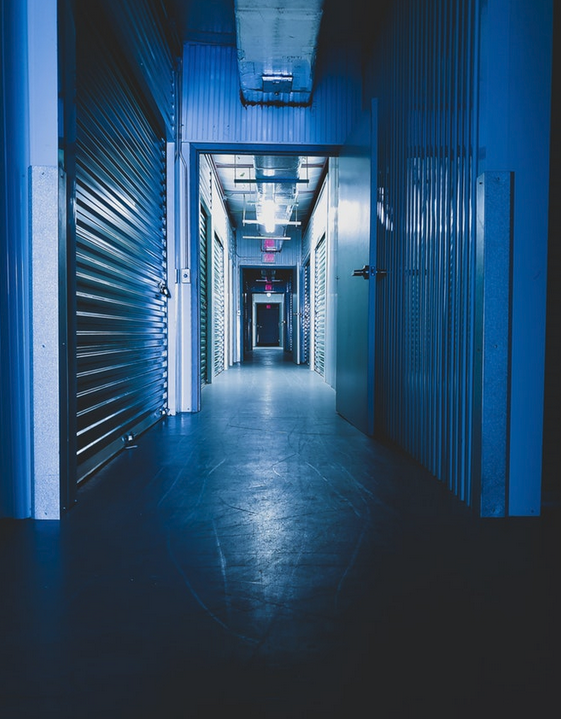
It’s virtually impossible to avoid blue light during the day as it’s emitted by energy-efficient bulbs, computer screens, smartphones, etc… It also may be difficult to avoid at night if you work night-shifts or spend your evenings using electronics with screens.
Exposure to artificial light during night time has also been linked to reduced levels of Melatonin, a hormone which is vital to your health and helps control your daily body clock.
A reduced production of Melatonin can impact your ability to sleep well, think clearly, and the regulation of vital physiological functions, so it’s best to avoid blue light before you go to bed.
If this just isn’t possible for you due to your work hours or lifestyle, you could use blue-blocking glasses or use an app that filters blue wavelengths.
Emotions
As I mentioned earlier, different light affects us in different ways. Recent studies show that an environment with intense lighting can intensify a person’s a emotions. Sunny days and spending time in an area which is brightly illuminated can make people feel more positive and often report a higher sense of well being - an intensification of positive emotions.
On the other hand, extended exposure to darker days can make people feel more negative about their lives and often results in SAD. In this case, feeling negative emotions more intensely due to limited exposure to natural light.
Waking up to natural light in the morning can also help you feel more alert and energized, which is difficult during autumn and winter months as the sunrise gets later and later. Some people find that Light Therapy helps them develop healthier sleeping patterns during dark, gloomy times of the year.
Light Therapy

Some of the most common light therapy techniques include Light Boxes and Daylight Simulation Lights. Light boxes can help treat SAD and involves light falling directly into the eye. Daylight simulation lights work when you’re asleep, and wake you up by gradually increasing light.
This technique can really help if you’re feeling lethargic, and prompts a biological response to help you feel more energetic and alert when you wake up.
Final Words
With light having such a large effect on our mood and impacting our decision making, it’s no wonder that businesses and interior designers use lighting experts to create exactly the right atmosphere.
Exposure to natural light during the day and limiting artificial light in the evening is the best way to keep your mood up, stay alert and be productive. And most importantly, it will encourage the correct production of Melatonin to keep a healthy circadian rhythm.
Author Bio: Lisa Wetherell runs the blog Lighting House - where she writes about her knowledge gained from 10 years of industry experience in the lighting and interior design field. To learn more about how lighting can improve your space, you can follow her blog.

Guest Post - How to Properly Organize a Living Space for Older Adults with Special Needs
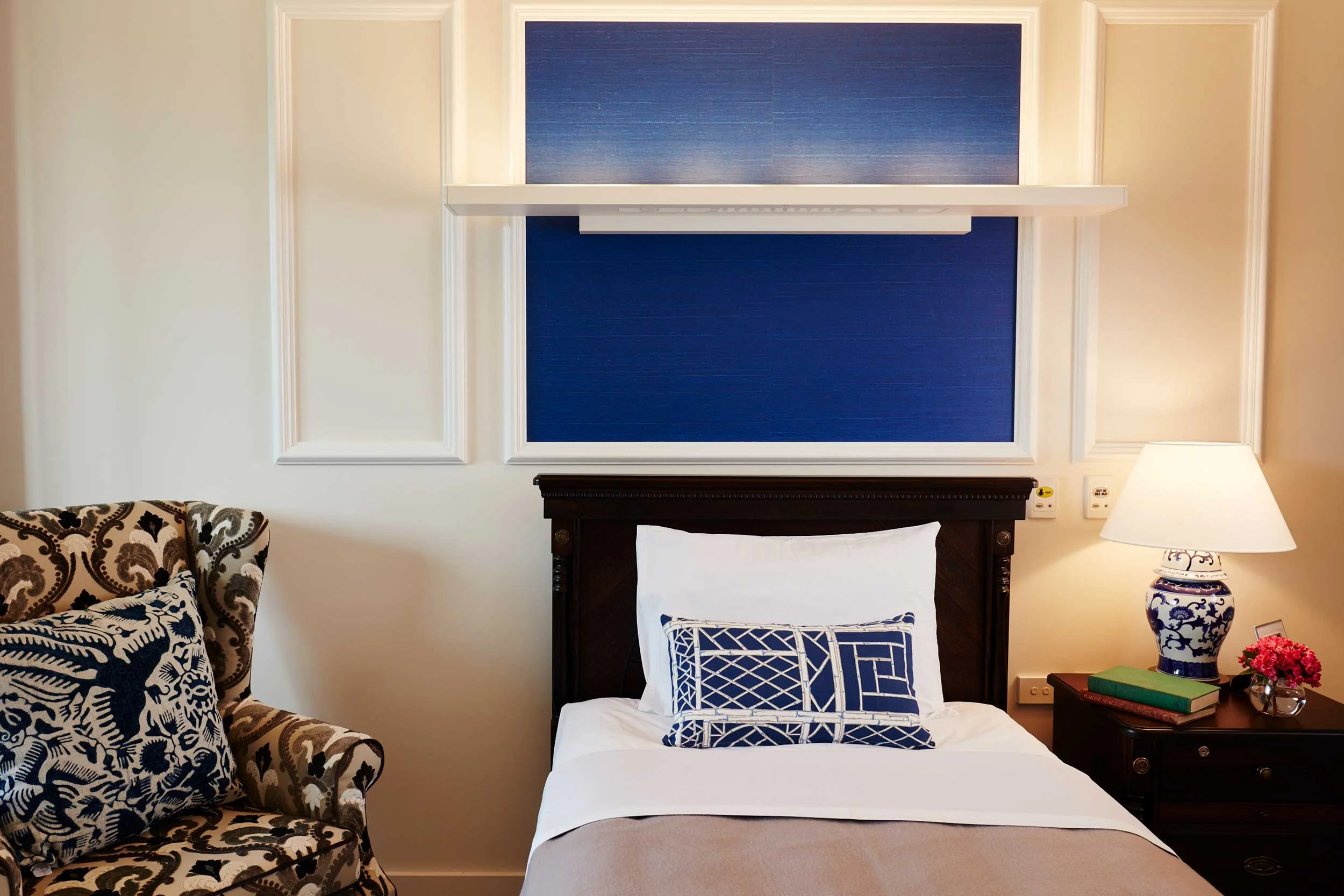
A space where people dwell can be so simple. All you need is a few well-functioning elements – a chair, a table, bed, stove, shower, sink and a toilet – and one can easily survive if need be. However, survival is not what life's about. A living space that one considers home is a whole other matter. For an elderly person that has experienced a life-changing disability, this is a matter that can determine whether they will be depressed or content, so the design of such a place needs to be taken seriously. With that in mind, here's how to properly organize a living space for older adults with special needs.
A space where people dwell can be so simple. All you need is a few well-functioning elements – a chair, a table, bed, stove, shower, sink and a toilet – and one can easily survive if need be. However, survival is not what life's about. A living space that one considers home is a whole other matter. For an elderly person that has experienced a life-changing disability, this is a matter that can determine whether they will be depressed or content, so the design of such a place needs to be taken seriously. With that in mind, here's how to properly organize a living space for older adults with special needs.
A matter of decluttering
A cluttered space is a hazard for disabled elders. You should determine where the senior prefers to spend most of their time and see to it that there are enough drawers and cabinets around to keep the minutia properly stored. Try to put yourself in the shoes of the disabled person – they need to be able to move through the room with the help of a wheelchair or a walker. This means that the arrangement should be economic in such a way to leave enough room between the pieces of furniture for readjustment. De-cluttering simply lowers the risk of injury.
Furniture – less is more
While we are on the topic of injury, stuffing the living space with an arrangement of smaller furniture is begging for a visit to the doctor’s office. Instead, fill up the space with fewer furniture elements and keep them large. Of course, you should ensure that the furniture which is placed in the room does not have any jagged edges.
Natural light makes all the difference
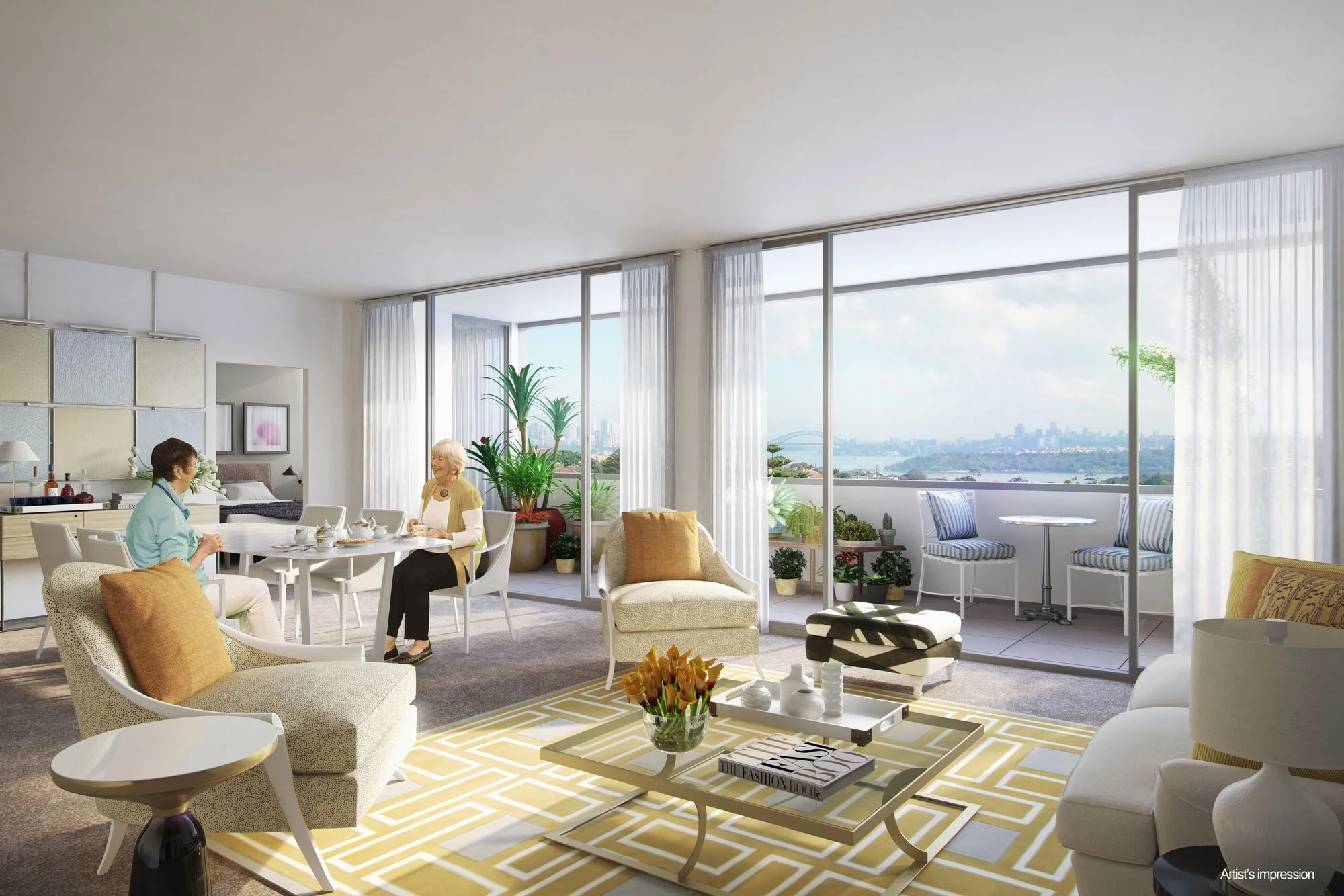
Due to biological senescence, most elderly adults tend to “retire” into their shadowy dwellings and settle with solitary existence. Suffice to say, this impacts their mood immensely, especially if they are not exposed to enough natural light. Getting enough vitamin D is particularly important for disabled seniors and well-lit rooms can look vibrant without excessive over-design.
If you are looking for inspiration, you should check out Mark Moran Vaucluse aged care facilities, which offer some stellar examples of thoughtfully organized living spaces for seniors – such as layouts that are designed to capture maximum natural light and quaint vistas. Remember – the abundance of natural light is the cornerstone of a well-designed and well-organized living space. In fact, it is a “hack” that does a lot of beautifying for you.
A space for guests?
If an elderly disabled person is in good spirits, they’ll almost certainly yearn to cultivate their social life. It is therefore perfectly reasonable to ask yourself: Should the disabled senior have means to entertain in their own living space? If they live in a community or a communal establishment, it is much easier to answer this question – they can simply rely on several reception areas. However, if it’s a smaller, more tightly arranged living space, like a one-bedroom apartment in Chicago for example, – in a private environment or a smaller aged care facility, the answer should still be no. Day-to-day safety takes a priority.
Storage solutions
A well-organized, large storage space that covers an entire wall in a living space is something that can pretty much solve all the issues. Storage solutions can be divided into several areas based on their function. For example, eight smaller drawers can be reserved for keepsakes and paraphernalia. It is simply smarter to remove them off usable surfaces.
The following eight to twelve drawers can be reserved for books that are of particular interest to the elderly. At least several drawers should always be kept empty, just in case something needs to be stored away quickly. Another upside of this is that the dust doesn’t need to be swiped regularly off stored items, and cleaning other surfaces around the room becomes much brisker.
In the end, it does not really matter if the disabled elder lives at home or in a commercial building. The only thing that is truly important is whether their needs are met and if they feel comfortable enough in the organized surrounding. While modified elements that may assist the disabled person in moving around the place are obligatory, one should do their best to design and arrange the dwelling in such a way that it doesn’t look like a spruced-up medical facility. A few heartfelt details here and there can make all the difference in the world.
Lillian Connors can’t resist the urge to embark on a myriad of green living/home improvement projects and spread the word about them. She cherishes the notion that sustainable housing and gardening will not only make us far less dependent on others regarding the dwellings we inhabit, but also contribute to our planet being a better place to live on. You can check her out on Twitter.

Guest Post - Door Locks: Rekeying Vs. Replacing
If you’re experiencing any problems with your lock, it’s better not to risk your safety and the safety of your property. Simple rekeying or lock replacement can solve all of your lock issues in the blink of an eye, but how do you know which one you need? Here’s a guide that will clear your doubts.
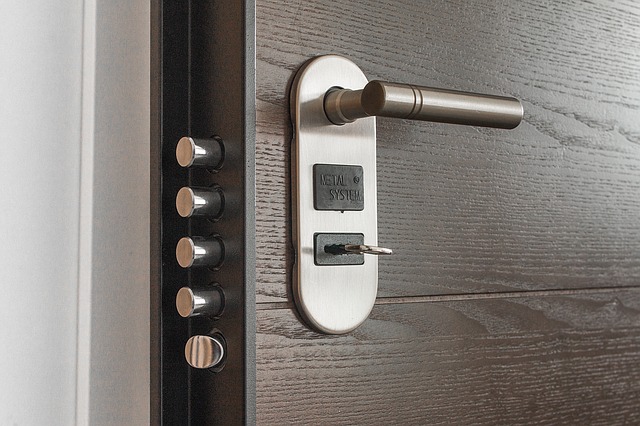
If you’re experiencing any problems with your lock, it’s better not to risk your safety and the safety of your property. Simple rekeying or lock replacement can solve all of your lock issues in the blink of an eye, but how do you know which one you need? Here’s a guide that will clear your doubts.
Rekeying
If you decide to rekey your lock, here’s what you can expect. Your locksmith will open the lock, remove old pins and springs in the lock and install new ones that respond to a different key. Most locks can be rekeyed, unless you have a very specialized lock or some malfunctioning parts.
The most common reason why people opt for rekeying is to retire an old key if they moved in a new place and want to be the only key holders, if they lost a key and worry someone will find it or they want to prevent a key-holder from entering.
If you have several locks in your home that work with a different key and you want all of them to have one key, you might want to have your locks rekeyed. However, in order for the process to work, you must have locks of the same brand and lock that have the same type of keyholes. For instance, if your key won’t even fit into a lock (let alone unlock it), it means that the keyways are not the same and they can’t be matched.
Key pins that get replaced in the process of rekeying are super cheap, so rekeying is usually very affordable. Most experts only charge the labor when rekeying, but if you opt for lock replacing, expect to be billed both for the parts and the labor.
Another thing to keep in mind with rekeying is that it won’t improve your security. As long as your locksmith replaces your 5 old pins with 5 new pins, your lock will remain essentially the same, but it will work with a different key. If you want to boost your security, you’ll need to change your lock to a better and sturdier model.
In order to perform rekeying, your locksmith will need your current key. But, you can always ask your locksmith to pick the lock open in case you get locked out and most experts can do that very quickly. They can open all sorts of locks, from your regular door locks to restricted key systems and electronic locks, so don’t worry about any complications. This service is very useful if you really don’t want to replace your current lock, so it’s great to keep in mind.
Replacing

There are circumstances that can’t be solved with rekeying, but they require lock replacement. Like everything else, locks wear down and can’t be improved with simple rekeying.
If you want to improve the security of your property, you might want to replace your regular locks with high-quality locking hardware. But, other times, people just want to spice things up aesthetically and need a new lock design and color. For instance, if you just moved into a new place, you might want to invest in new, better-looking locks. Also, some locks are easier to operate (most people prefer lever handle locks over knobs.)Obviously, rekeying won’t help here.
Also, if you have various locks in your home and they all respond to a different key, you might want to improve the practicality and make them all work with one key. In that case, you might need to change some of the models and create a uniformed look before you can rekey them to one key. Lock replacement is also more expensive, because you’ll be paying for the lock itself and the labor.
AS you can see, each process has its advantages and disadvantages. Now you are much closer to knowing which solution will fit your needs before you contact your locksmith to get that problem solved.
Lillian Connors can’t resist the urge to embark on a myriad of green living/home improvement projects and spread the word about them. She cherishes the notion that sustainable housing and gardening will not only make us far less dependent on others regarding the dwellings we inhabit, but also contribute to our planet being a better place to live on. You can check her out on Twitter.

Guest Post - Home Redecorating Tips & Advice for Empty Nesters
Your kids have spread their wings and flown, leaving you with an empty nest and plenty of mixed emotions. While you are probably happy to see your teens embarking on their own lives, seeing their empty bedrooms on a daily basis can leave you feeling quite lonely.
Look on the bright side, though. With your kids out of the house, you finally have the extra space for that study, home office, craft room, or guest bedroom you’ve been longing for. Transforming a no-longer-used childhood bedroom into a brand-new space makes it much easier to process your emotions and enjoy being an empty nester. Here are a helpful home redecorating tips and some advice on how to transform the spaces in your once-bustling home.

Your kids have spread their wings and flown, leaving you with an empty nest and plenty of mixed emotions. While you are probably happy to see your teens embarking on their own lives, seeing their empty bedrooms on a daily basis can leave you feeling quite lonely.
Look on the bright side, though. With your kids out of the house, you finally have the extra space for that study, home office, craft room, or guest bedroom you’ve been longing for. Transforming a no-longer-used childhood bedroom into a brand-new space makes it much easier to process your emotions and enjoy being an empty nester. Here are a helpful home redecorating tips and some advice on how to transform the spaces in your once-bustling home.
Reorganize
If your kids left their rooms behind as shrines to their teenage years, you will need to do a lot of organizing before you can transform the space. It may be too soon to pack up all of your kids’ belongings and donate them to charity if they have only recently left for college and still plan on coming home on vacations for school. In this case, your best bet is to reorganize their stuff to make room for yourself.
Tuck personal effects in baskets or boxes and store them in closets or dresser drawers for easy access. Consider installing a large shelving unit that can be used to display some of your child’s favorite possessions. This will allow you to maintain the personality of the room while giving yourself a bit more space.
When the kids are finished with college or have already moved into their own homes, feel free to pack up the things they left behind and either put them in storage, donate them, or throw them away. Of course, it’s always a good idea to check with your kids before getting rid of things that may still have sentimental value.
Come Up with a New Purpose

How do you want to use the newly available extra space? Would you like to transform your teen’s former room into an elegant guest bedroom? Set up the craft room you’ve always dreamed of having? Put in a home office where you can pursue your own entrepreneurial dreams? Create a home gym? Deciding exactly how you want to use the space is the first step in figuring out exactly what you will need to do to redecorate.
Once you’ve decided on a purpose, consider what furniture you will need. In many spaces, large furniture pieces serve as the main focal point. Selecting furniture like living room sofas, desks, and bedrooms sets early in the redecorating process will help you determine a color scheme. Look for high-quality furniture that you love that will withstand the test of time. With no more kids running around destroying everything, now is the time to invest in that classic leather recliner or sofa you’ve always dreamed of having!
Upgrade the Lighting
Changing the lighting in a room can change the entire feel of a space. If your son had a sports-themed ceiling fan or your daughter had a Hello Kitty bedside lamp, replace them with more elegant, mature fixtures. You may also want to upgrade basic fixtures and ceiling fans to more elegant styles that are better suited to your personal taste.
Add a nice floor lamp or some wall sconces. If you plan on spending a lot of time in the room, think about investing in a lamp that mimics natural sunlight to create a comfortable, inviting space. Choose lights that are appropriate for the type of room you are trying to create. A chandelier may be an amazing touch if you are converting a room into an elegant walk-in closet, but it may look out of place if you are converting the room into a home gym.
Replace the Flooring

Kids are messy, and there is a good chance that the floors in their old bedrooms aren’t in the greatest shape. Whether it’s nail polish in the carpet, water stains on the hardwood, or any other type of problem, a damaged floor can really detract from a space.
If it is in your budget, replacing damaged flooring gives any room an instant facelift. Even if the carpet is in good condition, getting rid of the baby pink and replacing it with carpet in a more grown-up color or hardwood will help you make the space your own. If completely redoing your floor doesn’t quite fit into your budget, pick up a nice rug to hide the damage. Also, arrange your furniture strategically to keep spots and stains out of sight.
Conclusion
For parents, living in an empty nest brings a lot of mixed emotions. While they are happy to see their kids starting at college, beginning their careers, and exploring the world on their own for the first time, the sudden emptiness in the home can bring sadness. By redecorating your kids’ old bedrooms, though, you can eliminate the depression that can come from staring at a shrine to their teenage years day after day. Redecorating also allows you to reclaim the space and transform it into something you will enjoy.
Your kids’ old bedrooms aren’t the only places you can redecorate. With the kids out of the house, you are now free to purchase higher-end furniture pieces and décor without fear of it being ruined by careless children or teens. You can decorate with your own style preferences in mind to create a beautiful home that feels less like an empty nest.
About the author: Jeff King serves as Vice President of Club Furniture (One Source Plus, Inc.). Jeff oversees all marketing related functions from the Charlotte, NC headquarters. When not busy playing bass guitar... Jeff enjoys reading, playing tennis, and spending time with his wife and two children.

