

A resource for those seeking information on organizing and transforming spaces.

Guest Post - Green Solutions for a Perfect Backyard Getaway
Outdoor space informs the appearance of your household and exterior design is just as important as interior design. While you do not have as much elbow space to get crazy with the appearance of your yard as you do with the interior, there are still countless creative solutions to create a captivating oasis of comfort. In the day and age when eco-friendly living has become ubiquitous, some especially nifty tricks have become quite prominent and, if you are interested to learn more about them, here are some green solutions for a perfect backyard getaway.

Outdoor space informs the appearance of your household and exterior design is just as important as interior design. While you do not have as much elbow space to get crazy with the appearance of your yard as you do with the interior, there are still countless creative solutions to create a captivating oasis of comfort. In the day and age when eco-friendly living has become ubiquitous, some especially nifty tricks have become quite prominent and, if you are interested to learn more about them, here are some green solutions for a perfect backyard getaway.
Ditch the exotics and go native
If we are to discuss green solutions for a beautiful backyard, we first have to mention one of the most reasonable, cost-effective and energy-saving methods to create a sustainable paradise behind your house. This, of course, entails going native with the plant life. Exotic plants and trees might look beautiful, but they are usually expensive due to import costs, and this goes without accounting for the resources you’ll have to waste to sustain its exuberance. The best thing you can do is choose an assortment of local plants that are robust, easy to maintain and which are adapted to your particular climate, soil, parasites and microorganisms. Every region in the world has its own unique and gorgeous floral biome, so start the research and knock yourself out.
Create a vertical garden
Vertical gardens can add a level of astonishing beauty to your backyard’s lush assembly of greenery, and even though your instincts may tell you that this might require too much work, it is actually fairly easy to set one up. All you need is at least one vertical garden unit which you can hang on an arbitrarily chosen section of the backyard wall. Of course, the best vertical garden units are also easy to rearrange whenever you are in the mood to mix things up a bit, and you’ll want this modularity in case some renovation needs to be done on your home’s exterior. Vertical gardens are a good way to camouflage some visually unappealing parts of the house and they serve as a completely natural and eco-friendly insulator of temperature and sound.
Sustainable wood for organic appeal

Wood is a precious resource, so if you require some panels and planks to create sturdy outdoor elements such as back porch, gazebo, water barrel or a compost bin, you should probably take a chance with the closest retailer that deals in recycled/reusable materials. Then you can finally assemble these elements with a clear conscience and have a sustainable yard with wonderful organic appeal. Rain-collecting barrels are not only useful in a tried-and-true eco-friendly way, but they are also a nice piece of ornamentation with bucolic charm. The water from the said rain-collector can be used to water the plants mentioned above. Finally, a compost bin is a must in a sustainable yard and a good visual reminder of how much you can do to aid in the natural processes of your immediate ecosystem.
There was a time when eco-friendly options to create a harmonious yard were few and far between, and while the world of sustainable landscaping has become particularly prominent lately, some of the best solutions were actually always there – the local plant life being the most convenient example. The point of it all is that, with some knowledge of what is deemed ‘green’, you can easily rely on your own instincts and creative flair to assemble the yard that you have always wanted. You do not have to sacrifice your vision for eco-utilitarianism.
Author Bio: Amelia Atkins is an author at Smooth Decorator and a fresh architecture student. The love for architecture and design runs in her family and she knew what she wanted to do from a very young age. You can often find her with a notepad in hand, just looking at the clouds, dreaming about the next skyscraper. Twitter / Facebook.

Guest Post - Top 5 Garage Organization Ideas
When it comes to home organization, the garage is often the very last priority. That’s because it’s the place that holds all the equipment and extraneous possessions that won’t fit anywhere else. Think about it: When you rearrange the living room, you toss the tired accessories and outdated furnishings into the garage. There they join the folding chairs that don’t fit in your hall closet, the seasonal decorations that get displayed a few weeks a year and the leftover supplies from your last craft project. When you clean out closets, your out-of-season clothes are packed into bins that take up more garage space. Add all these unneeded items to the necessary outdoor gear, sports equipment and gardening tools that live in the garage and you’ve got a recipe for disaster.

When it comes to home organization, the garage is often the very last priority. That’s because it’s the place that holds all the equipment and extraneous possessions that won’t fit anywhere else. Think about it: When you rearrange the living room, you toss the tired accessories and outdated furnishings into the garage. There they join the folding chairs that don’t fit in your hall closet, the seasonal decorations that get displayed a few weeks a year and the leftover supplies from your last craft project. When you clean out closets, your out-of-season clothes are packed into bins that take up more garage space. Add all these unneeded items to the necessary outdoor gear, sports equipment and gardening tools that live in the garage and you’ve got a recipe for disaster.
So where do you start to get your garage organized? And what’s the best way to create a place for everything in this catchall space?
The good news is there’s hope. In reality, most garages are blank slates for organization. While they may not offer built-in cubbies, cabinets, shelves and storage solutions, they’re ready and waiting for you to add your own. Take a look at the attached infographic to get five great ideas for straightening up your garage. Use them to make the most of the square footage and create organization that makes it easier to find what you need, when you need it.
Author bio: Ashley W. Smith is Managing Director for Garadry. He formed the company in 2009 and launched the Garadry website in 2015 to meet the needs of the growing consumer base in the U.S. Garadry designs its own range of innovative weather seal products for anybody with a garage/commercial door.
Guest Post - Tips for Using Air Conditioners in an Energy Efficiency Manner
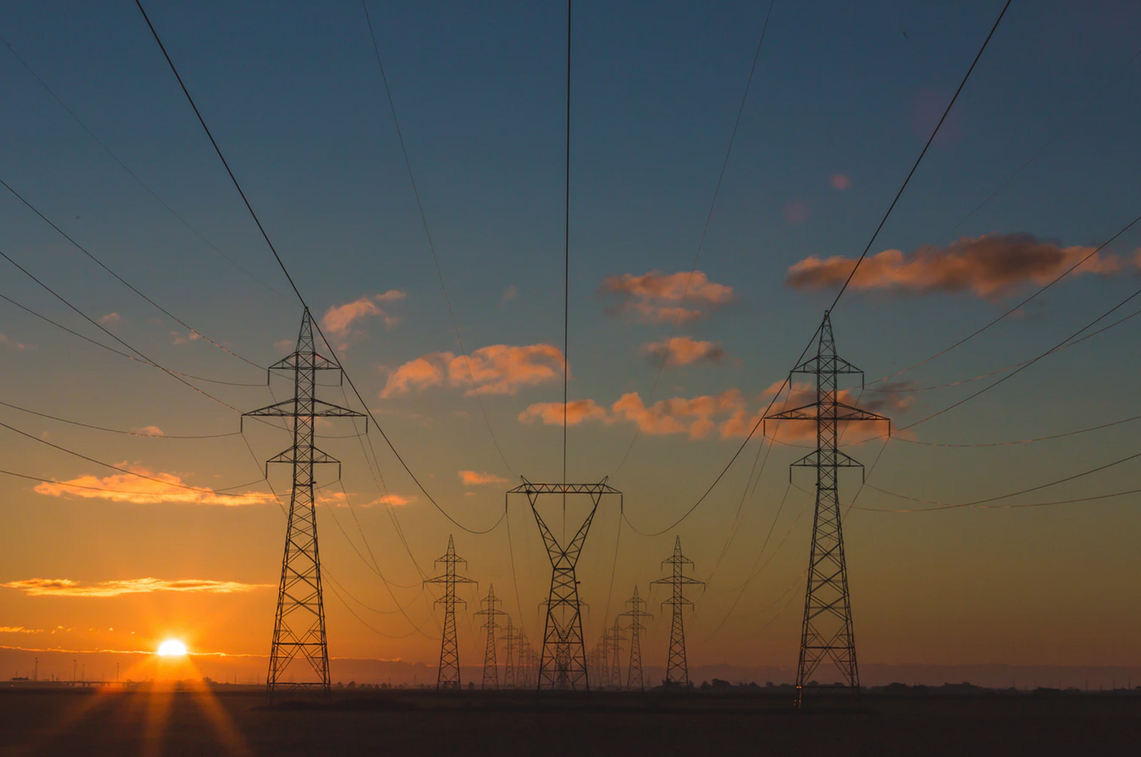
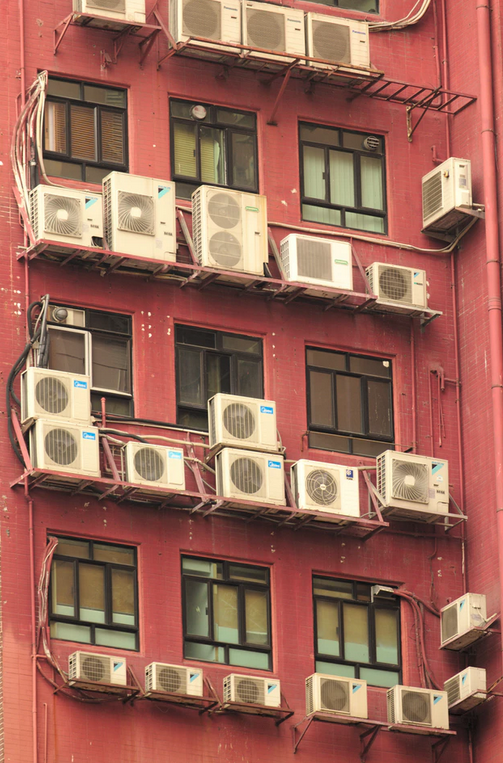
During summer, air conditioning is normally the highest energy expense in homes and commercial buildings. To reduce air conditioning costs, the first step is understanding the factors that influence consumption: the specific cooling needs of the building, the efficiency of AC equipment, and usage habits.
During summer, air conditioning is normally the highest energy expense in homes and commercial buildings. To reduce air conditioning costs, the first step is understanding the factors that influence consumption: the specific cooling needs of the building, the efficiency of AC equipment, and usage habits.
Building cooling needs depend on the size of the property, the activities carried out, and the performance of the thermal envelope.
If two properties with equal floor area are used for the same activities, the one with the best insulation and airtightness will have lower air conditioning costs.
The same applies for equally-sized properties that are used for different activities. For example, an office filled with computers produces much more heat than a classroom.
However, even a high-efficiency air conditioning system can consume more energy than necessary with deficient usage habits. If the thermostat is always set at the lowest temperature and the fan always runs at full speed, any air conditioning system will waste energy regardless of efficiency.
Using the Thermostat Correctly

To maximize air conditioning efficiency, the US Department of Energy recommends setting the thermostat at 78°F during summer. Cooling costs increase for every degree below this value, since the air conditioner must sustain a higher temperature difference between indoor and outdoor air. The increased temperature difference also causes a greater heat gain through the building envelope, which is added to the cooling load.
Smart thermostats can learn usage habits to program themselves accordingly. This way, there is no need for constant manual adjustment. It is important to note that not all programmable thermostats can be considered smart, only those with self-programming capacity. A promising application of smart thermostats is setting back the temperature when occupants are away, and returning to a comfortable temperature before they arrive. According to the US Dept. of Energy, this strategy can yield savings of around 10%.
Importance of Having the Right Air Conditioning Capacity
Air conditioning equipment is often selected empirically based on rules of thumb, but this practice is not recommended by mechanical engineering professionals. An oversized air conditioner is more expensive not only in terms of the upfront cost, but also operation and maintenance.

Oversized air conditioners tend to run in short cycles where they produce a blast of cold air, without leaving enough time for dehumidification. As a result, they create an indoor environment that feels cold and moist like a refrigerator. Such an environment can be uncomfortable and detrimental for human health, while stimulating the growth of mold and bacteria.
Improving Insulation and Airtightness to Reduce Cooling Loads
A property with deficient insulation and plenty of air leaks will have high cooling costs, even if the air conditioning system has a high nameplate efficiency. Single-pane windows also reduce the performance of the building envelope, since they allow plenty of heat through.
There are now high-efficiency windows with triple-pane glass and a low emissivity coating, but their installation can be complex in existing properties. The upgrade can be very expensive due to the cost of high-performance windows, and the labor cost of disrupting walls to remove the existing windows.
Insulation deficiencies and air leaks are more difficult to detect, since they are invisible. However, energy consultants can pinpoint their locations with a thermal imaging camera, and air leaks can also be detected with smoke-based pressurization tests.
Building envelope improvements reduce the load on air conditioning equipment, and this is reflected in electricity bills. Property owners who are considering an air conditioner upgrade can improve insulation and airtightness first, and then select a new AC unit that is both smaller and more efficient.

Author Bio: Michael Tobias PE is a visionary in the construction industry. His passion resonates as the Founding Principal of New York Engineers, an Inc 5000 fastest growing company. New York Engineers is the most innovative construction engineering firm focusing on Mechanical, Electrical and Plumbing (MEP) engineering designs in Chicago and New York. Michael has overseen the design of over 1000 construction projects in all market sectors, including LEED certified and Passive House certified projects. He leads a global team of 50 top performers.

Guest Post - 15 Best Eco Office Innovations
Companies all around the world are doing their part to go green. Some use energy-saving techniques, while others participate in recycling programs and use office supplies made of recycled materials. Many companies even allow telecommuting and remote work options to save on costs.

Companies all around the world are doing their part to go green. Some use energy-saving techniques, while others participate in recycling programs and use office supplies made of recycled materials. Many companies even allow telecommuting and remote work options to save on costs.
Some companies take this a step further and create entire office spaces that focus on beauty and energy savings. They are like paradises – except you are expected to do some work. Read on to learn more about companies that are taking eco-friendliness to a whole new level.
Google. The technology giant is known for its eco-friendly workspaces and has inspired other companies to follow suit. Google uses sustainable materials in its buildings, as well as clean air and natural light. The company’s Mountain View campus in California received the City of Mountain View’s first-ever LEED Platinum certification. Google offers green commuting options for employees, as well as a variety of other cool perks.
Apple. The computer company’s campus in Cupertino, California is on track to create an environment that functions like its own city. Much of the asphalt has been turned into a green hideaway that helps promote creative thinking. The company is building its own energy plant and plans to shun cars and all forms of carbon emissions altogether.
Adobe. The technology company has three LEED Platinum certified buildings in San Jose, California. These green buildings are highly efficient and feature bathrooms with automatic flush valves and waterless urinals. The buildings are also smart, allowing employees to monitor to control and monitor the lighting, thermostat, and more.
Twitter. The social media company has created a sustainable space that is not only green but fun as well. No changes were made to the building itself, so staff went about making modifications to the indoors. The decorations are eco-friendly, and the furniture and paint are non-toxic. The logo and desks are made of reclaimed barn wood, and there is a concrete table made of recycled aggregates.
Nike. The apparel company’s European headquarters in the Netherlands offers many eco-friendly elements. The roof collects rainwater, which is used for toilets and gardens. This practice alone saves at least 4 million liters of rainwater annually. The basketball and tennis courts are made of recycled shoes – about 8,000 of them, to be exact.
Audubon Center. You can’t ignore the Audubon Center, which was the very first LEED Platinum building in the United States. The building functions off the electrical grid, thanks to solar energy. The space uses water conservation and locally used materials
Bank of America Tower. This New York skyscraper is not only super tall but also quite energy efficient. It produces net zero carbon dioxide emissions and was the first skyscraper to receive a LEED Platinum rating. The building is made of recycled materials. Floor to ceiling windows produce heat and natural light. Complete with low-flow fixtures and waterless urinals, the building also has an air filtration system that creates clean air for the city.
Banner Bank Building. Here’s another energy-efficient bank building. This Boise, Idaho mid-rise building is surrounded by seven acres of land to help it function efficiently. Storm water is collected and reused, while water conservation systems keep water use in check.
California Department of Education. This building has the distinction of being the first state office building to be LEED Platinum certified – as an existing building. The building was already green but has been enhanced to save much more energy. The building increases water efficiency and uses cool roofing to keep heat at decent levels. The employer encourages its employees to use alternative transportation.

Sun and the Moon Altar. This office building in China is the largest solar-powered building in the world, at 75,000 square meters. Modeled after a sundial, this office space has solar hot water and a special insulation system that results in 30% less energy consumption.
Except. A worldwide sustainability cooperative based in Amsterdam, Except created something truly unique by turning an abandoned shipyard into what is known as the “Crystal Forest.” This energy-neutral office is filled with hydroponic modules that use chlorine-free rainwater to produce food indoors.
Selgas Cano. This architectural firm in Madrid, Spain has an office literally located in the middle of a forest. This long, rectangular office has a window that extends all along one side. This allows employees to enjoy the scenery outside. They can watch the seasons change and watch the squirrels and other wild animals pass by.
One Westminster Place. This building overlooking London’s Thames River is as beautiful as it is green. The glassy exterior reflects sunlight in multiple colors. The glass, which allows employees a gorgeous view of the river below, also collects energy to save on electricity and costs.

BP. BP has gotten a bad reputation for its involvement in oil spills, but, ironically, the company’s refinery office in the Netherlands is surprisingly energy-efficient. The office is located under a man-made dune, which is helpful in insulating the office. This saves on energy costs while offering protection against explosions.
The Bow. Known as the most popular skyscraper in Calgary, Canada, The Bow takes up two blocks of space. This iconic building boasts mountain views and sky gardens. It’s also set up to capture daily sunshine. The position and shape of the building help it manage variable wind patterns during the winter and summer months.
Beautiful, sustainable workplaces offer many benefits. Unlike cubicles, they reduce stress and promote creativity. Architects are taking going green to new levels and creating workspaces that make employees feel good, mentally and physically. With increased productivity and fewer absences, the health benefits speak for themselves.

Author Bio: Tania Longeau serves as the Head of Services for InkJet Superstore. Tania oversees a team of Operations and Customer Service Reps from the Los Angeles headquarters. Before joining InkJet Superstore, Tania was a team leader and supervisor working for one of the biggest mortgage and real estate companies in the country. She is a happily married mother of one who enjoys spending time with her family and reading in her leisure hours.

