

A resource for those seeking information on organizing and transforming spaces.

Guest Post - Free Yourself From Clutter | A Simple Guide To Get You Started
You know you need to declutter your house, but you’re not sure where to get started. Here’s a simple guide to help.
Free Yourself From Clutter | A Simple Guide To Get You Started

We’ve all got a junk drawer at home. You know the one. It’s the drawer in your kitchen that accumulates just about everything. Scissors, toothpicks, three different kinds of tape, a lighter, some rubber bands, a knife cutter, a few random jelly beans for some reason, and a receipt from three years ago, among other things.
Some people don’t limit it to their junk drawer, though, and the clutter that’s in the junk drawer takes over their entire house. Every drawer is a “junk” drawer. Closets are jam-packed, and the doors won’t shut. You can’t eat at the dining room table because it’s full of mail and other...stuff. There’s not a single surface in the house that isn’t covered.
If this sounds familiar, you probably live in a cluttered home. Clutter is simply anything you don’t like, don’t use, or don’t really need. In feng shui philosophy, it’s believed free-flowing energy creates health, wealth and love. If you have clutter in your house, you probably feel the opposite of those feelings. Clutter typically produces feelings of stress, anxiety, and recklessness.
But don’t worry; if your house is cluttered, it’s not too late to fix it. The thought of getting rid of all the clutter can be very overwhelming, but it can be done. In the article below, we will talk about clutter, and how to finally get rid of it.
The Signs Your House Is Cluttered

First things first; we need to find out if your house really is cluttered. Below is a list of 10 things that are telltale signs that you have a cluttered home. If you read anything off of this list and think, “This is me!” you probably live in a cluttered home.
Your medicine cabinet is full of expired medicine
You’re embarrassed to have guests over
You have a drawer full of chords that you’re sure you need, you just don’t know why
You find something you forgot you own every time you clean
You have posters and artwork on the floors and tables, not your walls.
There are clothes in your closet with the tags on them
You have a stack of cards and letters several years old
To you, cleaning is just putting things into the correct pile
You can’t even throw away your junk mail
You have the same shirt in ten different colors
If any of these struck a chord with you, your house is probably cluttered. Some of the things listed above might not seem like a huge deal, but they are often a symptom of a much larger problem.
Where Does Clutter Come From?

So you’ve accepted that you have a problem with clutter. The first step to getting rid of your clutter is to understand where clutter comes from. All clutter stems from indecision. You have ten colors of the same shirt because you couldn’t decide which color you liked best. You haven’t hung your artwork yet because you can’t decide where you want it.
You have stuff just laying around your house because you can’t decide what to do with it, and there is clutter in your life because you haven’t taken control and decided what’s important to you. When you fail to make decisions, you end up with clutter. It’s as simple as that.
Once you start making these decisions, then the clutter starts clearing up without you really trying. When you decide that shirt looks best in blue, you don’t need the other nine. When you decide that picture you bought looks fantastic over the mantle, it’s no longer taking up space on your dining room table.
If everything in your home has a place, and you put it where it belongs, and you get rid of everything that you don’t have a space for, clutter wouldn’t exist.
Why You Should Declutter

Admitting to the problem isn’t enough. If your house is cluttered, you need to fix it. Some people tend to justify their clutter, and say things like, “I know where everything is,” or, “If I didn’t need everything here I would’ve already gotten rid of it.” Those are just excuses, and the clutter really needs to go.
When you finally declutter your home, you will instantly start noticing how things are different. First, you’ll feel an instant wave of relief. All that stress you had because of the clutter will be gone. There’s science that backs this claim too. There’s a link between high cortisol, which is a stress hormone, and people who own homes with a high density of household objects. So, the more stuff you have, the more stress you experience. Remove the stuff, remove the stress.
You won’t feel as tired anymore. That’s right, the reason you’re always so tired could be directly related to the clutter in your home. A study done by the Princeton University Neuroscience Institute found that people with cluttered homes experience exhaustion as a result of expanding mental energy on stress that’s caused by your messy environment. Also, it’s harder to focus when your house is cluttered, so you have to try harder and spend more energy doing everyday tasks.
You won’t be putting yourself in constant danger anymore, either. How many times have you tripped over something in the floor, or knocked something off of a shelf above you because it was so cluttered? Every time you walk through or do any chores in your cluttered home, you’re putting yourself in physical danger. No one needs to sprain their ankle or get a concussion because they can’t figure out what to do with all their stuff.
Time To Declutter
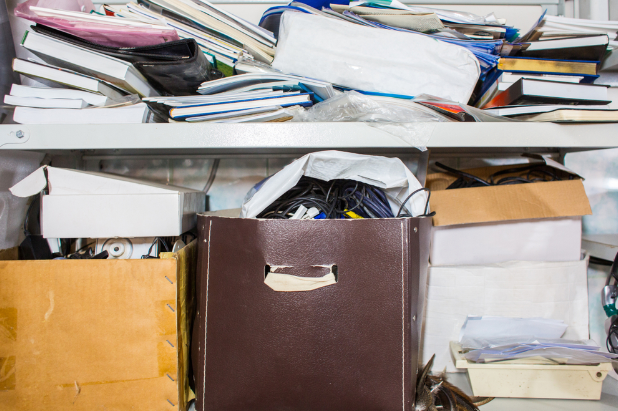
Decluttering your house is one of those things that is easier said than done. The clutter in your home could have accumulated over years and years of indecision. It can be incredibly overwhelming, and the process of cleaning up the clutter is often more stressful than just living in the clutter. But because of what we’ve talked about above, the payoff is worth it. Living in a clutter-free home will significantly improve your quality of life, making the stress of decluttering worth it.
But, where do you start? You can’t just grab a trash bag a box and go nuts. You need to have a plan. The absolute first thing you have to do before you can accomplish anything is believing it’s possible.
For some of you reading this, your house has probably been cluttered for so long that you’ve given up hope of ever being clutter free. If that’s you, then the first step for you is to really believe that you can do this. Your home can be clutter free. You will never get rid of the clutter in your home if you don’t remove the clutter from your mind and allow yourself to believe it’s possible.
The “Hurricane List”
When you’re ready to start, a first thing to do is to decide what you would replace if you lost everything. If a tornado or a hurricane came through and just destroyed everything you own, what would be the first few things you replaced?
Don’t do this sitting in your home. Go to a friends house a coffee shop, or the library; somewhere where you can’t see any of the stuff sitting in your house. Just sit down and make a list of everything that would be on your list to replace immediately. Don’t worry about model numbers or brand names either. If your TV is the first thing you'd replace, just write TV. Once that is done, you can go back to your house and start cleaning, armed with a list of the things that are truly important to you.
Short, Focused Bursts
Once you’re ready to clean, it is best to work in short, focused bursts. It took a long time to accumulate the stuff, so it’ll take a long time to organize it and get rid of it. Don’t expect to complete a marathon session and get it all done in one day. Make a plan that targets specific areas you’re going to declutter, clean up, and organize over an extended period of time. Then stick to that plan, so you don’t get overwhelmed.
Something that works for a lot of people is picking one room, and then working on it in 30-minute bursts. Declutter for 30 minutes, and then rest for 30 minutes. The point of this is to avoid the emotions and stress that come along with decluttering a room that hasn’t been touched in years. When you start, set a 30-minute timer, and drop whatever it is you’re doing when it goes off and walk away. Leave the space completely and allow yourself to detach for 30 minutes before you come back. Then rinse and repeat.
Utility Over Sentiment
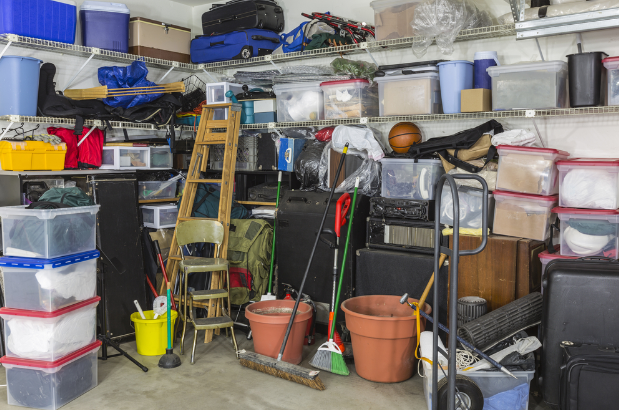
Anyone that has decluttered their house before will tell you the absolute hardest thing to do was get rid of sentimental items. It’s very easy to get attached to things. Maybe you’ve had them since you were a kid, they have a special meaning to you, or because they represent the hard work that went into buying them. That’s completely normal; everyone has things that are sentimental to them. When you’re trying to declutter, though, you need to be able to separate yourself from those feelings.
The best way to do that is to ask yourself these questions:
What Does This Do For Me That Nothing Else Does?
Think about the utility of the item you have. Why is it unique? What does it do? Can it do more than one thing?
Do I Own Anything Else That Can Replace This?
This is the point where you line up all of your staplers and decide which one is best. Because really, who needs eight staplers? Pick the stapler that does the best job, and that holds the most value to you. The other seven aren’t necessary.
Does This Have Sentimental Meaning To Me?
When you’re deciding which appliances or electronics to keep, those first two questions are pretty easy to answer. However, when you start looking at things like old photos and knick-knacks, utility doesn’t really apply. Sentimental value is important; we’re not here to downplay what something means to you. Just try not to get overwhelmed by how much everything makes you feel versus what it does for you and how much space it takes.
You can apply those three questions to everything you own. Give yourself the appropriate time to review everything instead of deciding a room or closet is fine just the way it is. It probably isn’t. Even if it seems okay to you, that box in your office full of old papers needs to be shredded. You’ll be much happier when they’re gone and they’re not crowding you at your desk.
Take A Deep Breath And Go
This won’t be easy. This is going to take time. You aren’t on an episode of hoarders, so there isn’t going to be a fleet of dump trucks and a team of movers and psychologists that show up to help you out.
But you can do this on your own or with the help of a select few loved ones. Start out by making your plan. Take it room by room and day by day. Work in thirty-minute bursts and don’t overextend yourself and get overwhelmed.
Once you’re done, you are going to thank yourself for working so hard to get everything cleaned up. You deserve all the advantages of living in a clutter-free home.
Republished, original text here.

Author Bio: Anna Kucirkova works as a copywriter for over 4 years. She speaks 3 languages, loves traveling and has a passion for kids and writing. While she has been to many places in Europe and South East Asia, she still wants to explore the rest of the world.

Guest Post - Declutter Your Home in 21 Days
Clutter can really take hold and ruin the appearance of an otherwise beautiful home. This infographic from our friends at HappyCleans looks at how you can make your home clutter free in just 21 short days. One area of concern in many homes is paper and this can pile up needlessly with the amount of bills, mails and other random bits around the house. The reality is the majority of these items can be thrown away or recycled.

Clutter can really take hold and ruin the appearance of an otherwise beautiful home. This infographic from our friends at HappyCleans looks at how you can make your home clutter free in just 21 short days. One area of concern in many homes is paper and this can pile up needlessly with the amount of bills, mails and other random bits around the house. The reality is the majority of these items can be thrown away or recycled.
The fridge & freezer is one appliance in that also needs regular decluttering. Old jars of peanut butter and other random concoctions we never plan on consuming are often kept needlessly. Spend one of the 21 days just clearing this area out and it’ll be like having a new fridge.
Magazines and books can also tend to pile up and the majority of these will never be read again. Sort through them keeping your favourites and consider donating the rest to local charities. They would sure appreciate them and someone would of course benefit from reading them!
The entertainment area is another place we tend to needlessly store piles of DVDs and CDs. With the advent of streaming services such as Netflix and Spotify the majority of these have become redundant. Again, these would be perfect for local charities.
Check out the full infographic now and begin your decluttering journey today. Today is the beginning of your brand new home, enjoy!
Author bio
Kat Buckley is the owner of a local services company called HappyCleans. She is passionate about giving people a little extra time to spend with loved ones by cleaning their homes.
Guest Post - 5 Captivating Renovations to Bring Your Family Room To Life
Are you tired of looking at the same old family room? Not exciting or glamorous as it once was? Maybe it’s time to renovate that old space into something you and your family would enjoy.
Are you tired of looking at the same old family room? Not exciting or glamorous as it once was? Maybe it’s time to renovate that old space into something you and your family would enjoy.
There are several different ways you can go about doing this. It doesn’t have to be a major project or cost a lot of money, it can be a simple renovation or facelift.
Here are 5 things you can do to bring your family living room to life!
Change The Flooring
Change Your Ceiling Fans and Lights
Rearrange your furniture
Update your windows
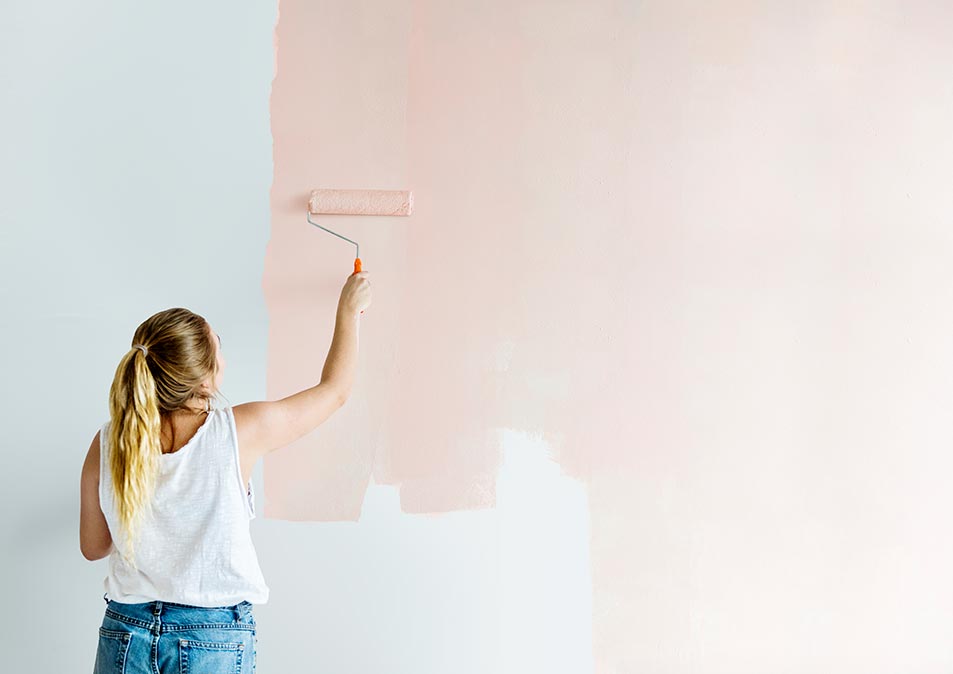
Repaint your walls
Consider New Flooring

Your family room may look dull because your floors are worn out or scratched. Marble or tiles can become scratched and scuffed, or the grout lines become darkened over time.
Changing the flooring can not only have a big impact on the appearance of your family room, but it definitely increases the value of your home. If you want more lighting or natural lighting into the room, change your flooring to lighter floors. You could also use smaller pieces of tile to illuminate the space.
You should also experiment with different layouts. Don’t be afraid to use different styles and get creative. You can transition flooring between rooms to add some flare.
Change Your Lights and Ceiling Fans

Old fans and lighting fixtures may be making your family room bland. Chromed parts can crack and tarnish after a while, and canvas lampshades can start to yellow over time. Moreover, a ceiling fan can make your family room look very dull if the fan wobbles or makes squeaky noises.
You don’t have to buy a simple ceiling fan, there are different styles and functions of fans you can choose from:
Energy star ceiling fans
Dual motor ceiling fans
Remote controlled ceiling fans
Damp and wet ceiling fans.
Replace your lights and ceiling fans to an updated style of your choice. Switch to LED bulbs, these cost 50% less than CFL lights. Play around with the lighting, add ambient, accent, and task lights.
Rearrange Your Furniture

Changing your furniture could potentially open up new spaces and improve traffic flow for your family and guests. It may also free up outlets that you didn’t know were there.
For example, you could change your furniture into a formal and balanced type of look. This includes two small sofas facing each other and a coffee table in between them.
You could also go with a casual and balanced look, by placing the matching chairs opposite from each other and the larger sofa in between them.
If you have a big family or a lot of guests, a versatile seating for your family room would be best. You could also go for a minimal and comfortable look or a retro party pad look.
Update Your Windows

Worn out or warped windows can make your family room look aged. If you want more daylight coming into the room, increase the size of your windows.
Go all out, update the window frames and curtains to dramatically improve the look of your family room. If you want the family room to feel taller, get curtains that are tall enough to cover the top and bottom of the windows. Also, add extra fabric width so that the pleats are evenly distributed when the curtains are closed.
If you are looking for a different style, consider a casement window. This allows for adequate ventilation and a central view of your yard.
Repaint Your Walls
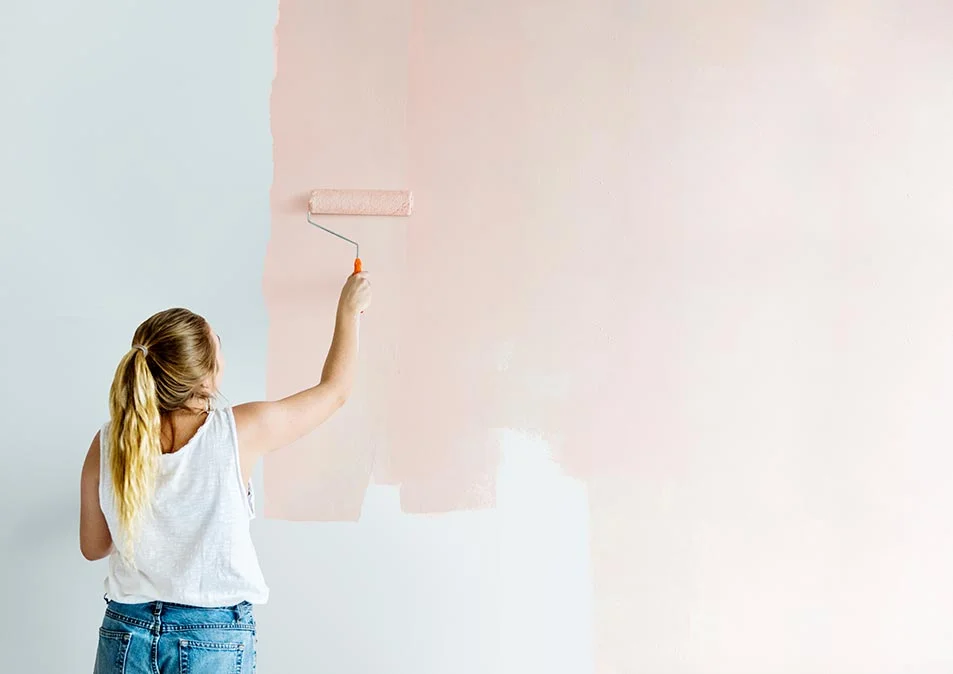
Changing the color of your walls could really bring your family room back to life and even heighten your mood. Pick a color that best suits your family.
Play around with patterns, who says it has to be a simple coat of paint? Sponging, rag rolling, and dragging could really add special effects to your family room.
You could also go with waves, they are eye-catching and let you use more than two contrasting colors. Instead of using two colors, add three using a stripe design to your family room.
You can also go for abstract designs that induce a mood or create a design of something you love. Ombre designs offer a lot of flexibility, it can eliminate the boundaries between the ceiling and the walls, and eliminate straight angles.
Conclusion
There are many other ways you can update your family room. These examples are just easy ways to get you started. You’ll be on your way to a new and improved family room that you and your family will be sure to enjoy. Happy renovating!
Author Bio: Isaias Valencia is a blogger who loves to write about DIY home renovation and home organization. He believes recycling and upcycling should be considered wherever possible in any home remodeling project. Stay up to date on his latest projects at Smart Remodeling.

Guest Post - Cleaning Checklist: Things To Clean Before Moving Into Your New Home
Moving into your new home is a stressful affair filled with moving trucks and piles and piles of boxes and packing tape. There is a lot to keep track of when you move into your new home, like all your items and moving in the furniture.
Moving into your new home is a stressful affair filled with moving trucks and piles and piles of boxes and packing tape. There is a lot to keep track of when you move into your new home, like all your items and moving in the furniture.
After all the hubbub is dealt with, and all the movers have gone away, you will be left with the mess you’ve made. There is a lot to do and a lot to recall so we’ve created this article to help you know just what you need to clean first before you move into your new home.
Given the fact that this is the barest you could ever see your home once you’ve moved in, MaidSailors, a trusted Cleaning Service in NYC, says it is crucial that you don’t forget to do a deep clean for your new house.
Read on to find out how and what you should be cleaning when you’re moving into your new home.
Cleaning the bedrooms and living room
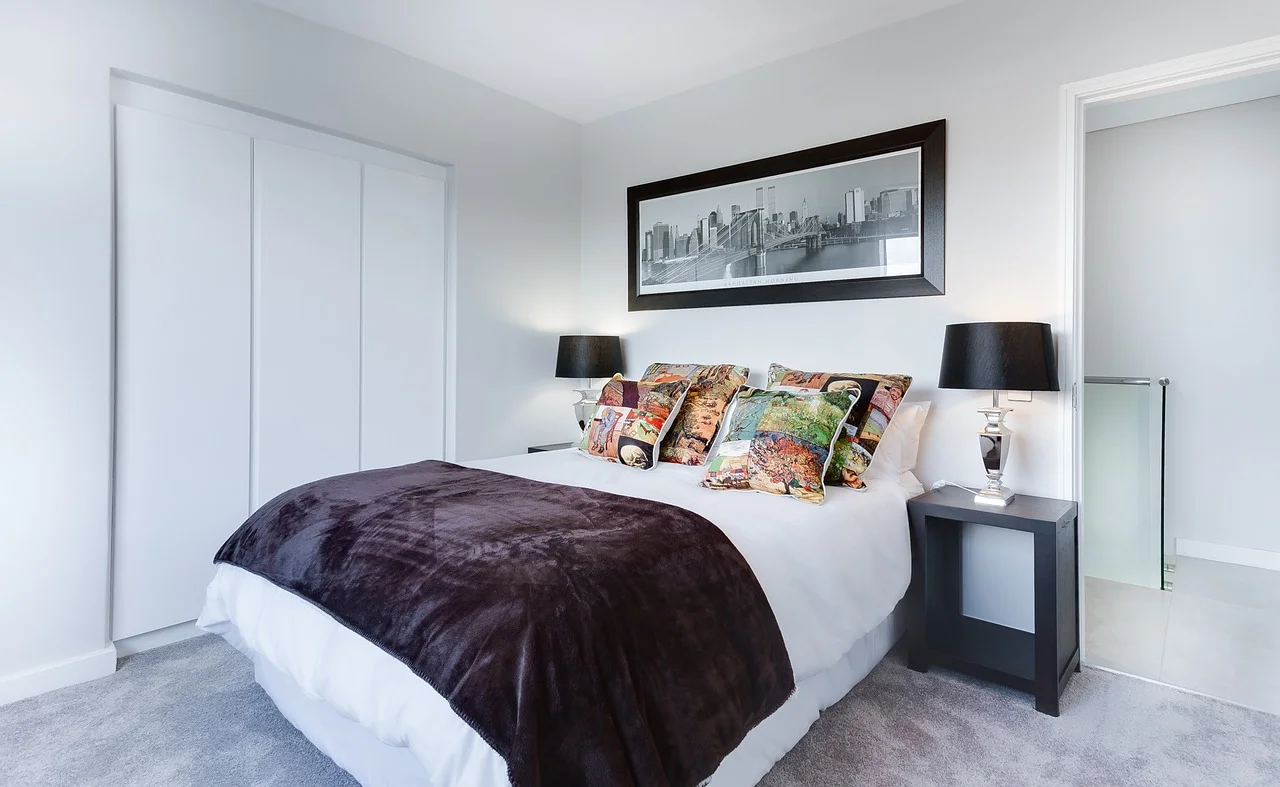
When it comes to cleaning a room, it’s best to start from top to bottom no matter what room it is. This is because of the whole gravity ordeal. You wouldn’t want to have to keep cleaning the floor because of dust and dirt floating down on top of it.
Aside from cleaning a room from top to bottom, clean it starting from the deepest part of the room. This is the one farthest from the door, so you should end up right at the door.
Now that we’ve got those parameters set up, the rooms you should start in ideally are the bedrooms and the living room. The bedroom because this is your base of sorts, the place where you recuperate your energy.
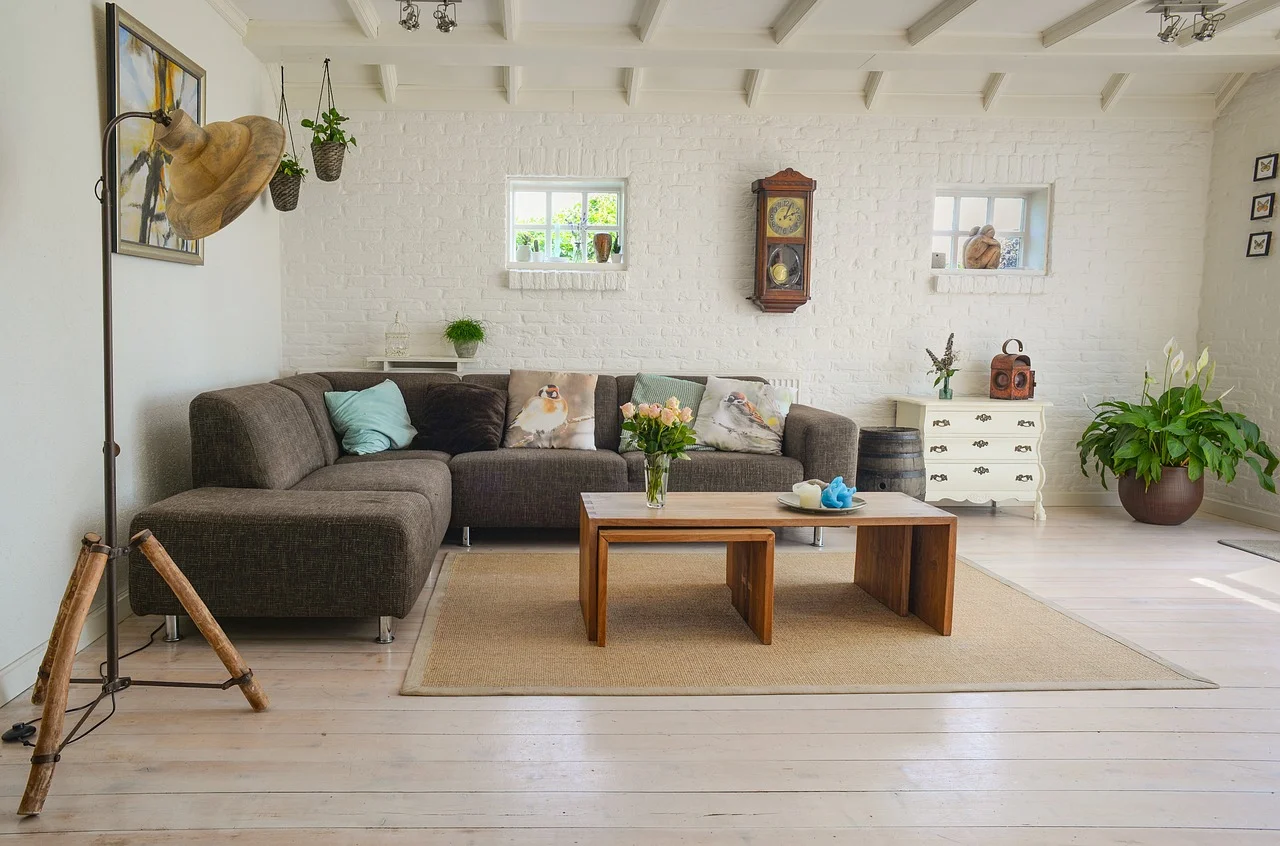
The living room is the second place you should clean because this is usually the first room you see upon entering the home. It can be suffocating to come into your home already with a dirty room to welcome you.
When cleaning your bedroom, you should dust the room, including light fixtures and ceiling fans, then vacuum first. Wipe down the windows. Afterward, wash down the walls and mop the floor.
Let the room dry for a bit before you move on to other cleaning tasks. These tasks involve things such as a thorough clean of the closets. This is important as you are unlikely to do this again for a long while once you’ve settled in.
Wipe and disinfect the surfaces that you can, including doorknobs and other handles. Don’t forget to change any air filters should you have any.
Scrubbing the bathrooms
The next room to clean should be your bathrooms. These are the places that you will be cleaning and relieving yourself in, so it is the best next step. Speaking of relieving yourself, you should start cleaning the bathroom by cleaning your toilet.
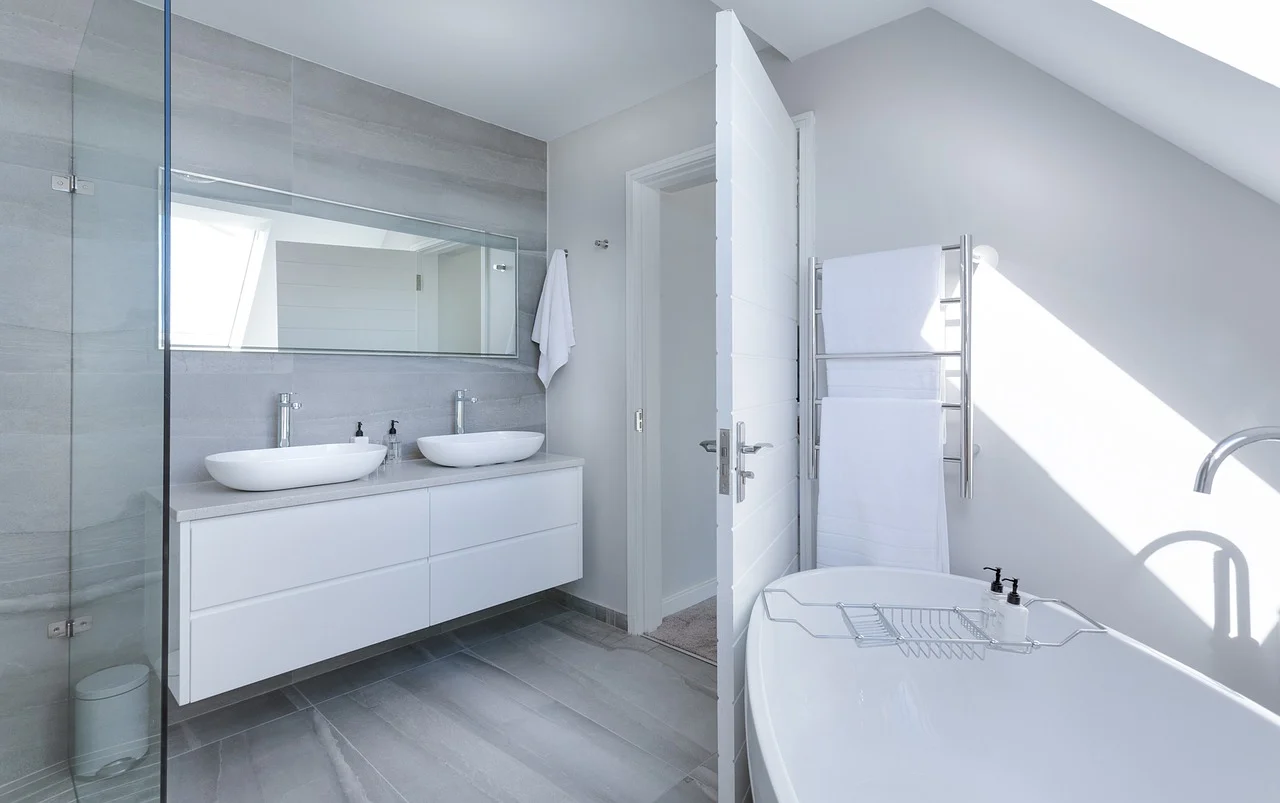
Scrub and disinfect your toilet first. If you want to be extra clean, it is ideal that you change the toilet seat while you’re at it. After this, you can move onto sanitizing the bathtub, the shower, and the sink. Remember to clean the faucets as well.
Don’t forget to clean the shower doors as well. Also, clean your bathroom mirror and bathroom closet too. Afterward, you can wash the walls and the floors. Once you’ve got that down, you can move onto cleaning your kitchen.
Making your kitchen squeaky clean
Once you’ve got the rest of the house done, all that is left to tackle is the kitchen. It is essential to keep this area clean as this is the place you’ll be preparing your food a majority of the time.
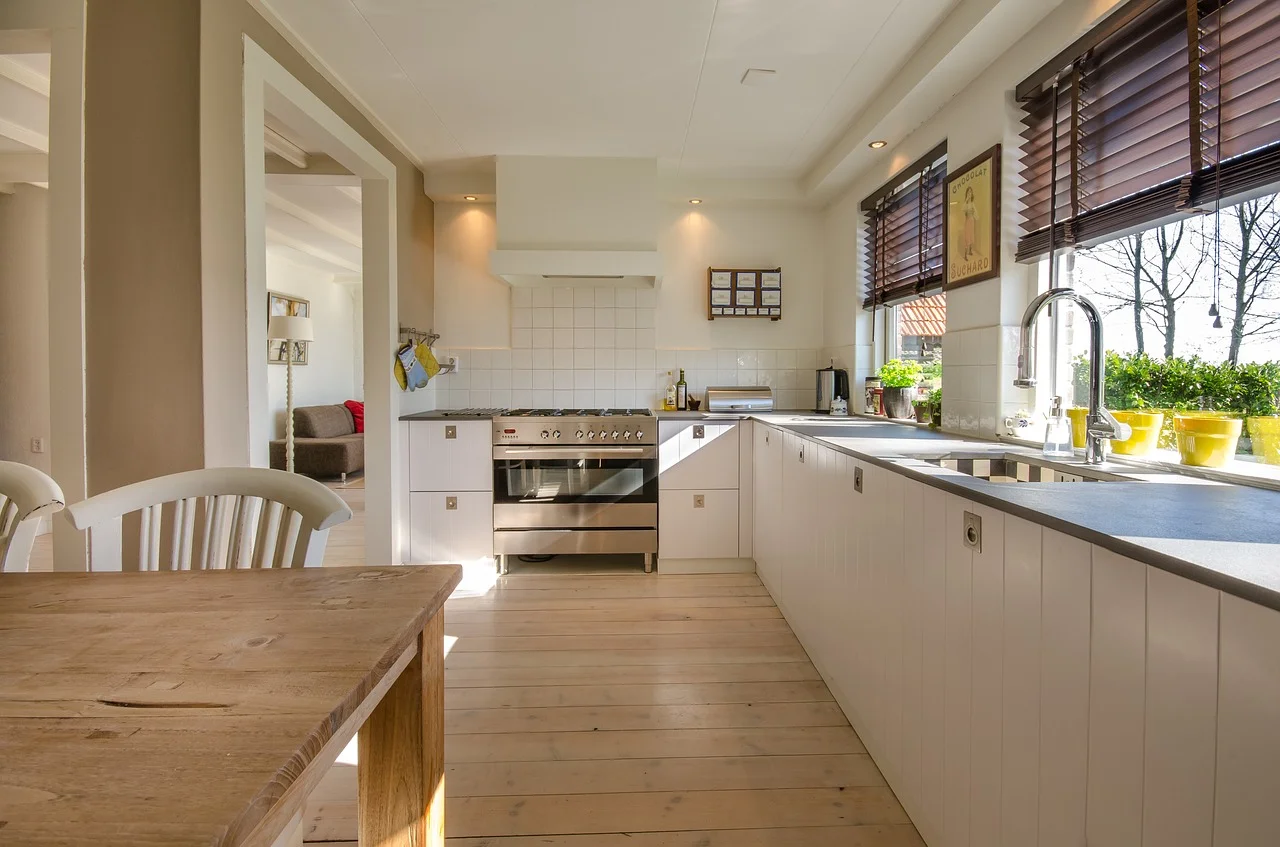
Begin by cleaning your appliances. These are your refrigerator, oven, microwave, and the dishwasher. Begin by soaking your oven in oven cleaner and come back to it once you’ve finished with the rest of the kitchen. Soak oven racks in soapy water before scrubbing away.
When cleaning the refrigerator, remove the removable racks from your refrigerator and scrub and clean them thoroughly after they’ve soaked as well. Don’t forget to move your fridge away from the wall and clean the back and the top thoroughly.
Once you’ve finished with the refrigerator, you can start cleaning the dishwasher. Place a cup of white vinegar in the dishwasher then run a hot-water cycle. This should thoroughly disinfect the dishwasher and remove any lingering odors.
Now that the appliance cleaning tips have been covered do remember to clean the sinks. Don’t forget to wash and disinfect the countertops. The cupboards and pantry shelves should be dusted and wiped.
Remember to clean the baseboards, the garbage disposals, and the drains. Do wipe clean the stoves as well. Walls and floors should also be cleaned thoroughly, again from top to bottom.
Wrapping It Up
When moving into a new home, it’s important to spend a lot of your first day or so cleaning the home. No matter who has lived in the house previously, for sanitary purposes it is good to do a thorough and deep clean to the place.
You won’t find another time when you will be able to clean the house as well as now when it is bare. Plus, moving into a sparkly, fresh-smelling new home is one of the most magnificent welcomes you can have.
About the Author - Jacky Xu is the Chief Operating Officer for MaidSailors.com, the # 1 Green Cleaning in NYC. Maid Sailors provide a wide range of cost-effective, yet high-quality cleaning services that are sure to delight their customers.

