

A resource for those seeking information on organizing and transforming spaces.

Book Review - The House We Grew Up In
Set in Cotswold Village England we meet the Bird Family. There are four children all with very different personalities. Meg is the oldest, followed by Bethan and then twin boys Rory and Rhys. Their dad Colin is a lanky young looking college professor. At the center of the novel is the mom Lorelei a bit of a hippy, fun loving stay at home mom. Lorelei “treated the children like precious gems and made every moment sparkle.”

The House We Grew Up In by Lisa Jewell
Set in Cotswold Village England we meet the Bird Family. There are four children all with very different personalities. Meg is the oldest, followed by Bethan and then twin boys Rory and Rhys. Their dad Colin is a lanky young looking college professor. At the center of the novel is the mom Lorelei a bit of a hippy, fun loving stay at home mom. Lorelei “treated the children like precious gems and made every moment sparkle.”
One Easter weekend tragedy strikes and as a result the family starts to fall apart. We follow the Bird family over the next three decades even as they are estranged. Ms. Jewell explores a variety of topics such as mental illness, family secrets, emotional trauma, incarceration and death. However, the main topic which is threaded throughout the entire book is Lorelei’s hoarding. We find out that Lorelei is a compulsive shopper and hoarder which ultimately damages all her relationships.
So what exactly is hoarding? Many times in casual conversations people who collect many things refer to themselves as hoarders. Yet, hoarding is not the same as collecting.
The American Psychiatric Association states “People with hoarding disorder excessively save items that others may view as worthless. They have persistent difficulty getting rid of or parting with possessions, leading to clutter that disrupts their ability to use their living or work spaces.”
As in the book, hoarding can cause a strain on family relationships. Many times family members get frustrated after trying for years to help their family member. Ultimately, Lorelei is left alone and isolated from her family. Hoarding may also lead to safety concerns such as fire hazards or tripping and falling due to lack of paths and open spaces.
So what to do when you are in this situation?
Encourage the person to seek professional help. There are many therapists trained in hoarding. Hoarding is not something that just goes away. The disorder that leads to hoarding will likely be something your significant other will face forever. Having a good therapist will help the person not just during the cleanout but with moving forward in their life.
Read and learn about hoarding. There are many good resources online such as The International OCD Foundation and The Mayo Clinic.
Try not to judge. Try to be supportive and suggest professional treatment.
If they ask for your help try to be helpful. If you find the task too daunting or it leads to arguing consider hiring a professional organizer to work with the individual. Make sure you find an organizer that has experience dealing with hoarding issues.
Decluttering can take months and even years with a person with lived in experience as a hoarder. Do not expect overnight success. Be encouraging and supportive. Baby steps can lead to bigger steps and success down the road.
The House We Grew Up In is an emotional book filled with twists and turns. In the end the family returns back to the house they grew up in to come to grips with the many secrets and topics they need to discuss as a family. It certainly will keep the reader hoping that the Bird family can move forward in spite of all the history and issues they have faced.
Lisa Jewell is the #1 New York bestselling author of eighteen novels, including Then She Was Gone, The Family Upstairs and Invisible Girl.

Considering a Move? Here Are 4 Things That You Should Think About
If you're thinking of moving to a new city or state, there are several things you should think about in advance. Moving can present great opportunities, but it can also bring unexpected challenges. Here are four things you should think about ahead of a move to ensure your relocation goes as smoothly as possible.

If you're thinking of moving to a new city or state, there are several things you should think about in advance. Moving can present great opportunities, but it can also bring unexpected challenges. Here are four things you should think about ahead of a move to ensure your relocation goes as smoothly as possible.
Finding a New Place to Live
The first and most obvious thing you should consider before you move to a new area is where you'll live once you get there. Decide in advance whether you want to look at residential properties or rent while you get settled. The process of finding a place to live may require you to visit the area a few times before you actually move there to view properties or apartments. These visits can also give you the opportunity to learn about the area and decide whether you really want to live there or not.
Making Arrangements for Your Kids
If you have children, you'll also want to start planning early for their education in your new area. Compare schools and see which ones will offer your kids the best educational opportunities. If you have very young children, you'll also want to start looking at childcare providers in the area.
Finding a New Job
Unless you're able to transfer to the area you want to live in while still working for your current employer, you'll need to find a new job. If possible, see what different companies will offer you in terms of moving expense coverage. Some companies will help you manage your relocation expenses, which can be a real leg up in getting yourself established.
Setting Up a New Social Circle
One of the most difficult yet often overlooked parts of moving to a completely new area is the need to find a new circle of friends. While your work colleagues can be a good start, you'll also need to get out and meet new people outside of your professional life. Try to find groups or events in the area that you can attend where you may encounter people with interests similar to your own. The faster you can get out and meet new people, the sooner you'll actually feel at home in your new city.
If you consider these four factors in advance, you should be able to make a largely seamless transition to a new area when you move. Above all, be sure to research the area you're thinking of moving to in order to find out what it has to offer.
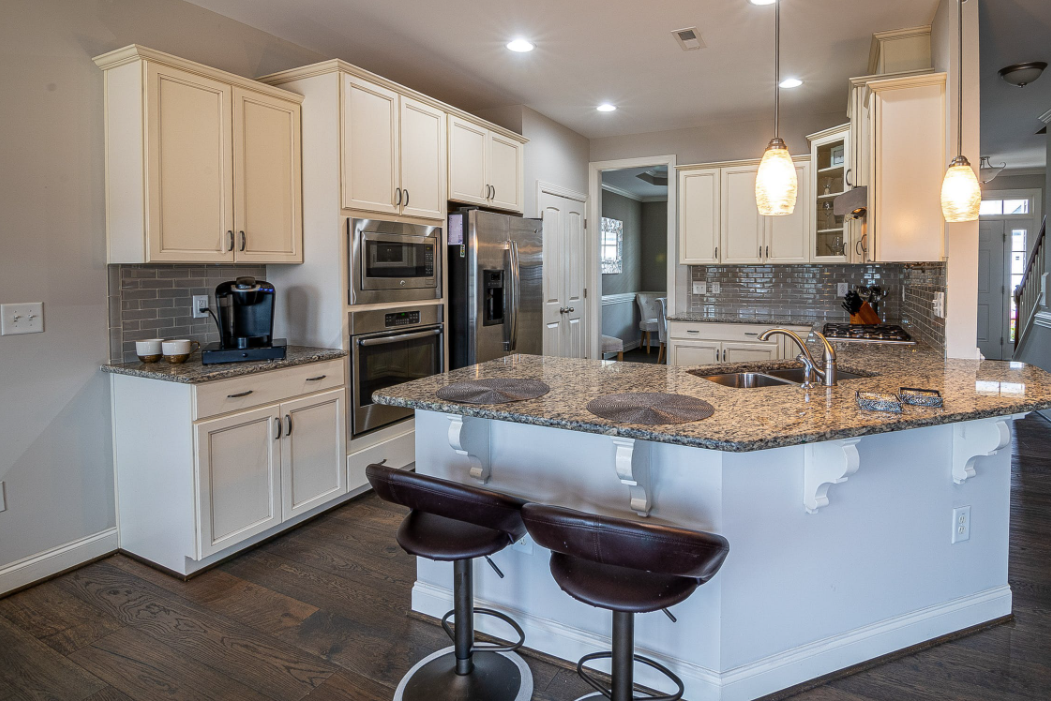
4 Areas in Your Kitchen Where You Can Add Some Extra Storage Space
You probably spend time in your kitchen everyday cooking and cleaning up after meals. In addition to storing food, cookware, and small appliances in that room, you might also have pet food, cleaning supplies, and other odds and ends. If your kitchen is starting to feel cramped and overflowing with a need for more storage space, the following suggestions may help.
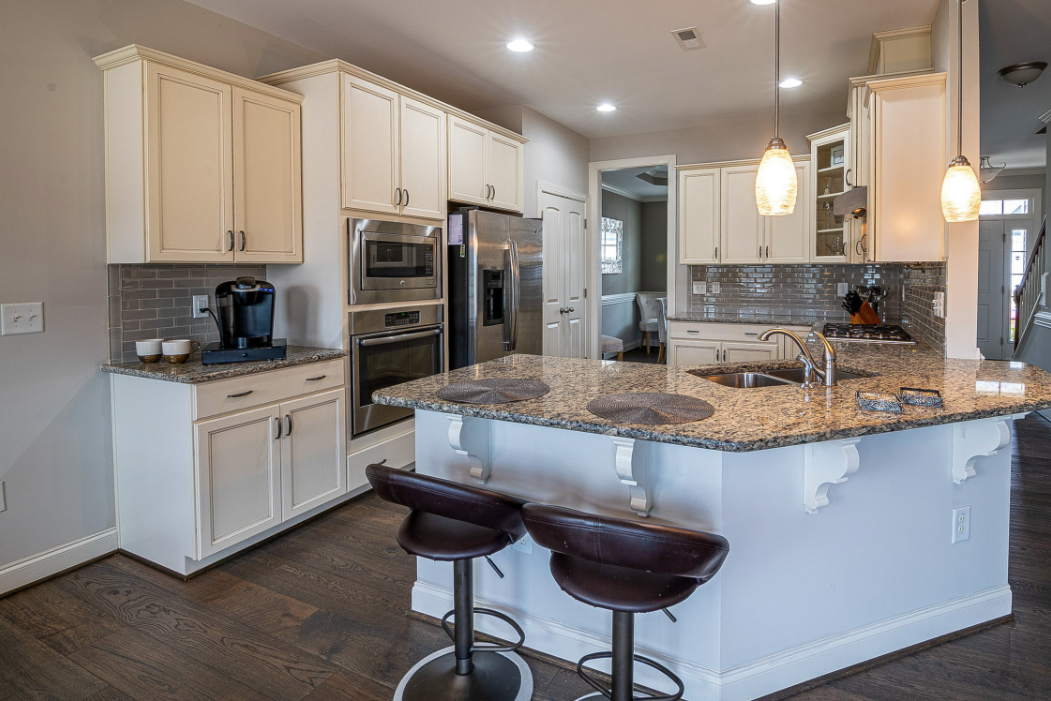
You probably spend time in your kitchen everyday cooking and cleaning up after meals. In addition to storing food, cookware, and small appliances in that room, you might also have pet food, cleaning supplies, and other odds and ends. If your kitchen is starting to feel cramped and overflowing with a need for more storage space, the following suggestions may help.
Drawers
Clear out your kitchen drawers that are packed with odds and ends like keys, paper clips, old grocery lists, and flashlights. Find a more relevant place for items that don't belong to free up space for kitchenware. Buy inexpensive drawer organizers for silverware and dishcloths to keep everything in its place and easy to find when needed. You can get color-coded separators in various configurations based on your preference.
Cupboards
Try vertical shelves in addition to horizontal shelving to add more storage area to your cupboards. Slender plates or serving dishes can be stored in either type of shelf to allow room for other dishes as well. Some shelves might accommodate being separated into another level or two for smaller dishes and pans. If your cupboards have open space on top, artfully arrange your less commonly used cookware or serving dishes as visual décor until you need to use them.
Pantry
Pantries always seem to be stocked with long-expired food cans and packages along with items that don't take up much space. Add more shelves to use the open areas. You could also install wall mounts for larger packages of dry goods and canned items. Add a door hanger with wire or wooden shelves as additional storage space to separate cleaning items, for example, or foods that are more often used.
Above the Countertop
In addition to storing certain foods on top of the countertops, like dred goods canisters or packets of coffee or tea, consider installing storage shelves below your upper cabinets above the countertops or use racks that sit on infrequently used areas of your counters. Many people install their microwave ovens below the cupboards but above the cooking range or countertops.
Kitchen Remodeling Options
When you remodel or update your kitchen, remember to include plans for expanding your storage areas. You can never have too much storage in a kitchen, as it is a main living area and food preparation center of the home. Every kitchen remodeling project should build in extra storage shelving to efficiently utilize available space without creating a crowded effect.
As you look around your kitchen, you will likely find areas that can be neatly arranged to provide more storage space for necessary supplies and dishes. Take advantage of them to help keep your kitchen from becoming cluttered and unwelcoming.
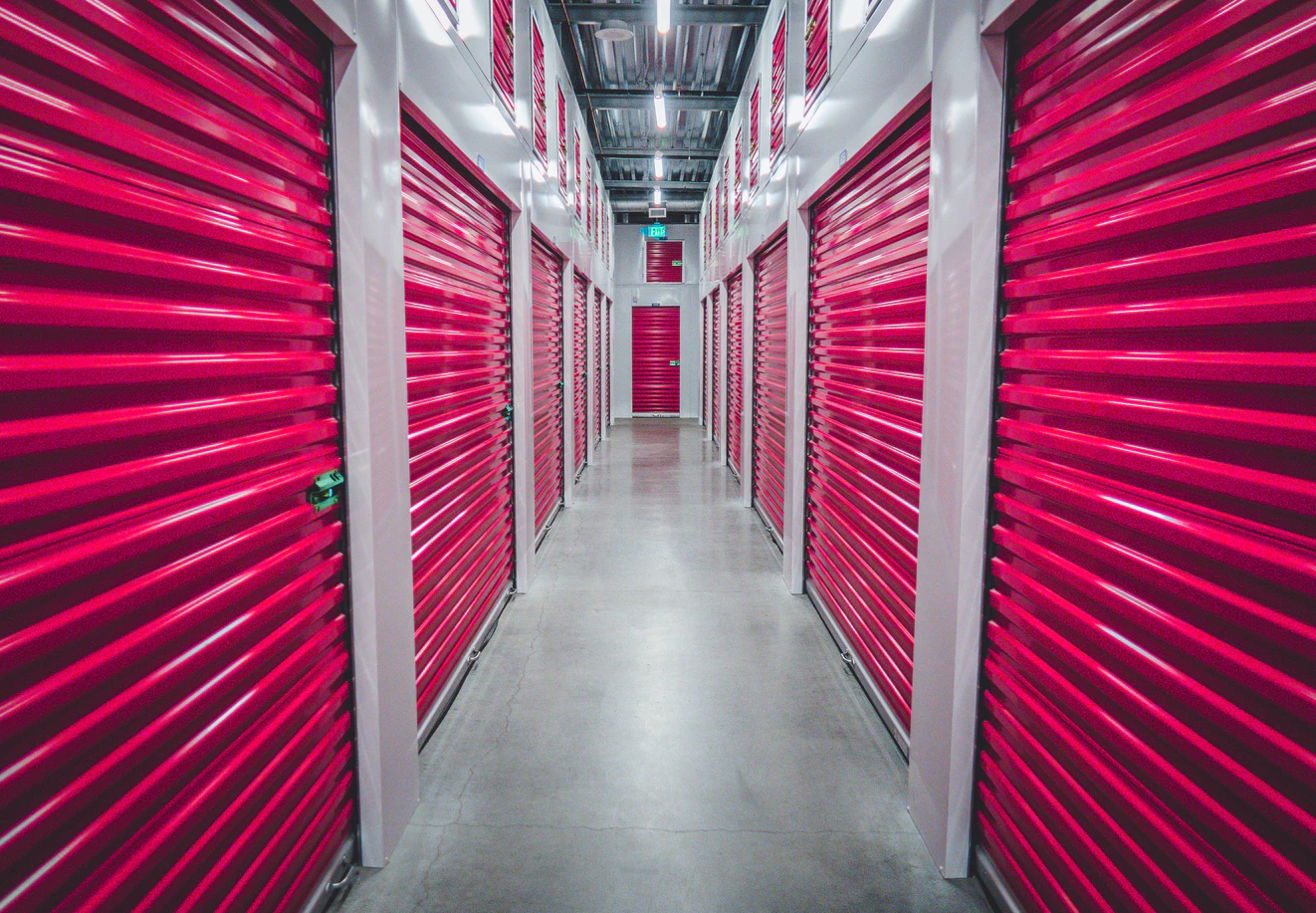
3 Tips For Organizing Long-Term Storage Spaces
There are a wide variety of reasons why someone might keep some of their belongings in a long-term storage space. From not having enough space for everything within your home to needing to put away items that you know you won’t need for a while, it can be extremely helpful to have a few feet of space that you can do with whatever you need. However, if you don’t plan this space out well, it might become more of a headache than you thought.
There are a wide variety of reasons why someone might keep some of their belongings in a long-term storage space. From not having enough space for everything within your home to needing to put away items that you know you won’t need for a while, it can be extremely helpful to have a few feet of space that you can do with whatever you need. However, if you don’t plan this space out well, it might become more of a headache than you thought.

So to help ensure that your storage space serves you well, here are three tips for organizing long-term storage spaces.
Inventory Your Items
Once you have everything together that you’re hoping to put into your storage space, the best thing you can do, according to Melissa Epifano, a contributor to Apartment Therapy, is to inventory all of the items you’re storing.
To do this, you should make sure that all of your boxes or containers are accurately labeled with whatever items can be found in them. Additionally, it’s also a good idea to take photos of what’s in each box so that you can easily refer to these photos when there’s something specific that you want to get out of storage. You could also write down where certain items are stored so that you don’t have to pull the whole space apart to get to what you need.
By managing your inventory and assets in this way, using your storage space will be much more convenient.
Use Plastic Containers
As for what you should store all of your items in, Elizabeth Larkin, a contributor to The Spruce, recommends that you keep everything in plastic containers. Ideally, you should try to get clear plastic containers so that you can easily see into the containers and know exactly what you’ll be getting in each box.
Not only will plastic containers make storage easier, but they will also help to better protect your belongings from pests, dirt, and other pollutants that may be able to make their way into other types of storage containers while sitting in a long-term storage unit.
Pack The Space Correctly
As you’re preparing to move everything into your long-term storage space, you’re going to want to make sure that you pack everything in logically.
According to Marian White, a contributor to Moving.com, you’ll want to store large and heavy items into the back of your storage unit on the bottom layer. Lighter items should then go on top. And if there’s going to be anything that you might need in the near future, make sure you keep those items near the front so they’re easy to find and access.
If you’re going to be moving some of your things into a long-term storage unit soon, consider using the tips mentioned above to help you make the most of this space.

