

A resource for those seeking information on organizing and transforming spaces.
Buying a House for Your Growing Family? 4 Things You Should Consider
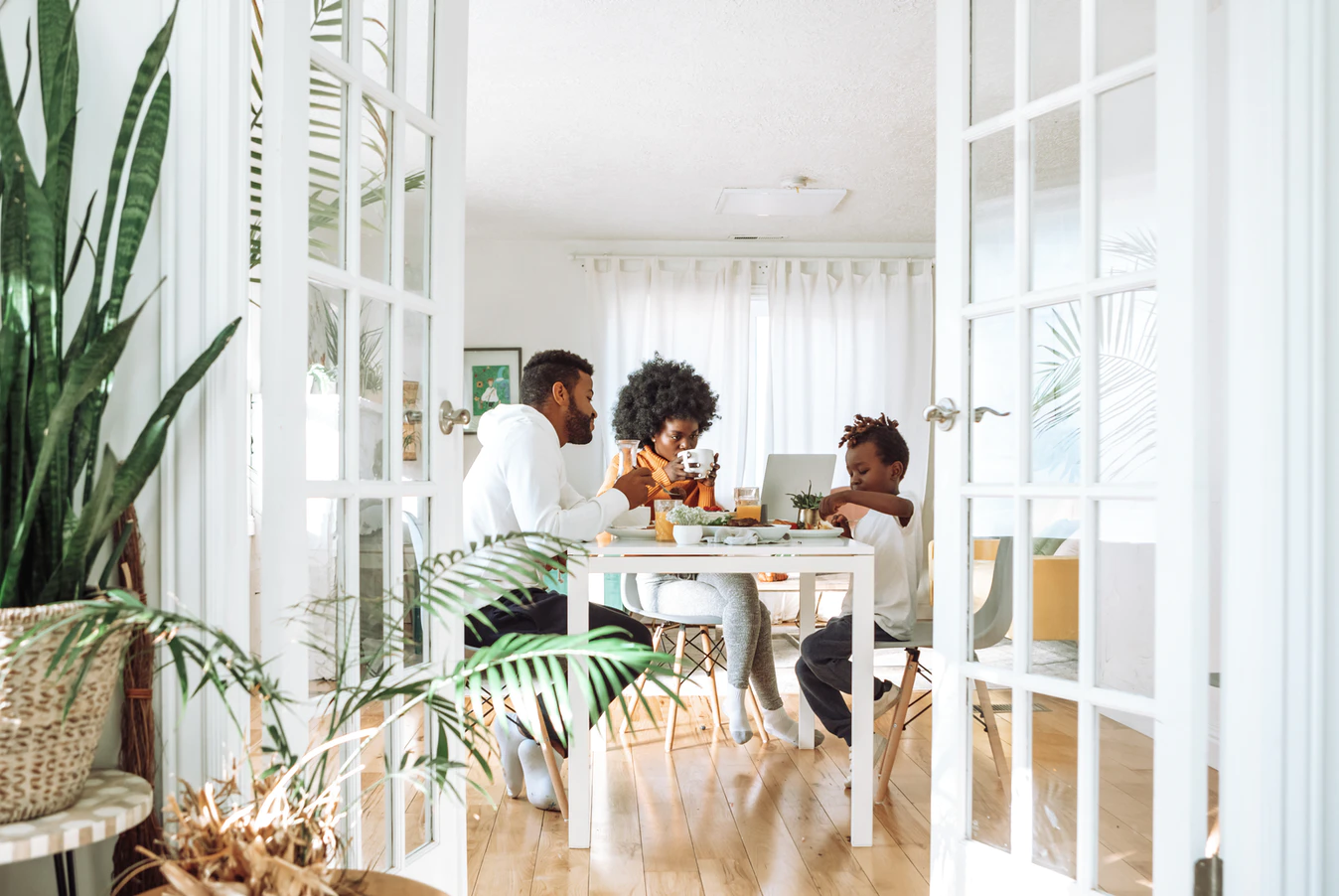
When it's time to buy a house for your growing family, there are several things you'll need to think about. A house is probably the largest single purchase you'll ever make, so it's important to go about it the right way. Here are four things you should consider before buying a home to accommodate your expanding family.

When it's time to buy a house for your growing family, there are several things you'll need to think about. A house is probably the largest single purchase you'll ever make, so it's important to go about it the right way. Here are four things you should consider before buying a home to accommodate your expanding family.
Financing
The largest single consideration when it comes to buying a home is paying for it. In order to set yourself up for the best financial situation, it's a good idea to save up a down payment of about 20 percent before you decide to purchase. While you're saving, you should also eliminate any other existing debts that could be a drain on your finances. This process will help to improve your credit score and make you eligible for a low-interest mortgage when you're ready to buy.
School District
If you're buying a house for your family, it's also very important to consider the school district a property is in. Unless you're willing to pay for private school, the location of your home will determine where your children attend school. Look at publicly available test scores and school report cards to see what kind of education your kids will be getting. If possible, you should also try to talk to other parents who live in the same district, since they may have useful insights.
Home Insurance
Although it's often overlooked, insuring your new home is critical. Home insurance can protect you from various kinds of property damage and liability costs. Find a good insurance broker and see what the best policy is for your particular situation. Don't be afraid to shop around, since you may be able to get a better price by doing so.
Size and Amenities
Finally, you'll need to have some idea of the size of the home you want to buy before you go looking. A lot of this will depend on how large you intend your family to eventually be. Sit down with your spouse and talk about how large the house should be and what amenities you both want it to have.
Once you've thought through these four things, you'll be more or less ready to start actively looking for a home to buy. Of course, you may not find the right property the moment you start looking. If necessary, wait until a home that fits all of your needs comes along.

Guest Post - How to Keep Your House Warm and Your Heating Bill Low
Everyone wants to feel warm and cozy during the winter season — but that can be costly for some families. If cold weather causes your energy bill to skyrocket each year, then it may be time to make some changes in your home. Air leaks and a lack of insulation can cause you to lose the precious heat in your house and make your systems work overtime.
Everyone wants to feel warm and cozy during the winter season — but that can be costly for some families. If cold weather causes your energy bill to skyrocket each year, then it may be time to make some changes in your home. Air leaks and a lack of insulation can cause you to lose the precious heat in your house and make your systems work overtime.
Instead of maxing out your energy bill and patience, try these four tips.
1. Seal Air Leaks Around Windows and Doors
Start with one of the most significant problem areas — your doors and windows. Cracks and gaps allow hot air to escape and provide an opening for cool air to enter. This is the reason it sometimes feels cold when you stand by a window during the winter. To fix the problem, you’ll need to locate the leaks and fill them in using weatherstripping, foam or caulk. Sealing these areas will reduce your energy loss and lower your heating bill while keeping your home warm.
2. Insulate Your Attic and Garage
Insulation is a gamechanger. The Environmental Protection Agency (EPA) estimates that property owners can save approximately 15% on their annual heating and cooling costs by filling in air leaks and insulating their houses. However, these numbers come from strategic insulation installation, so it pays to make a plan before hiring a contractor.
You should prioritize sealing and insulating the outer walls, doors, windows and other openings. This includes a particular focus on your garage and attic spaces to improve energy efficiency and reduce noise. You can seal most areas on your own with the help of DIY kits or contact a professional. It’s also possible to order pre-insulated walls, windows and garage doors directly.
3. Program Your Thermostat
Thermostats regulate the temperature in your house, and ineffective use can lead to high energy bills. To improve your home’s comfort level and maintain a reasonable heating bill, program your thermostat to stay at a lower temperature while the house is empty or while everyone is asleep.
While you want to make sure your pipes do not freeze, it’s unnecessary to keep your home at a balmy 72 F all year. If you bundle up, you can lower the temperature — and your heating bills — without sacrificing your comfort.
4. Utilize a Space Heater
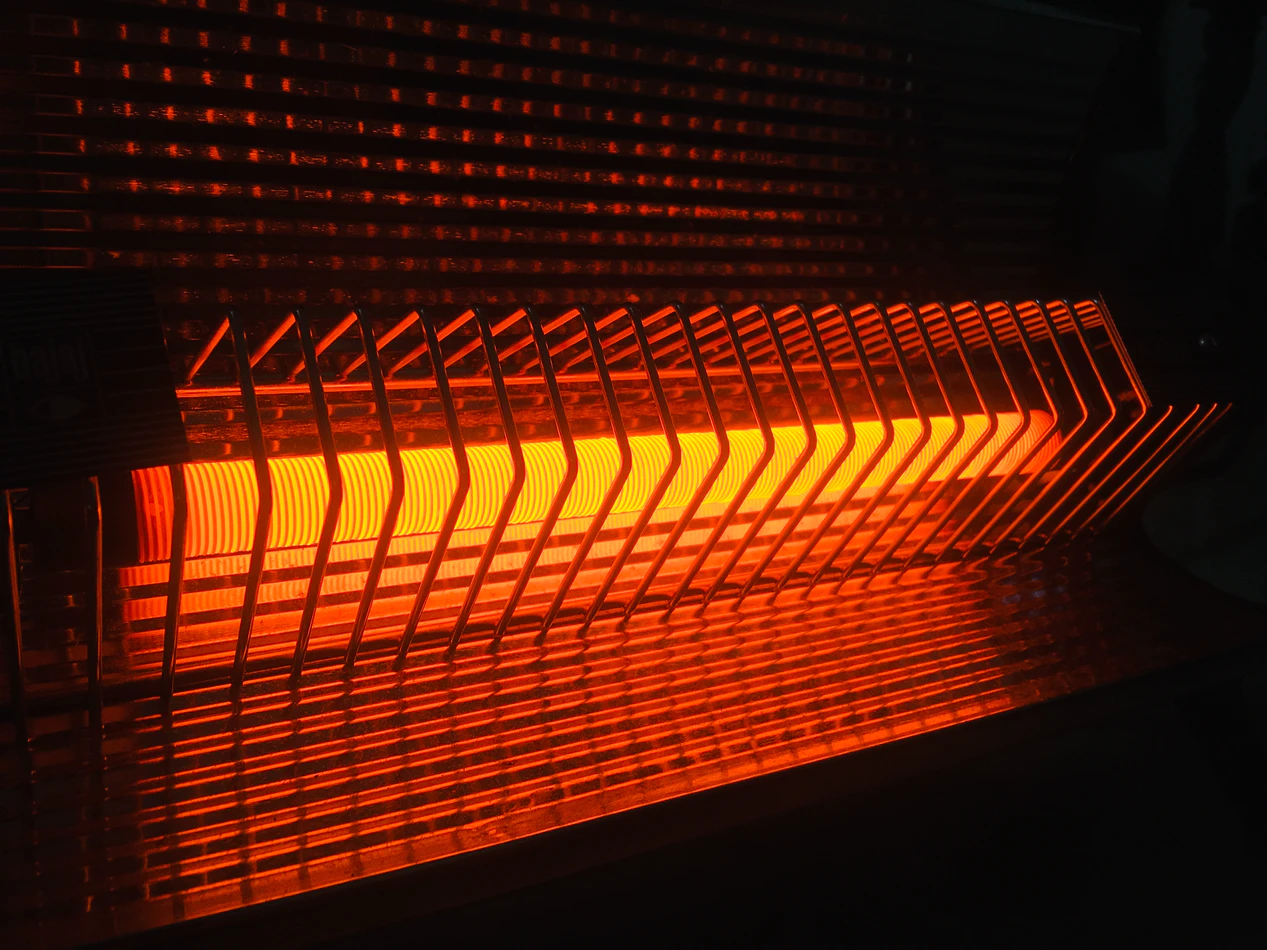
If you’re feeling chilly, utilize a small space heater rather than raising your thermostat. This will prevent heating the entire house unnecessarily. You’ll have a lower energy bill, and you’ll still feel toasty during the winter months.
Stay Warm and Save Money
If you utilize these four tips, you can keep your house warm and your heating bill low. Winter weather forces you to find a balance between energy efficiency and personal comfort. Use your best judgment when following these steps because every home is different.
Author bio: Rose Morrison is the managing editor of Renovated, where she offers advice on home renovation, maintenance, and organization.

5 Ways to Feel Safer if You Live Alone
Home safety is a fundamental part of self-defense and protection, no matter if you’re a homeowner or a renter. This is especially true for people who live alone.

Home safety is a fundamental part of self-defense and protection, no matter if you’re a homeowner or a renter. This is especially true for people who live alone.
While living alone can cause loneliness, as has been felt by many solo folks during the time of COVID-19, it can also lead to bouts of anxiety, where a person becomes worried that they may be more susceptible to a break-in and crime.
This anxiety is understandable, especially if you hear the random bump in the night while living by yourself, but it doesn’t have to be justified. A few simple tips can help you feel safer while living alone. Here are five of our favorite ways to help you feel safer in your space.
1. Install a home security system.
One of the best things you can consider doing once moving into a new place by yourself is to install a security system. For some individuals, this might involve installing a thorough alarm system that is interconnected throughout your residence, becoming triggered anytime the system is tripped by a door or window that is opened unexpectedly.
For others, this can involve simple measures of protection, such as a door stop wedge. Placed behind your door once you are inside of your residence, this device is intended to stop a door from fully opening, even if its lock is picked or the door is kicked in. Moreover, most of these devices come with an installed alarm, meaning you’ll be alerted if a person attempts to break into your home whether you’re asleep or working with headphones on.
Whatever system you choose to rely on, it doesn’t have to be complicated. Home security systems can become expensive quickly. Rather than spending a lot, take the time to do your research until you find a product that meets your needs.
2. Get a doorbell camera.

Doorbell cameras have made it easier than ever to feel comfortable within your home. Placed beside your front door, they make it easy to record the people coming and going from your residence throughout the day and late at night.
Uninvited guest knocking on your door? Check your doorbell camera through an app on your smartphone to determine if it’s someone you know. If it’s not, and they seem rather sketchy, you can make an informed decision to call the police for assistance.
Noticed that packages are regularly going missing from your front door and worried that someone might be casing your house at the same time? Use your doorbell camera to identify the suspect and capture footage of them. This can be sent off to the police, who can work to identify and arrest the person for you, helping you know that risk is no longer an issue.
3. Keep your lights on both while you’re out and at home.
A simple way to improve your feeling of safety whether at home or away is by keeping the lights on. Some studies have shown that the presence of nighttime lighting can deter criminals. Part of the reason is that lighting removes the cloak of darkness, meaning it can be easier for witnesses to identify their activities; moreover, lighting within houses might mean that a family is at home. This act of mimicry can work to your advantage, causing intruders to move past your residence from the worry of being caught in the act.
If you want to take it a step further, you can employ modern advancements such as motion-detecting lights and smart home lighting systems. The former, when used on the outside of your residence, can help you identify any unwanted criminals as they approach your house at night, in the hope they will be scared off by the sudden flash of light.
Similarly, smart home lights—controlled by your smartphone or a tablet—can let you control your home lighting system even while you’re not there, letting you turn on lights at night to make it appear as if someone is home and awake.
4. Become acquainted with your neighbors.

Beyond being a nice neighbor out of civility, you should consider becoming acquainted with your neighbors for your own personal safety. We, as humans, don’t like getting involved in the business of others, thinking that someone else will take care of whatever is going wrong. Your neighbors might do the same if they ever see suspicious activity at your home, especially if they don’t know you very well.
Get to know your neighbors to improve your line of defense. They’ll become more aware of your regular schedule because of this, such as whether you work during the day or if you have regular visitors. While their interest in your life might be considered nosy, it could work out in your favor, leading them to question and scare off potential intruders.
5. Know your exit plan.
Living alone means that only you can handle an emergency when it arises. Since no one else will be around to help you exit a dangerous situation, you’ll need to be prepared in the event that one arises. For anyone living alone, this means taking the time to understand how you can exit your home in the event of a dangerous scenario, whether it is a fire, home break-in, or visitation of a stalker. Consider your options ahead of time so you can act out of instinct in the moment, getting away safely and free of harm.
Living alone doesn’t have to involve taking unnecessary risks because there is no one else around. With precaution and preparation, you can effectively safeguard yourself against potential dangers, allowing you to safely live alone.

7 Home Security Risks You May Have Overlooked
Being a homeowner is no simple task. The responsibilities of homeownership are wide-reaching, requiring a significant amount of attention to detail to ensure that your home is protected at all times.
Being a homeowner is no simple task. The responsibilities of homeownership are wide-reaching, requiring a significant amount of attention to detail to ensure that your home is protected at all times.
But beyond basic home maintenance requirements going overlooked, your home may be at risk for another reason altogether: It might be a target for criminals.
There are a number of ways your home could be at risk for break-ins and theft. What do these risks look like? Here are seven security risks you may have overlooked as a homeowner, and that should be remediated immediately.
1. Hiding your keys in stereotypical places.

Do you have a spare set of house keys hidden somewhere around your property? Most people do. It’s a simple way to access your home in the event that you misplace your main house key. But are you the type of person who hides your key in a place that many other homeowners rely on?
For instance, is your spare key hidden behind that one big, unique rock in the garden? Is it hidden under your welcome mat? Is it placed beneath the strange-looking garden gnome by your front steps? These are all places that criminals know to look for—too many people rely on them, and they’ve become common knowledge for that very reason.
Key hiders remove this issue, though, as they allow you to hide items in spots that don’t seem obvious at all. Now you can keep a set of spare keys around without their hiding spot garnering the attention of an unwanted intruder.
2. Not having a security camera by your front door.
Hidden outdoor security cameras go a long way toward protecting your home. A security camera placed by the main entrances of your home—front door, rear sliding door, garage entrance—can be enough to deter a criminal. The reason is that when in plain sight, they’ll be noticed by someone attempting to case your home. The sight of a camera is an immediate deterrence, as it alerts them that they will be caught on camera if they attempt to do anything illegal, thus protecting you against a potential break-in.
3. Not having enough outdoor lighting.

Similar to having cameras placed on the outside of your home, pointed at entrances, criminals are deterred by the possibility of being seen—there’s a reason most crimes take place at night! To deter crimes from taking place, you should install outdoor lighting around your property, particularly around entrances of your home and property. This can include the end of your driveway, over your front door, and across your back porch.
Motion-activated lights are the best option when considering your choices, as they can conserve energy by not being on all night, only being activated when a person’s movements are captured in their field of view. The second those lights come on, a criminal is sure to be set running for the hills.
4. Keeping in-home valuables out in the open.
One of the biggest security risks you can do is bring attention to your home. One way that many people do this is by having their most valuable possessions out on display for others to see. This can include jewelry, paintings, heirlooms, silverware, and more. Anyone casing your home is going to look for these possessions when peering through your windows, determining whether your house is worth robbing or not.
Utilize secret hiding places to protect your most valuable items, whether from day-to-day or for when you go on vacation. While you won’t be able to hide larger items, such as a television, you can protect the items that matter most by storing them away inside of an in-home safe or an unexpected hiding spot.
5. Posting your address and life activities online.
Like the above, you don’t want to bring attention to your home. While it might feel tempting to post photos of your house from time to time, especially when you decorate your home for the holidays, you might be doxing yourself—allowing strangers to identify where you live.
This, alone, is bad enough, as they can begin following your life to determine when you are and aren’t at home. For instance, if you’ve already doxed your location, you’re in trouble if you begin posting Instagram photos of you and your family away on vacation. This is an immediate signal that your home is open for a potential break-in and major theft.
Avoid sharing too much information online. It could protect you in the end.
6. Letting your mail pile up while you’re away.

Like letting the internet know that you’re going away for vacation, there are other simple tips that can let a potential burglar know that you’re away from home. One of the simplest ones is allowing your mail to pile up in your house’s mailbox. An overflowing mailbox will be a sign that a family is away from home, likely on a vacation, leaving their house entirely vulnerable.
To avoid this, either contact the post office and ask them to suspend delivery service while you’re away or simply ask a friend or trusted neighbor to collect your mail for you every day. This simple task can help deter criminals from targeting your home while you’re away.
7. Not having a home security system.
No modern home should be without an alarm system. They’re affordable enough nowadays that anyone can implement a form of home security. Best of all, top-rated home security systems aren’t as expensive as they once were, meaning you can arm and protect your home without breaking the bank. Consider exploring the numerous options available to find the type of security that works best for your home.
If you recognized one of these risks to your home, you should take the time to fix it. Protect your home before it’s too late. The safety of your family and your wallet are at stake.

