

A resource for those seeking information on organizing and transforming spaces.

Why You Should Embrace Concrete In Your Next Home Renovation
The next time you’re scrolling through Pinterest on ideas for your next DIY home renovation project, pay attention to how much concrete you see. It’s everywhere! Instead of sidelining concrete as a construction material that’s just for roads and bridges, interior designers have embraced concrete as the perfect aesthetic for the modern age.

The next time you’re scrolling through Pinterest on ideas for your next DIY home renovation project, pay attention to how much concrete you see. It’s everywhere! Instead of sidelining concrete as a construction material that’s just for roads and bridges, interior designers have embraced concrete as the perfect aesthetic for the modern age.
But using concrete in your home has many more benefits than simply being visually appealing. Concrete as a construction material provides homeowners lots of benefits. Here are six reasons why you should incorporate concrete everywhere in your home.
1. It’s Strong… And Gets Stronger
Compared to traditional building materials like wood or bricks, concrete is able to hold much more weight without breaking. And the best part? As concrete hardens (often referred to as curing) up to several years after it was created, the bonds between the materials actually get up to 10 percent stronger. This makes your home even stronger with age, and who doesn’t want that?
2. It’s Durable
If you’re looking for a building material that will hold up no matter what you throw at it—whether that’s a natural disaster, dropping something heavy on it, or just years of kids running around wreaking havoc on your home—concrete’s durability makes it an attractive choice for homeowners.
Since the bonds between all of the materials within the concrete are so strong if properly mixed, the final product is surprisingly resistant to weather, impact, stains, and time. If you’re still not convinced, consider that the roads the Roman Empire built out of concrete are still around—and being used!
3. It’s Better For The Environment
Lowering your environmental impact is very important for a growing number of homeowners. For people who want their home renovations to be environmentally friendly while still being aesthetically attractive, concrete checks off both of those boxes.
At its core, concrete only has five ingredients: cement, water, sand, gravel, and air. These are all-natural ingredients that can easily be recycled and reused for other projects. When you compare that to wood—a building material that more and more people are avoiding due to deforestation, concrete is a great alternative for sustainability.
4. It’ll Save You Money
For homeowners who want to make their home more energy-efficient, incorporating concrete into your home’s foundations, walls, or floor can lead to substantial energy savings over time. Compared to wood-framed homes, the high mass of concrete slows down the movement of heat inside your home. This keeps your home warmer for longer—lowering your home’s energy bills while also lowering your environmental footprint.
5. It’s Safe
Traditional homes built with wood are constantly in danger of burning down—even an unattended candle can cause a home to easily go up in flames. Since concrete isn’t flammable, it’s a safer option for home construction and gives homeowners more protection against accidents.
Houses with wooden frames also pose a danger of rot and mildew building up and making the entire structure unsound. Concrete has a low water permeability, which means it’s much harder for water to get inside. This makes it more resistant to bad weather than other materials, keeping everyone inside the home safe and warm no matter what’s going on outside.
6. It’s Trending
The industrial design aesthetic isn’t going anywhere anytime soon—it’s a timeless design choice that gives homeowners and designers the perfect base to make their home look and feel the way they want.
Concrete can have a variety of aesthetic looks to fit every home style. Whether you like the matt, brutalist concrete vibe you see in parking structures, or the smooth and polished look that’s everywhere in modern designs these days, concrete’s versatility makes it perfect for any design preference.
The Bottom Line
Whether you’re looking to build your next home from the ground up or are simply looking for your next DIY home renovation project, concrete is a great addition to any home. Since it’s the most widely used building material in the world, there are lots of great resources out there to help you get started on your next concrete project. For some of the larger builds, you may have to bring in contractors who are familiar with handling large-scale concrete needs—but don’t be afraid to try out some smaller DIY home improvements yourself.
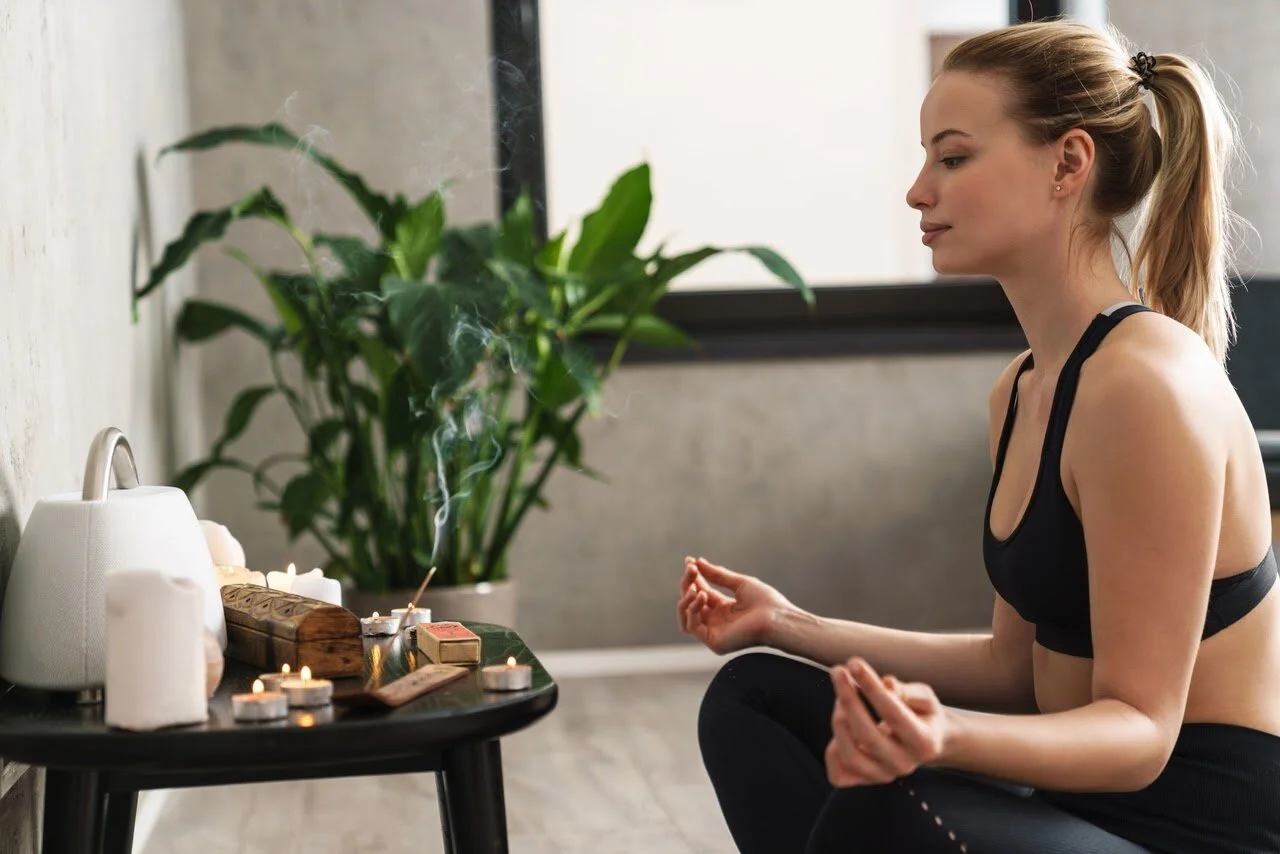
6 Tips to Decorate Yoga Room at Home
Peace of mind means a relaxed body and soul. When relaxed, you are capable of getting a lot done. Yoga is one of the oldest body and mind practices currently practiced across the world, designed to help the body relax. There are various yoga postures any person can try out to help with meditation and relaxation. Just the way people have been investing in home gyms, others are designing their homes with space yoga. Previously people depended on yoga instructors to fully benefit from this ancient practice. However, due to tech advancement, people can find various tutorials and publications on yoga for beginners, as well as the basic requirements for a yoga room. Here are a few decorative features you can consider for your yoga room to get it in shape for yoga practice.

Peace of mind means a relaxed body and soul. When relaxed, you are capable of getting a lot done. Yoga is one of the oldest body and mind practices currently practiced across the world, designed to help the body relax. There are various yoga postures any person can try out to help with meditation and relaxation. Just the way people have been investing in home gyms, others are designing their homes with space yoga. Previously people depended on yoga instructors to fully benefit from this ancient practice. However, due to tech advancement, people can find various tutorials and publications on yoga for beginners, as well as the basic requirements for a yoga room. Here are a few decorative features you can consider for your yoga room to get it in shape for yoga practice.
1. Carefully Select the Yoga Room Essentials.
The most basic thing you will need for the room is a yoga mat. Choose a mat that fits your needs and complements the décor of your choice, from the paint on the walls to the curtain on the window. Other things you can consider adding include yoga blocks that will help lengthen your reach when working on flexibility. For yoga wear, you can go for yoga straps to increase the challenge when you take on certain postures. Fit in a bolster to help with restorative poses while transforming the room into a meditation haven.
2. Set the Mood with Warm Lighting and Soothing Hues
Yoga combines various methods such as meditation, physical postures, and breathing techniques to bring out the best results. All these are practices that need to de practice in a safe space with the right lighting and toning to support peace of mind. Most yoga spaces are bathed in the soft cream shade to bring out a calm and comforting feeling with a subtle and warm feeling to rule out a dullness. Install dimming bulbs that can be controlled either through a switch or control panel to your specific lighting needs.
3. Plants and Terrariums
Being close to nature is one of the most calming experiences, according to various therapists and experts. Getting an indoor plant you can nurture to grow good for emotional stability and mental health, things you need to maximize your yoga routine. A yoga room is definitely a safe space. You need to make it purposeful, a place where you can relate and unwind. If natural plants are a no-go for you, opt for the plastic ones.
4. Install Mirrors
Aside from complementing the beauty of your space, mirrors are a practical addition when you are trying out yoga for beginners. Yoga, most of the time, aims to increase your self-esteem, make you feel comfortable in your skin. However, it does not hurt to look at yourself as you do your routines. Other people may find full-size mirrors distracting when practicing. When you find yourself in this position, go for a smaller and decorative option that appeals to your taste.
5. Crystals
There is a lot of chatter when it comes to crystals and yoga practice. In yoga, people use crystals to control the energies in them, amplify their intentions and promote their inner strength. At least, that is what most people in the yoga community believe. Regardless of your opinion on crystals, these gems are beautiful and decorative and could just be what you need to boost the ambiance of your yoga room. Set them strategically across the room to complement the rest of the décor and bring your desired look.
6. Inspirational and Educational Posters
Like any other exercise or workout routine, practicing yoga needs a little boost of confidence and words of encouragement. Seeing the right words at the right moment can give just enough push to get to where you want to be. A few words of encouragement on the walls can help remind you and inspire you to concentrate and believe in your efforts.
Aside from inspiration, the educational posters can help with a guideline on how to do some moves or techniques to get the best out of practice. They also come in handy when you forget a few moves, especially if you’re at the beginner level.
One thing you should keep in mind is less can be more. You do not have to fill the room with decorations to get the best out of it. Keep the room simple with a few essential decorations that help set the mood.

Guest Post - How to Make the Most Use Out of Your Balcony
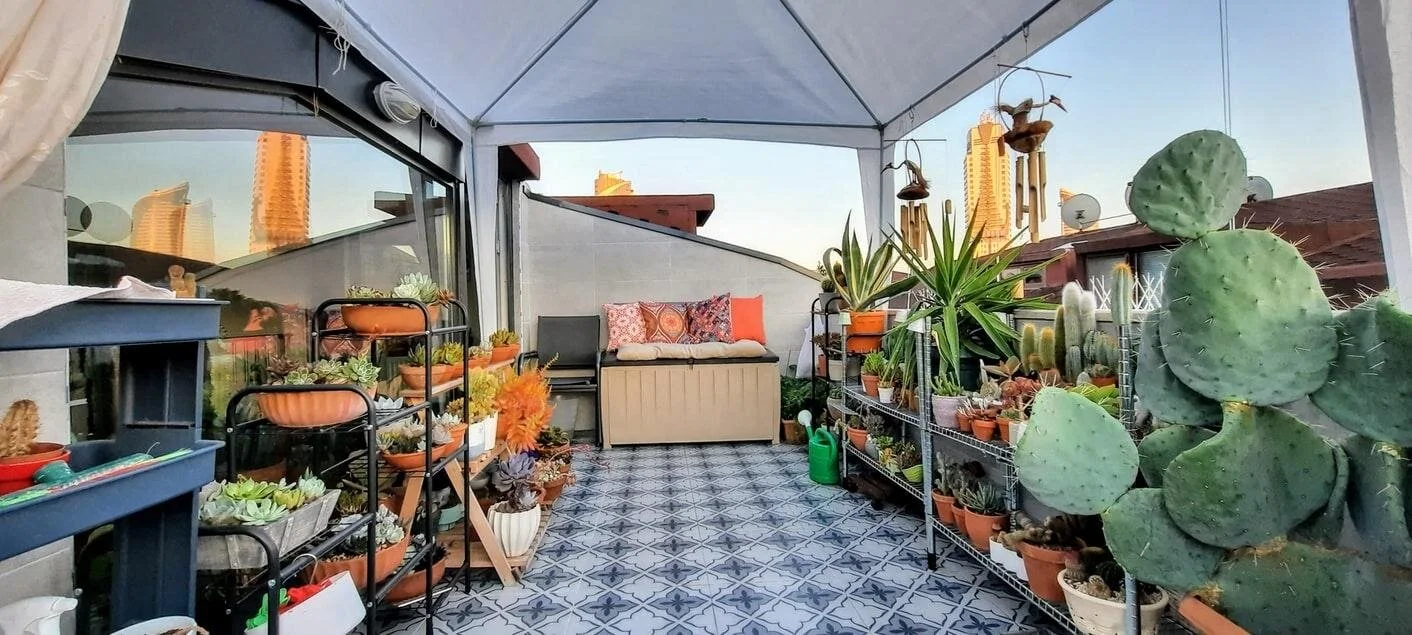
If your apartment has a balcony, it is the extra square footage that you probably severely underutilize. Using this space as nothing more than storage for things you rarely use is a huge waste of potential. A balcony, no matter how small, can have a myriad of different functions. Also, it can become your favourite part of your home, only if you devote enough attention to it. From a pleasant outdoor lounge area where you can chill and enjoy your afternoon coffee to a full-fledged home office, you can choose from simple to more expensive projects. Here are a few ideas to inspire you.
If your apartment has a balcony, it is the extra square footage that you probably severely underutilize. Using this space as nothing more than storage for things you rarely use is a huge waste of potential. A balcony, no matter how small, can have a myriad of different functions. Also, it can become your favorite part of your home, only if you devote enough attention to it. From a pleasant outdoor lounge area where you can chill and enjoy your afternoon coffee to a full-fledged home office, you can choose from simple to more expensive projects. Here are a few ideas to inspire you.
Create a simple reading corner
It doesn’t take much to make your balcony functional. Start with clearing it of all the clutter that has accumulated and giving it a good cleaning. Then, you can get started by rearranging it and creating a cozy reading corner where you will be able to enjoy the sun while getting immersed in your favorite book. First, pick comfortable furniture! A stylish rattan egg chair you can nestle into is a perfect choice. Make sure you add some cushions that you will keep indoors when they are not in use. You can also pick cushioned furniture as long as it’s weatherproof and you can wipe it of dust. Complement it with a small table to place your mug and book on and decorate with plants.
Convert it into a sunroom
If you are particularly concerned about bugs and weather conditions but you still want to maximize the amount of time you can spend on your balcony, you can look towards the idea of turning it into a sunroom. Installing retractable screens will give you the best of both worlds: you can enjoy the fresh air while still having privacy. However, using glass would give you the true sunroom experience. You can use a sunroom for many things; it will provide you with extra space with plenty of light to use however you want. Leveraging this will even help you save electricity and be more eco-friendly!
Turn it into a home office
The next creative way to make the most of your balcony is turning it into a study area or a full-fledged home office. It’s the perfect spot for it after all: you get plenty of natural light to work productively all day long. It is not a one-afternoon project. There will be some construction involved, but it will pay off in the long term. You can install a bar counter along with the windows that will give you enough space for your laptop and stationery. However, you can also use it as a breakfast bar as it would be nice to enjoy the view while having your meal. Install folding ones if you want a multipurpose space to save room!
Use it as a garden
The next and certainly one of the best uses for your balcony would be turning it into a mini garden. Adding plants to your balcony is a must no matter what you decide to convert it. Plants are going to turn a boring balcony into a real oasis. However, you can take it a step further and dabble into gardening even without a garden space, thanks to this small outdoor area. A balcony is a perfect spot to grow herbs to always have them fresh on hand. If you're more into flowers, you can get hanging planters and cover your walls and railings in beautiful colors. You can even grow vegetables despite the limited space. You can try hydroponic farming in vertical planters and make the most of every square foot you have.
Create a nap spot
An afternoon nap on warm summer days is best when had outdoors! Just because you don’t have a garden, you don’t have to forget about napping in the fresh air. You can turn your balcony into somewhat of a second living room and use it for lounging. A built-in couch would be a seamless way to bring in comfort, and it's also the most space-efficient way. However, if you want something that has a real wow factor, consider installing a hammock. A comfy hammock paired with a few tropical plants will make you feel like you’re in a completely different place. It’s a good idea to think about sun protection and privacy if you want to go this way, though. Retractable awnings, roller shades, or anything of the sort will work!
If you have an unused balcony, you could improve your living space by miles if you found a use for it. Think about what you need and allow your balcony to reach its full potential!
Author bio:
Alison Pearson is an interior design student. She is a writer and designer, but her ultimate passion is design and creation. She is also a bibliophile and her favorite book is "The Sound and the Fury" by William Faulkner. Follow her on Twitter.
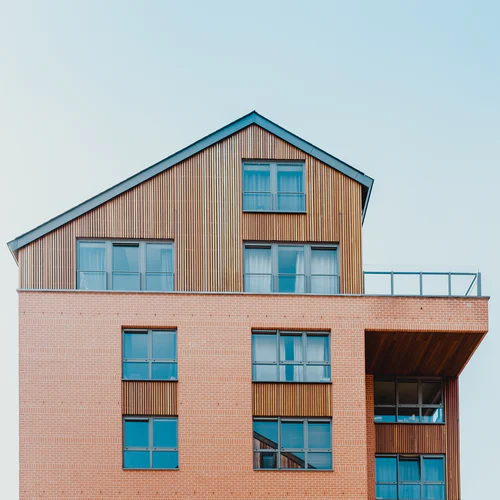
Everything You Should Know When Purchasing a Home
Regardless of if this is your first time, or you are a seasoned veteran of making large asset purchases, the tedious nature of buying a home can be exhausting. Some buyers are too picky, others are too reckless with their finances, and others struggle to find just the right property even if it’s right in front of them with the right price tag.
Regardless of if this is your first time, or you are a seasoned veteran of making large asset purchases, the tedious nature of buying a home can be exhausting. Some buyers are too picky, others are too reckless with their finances, and others struggle to find just the right property even if it’s right in front of them with the right price tag.
Many experts say the home buying process is more art than science and to go with your gut, meanwhile others say you should be risk averse and methodical with your process to ensure you land on the right decision. There’s no blueprint that works across the board for every buyer (regardless of if this is your forever home or an investment property). However, you can draw key takeaways from other people’s successful (or failed) ventures to make your experience a more fruitful one. So, we’ve compiled some best practices below that should make the process of buying a house easier for you and your family.
Understanding Your Budget
If you’ve purchased a home before, you are no stranger to the process. However, if until recently, you’ve been a veteran renter, getting a firm understanding of the home buying process will make everything feel less foreign. Additionally, with many of the new social distancing stipulations and increased emphasis on cleanliness for agents, sellers, buyers, and property owners due to COVID, if you haven't bought a home since before March 2020, this will serve as a good primer for this process.
So if you are ready to turn your monthly rent payments into a way to invest your money, the first question you should ask yourself is, “what are my (or my family’s) goals?” Are you looking to purchase a home in a good school district for your children’s education? Are you interested in investing in a property to then turn it into a rental? Is this a starter home for you and your spouse? Having a firm understanding of your goals, and the different properties that align with them is a crucial first step in the purchasing process.
Once you understand the type of property you are looking for, before you start shopping for specific homes, you should start a dialogue with your preferred financial institution to establish how much home you can afford. One of the top mistakes homebuyers make is only talking to one lender, or buying more house than their budget allows for.
While you could qualify for a $350,000 or $400,000 home, how much strain is that going to put on your monthly or annual budget? Additionally, can you sustain payments for a prolonged period of time if something were to happen to your family’s income? The pandemic has shown us that things can change at the drop of a hat, so it’s best to avoid over-leveraging your finances and settling on a home that firmly fits within your financial window.
Conventional wisdom says that, in order to remain financially solvent, your mortgage payment should not exceed 30 percent of your monthly pre-tax income, and as a whole, the best financial experts recommend that you keep your total monthly debt obligations to 33 percent.
House Tours
Once your goals are established, and the bank has confirmed how much house you can afford, it’s time to go shopping. Admittedly this step should take the longest out of any in the process, because it requires all the right pieces to fall into place. Not only do you have to find the right property that checks all of your boxes, it then has to also be in budget, and in a quality neighborhood, AND you have to beat out other offers to put ink on paper.
While this process can feel extremely daunting, and a few failed attempts can let frustration build, experts say that moving too fast on a deal for the sake of making progress is a bad move. Home-buying requires patience. Additionally, the way we view homes in 2021 is completely different from just a few short years ago. Many agents and realtors will offer virtual open houses, or do showings on social media to weed out the general curious shoppers from the more serious ones.
Once you have a handful of prospective properties that could be the one, you should reach out about a formal tour. We have heard cases of delays in this process because some realtors have homes disinfected in between showings to prevent the spread of any sickness and to make buyers and sellers feel comfortable with unknown parties in their homes.
Inspections, Offers, and Closing
So you’ve found a home that is perfect. It’s within your budget, in a great neighborhood for your lifestyle, and it checks all your boxes (who could say no to that master bath?), so it’s time to put in an offer. Due to the current low interest rates, many real estate outlets are reporting that the offer process feels more competitive than anyone in recent memory can remember.
In big cities like Nashville or Seattle, some homes are receiving half a dozen offers within a few hours of being listed, and oftentimes for more than the asking price. Don’t let this frustrate you. Financial experts say this is how you can potentially overleverage yourself by paying more than you can afford. Instead of coming in over the top with price, try and negotiate sweeteners in the deal such as reducing closing costs, or paying broker fees, to make your offer more competitive without breaking the bank. They also say cash is king, so if you can use that to your advantage, sellers will be more likely to hear you out over competitors.
Once your offer has been approved, a critical step stands between you and closing, and that’s the home inspection. The inspection process is to ensure that there aren’t any physical or metaphorical skeletons in the home’s closet. The last thing you want to happen is that you invest hundreds of thousands of dollars into a house that has foundational issues, or a leaking roof. Some experts recommend having a home inspected twice for due diligence to ensure no large expenses will pop up a couple of months down the line. The inspector will put together an itemized list of things he believes could be repaired or upgraded and it’s up to you and the involved agents to come to an agreement on who, if anyone, is responsible for the repairs. Once all parties have come to an agreement, you’re nearly to the finish line!
Now all you have to do is make it to closing day without any bombshell revelations coming to light. On closing day, contracts will be signed, money will be transferred, and the property is now yours. Congrats on the home of your dreams, and good luck over the next few months and years getting settled and decorating to fit your style. If you have any additional questions regarding the process, feel free to reach out to your realtor or turn to the abundance of online resources.
