

A resource for those seeking information on organizing and transforming spaces.

Simple Habits To Stay Organized Everyday
Keep your home in order by making to-do lists, decluttering regularly, and making your bed. Learn these 5 simple habits to stay organized every day!
Being organized isn’t a natural skill for most of us; it involves a willingness to change patterns you’ve stuck to for a long time. Keeping both your home and life in order is a daily practice, but it can be a difficult one to maintain, and it can take a few steps to adjust your behavior.
Here are simple habits to stay organized every day.
To-Do Lists
Having a schedule and to-do lists are vital when staying organized. Take a few minutes the night before to plan out the next work by prioritizing important events Planning your day out allows you to block off portions of time, so that an appointment or task won’t catch you by surprise and derail your day.
Declutter
Regularly decluttering your home can be very helpful in staying organized. Streamline your home by decluttering in these ways:
Go through piles of papers and sort what is essential and what can be thrown out.
Donate books to streamline a cluttered bookcase. Do the same with records or video games overflowing from entertainment centers.
Discard old and expired medication that might be taking up space in your bathroom
Fold and hang clothing, and donate anything that hasn’t been worn in over a year.
Make Your Bed
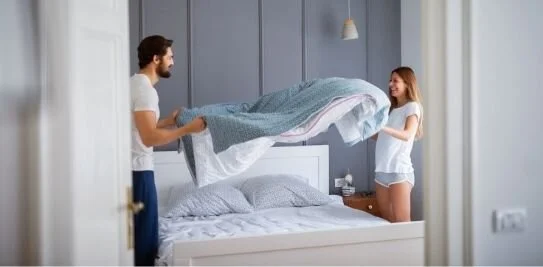
Making your bed every morning helps to set up a small win to start a day. Taking this tiny by meaningful action will propel you into positive action. Don’t worry about doing it perfectly every morning; even just rearranging the blankets and pillows can help you start your day off on the right foot.
Designate Everything
Give every item in your house a home! Categorizing everything, even the little things, will simplify organizing. When you’re attempting to designate an item, ask yourself where you would most use it or where others in your household would search for it. This can take some clever and outside-of-the-box solutions, but be sure to properly store cleaning supplies and other corrosive items.
Point of Use
When you’re organizing your belongings, thinking about their purpose will help you decide where they live. Place things in drawers and cabinets with the most used in front to avoid creating frustration or confusion when searching for something.
With these simple habits to stay organized every day, you’ll keep your home and life in order!

Struggling With Clutter In Your Small Living Space
Many millennials’ experience with homeownership extends to their parents’ houses and a dorm or apartment with a nine-month lease. When it’s time to move into a house or apartment complete with a deed or contract, that transition may prove difficult.
One challenge that many new tenants face is clutter. Although living in an apartment or small house may feel cozy at times, it also allows clutter to accumulate quickly.
Many millennials’ experience with homeownership extends to their parents’ houses and a dorm or apartment with a nine-month lease. When it’s time to move into a house or apartment complete with a deed or contract, that transition may prove difficult.
One challenge that many new tenants face is clutter. Although living in an apartment or small house may feel cozy at times, it also allows clutter to accumulate quickly.
Why Clutter Appears
Despite one’s best intentions, piles of “stuff” can take up valuable territory — physically and even emotionally. Here are some reasons your living space may be in disarray:
1. Uncertainty of What Constitutes as Clutter: The definition of clutter varies from person to person. However, a good rule of thumb is that if an item is broken or not useful, aesthetically pleasing or sentimental, it might be time to donate or toss it.
2. Inability to Let Go: Many people tend to hold on to a specific piece of clothing or home item if it’s sentimental, a gift or being saved for a just-in-case event. Emotions can make belongings feel irreplaceable, but you should recognize when something is ready to go.
3. Lack of Organizational Routine: Most clutter piles get bigger simply because they become part of the general landscape. By implementing a functional routine, cleaning could become second nature and clutter won’t have time to accumulate.
4. Impulse Shopping: Impulse buying can be a recipe for disaster. Don’t buy sale items or hobby supplies if you’re not sure where to store them or when they’ll be used. Buying on impulse may give instant gratification, but it probably won’t help you in the long run.
To learn more about the psychological effects of clutter and what you can do to combat it, check out our resource.
Guest Post - 5 Tips to Build an Energy-Efficient Home Extension
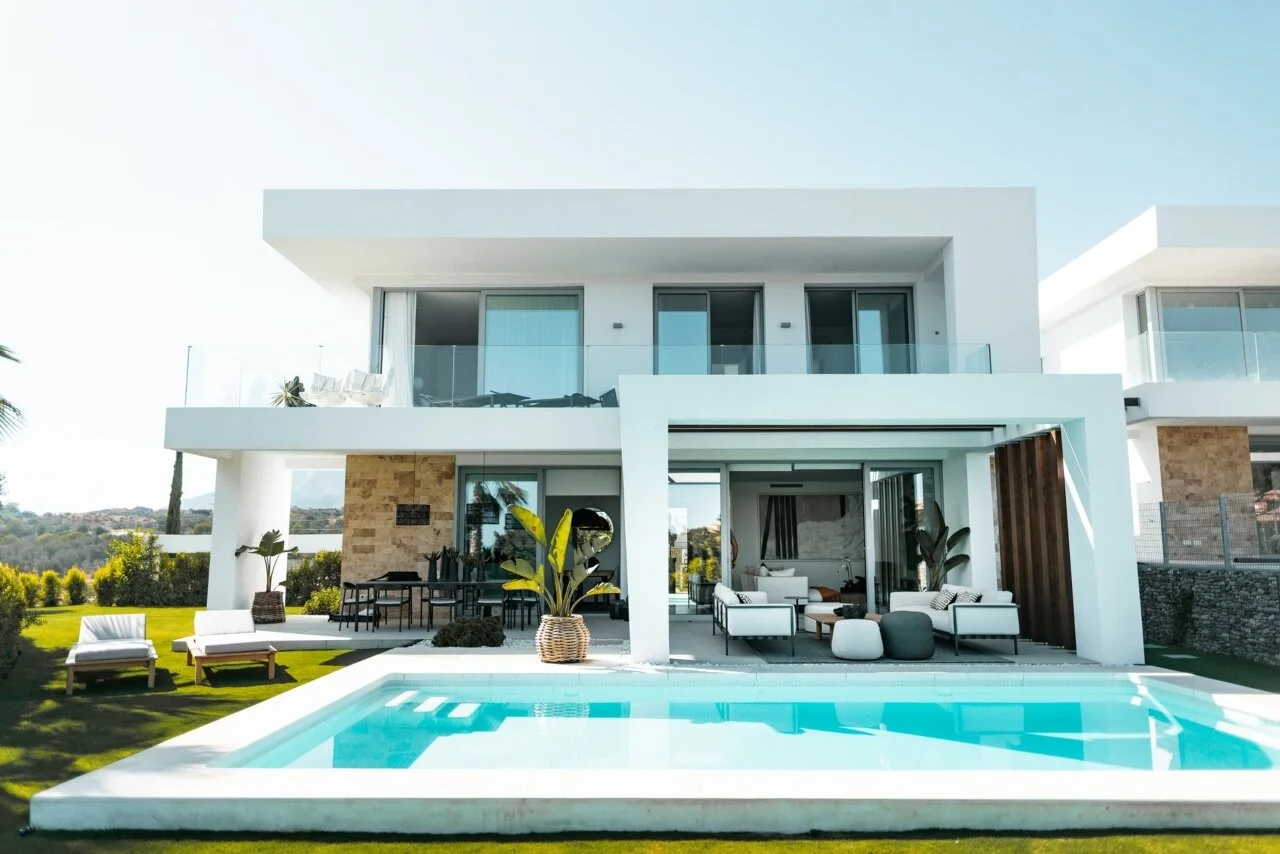
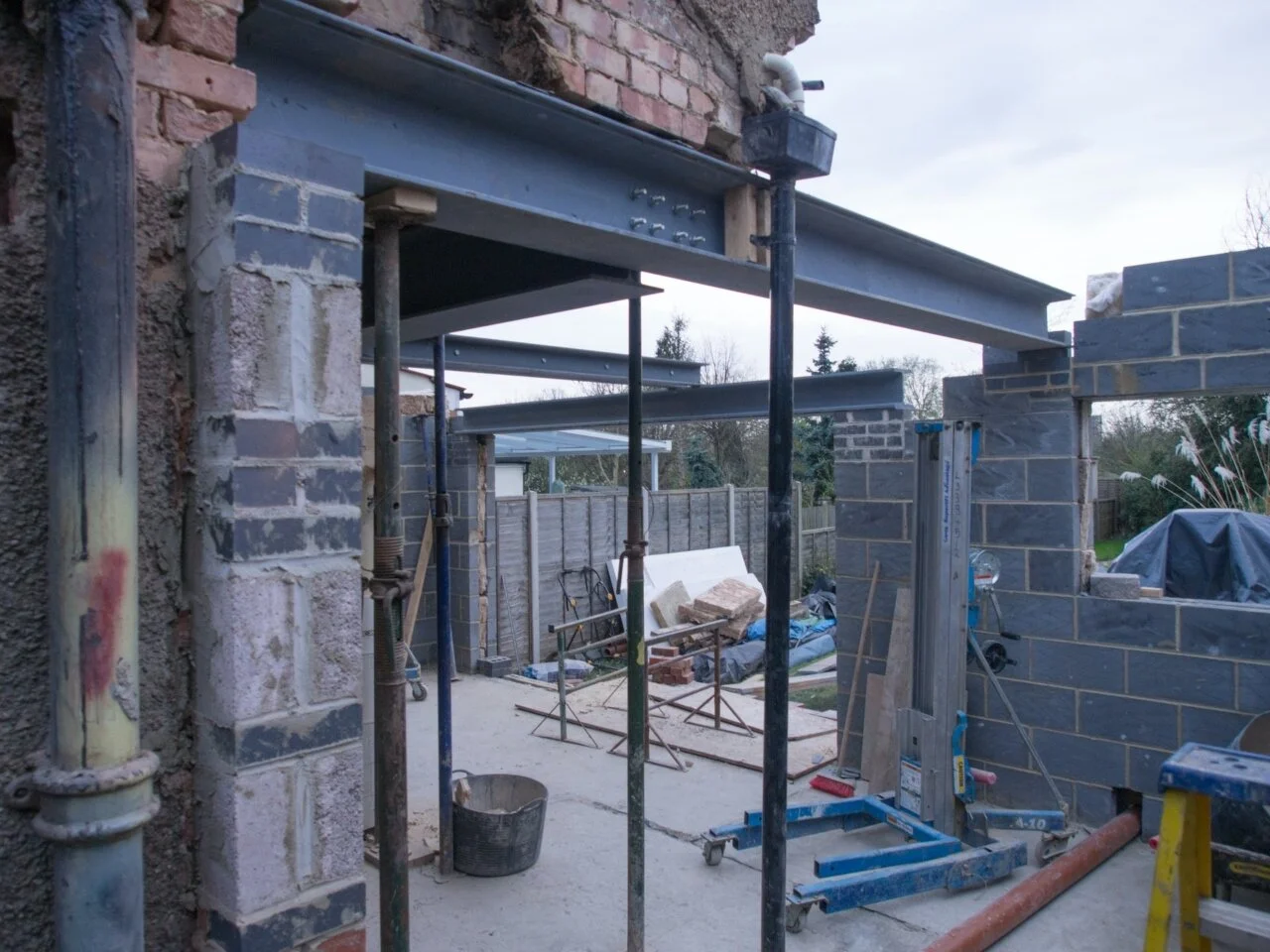
Building a home extension is one of the best ways to increase your home’s value, but there are so many other reasons to make this grand step. If you’re feeling like your home is becoming a bit less capacious than it used to, for whatever reason, then the time has come to start thinking about expanding. Now, there are many reasons why you should build an extension instead of going through the ordeal of moving into a bigger place, and there are many benefits that this project can bring to your everyday life.
Building a home extension is one of the best ways to increase your home’s value, but there are so many other reasons to make this grand step. If you’re feeling like your home is becoming a bit less capacious than it used to, for whatever reason, then the time has come to start thinking about expanding. Now, there are many reasons why you should build an extension instead of going through the ordeal of moving into a bigger place, and there are many benefits that this project can bring to your everyday life.
But for all the benefits an extension brings, you have to be careful and plan out every little detail to make it produce the desired ROI. One of the key things you need to consider is the energy efficiency of this new space. Let’s take a look at the five tips you can use to build an energy-efficient home extension this year.
Design with energy efficiency in mind
First things first, keep in mind that energy efficiency is not something you should be thinking about when the extension is already built – it should be a vital part of the planning stage. This is a common trap that homeowners fall into when they’re treating the extension as a DIY project, for example. It’s important to work with professional builders with years of experience building extensions because they will make sure that nothing slips through the cracks, especially the energy efficiency of the new space.
The right builders will use advanced tools, something like BIM software, to design every aspect and element of the extension in a virtual space for maximum energy conservation. This is achieved with active and passive conservation features, and the right builders can design an extension project that fits your budget and accommodates your needs.
Size your heating and cooling properly

Your heating and cooling system can be a drain on resources if you don’t scale it according to the requirements of the space. It’s important to work with experienced professionals who can give you an accurate analysis of the new space and its unique heating and cooling options that you can consider – particularly if it makes sense for your budget.
For heating, you will need to take the size of the room into consideration, of course, but you will also need to choose between gas, solar, wood, or even electric heating. For cooling, you have many options at your disposal and the size of the space will yet again play an important role. Talk to your builder and weigh the pros against the cons of all your heating and cooling options carefully before investing.
Invest in energy-saving appliances
The appliances you introduce into the new space can inflate or reduce your energy consumption and bills, so you have to consider your options carefully. If you’re moving your kitchen into the extension, then having an energy-efficient gas burner is a good idea, but is investing in smarter appliances that allow you to monitor and optimize your energy consumption with ease.
Whatever the purpose of the room may be, whether it’s a functional space like a kitchen or a private space like a man cave, it’s important to curb your energy consumption with the right appliances. Look for the Energy Star rating on the label and talk to the seller about the long-term energy-saving potential of each appliance before you buy.
Focus on passive conservation
Of course, you shouldn’t plan a home extension without passive energy conservation in mind. During the design and planning phase, you want to explore all areas where you can add insulation that will make the space feel cosier by cooling the space in the summer and keeping it warm during winter in a more organic way.
This will usually mean investing in floor, ceiling, and wall insulation, but also window and door insulation to boot. Investing in insulation from the get-go is one of the best home extension tips that will save you money and prevent expensive and cumbersome reworks down the road.
Scale and optimize the lighting
Last but not least, make sure to plan the lighting scheme carefully. You can splurge on smart light bulbs if you want, but you can easily minimize energy expenditure with good old LED lights as well. LED lighting is energy-efficient and durable, and the light bulbs have a long lifespan that ensures you won’t be wasting money on needless replacements. What’s more, LED lights are kind to the environment, because they are easily recyclable and are made of non-toxic materials.
Over to you
Building a home extension is a big step, but it’s also one of the most rewarding decisions you can make. Use these tips to build a home extension with energy efficiency in mind, and maximize the ROI of your investment.
About the author: Mike Johnston is an experienced writer, blogger, and editor. He’s a regular contributor to numerous online publications where he writes about real estate, construction, home improvement, and interior design.

How to Upgrade Your Windows to Last Longer and Work Better
If you're a new homeowner or simply looking to make some home improvements, the windows are a perfect area to concentrate on. This is because windows that go unrepaired or don't hold enough protection can cost you in the long run. You want your windows to last you as long as possible while providing you with the most protection. The following includes a few ways you can begin to upgrade your windows to last longer and work better.

If you're a new homeowner or simply looking to make some home improvements, the windows are a perfect area to concentrate on. This is because windows that go unrepaired or don't hold enough protection can cost you in the long run. You want your windows to last you as long as possible while providing you with the most protection. The following includes a few ways you can begin to upgrade your windows to last longer and work better.
Upgrade to Double-Pane
One of the ways that home builders reduce material cost is by installing cheap single-pane windows. Although they pass inspection, they don't offer the best protection and are much more likely to cause you problems in the short term, especially when it comes to energy conservation. Therefore, upgrading to double-pane windows is highly recommended if you wish to obtain further protection from the elements and have windows that are going to go the distance.
Add Exterior Shutters
Sometimes it is not an improvement to the window itself that can make it last longer but an addition. That is why the first item on this list includes exterior shutters. Adding shutters to your windows provides you with a variety of benefits that include everything from protecting your windows during strong thunderstorms to shading them during those hot summer days where UV rays are blasting down onto your home.
Sealing/Caulking
The number one way to ensure that your utility bill skyrockets is to neglect cracks on your windows. The best way to avoid this from occurring in the first place is to make sure that you are sealing your window at least once per year, preferably before the winter or summer months. You may choose to have special rubber material installed onto your window for a more uniform look but caulking it yourself with store-bought material is often just as effective.
Add Interior Shutters
While exterior shutters are great for protecting your windows against storms, interior shutters, or blinds, are more useful in the day-to-day. Typically, people still want to be able to have natural lighting in their home without getting blinded by the sun’s glare directly through the glass. With interior shutters, you can have the best of both worlds by letting in just the right amount of sun for you without just leaving the window fully exposed. While this tip doesn’t necessarily make your window last longer, it does help it work better at providing natural lighting.
Although extremely important to the comfortability of your home, windows are often neglected by homeowners. That is why it is so important to ensure that they are being taken care of and upgraded every few years. By applying the tips listed above, you may be able to extend the life of your windows and even make them work better for you.

