

A resource for those seeking information on organizing and transforming spaces.

Why You Should Consider Adding a Sunroom to Your Home
Imagine unwinding after a long day of work in a sun-filled space with your loved ones. Or maybe you’d rather start your day off sipping coffee and catching up on your favorite podcast before the buzz and activity of the day begins.
The perfect place to do both is in a sunroom. Not only does this space boast multiple health benefits, but it offers a versatile space in your home for entertaining and spending time with the people who matter most.
If you’re still on the fence about creating a sunroom in your home, we’ve rounded up a few benefits you may not have thought of.
Imagine unwinding after a long day of work in a sun-filled space with your loved ones. Or maybe you’d rather start your day off sipping coffee and catching up on your favorite podcast before the buzz and activity of the day begins.
The perfect place to do both is in a sunroom. Not only does this space boast multiple health benefits, but it offers a versatile space in your home for entertaining and spending time with the people who matter most.
If you’re still on the fence about creating a sunroom in your home, we’ve rounded up a few benefits you may not have thought of.
Increase Your Home’s Value
Any time you add on to your home, you’re increasing not only your square footage, but the overall value of your home. Not to mention, a sunroom is seen by many buyers to be an added luxury where they can spend hours with their loved ones soaking up some vitamin D.
More Living and Entertaining Space
If you’re a big fan of entertaining, a sunroom provides a year-round space that can be used for anything from Thanksgiving overflow to a space to store the food for a backyard gathering. You could also use this space to store unused decorations throughout the year to make the most of this added space.
A Versatile Room
If the pandemic has taught us anything, it’s that life can change and sometimes our homes have to adapt to a new normal. A sunroom is the perfect room for the unexpected. Whether you need to set up a new at-home classroom for your little ones, are housing guests for longer than expected or need a new playroom for your growing family, there’s no shortage of uses when it comes to your sunroom.
Now that you’re inspired to think about how to incorporate a sunroom into your own home, now’s the time to start envisioning what it may look like. Our friends at Angi Consumer have created five moodboards to spark your imagination. Whether you want to create a plant-filled oasis or a colorful sunny escape, there’s a sunroom idea for every personality and style.


Inspection vs Appraisal: What’s the Difference?
Home inspections and home appraisals are terms that are sometimes used interchangeably, but these are two very different procedures. So, what does it really mean to get a home appraised and/or inspected? And how will it benefit you? Let’s find out.

The process of buying a new home can be stressful, to say the least. There are plenty of boxes to tick and red tape to wade through, besides the actual stress of picking out your next home.
Unfortunately, all of your time and energy can easily and quickly be wasted if you don’t do your due diligence before signing on the dotted line. Not every property is all it seems. Horror stories of unwitting buyers investing in properties with all kinds of issues lurk in the back of our minds.
Thus, a sensible buyer should get a property fully checked out, and a good seller would also make sure everything is in order before putting their home on the market. This means a home inspection. Or do we mean home appraisal?
Home inspections and home appraisals are terms that are sometimes used interchangeably, but these are two very different procedures. So, what does it really mean to get a home appraised and/or inspected? And how will it benefit you? Let’s find out.
Inspection vs Appraisal: What’s the Difference?
Simply put, a home inspection focuses on the condition of your home. A home appraisal assesses the value of your home. One can certainly affect the other, but at the end of the day, they are very different procedures.
Both procedures should be carried out by licensed professionals. They also both dive deep into the condition and value of your home. It’s a good idea for a seller to get their home checked out before putting it on the market, and a buyer would certainly want to investigate their prospective new property before buying.
What is a Home Inspection?
A home inspection is carried out to determine if there are any issues with the home before a buyer makes the big leap. While this is definitely an important part of the buying process, an inspection won’t necessarily affect the property’s value as drastically as an appraisal can. Of course, this might depend on what issues the inspection flags up.
A home inspection takes roughly around three to four hours, and the inspector will be physically checking some elements. While there are some variations, a home inspector will check the basics of a home including:
Roof quality
Plumbing
Appliances
Foundation
Mold/Mildew/Damp
Drainage
Depending on the type of property you’re looking at, an inspector may investigate more. Your real estate agent might even recommend a good home inspector, which is why you might want to use local agents. During my interview with Kimo Quance, a local real estate agent in San Diego, states that, “A clear understanding of the mindset of home buyers and sellers, and a thorough understanding of the regional marketplace is of the utmost importance. And we try to make this process as seamless as possible by referring where we can for home inspectors and similar services.”
It’s also worth your while mentioning any issues or concerns you may have before your inspector does their work. This is because some issues may be missed since a home inspector might not cover every single possible issue. If you have concerns about the roof, bring it up. If you are worried about the insulation of the windows, mention this.
At the end of the inspection, you’ll get a written report on what the inspector has found. If there are more serious concerns, such as lead paint or pests, the inspector might recommend another, more specialized checkup.
Why Should You Get a Home Inspection?
A property might look good on the outside, but there could be hidden issues. For example, there might be serious plumbing issues that will take a lot of time and money to fix. Closing a contract without an inspection could leave an unwitting buyer with costly problems that were there before they bought the home but are now their sole responsibility.
You might feel that disclosure laws mean that a seller has to tell you about any issues. That’s true, although laws vary from state to state. However, there’s always the possibility that the seller genuinely doesn’t know about the issues, or that the problems haven’t been fixed correctly.
What is a Home Appraisal?
An appraisal focuses on the value of the property as a whole, rather than its condition. A licensed appraiser evaluates your home and estimates its value.
To begin with, the appraiser goes through your home, lightly inspecting the inside. Since this inspection is designed to work out the property’s value, not assess the strength of its plumbing, the condition of your house doesn’t weigh as heavily as with a home inspection.
The appraiser also considers the location, finishes, and surroundings. Then they’ll look into other properties sold in the area, similar to yours. They collect as much relevant information as possible, to give your property the fairest price. Finally, you’ll receive a report on the appraiser’s findings.
Why Should You Get a Home Appraisal?
If you’re borrowing money to buy your home - as many do - the lender might insist on an appraisal. If that’s the case, you need the appraisal to be accurate and not too low. A low appraisal can endanger your prospective loan.
Some local real estate agents strive to help with this part of the process as much as they can.
How Will You Benefit?
Buying a new home can be stressful - and exciting. The temptation could be to rush into things and miss out on ticking important boxes. However, there are plenty of benefits to consider for both appraisals and inspections:
An appraisal could secure you a loan to buy your home.
Home inspections can save you from expensive bills further down the line.
Both appraisers and inspectors are qualified professionals and are impartial third parties.
Inspections and appraisals could give you an opportunity to haggle. If you feel like you’re overpaying and an appraisal or inspection flags an issue, you might have the leverage to get a better price.
All in all, it’s better to be safe than sorry. The hope is that your inspection and appraisal comes back just fine, and you land your dream home with minimal bumps in the road. If not, at least, you didn’t waste your time or money. These processes further allow you to find and settle into your new home with peace of mind and without fear of having to put tons of money into your home right off the bat.
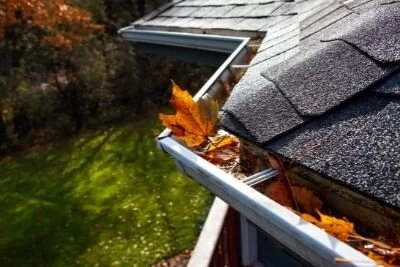
The Most Common Gutter Shapes To Know
Gutters collect rainfall and funnel it away from your home, but only if they are in the right configuration. These are the most common gutter shapes to know.
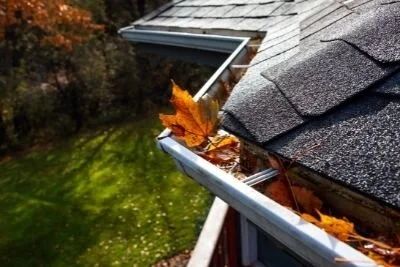
The gutters on your home’s exterior protect your home from unwanted water collection. When liquid pools around your roof or foundation, you could experience significant home damage problems. Here are the most common gutter shapes to know.
K-Style Gutters
The K-style gutter received its name because its side profile vaguely resembles the letter K. This shape is perfect for simple gutter installation because of its flat back, which allows you to nail directly into the fascia. The K-style gutter is large, enabling it to carry more water than the other shapes, which is helpful in rainy climates. The only thing to be wary of is that the inner angles can collect rotting debris.
Half-Round Gutters
As the name suggests, half-round gutters are in the shape of a semi-circle, like a pipe cut in half. The half-round style collects plenty of water—and debris—just as any other gutter would. However, its special curvature enables it to funnel water quickly and simply toward the earth through the downspout. If you plan to use half-round gutters, you should install leaf guards. This way, you can keep the foliage out and the water in.
Fascia Gutters
Fascia gutters are the most stylish option out of the three, offering functional yet unique designs. The fascia is the outermost paneling between your gutters and your wall or roof. This board typically consists of wood that offers your home a clean, angled look. With fascia gutters, you can boost your home’s curb appeal while maintaining a healthy water runoff system.
As you peruse the options, you must also remember the difference between seamless and regular gutters. Depending on the shape of your gutter, this may be easier or harder to accommodate. But, with the most common gutter shapes to know in mind, you can make the best choice for your home’s exterior.

When and Why to Get Foundation Repair
It's safe to say that one of the most frustrating and expensive problems for homeowners to have to deal with include foundation issues. When issues are found, most homeowners are going to feel a mixed bag of emotions with everything from anger to helplessness. Understandably, because it is such an expensive and sensitive project to take on, most homeowners may also attempt to delay fixing the issue. We are here to say that this is not a good idea. Read on to learn when and why you should get your foundation repaired.

It's safe to say that one of the most frustrating and expensive problems for homeowners to have to deal with include foundation issues. When issues are found, most homeowners are going to feel a mixed bag of emotions with everything from anger to helplessness. Understandably, because it is such an expensive and sensitive project to take on, most homeowners may also attempt to delay fixing the issue. We are here to say that this is not a good idea. Read on to learn when and why you should get your foundation repaired.
Selling Your Home
The first reason homeowners may want to plan a foundation repair project is if they are selling their home in the near future. Fixing any foundational issues is highly recommended by most real estate agents as buyers will not want to place an offer on a home with a poor foundation. In fact, many do not think of this issue and will, unfortunately, continue to drop their asking price, not knowing that all they need is to repair their home's foundation.
Visible Signs Within Your home
If there is one dead giveaway that you need to have a foundation repair conducted on your home, it's visible cracks along your walls. If you see large vertical cracks moving up your walls, this could mean that the foundation has shifted rapidly. Not only does this harm the aesthetic of your home, but it can possibly pose a risk to yourself and anyone else living within it. Another sign that your foundation has shifted is when your doors are suddenly becoming difficult to close. In many cases, when the shift is small enough where no cracks appear, this is the first sign that will present itself to homeowners. If you are able to catch these small foundation shifts in time, you may be able to save yourself future headaches and a few dollars.
Get It Done in Winter
While you may think that the warmer months are the best time to get a foundation repair, you actually would do better to have it done when it’s cold outside. While the weather is nicer for people in the summer, the ground is also warmer and therefore less stable. When the ground is cold and frozen, however, it is more stable to work with and will provide a stronger foundation repair. Of course, you want to get it done when it’s cold but there isn’t precipitation, so it’s best to contact a repair company in late fall and early winter so that you can have your repair scheduled quickly. Then, if the weather gets in the way, you have plenty of time still to utilize those cold months and reschedule.
Experiencing Issues with your homes' foundation is no joke and something that must be taken care of as soon as possible. Hopefully, the information above has provided you with enough information where you will be able to spot these issues and plan a proper repair project to fix any issues.

