

A resource for those seeking information on organizing and transforming spaces.

Luxury for Rent: 4 Benefits of Renting an Apartment Over Owning
Many people dream of owning their own homes, but that isn’t the best option in every situation. For some individuals, renting a luxury apartment could end up being a wise financial decision that they benefit from for many years to come.
Many people dream of owning their own homes, but that isn’t the best option in every situation. For some individuals, renting a luxury apartment could end up being a wise financial decision that they benefit from for many years to come.
No Downpayment
There is going to be some type of deposit for your luxury apartment, but that sum will be much lower than a traditional down payment on a home. In most areas, buyers must come up with a 20 percent down payment for a home, and that means they will probably need to have immediate access to tens of thousands of dollars. Apartments typically require nothing more than a security deposit, a cleaning deposit, and one or two months' worth of rent.
Less Debt
Buying a home can be a great long-term investment for some families, but taking on that amount of debt is going to have a huge impact on your credit score. After you finalize your home loan, you might notice that your credit score drops by quite a few points, and that could impact your ability to purchase a vehicle or get a new credit card. Living in a rented unit for a short period of time will allow you to improve your credit score and build your down payment so that the purchase has a smaller impact on your credit score.
Fewer Ongoing Expenses
After buying a home, some families are shocked by just how many monthly expenses they have to deal with. In addition to mortgage and insurance payments, you will also need to consider all of the additional utilities that need to be paid. Maintenance is another major factor when buying a home, and all homeowners must plan on having enough money to cover broken appliances, holes in the wall, cracked windows, and other common problems.
Access to Community Amenities
One of the biggest benefits of moving into a luxury apartment is the access to different amenities. Many apartment complexes offer their residents access to a wide array of amenities that could cost hundreds if they were to pay for them on their own. That includes amenities such as communal areas to have gatherings, animal parks, picnic areas, bike storage, fitness centers, and swimming pools.
In addition to these four benefits, renting is also going to be a great option if you aren’t ready to settle down. Renting an apartment is going to give you an incredible amount of flexibility to move around, and that means you won’t be tied to a single city or area for years at a time.

Different Ways You Can Liven Up Your Home
To combat a drab and dreary winter mood, know a few different ways you can liven up your home and keep the aesthetic welcoming and invigorating.

During the latter quarter of the year, when the weather is colder and nature’s colors are drabber, it’s easy to fall into a sardonic state of mind. That’s common for those living in harsher winter climates, but knowing some different ways you can liven up your home will help you fight off those negative feelings. Be aware of what you can do to make your home more of a sanctuary during the winter months to offer yourself a reprieve from the cold.
Look Into Different Wall Colors
Generally speaking, people love keeping their walls white or another muted color. However, some colors can help invigorate people, improving their mood and eliminating the downer feeling so common in winter.
Painting walls brighter colors, like yellow, green, or blue, can have a calming effect. Holing yourself up inside with bare walls for months on end can make you feel like a mouse in a cage. Bring some color to your home to remind you that it’s a place of peace and security.
Temporary Wallpaper
Alternatively, if you’re thinking of adding some patterns to your walls, you can invest in temporary wallpaper. These aren’t as hard to remove as your typical wallpaper, so you can swap them out with ease whenever the mood strikes you.
Place Plants Throughout the Home
Besides rejuvenating the walls, one of the best ways you can liven up your home is to place flowers and other plants throughout. In the cold, most plants go dormant, only budding when the weather is more favorable. This takes away from the colors of your environment, replacing them with the whites and grays of winter.
Create your own little oasis by purchasing flowers and strategically placing them around your home. Wherever you turn, you’ll have a bushel of color and sweet aromas to greet you, reminding you what awaits when spring comes around.
Let the Sunlight In
There’s precious little sunlight in the last leg of the year, so you need to make it count. Having thicker curtains covering your windows is good for insulating the home and keeping the warmth in, but having a second set of sheer curtains for the daytime can brighten things up.
Installing thinner curtains allows the sunrays to penetrate into your home, bringing in the much-needed natural light that helps energize people. Once the sun goes down, close the thicker curtains to trap that heat in for the night.
Fight Off the Winter Blues
Melancholy is all too common in the winter, and knowing some ways to brighten up your home can prevent that. Whether all you need to do is get a different set of curtains or pick up a few flowers, get what you need to keep your energy up this winter.

Key Factors to Consider When Upgrading Your Flooring
Flooring systems are an essential component of any commercial building interior. Business owners factor in several considerations when choosing the right type of flooring for their workplace - whether it's a large warehouse or a mid-size office space. Despite having various flooring options to choose from and factors to consider, you must always prioritize the type of facility you have.
Flooring systems are an essential component of any commercial building interior. Business owners factor in several considerations when choosing the right type of flooring for their workplace - whether it's a large warehouse or a mid-size office space. Despite having various flooring options to choose from and factors to consider, you must always prioritize the type of facility you have.
Commercial space flooring requirements are entirely different from residential flooring in terms of functionality and durability. A well-designed floor layout can affect work areas, control noise, and even promote safety. The style and color of commercial floors also affect worker productivity and morale and the company's brand aesthetic.
But what type of floor does your commercial space need, and how can you choose the most suitable option for your business needs? Here is a comprehensive checklist of pointers you need to consider when selecting the right flooring system for your property.
1. Sustainability
As the effects of global warming are now more evident, more businesses are becoming more environmentally responsible for adapting ecological practices and regulations by utilizing products that are made with recycled materials or offer sustainable features.
Reusable and recycled materials are now dominating the floor manufacturing industry as they help lessen the carbon footprint. While inorganic materials often have superior features than the more sustainable ones, modern advancements have gradually increased organic floor products' quality, features, and resilience.
2. Creative Design
Traditional office space designs were often monotonous and formal. Now that we are in the age of dynamic corporate culture, most of the standard workforce comprises a much younger generation - utterly different from a decade ago.
This youthful upgrade caused many variations in the color, style, and texture of flooring systems. Bold patterns and vibrantly colored floors now replace traditional monochromatic patterns. This change has dramatically affected the rise of modular flooring in the commercial sector due to its versatility and capacity to complement any office space design.
3. Safety
Safety has a considerable impact on the workplace, and it should be one of the primary considerations in choosing the design and functionality of your flooring system. To ensure the safety of your employees and clients, you need to align the flooring material and the floor hatch installed with commercial flooring regulations.
Another factor that can help you promote safety in the workplace is by choosing slip-resistant floors that can effectively cover floor entrances and other areas where spills might be more common. Installing barrier tiles and entry matting systems significantly impacts the facility's overall safety without sacrificing aesthetics and design.
4. Luxurious Flooring
Luxurious flooring is no longer reserved for the wealthy as this option is now becoming increasingly accepted in commercial settings. Manufacturers incorporate quality and cost-efficient materials to luxury vinyl tiles and textured carpet tiles to bring sophistication and style into the modern office space. While luxurious floors are more prevalent in residential homes, business owners now recognize the benefits they stand to gain in choosing luxury tiles.
5. Ease of Maintenance
Commercial floors are more susceptible to damage and deterioration than residential floors due to foot traffic and sometimes the continuous flow of heavy machinery. When choosing commercial floors, durability and water resistance are significant features that you need to look for, especially in high-traffic areas such as entryways, lobbies, and bathrooms.
Longevity and ease of maintenance are some features that you may want your business floor to have since cleanliness is essential in workspaces. Regular cleaning and proper maintenance help retain the durability and lifespan of the floor tiles, which in return, would reduce the replacement and repair cost.
Ensure that you thoroughly check the manufacturer's cleaning and maintenance instructions on the specification document. The wear rating, castor chair test, stain resistance, and color fades are critical factors in choosing the right commercial floor.
Flooring Options for Commercial Spaces
The upswing in construction spending and growth in urban areas has led to a surge in commercial flooring projects. It's not just the new facilities that require a practical and architecturally-pleasing flooring solution. Old buildings and office spaces are also showing signs of deterioration that business owners are remodeling worn surfaces to improve productivity, safety, and minor repair and maintenance costs.
While cost and functionality are the main drivers of deciding which type of floor would be best for a workspace, aesthetic and visual appeal are also considered important factors. Let's have a look at the most common flooring options that are ideal for any commercial space.
Polished Concrete
Polished concrete is a reliable, classic building material becoming more popular because it features a polished and contemporary look without breaking the bank. Business owners also recognize the floor's ability to reduce maintenance costs compared to other traditional options substantially.
It also features light reflectivity that can significantly lessen utility cost, which is a considerable expense in most industries. Polished concrete is also sustainable, with very minimal waste produced during installation. This trendy flooring option also helps improve air quality since the surface is mold, dust, and allergen resistant.
Epoxy Flooring
The popularity of epoxy flooring has significantly grown in recent years due to its outstanding features. It is becoming a frequent choice in commercial settings, including automotive facilities, oil and gas manufacturing plants, hospitals, pharmaceutical companies, food and beverage plants, airports, schools and colleges, and parking facilities.
Epoxy coatings can be customized to the workspace demands and are highly resistant to depreciation and other everyday abrasions. Moreover, epoxy floors have excellent insulating properties and can perform under a wide range of temperatures. You may also apply several coatings that provide chemical and heat resistance and high UV stability, making epoxy a top choice for high-performance areas.
Vinyl
Hardwood and stone flooring are often expensive options, but vinyl is your best option if you wish to attain the look without the upkeep maintenance it requires. It is a fully synthetic polymer with three classifications: vinyl sheet flooring, vinyl composition tile (VCT), and luxury vinyl tile (LVT). Builders primarily use vinyl floors in offices, schools, hospitals, and hotel lobbies due to their moisture-resistant surface, durability, and design variations.
Laminate
Laminate floors are relatively new to the industry, but it is highly durable, hygienic, and easy to maintain. While it is generally expensive to hardwood, laminates can be challenging to repair when damaged. This floor option is also waterproof and often installed in LEED-certified facilities.
Every commercial space is slightly different; that is why you need to consider your business's needs and functions carefully. Ask yourself these key considerations and thoroughly examine each flooring solution available to ensure that your design choice will improve not only the overall appearance of your business but your employees as well.
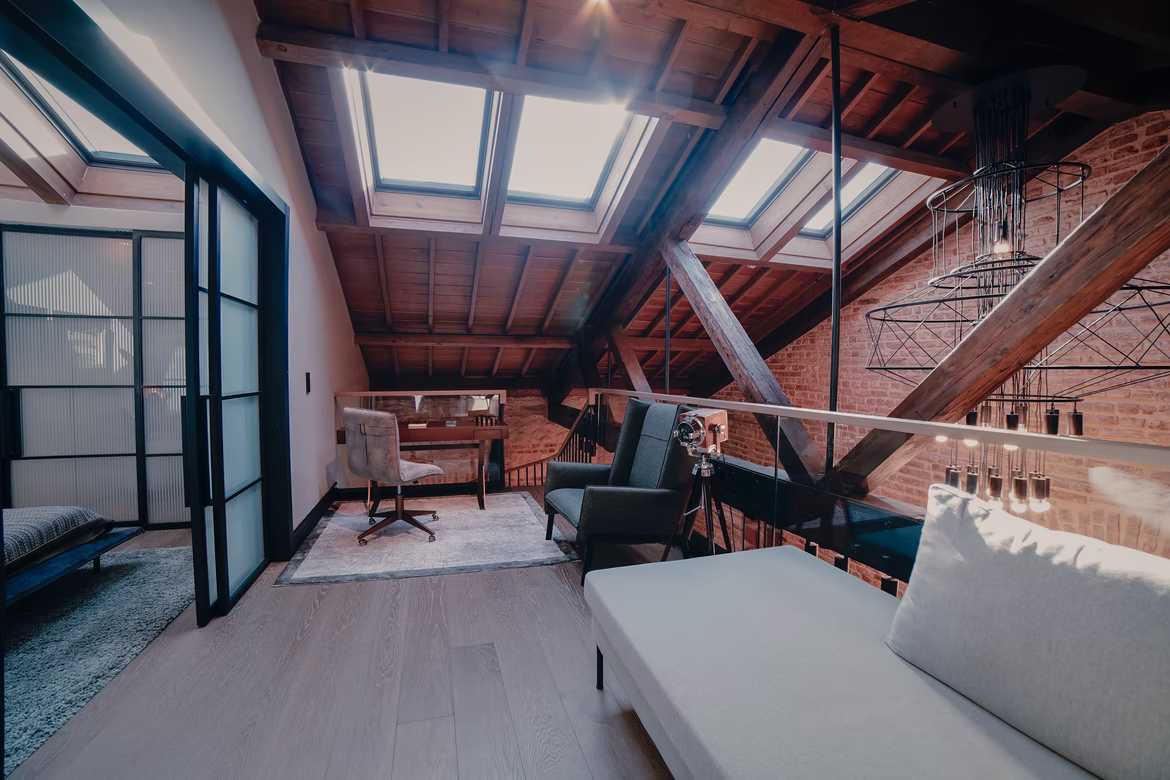
All You Need To Understand About Attic Access Doors
It is now a typical feature for most residential or commercial buildings to have attics. Having one poses some challenges to temperature control because heat and the moisture that comes along with it travels upward. If you don't know how to seal the attic space, it may cause some difficulties, but it will also be challenging if it doesn't have access for maintenance and other purposes.
It is now a typical feature for most residential or commercial buildings to have attics. Having one poses some challenges to temperature control because heat and the moisture that comes along with it travels upward. If you don't know how to seal the attic space, it may cause some difficulties, but it will also be challenging if it doesn't have access for maintenance and other purposes.
Due to this need for access and temperature control, most of the buildings you see today have ceiling and attic access doors and panels that function as separators for the roof spaces and below. It prevents heat loss and moisture buildup in the upper areas. However, some residential or commercial people still don't have attics, ignoring the heat loss and air leaks these areas may give.
Furthermore, when attic hatches are not adequately insulated or maintained, they might influence the proper general operation of the structure and space. An attic hatch is commonly found in walk-in closets or corridors, although it serves the same purpose of providing access to attic space regardless of its location.
These are the things you need to understand about these installations:
Types of Attic Access Doors
There are several types of attic access doors that you can find. Here are the ones you should know about:
#1. Spring-loaded attic access door: You can find the pull-down stair type typically provided in some structures. Due to its spring-loaded design, you can quickly push out the steps by pushing it up and pulling a neighboring rope. These steps are primarily out of wood or metal and folded in and out for convenience. Although this style of attic access door resembles a standard attic hatch, it is more practical due to the built-in ladder.
#2. Knee-wall attic access door: A knee-wall attic access door is another option for getting into the attic. Instead of being a ceiling mount, this door style usually is at mid-height setting mounted on a short, vertical wall. These attic access doors are typically in a tiny room on the top level of the building and utilized as a loft, storage area, or even a bedroom. The ceiling in this space is usually slanted.
#3. Simple attic hatch: A scuttle hole is another name for this type of attic access door, which is exceptionally prevalent in residences. The most popular and extensively utilized attic entrance by homeowners is a primary attic hatch. It is a detachable portion of the ceiling that is often rectangular or square. The homeowner would quickly push up on this ceiling cut-out and shift it to the side to access the attic. The primary attic also comes with a ladder. You will need it to enter the space after the access door is open and out of the way.
Security and Insulation
One consideration for attic access doors is the quantity of insulating material. It makes little difference what door is in the attic; with no insulation, many buildings lose heat through the gap. As a result, it is advisable to have some insulation, such as weather stripping and foam board. It's also worth remembering that the process for installing such insulation aids varies based on the door type.
When considering an attic access door, another factor that you may want to ponder is the amount of security. Fortunately, you may fit every type of attic door with a homeowner or building owner lock. It is suitable for entries on the outside walls of both commercial buildings and residences. It's also crucial to understand door possibilities to select the best attic access door and make the most of what an attic offers.
Maintenance
Aside from purchasing the appropriate attic hatch, it is also critical for its installation to be correct. When warm air goes through a vent, and an access door or panel does not have proper installation, it can result in condensation. It's also essential to check for drafts and ensure no mildew, unpleasant dampness, or pest infestation once the attic access door installation is complete.
Given the location of the attic, regular upkeep is incredibly essential. Infestations from pests and molds may impact the attic since it is difficult to reach and where people rarely visit, which is true in commercial or residential property. It is the reason why regularly maintaining attic access panels is critical.
Purchasing the Access Door that Fits You
When choosing an attic access door, there are so many possibilities that it might be overwhelming. Remember that a decent attic hatch will have a weatherstrip around the outside to provide adequate insulation. It reduces any heat loss from the interior while also preventing any air from entering.
If you select an attic access door, it is essential to collect accurate dimensions and consider other external factors, such as maintaining the proper temperatures within the attic and in the surrounding area. One approach to help with this issue is to have sufficient ventilation and roofing insulation.
Mold and mildew may grow in an attic lacking sufficient ventilation, insulation, or even a proper hatch. If the infestation gets serious, buying the wrong attic access door or failing to maintain the attic may significantly influence the area and potentially one's health.
Never underestimate the value of quality advice coming from a licensed professional. If you need an access door for your building, always consider getting solid counsel from someone reputable with a proven track record. Remember what a suitable access door and panel can do to your building space.

