

A resource for those seeking information on organizing and transforming spaces.

Property Assessments That Need to Be Done Before You Can Start Your Home Construction
Many people dream of building a custom home, but that process can quickly become complicated if you don’t have a proper plan in place. Well before you break ground on your new home, there are some important tests and assessments that must be carried out if you want to avoid problems down the road.
Many people dream of building a custom home, but that process can quickly become complicated if you don’t have a proper plan in place. Well before you break ground on your new home, there are some important tests and assessments that must be carried out if you want to avoid problems down the road.
Zoning
Checking the local zoning laws is the very first thing that you should do before you even consider buying a piece of property to build a home. In certain areas, zoning laws can be extremely complex, and you must be sure that your property is zoned for residential construction. The zoning laws might also contain other statutes such as how many stories the buildings can be and how far away the structures must be from the property line.
Utility Options
Zoning laws are sometimes determined by access to utilities, but that isn’t always the case. To see if you are going to have access to all of the required utility lines, you might need to call each provider and request a utility map. The utility providers will also be able to tell you if there are any buried utility lines on your property that must be avoided. In addition to being extremely dangerous, hitting a utility line could also result in thousands of dollars worth of fines and fees.
Soil
Another important step in this process is having the land inspected by an experienced geotechnical engineer. One of those professionals will have the tools and training that are required for determining how stable a plot of land is going to be. They might also give your building contractor additional instructions if the soil needs to be reinforced or there are unstable embankments.
Groundwater
If this is the first home that you are building, then you might not realize just how important it is to check for groundwater. Following the soil test, your engineer will need to survey the ground for moisture and water that could be below your home. That type of assessment is also going to be important if you are building a home without access to city water lines and you need to dig a well.
All of these assessments might seem like time-consuming hassles, but they will help you avoid quite a few serious problems down the line. Building a home is a major investment, and you need to be sure that you consider all variables before you begin the process.
What to Look for in a New HVAC System
HVAC systems are lifesavers in our homes. They not only ensure we breathe quality air but also keep our rooms heated, making them great for health, relaxation, and general home comfort. Therefore, if you have decided to go for a new HVAC system, it’s one of the most important decisions you can ever make for your home or office. While there are lots of HVAC Systems in the market, selecting one with the right characteristics for your home can be difficult. Therefore, we have come up with top features to look for when shopping for a new HVAC system.
HVAC systems are lifesavers in our homes. They not only ensure we breathe quality air but also keep our rooms heated, making them great for health, relaxation, and general home comfort. Therefore, if you have decided to go for a new HVAC system, it’s one of the most important decisions you can ever make for your home or office. While there are lots of HVAC Systems in the market, selecting one with the right characteristics for your home can be difficult. Therefore, we have come up with top features to look for when shopping for a new HVAC system.
Heating and Cooling Capacity
The first thing you should always look for when shopping for a new HVAC system is the heating and cooling capacity. Usually, these capacities are measured using the British Thermal Units (BTU). If you want a system unit with a higher heating capacity, then you should go with a higher BTU rating. At the same time, units with higher cooling efficiency have higher tons ratings.
Energy Efficiency
Over the last few years, much improvement has been witnessed in HVAC systems. While the older ones consume lots of energy, the newer generations do have a higher energy efficiency rating. Note that the more energy-efficient the HVAC is, the more it will cost to save on your energy bills. Therefore, before you buy a unit, it’s advisable that you check the consumption rates. While doing that, pay close attention to AFUE, HSPF, and SEER ratings. The higher the AFUE, HSPF, and SEER ratings, the more efficient the HVAC system.
Noise Levels
You would also want to have an HVAC system that doesn’t cause much noise pollutions. While the modern units are much quiet while operating, there are some conditioners that generate some disturbing noise. Usually, the sound produced by the conditioners is measured using decibels (dB). Depending on your place of work, or home preference, you should always go for a unit with 60 dB and below. However, you can also consult contractors to help you determine the noise levels.
Maintenance Requirements
Buying a new HVAC system is one thing, and maintaining is the other. While these systems are heavy to acquire, their cost of maintenance can equally be high. Note that failure to do proper maintenance can cause operation failures or damages. Therefore, you should always check the maintenance costs of your system. Also, as you negotiate for installation, also do the same for the service plan. Check whether the vendor is willing to offer regular inspections and repairs at discounts. It will save you in the long run.
HVAC systems help make our offices and homes livable. While buying a new one is a good idea, there are key things you need to check before making the purchase. For instance, you need to check the heating/cooling capacity, efficiency, noise pollution levels, and cost of maintenance. Considering these factors will ensure you enjoy the service of your HVAC unit for a long time.
Steps to Take in Emergency Plumbing Situations
Problems with your faucets, fixtures and pipes can range from mundane annoyances to true plumbing emergencies. When it comes to dealing with serious problems, taking swift and appropriate action can be of paramount importance.
Problems with your faucets, fixtures and pipes can range from mundane annoyances to true plumbing emergencies. When it comes to dealing with serious problems, taking swift and appropriate action can be of paramount importance.
Take Action Immediately
Serious problems with your plumbing system can result in extensive damage throughout the home. Failing to deal with the situation at the earliest opportunity could end up in more extensive damages and higher cleanup and repair costs. Taking action at the first sign of a problem is of the utmost importance for ensuring that a plumbing emergency is able to be dealt with effectively.
Contact a Professional
Trying to identify and correct the underlying problem on your own could result in the loss of valuable time. Few homeowners have the plumbing experience as well as the specialized tools that may be required in order to determine the source of the problem, stop the flow of water or to repair and replace the necessary plumbing components. Calling for help at the earliest opportunity is always the best approach to take.
Try to Contain the Problem
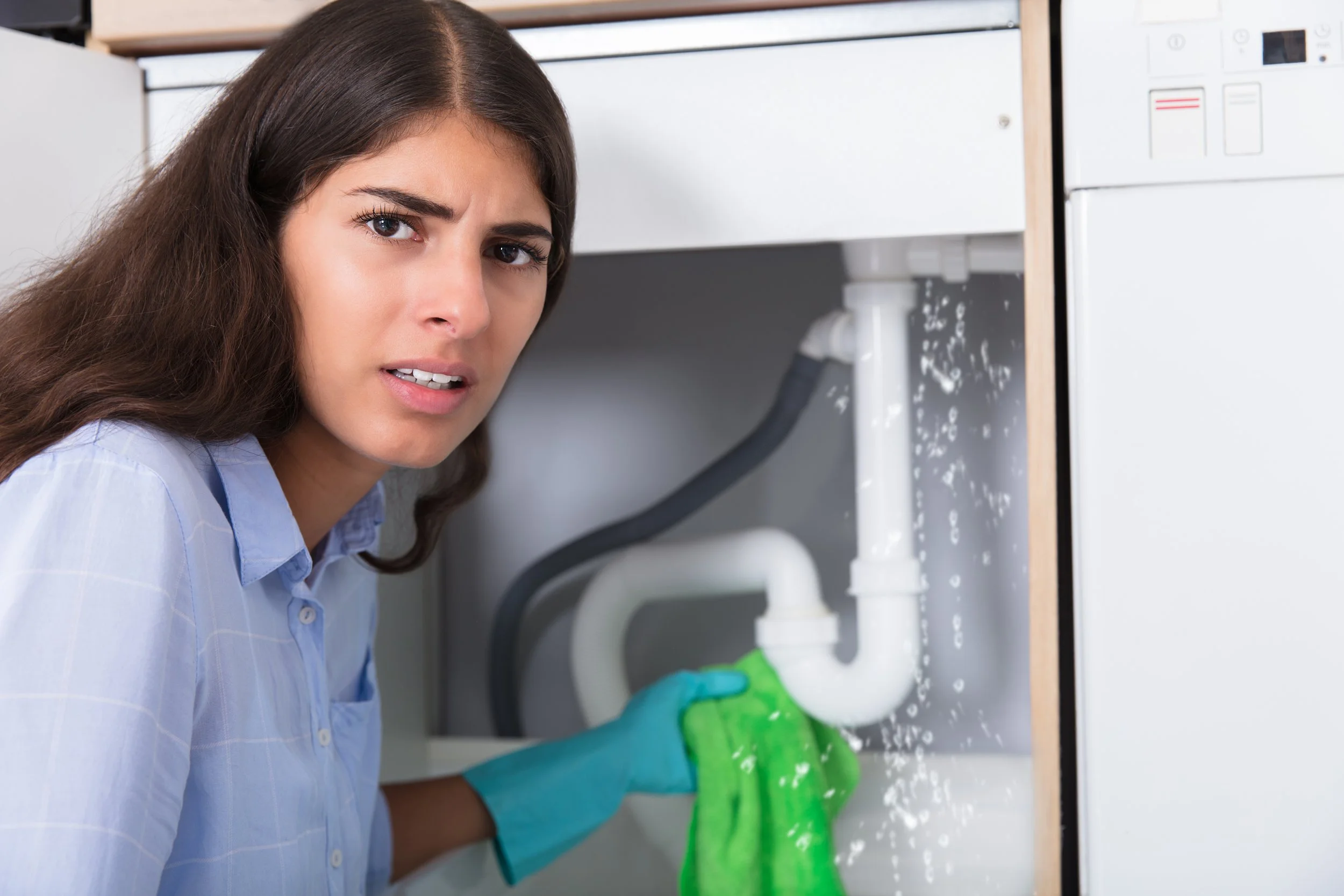
Once a plumber has been called, your next step should be trying to contain the problem as much as possible. Shutting off the flow of water at the source can limit the scope of any potential damages. Moving items away from the affected room or area or using a mop or towels to keep pooling water from spreading can go a long way towards ensuring that cleanup and repair costs are less likely to get out of hand.
Deal With Cleanup Quickly
Standing water and moist surfaces can easily lead to a mold or mildew infestation within the home. Once the underlying problem has been found and corrected, ensuring a swift cleanup should be your next concern. Removing standing water and doing what you can in order to dry out any items, materials, or surfaces that were affected end up making a world of difference. Fans, heaters and other special cleanup equipment may be required when dealing with the aftermath of a true plumbing emergency.
From calling in the professionals to ensuring that cleanup efforts can be done as soon as possible, knowing which steps to take when dealing with a plumbing emergency can make a world of difference. Taking quick and effective action to deal with a plumbing problem can go a long way towards protecting both your home and your household budget.
What To Do When Your House Starts to Crack
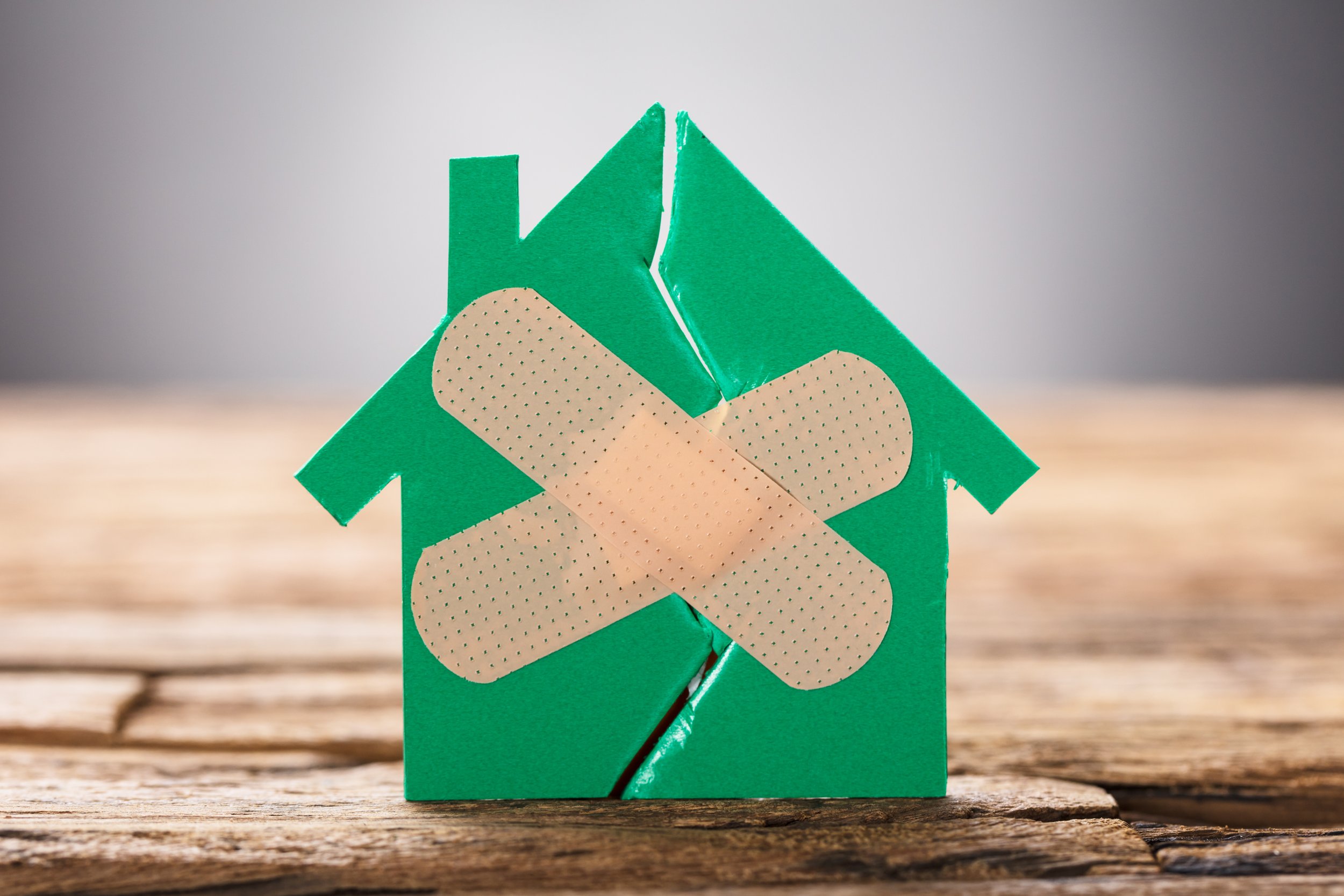
Cracked drywall and other signs of structural damage within the home are never an issue that property owners can afford to take lightly. Knowing what to do when your house starts to crack could end up making a world of difference.
Cracked drywall and other signs of structural damage within the home are never an issue that property owners can afford to take lightly. Knowing what to do when your house starts to crack could end up making a world of difference.
Take Action Quickly
Failing to determine the source of a crack as quickly as possible could be nothing short of a disaster. Homeowners who choose to ignore the problem or who fail to take effective steps to address it could soon find themselves faced with more extensive damage and much higher repair costs. Documenting the crack thoroughly, inspecting the home for additional cracks, and calling in the professionals at the first sign of trouble are all steps that should be taken without delay.
Look for Additional Damage
A damaged foundation can place considerable strain on drywall, supports, and other construction materials. While a single crack can be caused by physical damage to a wall or other interior surface, a damaged foundation can typically cause multiple cracks throughout the home. Taking a look around the house and carefully inspecting walls and ceilings for other cracks and signs of visible damage can be well worth the time and effort involved.
Document the Damage
Documenting any cracks that appear within the home would be to your advantage. Taking a few photographs and writing down details about cracks measurements or the date when they first appeared can provide foundation repair professionals, ones like the people who can be found at Du-West Foundation Repair, with valuable information. Being able to accurately determine when structural problems first arose or knowing how long it took for cracks to grow in size can make determining the nature and scope of the underlying problem much easier.
Call a Professional
Few home and property owners possess the tools and technical skills needed to assess the state of their foundation or to conduct any repairs that may be required. Experienced professionals who are able to provide both comprehensive assessments, as well as quality repair services, often prove to be an indispensable resource. Should you notice a crack or have any concerns regarding the state of your home's foundation, calling in professionals is often the best approach to take.
A damaged foundation can undermine the structural integrity of the entire home and taking swift action to deal with the situation will be crucial for ensuring that repair costs do not get out of hand. Knowing what to do when your house begins to crack is never an issue that should be left to chance.

