

A resource for those seeking information on organizing and transforming spaces.
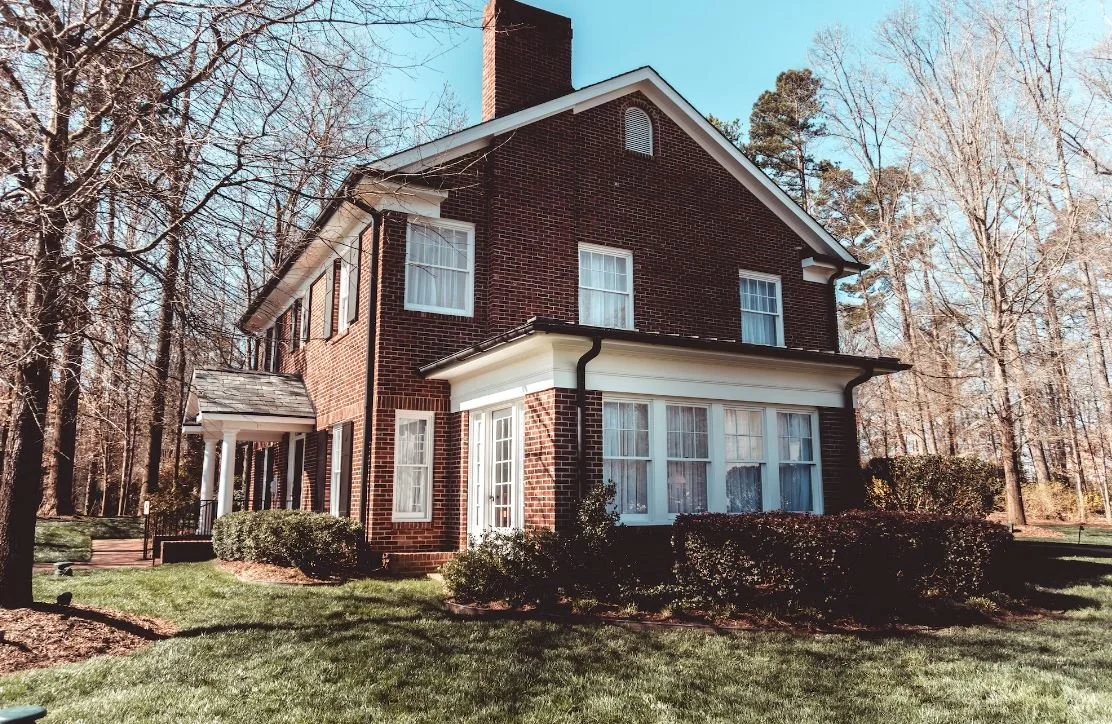
How to Properly Restore a Historic Home
Historic homes are amazing structures that have stood the test of time. They are not just ordinary houses because they offer more than just a roof over your head. These homes have history, character, and unique stories to tell. Restoring a historic home can be a challenging, yet rewarding experience. It’s a labor of love that requires careful planning and execution. In this post, we’ll guide you through the process of restoring a historic home and provide you with some tips on how to do it properly.
Historic homes are amazing structures that have stood the test of time. They are not just ordinary houses because they offer more than just a roof over your head. These homes have history, character, and unique stories to tell. Restoring a historic home can be a challenging, yet rewarding experience. It’s a labor of love that requires careful planning and execution. In this post, we’ll guide you through the process of restoring a historic home and provide you with some tips on how to do it properly.
Research and Understand the Home’s History
One of the most crucial steps when restoring a historic home is to research and understand the home’s history. Understanding its history can help you identify its architectural style and other unique features that would need to be restored. Also, it’s important to understand the home’s historical significance within the community. By doing so, you will understand what can and can’t be done in the restoration process.
Plan Out the Restoration Process
After researching and understanding the home’s history, it’s time to plan out the restoration process. You should hire an architect or a contractor that has experience in building historic restoration services. They will help you evaluate the structure and provide you with a plan that fits within the guidelines set by your city or town’s historical commission.
Use Appropriate Materials
When restoring a historic home, it’s essential to use appropriate materials. Choosing the wrong materials can compromise the home's integrity and could result in irreversible damage. It’s best to use original materials when possible. If not, then use reproductions that look exactly like them. You should also consider the layout of the home and ensure that the materials you're using match the historical era.
Focus on Preservation Rather Than Renovation
Historic homes are special and unique, and they should be treated as such. When restoring your historic home, you should focus on preservation rather than renovation. The goal of preservation is to maintain the home’s authenticity and historical significance. Renovation, on the other hand, is geared towards updating the house to modern standards. By prioritizing preservation, you can maintain the home’s original charm and allure.
Be Patient and Mindful
Restoring a historic home can be a long process, and you should be patient and mindful throughout it. It would take some time before you can move in. The restoration process can take months or even years, so it’s important to focus on the end result. You might encounter challenges along the way, but keep in mind that the end result is worth it.
Restoring a historic home can be a daunting task, but the end result is worth it. The key is to research, plan, and prioritize preservation. So, if you’re considering restoring a historic home, we suggest that you hire professionals who understand the importance of preserving the home's historical and architectural significance. With proper planning, careful execution, and patience, you can bring back a piece of history and preserve it for generations to come.

Garden Wedding Essentials: Creating the Perfect Outdoor Celebration
A garden wedding is the epitome of romantic elegance, combining nature's beauty with the joy of a couple's special day. The allure of a lush green setting, blooming flowers, and the serenity of the outdoors create a whimsical and intimate atmosphere that's unmatched. This guide will provide essential tips and insights to help you plan the perfect garden wedding, ensuring that every detail, from the décor to the logistics, complements your outdoor setting beautifully. When the weather is favorable, garden weddings are a fantastic option for couples looking to tie the knot in a picturesque location. So without further ado, let's dive into the essentials of creating the perfect outdoor celebration.
A garden wedding is the epitome of romantic elegance, combining nature's beauty with the joy of a couple's special day. The allure of a lush green setting, blooming flowers, and the serenity of the outdoors create a whimsical and intimate atmosphere that's unmatched. This guide will provide essential tips and insights to help you plan the perfect garden wedding, ensuring that every detail, from the décor to the logistics, complements your outdoor setting beautifully. When the weather is favorable, garden weddings are a fantastic option for couples looking to tie the knot in a picturesque location. So without further ado, let's dive into the essentials of creating the perfect outdoor celebration.
Choosing the Perfect Garden Venue
The first step in planning a garden wedding is finding the ideal venue that fits your vision and budget. When selecting a garden venue, consider factors such as size, location, and availability. Keep in mind the number of guests you're expecting and choose a venue that can comfortably accommodate them. You'll also want to ensure that the location is easily accessible for your guests and has ample parking.
Another crucial factor to consider is the type of garden – whether it's a public or private garden, formal or informal, and if it has any restrictions or limitations. For instance, public gardens may have specific hours of operation, while private gardens may have rules regarding decorations and noise levels. It's essential to clarify these details with the venue before booking to avoid any surprises on your big day.
Seasonal Considerations
One of the perks of a garden wedding is the beautiful backdrop that nature provides. However, it's crucial to consider the season and how it may affect your wedding. For example, a summer garden wedding may be perfect for those who love warm weather and vibrant blooms, but it can also mean dealing with potential heat and humidity. On the other hand, a fall garden wedding offers stunning foliage and cooler temperatures, but there's always a chance of rain.
It's essential to plan for any potential weather conditions and have a backup plan in case of rain or extreme temperatures. Some venues may offer tents or indoor spaces for such situations, but if not, it's a good idea to rent them yourself to ensure your guests' comfort.
Sourcing Chairs for Your Garden Wedding
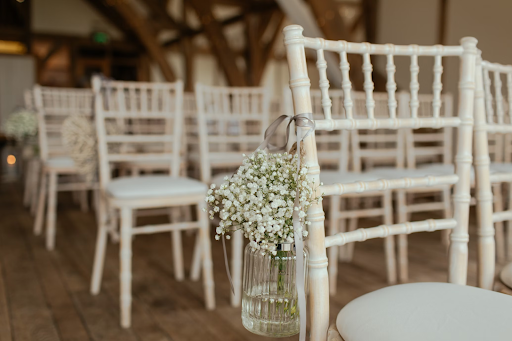
When planning your garden wedding, the comfort and convenience of your guests should be a top priority. This includes sourcing ideal furniture, especially chairs, that will align with the style of your wedding and provide comfortable seating for your guests. The nature of a garden wedding might require special consideration when it comes to selecting and renting chairs. Namely, choosing wooden chair hire is both practical and aesthetically pleasing for an outdoor celebration. Wooden chairs are durable and sturdy, making them perfect for garden weddings where the ground might be uneven or unstable. They also add a touch of rustic charm to the setting, complementing the natural surroundings. You can also choose to decorate them with flowers, ribbons, or other decorations to match your wedding theme
Décor and Design Elements
When it comes to garden weddings, the décor and design elements should complement the natural beauty of the surroundings. Focus on incorporating elements such as flowers, greenery, and other natural materials into your wedding décor. This will not only enhance the overall aesthetic but also add a touch of charm and romance to your celebration.
Consider using seasonal flowers or those that are native to the garden's location for a more cohesive look. You can also incorporate personalized touches, such as DIY decorations or family heirlooms, to add a unique and personal touch to your garden wedding.
Lighting Considerations
The right lighting can create a magical atmosphere at an outdoor wedding, illuminating the garden venue and providing a beautiful glow as the sun sets. For the main areas, consider string lights or chandeliers hung from trees, creating a canopy of lights above your guests. On tables, place soft, romantic candlelight or lanterns to add warmth and intimacy to the setting. Pathways can be lit with ground-level lighting like luminaria or solar lights, ensuring guests can navigate the garden safely. Always check with your venue regarding any restrictions on outdoor lighting, and consider hiring a professional to install and manage the lighting setup to guarantee a seamless experience.
Weather-Proofing Your Garden Wedding
While garden weddings are beautiful, they come with the risk of unpredictable weather. To ensure your celebration goes smoothly, it's essential to have a contingency plan in case of rain or extreme temperatures.
Consider renting a tent to provide shelter for guests and protect them from any unexpected downpours. You can also rent outdoor heaters or fans depending on the season to keep guests comfortable. Lastly, ensure that your wedding attire and those of your guests are weather-appropriate, and have umbrellas on hand just in case.
A garden wedding is a whimsical and enchanting backdrop for any couple's special day. With meticulous planning and attention to detail, you can craft a flawless outdoor celebration that will leave you and your guests with treasured memories for years to come. Remember to select the perfect garden venue, consider seasonal elements, provide comfortable seating, incorporate natural decor, and have a contingency plan for inclement weather. By keeping these essentials in mind, you'll be well on your way to creating the ultimate garden wedding experience.

Buying or Renting a Property? Here’s How to Make a Good Choice
Navigating the ever-changing real estate market and financial considerations can be overwhelming. Whether you're a first-time homebuyer pursuing your dream home or a working professional weighing the pros and cons of renting in a bustling city, this blog post is here to help. We'll delve into the technicalities and formalities of both options so you can make an informed choice based on your needs. Gain valuable insights and clarity in choosing between renting or buying a property.
Navigating the ever-changing real estate market and financial considerations can be overwhelming. Whether you're a first-time homebuyer pursuing your dream home or a working professional weighing the pros and cons of renting in a bustling city, this blog post is here to help. We'll delve into the technicalities and formalities of both options so you can make an informed choice based on your needs. Gain valuable insights and clarity in choosing between renting or buying a property.
Understanding your current financial situation
Before deciding between buying and renting a property, take a look at your current financial situation. This includes not only your income and savings but also any outstanding debts or expenses. It's crucial to have a clear understanding of your budget and what you can afford when it comes to a monthly mortgage payment or rent. Consider factors such as job stability, future financial goals, and potential unexpected expenses. It's also a good idea to consult with a financial advisor or mortgage lender to get a better understanding of your options and what fits within your budget.
Researching the real estate market
Researching the real estate market is an essential step in deciding between buying or renting a property. It's important to understand the current trends and prices in the area you're interested in. You can do this by looking at online listings, talking to a realtor in Estero or any other location you're considering, and attending open houses. Keep in mind factors such as location, amenities, and school districts when researching the market. This information will give you a better idea of what is available within your budget and help you make an informed decision.
Benefits of buying a property
There are several benefits to buying a property, including building equity over time and the potential for long-term financial gain. When you own a home, your monthly mortgage payments contribute towards owning an asset that can be appreciated over time. Buying also allows for more freedom to customize and make changes to the property as desired. Additionally, homeownership can provide stability and a sense of pride in owning your own space.
Benefits of renting a property
On the other hand, renting a property also has its advantages. Renting can provide more flexibility and less responsibility compared to owning a home. Tenants do not have to worry about costly repairs or maintenance, as these are typically the responsibility of the landlord. Renting also allows for easier relocation if needed, without the hassle of selling a property first. In some cases, renting may be more cost-effective than buying, especially if you're in a location with high property values.
New ways to increase home value on a budget
There are various ways to increase the value of a property without breaking the bank. One cost-effective way is by making small updates and renovations, such as refreshing paint or updating fixtures. Another option is to focus on curb appeal, as first impressions can greatly impact the perceived value of a property. This can include simple landscaping and cleaning up the exterior of the home. Plus, investing in energy-efficient upgrades, such as appliances or windows, can not only increase the value of a property but also save money on utility bills in the long run.
Additional tips for making a decision

In addition to considering your financial situation and researching the market, there are a few other factors to keep in mind when deciding between buying or renting a property. First, think about your long-term plans and whether owning a home aligns with them. If you plan on staying in the same location for many years, buying may be the better option. However, if you anticipate potential job changes or moves shortly, renting may be a better fit. It's also important to consider your lifestyle and what type of home would best suit your needs. For example, if you enjoy DIY projects and have experience with home maintenance, buying a fixer-upper may be a good investment. Carefully considering these factors and weighing your options can help you make the best decision for your current situation.
There are many factors to consider when deciding between buying or renting a property. It's important to carefully assess your financial situation and research the real estate market before making a decision. Both options have their unique benefits, and it ultimately comes down to personal preferences and individual circumstances. By following these tips and seeking guidance from professionals, you can make an informed choice that aligns with your goals and needs. Happy property hunting!

How To Help Your Home Recover After a Windstorm
Having your home experience a windstorm is scary and requires plenty of cleanup. Learn how to help your home recover after a windstorm here.

Windstorms are scary and relatively common problems for homeowners, depending on where they live. If you have or might experience a windstorm in your area, it’s helpful to know how to help your home recover after. Here, we’ll walk through the steps you need to take to repair and recover your home following this unfortunate weather event.
Check for Exterior Damage to Your Home and Landscaping
Carefully inspect your roof, siding, and any windows or doors for signs of damage. Don’t forget to assess your landscaping, as broken or fallen branches can cause additional harm to your home if left unaddressed. Be thorough, but also be cautious. If you’re unsure about the stability of a structure, call a professional.
Document All Damage To Report to Your Insurance
Take photos and make notes of any damage to your home or property. Be sure to include the location of the damage and any relevant details, such as the size of the affected area or type of debris. This information will be valuable when filing your insurance claim.
Remove Debris and Damaged Trees To Limit Hazards in Your Yard
While cleaning up your property, dispose of debris safely. If any trees pose a risk of falling on your home or causing further damage, consult with a professional arborist or tree removal service to avoid accidents and injury. Check whether your homeowner’s insurance covers emergency tree services; it probably does to some degree!
Reevaluate Your Current Build and Landscaping To Better Prepare for a Future Storm
Take note of any areas that may need reinforcement or improvements, such as your roof, windows, or siding. In the case of landscaping, consider planting sturdy, wind-resistant trees and plants that offer natural protection for your home.
Knowing how to help your home recover after a windstorm is vital for homeowners. Once you’ve addressed any damage and made the necessary improvements, keep the experience in mind for future storms. By learning from past weather events, you can take proactive steps to protect your home and property.

