

A resource for those seeking information on organizing and transforming spaces.

Shaking Up Your House: Decor Ideas for Your Home's Exterior
Your home exterior is the first thing people will see when they visit your home or even just pass by it. Therefore, it’s important to give it the same attention and care as your home interior. A well-decorated exterior can speak volumes about your personality and style. It’s not just about curb appeal but also about creating a space that reflects who you are. In this article, we’ll explore some exciting decor ideas to help you shape your home’s exterior look.
Your home exterior is the first thing people will see when they visit your home or even just pass by it. Therefore, it’s important to give it the same attention and care as your home interior. A well-decorated exterior can speak volumes about your personality and style. It’s not just about curb appeal but also about creating a space that reflects who you are. In this article, we’ll explore some exciting decor ideas to help you shape your home’s exterior look.
Add Some Color
Adding color to your home’s exterior can instantly transform it. You don’t have to paint your entire home to achieve this – just focus on a few areas. For instance, painting your front door in a bold color can create a focal point that can make your home look more inviting. You can also add colorful shutters or window boxes to highlight your windows. Finally, contractors like Superior Products specialize in unique options for siding, which can provide a great base color to accent other decorations. Remember that your chosen colors should complement your home’s architecture and landscape.
Create a Focal Point
Creating a focal point is an excellent way to draw attention to a specific area of your home. You can achieve this by adding a unique feature, such as a tree swing, a pergola, or a fountain. A focal point doesn’t have to be expensive or extravagant – it can be as simple as a cozy sitting area with a fire pit.
Add Texture
Texture can add depth and interest to your home’s exterior. You can achieve this by incorporating different materials like wood, stone, brick, or stucco. For example, you could create a faux stone wall, add wood panels, or install a decorative metal screen. Texture can also be added through landscaping by varying the heights and types of plants.
Outdoor Lighting
Outdoor lighting can enhance the beauty of your home’s exterior, provide safety, and create a warm and inviting atmosphere. You can add lighting to your home’s facade, pathways, trees, and water features. You can choose from various lighting options, such as string lights, wall sconces, lanterns, or landscape lighting. Make sure to choose lighting that fits the style and size of your home.
Incorporate Art
Incorporating art into your home’s exterior can add personality and creativity. You can choose from a variety of art pieces, such as metal sculptures, murals, water features, or mosaics. You can even create your own artwork by painting an outdoor mural, making a mosaic, or even hanging a colorful tapestry on an exterior wall. Art doesn't have to be expensive, and it can be an excellent way to personalize your home's exterior.
Your home’s exterior can be a blank canvas that can be transformed into a beautiful work of art. You can create a space that reflects your style and personality by incorporating color, texture, focal points, lighting, and art. So, get ready to shake up your house and transform your home’s exterior into a space you'll be proud of.

Preparing the Self and the Home for a New Life Chapter
The need to change your property for an impending life change can be jarring and stressful, but it doesn’t have to be that way. The tips discussed here can help you to prepare for the unexpected through decluttering, remodeling, and other steps.
The need to change your property for an impending life change can be jarring and stressful, but it doesn’t have to be that way. The tips discussed here can help you to prepare for the unexpected through decluttering, remodeling, and other steps.
Think About How You Can Declutter
Many new life chapters will require you to declutter your home, reorganize, and potentially eliminate items you no longer need. When a change occurs, consider what you should keep, donate, or trash.
For instance, if you’re reaching retirement age, you may need to downsize to a smaller property, and it may require getting rid of items you don’t use. When that time comes, go room by room and look at clothes and items you haven’t used in the last year and consider if you really need to keep it all. When you’re doing that, think about if you have items that can be used again, like those outfits in your closet, and if they can, donate them to charity so someone else can use them for their own life chapter.
Decluttering can also be a factor when it comes to a career shift. Your new job may be more professional and require you to modify your closet to make room for business attire, or you may need to clean a room to make it into an office. Do what’s necessary in your house because smart organization benefits your space and mental health. A cluttered house can naturally make you anxious because you start worrying about how you will wrangle the mess, and you don’t need that stress when starting a new job. Clean one area at a time, and you’ll feel better overall.
Preparing For A New Addition To The Family
You may also need to take a deep dive around your home if you’re about to have children. You’ll want to create an open space where the kids can roam without the risk of tripping and falling while also removing sharp or dangerous items that can cause harm.
Bringing a child into your home may also mean that you need to get rid of your current car to buy something bigger or more kid-friendly. You have options when getting rid of a car; many people sell or donate their vehicle. Before you do, you’ll want to make considerations, including whether you have the title, which will simplify the donation during a charity auction. Also, think about how you do your taxes and if itemizing your deductions will provide a financial benefit.
You may be like many homeowners who choose to add a pet to their family. In this case, you’ll also want to plan accordingly. Welcoming a pet may require cleaning out an entire room to make space for a dog bed, scratching post, and other pet necessities. Also, go around the house and remove items and food that could be hazardous to the pet.
Finally, think about finances and other affairs, including buying homeowners insurance with dogs. It’s a good idea to add your dog to your insurance so you can cover damages and injuries they may cause. However, be aware that many insurance companies won’t allow some breeds on the policy, including rottweilers and pit bulls, especially if they have a history of biting or causing damage. However, some will allow it. You should shop around so you can cover damage if it does occur.
Remodeling Ideas
Sometimes, decluttering is not enough and you may need to make more space or repurpose a room by remodeling.
Many new empty nesters decide to remodel once the kids leave because they want to make the home their own. Some choose to add a hobby room or a home gym or simply enlarge the master bedroom to provide more space and luxury. Remodeling is also common for families welcoming a baby, especially when they don't currently have space for a nursery.
Before you start calling contractors and making grand plans, you need to have an idea of the best way to remodel for your life change. For instance, you may want to consider adding a baby-room close to the master bedroom so you can keep an eye on the child.
If you’re starting a new business where you’re working from home, it’s wise to choose a good area of the house where you’ll have space for windows so you can use the natural sunlight to see your work during the day and save money for your utility bills. Think about your specific situation and make the appropriate plans.
Conclusion
There’s no getting around the fact that you will go through a lot of life changes over the years, and your home is along for the ride. Make the best decisions every step of the way, and your transitions will be exciting and easygoing.

You Should Keep These Items in Your Home’s First Aid Kit
A well-stocked first aid kit is a must-have in any home. These kits can provide immediate, often essential, treatment during emergencies while waiting for medical aid. From minor incidents such as cuts and bruises to more severe conditions like burns or fractures, a first aid kit can play a pivotal role in mitigating harm and potentially saving lives. This blog will guide you through the essential items to include in your home's first aid kit to ensure you're fully prepared for any unforeseen medical circumstances.
A well-stocked first aid kit is a must-have in any home. These kits can provide immediate, often essential, treatment during emergencies while waiting for medical aid. From minor incidents such as cuts and bruises to more severe conditions like burns or fractures, a first aid kit can play a pivotal role in mitigating harm and potentially saving lives. This blog will guide you through the essential items to include in your home's first aid kit to ensure you're fully prepared for any unforeseen medical circumstances.
Wound Care Basics
Firstly, it's important to have items for wound care. Sterile adhesive bandages in various sizes and butterfly closures are essential for covering and protecting minor cuts and scrapes, helping to prevent infection. The team behind saveritemedical.com says that gauze pads and adhesive tape can be used for larger injuries, while antiseptic wipes and hydrogen peroxide are handy for cleansing wounds before dressing. An instant cold pack can help reduce swelling or pain from injuries. Investing in a pair of non-latex gloves is also a good idea, as it helps prevent the spread of infectious diseases while treating wounds. Lastly, tweezers can be useful for removing splinters or other foreign objects.
Over-the-Counter Medications
Equally important are over-the-counter medications for treating common ailments. These may include pain relievers such as acetaminophen or ibuprofen for temporary relief from minor aches and pains. Antihistamines are useful for dealing with allergic reactions, while hydrocortisone cream can alleviate skin irritation or inflammation caused by conditions such as eczema or insect bites. Diarrhea medications and antacids can help manage digestive issues. It's also beneficial to include a thermometer to monitor body temperature in cases of fever. Remember to regularly check and replace these medications to ensure they haven't expired. Always read the medication label and abide by its instructions.
Emergency Tools
In addition to medications and wound care items, your first aid kit should also contain essential emergency tools. A first aid manual is crucial, providing step-by-step instructions on how to handle common medical emergencies. A flashlight with extra batteries can be a lifesaver in power outages or low-light conditions. Medical-grade scissors are useful for cutting tape or clothing, and a breathing barrier with a one-way valve is vital for performing CPR. Keeping a list of emergency contact numbers, including your family doctor and local poison control center, can also prove indispensable in a crisis. Furthermore, if anyone in your household has specific medical needs, such as asthma or allergies, consider adding any necessary specialized items to your kit.
Personalized Medications
Personalized medications should also find a place in your first aid kit, especially if you or any of your family members have prescribed medications for chronic conditions such as diabetes, heart disease, or high blood pressure. These can be a lifesaver in case you run out or forget to take your regular dose. Asthma sufferers should consider keeping a spare inhaler, and those with severe allergies may require an EpiPen. These medications must be stored properly as per their instruction to maintain their efficacy and should be regularly checked for expiration. Take note, however, that these medications should only be used by the person they were prescribed to, and in an emergency, medical advice should be sought where possible.
Burns and Blister Solutions
Another essential category to consider when stocking your home's first aid kit is solutions for burns and blisters. Burn creams or gels provide relief from minor burns and help to promote healing. These products often contain lidocaine, which numbs the burned area, and aloe vera, which soothes and moisturizes the skin. For more severe burns, seek professional medical help immediately.
Blisters, on the other hand, can be handled with moleskin or specialized blister bandages, which can reduce pressure and friction and prevent further irritation. Remember that, unless necessary, you should avoid popping blisters to minimize the risk of infection. Always clean the affected area with a mild soap and water before applying any treatment.
First Aid Manual

A comprehensive first aid manual is a cornerstone of any effective home first aid kit. This manual should contain clear, easy-to-understand instructions on handling a wide range of medical emergencies from minor to major, such as treating wounds, burns, or fractures, responding to allergic reactions, and performing CPR.
The American Red Cross provides an excellent, updated first aid manual that can be downloaded for free. Remember, the goal of first aid is to manage the situation until professional medical help can be obtained. Therefore, it's crucial to also include the contact information of your local emergency services, poison control center, and family doctor in the manual for immediate access in case of severe emergencies. Further, it's a good idea to familiarize yourself and family members with the manual's contents before an emergency arises to ensure a swift, effective response.
In conclusion, a well-stocked first aid kit is an essential item that every household should have. By including wound care basics, over-the-counter medications, emergency tools, personalized medications, and solutions for burns and blisters, you can ensure that your family is adequately prepared to handle any medical emergency.
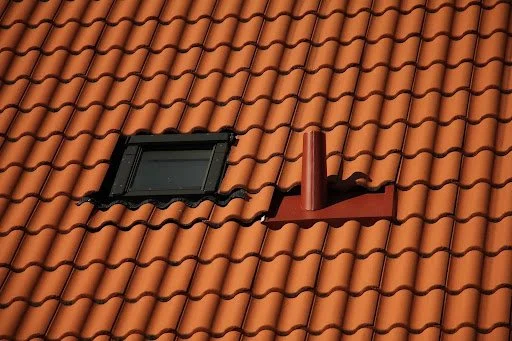
Peak Performance: 6 Proven Strategies to Prolong the Life of Your Roof
As a homeowner, one of the biggest investments you will make is your roof. Not only does it protect your home and loved ones from the elements, but it also adds to the overall aesthetic and value of your property. However, with harsh weather conditions becoming more frequent due to climate change, homeowners are faced with the challenge of maintaining their roofs to ensure longevity. The last thing anyone wants is to have constant repairs or full replacements that can be financially draining and disruptive to daily life.
As a homeowner, one of the biggest investments you will make is your roof. Not only does it protect your home and loved ones from the elements, but it also adds to the overall aesthetic and value of your property. However, with harsh weather conditions becoming more frequent due to climate change, homeowners are faced with the challenge of maintaining their roofs to ensure longevity. The last thing anyone wants is to have constant repairs or full replacements that can be financially draining and disruptive to daily life.
That's why in this blog post, we will discuss 6 proven strategies for prolonging the life of your roof and keeping it in peak performance condition for years to come. From simple maintenance tips to advanced techniques, we've got you covered with all the essential information you need as a homeowner looking to protect your investment and maintain a safe and comfortable living space for yourself and your family.
Importance of maintaining your roof
Your roof is one of the most important parts of your home's structure. It protects you and your family from the elements and helps to maintain a comfortable living environment inside your home. Unfortunately, roofs are often neglected until there is an issue, such as a leak or damage from a storm. Regular maintenance is crucial to preventing these types of problems from occurring and prolonging the lifespan of your roof, experts from Tried and True Roofing in Denver explain. This includes having your roof inspected regularly, keeping it clear of debris, and addressing any issues promptly. By taking the time to maintain your roof, you can avoid costly repairs and ensure that your home stays safe and comfortable for years to come.
Start from the top
Looking up at your roof may not be the most exciting task, but it could save you a whole lot of trouble in the long run. Starting from the top is crucial when it comes to properly maintaining your home, and that means inspecting and repairing any damage or leaks on your roof. While it may seem daunting, checking for damage on your roof can be a simple task that could prevent major headaches later on, such as water damage or mold growth. With a little bit of effort and attention to detail, you'll be able to rest easy knowing that your roof is in good shape and will protect your home for years to come.
Keep it clean
A clean and well-maintained exterior speaks volumes about a home or business. Not only does it improve curb appeal, but it also helps to prevent potential damage. Any debris, moss, or algae buildup can cause structural damage over time if left unchecked. It's important to regularly assess and remove any buildup to maintain the integrity of your property. Not to mention, a fresh and clean appearance is always inviting and helps boost the overall aesthetic appeal. So why not give your property the attention it deserves and keep it clean?
Ventilate properly
Proper ventilation is crucial to ensure the longevity of your space. With the rise of mold and rot in poorly ventilated areas, it's more important than ever to make sure you have proper airflow in your home or office. Not only does good airflow prevent the growth of mold and rot, but it also helps to regulate the temperature and freshen up the atmosphere. So, if you're looking for a simple and effective way to maintain a healthy and safe environment, make sure to prioritize proper ventilation. It's a small step with big benefits.
Consider energy
With more and more focus being placed on sustainability and reducing our carbon footprint, energy-efficient options are becoming an increasingly hot topic. Two options, in particular, that are gaining traction are cool roofs and solar panels. Cool roofs are designed to reflect more sunlight and absorb less heat than traditional roofs, thereby reducing the amount of energy needed to cool a building.
Solar panels, on the other hand, take advantage of the sun's energy to produce electricity and can drastically reduce the amount of fossil fuels needed to power a home or building. These options not only save you money on energy bills but can also contribute to a more sustainable and eco-friendly future.
Don't neglect the gutters
We all know that maintaining a home can be a daunting task, but neglecting your gutters can lead to major problems down the line. Regular cleaning and maintenance of your gutters is crucial in protecting your roof's foundation. Clogged gutters can cause water to pool on your roof, potentially seeping into your home's structure and causing costly damage.
Not to mention, neglected gutters can become a breeding ground for pests and rodents. So, make sure to add regular gutter cleaning to your household maintenance routine to avoid these potential headaches in the future.
Stay protected
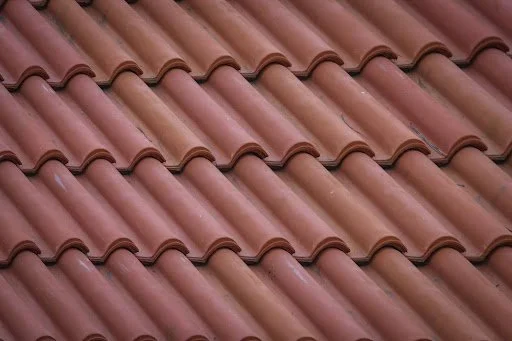
Investing in high-quality roofing materials is a smart decision if you're looking to keep your home protected and looking its best for years to come. Not only do the right materials provide superior durability in extreme weather conditions, but they can also help ensure your family stays safe and comfortable no matter what Mother Nature has in store.
From long-lasting shingles to advanced underlayment, there are a range of roofing options available that can meet your needs and budget. So don't wait to invest in top-quality roofing materials – they're an investment in your home's future that you won't regret.
In conclusion, maintaining your roof may seem like a daunting and time-consuming task, but the benefits far outweigh the effort and cost. So why wait? Take action now to protect your investment and keep your family safe under a well-maintained roof. Don't forget our bonus tip - hire a professional for a thorough inspection and maintenance plan. With proper care and attention, your roof will continue to be the crown jewel of your home for years to come.

