

A resource for those seeking information on organizing and transforming spaces.
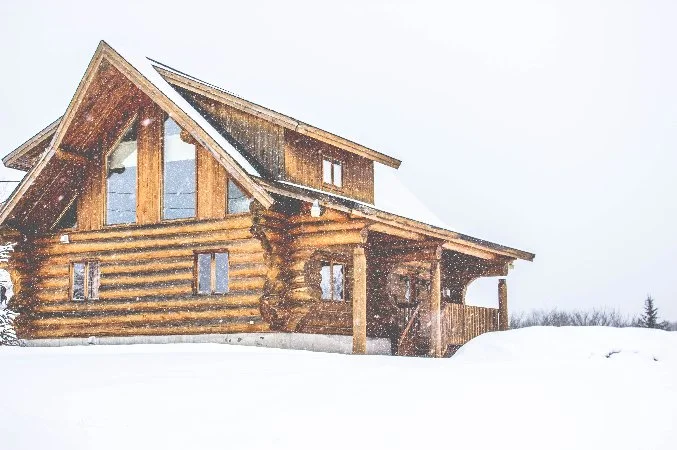
Choosing the Right Roofing Material To Fit Your Area’s Weather
The roof is the most important part of your home’s structure. It protects your property from natural elements and harsh weather conditions. Since your choice of roofing material can significantly impact the safety and durability of your home, it is pertinent to make a wise decision. In this blog, we’ll discuss which roofing materials work best for certain types of weather and climate. From hot and dry to cold and rainy, we’ve got you covered!
The roof is the most important part of your home’s structure. It protects your property from natural elements and harsh weather conditions. Since your choice of roofing material can significantly impact the safety and durability of your home, it is pertinent to make a wise decision. In this blog, we’ll discuss which roofing materials work best for certain types of weather and climate. From hot and dry to cold and rainy, we’ve got you covered!
Asphalt Shingles
Asphalt shingles are the most commonly used roofing materials in the United States. They work well in different climates, including hot, cold, and rainy. These shingles come in various styles and colors, making them a popular choice for homeowners. They are relatively cheap and easy to install, and with proper maintenance, they can last for up to 30 years.
Metal Roofs
Metal roofing is an excellent choice for properties that experience extreme weather conditions. They are ideal for areas that receive heavy rainfall, strong winds, and snow. Metal roofs usually come in sheets or shingles, and they are available in different materials such as aluminum, copper, and steel. Compared to other roofing materials, metal roofs require little to no maintenance and can last for several decades.
Wood Shingles
Wood shingles are an excellent option for properties in areas with sunny and dry climates. They are known for their natural beauty, and they can give your home a warm and cozy feel. However, they are not ideal for wet climates because they can absorb moisture, which leads to decay and rotting. If you choose to install wood shingles, make sure to maintain them regularly to prevent mold, rot, and insect infestation.
Slate Tiles
Slate tiles are a high-end roofing material that can withstand harsh weather conditions. They are ideal for areas that experience heavy snow, freezing temperatures, and strong winds. Slate tiles are made of natural stone, which makes them durable and long-lasting. Although they are expensive, they require little maintenance and can last for decades.
Choosing the right roofing material for your home is essential. Considering the weather and climate in your area before making a decision is essential to ensure your roof is built for the weather. Asphalt shingles, metal roofs, wood shingles, and slate tiles are all great options for different climates. When choosing your roofing material, ensure it is durable, long-lasting, and can withstand natural elements. With the right roofing material, you can protect and enhance the beauty and value of your home for many years to come. If you're unsure which to pick, a local professional, like Wortham Brothers Roofing, can give you advice on choosing the right roofing material based on the climate of your area.
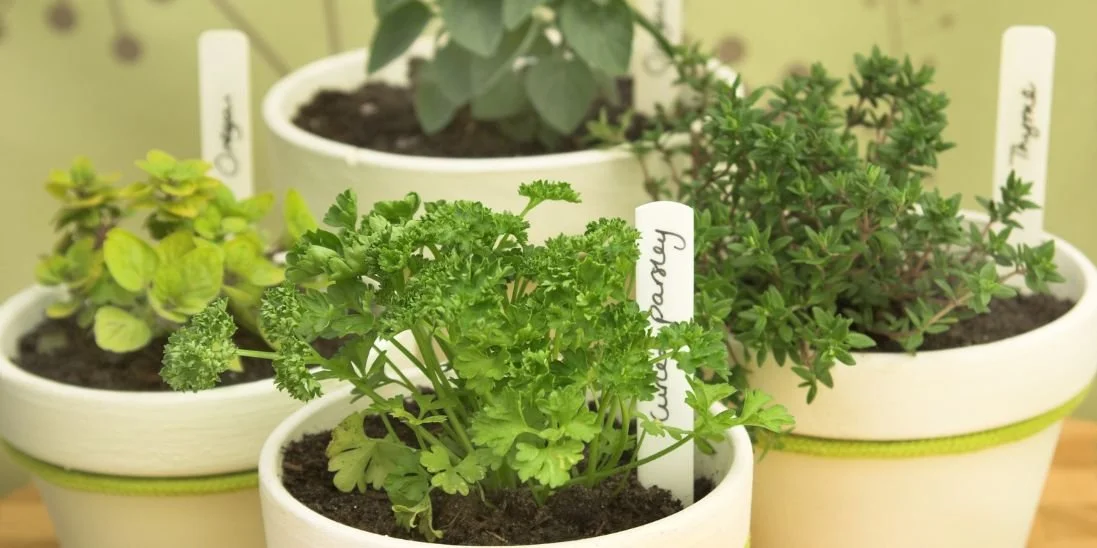
4 Indoor Garden Ideas You Should Start at Home
Transform your home into an oasis with these indoor garden ideas. Plant lovers can start their little green paradise today with these easy tips.
Are you feeling bored at home? Are you among the many people who are always tired of seeing the same things? Why not try something new, like gardening? Gardening can reduce anxiety, improve mental health, and increase productivity.
You don’t need a spacious outdoor area to have a garden at home. Indoor gardening can provide all the benefits of outdoor gardening without making you leave your house. These are four indoor garden ideas you should start at home!
Terrarium Garden
Creating a terrarium garden is a great way to start indoor gardening. A terrarium garden can be as simple or as complex as you want it to be. You can make them out of glass jars, vases, or bottles. Put a layer of soil, rocks, or sand, and then add your desired plants or herbs. Some of the best terrarium plants include succulents, ferns, and small cacti. Just grab some house plant food and watch your terrarium bloom!
Herb Garden
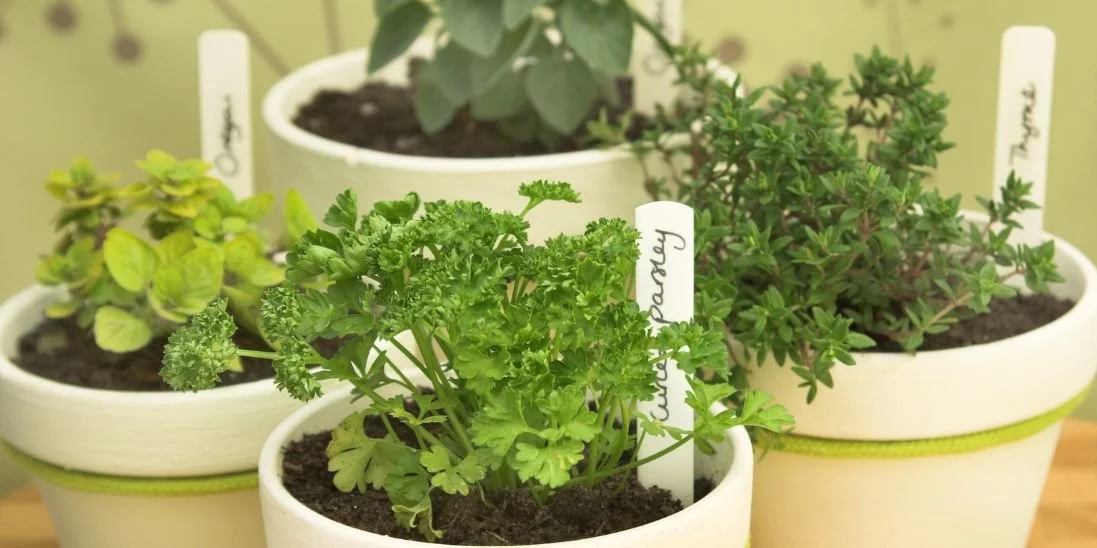
If you like fresh herbs in your kitchen, you should create an indoor herb garden. You can plant basil, mint, rosemary, and thyme, as these herbs are easy to grow, require less sunlight and space, and add a delightful fragrance to your home. If you want to grow herbs that require more sunlight, place them under grow lights. An herb garden can provide fresh herbs year-round, making your cooking healthier and more flavorful.
Vertical Garden
When you have a limited amount of space, making a vertical garden is the perfect solution. Vertical gardens can use various materials, such as pallets, planters, or wall-mounted systems. You can grow herbs, vegetables, or flowers in a vertical garden, which makes your options endless. Some of the best plants for a vertical garden include lettuce, kale, strawberries, and succulents.
Water Garden
Bring the beauty of water inside your home with a water garden. Water gardens can use small containers like bowls, glasses, or fish tanks and grow aquatic plants like lotuses, water lilies, or ferns. You can also add fish or snails to the water garden. Water gardens require regular water changes and maintenance, but they add a calming ambience to your home.
Indoor gardening can provide many benefits, not just for you but also for your home. Start small, and then you can add more plants as you get more comfortable. Indoor gardening can be a fun and rewarding hobby that can improve your overall well-being, and with these four indoor garden ideas, you can create an indoor oasis quickly.

How To Enjoy Your Outdoor Entertainment Space in the Winter
Just because it’s winter doesn’t mean you can’t enjoy your outdoor entertainment space! Utilize this area year-round by following our advice.
Does your outdoor space typically sit idle during the winter months? Are you wondering how to enjoy your outdoor entertainment space in the winter? Winter doesn’t have to mean spending all your time indoors. With a few adjustments and additions, you can transform your outdoor space into the perfect winter oasis.
Add Warmth With a Fire Pit
When it comes to heating your outdoor area, a fire pit is a must-have. You can transform your outdoor space with a luxury gas fire pit, ensuring you and your guests stay warm and cozy even on the chilliest of nights. A gas fire pit is easy to use, environmentally friendly, and requires minimal maintenance. Plus, it creates a beautiful, flickering centerpiece for your outdoor entertainment area.
Light Up the Night
Winter days may be short, but that doesn’t mean your outdoor festivities have to end when the sun goes down. Incorporate outdoor lighting to extend your entertaining hours. Consider using string lights, lanterns, or even solar-powered pathway lights to create a warm and welcoming ambience.
Invest in Weather-Resistant Furniture
Choose outdoor furniture that can handle winter elements such as snow, ice, and freezing temperatures. Opt for materials like aluminum, wrought iron, and teak, which are known for their durability and resistance to weather, and removable cushions that you can store away when not in use. Additionally, consider utilizing outdoor furniture covers to protect your investment during harsh winter conditions.
Cozy Up With Blankets and Throws
Provide plenty of cozy blankets and throws to keep your guests warm and comfortable. Choose materials like wool, fleece, or faux fur that offer insulation and warmth. You can also add storage like a basket or outdoor chest to keep your blankets organized and easily accessible.
Create a Winter Dining Experience
Make your outdoor space more appealing in the winter by offering a unique dining experience. Set up an outdoor hot chocolate or s’mores station, or even consider a fondue pot for dipping fruits and other treats. You can also plan a winter-themed menu with hearty soups, stews, and baked dishes that are easy to enjoy outdoors on a cold day.
Embrace the Winter Scenery
The beautiful scenery is one of the best parts of winter outdoor entertaining. Build a snowman, make snow angels, or create an illuminated ice rink for an impromptu ice hockey game or friendly figure skating competition. These activities will not only keep your guests entertained but also help them to appreciate the beauty of the season.
You don’t need to neglect your outdoor space during the winter months. Investing in the right elements and making some creative adjustments will allow you to enjoy your outdoor entertainment space in the winter. So, grab your coat, invite your friends and family, and make the most of your outdoor oasis during the cold season.

Pros and Cons of Using Permeable Paving Materials for Your Driveway
There is a lot of talk about installing new driveways using permeable paving materials. Since the driveway is the first thing that people notice while entering your home, you need to be very careful about the choice of materials. To make an informed decision, you should compare the pros and cons of this driveway option for your home.
We partnered with a paving company for this post. The opinions in the post are honest. All reviews and opinions expressed in this post are based on our personal views. We are excited because we know you will love it.

There is a lot of talk about installing new driveways using permeable paving materials. Since the driveway is the first thing that people notice while entering your home, you need to be very careful about the choice of materials. To make an informed decision, you should compare the pros and cons of this driveway option for your home.
Advantages of Using Permeable Paving Materials for Driveways
The people of Australia widely prefer permeable paving materials as they offer several benefits. Always hire experts from professional driveway installing companies like StoneSet to get the best results.
Let’s take a look at some benefits of permeable paving materials in detail:
Does Not Heat Up Too Much:
During hot summer days, driveways made of permeable paving materials do not heat up as much as driveways made of conventional paving materials such as asphalt. These porous surfaces release the absorbed heat much faster. You can also ask your driveway installer to use light-coloured materials to help reflect most of the heat.
Eco-friendly Option:
Permeable pavements can be made using recycled materials, causing minimal impact on the environment. Manufacturers now use innovative techniques to use byproducts, such as slag cement from iron factories, to make concrete, which is one of the major components for these permeable pavements.
Does Not Get Slippery:
When the water sits on top of a smooth surface, it tends to get slippery, causing accidents. With driveways made of permeable materials, the water and precipitation seep through the pavement, allowing the surface to dry up faster. You will have a safe surface for driving and walking when you choose this type of material for the driveway.
Helps Stormwater Management:
Permeable driveways are quite efficient at managing stormwater by re-establishing a natural hydrologic balance and reducing the amount of runoff. Instead of letting the precipitation flow into the storm drains, it releases the water slowly into the ground. Also, the plants growing in between the pavers help trap and store the pollutants, reducing their concentration in the stormwater.
Since a lot of effort goes into paving the driveway, you should give it some serious thought. If you live in an area where it rains a lot or gets really hot during summer, permeable pavement may be the right choice for you. Moreover, it is a sustainable option.
Drawbacks of Using Permeable Materials in Driveways
Driveways made of permeable materials are not exactly perfect. Similar to driveways made of traditional materials, these permeable pavements also have a few major disadvantages. Before you invest in such driveways, take a look at some of these drawbacks:
More Expensive than Other Options:
It costs a lot more to install permeable pavement for your driveway as compared to installation charges for driveways made of traditional materials. So, if you are on a tight budget, you may need to look for alternatives.
Unique Maintenance Requirements:
Since permeable pavements are prone to clogging, you need to be extra careful for their maintenance. If sand or other fine particles are stuck between the pavers, you will have to use an industrial vacuum to remove them. If you do not take care of the clogging, the driveway will start to function like any regular driveway made from traditional materials.
Lack of Strength:
Permeable pavements are not as strong as conventional pavements. This is the reason why they are not used for building highways and airport runways. Putting consistent pressure on it can cause the driveway to collapse. Since the materials are porous in nature, it is difficult to create pavements using them. However, they are strong enough to handle the weight of your four-wheelers.
Since the installation and maintenance costs can be a bit expensive, you may need to reconsider your decision. Also, if you are planning to park heavy vehicles on the driveway, it is better to find stronger alternatives.
Conclusion
From a neutral point of view, the advantages of permeable driveways outweigh the drawbacks. If budget is not a problem and you do not mind the regular maintenance work, you should consider getting a permeable driveway.

