

A resource for those seeking information on organizing and transforming spaces.
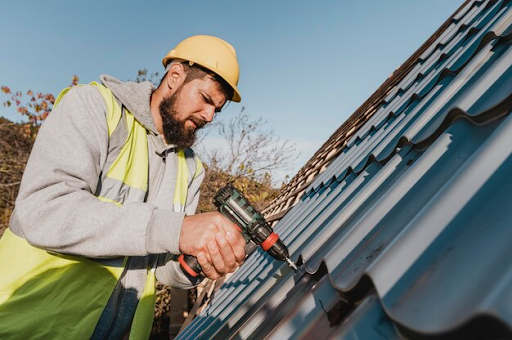
Navigating Challenges: Insights into Effective Home Roof Repairs
A well-maintained roof is crucial for protecting your home from harsh weather conditions and ensuring the safety and comfort of your family. However, homeowners often face various challenges when it comes to roof repairs. From identifying roof problems to choosing the right materials and planning the repair process, navigating these challenges can be overwhelming. In this blog, we will provide insights into effective home roof repairs and guide you on how to tackle these challenges with confidence.
A well-maintained roof is crucial for protecting your home from harsh weather conditions and ensuring the safety and comfort of your family. However, homeowners often face various challenges when it comes to roof repairs. From identifying roof problems to choosing the right materials and planning the repair process, navigating these challenges can be overwhelming. In this blog, we will provide insights into effective home roof repairs and guide you on how to tackle these challenges with confidence.
Identifying Roof Problems
Before jumping into repairs, it is essential to identify any existing roof problems accurately. Keep an eye out for common signs of roof damage, such as leaks, missing or damaged shingles, sagging or uneven areas, and water stains on the ceiling. Conduct a thorough inspection of your roof, both from the ground and by climbing onto it if it is safe to do so. This inspection will help you understand the extent of the damage and plan your repairs accordingly.
DIY vs. Professional Repairs
Once you've identified the roof problems, you need to decide whether to tackle the repairs yourself or hire a professional. DIY repairs can save you money, but they require time, effort, and the necessary skills. On the other hand, experts in roof replacement in Machesney Park, IL, for example, advise hiring a professional, as it ensures that the repairs are done correctly and efficiently. Consider your level of expertise, the complexity of the repairs, and the resources available to you before making a decision.
Choosing the Right Materials
When it comes to roof repairs, selecting the right materials is crucial for ensuring long-lasting results. Understand the different types of roofing materials available, such as asphalt shingles, metal, slate, or tile, and their pros and cons. Consider factors like durability, aesthetics, climate suitability, and budget constraints when making your choice. Consulting with a roofing professional or doing research online can help you make an informed decision.
Planning the Repair Process
Before diving into the repair process, it is essential to create a detailed plan. Start by developing a timeline that includes all the necessary steps, from gathering materials to completing the repairs. Consider factors like weather conditions, availability of resources, and your personal schedule when creating the timeline. Additionally, budgeting for the repair costs will help you manage your finances effectively and avoid any surprise expenses along the way.
Safety Precautions
Safety should always be a top priority when undertaking roof repairs. Roof work can be dangerous, so following safety guidelines and taking necessary precautions is crucial. Wear appropriate protective gear, such as sturdy shoes, gloves, harnesses, and a hard hat. Additionally, ensure that you have a stable ladder and secure footing while working on the roof. If you feel uncomfortable or unsure about any aspect of the repair process, it is best to consult with a professional.
Step-by-Step Repair Guide
Now that you have identified the problems, chosen the right materials, planned the process, and considered safety precautions, it's time to dive into the repair process itself. Start by preparing the roof surface, and cleaning any debris or loose material. Next, focus on repairing damaged shingles or tiles, ensuring a proper seal and alignment. Finally, address any underlying structural issues, such as damaged flashing or rotten wood, to ensure the integrity of your roof.
Preventative Maintenance
Once you've completed the repairs, it is crucial to establish a regular maintenance routine to prolong the lifespan of your roof. Regular inspections, clearing debris, and addressing minor issues promptly can prevent major problems down the line. Additionally, consider hiring professional roofers for periodic maintenance to ensure that your roof remains in excellent condition.
Common Mistakes to Avoid

In the realm of home roof repairs, there are a few common mistakes that homeowners should be aware of. One mistake is overlooking small issues, such as minor leaks or missing shingles, which can escalate into more substantial problems if left unaddressed. Another mistake is improper installation or repairs, which can lead to further damage and costly repairs in the future. To avoid these mistakes, prioritize regular inspections and address any issues promptly.
Navigating the challenges of home roof repairs can be daunting for homeowners. However, with the insights provided in this blog, you now have a better understanding of how to approach these challenges effectively. From identifying problems to choosing materials, planning the process, and prioritizing safety, you can navigate the world of roof repairs with confidence. Remember to perform regular maintenance tasks and address issues promptly to keep your roof in optimal condition, protecting your home for years to come.

How to Child-Proof Your New Home Before Moving In
Moving into a new home is an exciting time for any family. But if you have little ones, safety is a paramount concern that can't be overlooked. Child-proofing your new home is an essential step to creating a safe and friendly environment for your children to explore and grow. This guide will provide you with a comprehensive plan to effectively child-proof your new home before moving in, ensuring peace of mind as your children embark on new adventures in their new surroundings.
Moving into a new home is an exciting time for any family. But if you have little ones, safety is a paramount concern that can't be overlooked. Child-proofing your new home is an essential step to creating a safe and friendly environment for your children to explore and grow. This guide will provide you with a comprehensive plan to effectively child-proof your new home before moving in, ensuring peace of mind as your children embark on new adventures in their new surroundings.
Storing Dangerous Items
One of the first things you should do before moving in is to gather all potentially dangerous items and store them out of reach or in secured cabinets. This includes cleaning products, sharp objects such as knives and scissors, medications, and any other hazardous materials. Consider installing child-proof locks on your cabinets for an added layer of security.
It's also a good idea to invest in child-proof containers for items like medications, which can be easily opened by curious little hands. The folks at https://everlastingsafes.com/pages/best-gun-safes note that a gun safe is a must-have for any household with firearms, especially with children around. Properly storing and securing dangerous items will greatly reduce the risk of accidents or injuries.
Living Area Safety
Your living room needs to be a safe place for play and relaxation. Cover all electrical outlets with safety caps and keep cords and blinds out of reach to prevent choking or strangulation. Secure tall furniture pieces like bookcases and TV stands to the wall to prevent them from tipping over.
When it comes to the fireplace, consider using a safety gate or a fireplace screen to keep children at a safe distance. Ensure that any small decorative items that could be a choking hazard are removed or kept out of reach.
As with the kitchen and bathroom, use corner guards on coffee tables, TV stands, or any other furniture with sharp edges. Always keep remote controls, batteries, and other small items that can be swallowed out of reach.
Securing the Kitchen
The kitchen can be a dangerous place for little explorers. Keep cleaning supplies, sharp utensils, and other hazardous items out of reach or locked away. Install safety latches on drawers and cabinets, and consider adding stove knob covers to prevent your child from accidentally turning on the burners.
Appliances like refrigerators, dishwashers, and ovens could potentially tip over if a child tries to climb on them. Secure these with appliance straps or anchor them to the wall. Don't forget to make sure garbage cans have child-resistant lids to keep curious hands out of harm's way.
For added precaution, use corner guards on sharp-edged furniture such as tables and chairs to prevent injuries. Install door and drawer pinch guards to prevent little fingers from getting caught. Remember to keep chairs and stools away from counters and stove tops to discourage climbing.
Baby-Proofing the Bathroom
Similar to the kitchen, the bathroom poses several risks to small children. Always keep the toilet lid closed, or better yet, install a toilet lock. Never leave your child unattended in a bath and ensure bath water is at a safe temperature.
Medicines, cosmetics, and other personal care products should be stored in a locked cabinet. Make sure to keep small items that can be easily swallowed like hairpins, razors, or toothpaste caps out of reach.
Remember to secure the bathroom door with a child-proof door knob cover to ensure your child cannot enter without adult supervision. Also, consider adding a non-slip mat to the bathtub and bathroom floor to prevent falls and injuries.
Making the Bedrooms Safe
In your children's bedrooms, ensure all furniture is sturdy and secure. Anchor heavy furniture, such as dressers and bookcases, to the wall to prevent them from toppling over. Avoid using drop-side cribs as they can pose a risk of injury.
Ensure windows have locks and limit how much they can be opened with window guards. Keep blind cords out of reach, and never place a crib or bed near a window.
Remove small toys, pillows, and blankets from cribs as they can pose a suffocation risk for younger children. For older children, ensure toys are age-appropriate and without small parts that can be a choking hazard.
Safeguarding the Garage and Garden

Garages and gardens can hold a multitude of dangers for small children. Keep all tools, garden equipment, and chemicals locked away. Ensure vehicles are always locked, and never leave your child unattended in a car.
Garden ponds or pools should be securely fenced off. Install self-locking gates to prevent children from wandering into potentially dangerous areas. Always supervise your child when they are playing outside.
Check outdoor play equipment regularly for wear and tear. Make sure they are securely anchored and have no sharp edges. Keep sandboxes covered when not in use to prevent animals from getting in.
In conclusion, child-proofing your new home before moving in is a crucial step to ensuring the safety of your children. By following these guidelines and constantly staying vigilant, you can create a safe and nurturing environment for your little ones to thrive in. Remember, accidents can happen at any time, but with proper precautions and preparation, you can greatly reduce the risk and provide peace of mind for you and your family.
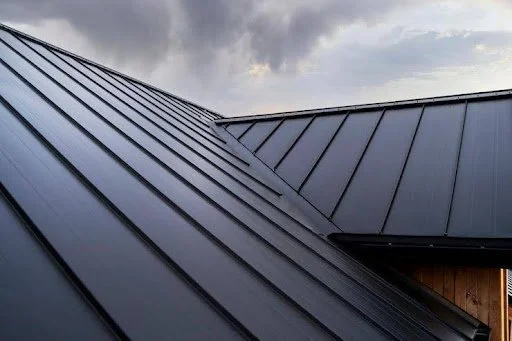
Roofing Materials Comparison: Pros And Cons Of Popular Choices
When it comes to commercial roofing, there are a variety of materials available on the market. Each type has its pros and cons, making it important for business owners to carefully consider their options before making a decision. This blog post will provide an in-depth comparison of popular roofing materials used in commercial buildings, outlining the advantages and disadvantages of each.
When it comes to commercial roofing, there are a variety of materials available on the market. Each type has its pros and cons, making it important for business owners to carefully consider their options before making a decision. This blog post will provide an in-depth comparison of popular roofing materials used in commercial buildings, outlining the advantages and disadvantages of each.
Metal Roofing
Metal roofing has gained popularity in recent years due to its durability and longevity. According to Nations Roof, metal roofing systems can be one of the longest-lasting roofing systems available. Made from a variety of metals such as aluminum, steel, or copper, these roofs can withstand harsh weather conditions and have a lifespan of up to 50 years. They are also lightweight, making them easy to install and capable of supporting solar panels and other rooftop equipment. However, metal roofing can be expensive and noisy during rain or hailstorms.
Asphalt Shingles
Asphalt shingles are the most commonly used roofing material in North America, and for good reason. They are affordable, easy to install, and come in a variety of colors and styles to match any building design. Additionally, asphalt shingles have a lifespan of 20-30 years and can withstand moderate weather conditions. However, they are prone to damage from strong winds and can be easily damaged by impact, such as falling branches. They also require regular maintenance and may not be the most environmentally friendly option due to their petroleum-based composition.
EPDM Roofing

EPDM (ethylene propylene diene terpolymer) roofing is a synthetic rubber material commonly used in commercial buildings. It is known for its durability, flexibility, and resistance to UV rays and extreme temperatures. EPDM roofs are also relatively easy to install and can last up to 50 years with proper maintenance. They are also energy-efficient, as they reflect sunlight and heat, reducing cooling costs in the summer. On the other hand, EPDM roofing can be punctured by sharp objects and may require repairs if damaged. It also has a limited color selection compared to other materials.
TPO Roofing
TPO (thermoplastic polyolefin) roofing is a single-ply membrane made from ethylene propylene rubber. It has become increasingly popular in commercial roofing due to its low cost and high durability. TPO roofs are lightweight, easy to install, and capable of withstanding extreme weather conditions. They also have a lifespan of 20-30 years and can reflect sunlight, reducing cooling costs. However, TPO roofing can shrink and crack over time, leading to potential leaks. It also has a limited color selection and may not be as visually appealing as other materials. While it may have some limitations compared to other materials, its cost-effectiveness and durability make it a popular choice for many commercial buildings.
PVC Roofing
PVC (polyvinyl chloride) roofing is another popular single-ply membrane used in commercial buildings. It is made from a combination of PVC and other additives, making it highly resistant to chemicals, UV rays, and extreme temperatures. PVC roofs are also lightweight, fire-resistant, and have a lifespan of 20-30 years with proper maintenance. They can also reflect sunlight, reducing energy costs. The downside of PVC roofing is its higher cost compared to other materials, as well as the need for professional installation. It also has a limited color selection and may not be as durable in extreme weather conditions compared to TPO roofing.
Built-Up Roofing
Built-up roofing (BUR), also known as "tar and gravel" roofing, is a traditional method of commercial roofing that has been used for over 100 years. It is constructed by layering multiple plies of waterproof material such as asphalt or tar paper with hot bitumen in between. This creates a strong and durable roof with multiple layers, making it resistant to UV rays, heat, and water. BUR can also be reinforced with additional materials such as fiberglass for added strength. One drawback is its weight, which might necessitate extra structural reinforcement. It also requires regular maintenance to prevent leaks and damage from ponding water.
As you can see, there are many factors to consider when choosing a roofing material for your commercial building. Each type has its advantages and disadvantages, so it's important to carefully evaluate your needs and budget before making a decision. Whether you prioritize affordability, durability, or energy efficiency, there is a roofing material that can meet your specific requirements. Be sure to weigh all the pros and cons before choosing the right roofing material for your commercial building. Investing in high-quality roofing materials will not only protect your business but also save you money in the long run.
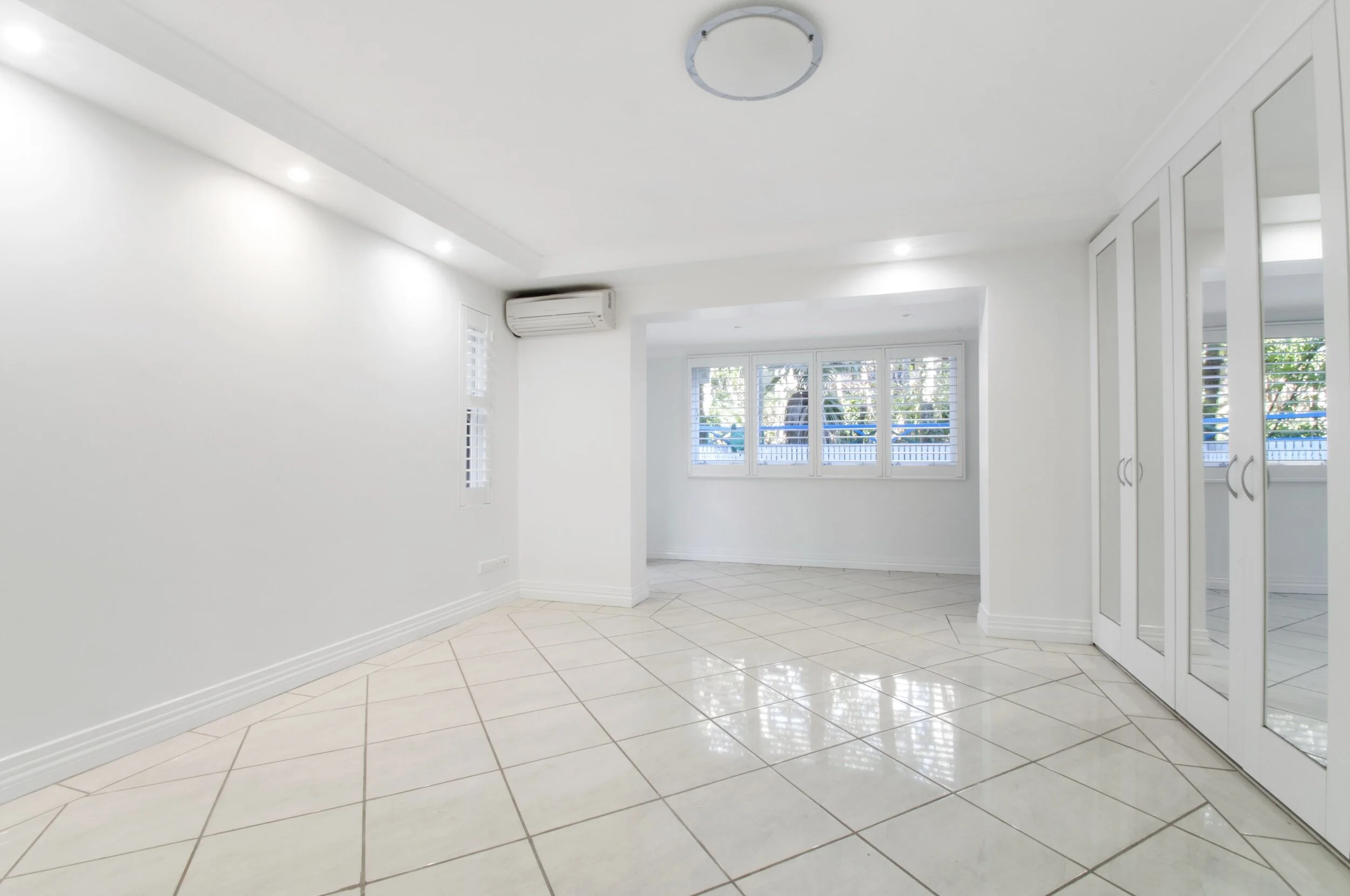
5 Tips To Prepare Your Air Conditioner For Summer
Enduring a furnace-like summer day without a working air conditioner is an instant prompt that preparing your air conditioner for the approaching warm months is no trivial matter. It's not merely about sealing your comfort zone at home; it's a matter of sparking your air conditioner into optimal performance.
We partnered with a heating and cooling company for this post. The opinions in the post are honest. All reviews and opinions expressed in this post are based on our personal views. We are excited because we know you will love it.
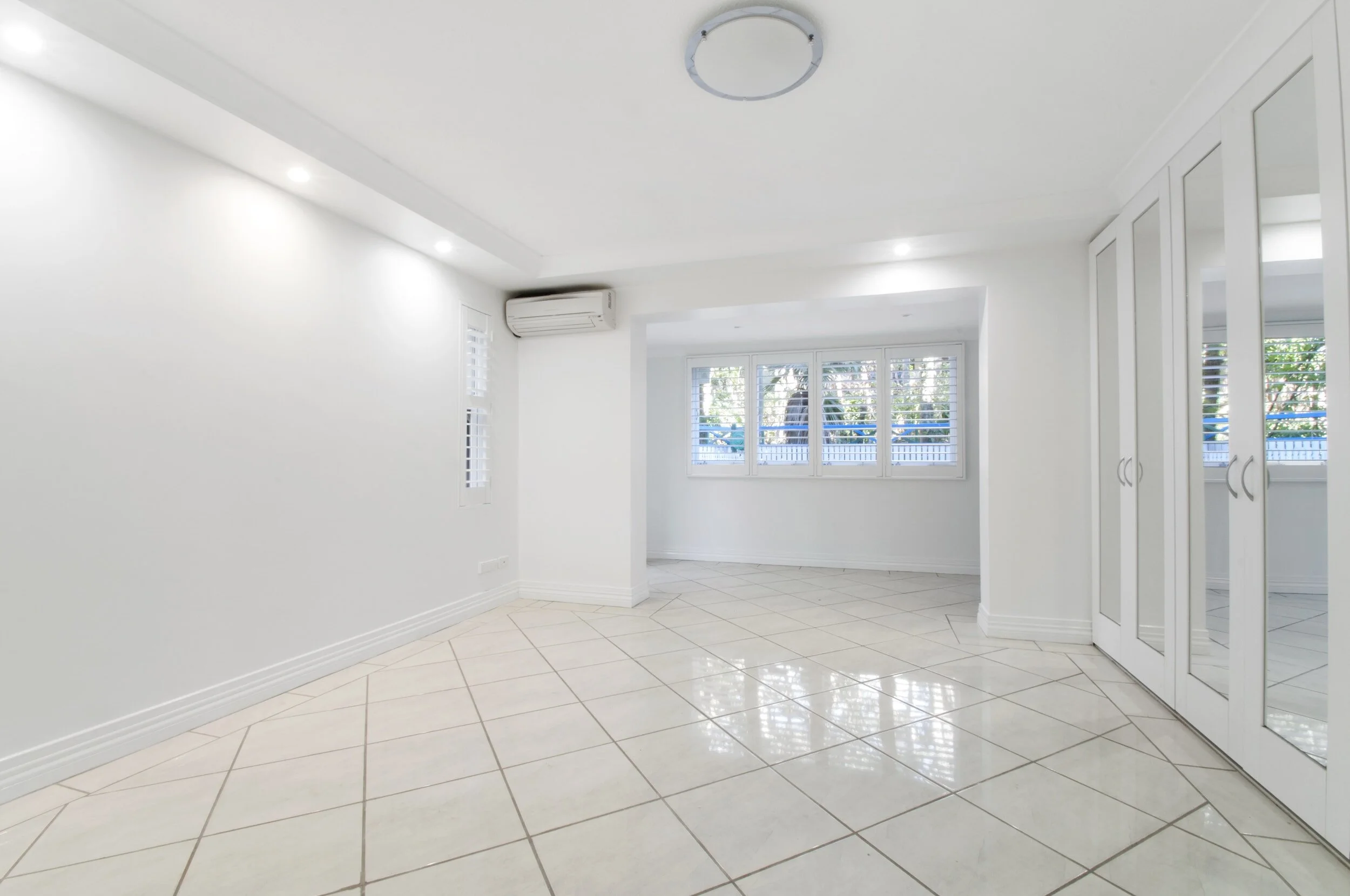
Enduring a furnace-like summer day without a working air conditioner is an instant prompt that preparing your air conditioner for the approaching warm months is no trivial matter. It's not merely about sealing your comfort zone at home; it's a matter of sparking your air conditioner into optimal performance.
Presenting five central tips to gear up your air conditioner for summer—we make sure you stay cool during summer with no considerable hassle.
Why Prep Your AC for Summer?
You might wonder, "What's the point of getting my air conditioner ready for the summer season?" The response is quite uncomplicated; a neglected air conditioner may leave you sizzling and overheating during an overwhelming heatwave.
Peak Performance
Similar to how an athlete conditions before a significant event, your AC unit should also brace itself for the strenuous summer months. Habitual maintenance warrants that your air conditioner system sustains maximum output throughout the heated season. A primed system minimises the possibility of a frustrating mid-summer malfunction, preserving the pleasant chill and solace in your abode.
Prolonged Service Life
A meticulously serviced air conditioner components or system performs not only capably but also generally enjoys an extended lifespan. Continuous tension on an underprepared air conditioner can usher in notable damage. Regular maintenance acts as a shield against unanticipated malfunctions, eases the functioning, and elongates your air conditioner's service life.
Improved Energy Efficiency
A seemingly insouciant air conditioner can turn into an alarming energy guzzler, leading to escalated electricity bills. Proactively checking your air conditioner for typical issues, such as erratic thermostats or leaky ducts, can significantly enhance its energy efficiency. Regular attention to maintenance is a preferable approach for managing your energy bills and expenses and ensuring your AC unit isn't devouring excessive power.
Elevated Air Quality
Maintenance stretches beyond just mechanical tweaks; it has a considerable impact on your indoor air quality. An AC system's air filter might become jammed with dust, pollen, and other contaminants over time. Thus, your used AC system could be circulating these allergens inside your home, compromising your habitat's air quality. Routine inspection and clean-up will enhance the quality and safety of the air you breathe.
Early Identification of Potential Issues
Coordinating your air conditioner for summer demands a comprehensive analysis of the system. This process often spots potential dilemmas before they evolve into hefty issues. By taking an active stance and tackling these trivial glitches early, you can steer clear of high-priced repairs later.
Now, let's delve into some tips on readying your air conditioner for the summer.
Tip #1: Clear Debris from Your Outdoor Unit
Indeed, your air conditioning system comprises an outdoor component (commonly termed a condenser unit), which typically features a sizeable fan enclosed within a metallic casing. Before the onset of summer and the subsequent escalation in temperatures, it becomes imperative to eliminate any debris that might have amassed during its previous use. Leftover yard debris or other detritus can interfere with the sensitive and delicate fins on the outdoor unit.
Using a gentle stream from your garden hose (never a high-pressure wash), clean the condenser unit to ensure your air conditioner is ready to tackle the summer heat. For comprehensive cleaning of air conditioners, consider a professional HVAC service.
Tip #2: Turn the Cooling Mode On and Check the Cool Air Supply
Most air conditioning systems are designed to heat and cool. Thus, your air conditioning unit might have been sitting idle in heating mode all winter. Now's the time to put your air conditioning into cooling mode and check the cool air supply.
While turning on your AC after winter, run it for a few minutes to ensure that the indoor air handler emits cool air. A home that isn't cool enough could indicate that your air conditioner isn't functioning correctly, necessitating a checkup from a professional HVAC service.
Tip #3: Service the Indoor Unit
The internal constituent of your air conditioning system, frequently dubbed the air handler, demands scrutiny as well. This encompasses purifying or swapping the air filter, a task of utmost importance to uphold indoor air quality and guarantee the seamless working of your air conditioning unit.
Subsequently, proceed to inspect the service panel and affirm the placement of the circuit breaker designated for your AC unit is accurate. If your air conditioner unit persists in giving problems, the issue may lie in your air ducts. Regular maintenance is your best line of defence.
Tip #4: Examine the Coolant Lines
In a split system, the coolant lines or refrigerant tubes run from the outdoor unit to your indoor unit. These pipes should be properly insulated to improve energy efficiency. If you notice worn-out foam insulation sleeves or missing foam insulation tape, consider replacing them.
Tip #5: Schedule a Professional Inspection
A thorough inspection by a professional is invaluable and ensures the smooth running of your central air conditioner over the long, very hot months of summer. Such evaluations often include checking coolant levels, examining the condenser coils and valves, and affirming that electrical connectors are safe.
Professional technicians can spot potential issues early on, preventing minor problems from spiralling into costly breakdowns. Engaging a professional offers energy savings and the peace of mind that your cooling system will withstand the summer pressure, even on the hottest days.
Effectively preparing your air conditioner for summer undoubtedly relies on ensuring each of these components is in good working order.
Stay Cool
A well-equipped air conditioner is your best bet to beat the heat and enjoy summer long comfort. Remember, the benefits of regular preventative maintenance by a professional team cannot be overstated for optimal energy consumption and enhancing the lifespan of your air conditioner.
Stay cool, visit www.metropolitanheatingandcooling.com.au to learn more.

