

A resource for those seeking information on organizing and transforming spaces.

Pet-Friendly Flooring: Why Karndean Vinyl Flooring is a Pawsome Choice
Choosing the right flooring for a home bustling with the activity of pets is a crucial decision for any pet owner. Pets, with their playful nature and unique requirements, necessitate a floor that is not only durable but also comfortable and safe for their paws and antics. In this extended quest for the perfect pet-friendly flooring, Karndean vinyl flooring emerges as an exemplary choice. It combines robustness, style, and pet-friendly features in a way that few other flooring options do.
We partnered with a home improvement company for this post. The opinions in the post are honest. All reviews and opinions expressed in this post are based on our personal views. We are excited because we know you will love it.

Choosing the right flooring for a home bustling with the activity of pets is a crucial decision for any pet owner. Pets, with their playful nature and unique requirements, necessitate a floor that is not only durable but also comfortable and safe for their paws and antics. In this extended quest for the perfect pet-friendly flooring, Karndean vinyl flooring emerges as an exemplary choice. It combines robustness, style, and pet-friendly features in a way that few other flooring options do.
This blog delves into the myriad of reasons that make Karndean vinyl flooring an ideal selection for households with pets. From its exceptional durability to its impressive waterproof qualities, it’s a solution that caters to the challenges pet owners often face. We'll explore how this flooring not only withstands the rigours of pet ownership but also enhances the aesthetic appeal of your home, ensuring a stylish yet functional living space for both you and your furry companions.
Durability: A Key Consideration for Pet Owners
One of the primary concerns for pet owners when selecting flooring is durability. Pets, especially dogs and cats, can be tough on floors. Their nails can scratch surfaces, and their playfulness can lead to more wear and tear than usual. Karndean vinyl flooring is known for its remarkable durability. It's designed to withstand the daily challenges posed by pets. Unlike some flooring options that can easily be scratched or dented, Karndean's products are resilient against pet claws and general pet activity. This makes them an ideal long-term flooring solution for pet-friendly homes.
The Importance of Waterproof Flooring
Another vital factor for pet owners is the flooring's ability to resist water and moisture. Accidents happen, especially with younger or older pets, and it's essential to have a floor that can handle these mishaps without damage. Karndean vinyl flooring is not only durable but also waterproof flooring. This feature ensures that any spills, accidents, or even wet paws won't damage the floor. The waterproof nature of Karndean flooring means it's easy to clean and maintain, which is crucial for busy pet owners.
Easy Maintenance and Cleaning
Maintaining a clean and hygienic environment is essential for both pets and their owners. Karndean vinyl flooring is incredibly easy to clean and maintain. Its surface doesn't harbour dust, pet dander, or allergens, which is beneficial for the overall air quality of your home. Regular sweeping and occasional mopping with a gentle cleaner are all it takes to keep these floors looking pristine. This ease of maintenance is a significant advantage for pet owners, who often have to clean up after their pets.
Comfort and Safety for Pets
Flooring should be comfortable for pets to walk and lie on. Karndean vinyl flooring is known for its comfort underfoot. It's softer and warmer than natural stone or tile, making it a cosy choice for pets who spend a lot of time indoors. Moreover, this type of flooring offers a level of slip resistance, which is important for the safety of more active pets that run and play around the house.
Style and Aesthetics: No Compromise Necessary
Choosing a pet-friendly floor doesn’t mean you have to compromise on style. Karndean vinyl flooring offers a wide range of designs and patterns, from realistic wood and stone effects to more modern and unique designs. This variety allows pet owners to choose a floor that not only suits their practical needs but also complements their home’s aesthetic. Whether you prefer a traditional look or something more contemporary, Karndean has options to suit every taste.
Sound Absorption Qualities
Another aspect to consider is the noise level. Hard floors can amplify the sound of pet nails clicking as they walk, which can be disruptive. Karndean vinyl flooring, however, has sound-absorbing properties. This feature makes for a quieter home, reducing the noise of pets moving around, which is particularly beneficial in multi-storey homes.
Health and Environmental Considerations
For pet owners concerned about health and the environment, Karndean vinyl flooring is a great choice. Many of their products are low in volatile organic compounds (VOCs) and are manufactured using environmentally responsible practices. This means better indoor air quality for you and your pets and a smaller environmental footprint.
Cost-Effectiveness
While considering all these factors, it’s also essential to think about cost. Karndean vinyl flooring is a cost-effective option in the long run. Its durability means it doesn’t need to be replaced as frequently as some other types of flooring, and its ease of maintenance saves both time and money on cleaning products and services.
Installation and Customisation
Karndean vinyl flooring is not only versatile in design but also in its installation options. Whether you have a small apartment or a large house, it can be customised to fit any space. Moreover, the installation process is typically quicker and less invasive than that of traditional stone or wood floors, meaning less disruption to your and your pets’ daily routine.
Final Thoughts
In conclusion, Karndean vinyl flooring represents an ideal amalgamation of practicality and style, making it an unparalleled choice for homes with pets. Its exceptional durability, coupled with its waterproof nature, ensures a long-lasting and aesthetically pleasing solution to the various challenges posed by pet ownership. The ease of maintenance is a significant boon, simplifying the cleanup process and allowing pet owners more time to enjoy the company of their furry friends. Comfort is another crucial aspect where Karndean flooring excels, providing a soft and warm surface for pets to relax and play, while also offering slip resistance for their safety.
In essence, Karndean vinyl flooring stands out as a superior choice for pet-friendly homes. Its combination of durability, ease of maintenance, comfort, style, and respect for the environment and health makes it a 'pawsome' option for those looking to enhance their home in a way that benefits both their pets and their personal lifestyle. So, when considering new flooring for a pet-friendly home, remember the numerous benefits that Karndean vinyl flooring offers - it’s a decision that you, and your pets, will appreciate for years to come.

How to Get Rid of Common Kitchen Bugs
Do you find that your kitchen is a breeding ground for pesky bugs like ants, flies, and cockroaches? Not only are they annoying and downright unpleasant to look at, but they can also be a threat to your family's health.
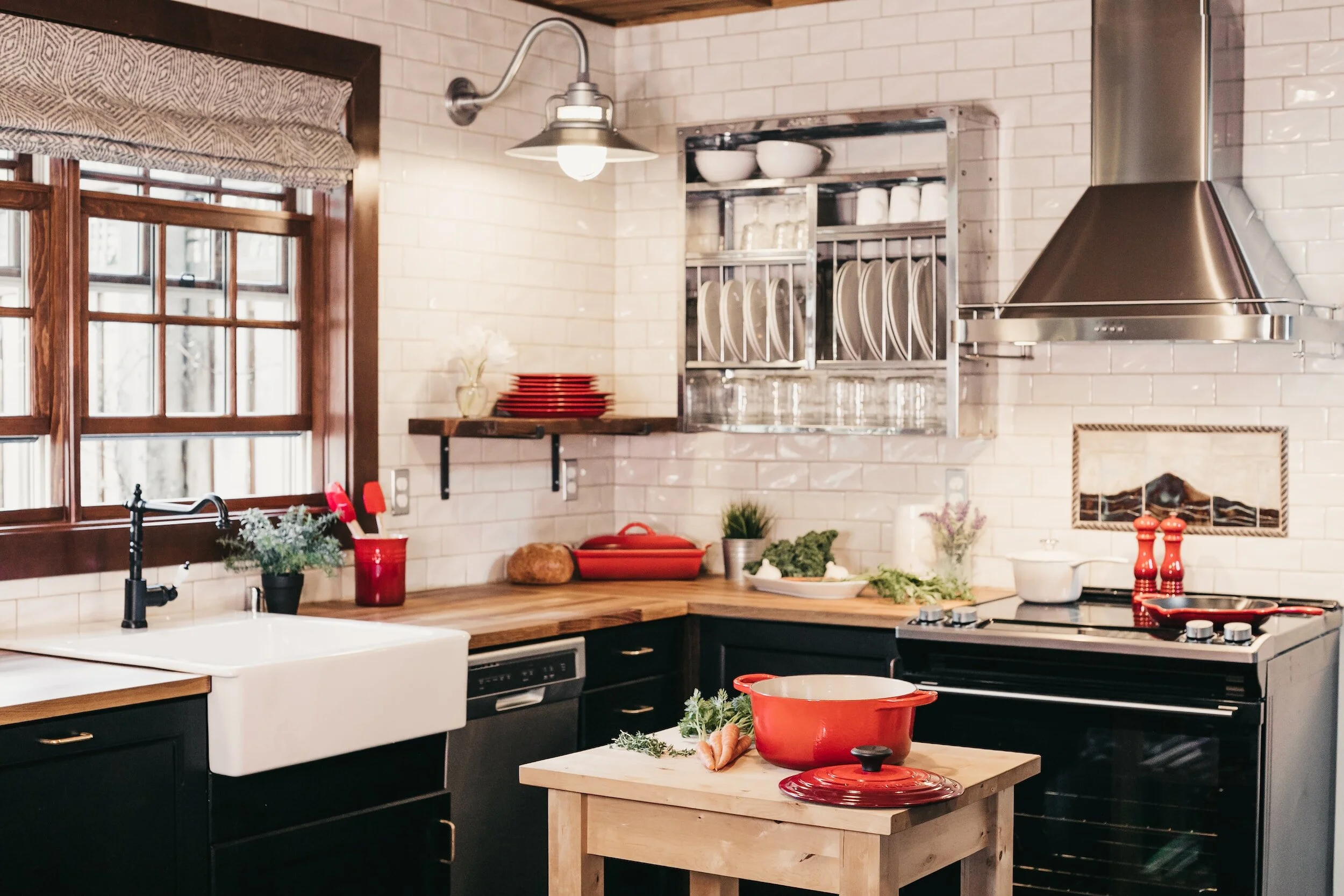
Do you find that your kitchen is a breeding ground for pesky bugs like ants, flies, and cockroaches? Not only are they annoying and downright unpleasant to look at, but they can also be a threat to your family's health.
A dirty and bug-infested kitchen can harbor harmful bacteria and germs that can contaminate your food and put your hygiene in jeopardy.
Ready to say goodbye to these uninvited guests and rediscover the joy of cooking in a clean, healthy space? Let's get started!
Identifying Common Kitchen Bugs
If you want to get rid of common kitchen bugs, then first, you need to take some time to fully understand the enemy. What kinds of bugs are you most likely to encounter?
Cockroaches
First up, we have cockroaches - the ultimate survivors, capable of withstanding almost any environment. These nocturnal creatures are attracted to food and water and are often found scurrying around at night, so keep an eye out for any movement in the corners of your kitchen. If you start seeing droppings or a musty odor, it's time to call in the professionals.
Ants
Next, we have little ants, the tiny creatures that march in uninvited armies to find food in your pantry and cupboards. Their pheromone trails are fascinating but annoying as they lead more ants to swarm in.
Keep an eye out for these trails of ants, or little piles of crumbs that they've left behind.
Pantry Moths
Moving on, we have the pantry moths whose larvae can wreak havoc on your stored food items like flour, grain, and cereals. The adult moths may look pretty harmless, but they lay eggs on your food, and their larvae grow to munch their way through it.
Look for small, furry larvae, or webbing in your pantry. If you do spot an infestation, you'll need to toss all affected food and give your pantry a thorough cleaning.
Fruit Flies
Last but not least, we have the infamous fruit flies - the tiny flying insects that seem to appear out of nowhere and swarm around fruit that's left out on the counter. They breed quickly, so get rid of any rotting fruit and ensure the drain isn't clogged.
Health Risks and Concerns
So why are these kitchen pests such a problem?
For starters - they’re just downright gross to look at. But the list doesn’t end there.
Some pests, like rodents and cockroaches, can actually transmit diseases to humans through their droppings and urine. And the bugs we mentioned earlier, like ants, cockroaches, and flies, can quickly run amok in your kitchen, leaving behind bacteria and pathogens that could make you sick.
How to Get Rid of the Most Common Kitchen Bugs
You know what's not so fun about owning your own property? Dealing with those pesky kitchen bugs. They seem to appear out of nowhere, and before you know it, they've taken over your pantry and countertops.
But don’t worry - here are some expert tips you can incorporate to get rid of the most common kitchen bugs fast.
Natural Remedies and DIY Solutions
Let's start with the natural remedies and DIY solutions that you can try before resorting to commercial pest control products or professional services. One of the simplest and easiest ways to get rid of kitchen bugs naturally is to regularly clean your kitchen. Make sure you wipe down all the surfaces with a mixture of vinegar and water. This mixture is an effective natural remedy that helps to repel insects and bugs.
Another simple solution is to sprinkle salt or baking soda around areas where you frequently see bugs. These substances work by drying out and killing insects, thus preventing them from surviving and reproducing in your kitchen.
You can also create your own bug spray by combining apple cider vinegar and water in a spray bottle. This solution works well against fruit flies and other small insects. Simply spray the solution on the bugs or around the areas where you frequently see them, and the bugs will be repelled right away.
Commercial Pest Control Products
If your kitchen infestation is beyond a natural remedy, it's time to consider commercial pest control products such as insect repellent spray, sticky traps, and baits. Most supermarkets and hardware stores offer a wide variety of insecticide products in different forms, so choose the one that suits your needs.
Insect-repellent sprays are an excellent option to keep away ants and other crawling insects. These products are designed to repel or kill pests on contact. Just spritz around the areas you've seen pests and set them to work.
Sticky traps, on the other hand, are best for catching flying insects such as fruit flies and gnats. These sticky strips are coated with a substance that attracts bugs, causing them to get stuck and unable to fly away.
Baits are specifically designed for cockroaches and ants. These products contain a poison that is toxic to pests but safe for humans and pets. Make sure you read the labels and follow the instructions carefully to ensure you keep everyone safe.
Professional Pest Control Services
If natural remedies and DIY solutions or commercial pest control products have failed to eliminate your kitchen bugs, it might be time to seek the help of professionals. Professional pest control services are well-equipped with the tools and expertise to eliminate all kinds of pests.
A reputable pest control company will assess your situation and provide a customized plan to solve the issue. This might include an integrated pest management plan that involves sealing up entry points, removing potential food and water sources, and using low-toxicity pest control strategies.
Professional pest control pest control companies also offer preventative maintenance services, which can stop pest invasions before they happen. Since different pests reproduce at different rates, having regularly scheduled visits from a professional can prevent pest issues from getting out of control.
Routine Maintenance Tips
Once you've gotten rid of the kitchen bugs, make sure you take the necessary steps to prevent another infestation from taking place. Here are some routine maintenance tips that successfully repel kitchen bugs:
Wipe down all the surfaces, sweep up crumbs, and remove food waste immediately.
Don't leave dishes in the sink, and don't leave food out overnight.
Store food in tightly sealed containers so that bugs can't get in.
Use silicone caulk to seal all cracks and crevices where bugs can enter.
Install screens over open windows and doors to keep flies and other flying insects outside.
Regularly empty and clean the garbage can.
Key Takeaways
From fruit flies to cockroaches, dealing with bugs in your kitchen can be a nightmare for homeowners. But fear not!
By implementing the tips and strategies we've provided, you can say goodbye to those pesky pests and enjoy a happy, bug-free kitchen. Remember to keep your kitchen clean, store your food properly, and seal up any cracks or crevices.
And if you do spot a bug, don't panic - there are plenty of natural remedies and pest control options available. So don't wait any longer. Take action today and reclaim your kitchen from those unwanted intruders! Dinner is waiting (for you, that is - not them).

What To Do Before You Put Your House on the Market
There are a lot of things to consider—large and small—before you sell your home, so make sure you know what to do before you put your home on the market.

Selling your house can be overwhelming—there are so many things you must consider before putting your house on the market. To ensure a successful, stress-free selling process, you may have to prepare your house beforehand. Make sure you don’t neglect any of these major steps to make the process as easy as possible.
Declutter and Deep-Clean
Before you show your house to potential buyers, it’s important to declutter and deep-clean every room. This will make your house appear more spacious and inviting. Start by getting rid of any unnecessary items or furniture that may be taking up space, and consider renting a storage unit if necessary. Then, thoroughly clean your house from top to bottom, including the windows, carpets, and appliances. A clean, clutter-free house will make a great first impression on potential buyers.
Make Necessary Repairs
No one wants to buy a house with broken appliances, leaky faucets, or chipped paint. Before putting your house on the market, take the time to make any necessary repairs. This will not only increase the value of your house but also prevent any issues from arising during the selling process. Buyers can back out at many points during the selling process, and if they discover anything concerning during the home inspection, they can rescind their offer and you’ll be back at square one. Even something as simple as drywall can affect the value of your home in several ways, so make sure everything is up to par before any potential buyers come to visit.
Enhance Curb Appeal
Making a good first impression with your home’s exterior is essential. If the outside of your house looks shabby and unappealing, then potential buyers may pass on it without giving it a chance. Start by mowing the lawn, trimming the bushes, and removing any debris from the yard.
For even more visual appeal, look into adding different flowers and plants. New house numbers or a fresh coat of paint on the front door can also make a big difference. Dress up your home to entice people into stopping by.
Set a Realistic Price
Pricing your house correctly is crucial to attracting potential buyers. Research the housing market in your area and consult with a real estate agent to determine a fair, competitive price for your house. Overpricing may lead to your house sitting on the market for too long, while underselling your home will result in less money in your pocket after the sale.
This is a delicate balancing act that you’ll need to navigate even after listing your home, as the seller will likely negotiate for a lower price. Setting limits and knowing when to compromise is part of the house-selling process.
Knowing what to do before you put your house on the market means taking care of minor details as well as handling some major considerations. Maintaining your home can go a long way, and negotiating is a stressful yet critical part of the home-selling experience. Do everything you can to set yourself up for success.

DIY Air Conditioner Maintenance Tips To Do Before Summer Hits
Summer is fast approaching, and the last thing you want is for your air conditioner to break down during a heat wave. Regular maintenance is key to avoiding unexpected breakdowns and prolonging the lifespan of your unit. But don't worry; you don't need to be an HVAC expert to perform some basic maintenance tasks on your air conditioner. In this blog post, we'll cover some simple DIY air conditioner repair maintenance tips that you can do before summer hits to keep your unit running smoothly.
Summer is fast approaching, and the last thing you want is for your air conditioner to break down during a heat wave. Regular maintenance is key to avoiding unexpected breakdowns and prolonging the lifespan of your unit. But don't worry; you don't need to be an HVAC expert to perform some basic maintenance tasks on your air conditioner. In this blog post, we'll cover some simple DIY air conditioner repair maintenance tips that you can do before summer hits to keep your unit running smoothly.
Change Your Air Filter
A dirty air filter restricts airflow, making your air conditioner work harder to cool your home. This can lead to higher energy bills, decreased performance, and even a breakdown. To prevent this from happening, change your air filter every 1-3 months. The frequency of replacement will depend on factors such as the number of occupants, pets, and the level of air pollution in your area.
Clean the Outdoor Unit
The outdoor unit of your air conditioner is exposed to the elements and can accumulate dirt, leaves, and debris. This can reduce the efficiency of your unit and lead to damage over time. To clean it, turn off the power to your unit and remove any leaves or debris around it. Then, use a gentle stream of water to clean the fins on the unit's exterior. Make sure not to use a pressure washer, as this can damage the fins.
Check the Coolant Level
The coolant, also known as refrigerant, is the substance that cools the air in your air conditioner. If the level is higher, your system will be able to cool your home effectively. To check the coolant level, turn on your air conditioner and place a thermometer in the air duct closest to the unit. After 15 minutes, the temperature should be between 14-20 degrees cooler than the temperature of the air outside. If it's not, you may need to add more coolant. This is a job best left to a professional technician.
Inspect the Ductwork
Your air conditioner's ducts are responsible for distributing cool air throughout your home. If there are leaks in your ductwork, it can reduce the efficiency of your unit and lead to higher energy bills. Inspect your ductwork for leaks or cracks, and seal any gaps with duct tape or mastic sealant. In addition, make sure your ducts are insulated to prevent the loss of cool air.
Schedule a Professional Tune-up
Although there are many DIY maintenance tasks you can perform on your air conditioner, it's still important to schedule a professional tune-up before summer hits. A technician will thoroughly inspect your unit, clean the coils and blower components, lubricate moving parts, and check for any potential issues. This will help ensure that your unit is ready to keep you cool all summer long.
By following these simple DIY air conditioner maintenance tips, you can help prevent unexpected breakdowns and keep your unit running efficiently. However, if you encounter any issues or feel unsure about performing any of the tasks, feel free to contact a professional technician. With a little bit of maintenance and care, your air conditioner will be ready to keep you cool throughout the upcoming summer months.

