

A resource for those seeking information on organizing and transforming spaces.
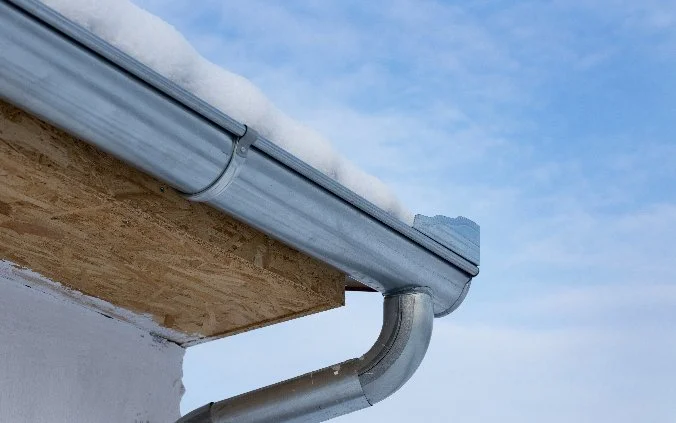
Frozen Gutters? 5 Tricks to Get Them Thawed and Cleared Out
Winter can be a beautiful season with the snow, winter sports, and holiday magic. However, all that snow can accumulate in your gutters, causing them to freeze over. This can lead to water damage to your roof, basement, and foundation. As a homeowner, it's crucial to take measures to prevent this issue before it becomes a disaster.
Winter can be a beautiful season with the snow, winter sports, and holiday magic. However, all that snow can accumulate in your gutters, causing them to freeze over. This can lead to water damage to your roof, basement, and foundation. As a homeowner, it's crucial to take measures to prevent this issue before it becomes a disaster.
In this post, we will take you through some tips and tricks to effectively thaw and clean frozen gutters and keep them functional throughout the winter season. Whether you are a homeowner dealing with frozen gutters for the first time or an experienced one who needs a refresher, this post is here to help. Let's get started!
Start by Removing Debris on the Roof
Before you commence thawing, ensure that your roof is free of debris. Do this to prevent materials from melting along with the ice and clogging your gutters’ downspout. Remove any twigs, leaves, or other objects that could impede the flow of water. Use a sturdy ladder and a plastic scoop or trowel to get rid of any debris you find on the roof.
If your roof has snow on it, be sure to remove it before attempting to thaw or clean your gutters. The added weight of the snow can put strain on your gutters and cause them to collapse. Use a roof rake or push broom to carefully remove the snow, being mindful not to damage your shingles. This will also give you a better view of any debris that needs to be cleared before thawing the gutters. Safety should always come first, so if you are not comfortable or able to safely remove the snow on your own, consider hiring a professional.
Melt the Ice Inside Your Gutters
One way to melt the ice inside gutters is by running warm water through them using a hose attachment. Ensure that there are no holes or cracks in the hose, which could cause more harm than good. Alternatively, you could use a salt and water mixture or some deicer on top of the frozen gutters. Avoid using a propane torch as it could set your house on fire!
Another method is to use an ice pick or shovel to carefully chip away at the ice buildup. This should be done with caution, as using too much force can damage your gutter system. Use a ladder to reach the areas of frozen gutters and work slowly and carefully to avoid any accidents.
Remove the Ice Once It Has Thawed
Once you’ve melted the ice, let the water run out freely. This works best if your downspouts are metal and don’t have debris clogging them. If they do, use a plumbing snake to clear any blockages, so the water flows freely. Ensure that any melted ice that drips onto the ground doesn’t freeze again and cause hazardous conditions to anyone that walks on it.
It's important to keep in mind the conditions in which you attempt to thaw and clear your frozen gutters. Avoid working on them during extreme cold temperatures, as this can make the ice even harder to remove and increase the risk of injury. It's also crucial to practice caution when using ladders and tools, especially if there is snow or ice on the ground. If the weather is too severe, it may be best to wait for more favorable conditions or hire a professional to take care of your gutters.
Create a Heat Source Around Your Gutters
If melting the ice with water or using a deicer mixture takes too long, consider creating a heat source around the frozen gutters. You could use a heat cable, which is purposely designed for this task and placed along the length of the gutters, melting the ice as it goes.
Heat cables can usually be found at hardware stores or online retailers. It's important to read the instructions carefully and follow safety precautions when installing and using heat cables. Keep in mind that these are only a temporary solution, so it's still necessary to take preventative measures to avoid frozen gutters in the long run.
Prevent Future Recurrence
You can prevent future gutter freezing by sealing any leaks or cracks using silicone caulking. Also, consider insulating the areas where heat escapes the house, such as the attic, to avoid warm air rising and creating an ice dam. Make sure that your roof is free of debris, so it doesn’t add to the problem.
If your gutters freeze every year no matter what preventative measures you take, it may be time to consider getting some help from a professional roofing company. A roofing or gutter specialist can assess your gutter system and make recommendations for improvements or repairs that could help prevent freezing in the future. They may also have specialized tools or techniques for thawing and clearing frozen gutters.
Remember, it's always better to seek professional assistance rather than risking injury or causing further damage to your home. With the right precautions and ongoing maintenance, you can keep your gutters clear and functional all winter long.
Frozen gutters are a common problem during the winter months, but effective ways to thaw and clean them exist. By following the above tips, you should be able to get rid of ice and debris, ensuring that your gutters are in good working order throughout the winter. If you don’t feel comfortable doing it yourself, consider calling a professional that can do the job for you. With a little effort and attention, you can prevent a disaster from happening and save money on future repairs.

How to Practice Sustainability with Your Furniture Choices
In today's world, sustainability has become a pressing concern for many individuals and businesses. From reducing carbon footprints to minimizing waste, practicing sustainability is essential for the well-being of our planet. One area where we can make a significant impact is in our furniture choices. This blog will explore how you can practice sustainability with your furniture selections, from choosing sustainable materials to considering responsible manufacturing practices.
In today's world, sustainability has become a pressing concern for many individuals and businesses. From reducing carbon footprints to minimizing waste, practicing sustainability is essential for the well-being of our planet. One area where we can make a significant impact is in our furniture choices. This blog will explore how you can practice sustainability with your furniture selections, from choosing sustainable materials to considering responsible manufacturing practices.
Understanding Sustainable Furniture
Before delving into specific practices, it's important to understand what sustainable furniture entails. Sustainable furniture refers to products that are designed, produced, and used in a way that minimizes their environmental impact. These pieces are typically made from renewable or recycled materials and are manufactured using responsible practices. Visiting Austin's top mattress shopping destination or a reputable local furniture or mattress store can help you better grasp sustainable furniture by closely examining the items. By choosing sustainable furniture, you can contribute to conserving natural resources, reducing waste, and supporting ethical production methods.
Material Choices for Sustainable Furniture
The materials used in furniture production have a significant impact on its sustainability. Opting for sustainable materials is key to reducing environmental impact. Reclaimed wood is an excellent choice as it comes from salvaged sources, reducing the need for new timber. Bamboo is another sustainable option due to its rapid growth and renewability. Recycled plastics, derived from items like bottles and packaging materials, help divert waste from landfills. When it comes to upholstery, selecting organic fabrics and natural fibers can further enhance the sustainability of furniture. These materials are often made from renewable resources and produced using eco-friendly processes, making them a responsible choice for sustainable furniture.
Responsible Manufacturing Practices
Consideration of the manufacturing processes employed by furniture companies is another key aspect of sustainability. Companies that prioritize responsible manufacturing utilize energy-efficient production methods, minimize waste generation, and implement recycling programs. They may also employ renewable energy sources, such as solar or wind power, to reduce their carbon footprint. Responsible manufacturers focus on reducing water consumption, using non-toxic materials, and implementing ethical labor practices. They strive for transparency in their supply chains, ensuring that the materials used in furniture production are sourced sustainably. Consumers can contribute to a more sustainable and ethical industry by supporting furniture brands that prioritize responsible manufacturing practices.
Longevity and Durability
A sustainable approach to furniture selection involves prioritizing longevity and durability. Investing in furniture that is built to last not only reduces waste but also minimizes the need for frequent replacements. High-quality materials, sturdy construction techniques, and attention to detail contribute to the longevity of furniture. Additionally, furniture with durable finishes and coatings can withstand wear and tear, ensuring it remains in good condition over time. By choosing long-lasting and durable furniture, consumers can reduce their environmental impact by avoiding the constant disposal and replacement of items. It also provides a cost-effective and sustainable solution, as well as the opportunity to pass down furniture to future generations.
Secondhand and Upcycled Furniture
Secondhand and upcycled furniture are excellent options for those seeking sustainable alternatives. Secondhand furniture refers to pre-owned items that are still in good condition and can be reused. By purchasing secondhand furniture, consumers extend the lifespan of existing products and reduce the demand for new manufacturing. This helps conserve resources and minimize waste. Upcycled furniture takes sustainability a step further by creatively transforming old or discarded items into new, functional pieces. It involves repurposing materials or giving new life to worn-out furniture through refurbishment and redesign. Upcycling not only reduces waste but also adds unique character and style to furniture. Embracing secondhand and upcycled furniture is a responsible choice that promotes sustainability and adds a touch of creativity to any space.
Disposal and Recycling Options

When it comes to sustainable furniture, proper disposal and recycling options are crucial. Instead of simply discarding unwanted furniture, it is important to explore recycling options. Recycling programs and facilities can help divert furniture from landfills and recover valuable materials for reuse. Some furniture manufacturers even offer take-back programs where they accept old furniture for recycling or responsible disposal. Additionally, donating furniture to charitable organizations or local thrift stores is a great way to give it a second life and benefit those in need. Another option is to repurpose or upcycle furniture by transforming it into something new and functional. By considering these disposal and recycling options, we can contribute to the circular economy, minimize waste, and reduce our environmental footprint.
Practicing sustainability with your furniture choices is a meaningful step towards a greener future. By selecting sustainable materials, considering responsible manufacturing practices, prioritizing longevity and durability, exploring secondhand options, and disposing of furniture responsibly, you can contribute to a more sustainable lifestyle. Remember, even small choices can have a significant impact when it comes to sustainability. So, let's make conscious decisions and create a more environmentally friendly world, one furniture piece at a time.

When DIY Isn’t Enough for Roof Repairs: A Homeowner's Guide
As a homeowner, there is no shortage of projects to tackle around the house. From painting walls to fixing leaky faucets, many homeowners take pride in their DIY skills and enjoy saving money by doing home repairs themselves.
As a homeowner, there is no shortage of projects to tackle around the house. From painting walls to fixing leaky faucets, many homeowners take pride in their DIY skills and enjoy saving money by doing home repairs themselves.
But when it comes to roof repairs, taking the DIY approach may not always be the best option. Your roof is one of the most important parts of your home, protecting you from harsh weather conditions and keeping your family safe and comfortable. While some minor roof repairs can be done by savvy homeowners with proper knowledge and equipment, more complex issues require professional expertise. Let's see a few reasons why you should consider hiring a professional for your roof repairs!
Quality Workmanship
In terms of roof repairs, one of the biggest advantages of hiring a professional is their expertise and experience. Professional roofers like distinctiveroofing.net/, among many others, know how to identify the underlying cause of the issue and provide effective, long-lasting solutions. Be it repairing leaky spots, replacing shingles, or fixing structural damage, a skilled roofing contractor can ensure that the job is done correctly and safely. Why take the risk of attempting repairs yourself when you can trust a professional to get the job done quickly and efficiently with reliable results? Quality workmanship is the answer to all your worries, and it's something that only a professional roofer can deliver.
Safety
Working on a rooftop is a challenging task that can be dangerous for those without the proper training or safety equipment. In fact, slips and falls from roofs are among the leading causes of injury and death for construction workers and DIY enthusiasts alike.
To stay safe, you want to hire professionals who have the experience and expertise to navigate rooftops safely. These experts come prepared with the latest safety gear and equipment, including harnesses, fall protection systems, and specialized tools. When you entrust your roof work to professionals, you can avoid the potential risks and hazards associated with this type of work, and enjoy peace of mind knowing that your property is in good hands.
Warranty and Insurance
When you hire a professional roofing contractor, you also get the added protection of warranty and insurance. This means that if any issues arise after their work is complete, they will come back to fix it without charging extra fees.
Even better, reputable roofers carry insurance coverage that protects both their workers and your property in case of accidents or damages during the repair process. This coverage ensures that you, as the homeowner, are not held liable for any injuries or damages incurred on your property.
Cost-Effective
The temptation to tackle the job yourself can be strong. After all, why hire a professional and pay their fees when you could save that money and do it yourself? However, while it may seem like the cheaper option in the short term, incorrect DIY repairs can lead to even more expensive problems in the future.
Contrary to popular belief, hiring a professional for your roof repairs can actually save you money in the long run. Thanks to their expertise, they can quickly identify and fix the root cause of problems, preventing them from becoming bigger and more costly issues down the line. Professional roofers also have access to high-quality materials at discounted rates, which can also contribute to cost savings.
Time Efficient
Time efficiency is arguably the most important reason to hire a professional roofing contractor. Professionals can quickly evaluate the damage, create a repair plan, and execute it effectively, much faster than a layperson could. This speed can be especially advantageous if you need emergency repairs due to a major storm or other unforeseen circumstances.
When you hire professionals, you can save yourself the hassle and stress of trying to figure out how to do the repairs correctly and efficiently. Instead, you can use your time doing things that are more important to you while leaving the roof repairs in capable hands.
Access to High-Quality Materials

As a homeowner, it can be frustrating when you realize you need to repair but don't have the right materials on hand. Thankfully, professionals have access to high-quality materials that may not be available at your local hardware stores. Maybe your shingles were discontinued or you need specialized tools for the job – a professional roofer can take care of these issues and ensure that the repairs are done with durable, high-quality materials.
Even a simple fix such as replacing a few missing shingles can be tricky without the right tools and materials. After all, your roof needs to withstand a variety of weather conditions, so it's essential to use the best materials available.
While there's an undeniable satisfaction in completing DIY home projects, roof repairs are best left to professionals. From ensuring quality workmanship and prioritizing safety to providing warranties and efficient service, professional roofers offer a plethora of benefits that surpass the initial cost. They bring expertise, experience, and access to high-quality materials that contribute to a sturdy, long-lasting roof. Your roof isn't just a part of your home; it's a crucial element that protects your family and your possessions.

Consider These Things Before Initiating a Home Roof Replacement
Your home's roof is a crucial component that shields you from the elements, ensuring a safe and comfortable living environment. Over time, however, wear and tear may take a toll on your roof, making a replacement inevitable. Before you embark on the journey of a home roof replacement, there are several factors to consider to ensure a smooth and successful project. From choosing the right materials to hiring the best contractors, taking these aspects into account can make a significant difference in the longevity and performance of your new roof.
Your home's roof is a crucial component that shields you from the elements, ensuring a safe and comfortable living environment. Over time, however, wear and tear may take a toll on your roof, making a replacement inevitable. Before you embark on the journey of a home roof replacement, there are several factors to consider to ensure a smooth and successful project. From choosing the right materials to hiring the best contractors, taking these aspects into account can make a significant difference in the longevity and performance of your new roof.
Assessing the Condition of Your Existing Roof
Before diving into a roof replacement project, it's essential to conduct a thorough assessment of your current roof's condition. This involves inspecting for signs of damage, such as leaks, missing shingles, or sagging areas. Hiring a professional roofing inspector can provide valuable insights into the extent of the damage and whether a repair or a complete replacement is necessary. Understanding the current state of your roof will not only guide your decision-making process but also help you plan your budget effectively. By addressing any underlying issues before the replacement, you can prevent future problems and ensure the longevity of your new roof.
Choosing the Right Roofing Materials
The market offers a plethora of roofing materials, each with its unique advantages and drawbacks. When initiating a home roof replacement, carefully consider the climate of your location, your budget, and the desired aesthetic appeal. Asphalt shingles are a popular and cost-effective choice, providing durability and versatility. Metal roofing, on the other hand, offers excellent longevity and is environmentally friendly. If you're aiming for a more traditional look, wood shakes or slate tiles may be appealing, though they come with different maintenance requirements. By understanding the characteristics of each material and aligning them with your specific needs, you can make an informed decision that enhances both the functionality and curb appeal of your home.
Collaborating with a Reputable Roofing Company
When embarking on a home roof replacement, partnering with a reputable roofing company can make all the difference. A professional roofing company brings a wealth of experience, skilled labor, and access to quality materials that may not be available to individual homeowners. Moreover, they often have established relationships with suppliers, potentially leading to cost savings. Before making a decision, obtain quotes from multiple roofing companies, comparing not only the price but also the services offered and the warranty provided. A reliable roofing company will have a portfolio of completed projects, allowing you to gauge their expertise and craftsmanship. By entrusting your roof replacement to a well-established roofing company, you can benefit from their industry knowledge, ensuring a seamless process and a roof that stands the test of time.
Sustainable Roofing Practices

As environmental awareness continues to grow, considering sustainable roofing practices is a crucial aspect of a home roof replacement. Opting for eco-friendly materials and installation methods not only reduces your carbon footprint but can also lead to long-term energy savings. Some roofing companies specialize in sustainable practices, offering options such as cool roofing, which reflects more sunlight and absorbs less heat, leading to improved energy efficiency. Additionally, inquire about the recyclability of the materials used in your replacement, ensuring that your old roofing materials are disposed of responsibly. By incorporating sustainability into your roof replacement project, you contribute to a healthier planet while enjoying the benefits of reduced energy consumption and potential financial savings.
Budgeting for Contingencies
No matter how meticulously you plan your home roof replacement, unforeseen challenges may arise during the process. It's essential to budget for contingencies to handle unexpected expenses that may occur, such as hidden structural damage or additional repairs uncovered during the project. A reputable roofing company will work with you to identify potential risks and provide a transparent estimate that includes a contingency fund. This financial buffer ensures that you are prepared for any surprises and can proceed with the replacement without compromising on the quality of the work. By budgeting for contingencies, you safeguard your investment and minimize the stress associated with unexpected developments, allowing the project to progress smoothly.
Embarking on a home roof replacement is a significant undertaking that requires careful consideration of various factors. Assessing your existing roof, choosing the right materials, hiring a reliable roofing contractor, collaborating with a reputable roofing company, prioritizing sustainability, and budgeting for contingencies are key steps in ensuring a successful and enduring roof replacement. By navigating these considerations thoughtfully, you not only protect your home but also enhance its value, energy efficiency, and overall aesthetic appeal. Ultimately, investing time and effort in these decisions will result in a roof that provides reliable protection and peace of mind for years to come.

