

A resource for those seeking information on organizing and transforming spaces.

Which Type of Heater Is Right for Your Home?
Choosing the right heater for your home during the winter is crucial for maintaining a comfortable environment. With various options available, it's essential to navigate through the features and considerations. This blog will aid you in making an informed decision, ensuring your home remains a cozy haven throughout the frosty months.
We partnered with a home improvement company for this post. The opinions in the post are honest. All reviews and opinions expressed in this post are based on our personal views. We are excited because we know you will love it.

Choosing the right heater for your home during the winter is crucial for maintaining a comfortable environment. With various options available, it's essential to navigate through the features and considerations. This blog will aid you in making an informed decision, ensuring your home remains a cozy haven throughout the frosty months.
Understanding Your Heating Needs
Before diving into the world of heaters, it's crucial to understand your home's specific heating requirements. Assess the size of your home and its insulation to determine the amount of heat needed. Consider different rooms; perhaps your living room needs a different approach than your bedroom.
Types of Heaters
Heaters come in various shapes and sizes, catering to different needs. Let's explore the major types.
1. Central Heating Systems: Central heating systems, such as furnaces or boilers, distribute warmth throughout the entire house. They offer consistent heating, are ideal for large spaces, and often come with programmable thermostats for efficient temperature control. One advantage is the ability to heat the entire home uniformly, providing comfort in every room.
2. Space Heaters: Space heaters come in various types, including convection, radiant, and ceramic. Convection heaters circulate warm air, radiant heaters emit heat directly to objects, and ceramic heaters use ceramic elements for efficient heating. They are portable, offering targeted heating for specific areas, and are energy-efficient, allowing users to warm specific zones without heating the entire house.
3. Radiant Heaters: Radiant heaters emit infrared radiation, warming people and objects directly in their path. They are known for their cozy, instant warmth and are suitable for smaller spaces. The advantage lies in their efficiency, as they don't waste energy heating the air. Radiant heaters are an excellent choice for localized, focused heating.
4. Heat Pumps: Heat pumps achieve both heating and cooling functions by moving heat between the indoor and outdoor air. They are energy-efficient, as they move heat rather than generate it, making them suitable for moderate climates. One advantage is their versatility, offering both heating and cooling functions within the same system.
5. Gas Heaters: Gas heaters, commonly using natural gas or propane, provide quick and powerful heating. They are cost-effective and can heat large areas efficiently. However, proper ventilation is crucial to ensure safety when using gas heaters indoors. The advantage lies in their fast and effective heating capabilities.
6. Electric Heaters: Electric heaters come in various types, including convection, radiant, and fan-forced. They are convenient, portable, and easy to install. While they may have higher operational costs, their advantage lies in their simplicity and suitability for smaller spaces or supplemental heating in specific rooms.
Maintenance Tips for Longevity
To ensure your heater operates at its best and enjoys a long lifespan, regular maintenance is essential. Here are some key tips:
Regular Cleaning and Draining: Clean and drain your heater tank periodically to prevent sediment and mineral deposits that can affect efficiency and longevity.
Inspection: If you recently installed a new heater, conduct thorough inspections to ensure proper installation and address any issues promptly. This is crucial for the long-term performance of the heating system.
Heater Selection and Installation: Choose the right heater for your needs and ensure proper heater installation to guarantee optimal functionality.
Schedule Professional Maintenance: Consider professional maintenance services periodically to address any potential issues and keep your heater in top form.
Conclusion
Choosing the right heater involves considering various factors, from the type of heating system to your budget and environmental concerns. Armed with this knowledge, you're now equipped to make an informed decision that ensures your home stays comfortably warm.
About the Author
Hazel Hale is the Content Marketing Strategist of Annette Hale’s Indoor Comfort Systems, the most trusted provider of heating and AC repair services in Huntsville, AL and the surrounding areas. When not working, she enjoys photography, digital art and watching her son's soccer games.
Affordable Ways to Waterproof Your Basement and Protect Your Home
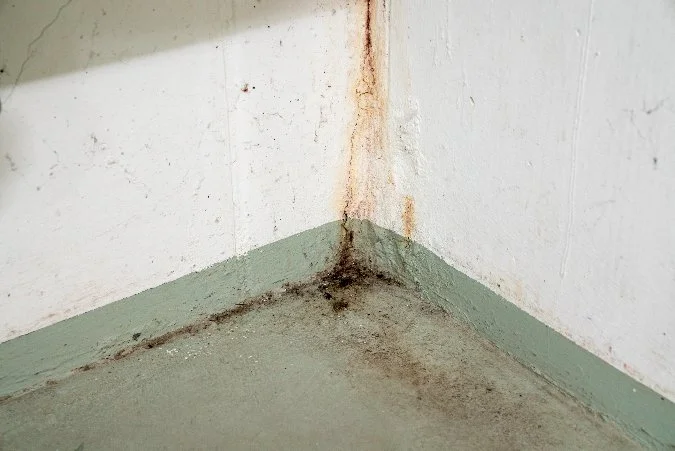
As a homeowner, protecting your investment should always be a top priority. One vulnerable area of the home that often gets overlooked is the basement. Whether you use it as an extra living space or simply for storage, ensuring that your basement is waterproofed can save you from potential disasters and costly repairs in the future. While waterproofing may seem like a daunting and expensive task, there are actually many affordable ways to do it yourself and effectively protect your home. In this blog post, we will discuss some budget-friendly options for waterproofing your basement so that you can have peace of mind knowing your home is safe and secure from any water damage.
As a homeowner, protecting your investment should always be a top priority. One vulnerable area of the home that often gets overlooked is the basement. Whether you use it as an extra living space or simply for storage, ensuring that your basement is waterproofed can save you from potential disasters and costly repairs in the future. While waterproofing may seem like a daunting and expensive task, there are actually many affordable ways to do it yourself and effectively protect your home. In this blog post, we will discuss some budget-friendly options for waterproofing your basement so that you can have peace of mind knowing your home is safe and secure from any water damage.
Common Causes of Water Damage in Basements
Basements are typically the lowest level of a home and are, therefore, more susceptible to water damage compared to other areas of your house. Common causes of water damage in basements include poor drainage, cracks in walls and floors, and high humidity. Poor drainage may result from clogged gutters, an improperly graded yard, or a lack of proper drainage systems. Cracks in walls and floors may allow water to enter the basement through gaps and its foundation. High humidity can also increase the risk of mold growth and water damage. It's important to address these issues as soon as they arise to prevent further damage and to ensure your home remains safe and healthy.
How to Properly Seal Cracks and Gaps in Basement Walls
Basement waterproofing is an essential part of home maintenance that should be noticed. One of the most effective ways to ensure that your basement stays dry is by properly sealing any cracks or gaps in the walls with caulk or hydraulic cement. Before starting, it's important to make sure that the area is dry and free from any debris. Then, choose the appropriate sealant based on the size and location of the crack or gap. Apply the sealant using a caulking gun or trowel and smooth out any excess. Wait for the sealant to dry completely before testing for any leaks. By following these simple steps, you can protect your home from water damage and keep your basement dry for years to come.
Installing a Proper Drainage System
Installing a proper drainage system is crucial in preventing water from entering your basement. With heavy rain and snowmelt, it's important to ensure that water is directed away from your home’s foundation. This can be accomplished by adding downspout extensions, re-grading the yard so it slopes away from the foundation, adding French drains, or installing a sump pump. One of the most important steps in installing a drainage system is to ensure proper installation. Improper installation can lead to water seeping into your basement, causing water damage and costly repairs. By following proper installation guidelines, you can protect your home and give yourself peace of mind during harsh weather conditions. Remember, always consult with a professional if you're unsure about installation procedures or if your drainage system needs repairs.
Using Waterproof Paint and Coatings
Homeowners who want to safeguard their basements from water damage have an additional tool at their disposal. Waterproof paint and coatings offer a cost-effective solution to protect basement walls from moisture infiltration. These specialized paints create a tight seal on the surfaces, making them resistant to water penetration. This added layer of protection not only keeps the area dry, but also helps to prevent the growth of mold and mildew. It is crucial to choose the right type of paint or coating for the job and to follow the instructions for proper application. When used correctly, waterproof paints and coatings can serve as a valuable barrier against water damage, giving peace of mind to homeowners who want to protect their homes from costly repair bills.
Installing Window Well Covers
Ensuring that your basement stays dry is an essential part of home maintenance. Installing window well covers is a cost-effective way to prevent water from entering through your basement windows. These covers are specially designed to keep debris and water out, protecting your home from potential water damage. It is important to choose the right size and style of cover to ensure a proper fit and optimal protection for your home. There are various affordable options available for window well covers, making it an easy and smart investment for any homeowner looking to safeguard their property. Remember, prevention is always better than dealing with the headache of water damage later.
As we have seen, water damage in basements can be a major issue for homeowners and can result in costly repairs. However, by being aware of the common causes of basement water damage and taking preventative measures, such as sealing cracks, installing a proper drainage system, and using waterproof paint and coatings, you can protect your home from potential disasters. It is important to stay vigilant and regularly inspect your basement for any signs of water intrusion. Be sure to address leaks and seepage before it's too late. Remember, with proper maintenance and simple DIY solutions like window well covers, you can save yourself from dealing with the headaches and financial burden of basement water damage. So what are you waiting for? Start applying these tips today to keep your basement dry and protected.

Making Sure Your Water Lines are Clean and Safe to Drink
Water is an essential element in our daily lives. It is important to know that the water we use for drinking, cooking, and bathing is safe and clean. Unfortunately, our water lines can sometimes become contaminated, producing unpleasant odors, discoloration, and harmful bacteria. Luckily, there are ways to make sure your water lines are clean, and the water you consume is safe. This article will provide information to homeowners on how to identify and address water line issues.
Water is an essential element in our daily lives. It is important to know that the water we use for drinking, cooking, and bathing is safe and clean. Unfortunately, our water lines can sometimes become contaminated, producing unpleasant odors, discoloration, and harmful bacteria. Luckily, there are ways to make sure your water lines are clean, and the water you consume is safe. This article will provide information to homeowners on how to identify and address water line issues.
Know the Signs of Water Line Contamination
Discoloration is one of the first things to look for when it comes to water line contamination. If your water looks brown or yellowish, there is likely rust in your lines. A metallic taste or a foul odor can also indicate contamination. Besides discoloration, bacteria and algae growth can also occur. In extreme cases, E. coli or other waterborne illnesses can make you and your family sick. Therefore, keeping an eye on any changes in your water's appearance and taste is essential.
Get Your Water Tested
To identify the extent of the contamination, it's crucial to have your water tested. You can get your water tested at home by purchasing a test kit or contact a professional for a more comprehensive analysis. Ensure that the test results include bacteria, pH balance, and total dissolved solids (TDS). You may also consider testing for lead if your home was built before 1986. Based on the test results, you can take the required corrective actions.
Flush Your Water Lines
Flushing your water lines means running the water for a few minutes to get rid of any stagnant water or debris that may have accumulated in the pipes. It is especially useful after you've been away from home for a while or have had work done on your plumbing. Flushing your water lines helps eliminate bacteria and impurities and improve water quality.
Install a Water Filtration System
Installing a water filtration system can significantly improve the quality of your water. These systems come in different types and sizes, but they all work to remove contaminants and impurities from your water. Companies like Florida Water Treatment can provide a whole-house filtration system, which is ideal for removing impurities from all your water sources, while a point-of-use filter is great for targeted filtration, such as for drinking water.
Have Your Water Lines Periodically Cleaned by Professionals
In addition to the tips mentioned above, having your water lines professionally cleaned every few years is a good idea, even if you don't have any obvious signs of contamination. The cleaning process involves thoroughly flushing the pipes and applying chemicals that can remove sediment and bacteria buildup.
Water line contamination can be a serious health concern if left untreated. Fortunately, there are ways to ensure the water you use is clean and safe for consumption. By knowing the signs of water line contamination, getting your water tested, flushing your lines, installing a water filtration system and periodically getting professional cleaning and maintenance of your pipes, you can rest easy knowing that the water you are consuming is clean, safe and healthy. Remember these tips and be proactive in taking care of your home's water system.

The Top Reasons to Get a Roof Inspection Before Moving into Your New Home
When it comes to purchasing a new home, one of the most overlooked aspects is the condition of the roof. However, the health and longevity of the roof can significantly impact your living experience and potential repair costs. A comprehensive roof inspection is not merely an optional step in the home buying process; it's a critical measure that can provide peace of mind and financial security. When you are planning to move into a new home, it's essential to get a roof inspection from a certified and experienced roofing contractor. This step is especially crucial if you are buying or selling in the real estate market. So, what are the top reasons to get a roof inspection before moving into your new home?
When it comes to purchasing a new home, one of the most overlooked aspects is the condition of the roof. However, the health and longevity of the roof can significantly impact your living experience and potential repair costs. A comprehensive roof inspection is not merely an optional step in the home buying process; it's a critical measure that can provide peace of mind and financial security. When you are planning to move into a new home, it's essential to get a roof inspection from a certified and experienced roofing contractor. This step is especially crucial if you are buying or selling in the real estate market. So, what are the top reasons to get a roof inspection before moving into your new home?
Identifying Existing Damage and Repairs
One of the most obvious reasons for getting a roof inspection is to identify any existing damage that can be fixed before you move in. A thorough roof inspection will uncover any present issues such as leaks, cracks, or missing shingles that can lead to more significant problems in the future. By identifying and addressing these issues beforehand, you can save yourself from potential headaches and expenses down the road.
Sometimes, the roof may have damage that is not immediately visible, and only a professional inspection can detect it. For instance, a roofing contractor may find signs of water damage or mold growth in the attic, which could indicate a leaky roof. Addressing these issues before moving in will ensure that your new home is safe and comfortable.
Estimating Repair Costs
Getting a roof inspection before moving into your new home can also give you a better understanding of the potential repair costs. A qualified roofing contractor will provide you with an estimate for any necessary repairs or replacements, allowing you to budget accordingly and avoid any unexpected expenses.
Moreover, if there are significant issues that need to be addressed, you can negotiate with the seller to cover some or all of the repair costs before finalizing the purchase. This can save you a significant amount of money and ensure that the roof is in good condition when you move in.
Reaching Out to Professional Roofers
Another essential reason to get a roof inspection before moving into your new home is to establish a relationship with a reputable roofing contractor. A thorough inspection will allow you to ask questions, seek advice, and get recommendations from the roofer. This can be particularly helpful if you need any repairs or maintenance done in the future. Namely, an experienced roofing business will have a better understanding of your roof's condition and can provide reliable services when needed. From expert installers to premium products as well as affordable prices, a professional roofer can ensure your roof's long-term health and performance.
Empowering Yourself with Roofing Knowledge
Understanding the basics of roofing systems is not just a handy skill for homeowners but a crucial one. When you are familiar with the different components of a roof and how they function, you can make more informed decisions about repairs and replacements. Furthermore, this knowledge can help you better communicate with your roofing contractor, enabling you to ask pertinent questions and fully understand the scope of work being done.
This awareness can ultimately lead to cost savings, as you'll be able to identify small issues before they become major problems and you can ensure that the work done on your roof is both necessary and of high quality.
Enhancing the Resale Value of Your New Home

Having a well-maintained roof is a significant factor that potential buyers consider when looking for a home. By getting a roof inspection before moving into your new home, you can ensure that the roof is in top-notch condition, thereby increasing the home's overall value. If you decide to sell your home in the future, an impeccable roof condition can be a strong selling point. It gives potential buyers confidence in the home's structure and can help you fetch a higher selling price.
A good idea is to enhance the aesthetic of your roof by having it cleaned and inspected before moving in. This will not only improve the curb appeal of your new home but also give you a fresh start with a clean and well-maintained roof. When the cleaning and inspection are done by a professional, you can be confident that your roof will look its best and perform optimally for years to come.
Getting a roof inspection before moving into your new home is a smart decision that can provide numerous benefits. From identifying damage and estimating repair costs to empowering yourself with roofing knowledge, reaching out to professional roofers, and enhancing the resale value of your home, a roof inspection is an essential step in the home-buying process. Don't overlook it and ensure that you have a secure and comfortable living experience in your new abode. So, make sure to prioritize getting a roof inspection before moving into your new home. It's a small investment that can bring significant returns in terms of peace of mind and financial security.

