

A resource for those seeking information on organizing and transforming spaces.
Design Your Dream Bedroom With These Smart Guidelines
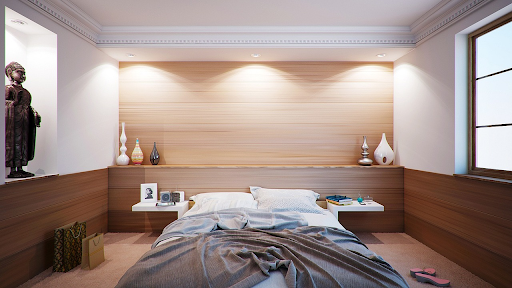
Welcome to your journey of creating the bedroom of your dreams! Designing your sanctuary involves much more than just picking a wall color. It's about choosing the elements that speak to you and creating a space that not only looks stunning but also feels utterly you. Let's dive into some smart guidelines to help you navigate this process.
Welcome to your journey of creating the bedroom of your dreams! Designing your sanctuary involves much more than just picking a wall color. It's about choosing the elements that speak to you and creating a space that not only looks stunning but also feels utterly you. Let's dive into some smart guidelines to help you navigate this process.
Improve the Storage
Proper storage is an absolute game-changer in bedroom design. It is the secret to a clean, organized, and clutter-free space. It's not just about having enough room to store your belongings, but also about how well these storage solutions integrate with your overall decor. Wardrobes, under-bed storage, chests, and floating shelves can all be used as effective storage solutions. Besides keeping your belongings neatly sorted, these solutions can also add aesthetic value to your bedroom.
They can be chosen to complement your decor style, whether it's minimalist, boho, or classic. Homeowners like to add a tallboy chest of drawers or a nightstand near the bed, providing easy access to daily essentials and creating symmetry in the room. An organized bedroom can help reduce stress and promote better sleep. So remember, when designing your dream bedroom, don't overlook the power of good storage.
Create a Functional Layout
A functional layout is the bedrock of an efficient and comfortable bedroom. It ensures that your room not only looks good but is also easy to navigate and use. Imagine waking up in the middle of the night and being able to walk to the bathroom without bumping into furniture - that's the convenience a well-planned layout offers. It includes optimal placement of the bed, seating, storage, dressers, and other furniture.
The layout should also consider elements like windows and doors. A well-designed layout can make a room look larger, improve circulation, enhance natural light, and promote a harmonious flow of energy. In addition, it can effectively delineate spaces for different activities, such as sleeping, dressing, or reading, making your bedroom a truly multifunctional space.
Define Your Style and Theme
When you're renovating a bedroom, you should be aware of the different styles and themes you could go for. Some popular picks are the following:
Modern/Contemporary
Traditional
Bohemian/boho
Scandinavian
Industrial
Farmhouse/Rustic
Mid-century Modern
Glamorous Hollywood Regency
Japanese Zen
This choice influences everything from color, patterns, and furniture to accessories. A well-defined style ensures aesthetic consistency, creating a harmonious visual flow. It allows you to express your personality, ensuring the space feels truly yours. Meanwhile, a theme provides a narrative, adding depth and character to the room. Together, style and theme play a pivotal role in creating a space that is not only visually appealing but also emotionally resonant.
Choose a Relaxing Color Scheme
Choosing a relaxing color scheme greatly contributes to the atmosphere of your bedroom, influencing your mood and sleep quality. They have psychological impacts - for instance, blues and greens are known to induce calm and relaxation, making them ideal for a sleep environment. Neutral tones like beige, white, and gray can help create a serene and peaceful ambiance.
Meanwhile, adding subtle pops of color through accessories can inject personality without compromising tranquility. It's essential to select a palette that resonates with your taste and complements your overall decor theme. A well-chosen color scheme can transform your bedroom into a soothing retreat, aiding in restful sleep and promoting overall well-being.
Personalize the Room
Personalization involves incorporating elements that reflect your interests, passions, and experiences. Personal touches can be in the form of cherished photos, favorite books, travel mementos, or artworks that speak to you. The choice of bed linens, throw pillows, and other textiles can also reflect your style. Even the unique scent of a room can make a significant difference in how the space feels.
Through personalization, your bedroom becomes more than just a room — it transforms into a reflection of your personality, providing a sense of comfort and belonging. Ultimately, a personalized bedroom is a space where you can truly relax and be yourself.
Optimize Lighting
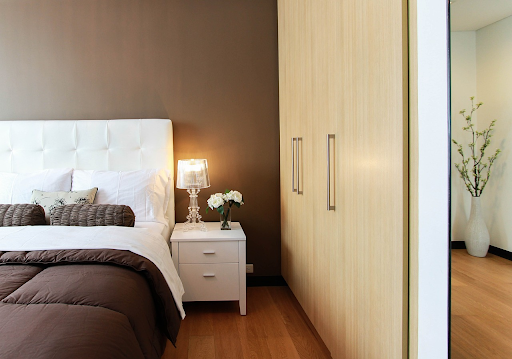
Optimizing lighting is crucial in bedroom design as it enhances functionality, boosts mood, and contributes to the overall aesthetics. Consider a blend of ambient, task, and accent lighting to create an adaptable and dynamic space. Ambient lighting provides overall illumination, while task lighting is essential for reading or dressing. Accent lights underscore design features and add depth.
Also, take advantage of natural light by strategically placing mirrors to reflect daylight. Remember, the right choice of light, whether warm or cool, can set the tone of the room. Lastly, dimmable lights offer the flexibility to adjust the brightness to your liking.
Designing your dream bedroom is a journey of self-expression. It requires thoughtful consideration of storage, layout, style, color, personal touches, and lighting. Remember, your bedroom should be a sanctuary that captures your spirit, soothes your senses, and promotes restful sleep. Take these guidelines to heart as you create a space that truly feels like home.

Find Your Second Dream Home: Vital Steps
Finding your second dream home may seem like a daunting task, but with the right approach, it can be an exciting journey. Whether you're looking for a vacation home, an investment property, or a place to retire, there are several critical steps to consider in this process. This guide aims to walk you through these essential steps, ensuring that your second home-buying experience is smooth, enjoyable, and ultimately successful.
Finding your second dream home may seem like a daunting task, but with the right approach, it can be an exciting journey. Whether you're looking for a vacation home, an investment property, or a place to retire, there are several critical steps to consider in this process. This guide aims to walk you through these essential steps, ensuring that your second home-buying experience is smooth, enjoyable, and ultimately successful.
Identify Your Needs and Wants
Start by clearly identifying what you're looking for in a second home. Are you seeking a tranquil retreat nestled in the serene mountains, surrounded by lush greenery and breathtaking views? Perhaps you envision a bustling city condo with floor-to-ceiling windows, offering panoramic skyline views that dazzle both day and night. Or maybe your dream is to own a beachfront property where you can wake up to the soothing sound of crashing waves and feel the warm sand beneath your feet. Take the time to list out your non-negotiables and nice-to-haves, such as the desired number of bedrooms, outdoor space for relaxation or entertaining, or proximity to amenities like shops, restaurants, or recreational facilities. This crucial step will not only help you narrow down your options but also enable you to focus on properties that truly meet your specific requirements and desires.
Set a Realistic Budget
Before embarking on your search, it's essential to establish a realistic budget that takes into account all expenses associated with owning a second home. Consider factors such as mortgage payments, insurance, property taxes, maintenance costs, and potential homeowners' association fees. Additionally, think about any renovation or furnishing expenses that may arise if the property requires customization. Having a clear understanding of your financial boundaries will not only prevent undue stress but also steer your search in the right direction, ensuring that you find a second home that aligns with your financial goals and aspirations.
Understand the Market
A comprehensive understanding of the real estate market in your preferred location is paramount. Take the time to research property values, growth trends, and rental yields if you're considering the possibility of renting out your property in the future. Stay informed about any upcoming developments or infrastructure projects that could potentially impact property values down the line. This knowledge will empower you to make informed decisions and avoid costly mistakes. Additionally, consider consulting with a local real estate expert who can provide deeper insights into the market dynamics and offer valuable guidance throughout your home-buying journey.
Hire a Local Real Estate Agent
Collaborating with a knowledgeable local real estate agent is highly recommended when searching for a second home. Local experts in real estate possess extensive knowledge of the area and can provide valuable guidance in choosing the best neighborhoods, schools, and local amenities that align with your preferences and lifestyle. They will also provide invaluable assistance during negotiation and closing, ensuring a smoother buying process. By partnering with an agent who understands your specific needs and requirements, you can save precious time and effort in finding the ideal second home that checks all the boxes.
Inspect the Property Thoroughly
Once you've identified a potential property, it's crucial to conduct a thorough inspection. Pay close attention to any issues that could require costly repairs, such as structural problems, water damage, or outdated electrical systems. To gain a comprehensive understanding of the property's condition, it's advisable to hire a professional home inspector who can identify any hidden problems that may not be immediately apparent. This step will provide you with peace of mind and enable you to make an informed decision before finalizing the purchase, ensuring that you're making a sound investment.
Think Long-Term

When considering a second home, it's essential to think beyond the present and envision your long-term plans. If you're purchasing a retirement home, think about the importance of accessibility features and the proximity to healthcare facilities. If the property is intended as an investment, carefully evaluate its rental potential and resale value in the future. Additionally, envision how the property will suit your evolving lifestyle in the years to come and whether it aligns with your future goals and aspirations. Taking a long-term perspective will help ensure that your second home remains a dream home for years to come, providing you with a fulfilling and rewarding experience that enhances your quality of life.
Embarking on the journey to find your second dream home is undoubtedly thrilling, but it also requires careful planning and consideration. By identifying your needs and wants, setting a realistic budget, understanding the market, hiring a local real estate agent, inspecting the property thoroughly, and thinking long-term, you can ensure a smooth and successful home-buying experience. So dive in, stay informed, and take your time. Remember, this is not just about buying a property—it's about finding your next dream home, a place where you will create memories and enjoy for years to come. Good luck on your journey!

Turn Your House Into A Home With These Simple Ideas
Creating a warm and inviting atmosphere in your living space goes beyond just decorating with the latest trends. It's about infusing your personality, preferences, and comfort into every nook and cranny. Turning a house into a home involves a thoughtful blend of design, functionality, and a touch of personal flair. In this blog post, we'll explore a variety of simple yet impactful ideas that can transform your living space into a haven that resonates with your unique style.
Creating a warm and inviting atmosphere in your living space goes beyond just decorating with the latest trends. It's about infusing your personality, preferences, and comfort into every nook and cranny. Turning a house into a home involves a thoughtful blend of design, functionality, and a touch of personal flair. In this blog post, we'll explore a variety of simple yet impactful ideas that can transform your living space into a haven that resonates with your unique style.
1. Welcome with a Personalized Entrance
The entrance of your home sets the tone for what's inside. Make it warm and welcoming by adding personal touches. Consider a custom doormat with your family name or a favorite quote. Enhance the area with potted plants or flowers to bring a touch of nature and freshness. A well-lit entryway, perhaps with string lights or a stylish pendant, adds an inviting glow that beckons guests and family members alike.
2. Get Smart Roofing Installed
Your home's exterior plays a crucial role in its overall appeal and functionality. One often overlooked aspect is the roof. Upgrading to smart roofing not only enhances energy efficiency but also contributes to the aesthetic appeal. Professionals at GreenTek Roofing and Solar suggest that when you entrust your project to licensed contractors, you’ll be able to rest easy knowing that your home or business is in good hands and that you’ll have the support you need every step of the way. Smart roofing systems can include solar panels, advanced insulation, and even smart sensors to regulate temperature, providing a modern and eco-friendly solution for your home.
3. Embrace Natural Light with Window Treatments
Harnessing natural light can drastically change the ambiance of your home. Choose window treatments that allow ample sunlight to filter through while maintaining privacy. Sheer curtains or blinds in light colors can create an airy feel, making rooms appear more spacious. Additionally, consider strategically placing mirrors to reflect natural light and open up the space. This simple trick not only brightens up your home but also adds a touch of elegance.
4. Create Cozy Nooks with Thoughtful Furniture Arrangements
Arranging furniture thoughtfully can make a significant impact on the comfort and functionality of your living spaces. Instead of pushing all furniture against the walls, create cozy nooks by floating furniture arrangements. This not only makes the room feel more intimate but also encourages conversation and connection. Experiment with different layouts until you find the one that complements the flow of your daily activities.
5. Personalize Your Walls with Art and Photographs
Blank walls can make a home feel impersonal. Inject life and personality by adorning your walls with art and photographs that hold sentimental value. Create a gallery wall showcasing family photos, travel memories, or even your artwork. This not only adds a personal touch but also serves as a conversation starter, allowing your guests a glimpse into your life's journey.
6. Introduce Greenery for a Breath of Fresh Air
Bringing the outdoors in is a timeless way to add vitality to your home. Introduce houseplants to various rooms, choosing varieties that thrive in different lighting conditions. Plants not only contribute to improved air quality but also act as natural decor elements. Consider statement planters or hanging pots to add visual interest and elevate the overall aesthetic.
7. Infuse Signature Scents

Scents have the power to evoke memories and create a cozy atmosphere. Select signature scents for different areas of your home. Use calming lavender or chamomile in the bedroom, invigorating citrus in the kitchen, and warm vanilla or cinnamon in the living room. Scented candles, essential oil diffusers, or potpourri bowls are all great ways to infuse your home with delightful fragrances.
8. Invest in Quality Bedding for Ultimate Comfort
The bedroom is your sanctuary, and investing in quality bedding can make a world of difference. Opt for soft, breathable fabrics that provide both comfort and style. Layering with throws and accent pillows in coordinating colors can add depth and warmth to the space. Consider neutral tones for a serene vibe or experiment with bold colors to express your personality.
9. Curate a Reading Corner or Home Library
For book lovers, there's no better way to make a house feel like home than by creating a dedicated reading corner or home library. Install bookshelves and display your favorite reads alongside decorative items. A comfortable chair or a plush window seat with ample natural light can turn this space into a cozy retreat for relaxation and intellectual indulgence.
10. Revamp Your Outdoor Space
Extend the warmth and comfort beyond your home's interior by revamping your outdoor space. Whether you have a sprawling backyard or a petite balcony, invest in comfortable outdoor furniture and create a cozy nook. Add outdoor rugs, cushions, and lighting to make the space inviting. Incorporate potted plants and consider a small herb garden for both aesthetics and practicality.
Turning your house into a home is a journey that involves careful consideration of your lifestyle, preferences, and the unique features of your living space. From small decorative touches to significant structural upgrades like smart roofing, each step contributes to the overall ambiance of your home. Embrace these simple ideas, infuse your personality into every detail, and watch as your house transforms into a warm and welcoming haven for you and your loved ones.

7 Ways a Basement Elevates Your Home's Organization Game
Welcome to the ultimate guide for homeowners looking to boost their organization game and make the most out of every inch of their living space. Are you tired of clutter taking over your home? Constantly searching for lost items? It's time to invest in a basement and unlock its hidden potential. Many people overlook this often neglected area, but with some smart planning and creative ideas, your basement can become an organized haven that elevates your entire home.
Welcome to the ultimate guide for homeowners looking to boost their organization game and make the most out of every inch of their living space. Are you tired of clutter taking over your home? Constantly searching for lost items? It's time to invest in a basement and unlock its hidden potential. Many people overlook this often neglected area, but with some smart planning and creative ideas, your basement can become an organized haven that elevates your entire home.
Here, we will explore 7 ways a basement can transform into a functional and stylish space, helping you save time, reduce stress, and improve the overall functionality of your living environment. So buckle up and get ready to take your organization skills to new heights with these innovative solutions for utilizing your basement!
A Renovated Basement Increases The Value
Renovating your basement not only adds functional space to your home but also enhances its overall value. This is especially important if you ever plan on selling your property in the future. A well-designed and organized basement can catch the eye of potential buyers, distinguishing your property from others in the market.
Finding the right experts to help with the renovation can make all the difference in maximizing your return on investment. Whether you use this website or others, do your research and find reputable contractors with a track record of delivering quality work. This way, you can be confident that your basement renovation will pay off in the long run.
Utilize Vertical Storage
Basements have a reputation for being dark and dingy, but with the right organization tactics, it can become a well-lit and airy space. One method to accomplish this is to use vertical storage solutions. Install shelves or cabinets along the walls to free up floor space and keep your belongings organized. You can also use pegboards or hanging racks for tools, sports equipment, or even holiday decorations. By utilizing vertical storage, you not only create a more spacious atmosphere but also make items easily accessible, saving you time and effort.
Create Functional Zones
A basement's layout can often be challenging to work with due to its large open space. However, this can be turned into an advantage by creating functional zones. Divide the room into different areas based on your needs and interests. For example, a section for storage and laundry, a home office or study area, a workout space, or even a playroom for children. This not only helps with organization but also allows each zone to serve its specific purpose without overlapping or cluttering.
Incorporate Built-In Cabinets and Shelves
Built-in cabinets and shelves are a must-have for any basement looking to maximize organization. They not only provide ample storage space but also add a touch of elegance and functionality to the room. Instead of using standard bulky bookshelves or storage units, opt for custom-built ones that fit seamlessly into your basement's design. You can also add features like drawers, doors, and dividers to further enhance their organizational capabilities.
Decorate with Personality

Basements are often overlooked when it comes to interior design and decor. However, incorporating some personal touches not only adds character but can also improve organization. Use fun and creative storage solutions that reflect your personality or interests, such as using vintage suitcases as storage or hanging up collections of artwork. This not only makes the space feel more inviting, but it also adds a personal touch to your organization game.
Make Use of Underutilized Spaces
Basements often have odd nooks and crannies that seem unusable. However, with some creativity, these spaces can become valuable storage areas. For example, under-stairs storage or utilizing the space behind a door for hanging racks. These spaces not only add to the overall organization of your basement but also make use of every inch of available room.
Incorporate Proper Lighting
Proper lighting is crucial in any organized space. Basements tend to have minimal natural light, but with the right lighting fixtures, you can brighten up the room and make it feel more spacious. Consider installing recessed lighting or track lights to illuminate specific areas, such as a reading nook or work area. You can also use floor lamps or table lamps to add warmth and ambiance to the space.
In conclusion, a basement can be a game-changer in improving your home's organization. By renovating and utilizing this often overlooked area, you not only add value to your property but also create functional zones, utilize vertical storage, incorporate built-in solutions, and personalize the space with your unique style. So take advantage of these 7 ways to elevate your organization game and transform your basement into a functional and stylish space for years to come.

