

A resource for those seeking information on organizing and transforming spaces.

5 Clever Ways to Organize Your Pantry
The pantry is an important room in your home for storing food supplies and perishables. Unfortunately, like the kitchen, the pantry can easily get cluttered. If you’ve been spending minutes searching for specific ingredients or can’t access items easily, you should think about organizing your pantry immediately.
We partnered with a home improvement company for this post. The opinions in the post are honest. All reviews and opinions expressed in this post are based on our personal views. We are excited because we know you will love it.
The pantry is an important room in your home for storing food supplies and perishables. Unfortunately, like the kitchen, the pantry can easily get cluttered. If you’ve been spending minutes searching for specific ingredients or can’t access items easily, you should think about organizing your pantry immediately.
However, as with any other room, you should declutter first. Remove items from all shelves, check expiry dates, and discard or recycle empty containers. You should then clean the pantry thoroughly before returning your items. While at it, focus on using the pantry as a store for your kitchen and not a dumping ground for small gadgets. That said, below are clever tips for organizing your pantry.
1. Divide the Pantry into Zones
Zoning is the first step to organizing your pantry. If you always rummage through various items to find what you are looking for, consider grouping or categorizing similar things together. Besides easing organization, zoning makes it easy to identify available supplies and what should be restocked. You should zone the pantry as follows:
Zone 1: Impromptu Entertaining
Unless you live alone and don’t like guests, you should always anticipate food-related emergencies. Your first zone should feature fast-fix appetizers, toothpicks, napkins, and trays. Keep them on the top shelf to preserve space for everyday products. You can easily retrieve the basket anytime your guests arrive.
Zone 2: Quick Breakfast
Your morning meals should be in an easily accessible spot. This ensures that you can find anything in the pre-coffee haze. Fortunately, organizing most breakfast items in boxes, like cereal and instant oatmeal, isn’t a challenge.
Zone 3: General Food Storage
The third zone, which shouldn’t be far from the door, should feature general food supplies. Here, group food items by type, such as veggies, fruits, or canned items.
Zone 4: Lunch on the Run
You should also have a zone for lunch on the run. This zone should feature non-edible products, such as lunch items, napkins, bags, and utensils, for outdoor lunch on the weekend. Place these items in a basket that you can easily grab when in a hurry.
Zone 5: Baking Supplies
Your next zone should be exclusively for baking supplies. Most baking ingredients should be stored in dry, airtight containers. You can use shelf risers to stack ingredient containers on top of each other to save on storage.
Zone 6: Tools and Appliances
The pantry is an excellent place to store your extra cookware. However, instead of using the precious shelf space to keep cookware, consider hanging them on wall-mounted hooks or at the back of the door.
2. Swap Out Ugly Packaging for Clear Containers
Swapping out ugly shopping packaging for clear containers is an excellent way of maximizing pantry storage space. Remove the bulky cardboard and plastic boxes that not only take up precious space, but are also unsightly. Use clear jars and airtight containers in place of these boxes.
Even without labeling, clear canisters make it easy to identify what you are looking for. They also keep your supplies fresh and can be stacked, taking up less space than original packaging. That said, to help you organize your pantry, invest in BPA-free containers and organization bins like these sets from Progressive International.
3. Maximize Pantry Storage
You should find ways of maximizing the available pantry storage space during this process. While using containers instead of packaging boxes can save on space, you should explore other options for expanding the available storage space.
One of the most convenient options is using vertical space. Leveraging vertical space is the easiest way to increase pantry storage. This essentially involves installing floating shelves on free walls to free up shelf and counter space. While at it, you can double the shelf space with shelf risers for more vertical space. Shelf risers are essentially racks that allow you to stack items without the risk of collapsing.
The second most convenient option, especially when storing kitchenware, is installing hooks under cabinets. The space under your pantry shelves and cabinets is mostly overlooked, yet they provide valuable storage space. Installing simple hooks can turn this space into a storage area for hanging rubber gloves, cleaning supplies, and other items.
If your pantry has large cabinets, consider installing drawer dividers to maximize storage space. You can use dividers to separate baking dishes, pots and pans, and cutting boards. This ensures that all items are neatly stacked and easy to find.
Lastly, if all the available storage spaces are full, consider using small baskets as drawers. Small mesh or woven baskets are excellent drawers for loose items like open chip bags. Most of these baskets have handles, making it easy to retrieve their contents without necessarily having to open a lid. However, you should label them so everybody in your house knows their contents.
4. Place New Items at the Back
Another useful organization tip is placing old items towards the front and new purchases at the back. Just like in supermarkets and grocery stores, doing this ensures that old items are used first as they near expiry dates, reducing wastage. Similarly, you should store daily items within reach and extra supplies or lesser-used items at the back.
5. Organize With Your Family in Mind
Pantry disasters, in most cases, are caused by family members. This could be your kids clawing through shelves looking for snacks or your partner putting away grocery shopping without paying attention to the organizational system in place. You can maintain an organized pantry if you restrict access.
Unfortunately, you can’t lock out your family members from accessing the pantry. You should consider organizing with family in mind. Store daily items in an easily accessible space so they don’t move other things around. Similarly, unbox wrapped items, like sunflower seeds and granola bars, and place them in a snack basket on the lower shelf or floor.
Endnote
Organizing your pantry isn’t a one-day task. You’ll need a lot of patience and a keen eye to sort through canned goods, cereals, snacks, and miscellaneous ingredients. Once organized, ensure that you maintain the organization and clean regularly to make your pantry an organized and cheerful space.

Remodeling a Bathroom: Crucial Steps You Should Never Skip
A bathroom is an essential part of any home, and it's important to keep it functional and up-to-date. However, the thought of taking on a remodeling project can be overwhelming for many people. Where do you even begin? What steps should you take to ensure a successful renovation?
A bathroom is an essential part of any home, and it's important to keep it functional and up-to-date. However, the thought of taking on a remodeling project can be overwhelming for many people. Where do you even begin? What steps should you take to ensure a successful renovation?
In this blog post, we'll break down the crucial steps you should never skip when remodeling a bathroom. From planning and budgeting to design and execution, we'll cover everything you need to know to transform your outdated bathroom into a functional and beautiful space.
So whether you're looking to increase your home's value or simply upgrade your daily routine, keep reading for our expert tips on remodeling a bathroom.
Set a Realistic Budget
One of the first and most crucial steps you should never skip when remodeling a bathroom is setting a realistic budget. Before you even begin to think about design or materials, it's important to determine how much money you have available for the project. This will help guide your decisions and prevent overspending.
Take into consideration all aspects of the remodel, including labor costs, materials, and any unexpected expenses. Do your research to get an idea of average costs for the type of remodel you're looking for. It may be helpful to consult with a professional contractor to get a more accurate estimate. Remember, it's always better to overestimate than underestimate your budget when it comes to home renovation projects.
Consider the Functionality
When remodeling a bathroom, it's important to not just focus on the aesthetic aspects, but also the functionality of the space. Consider how you use your bathroom on a daily basis and what features are necessary for your lifestyle. For example, if you have a large family, having multiple sinks or a separate toilet area may be more functional for your needs.
You should also think about accessibility, especially if you have elderly or disabled family members. Incorporating features such as grab bars and a walk-in shower can make the bathroom more user-friendly for everyone. Don't sacrifice functionality for style - finding a balance between the two is key.
Find the Right Ware
Choosing the right ware for your bathroom is crucial to achieving the look and functionality you desire. This includes items such as sinks, toilets, showers, tubs, and faucets. For instance, as seen at https://yabby.com.au/collections/bathroom, there are different bathroom taps and tapware you can use to add a touch of personality to your space.
When selecting ware, consider factors such as durability, water efficiency, and ease of maintenance. It's also important to choose pieces that fit within your budget and design theme. Don't be afraid to mix and match different styles for a unique look, but make sure everything coordinates well together.
Plan Your Layout
Proper planning and layout are essential for a successful bathroom remodel. Take measurements of your current space and identify any structural limitations such as plumbing or electrical outlets. This will help you determine the best layout for your new bathroom design.
Consider factors like traffic flow, storage needs, and lighting when planning your layout. It's also important to make sure there is enough space for each fixture and that they are placed in a functional manner. This may require consulting with a professional to ensure the layout is efficient and meets all necessary building codes.
Pick a Design Theme
The design theme you choose will set the tone for your entire bathroom remodel, so it's important to choose wisely. Take into consideration your personal style, the overall aesthetic of your home, and any existing features in the bathroom that you want to incorporate.
Some popular design themes for bathrooms include modern, farmhouse, coastal, and traditional. Don't be afraid to mix elements from different styles to create a unique look. Make sure to choose materials and colors that not only fit within your budget but also create a cohesive and inviting space.
Hire Professionals
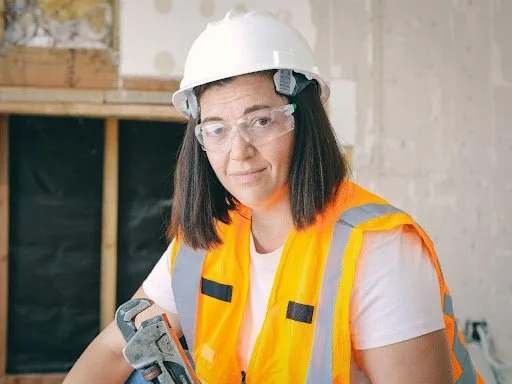
While some bathroom remodels can be done as a DIY project, it's important to know when to bring in the professionals. For complex projects that require major plumbing or electrical work, it's best to hire a licensed contractor. They have the knowledge and experience to handle these tasks safely and efficiently.
It may also be beneficial to hire an interior designer for help with creating a cohesive design and selecting materials. They can also assist with project management and coordinating with contractors. Remember, investing in professionals may save you time and money in the long run by ensuring the project is done correctly and to your satisfaction. Overall, hiring professionals can make a significant difference in the success of your bathroom remodel.
Remodeling a bathroom may seem like a daunting task, but by following these crucial steps, you can ensure a successful and stress-free renovation. Set a realistic budget, consider functionality, choose the right ware, plan your layout, pick a design theme that fits your personal style and home aesthetic, and don't be afraid to hire professionals when needed. With careful planning and execution, you can transform your outdated bathroom into a functional and beautiful space that adds value to your home.

Pest-Proofing Your Home Before Move-In: A Guide for First-Time Homeowners
As you embark on this exciting journey of turning your new house into a home, it's essential to ensure that it remains a sanctuary free from unwanted guests – pests. Before you start unpacking boxes and settling in, take the time to pest-proof your home.
As you embark on this exciting journey of turning your new house into a home, it's essential to ensure that it remains a sanctuary free from unwanted guests – pests. Before you start unpacking boxes and settling in, take the time to pest-proof your home.
This proactive approach will save you from potential headaches down the road and help maintain a clean, comfortable living environment. Here's a comprehensive guide to pest-proofing your home before moving in.
Schedule Professional Pest Control
Before moving in, it's advisable to schedule a professional pest control service. Whether you are looking for pest control Newport, RI or any other city, experienced technicians can conduct a comprehensive inspection, identify potential issues, and implement preventative measures. This proactive step can give you peace of mind and save you from dealing with pest problems later on.
Invest in Pest-Resistant Materials
When making home improvements or renovations, consider using pest-resistant materials. For example, opt for treated wood to deter termites, and choose materials that are less attractive to pests. Consult with contractors and builders to explore options that can help minimize the risk of pest infestations.
Inspect the Exterior
Before even stepping foot inside, conduct a thorough inspection of the exterior of your new home. Look for any gaps, cracks, or holes in the foundation, walls, and roof. These are potential entry points for pests like rodents, insects, and spiders. Seal any openings with caulk or weatherstripping to prevent unwelcome visitors.
Clean Up Outdoor Spaces
A well-maintained outdoor space can deter pests from making their way indoors. Trim overgrown vegetation, rake leaves, and remove debris from around the foundation. Piles of organic matter create attractive habitats for pests. Keep firewood away from the house and ensure that gutters are clear to prevent standing water, which can attract mosquitoes.
Install Screens
Windows and doors are common entry points for pests. Install screens on windows and exterior doors to prevent insects from easily entering your home. Check for any existing holes in screens and repair or replace them. This simple step can significantly reduce the likelihood of mosquitoes, flies, and other flying insects invading your space.
Secure Food Storage
Pests are often drawn to food sources, so it's crucial to keep your kitchen and pantry well-organized. Invest in airtight containers for storing dry goods, and keep perishable items in the refrigerator. Regularly clean crumbs and spills, and promptly dispose of food waste in sealed containers. Additionally, consider storing pet food in sealed containers to prevent attracting rodents.
Address Plumbing Issues
Leaky pipes and faucets can create a welcoming environment for pests seeking water. Fix any plumbing issues promptly and ensure that there are no leaks under sinks, around toilets, or in the basement. By eliminating access to water sources, you can discourage pests like cockroaches and silverfish from taking up residence in your home.
Educate Yourself

Knowledge is a powerful tool in pest prevention. Take the time to educate yourself about common pests in your area, their habits, and how to recognize early signs of infestations. Being aware of potential threats allows you to take swift action if any issues arise.
Pest-proofing your home before moving is a proactive and practical approach to ensuring a comfortable and pest-free living environment. By taking the time to inspect, clean, and secure your home, you set the foundation for a happy and healthy homeownership experience. Remember, prevention is key when it comes to pest control, so invest the time and effort now to enjoy a pest-free home for years to come.

8 Insider Tips for Navigating the Maze of New Home Buying
Embarking on the journey of buying a new home is a thrilling yet complex adventure. The real estate market can be a maze of choices, and navigating it requires a strategic approach. In this comprehensive guide, we'll explore eight insider tips that can make your home-buying experience smoother, helping you find the perfect haven without getting lost in the twists and turns of the process.
Embarking on the journey of buying a new home is a thrilling yet complex adventure. The real estate market can be a maze of choices, and navigating it requires a strategic approach. In this comprehensive guide, we'll explore eight insider tips that can make your home-buying experience smoother, helping you find the perfect haven without getting lost in the twists and turns of the process.
Start with a Clear Budget
One of the fundamental pillars of successful home buying is establishing a clear and realistic budget. It's not just about knowing how much you can afford to spend on the initial purchase; it's about gaining a comprehensive understanding of the financial responsibilities that come with homeownership. Consider not only the mortgage but also property taxes, insurance, maintenance costs, and potential renovations.
Creating a detailed budget allows you to avoid the common pitfall of falling in love with a house that might stretch your finances thin. By knowing your financial boundaries, you can focus on properties that align with your budget, ensuring a more stable and stress-free home-buying journey. Luckily, if you are looking for manufactured homes in beautiful Central Florida, the team at Sunbelt Home Sales offers a stop-and-shop policy. It means that they handle 100% of the process, including financing, so you can leave all your financial worries to the professionals and focus on finding your dream home.
Research Neighborhoods Thoroughly
Choosing the right neighborhood is akin to choosing a lifestyle. Beyond the walls of your future home, the community you become a part of plays a pivotal role in your overall satisfaction. Dive deep into the nuances of different neighborhoods, exploring aspects such as local schools, amenities, safety, and community vibes.
Visiting the prospective neighborhood at various times of the day provides valuable insights into its character and dynamics. Are there family-friendly activities? What's the noise level like during different times? A thorough exploration ensures that your dream home isn't just an isolated paradise but part of a community that enhances your living experience.
Understand the Market Trends
Real estate markets are dynamic entities, constantly shifting between buyer's and seller's markets. Staying abreast of current trends empowers you to make informed decisions. Research local market conditions, understand the average time homes spend on the market, and be aware of the pricing dynamics.
Knowledge of market trends not only aids in negotiating the best deal but also shapes your overall strategy. Are you in a competitive seller's market where quick decisions matter, or is it a buyer's market where you can take your time exploring options? This insight transforms you from a passive observer to an active participant in the real estate chess game. Working with a knowledgeable and experienced real estate agent can also be invaluable in understanding market trends.
Get Pre-Approved for a Mortgage
While it might seem like a bureaucratic hurdle, obtaining a mortgage pre-approval is a strategic move that can significantly streamline your home-buying process. Beyond just confirming your financial viability to potential sellers, a pre-approval gives you a clear picture of your borrowing capacity.
Having a pre-approval in hand not only positions you as a serious and qualified buyer but also enables you to narrow down your search to properties within your budget. This financial clarity transforms the often daunting task of house hunting into a targeted and efficient endeavor, saving both time and emotional energy. In some cases, it can also make your offer more attractive to sellers in a competitive market.
Hire a Knowledgeable Real Estate Agent
A real estate agent is not just a facilitator; they are your strategic partner in the home-buying process. Invest time in finding an agent with local expertise and a proven track record. Beyond just showing you homes, a knowledgeable agent provides valuable insights into the market, helps navigate negotiations, and ensures you are well informed at every stage.
The right agent becomes your advocate, understanding your needs, and leveraging their expertise to guide you toward the best possible deal. Their local knowledge can unearth hidden gems and help you avoid potential pitfalls, making the entire process not just smoother but also more enjoyable.
Attend Open Houses with a Critical Eye
Open houses are not mere walkthroughs; they are opportunities to scrutinize and evaluate a potential future home. Beyond the initial visual appeal, pay attention to details. Check for signs of maintenance issues, inquire about the age and condition of appliances, and assess the overall structural integrity of the property.
Use open houses to gather as much information as possible. Are there any red flags, or does the house align with your vision of a dream home? Engage with the real estate agent hosting the open house, seeking insights into the property's history and potential future developments in the area. Armed with this information, you can make a more informed decision when it's time to make an offer.
Don't Overlook the Fine Print
Amidst the excitement of finding the perfect home, it's easy to gloss over the fine print in contracts and associated documents. However, this oversight can lead to unforeseen challenges down the road. Take the time to read and understand every document thoroughly.
From the sales contract to homeowners' association rules, each piece of paperwork plays a crucial role in shaping your homeownership experience. If any aspect is unclear, seek professional advice. It's far better to invest time and effort in understanding the fine print before committing to a purchase than dealing with potential complications during the closing process.
Plan for the Future
A home is not just a dwelling; it's an investment in your future. While considering your immediate needs is crucial, it's equally important to think long-term. Explore the potential for property appreciation, evaluate the resale value, and assess any upcoming developments in the area.

Considering your plans, such as expanding your family or potential career changes, ensures that the home you choose aligns with your evolving needs. This forward-thinking approach transforms your home purchase from a short-term transaction to a lasting investment that adapts and grows with you. Even if you plan to stay in your new home for many years, it's essential to have options and flexibility for the future.
In the labyrinth of new home buying, these eight insider tips serve as a compass, guiding you through the twists and turns with confidence and clarity. Beyond the practicalities of budgeting and market trends, the process is a journey toward finding not just a house but a place where memories are made and futures unfold. Armed with knowledge and foresight, your home-buying experience becomes not just a transaction but a fulfilling chapter in the story of your life. Happy house hunting!

