

A resource for those seeking information on organizing and transforming spaces.

Real Estate Trends We Will Need to Know in 2024
The world of real estate is in a state of constant evolution, shaped by an intricate interplay of economic, social, and technological factors. As we embark upon the promising journey of 2024, the real estate market stands at the threshold of significant transformations and exhilarating developments. This article is poised to take you on an insightful journey, shedding light on the pivotal trends projected to reign supreme in the real estate arena during the year 2024.
The world of real estate is in a state of constant evolution, shaped by an intricate interplay of economic, social, and technological factors. As we embark upon the promising journey of 2024, the real estate market stands at the threshold of significant transformations and exhilarating developments. This article is poised to take you on an insightful journey, shedding light on the pivotal trends projected to reign supreme in the real estate arena during the year 2024.
Sustainable Living Takes Center Stage

In 2024, sustainability is primed to emerge as more than just a fashionable catchphrase within the real estate industry. Fueled by an ever-increasing global awareness of climate change and environmental concerns, both homebuyers and real estate investors are set to accord top priority to properties that boast eco-friendly features and embrace green building practices. Sustainable homes designed with energy efficiency in mind, coupled with the integration of renewable energy sources, are poised to become the hallmark of forward-thinking properties.
Smart Homes and Technology Integration
The relentless march of technology and the ever-expanding Internet of Things (IoT) will continue to gain momentum in the real estate sector. In the year 2024, homebuyers will increasingly seek out properties that are equipped with cutting-edge automation systems, energy-efficient appliances, and state-of-the-art security features. Real estate professionals will find themselves at the forefront of this technological revolution, tasked with showcasing the impressive technological capabilities of homes in their listings to cater to this surging demand.
The Rise of Remote Work and Flexible Spaces

The seismic shift toward remote work, ignited by the unprecedented impact of the COVID-19 pandemic, is set to retain its prominence in 2024. Consequently, properties featuring dedicated home offices, co-working spaces, and robust, high-speed internet connections will be in sky-high demand. Real estate developers and agents will need to adeptly adapt to these evolving needs of remote workers, ensuring that properties align seamlessly with the requirements of the modern professional.
Urban Revival and Suburban Retreats
The pandemic-induced alterations in lifestyle preferences have birthed a fascinating dichotomy between urban revival and suburban retreats. In 2024, this dynamic will continue to shape real estate choices. Some individuals are gravitating away from bustling urban centers toward the tranquility and spaciousness of suburban and rural areas, so do not be afraid to look for comfy Byron Bay property for sale if you are located in Australia and want to make the most of both worlds. The real estate market will thus need to strike a harmonious balance between urban renewal, propelled by a yearning for cultural amenities and convenience, and suburban retreats, offering expansive homes and a gentler pace of life.
Affordable Housing Solutions

Amidst the whirlwind of real estate trends, the pressing issue of affordable housing remains at the forefront of the industry's conscience in 2024. Governments, real estate developers, and organizations are expected to intensify their collaborative efforts to devise innovative solutions that address the pressing housing affordability crisis. Initiatives such as micro-housing, shared housing arrangements, and rent control may gain substantial traction as stakeholders work collectively to ensure access to safe and affordable housing for all segments of the population.
Data-Driven Decision-Making
In an era marked by the relentless march of technology, the real estate industry is poised for a revolution in data-driven decision-making. Advancements in data analytics and artificial intelligence will empower real estate professionals to make meticulously informed decisions. Predictive analytics, market insights, and cutting-edge property valuation tools will become integral to the industry, offering invaluable assistance in crafting precise pricing strategies, optimizing investment decisions, and navigating the intricate terrain of the real estate market.
As the real estate market embarks on its transformative journey in 2024, it becomes imperative for industry stakeholders to not only adapt but also anticipate the sweeping changes ahead. By embracing the tenets of sustainability, harnessing the power of technology, and staying attuned to the evolving needs and desires of homebuyers and investors, the real estate sector can continue to flourish in an ever-evolving landscape. Whether you're a prospective buyer, seller, astute investor, or seasoned real estate professional, staying well-informed and aligned with these dynamic trends will be nothing short of essential for achieving success in the real estate market throughout 2024 and the years beyond.

Transforming Landscapes: How Artificial Turf is Changing the Game
In the picturesque state of Utah, known for its natural beauty and diverse landscapes, a quiet transformation is taking place. Both homeowners and businesses are progressively opting for artificial turf to revitalize their outdoor spaces. This movement is not just local; it reflects a global trend where artificial turf in Utah is leading the way in innovative landscape design, demonstrating how technology and sustainability can harmoniously coexist.
We partnered with a home improvement company. for this post. The opinions in the post are honest. All reviews and opinions expressed in this post are based on our personal views. We are excited because we know you will love it.

In the picturesque state of Utah, known for its natural beauty and diverse landscapes, a quiet transformation is taking place. Both homeowners and businesses are progressively opting for artificial turf to revitalize their outdoor spaces. This movement is not just local; it reflects a global trend where artificial turf in Utah is leading the way in innovative landscape design, demonstrating how technology and sustainability can harmoniously coexist.
Eco-Friendly Solutions for a Greener Tomorrow
The eco-friendly nature of artificial turf is one of its most appealing features. Unlike natural grass, it does not need watering, fertilizers, or pesticides, making it an environmentally sustainable option. This is particularly significant in areas facing water scarcity issues. By conserving water and minimizing the usage of harmful chemicals, this turf contributes to a healthier, more sustainable planet.
Year-round durability and Low Maintenance
Artificial grass stands out for its durability and low maintenance requirements. Unlike natural grass, it remains lush and green throughout the year, regardless of weather conditions. This durability makes it an ideal choice for high-traffic areas and sports fields where maintaining natural grass can be challenging. Moreover, the low maintenance aspect — no mowing, weeding, or reseeding — saves time and resources, making it a cost-effective solution in the long run.
Aesthetic Appeal and Versatility
The aesthetic appeal of this turf is undeniable. Modern advancements have led to synthetic grass that looks and feels remarkably similar to the real thing. This aesthetic quality and its versatility make the turf suitable for various applications, from residential lawns to commercial establishments, playgrounds, and even indoor spaces. It offers a consistently attractive appearance that enhances the beauty of any area it adorns.
Health and Safety Considerations
Health and safety are paramount in any landscaping decision. Artificial grass is often preferred for its safety features, especially in play areas. It provides a cushioned surface, lowering the risk of injury from falls. Additionally, it does not harbor pests or allergens, making it a safer choice for those with allergies.
The Economic Perspective
From an economic standpoint, the initial cost of installing artificial turf is offset by its long-term savings. The reduction in water bills, landscaping services, and maintenance costs makes it a financially sound choice. Moreover, the longevity of artificial turf ensures that it remains a cost-effective solution for many years.
Customization and Creativity in Design
One of the most exciting aspects of artificial grass is the opportunity for customization and creativity in landscape design. It can be cut and shaped to fit any area, regardless of size or shape. This versatility enables innovative designs and the creation of unique, personalized spaces that reflect individual styles and preferences.
Conclusion:
Artificial turf in Utah is increasingly recognized as a game-changer in landscape design, offering sustainable and efficient solutions for living spaces. Its eco-friendly attributes, durability, aesthetic appeal, and economic benefits make it an attractive option for various applications. In Utah and beyond, artificial turf transforms landscapes, proving that innovation and sustainability can go hand in hand in creating beautiful, functional spaces.

9 Factors to Consider Before Moving to a Brownstone in NYC
Discover the vital factors to consider before moving to a brownstone in NYC. Explore insurance and safety essentials for a secure transition.
Are you moving to a brownstone in NYC? It's an exciting step, offering a blend of charm, history, and unique living spaces. But, before you make this significant move, consider some critical aspects to ensure it matches your expectations and lifestyle. When creating a checklist, you should do thorough research. From understanding the upkeep of these historic gems to evaluating the layout and neighborhood vibe, every detail matters. Additionally, considering renovation restrictions, heating systems, and the overall cost of living will guide you toward making an informed decision. This journey promises a rich living experience deeply rooted in New York City's architectural heritage. Let's discuss these considerations to ensure your move is exciting but also well-planned and fulfilling.
1. Understand the Maintenance Requirements

When moving into a brownstone in NYC, you must understand the maintenance requirements. Brownstones, known for their historic charm and timeless architecture, demand a level of care that goes beyond the usual home upkeep. Identifying the scope of these requirements proves essential for anyone considering homeownership or renting. These buildings often come with unique features such as exposed brick, original woodwork, and classic facades that require specialized attention to maintain their beauty and integrity. Maintenance isn't just about aesthetics; it's about preserving the value and ensuring the safety of your home. Regular checks and timely repairs play a significant role in avoiding larger issues down the line. Understanding these requirements will prepare you for the responsibilities that come with such an iconic piece of New York City's living history.
2. Assess Renovation Needs and Restrictions
These historic properties present unique challenges and opportunities for interior changes. Before starting any renovation project, it's important to understand the guidelines and restrictions set by local preservation committees. Many brownstones are located in historic districts, which means any alterations must align with the neighborhood's historic character. This can involve approvals and permits for even seemingly minor changes. You might find that certain modifications are off-limits while others are encouraged to maintain the building's authenticity.
Recognizing these constraints is crucial before moving to a brownstone in NYC. If you opt for a move, it is equally important to have professionals guide you. Make sure you pick true experts, like Pack & Go Movers NY, who offer services tailored to brownstone relocations, ensuring your belongings are handled carefully through narrow hallways and staircases. Proudly standing as one of New York's most reputable moving companies, they offer you a partnership you can rely on. With a professional team boasting more than 15 years of experience, they deliver an unmatched moving experience to clients tailored to meet their unique needs.
3. Evaluate the Space and Layout
The space and layout of a potential brownstone significantly impact living experiences, influencing daily comfort and community interaction. Brownstones offer unique layouts, often with multiple levels that separate living spaces. This setup can enhance privacy but challenge those opposed to stairs. Prospective residents should assess how the layout aligns with their lifestyle, including accommodating work-from-home requirements and providing ample space for their family.
4. Consider the Location and Neighborhood
Emphasizing the neighborhood's significance is essential for a well-rounded living experience. Each area in NYC claims its character, from quiet, leafy streets to vibrant, bustling avenues. The right choice enriches life beyond the home, offering local eateries, parks, and cultural hubs within walking distance. Safety, accessibility to public transportation, and the overall vibe of the community are paramount. Thus, carefully considering the interior space and the surrounding neighborhood ensures a wise investment and a fulfilling, enriched living experience.
5. Community and Lifestyle Fit

Consider how living in a brownstone aligns with your lifestyle and community engagement preferences. These homes often foster a close-knit community feel, which can be a significant draw for those looking to connect with neighbors and participate in local events. The design and layout of brownstone areas naturally encourage residents to engage with each other. With their shared stoops and proximity, it's easy to stir conversations, borrow a cup of sugar, or organize local gatherings. This setting is perfect for people who appreciate a sense of belonging and wish to immerse themselves in the communal vibe.
6. Look into Storage Solutions
When moving to a brownstone in NYC, considering storage solutions is a practical aspect of the transition. These historic homes often lack the generous closet space in modern buildings, requiring a strategic approach to organization. Maximizing available storage is essential to maintain a clutter-free living space. Opting to rent bins in NYC proves to be a wise choice while relocating. It allows you to sort and store items efficiently before finding their permanent place in your new brownstone. These rental bins provide flexibility and convenience, reducing the stress of unpacking and helping you settle in more smoothly.
7. Organize Your Brownstone Home Storage

In addition to temporary storage solutions, exploring long-term storage options is valuable. Utilizing basement spaces and attics or converting unused areas into storage can significantly enhance your organization. Custom shelving, cabinets, and furniture with hidden storage compartments are also practical choices. Thinking creatively about storage ensures that your brownstone home remains tidy and functional. It enables you to fully enjoy the unique features of your historic home without feeling overwhelmed by clutter. Therefore, assessing and organizing storage at your new home is a proactive step in making your brownstone living experience as comfortable and enjoyable as possible.
8. Understanding Insurance and Safety
When moving into a brownstone in NYC, ensuring safety and having the right insurance coverage is paramount. These historic buildings come with their own set of considerations regarding safety features and insurance needs. Below are some key points to consider:
Evaluate insurance options: Begin by assessing the insurance policies available for brownstone living. Consider factors like coverage for water damage and structural repairs, as these can be more common in older buildings.
Check safety features: Prioritize your safety by examining the brownstone's safety features. This includes inspecting fire escapes, security systems, and other measures in place to protect residents.
Research local safety statistics: Research safety statistics for the neighborhood. Understanding the area's safety reputation can help you make an informed decision about your move.
Ensure compliance: Brownstones, especially those in historic districts, may have specific safety regulations and building codes. Ensure that the brownstone complies with these standards to guarantee safety.
Plan for safety measures: Consider implementing additional safety measures within the brownstone, such as smoke detectors, fire extinguishers, and emergency exit plans.
9. Review the Cost of Living
One last factor to consider is your budget. Living in a brownstone in NYC often carries a premium cost, not just in purchase price or rent but also in utilities, maintenance, and other living costs. Budgeting accurately for these expenses will help you avoid surprises and ensure a comfortable lifestyle. Remember, before moving to a brownstone in NYC, meticulous preparation and thorough research are key.
Make Informed Decisions when Moving to a Brownstone in NYC
When moving to a brownstone in NYC, make well-informed choices, from comprehending maintenance requirements to evaluating space and community compatibility. By adopting a strategic approach, moving into a brownstone promises an unmatched living experience enriched with character, history, and a profound sense of belonging in the heart of one of the world's most vibrant cities.
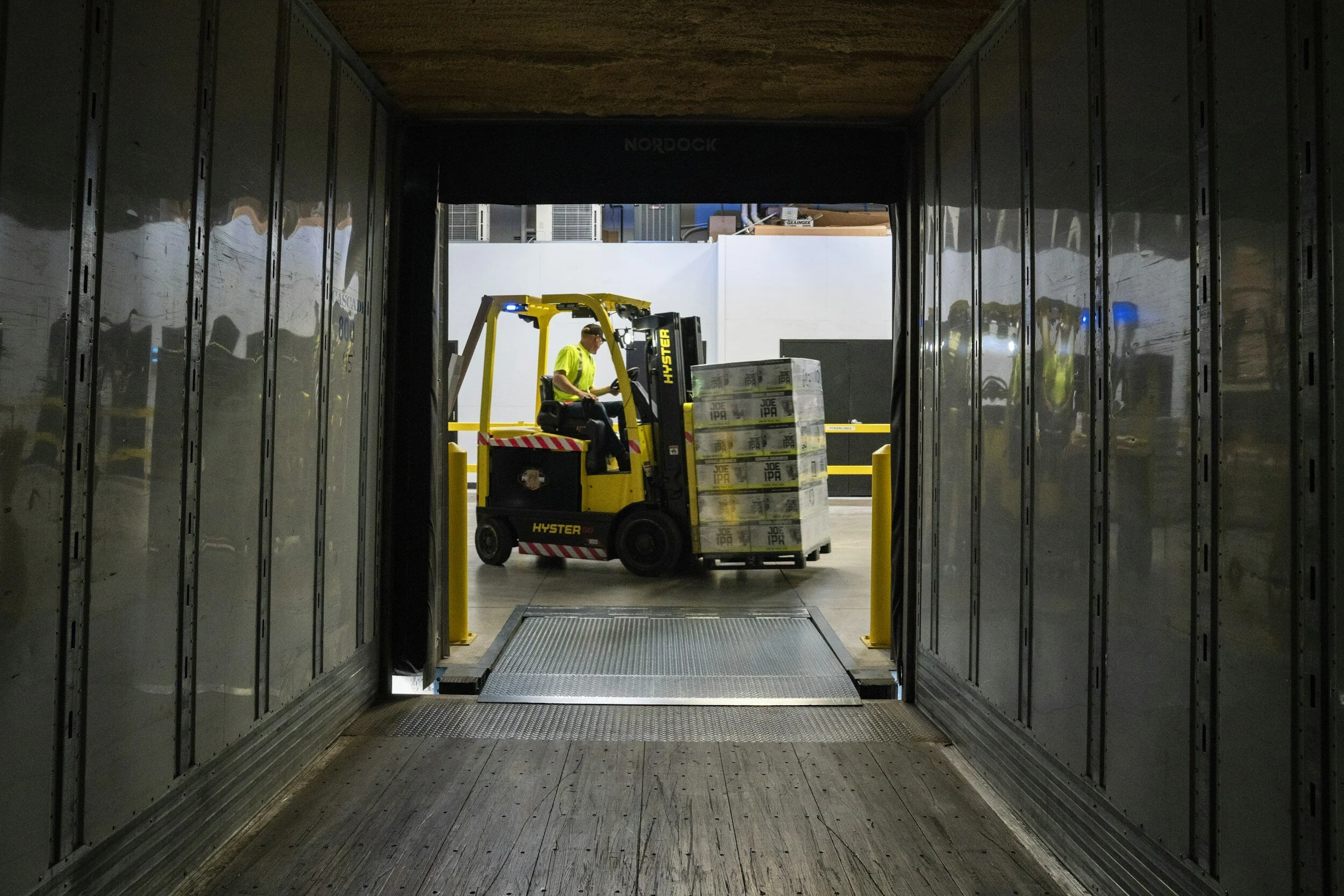
Wondering if a forklift operator is the right job for you? Here's what to know!
Recently, the career of forklift operator has been in the limelight for being an exciting and high-paying job for people with minimal qualifications.
We partnered with a home improvement company. for this post. The opinions in the post are honest. All reviews and opinions expressed in this post are based on our personal views. We are excited because we know you will love it.
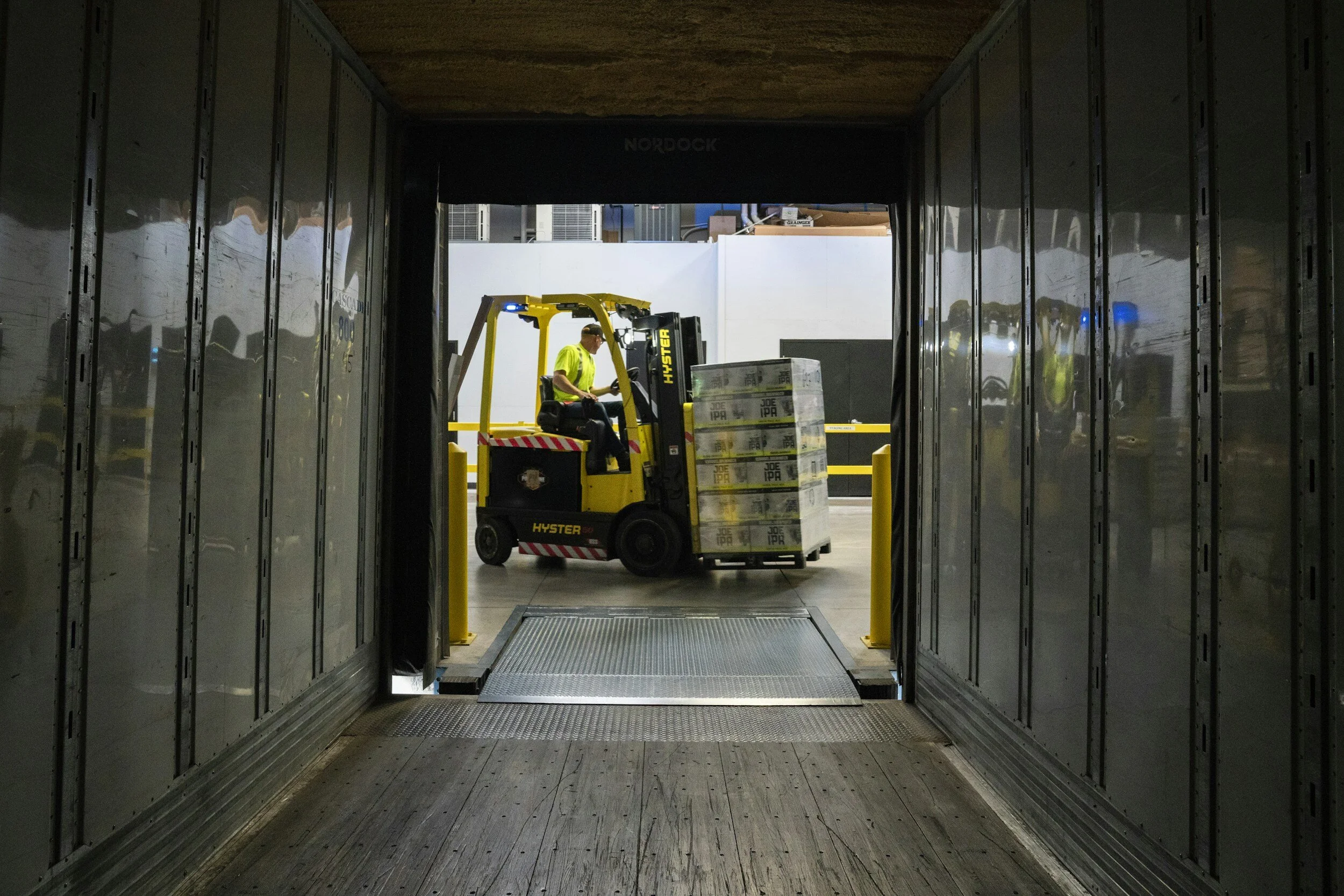
Recently, the career of forklift operator has been in the limelight for being an exciting and high-paying job for people with minimal qualifications.
However, many people have misconceptions about this profession. Some believe it's monotonous. Others say they don't have what it takes for it.
So dive right in to get all the clarity!
Skills required to work as a forklift operator
In a forklift operator job, you need several basic skills and qualifications. Let's know those here…
1. Knowledge of using forklifts
Other than a high school degree or an equivalent, the basic skill of a forklift operator is good knowledge about using a forklift.
You can gain all the knowledge and skills about using and maintaining the heavy machine by enrolling for a training course and getting a Forklift Licence Melbourne.
Besides that, you also need to know how to operate various other heavy equipment, inspect it, and perform simple repairs on all machinery.
2. Quick mathematic and basic language skills
Forklift operators usually get jobs in warehouses, inventories, factories, etc. Besides safely using a forklift, one of their most important roles is keeping count of incoming and outgoing merchandise, damaged or missing goods, and more.
So, you also need to be good at math. Of course, you don't have to remember all calculations, but you must be sharp and quick.
You must also be able to read, speak, and write English.
3. Physical stamina
A forklift operator is also expected to lift heavy materials and boxes full of merchandise – without the forklift or other machine.
Many employers mention in the job post that you must have the ability to lift at least 50 pounds at once without assistance. You must train yourself in heavy weight-lifting to mitigate the risk of getting hurt.
4. Good communication skills
Forklift operators and other crew members in the vicinity must communicate clearly to convey instructions and share updates on the work progress.
So, if you have smooth communication skills, this is a pro for you!
5. Teamwork
A forklift operator has to coordinate with the entire crew and stay connected via radio equipment. You must also report any issue with the warehouse products or major equipment malfunction to your manager.
You must also work as a team on specific projects and organize tasks. You have to get along with others to boost productivity.
6. Attentiveness
Attention to detail and surroundings is one of the greatest skills for a forklift operator. This is important to prevent major incidents.
After all, it's known that in 2018, 20 deaths occurred from being struck by forklift equipment. Moreover, 7,940 non-fatal forklift injuries occurred.
Why should you be a forklift operator?
If you have the skills mentioned above or are ready to work on them but still don't know if this is the right fit for you, here are some reasons to make your mind up now!
1. There are many jobs in the market
If you get a forklift operator license, you can get many jobs in warehouses and logistic hubs in various roles.
While your main agenda is to be an operator, if the necessary vacancy is unavailable, you can work in other roles in food service, retail, manufacturing, warehouse, and construction.
So, let's know them all:
Forklift operator
Forklift mechanic
Warehouse worker
Construction worker
Dock worker
Warehouse manager
Prop and movie set worker
Museum employee
Brewery employee
Retail employee
These are only a few of the bunch. There are many more job opportunities in various industries, especially if you can get some experience as an apprentice.
2. The work environment never gets boring
Most people assume that a forklift operator's job is monotonous because they must sit for long hours.
However, this job often takes you to fast-paced environments with many tasks. All the tasks need your 100% attention, sharp mental acuity, and calculations so things never get boring.
3. There are competitive wages
Since forklift jobs are not monotonous and demand consistent attention throughout the day, the job is high-paying compared to other jobs with similar minimal qualifications.
As of 2024, in Australia, the minimum you earn from this job is $59,280/year or $30.40/hour. And with better experience over the years, the position and pay keep rising!
You can also reach a managerial or supervisory position if you're skilled and motivated.
4. You don't need to study a lot
To be a forklift operator, you only need a high school diploma and a license in forklift operation. Going to college is unnecessary unless you want to aim much higher.
Instead, you'll have to gain experience, get experience, have a great reputation at work, possess a good work ethic, and be competent.
Conclusion
If you have the necessary skills and qualifications or are open to culturing them, you can be the next best forklift operator in no time. Lastly, ensure you're ready to work hard in this industry and commit to this career!

