

A resource for those seeking information on organizing and transforming spaces.
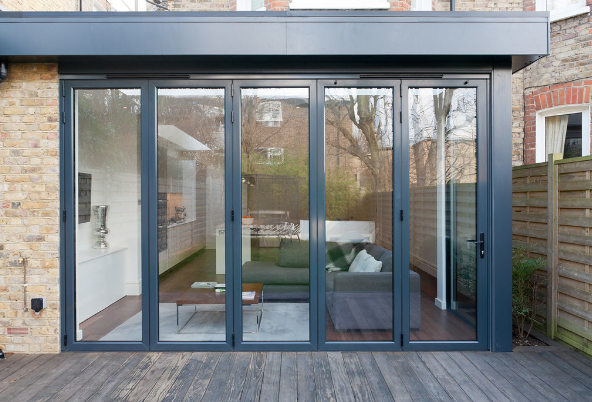
What to Look for When Buying High-Quality Bifold Doors
Bifold doors make a great addition to any home, although are not all created equally. If you plan to install bifold doors in your home, take the time to find a quality product. Spending money on low-quality doors is a waste of your hard-earned money. Cheaply constructed or installed doors cause more headaches than it’s worth, especially when most families can afford the cost of the reasonably priced doors.
We partnered with a home improvement company. for this post. The opinions in the post are honest. All reviews and opinions expressed in this post are based on our personal views. We are excited because we know you will love it.
Bifold doors make a great addition to any home, although are not all created equally. If you plan to install bifold doors in your home, take the time to find a quality product. Spending money on low-quality doors is a waste of your hard-earned money. Cheaply constructed or installed doors cause more headaches than it’s worth, especially when most families can afford the cost of the reasonably priced doors.
The Importance of Quality Bifold Doors
Many homeowners install bifold doors in their homes. The stylish, trendy doors are easy to install and maintain, durable, and long-lasting when you select the right product.
The wrong doors will not last. They may not function correctly, their appearance isn't up to par, and you can expect frequent damage and repairs. Falling in love with a design or style of door is easy, but remember, looks can be deceiving.
A high-quality door is strikingly beautiful now and once after installation in your home. Its beauty will not diminish the second it leaves the factory. The door is safe, secure, energy-efficient, and durable, ensuring your purchase is worth the cost. Quality doors need less maintenance than cheaply constructed doors, last longer, and create a far more appealing style in your home.
When you are shopping for bifold doors, do not rush to purchase the first product that catches your eye.
Take time to research the products that caught your eye. We’ve created the following list
of qualities you should look for when buying your door if you want a product that exceeds expectations.
High-Quality vs. Low-Quality: What to Look for in Your Bifold Doors
Here are things to look out for when selecting your door. Using this information can make a tremendous difference in the quality of bifold doors you choose for your home.
Material Quality
Low-quality bifold doors generally are made from substandard materials like thin aluminum. The materials are susceptible to damage, resulting in poor operation and eventually, expensive repairs.
On the other hand, high-quality bifold doors use materials such as thick aluminum known for its durability, damage resistance, and overall heightened performance.
Aluminum Quality
High-quality doors constructed from high-grade billets provide extra durability. High-grade billets undergo tedious processing and refinement to ensure they exceed quality standards. Poor aluminum quality can lead to leaks or door damage.
Thermal Efficiency
The thermal efficiency, or U-value, refers to the door's ability to keep warm air inside and cold air out in the winter. Thermal efficiency is measured in u-values, or the amount of heat it loses per square foot of material. The lower the u-value, the higher the quality of the product. Opt for a 1.1W u-value when possible.
Powder-Coating Finish
You want a door that creates an attractive style in your home, something unlikely when you pick a low-quality product. Door finishing helps determine whether you’ve selected a quality door.
Doors with rough and rigid surfaces, irregular paint, scratches, or unnecessary marks suggest the product isn’t up to standards. Avoid this product at all costs. Opt for a door with a smooth, consistent finish. Not only is this finish more appealing, but it also signals a quality-made product.
Door Style
Bifold doors provide superior versatility, allowing installation in many areas of your home. Whether you need bifold doors for the patio, a garden, or between rooms, you will find many different styles available.
Among them are Heritage-style bifold doors, an alternative style to traditional French doors that replicate the look of steel doors. Homeowners seeking a unique, head-turning style will adore the heritage-style door option. Operating on a top or bottom track, the heritage-style door panels connect seamlessly, allowing them to open and close with ease.
Energy-Efficiency
Energy-efficient doors keep heat and air inside or outside, depending on the season. Choosing energy-efficient doors can make a tremendous impact on the comfort of your household, as well as the cost of your monthly energy bills.
Hardware
Bifold doors need many different types of hardware to operate, including a track, handle, and hinges. Ensure the hardware on the doors chosen for your home is designed to withstand frequent use for a seamless, long-lasting operation.
Low-quality hardware may compromise the integrity of your door and can lead to significant operational problems, breaks, and other types of damage. Protect your home by choosing doors using quality hardware.
Security
Don’t think bifold doors are insecure and prone to damage or security risks. High-quality doors feature pivotal lock systems and qualities like:
Multi-point locking systems that engage securely when the door is locked
Ensure hinges, tracks, and other hardware are securely attached to the doorframe
Choose laminated or tempered glass that is more resistant to breaking than regular glass panes.
Warranty/Guarantee
Companies that do not offer a warranty or guarantee with their bifold door likely want to sell you a substandard product, especially if the price sounds too good to be true. Always work with companies offering a warranty or guarantee with your doors and their installation process. Kook for a 10-year or better warranty/guarantee on products.
Don't rush to buy doors for your home and regret your purchase. Diligent research using the information above helps direct you toward bifold doors that live up to their expectations and a reputable company eager to turn your home into the elegant property you want.
Are Bifold Doors Right for Your Home?
Bifold doors, particularly the Heritage style, allow homeowners versatility in their design. It is easy to style your home in such a way it becomes the envy of the neighborhood and beloved by your entire household.
The doors work great in many types of homes and spaces, particularly in rooms with large windows and in spaces you need to connect.
Benefits of bifold doors include:
Easy-to-install
Variety of styles, designs, and sizes to accommodate all needs
Affordable with a range of price points
Bifold doors let in plenty of natural light
Create curb appeal
Add value to your property
Saves space, perfect for small homes and rooms
High-quality bifold doors require little maintenance; easy-to-care-for
Long-lasting and durable
The Bottom Line
Bifold doors make a great addition to your home, whether you are starting from the bottom or upgrading a current property. Keep the information provided here in mind as you shop for your new doors, and rest assured you will find high-quality bifold doors that never disappoint.

The Impact of Soil Conditions on Foundations
Are you planning to build a new home, or add an extension to your existing property? If yes, then you must understand the importance of soil conditions. The soil on which your foundation will be built is a deciding factor of the longevity of your property. Soil conditions significantly impact foundations, and ignoring this can lead to costly consequences. Understanding soil conditions is crucial for home owners to make informed decisions about their property investments.
Are you planning to build a new home, or add an extension to your existing property? If yes, then you must understand the importance of soil conditions. The soil on which your foundation will be built is a deciding factor of the longevity of your property. Soil conditions significantly impact foundations, and ignoring this can lead to costly consequences. Understanding soil conditions is crucial for home owners to make informed decisions about their property investments.
Soil Type
The type of soil on which your foundation is built plays an important role in determining the strength and stability of the foundation. The properties of soil types such as clay, sand, and rock differ significantly. These differences can have a profound impact on the foundation of your property. For example, if your property is built on clay soil, then it can cause foundation problems such as structural damage, cracking of walls, or uneven floors.
Moisture Content
The moisture content of soil also has a severe impact on foundations. Moisture can make the soil expand, and when it contracts, it can lead to foundation shifts or cracks. The moisture level of the soil can vary depending on climate conditions. If your property is situated in an area where there is heavy rainfall or flooding, then it is important to take steps to prevent water damage from reaching your foundation.
Depth of Soil
The depth of the soil on which your foundation is built also affects its strength and stability. Generally, the deeper the soil, the stronger the foundation. However, in some cases, deep soil can be unstable, which can lead to foundation problems. The depth of the soil must be checked before starting any construction work to ensure it’s strong enough to hold the foundation.
Soil Compaction
Soil compaction plays a crucial role in ensuring that the foundation of your property is strong and durable. Compaction is the process of compressing the soil before constructing a foundation. Compacted soil provides a stable base for the foundation. Without proper soil compaction, the foundation can shift or crack over time.
Drainage
Drainage is another crucial factor that affects the foundation of your property. Improper drainage can lead to soil erosion, making the soil beneath your foundation unstable. Poor drainage can also cause water to collect around the foundation, leading to water damage. A proper drainage system is essential to protect your foundation from water-related damage. You can learn more information about how poor drainage can cause foundation damage by talking to a professional.
Soil conditions play a significant role in the longevity, strength, and durability of a property's foundation. As a homeowner, it’s important to have a basic understanding of soil conditions before starting any construction work. Checking the soil type, moisture content, depth of soil, soil compaction, and drainage can help ensure a strong foundation for your property. Ignoring these factors can lead to costly consequences, including structural damage and foundation issues. Taking preventative measures and having a solid plan can help homeowners protect their investment and ensure the longevity of their property.

A Secure Ascent: Prioritizing Safety With Top Tips for Roof Work
As a homeowner, you may find yourself in situations where you need to perform roof work. Whether it's fixing a leak or installing new shingles, safety should always be your top priority. In this blog post, we'll provide you with some top tips to ensure that your roof work is done safely and securely.
As a homeowner, you may find yourself in situations where you need to perform roof work. Whether it's fixing a leak or installing new shingles, safety should always be your top priority. In this blog post, we'll provide you with some top tips to ensure that your roof work is done safely and securely.
Use Proper Equipment
When selecting the best equipment for roof work, prioritize tools that enhance safety and efficiency. An essential tool is a roofing hammer, which is specially designed for the task with a magnetic head for holding nails and a shank for removing them. Invest in a safety harness that is OSHA-approved, as it is crucial for preventing falls. Additionally, choose a reliable, weighted roof anchor system to secure your harness and a pair of heavy-duty gloves to protect your hands. For transporting materials, opt for a roofing hoist rather than carrying them by hand, which can reduce the risk of falls and injury. Remember, quality equipment is a wise investment for both safety and the longevity of your roofing project.
Check Weather Conditions
Checking weather conditions is pivotal before commencing roof repairs because the weather greatly impacts the safety of the work environment. Dry and calm weather conditions not only ensure better grip and balance but also allow for materials to adhere and set properly. Meanwhile, moisture, high winds, or sudden storms can lead to hazardous slip risks and impaired material performance. By monitoring the weather forecast, you safeguard against potential accidents and ensure that the repair process is not hindered by environmental factors, resulting in a more secure and successful roofing project.
Take Breaks
Taking regular breaks during roof repairs is more than just a pause—it's a critical practice for both efficiency and safety. Prolonged physical labor, especially at heights, can challenge even the most experienced individuals, leading to mental and physical fatigue. This diminished state not only reduces work quality but also significantly increases the risk of falls and injuries. By scheduling short, frequent rest periods, you provide your body the necessary respite to recover strength and focus, ensuring that each step on the roof is as secure as the last. Prioritizing break times is not only smart for personal well-being, but it is equally essential for the precision and durability of the work you're performing.
Hire Professionals for Complex Jobs
Hiring a roofing company for intricate roofing tasks can be a wise decision, ensuring a job well done and prioritizing everyone's safety. Seasoned roofing contractors come equipped with the expertise and specialized tools to handle complex problems that might be beyond the scope of DIY efforts. By entrusting your roofing needs to the pros, you not only guarantee a high-quality fix but also avoid the personal risk that comes with navigating potentially perilous roof work. Ultimately, it's about the peace of mind that comes from knowing the job is securely in the hands of those who understand every nuance of roof repair and installation.
In conclusion, performing roof work can be a daunting task, but by following these top tips, you can ensure that you're doing it safely and securely. Always use proper equipment, check weather conditions, take frequent breaks, secure tools and materials, and hire professionals for complex jobs. Remember that safety should always be your top priority when working on your roof. Stay safe!

Dangerous DIY’s: 6 Jobs You Need Contractors For
Have you ever thought of taking on a DIY project on your own? Whether it’s fixing a leaky faucet or changing out a ceiling fan, it’s tempting to save some money and put in the work yourself. However, some DIY projects can be incredibly dangerous and not worth the risk. Here are six jobs that require the expertise of a contractor for your safety and protection.
Have you ever thought of taking on a DIY project on your own? Whether it’s fixing a leaky faucet or changing out a ceiling fan, it’s tempting to save some money and put in the work yourself. However, some DIY projects can be incredibly dangerous and not worth the risk. Here are six jobs that require the expertise of a contractor for your safety and protection.
Electrical Work
Electrical work should not be taken lightly. It takes years of training to become an electrician, and for good reason. A small mistake can cause a fire or even fatal electrocution. Professionals have the necessary skills and knowledge to handle wiring, circuit breakers, and outlets safely. It's best to avoid the risk and call in one of the many expert electrical contractorstors available to perform the work.
Roof Repairs
Roof repairs are not for the faint of heart. Climbing up on a roof is extremely dangerous, especially if you don’t have the right equipment. Even small leaks can cause serious water damage, leading to mold and other problems. A professional contractor has the necessary safety equipment and training to inspect and repair your roof safely.
Plumbing Repairs
Not all plumbing issues are created equal. While you may be able to fix a small leak yourself, larger issues such as burst pipes or sewer backups require the expertise of a licensed plumber. These jobs require special tools and knowledge to fix, and if done incorrectly, can cause major water damage to your home.
Tree Removal
Removing trees yourself can be incredibly dangerous, especially if it’s near power lines or other structures. Professionals use specialized equipment and techniques to remove trees safely and efficiently. Attempting this on your own can result in injury or damage to your property.
Demolition
So you want to knock down a wall in your home to create an open floor plan. Do not attempt this on your own! Demolition can be extremely dangerous and requires the necessary knowledge and safety equipment to avoid injury. Professionals have years of training to handle everything from wall demolition to foundation removal.
Asbestos Removal
Asbestos was commonly used in building materials before its dangerous health effects were discovered. If your home was built before the 1980s, it’s possible you have asbestos in your walls, insulation, or ceiling tiles. Asbestos removal is a job that should only be left to a licensed contractor. Attempting to remove asbestos on your own can result in serious health consequences.
While there are plenty of DIY projects that can be completed safely, some jobs require the expertise of a licensed contractor. Electrical work, roof repairs, plumbing, tree removal, demolition, and asbestos removal all require specialized knowledge and safety equipment. Attempting these jobs on your own can result in serious injury, property damage, or even death. Don’t put yourself or your home at risk—call in the professionals! Keep yourself safe, and consider hiring one of the many qualified contractors available to complete the job.

