

A resource for those seeking information on organizing and transforming spaces.
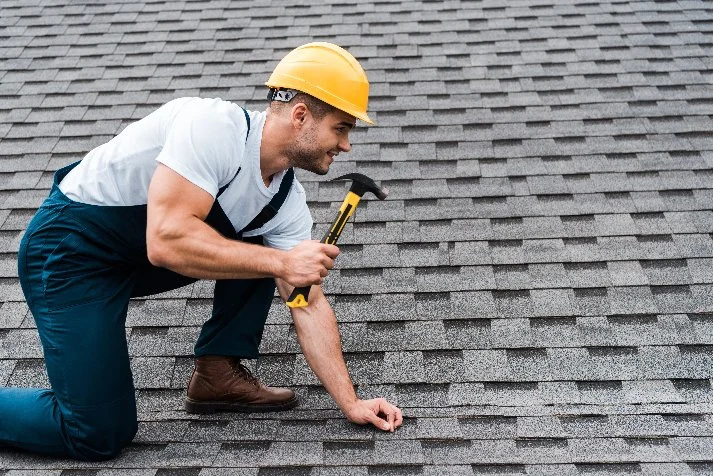
Love to DIY? 6 Things to Never Do When Working on a Roof
Are you a DIY enthusiast who loves to tackle home improvement projects on your own? While it can be rewarding and cost-effective to handle tasks such as painting, landscaping, or minor repairs, there are some jobs that should always be left to the professionals. One of these is working on your roof. Not only is it dangerous and physically demanding, but making mistakes during this project can result in costly repairs and even serious injury. In this article, we will discuss five things you should never do when attempting to work on your roof. Let's get started!
Are you a DIY enthusiast who loves to tackle home improvement projects on your own? While it can be rewarding and cost-effective to handle tasks such as painting, landscaping, or minor repairs, there are some jobs that should always be left to the professionals. One of these is working on your roof. Not only is it dangerous and physically demanding, but making mistakes during this project can result in costly repairs and even serious injury. In this article, we will discuss five things you should never do when attempting to work on your roof. Let's get started!
Never Work Alone
Working on a roof alone is not only unsafe, but it can also lead to mistakes and accidents. Having a helper or partner is crucial for your safety and the success of your project. They can assist you with tools, hold ladders in place, and watch out for any potential hazards.
It's recommended to have at least two people working on a roof job. This ensures that there is always someone available to assist in case of an emergency or accident, and also helps with efficiency and productivity. Additionally, having an extra set of eyes can help catch any mistakes or potential dangers that may be overlooked by the person working on the roof.
Don't Neglect Safety Measures
Roofing work involves many risks, which is why safety should always be a top priority. Make sure to wear appropriate safety gear, such as non-slip shoes, a hard hat, and safety glasses. Use a sturdy ladder with someone holding it steady at the base. Also, be cautious of power lines and always use caution when handling tools.
It is important to not only prioritize your own safety when working on a roof, but also the safety of others involved in the project. Make sure that everyone on the job site is aware of and adhering to safety measures. This includes proper use of equipment and tools, following proper lifting techniques, and staying aware of potential hazards. It is also important to have a plan in place for emergencies and to regularly check equipment and tools for any defects. By prioritizing safety for everyone on the job, you can help prevent accidents and ensure a successful project.
Avoid Working During Bad Weather
Another important factor to consider when working on any sort of roofing systems is the weather. It is never a good idea to attempt roofing work during bad weather conditions such as rain, wind, or extreme heat. Not only is it dangerous to work in these conditions, but it can also affect the quality of your work and lead to potential damage to your roof. Wait for a clear day with favorable weather before starting any roofing projects.
Avoid Walking on Wet or Damaged Roofs
Unless you are a professional with proper training and equipment, you should never walk on a wet or damaged roof. Wet roofs can be slippery and increase the risk of falls. Damaged roofs may not be able to support your weight and could collapse, causing serious injury or even death. Be sure to wait until conditions clear up before setting to work.
Don't Skimp on Materials
When it comes to roofing, using quality materials is essential for the longevity and effectiveness of your roof. Cutting corners and using cheap materials may save you money initially, but it could end up costing you more in the long run. Invest in good quality materials to avoid potential issues down the road.
As a DIYer, it can be tempting to opt for cheaper materials when working on your roof. However, using subpar or low-quality materials can compromise the integrity and durability of your roof. Be sure to thoroughly research and compare different materials before making a purchase. Look for trusted brands and read reviews from other homeowners or professionals in the industry.
Never Ignore Safety Regulations
There are various safety regulations and building codes that must be followed when working on a roof. These regulations are there for a reason—to maintain safety standards and prevent accidents. Ignoring them could result in fines, delays, or even legal repercussions. Make sure to research and adhere to all safety regulations before starting any roofing project.
It is crucial to follow safety regulations when working on a roof. These regulations are put in place to ensure the safety of not only yourself, but also others around you. This includes following proper lifting techniques, using personal protective equipment, and adhering to building codes. By ignoring safety regulations, you are putting yourself and others at risk for accidents and injuries.
It's vital to thoroughly research and understand all safety regulations before beginning any roofing project. Additionally, it is important to regularly review and update your knowledge on safety measures, as regulations may change over time. By prioritizing safety, you can prevent potential accidents and ensure a successful roofing project.
Working on a roof is not a task to be taken lightly. While it may seem like a cost-effective and satisfying DIY project, the risks and potential consequences are not worth it. By avoiding these five things and always prioritizing safety, you can ensure a successful roofing project that will last for years to come. Remember to always consult with professionals if you have any doubts or concerns about working on your roof. Happy DIY-ing!

Don't Blow it Off: How to Check for Wind Damage on Your Roof
After a powerful storm or gusty winds, it's important to inspect your roof for any potential damage. Wind can be a major threat to the integrity of your roof, so taking the time to check for any issues can save you money and prevent further damage in the long run. This blog post will discuss how to properly check for wind damage on your roof and what steps you can take to address any problems you may find.
After a powerful storm or gusty winds, it's important to inspect your roof for any potential damage. Wind can be a major threat to the integrity of your roof, so taking the time to check for any issues can save you money and prevent further damage in the long run. This blog post will discuss how to properly check for wind damage on your roof and what steps you can take to address any problems you may find.
Start with a Visual Inspection
The first step in checking for wind damage on your roof is to conduct a visual inspection from the ground. Grab a pair of binoculars to get a closer look at your roof without having to climb up a ladder. Look for missing or damaged shingles, as well as any debris that may have blown onto your roof during the storm. Pay close attention to the edges of your roof, as this is where wind damage is most likely to occur.
Inspect Your Attic
Next, head up to your attic to check for any signs of water damage. Look for water stains on the ceiling or walls, as well as any puddles of water on the floor. These signs could indicate a leaking roof, which may have been caused by wind damage. If you notice any issues, it's important to address them as soon as possible to prevent further damage to your home.
Check Your Gutters and Downspouts
Wind can often dislodge debris and shingles from your roof, which can end up in your gutters and downspouts. Make sure to inspect your gutters for any blockages or damage caused by the storm. Clean out any debris that may be clogging your gutters to ensure proper drainage. Additionally, check that your downspouts are securely attached to your home and directing water away from your foundation.
Look for Signs of Granule Loss
During a storm, wind can cause the protective granules on your shingles to become dislodged. Look for granules in your gutters and downspouts, as well as on the ground around your home. If you notice a significant amount of granule loss, it may be a sign that your roof has sustained wind damage. In this case, it's best to contact a professional roofer to assess the extent of the damage and recommend the necessary repairs.
Schedule a Roof Inspection
If you're unsure about the condition of your roof or if you suspect that it has been damaged by wind, it's always a good idea to schedule a professional roof inspection. A qualified roofer can assess the condition of your roof and identify any areas that may need roof repair. They can also provide you with a detailed estimate for the cost of repairs, so you can make an informed decision about how to proceed.
While wind damage on your roof may not always be immediately obvious, it's important to regularly check for signs of damage after a storm. By conducting a thorough inspection of your roof and addressing any issues promptly, you can protect your home from further damage and ensure the longevity of your roof. Remember, when in doubt, always consult a professional roofer to assess the condition of your roof and recommend the necessary repairs. Don't blow off wind damage - take the necessary steps to keep your roof in top condition.
4 Tips for Preventing a Leaky Roof in the Spring
As the weather starts to warm up and the flowers begin to bloom, it's time to start thinking about spring maintenance for your home. One important aspect to pay attention to is your roof. The spring season can bring heavy rain showers, which can potentially lead to a leaky roof if not properly maintained. In this blog post, we will discuss 4 tips to help you prevent a leaky roof in the spring and keep your home safe and dry.
As the weather starts to warm up and the flowers begin to bloom, it's time to start thinking about spring maintenance for your home. One important aspect to pay attention to is your roof. The spring season can bring heavy rain showers, which can potentially lead to a leaky roof if not properly maintained. In this blog post, we will discuss 4 tips to help you prevent a leaky roof in the spring and keep your home safe and dry.
Inspect Your Roof Regularly
The first step to preventing a leaky roof is to regularly inspect it for any signs of damage. Look for missing or damaged shingles, cracks in the roof, or any other issues that could potentially lead to a leak. It's important to catch these problems early on before they escalate and cause water damage to your home. Consider hiring professional roofing contractors to perform a thorough inspection if you're not comfortable doing it yourself. They have the expertise and experience to identify any potential problems and recommend the necessary repairs, and they'll be able to make inspections safely as getting up to a roof can be risky if you aren't experienced.
Clean Out Your Gutters
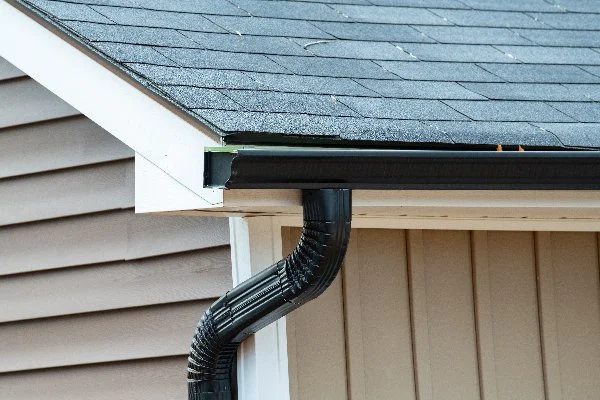
Clogged gutters can prevent water from draining properly, leading to water pooling on your roof and eventually causing a leak. Make sure to clean out your gutters regularly, especially after heavy storms or during the spring when tree debris can accumulate. Consider installing gutter guards to help prevent leaves and debris from clogging your gutters and causing water damage to your roof.
Trim Overhanging Branches
Overhanging branches can rub against your roof shingles, causing damage and potentially leading to a leak. Make sure to trim any branches that are too close to your roof to prevent this from happening. It's also important to keep your trees healthy and well-maintained to prevent branches from falling onto your roof during a storm.
Maintain Proper Attic Ventilation
Proper attic ventilation is essential for preventing a leaky roof. Without proper ventilation, excess heat and moisture can build up in your attic, leading to condensation and eventually mold growth. Make sure your attic is properly ventilated to prevent these issues and keep your roof in good condition. Consider installing attic vents or a ridge vent if your attic is not properly ventilated.
By following these 4 tips, you can help prevent a leaky roof in the spring and keep your home safe and dry. Regular maintenance and inspections are key to ensuring your roof is in good condition and able to withstand the spring showers. Take the time to care for your roof now to avoid costly repairs down the road. Your home will thank you for it!

How to Embrace the Advancements and Benefits of Air Conditioning Systems
As the summer months approach, the rising temperatures can make it difficult to stay comfortable indoors. This is where air conditioning systems come into play, providing a cool and refreshing environment even when the sun is scorching outside. In recent years, advancements in air conditioning technology have made these systems more energy-efficient, quieter, and customizable than ever before. In this blog, we will explore the benefits of embracing these advancements and how they can improve your overall comfort and quality of life.

As the summer months approach, the rising temperatures can make it difficult to stay comfortable indoors. This is where air conditioning systems come into play, providing a cool and refreshing environment even when the sun is scorching outside. In recent years, advancements in air conditioning technology have made these systems more energy-efficient, quieter, and customizable than ever before. In this blog, we will explore the benefits of embracing these advancements and how they can improve your overall comfort and quality of life.
Increased Energy Efficiency
One of the most significant advancements in air conditioning systems is their improved energy efficiency. Old, outdated units were often energy hogs, leading to high utility bills and unnecessary strain on the environment. Modern systems, on the other hand, are designed to be more energy-efficient, using less electricity to cool your home effectively. This not only saves you money in the long run but also reduces your carbon footprint, making your household more eco-friendly.
Customizable Features
Another benefit of modern air conditioning systems is their customizable features. From programmable thermostats to zoning capabilities, you can now tailor your cooling preferences to suit your lifestyle. For example, you can set different temperatures for different rooms in your home, ensuring that each space is at the ideal comfort level. This level of customization not only enhances your overall comfort but also allows you to save energy by only cooling the rooms that are in use.
Improved Air Quality
Air conditioning systems not only provide cool air but also filter out pollutants and allergens, improving the overall air quality in your home. Advanced filtration systems can trap dust, pet dander, and other particles, preventing them from circulating in the air and causing respiratory issues. This is especially important for individuals with allergies or asthma, as clean air can help alleviate symptoms and create a healthier indoor environment.
Smart Technology Integration
The integration of smart technology has revolutionized air conditioning systems, allowing you to control your unit remotely using a smartphone or other smart devices. This level of convenience means you can adjust the temperature of your home from anywhere, ensuring that you come back to a cool and comfortable space after a long day. Additionally, smart technology can help you monitor energy usage, track maintenance needs, and receive alerts for potential issues, making it easier to keep your system running smoothly.
Improved Comfort and Productivity
Ultimately, embracing the advancements and benefits of air conditioning systems can greatly improve your overall comfort and quality of life. By creating a cool and comfortable environment, you can enjoy better sleep, increased productivity, and reduced stress levels. Whether you're working from home, hosting guests, or simply relaxing with your family, a well-functioning air conditioning system can make all the difference in creating a pleasant indoor atmosphere.
As we have explored in this blog, the advancements in air conditioning systems have revolutionized the way we cool our homes, offering increased energy efficiency, customizable features, improved air quality, smart technology integration, and enhanced comfort and productivity. By embracing these advancements, you can create a cool and refreshing indoor environment that meets your specific needs and preferences. So, whether you're looking to save money on energy bills, breathe cleaner air, or simply stay comfortable during the sweltering summer months, investing in a modern air conditioning system or residential air conditioning repair repair is a wise choice that will benefit you and your household in the long run.

