

A resource for those seeking information on organizing and transforming spaces.

How to Cool Your Home This Summer: Organizing Tips That Work
If the summer heat is becoming too much to bear, especially inside your home, it's time to make some changes. Your air conditioner can do much of the work, but you can't rely solely on it for comfort, especially in a scorching climate. Luckily, you can try some organization and home modification tips to beat the heat.
If the summer heat is becoming too much to bear, especially inside your home, it's time to make some changes. Your air conditioner can do much of the work, but you can't rely solely on it for comfort, especially in a scorching climate. Luckily, you can try some organization and home modification tips to beat the heat.
Start With The Windows
A good first defense against the blazing sun is to be smart about your windows. One of the best ways to keep your house cool during summer is by covering them whenever possible. Close the blinds and curtains when you're away at work, and you can return to a cool house. If it's still warm, consider applying a heat-reducing film to the interior side of the window to further regulate the temperature.
Before the summer arrives, make it a point to check the windows and doors for leaks. When the windows aren't sealed, and air can leak out, it makes your air conditioner work harder, so it takes longer to cool the room. Plus, your utility bill goes up when your HVAC systems are on for longer.
If it tends to get cooler at night, consider opening your windows to let in the cool air so you can truly relax. Organization is necessary here. Put everything in its place so it's not piled up in front of the windows, or it could block your airflow.
When you own your home, it’s worth investing in eco-friendly home upgrades that can keep your house cool, including energy-efficient windows, an efficient HVAC system, and solar panels to back it all up. You may put these projects on the back burner because the costs appear out of reach. However, there are ways to pay for larger projects, including securing a home equity loan, applying for a personal loan, or tapping into your personal savings or emergency fund.
Fans, Air Conditioning, And Purifiers
In preparation for the summer months, creating a strategy to ensure your air conditioner is in good repair is a good idea. Create a list you follow each year that includes cleaning debris from the outdoor unit, checking coolant lines to ensure they're insulated, and bringing out a professional to verify that your system's in good shape.
If you want to save money on your costs or don't have a central air system in your home, there are ways to cool the rooms you use most without taking up much space. One of them is to use a portable AC unit you can bring wherever you are. Another option is to invest in a mini-split, which is an air conditioner that you can attach to an inside wall.
Another reason to keep clutter away from windows is that you can use window box fans to your advantage. Direct the fan so it blows the air outward during the warmest hours of the day. You can also create a cross-breeze by placing a standing fan across from the open window.
While moving around cool air is essential for your comfort, it's also vital to remember the other dangers of hotter temperatures. Excessive heat often contributes to more air toxins because many forms of pollution undergo chain reactions in response to sunlight. It can even lead to urban smog, which can cause asthma and other conditions. Breathe easier and eliminate many toxins in your home with an air purifier. In addition to reducing toxins, air purifiers can eliminate the unpleasant odors of sweaty clothes and other summer smells. They'll also reduce airborne particles, so your air conditioner doesn't need to work as hard.
Rearrange Your Spaces
Another tip to ensure the easy flow of cold air through your home is to change how your rooms are arranged, especially regarding furniture. Make sure your chairs and rugs aren't blocking air vents. You can even move furniture so it's closer or facing the vents. You can also eliminate dust from the environment by cleaning the cushions and dusting unseen places, like chair legs.
Finally, stay organized by decluttering your rooms and keeping unnecessary items off the floor so the air can circulate throughout your home without hitting blockages. Ensure that any clutter piled up does not accumulate dust. Put everything in its place to avoid the potential of more allergens.
Conclusion
If you work or otherwise spend a lot of time at home during the summer, it's in your best interest to stay cool with a well-maintained HVAC system and these cooling and organizing tips. Make simple adjustments around your house, and you'll feel better when the temperatures rise.

Making a Home Uniquely Yours: 5 Design Tips to Consider This Year
Design is an intricate web of personal expression, functionality, and aesthetics—it's what turns a house into a home, one that speaks volumes about you and your unique tastes. Whether you've just moved into a new space or are looking to refresh your current residence, the idea of a 'dream home' often begins with the blank canvas awaiting the strokes of your personalized design choices. This year, explore many design strategies that can transform your living spaces into a reflection of your individuality. From anchoring your décor to amplifying your passion for art, this post outlines five creative ways to infuse your living environment with the essence of 'you.'
Design is an intricate web of personal expression, functionality, and aesthetics—it's what turns a house into a home, one that speaks volumes about you and your unique tastes. Whether you've just moved into a new space or are looking to refresh your current residence, the idea of a 'dream home' often begins with the blank canvas awaiting the strokes of your personalized design choices. This year, explore many design strategies that can transform your living spaces into a reflection of your individuality. From anchoring your décor to amplifying your passion for art, this post outlines five creative ways to infuse your living environment with the essence of 'you.'
The Power of a Focal Point
Every room benefits from a concentrated aesthetic. Choose a single element—be it an elegant piece of furniture, a striking art installation, or an architectural feature—and allow it to anchor the room's design. Your focal point should command attention and set the tone for the entire space. For instance, placing a grand mirror in the living room may reflect your love for vintage décors, while a bespoke chandelier in your dining area could underline your penchant for contemporary elegance. Find something you love to start conversations and capture the essence of your home.
Coordinated Coziness
Color palettes and textures have the ability to create an atmosphere that's uniquely yours. Aim for a coordinated color scheme across your interiors, where walls, furnishings, and accent pieces harmonize. This unity can be achieved by employing the 60-30-10 rule, where 60% is your main color, 30% your secondary, and 10% an accent. If you're drawn to a more rustic feel, earthy tones paired with natural materials can create a cozy, nature-inspired ambiance. On the other hand, if you crave a modern sensibility, a monochromatic scheme with pops of vibrant color can set the stage. The key is to create a space that feels personal and purposeful.
Room with a View
One of the most unappreciated aspects of home design is the view you create within your own four walls. It's not just a matter of looking out, but also looking in. Be strategic with how you frame your windows, place your furniture, and even the positioning of mirrors as each reflects and complements the view. A well-crafted view can be artistic in itself, drawing attention to the beauty within and beyond your home. This can be as simple as rearranging a room to capture the best angle or as complex as installing special lighting to highlight your favorite features. A room with a view isn't just what's outside; it's the curated perspective that's finally 'yours.'
Work With Your Appliances
When looking to change your space up, one major barrier, particularly for the kitchen, is your home’s appliances. The significant price point and cumbersome installation process means that it’s a major investment to change up the style of your fridge, oven, dishwasher, and other large machines. However, that doesn’t mean there aren’t ways to work around this difficulty. Firstly, there are various novelties you can use to change the vibe of your appliances, such as covers, artwork, and other affectations. You can also consider appliance removal services to make the replacement process more efficient. Lastly, you might also use your current appliances as a basis for the themes of the rooms they’re in, saving yourself the money and effort of a full remodel or replacement. Living without a refrigerator or oven is out of the question, but having your home defined by your fridge is equally untenable. Consider your options carefully and you’ll be well on your way to making your home personal to you.
The Space to Pursue Passion
In a time where multi-use spaces are often the norm, carving out a room or even just a corner dedicated to your passions can be a game-changer. Whether you're a bookworm requiring a cozy reading nook or an artist in need of a light-filled studio, a space that fosters your interests is invaluable. Establish a room dedicated to your needs, furnishing it with bookcases, storage, inspiration, speakers, or music tools, whatever it is that you want to pursue while living in this home. Your home should be the place where you can be fully you, in whatever way that takes shape for you.
Your home is your sanctuary, and it should reflect who you are. By implementing these five design tips, you'll be well on your way to creating a space that's not just aesthetically pleasing but also an extension of your personality. A home filled with focal points, harmonious color schemes, carefully crafted views, managed appliances, and dedicated passion spaces will resonate with you on a deeply personal level—making it truly, unmistakably, your own. Remember, the most beautiful homes are the ones where each design choice is a deliberate and personal one. Happy decorating!
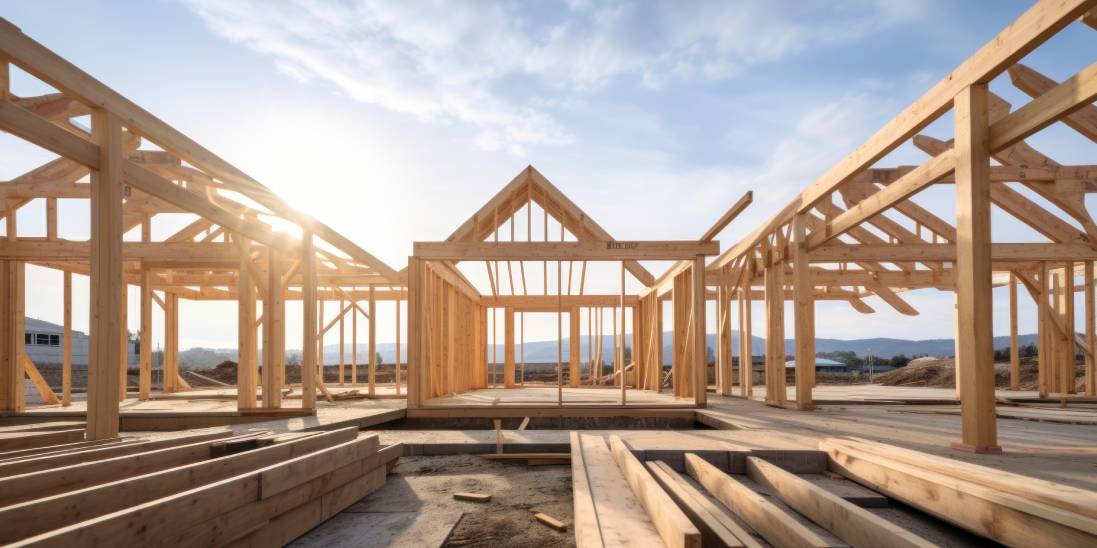
The Potential Risks With Wood-Frame Construction
Wood-frame construction, while traditional and popular, comes with a unique set of risks and pitfalls. We explore those and a few mitigation strategies.
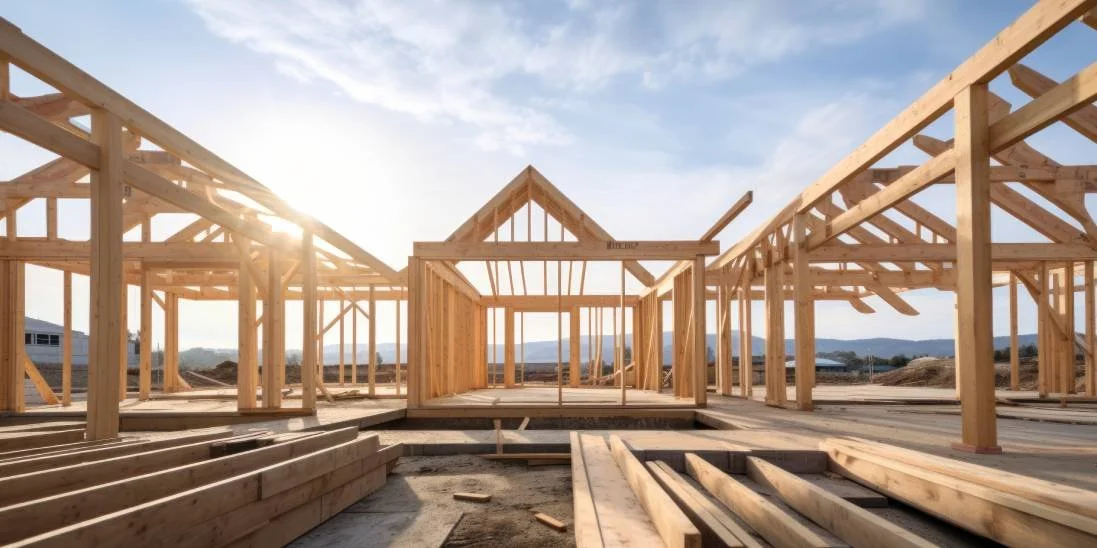
For homeowners and homebuilders, the decision to use wood-frame construction is pivotal. This traditional method is popular for its affordability, ease of assembly, and natural warmth. Yet, beneath the charming facades lie risks that, if ignored, can compromise the structure’s safety and longevity. Below, we carefully peel the layers of the potential risks with wood-frame construction and highlight safety enhancements to mitigate them.
Understanding the Risks Involved
Wood-frame structures, while economical and versatile, come with their own set of caveats. First and foremost is the issue of structural integrity. Unlike more robust materials, wood is inherently more vulnerable to the elements. From termites silently dining away at the framework to the subtle yet continuous threat of water damage, homes crafted from wood carry the burden of these potential hazards.
Structural Integrity
Acknowledging its proclivity for structural compromise is essential to understanding wood-frame construction. When subjected to natural elements, the integrity of wooden framing is questionable. Pests and weather can penetrate the timber; termites and rot can cripple foundational supports. Understanding these vulnerabilities is the first step toward preventing them from materializing.
Fire Hazard
The organic nature of wood makes it a proverbial tinderbox in the event of a fire. Unlike steel or concrete, which boast inherent flame-resistant qualities, untreated wood contributes to the spread and intensity of fires. Special considerations when fireproofing raw wood are prudent but imperative to the safety of occupants and the structure’s longevity.
Proactive Measures: Mitigating the Threat
Intelligently addressing these risks can transform the vulnerabilities of wood-frame construction into manageable challenges. By taking a proactive stance, you arm your construction against the tests of time and nature.
Prevention Is Key for Structural Integrity
A combination of strategies, from using pressure-treated lumber to applying termite barriers, can fortify a wood-frame structure against assailants. Consistent maintenance and routine checks for any signs of compromise can further bolster the home’s resilience. It’s not a recommendation; it’s the crux of structural longevity.
Innovations in Protection
Advancements in fire-resistant coatings and moisture-resistant sheathing are revolutionizing how we protect wood structures. When integrated during the construction phase, these innovations significantly reduce the risks associated with wood framing. It’s a win for safety and peace of mind and proves that tradition seamlessly intertwines with modern protective measures.
It’s not about forsaking wood in favor of impenetrable alternatives; it’s about understanding and tackling the issues head-on. With knowledge and proactive measures, the risks associated with wood-frame construction are no longer reasons for trepidation but inspirations for innovation. In acknowledging and taking action against such risks, we truly demonstrate the strength and adaptability of wood as a construction material.
A Beginner’s Guide to Home Re-Piping: What Every Homeowner Should Know
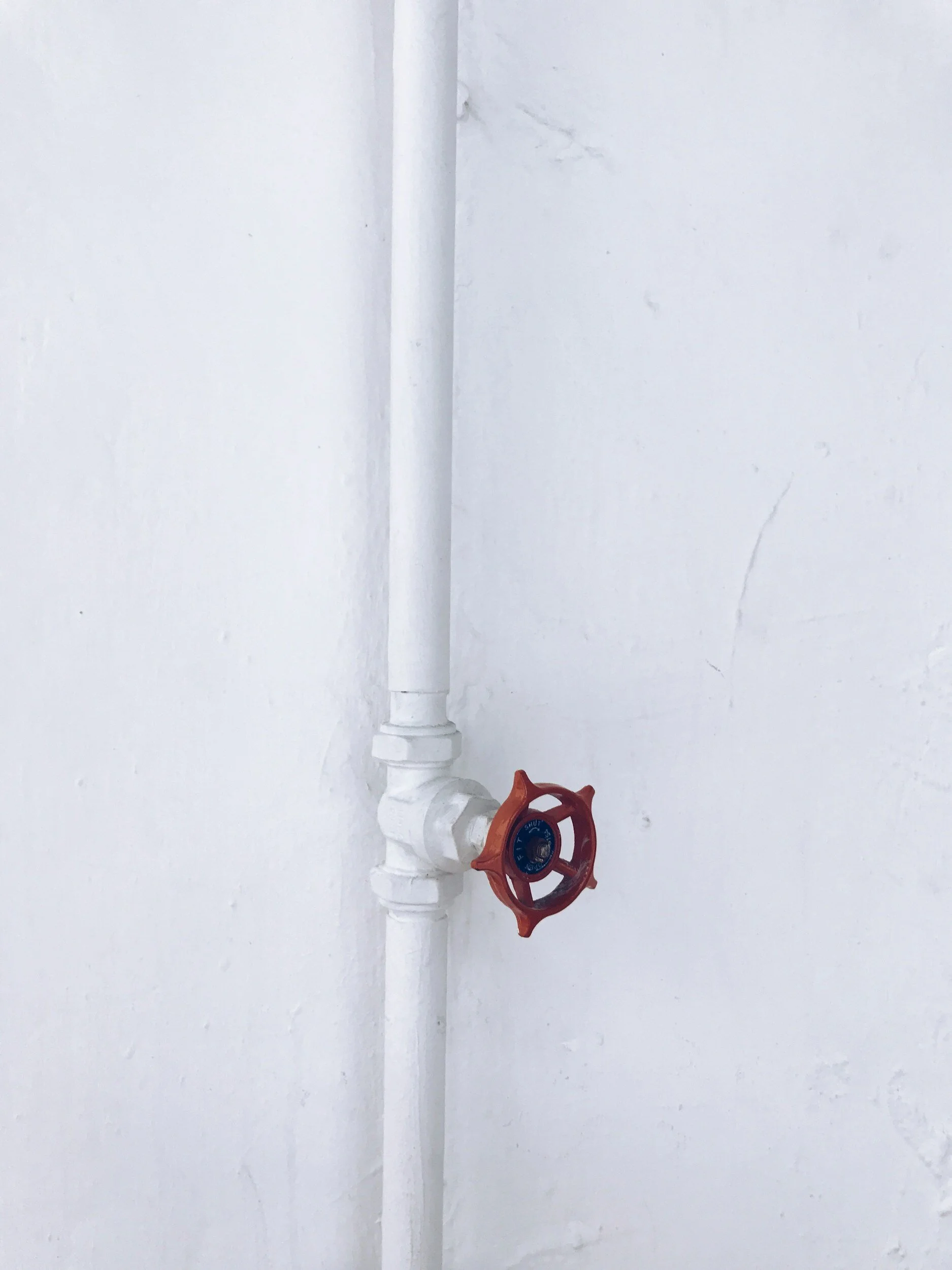
As a homeowner, one of the most important aspects of maintaining your home is ensuring that your plumbing system is in good working order. Over time, pipes can become corroded, leaky, or damaged, leading to a host of issues such as low water pressure, water discoloration, and even structural damage. In some cases, a full home re-pipe treatment may be necessary to ensure the long-term integrity of your plumbing system. In this beginner’s guide to home re-piping, we will cover everything you need to know about this essential home maintenance task.
We partnered with a home improvement company for this post. The opinions in the post are honest. All reviews and opinions expressed in this post are based on our personal views. We are excited because we know you will love it.
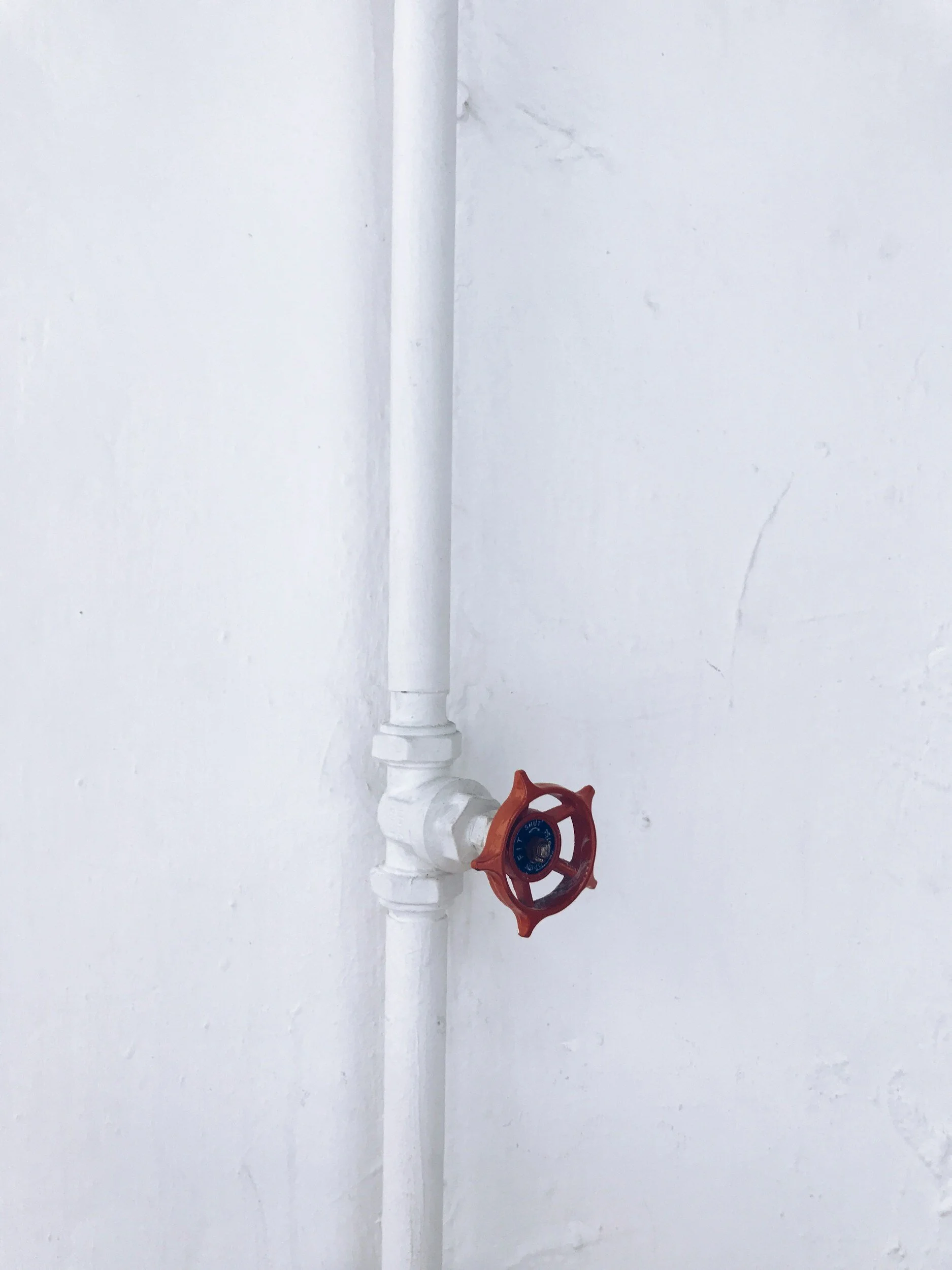
As a homeowner, one of the most important aspects of maintaining your home is ensuring that your plumbing system is in good working order. Over time, pipes can become corroded, leaky, or damaged, leading to a host of issues such as low water pressure, water discoloration, and even structural damage. In some cases, a full home re-pipe treatment may be necessary to ensure the long-term integrity of your plumbing system. In this beginner’s guide to home re-piping, we will cover everything you need to know about this essential home maintenance task.
Signs that You Need Re-Piping
The first step in determining whether your home needs re-piping is to look out for signs of deteriorating pipes. These may include rusty or discolored water, low water pressure, frequent leaks, and unusual noises coming from your pipes. If you notice any of these signs, it’s crucial to contact a professional plumber to assess the situation and determine if re-piping is necessary.
Types of Pipes
There are several types of pipes commonly used in residential plumbing systems, including copper, PEX (cross-linked polyethylene), and PVC (polyvinyl chloride). Each type has its own set of pros and cons in terms of durability, cost, and ease of installation. A professional plumber can help you determine which type of pipe is best suited for your home based on factors such as water quality and budget.
The Re-Piping Process
Re-piping involves replacing all or a portion of the existing pipes in your home with new ones. The process typically begins with an assessment of the current plumbing system to identify areas that need replacement. Next, the old pipes are removed and replaced with new ones using various methods, such as trenchless technology or traditional pipe replacement techniques. The entire process can take anywhere from a few days to a week, depending on the size of your home and the extent of the re-piping needed.
Hiring a Professional Plumber
When it comes to re-piping your home, it’s crucial to hire a licensed and experienced plumber who specializes in this type of work. A professional plumber will have the knowledge and expertise needed to assess the condition of your current pipes accurately and recommend the best course of action for re-piping your home. Additionally, they will ensure that the work is done correctly and up to code, giving you peace of mind that your plumbing system is in good hands.
Benefits of Re-Piping
While re-piping your home may seem like a significant investment upfront, it can provide numerous benefits in the long run. By replacing old or damaged pipes with new ones, you can improve water quality, increase water pressure, prevent leaks and costly repairs down the road, and even increase the value of your home. Ultimately,re-piping is an essential maintenance task that can protect both your property and your family’s health.
Re-piping may seem like a daunting task for homeowners, but understanding when it’s necessary and how it’s done can make the process much smoother. By keeping an eye out for signs that indicate deteriorating pipes, such as rust-colored water or low water pressure, and hiring a professional plumber who specializes in re-piping, you can ensure that your plumbing system remains in top condition for years to come. Well-maintained plumbing not only improves daily living conditions but also protects against potential damage caused by leaky or damaged pipes. With this beginner's guide, you now have all you need to know about home re-piping so you can make informed decisions about maintaining one of the most crucial systems in your home.

