

A resource for those seeking information on organizing and transforming spaces.

The Impact of Climate on Your Home’s Foundation
As a homeowner, you want to ensure that your home is safe and secure for you and your family. One important aspect to consider is the impact of climate on your home's foundation. Changes in temperature, moisture levels, and extreme weather conditions can all have a significant impact on the stability of your foundation. In this blog post, we will explore how climate affects your home's foundation and what steps you can take to protect it.
As a homeowner, you want to ensure that your home is safe and secure for you and your family. One important aspect to consider is the impact of climate on your home's foundation. Changes in temperature, moisture levels, and extreme weather conditions can all have a significant impact on the stability of your foundation. In this blog post, we will explore how climate affects your home's foundation and what steps you can take to protect it.
Temperature Fluctuations
One of the most common ways that climate can affect your home's foundation is through temperature fluctuations. As temperatures rise and fall throughout the year, the soil around your foundation expands and contracts. This movement can put pressure on your foundation walls, causing them to crack or shift. To combat this issue, it's important to make sure that your home has proper insulation and drainage systems in place to help regulate temperature changes.
Moisture Levels
Another key factor in the health of your foundation is moisture levels. Excess moisture from heavy rainfall or snowmelt can seep into the soil around your foundation, causing it to swell and put pressure on your walls. On the other hand, drought conditions can cause the soil to shrink away from your foundation, leaving it vulnerable to settlement. To combat these issues, make sure that your gutters are clear and functioning properly, and consider installing a sump pump or waterproofing system if needed.
Extreme Weather Events
Climate change has also led to an increase in extreme weather events such as hurricanes, tornadoes, and heavy storms. These events can cause significant damage to homes, including foundations. Strong winds can put pressure on foundation walls, while heavy rainfall can saturate the soil around your home, leading to erosion or flooding. It's important to be prepared for these events by having a plan in place for emergency repairs and ensuring that your insurance coverage includes protection for foundation damage.
Preventative Measures
There are several steps you can take as a homeowner to protect your foundation from the effects of climate change. Regularly inspecting your home for signs of foundation damage, such as cracks or bowing walls, is crucial so that any issues can be addressed promptly. Additionally, maintaining proper drainage around your home by ensuring that gutters are clear and directing water away from the foundation can help prevent excess moisture buildup.
In conclusion, understanding how climate impacts your home's foundation is essential for maintaining its structural integrity over time. By being proactive about addressing issues related to temperature fluctuations, moisture levels, and extreme weather events, you can help protect one of the most important investments you'll ever make – your home. If you have concerns about the state of your foundation or would like more information on preventative measures you can take, don't hesitate to consult with a professional contractor who specializes in foundation repair.
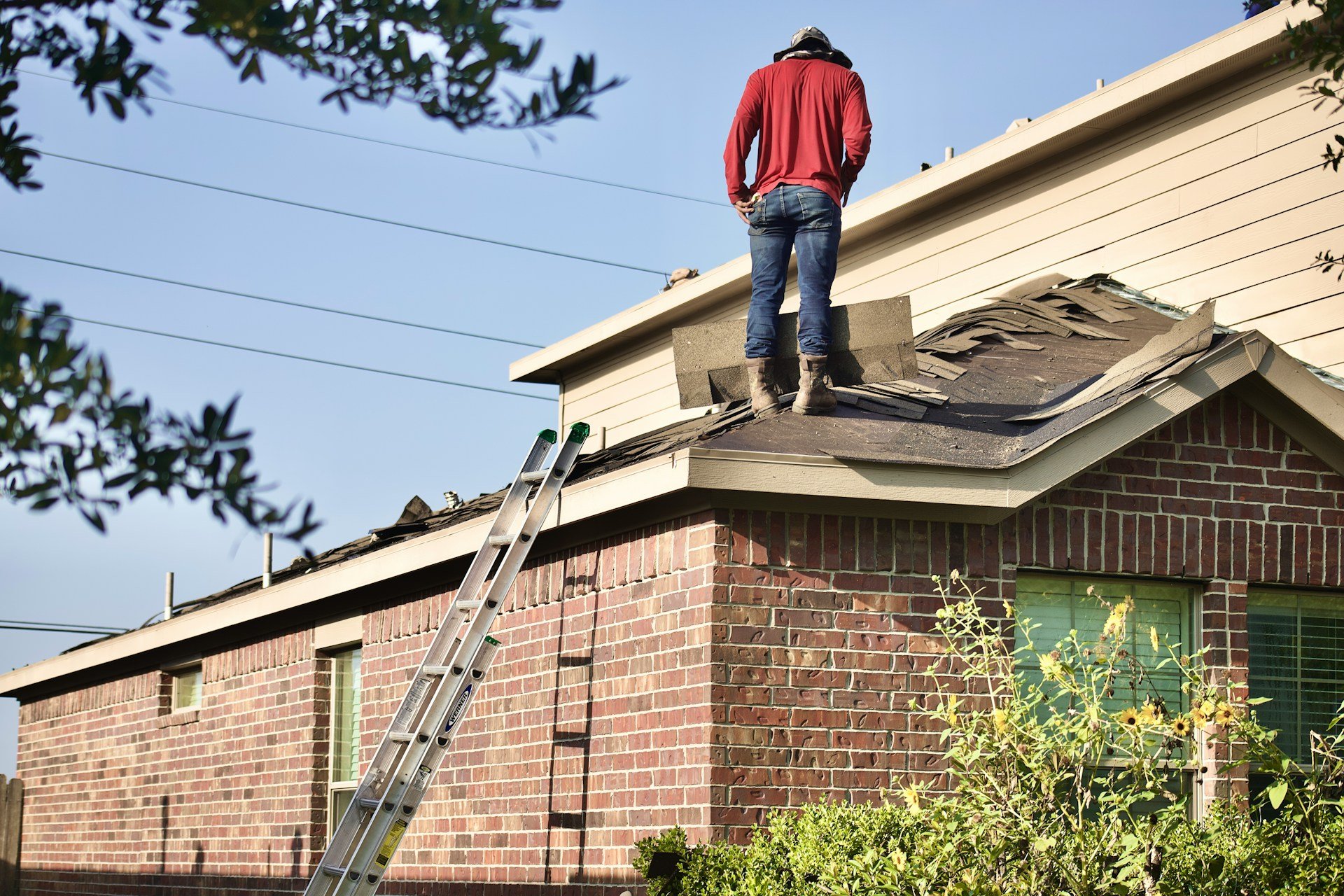
Preventing Problems in Parts of Your Home you Can't Perceive
Home is often described as a sanctuary, a place where you can truly feel at home. However, there is a lot of work behind the scenes to maintain that sense of safety and security we associate with our living spaces. What many homeowners don’t realize is that some of the most critical systems in their homes—like electrical wiring, plumbing, and insulation—are not immediately visible and, therefore, often neglected. Here, we'll explore how to safeguard these crucial, yet often unseen components of your home to prevent potential disasters and ensure a long life for your living space.
Home is often described as a sanctuary, a place where you can truly feel at home. However, there is a lot of work behind the scenes to maintain that sense of safety and security we associate with our living spaces. What many homeowners don’t realize is that some of the most critical systems in their homes—like electrical wiring, plumbing, and insulation—are not immediately visible and, therefore, often neglected. Here, we'll explore how to safeguard these crucial, yet often unseen components of your home to prevent potential disasters and ensure a long life for your living space.
Electrical Wiring - The Veins of Your Home
Electrical wiring is the unsung hero of your house infrastructure. More often than not, it goes unnoticed until something goes wrong. Home electrical fires account for hundreds of burn injuries and deaths each year, especially in older homes where wiring may be out of date.
Regular Inspection
Regular checks can detect issues before they become a hazard. You should look out for: flickering lights, warm outlets or switches, buzzing sounds, or the smell of burning. If you encounter any of these, it’s time to call a professional.
Preventative Measures
Avoid overloading circuits and extension cords, which can cause overheating. Always follow the manufacturer's recommendations. Use ground-fault circuit interrupters (GFCIs) in areas where water and electricity might be close together, like bathrooms and kitchens.
Plumbing - Keeping the Flow Smooth
Plumbing is another fundamental system that can quietly cause significant problems. A minor leak today can lead to mold, mildew, and rot, which are not just issues for your home but can also pose health risks to your family.
Regular Checks
Inspect your water heater for leaks and look under sinks for signs of moisture. Dripping faucets need to be fixed promptly to prevent water usage costs from skyrocketing.
Preventative Maintenance
Regular, effective drain cleaning, checking your water pressure, and making sure everyone in your household knows how to turn off the water supply in case of an emergency can save you a lot of hassle in the long run.
Insulation - The Comfort Maker
A properly insulated home can mean the difference between a cozy winter or a frigid one. Insulation also plays a role in energy efficiency and can help you save on heating and cooling bills.
Signs of Trouble
A sudden spike in energy bills can be a sign that your insulation isn’t performing as it should. Drafty rooms and varying temperatures throughout your home are other indicators.
DIY Solutions
Caulking and weatherstripping are cost-effective measures to improve the insulation around windows and doors. These are relatively simple DIY tasks that can make a big difference in the comfort and efficiency of your home.
Roof - The Guardian Above
Your roof is the first defense against the elements. But without regular checks, you could be facing costly damage from leaks, mold, and poor ventilation.
Routine Inspections
You don’t need to climb up a ladder every week, but you should keep an eye out for broken or missing shingles from the ground, or any other signs that you might need emergency roof repair.
Professional Tune-ups
Have a professional inspect your roof at least every three years. They can identify potential problems before they escalate and recommend necessary repairs.
Foundation - The Bedrock
The foundation is quite literally the foundation of your home. It supports the weight of the entire structure, so any movement or damage can have severe consequences for your home’s structural integrity.
Warning Signs
Do you have doors that stick or don’t latch? Are there noticeable cracks in interior walls? Both these can be signs of foundation problems.
Necessary Repairs
If you notice these signs, you should consult with a foundation specialist immediately. It could be as simple as repairing a crack or something more complex like installing piers to stabilize your foundation.
While this guide touches on the critical areas of home maintenance, it's important to approach each aspect with diligence and caution. Preventing problems in parts of your home you can't perceive is not just about regular inspections and timely repairs; it's also about being alert and responsive to changes in your home environment. By being proactive and seeking professional help when needed, you can ensure that your home remains the safe haven you've always intended it to be.

Staying Organized on Moving Day: 5 Tips for Managing Logistics and Minimizing Stress
After moving enough times, you'll start to see a pattern. The initial excitement is when you gather packing supplies, move cartons, and prepare yourself for days of hard labor. You realize that what you thought was going to be a ten-minute job is going to actually take 30 minutes, and that you're going to have to work for five hours instead of an hour.
We partnered with a home improvement company for this post. The opinions in the post are honest. All reviews and opinions expressed in this post are based on our personal views. We are excited because we know you will love it.
After moving enough times, you'll start to see a pattern. The initial excitement is when you gather packing supplies, move cartons, and prepare yourself for days of hard labor. You realize that what you thought was going to be a ten-minute job is going to actually take 30 minutes, and that you're going to have to work for five hours instead of an hour.
Moving day is finally here, after a sweaty, long day of heavy lifting and the odd last-minute hiccup. After all the work is done, you can relax for a moment before looking at your boxes to see how much more is needed. Then you go online and start browsing for storage facilities near me. Sound familiar?
Well, millions of people face the challenges of moving day, but the important thing is how to approach the situation. Finding a reliable storage facility close to you can save you a lot of headaches and allow you to streamline the moving process so as to not waste much time going back and forth.
And for other tips for managing logistics and minimizing stress on moving day, continue reading below.
Create a Comprehensive Moving Plan
Create a thorough moving plan that addresses every facet of your relocation, including packing, moving, and unpacking. Make sure to divide work into digestible portions and establish due dates to ensure that you don't miss anything.
Declutter your belongings before packing to minimize the number of goods you'll need to move. Sort through your stuff, designating what to keep, donate, sell, or throw away. Packing will go more quickly if you arrange items by category.
Collect all the packing materials you'll need, such as sturdy boxes of different sizes, packing tape, bubble wrap, packing paper, and markers for labeling. Try to use eco-friendly products whenever you can to reduce waste.
Consider Professional Movers
Most of the people moving choose to hire professional movers to avoid the hassle of packing, lifting, loading, and unloading boxes. Due to high demand, there are more and more moving services across the world. For instance, the moving services industry in Canada reached $1.4 billion in 2023.
You can reduce the stress associated with moving by hiring a professional moving service. Moving companies can help you with heavy lifting, but they can also wrap and transport difficult-to-pack items such as lamps and artwork. This means less work for you and less stress.
Allow Yourself Plenty of Time
Time can be the single greatest source of tension during any move. Although no amount of preparation or planning can make the experience stress-free, giving yourself plenty of lead time will make the whole process simpler. Furthermore, making decisions early will reduce last-minute anxiety, so keep this in mind.
Start Small
If you feel overwhelmed by moving stress or don't know where to begin, take baby steps toward the beginning. Even something as small as packing one kitchen drawer could help alleviate pressure, or gathering all your books into boxes could do the trick. Don't fret over everything having to be packed all at once; instead, focus on accomplishing one thing at a time.
Pack each room separately, beginning with goods you don't use often and working your way up to everyday necessities. Cushion breakable items with blankets or bubble wrap, and name boxes with the room they're going to be in and its contents to make unpacking easier. Choose a moving strategy for getting your stuff to your new house.
You can hire a moving container or use a freight shipping service for long-distance moves, or you can reserve a rental truck well in advance to guarantee it will be available on a moving day.
Stay Organized

Moving can be stressful, so proper organization is paramount to making it less of a headache. That means sorting and labeling boxes to make unpacking simpler as well as keeping any documents you might require such as contracts from movers or lease agreements in one easily accessible place; getting all these out early will save you headaches later.
The Final Say: Achieve a Stress-Free, Organized Moving Day
Stress is a common part of life, and relocating is no exception. Accept the situation for what it is and make proper organization a priority at all times. Make a detailed plan about what you’ll do and everything you’ll need. Make sure you have all the packing supplies you need and a storage space to use before you start piling boxes. Small considerations go a long way.

The Game-Changer: How Direct Cash Buyers are Revolutionizing Real Estate Transactions
In the ever-evolving landscape of real estate, traditional methods of buying and selling homes are being challenged by a new player in the game: direct cash buyers. These innovative companies are disrupting the status quo and reshaping the way people navigate the real estate market. In this article, we'll explore why direct cash buyers are positively changing how people buy and sell real estate, and why this trend is gaining momentum. Selling a house? Connect with direct buyers here: we buy houses ft Worth TX.
We partnered with a real estate company for this post. The opinions in the post are honest. All reviews and opinions expressed in this post are based on our personal views. We are excited because we know you will love it.
In the ever-evolving landscape of real estate, traditional methods of buying and selling homes are being challenged by a new player in the game: direct cash buyers. These innovative companies are disrupting the status quo and reshaping the way people navigate the real estate market. In this article, we'll explore why direct cash buyers are positively changing how people buy and sell real estate, and why this trend is gaining momentum. Selling a house? Connect with direct buyers here: we buy houses ft Worth TX.
The Rise of Direct Cash Buyers
Gone are the days when selling a home meant listing it with a real estate agent, enduring countless showings, and waiting months for the right buyer to come along. Direct cash buyers offer a faster and more streamlined alternative. These companies purchase homes directly from sellers, often in as little as a few days, and with cash in hand.
Speed and Convenience
One of the most significant advantages of working with direct cash buyers is the speed and convenience they offer. Traditional real estate transactions can be lengthy and complicated, involving negotiations, inspections, appraisals, and financing contingencies. In contrast, direct cash buyers streamline the process, eliminating many of these steps.
Imagine being able to sell your home quickly and with minimal hassle. With direct cash buyers, homeowners can avoid the stress and uncertainty of a prolonged selling process. Whether you're facing foreclosure, relocating for a job, or simply eager to move on to your next adventure, direct cash buyers offer a solution that fits your timeline.
No Repairs or Renovations Necessary
Another significant advantage of selling to a direct cash buyer is that you can sell your home as-is, without the need for costly repairs or renovations. Traditional buyers often expect homes to be in perfect condition, which can add time and expense to the selling process. Direct cash buyers, however, are willing to purchase homes in any condition, saving sellers time and money.
Whether your home needs minor cosmetic updates or major structural repairs, direct cash buyers are willing to make an offer. This is especially beneficial for sellers who may not have the time or resources to invest in fixing up their home before selling. Instead of spending months or even years trying to get your home market-ready, you can sell it quickly and move on with your life.
Certainty of Sale
One of the most stressful aspects of selling a home is the uncertainty of whether or not it will actually sell. Even after accepting an offer from a traditional buyer, there's always the risk that the deal will fall through due to financing issues or other unforeseen circumstances. This uncertainty can be incredibly frustrating for sellers, especially if they're relying on the sale of their home to fund their next move.
Direct cash buyers offer sellers the certainty of sale. Because they purchase homes with cash, there's no need to worry about financing contingencies or delays. Once you accept an offer from a direct cash buyer, you can rest assured that the sale will proceed as planned. This peace of mind is invaluable, especially for sellers who are facing time-sensitive situations.
Flexibility and Customization
Every homeowner's situation is unique, and direct cash buyers understand that one size does not fit all. These companies offer flexible solutions tailored to each seller's specific needs. Whether you're facing foreclosure, going through a divorce, or inheriting a property, direct cash buyers can work with you to find a solution that works.
For example, if you need to sell your home quickly but require more time to move out, direct cash buyers can accommodate your timeline. If you're facing financial difficulties and need to sell your home to avoid foreclosure, direct cash buyers can offer a solution that helps you avoid further financial hardship. Whatever your situation may be, direct cash buyers are willing to work with you to find a solution that meets your needs.
Competitive Offers
Contrary to popular belief, selling your home to a direct cash buyer doesn't mean accepting a lowball offer. In fact, direct cash buyers often make competitive offers that are on par with or even higher than what you might receive on the open market. Because these companies purchase homes in any condition and with cash, they're able to offer sellers a fair price without the need for negotiations or contingencies.
Additionally, working with a direct cash buyer means avoiding costly real estate agent commissions and fees, which can eat into your profits when selling through traditional channels. With a direct cash buyer, what you see is what you get – there are no hidden fees or surprises.
Transparency and Accountability
One of the key benefits of working with direct cash buyers is the transparency and accountability they offer throughout the transaction process. Unlike traditional real estate transactions, which can sometimes feel opaque and riddled with hidden fees, direct cash buyers operate with a high level of transparency.
From the initial offer to the closing table, direct cash buyers provide clear communication and honest dealings. Sellers can rest assured that they're getting a fair deal, with no surprises or hidden costs along the way. This transparency builds trust and confidence, making the selling process more straightforward and less stressful for homeowners.
Helping Homeowners in Distressed Situations
Direct cash buyers play a crucial role in helping homeowners who find themselves in distressed situations. Whether it's facing foreclosure, dealing with extensive repairs, or inheriting a property they don't want, many homeowners feel overwhelmed and unsure of where to turn.
Direct cash buyers offer a lifeline to these homeowners, providing a fast and hassle-free solution to their housing problems. By purchasing homes as-is and with cash, direct cash buyers can help homeowners avoid foreclosure, settle estate issues, and move on with their lives. This compassionate approach to real estate allows homeowners to regain control of their financial situation and start fresh.
Stimulating Local Economies
In addition to helping individual homeowners, direct cash buyers also play a role in stimulating local economies. By purchasing homes quickly and injecting cash into communities, these companies can help revitalize neighborhoods and spur economic growth.
When homeowners sell their properties to direct cash buyers, they often use the proceeds to pay off debts, invest in new businesses, or make purchases that support local businesses. This influx of cash can have a ripple effect throughout the community, creating jobs, increasing property values, and improving overall quality of life.
Conclusion
In conclusion, direct cash buyers are positively changing how people buy and sell real estate by offering a faster, more convenient, and hassle-free alternative to traditional methods. With direct cash buyers, homeowners can sell their homes quickly and with minimal stress, regardless of their situation or the condition of their property. Whether you're facing foreclosure, relocating for a job, or simply eager to move on to your next adventure, direct cash buyers offer a solution that fits your needs. So why wait? If you're ready to sell your home, consider working with a direct cash buyer and experience the difference for yourself.

