

A resource for those seeking information on organizing and transforming spaces.

Fiberglass vs. Spray Foam Insulation: Which Is Better?
Insulation is nonnegotiable for a safe, comfortable home, but what type should you choose? Explore fiberglass vs. spray foam, two popular options.
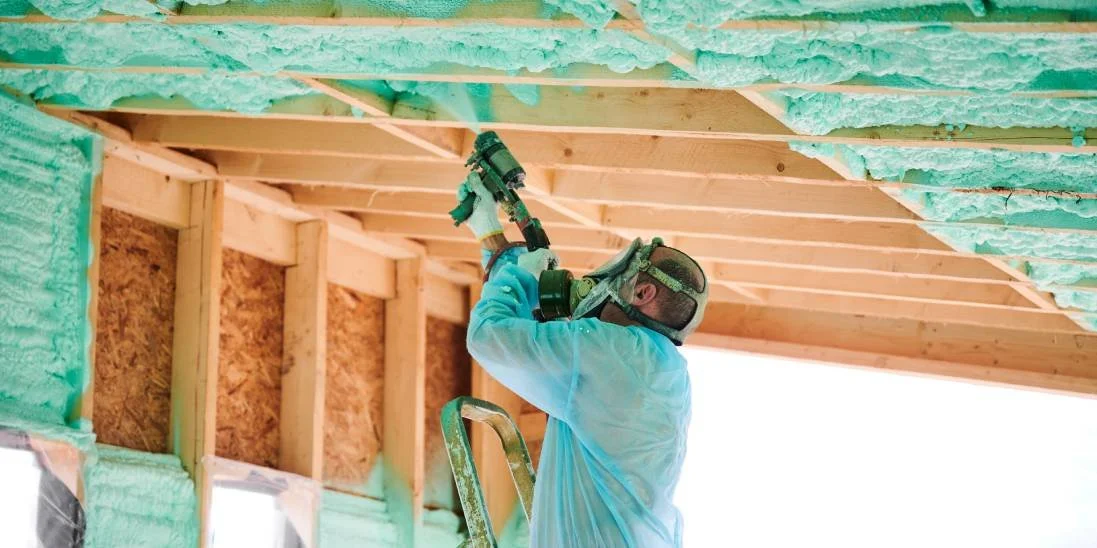
Your home needs insulation to remain safe and comfortable, but you have plenty of options when it comes to the type of insulation you install. Two of the most popular options are fiberglass and spray foam insulation. Which is better? Explore the nuances of both materials and compare their qualities below.
The Basics of Fiberglass Insulation
Fiberglass insulation, familiar for its pink, fluffy appearance, comes in rolls or batts. It’s made from finely spun glass fibers and is widely used due to its cost-effectiveness and ease of installation.
Ideal for DIY enthusiasts, fiberglass allows you to insulate your home without breaking the bank. However, it requires careful handling due to its composition, and gaps in installation can hinder its overall efficiency.
The Basics of Spray Foam Insulation
Spray foam insulation provides an airtight seal, expanding into nooks and crannies to create an impermeable barrier against air and moisture. It comes in two types:
Open-cell
Closed-cell
Each type serves different insulation needs. Spray foam’s superior sealing capability often results in better energy savings over time, but it comes at a higher initial cost than fiberglass.
Comparing Cost and Efficiency
When evaluating whether fiberglass or spray foam insulation is better based on cost and efficiency, several factors come into play. Fiberglass typically offers lower upfront costs and suits those on a tight budget.
However, the long-term energy savings that spray foam provides might offset its initial expense, making it a potentially more cost-effective solution over time. Determining the right choice depends on your budget, energy-saving goals, and how long you plan to stay in your home.
Comparing Longevity and Sustainability
Lastly, considering the lifespan and environmental impact of your insulation choice is crucial. Fiberglass insulation can sag or settle over time, potentially diminishing its effectiveness. On the other hand, the effects of time on spray foam insulation are minimal.
From a sustainability standpoint, spray foam varies in its eco-friendliness based on its chemical composition. Conversely, newer fiberglass options typically include recycled materials.
What Should You Choose?
Deciding whether fiberglass or spray foam insulation is better hinges on the initial cost, energy efficiency, longevity, and eco-friendliness. Both have their rightful place in the world of home insulation, but by assessing your specific needs and priorities, you can choose the option that best suits your home and lifestyle.

Summertime Storms: Tips for Yard Clean Up
Cleaning up your yard after a summertime storm passes feels a lot like pushing a boulder uphill. Use these helpful tips to get your yard back on track.

Summertime is a season of beauty, with its lush greenery, vibrant flowers, and sparkling sunlit days. But nestled within these idyllic scenes is the not-so-gentle reminder of nature’s unpredictability—summertime storms. Whether it’s a brisk thunderstorm or a full-blown hurricane, these weather events can leave your yard in disarray, turning your peaceful outdoor sanctuary into a post-apocalyptic landscape. Before you start fretting, take a deep breath, we’re here with a few tips for yard clean up in the summertime storm aftermath.
Surveying the Battlefield
When the dust settles or the rain ceases, the aftermath of a storm can resemble a battlefield. Fallen branches may carpet the lawn, leaves, and debris may have clogged your gutters, and in the worst cases, water might have left behind damage that needs repair. However, it’s not all lost—with the right approach, your yard can rebound even better than before.
Prepare for Impact
The key to recovering swiftly from a storm is preparation. Ensure your yard is resilient by keeping your trees trimmed, your gutters clear, and your outdoor furniture safely stored or secured. Regular maintenance is your first line of defense against storm damage, and it’s worth the effort to avoid the chaos that can ensue from a lack of preparedness.
Initial Action Steps
The minutes after a storm are crucial. It’s time to check for hazards, assess the damage, and secure anything that might pose a threat. Prioritize the removal of any large debris and be on the lookout for damaged trees or structures that need immediate attention. This is also the moment to plan out your cleanup—from creating a safe workspace to organizing your schedule for the days ahead.
Nuts and Bolts of Cleanup
When it comes to clearing up your yard, safety is paramount. Use gloves to protect your hands from sharp debris, and be mindful when using tools like chainsaws, especially around fallen power lines. Engage your community or consider hiring professionals for large-scale damage. For example, emergency tree removal services can be a savior after a storm leaves a tangled mess of branches and trunks in its wake.
Making It New
After clearing the debris and completing any repairs, your yard is a blank canvas. Consider this an opportunity to make enhancements you’ve been putting off, from planting fresh flowers to reshaping your landscape. Think of it as therapeutic reclamation, not just returning your yard to its former state but crafting it to be even better.
When that wicked summertime storm passes this year, take a moment to reflect on these yard clean up tips. Regroup, take things one step at a time, and tackle it as best as you can.

9 Tips for Selling a House As-Is for Cash
When you need to sell your house fast, withdraw your equity, and move on quickly, selling your house as-is for cash is your best option. This means that you are selling your property in its current condition.
We partnered with a real estate company. for this post. The opinions in the post are honest. All reviews and opinions expressed in this post are based on our personal views. We are excited because we know you will love it.

When you need to sell your house fast, withdraw your equity, and move on quickly, selling your house as-is for cash is your best option. This means that you are selling your property in its current condition.
Buyers who want this type of home expect it to come without improvements, repairs, or renovations completed. The buyer receives the house as they see it, and the seller does not need extensive work. For a seller, this is the easiest way to sell a house.
Here are some helpful tips for selling a house as-is for cash.
List Your Property As-Is
Make sure you list your property as-is to attract the right type of buyer. Specify that you want to sell house as-is for cash.
Just because a house is sold as-is does not mean it lacks positive aspects. Accentuate your property's unique features, location, and advantages. Paint the most appealing picture of your house, capitalizing on its strengths.
Set the Right Asking Price
Look at your neighbourhood and see what similar units sell for. Note your house's advantages: more bedrooms, square footage, proximity to road noise, and more. Consider any damage to your property and the cost of repairs or renovations. Price accordingly.
A lowballer may use sales tactics to close the deal, such as, "Nobody will buy your house in this condition except me" or "This is my only offer, and it expires at the end of the day." If you feel unnecessarily pressured, don't bite. Reject the offer and move on.
Be Honest When You List
In your discussions with prospective buyers and in your listing, be transparent. If there are significant foundation issues, the roof needs to be replaced, or there are plumbing issues, mention that upfront. Don't leave those surprises to interested parties.
Real estate is so valuable that even if your property has severe problems, you can still close a sale if it's priced to sell. Don't overprice your house. Be honest about the issues and the estimated repair costs.
Clean Your House Before Viewing
If someone is looking at your property, have your house cleaned beforehand. A house as-is can still appeal to buyers. If there's a pet smell or mould, dirty and stinky carpet, chipped paint, or cluttered furniture, these issues should be resolved before a potential buyer arrives.
Be Ready to Move Fast
The #1 advice for selling a house as-is is to prepare to move quickly when you receive an offer. They're buying your house for cash and as-is. This means less paperwork and wait time. If you're available, you may be able to sell your home in a few days.
Real Estate Agent
Some companies buy houses for cash. A real estate agent isn't needed to help you sell your house as-is, and you will only get a commission for doing very little. This type of real estate transaction can be completed entirely by the owner.
Know Your Buyer Pool
First-time homeowners and most buyers would rather pay a higher price for a house that requires minimal work. They aren't your target market for selling a home as-is. Reach out directly to companies and investors who buy houses as-is for cash. Make them your priority and avoid uninterested buyers.
Home Inspection and Renovations
Even though you are selling as-is, a buyer may still want a home inspection. Allow them. This will provide them with a clear understanding of your property's condition.
It is wasteful to spend time and money on a renovation. No fresh coat of paint. No updating fixtures and hardware. Let your house be your house as it is. Don't cut into your sales profits by investing in renovations that won't change your offers.
Have an estimate for your home's repairs done. Know what it will cost to make your house livable so that you can correctly price or negotiate the property. Hire a professional to provide these estimates.
Be Prepared to Negotiate
A buyer may make an offer with contingencies despite the as-is clause. Don't be surprised if you have to negotiate slightly to complete the sale.
Offers should be carefully considered. While you will receive lower cash offers for a house than traditional real estate transactions, some may try to lowball you. They may offer to buy your property significantly below market value. Be careful about what you're willing to accept in terms of cost.

How to Clean Your House After a Renovation
After a home renovation, it's time to clean before you celebrate all the hard work done as you reoccupy after the renovation. Dust, debris, and dirt must be handled. Cleaning can feel overwhelming when you aren't tackling it with a plan.
We partnered with a home improvement company. for this post. The opinions in the post are honest. All reviews and opinions expressed in this post are based on our personal views. We are excited because we know you will love it.

After a home renovation, it's time to clean before you celebrate all the hard work done as you reoccupy after the renovation. Dust, debris, and dirt must be handled. Cleaning can feel overwhelming when you aren't tackling it with a plan.
Cleaning a house after a renovation involves having a plan, getting set up with the right tools and cleaners, and knowing the correct technique.
Remove Plastic Sheets & Trash
Many people use plastic sheets to cover furniture or other assets during home renovations. Remove them before you start cleaning.
Remove large waste materials, such as drywall fragments, nails, and wood scraps. Gather and dispose of bulky trash. Carefully dispose of hazardous waste or chemicals you no longer need.
Recycle what you can from your renovation, including cardboard, paper, and plastics. This is crucial to maintaining an eco-friendly renovation.
Dust From Top to Bottom
Work your way around the room dusting. Start at the top of the room and work your way down. Pay attention to corners, edges, and difficult-to-reach areas to clear away any debris tucked away in them. Dust all ducts, grates, vents, blinds, table surfaces, and decor.
Clean interior and exterior walls with a moist cloth or sponge. Make sure the paint is dry before wiping it with a wet cloth. To avoid water stains or streaks, wash your walls with water and dry with a soft towel. Remove any dust and debris left over from home renovations.
A renovation will kick up dust. Be sure to dust any ceiling fans and the ceiling itself to remove everything that's accumulated.
Use Mild Soap and Microfiber Cloth
There is no reason to use a cleaner that is more abrasive than mild soap. Mild soap easily eliminates bacteria and dirt.
Microfiber cloths collect dust particles. A fabric like this can handle smudges and more. Remove dust and debris from all surfaces.
Wipe Down Windows
Wipe your windows, window frames, doors, and trims with a microfiber cloth to remove smudges and debris. You won't need abrasive cleaners or harsh chemicals to make your windows look new. If areas are difficult to clean, spray a glass cleaner over the area and wipe down in a circle with a microfiber towel.
Keep your windows open to get fresh air. Take the dust out. Don't let cleaner chemicals build up indoors. Open your windows.
Vacuum Carpet and Mop Floors
Vacuum your carpet to remove debris lodged in its fibres. For hard flooring, sweep and mop your floors. You may want to buff your floors to bring back their lustre and address imperfections. Be sure to use a cleaning solution specifically made for your flooring material or a carpet cleaner specific to your carpet style.
Wipe Light Fixtures
Wipe down all light fixtures and ensure bulbs are clear. Debris from your renovation should not cover your lights.
Vacuum Furniture
Use a high-quality vacuum with strong suction power to vacuum upholstery, curtains, furniture, and more. Especially with furniture, you want minimal debris.
Tackle Grime with a Cleaner
You won't have to do most of the post-renovation cleanup, but you will have cleaning solutions ready to eliminate dust or grime that's difficult to remove quickly. If you don't have much for cleaners, try a microfiber cloth soaked in warm water with mild soap and apply some elbow grease.
Wear Your Protective Equipment
It can take extensive cleaning following a renovation to get certain rooms looking their best. You'll want to wear PPE if you'll be cleaning for hours. Wear gloves to protect your hands. Equip yourself with a face mask to avoid dust and debris. Brooms, dustpans, mops, and buckets are also available.
Remove Trash
Clean, remove, and dispose of all trash after your renovation. Keep this as the last step. This will remove all the waste you no longer want in the home.
Clean the Driveway
Check your exterior. Inspect it for anything that needs to be cleaned. Sweep up and tidy your driveway and walkways if they are dirty. Clear away any debris from your front and back yard.
Clean Room by Room
Take the time to go through every room. Each room will have its own routine cleaning needs, such as the kitchen and bathroom being two rooms with a long list of to-dos.

