

A resource for those seeking information on organizing and transforming spaces.

Embracing Your Cozy New Space: Organizational Tips for Recent Downsizers
Downsizing comes with many benefits. You can live in a space that’s less cluttered, adopt a more minimalist lifestyle, and potentially save money. In fact, a survey from Homes.com found that 62% of people who downsized said spending less was a big upside to their decision.
Downsizing comes with many benefits. You can live in a space that’s less cluttered, adopt a more minimalist lifestyle, and potentially save money. In fact, a survey from Homes.com found that 62% of people who downsized said spending less was a big upside to their decision.
But, transitioning to a smaller home can feel a bit overwhelming when you’re trying to hang on to the things that are important to you from a larger space.
Thankfully, there are things you can do to make the transition easier. By optimizing your space and putting strategies in place to keep things organized, you can thrive in a more compact environment and enjoy the peace and coziness it brings. Not sure how to get started? Let’s cover a few tips you can start using right away.
Start Decluttering Now
You’ll have a much easier time moving into a smaller space if you declutter before you leave the larger one. While decluttering might seem a bit overwhelming, at first, it can actually be quite liberating to let go of the things you no longer use, want, or need.
Downsizing before you move has many benefits. You’ll have less to load and unload, it’s less stressful, and you’ll save money by making fewer trips. You might even be able to make money if you’re able to sell things like furniture, clothing, or appliances online before you move.
The decluttering process is easy. Make three piles as you go through each room:
Keep;
Donate/sell;
Trash.
When you narrow down your decluttering into categories, it’s much easier to decide what to do with everything, and it streamlines the process so you’ll only take what you need to your smaller home.
Space-Saving Solutions
Even if you’re able to do some de-cluttering, one of the best ways to keep your new home from feeling cramped is to become an organization guru. Every inch of usable space should be made as functional as possible.
If you want to make sure you feel right at home after moving in, be mindful of each room before you start unpacking. Where do you see things going? How do you want to decorate? How are you going to make sure everything has its place? Unpack your essentials for each room first and make sure they have a “home,” since you’ll likely be using them the most. Then, you can start to add the rest of your belongings, even if you have to get creative with storage and organization.
First, maximize vertical space so you don’t have clutter on the floor. Hang floating shelves to add decorative interest to each room. Or, invest in tall bookshelves that go all the way to the ceiling. Yes, you can use them to store books, but they can also display pictures and small pieces of decor. It will add to your cozy aesthetic and keep things in a designated place.
If you sold some of your old furniture, consider investing in new pieces that are both functional and fashionable. You can find ottomans with hidden storage, and coffee or dining tables that can convert into desks, which are especially helpful if you work from home.
Finally, consider which spaces you aren’t using to their fullest. For example, if you don’t have a lot of closet space, purchase a few long plastic bins that can store your winter clothes when they’re out of season. You can slide them right underneath your bed, and those bulky sweaters won’t take up space in your closet.
Organizing a smaller home takes a bit of patience and creativity, but it can also be a lot of fun if you’re willing to think outside the box. Keep these tips in mind and enjoy the freedom of living a simpler, less cluttered life in your new space.
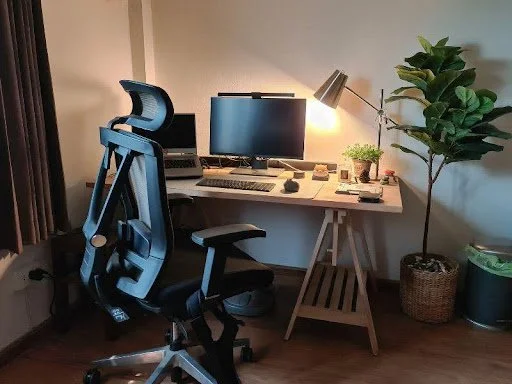
Ergonomic Comfort: Tips for a Cozy and Efficient Home Office Setup
Ergonomic comfort in the home office has become a focal point for many remote workers. As more individuals embrace working from home, the importance of a workspace that promotes both efficiency and well-being is clear. A proper ergonomic home office setup can help prevent the physical discomfort that often arises from prolonged periods of sitting and computer use. By incorporating ergonomics into the home office, individuals can create an environment conducive to productivity without sacrificing comfort.
We partnered with a home & office design company. for this post. The opinions in the post are honest. All reviews and opinions expressed in this post are based on our personal views. We are excited because we know you will love it.
Ergonomic comfort in the home office has become a focal point for many remote workers. As more individuals embrace working from home, the importance of a workspace that promotes both efficiency and well-being is clear. A proper ergonomic home office setup can help prevent the physical discomfort that often arises from prolonged periods of sitting and computer use. By incorporating ergonomics into the home office, individuals can create an environment conducive to productivity without sacrificing comfort.
The principles of ergonomics focus on designing workspaces that fit the user's body and minimize strain. In a home setting, this involves selecting and arranging furniture, equipment, and accessories in a way that promotes natural postures and reduces the risk of injury. Creating a cozy and efficient home office entails understanding the ergonomics of everyday items such as chairs, desks, keyboards, and monitors, and making adjustments tailored to one’s personal needs.
As remote work continues to grow, investing time and resources into creating an ergonomic workspace is essential. This investment pays dividends in the form of increased comfort and potentially enhanced work performance. A well-designed ergonomic home office serves to support the body's natural positions, enabling remote workers to focus on their tasks with a reduced risk of discomfort or repetitive strain injuries.
Designing Your Ergonomic Home Office
Creating an ergonomic home office involves selecting the right furniture, adjusting desk and office chair heights, and managing lighting and temperature for a comfortable and productive space.
Choosing the Right Furniture
For an ergonomic home office, you should prioritize furniture that supports a healthy posture.
Office Desk: An adjustable desk or a standing desk is recommended, which allows for alternating between sitting and standing. Budget options are available which will include a hand crank, or the more premium versions will be electronic and include memory presets to ensure you can tailor your desk height specifically for you every time.
Office Chair: Invest in an ergonomic office chair with adjustable lumbar support to maintain the natural curve of the spine. This will prevent slumping and reduce stress on the spine and pelvis.
Desk options:
Standing desk
Manual hand crank or electronic
Memory presets
Anti-collision safety feature
Chair features:
Lumbar support
Adjustable armrests
Seat width and depth adjustment
Seat tilt
Backrest recline
Headrest for shoulder, neck and head support
Optimizing Desk and Chair Height
Desk height is critical for maintaining a neutral body position. The ideal desk height allows the user to rest their arms comfortably at a 90-degree angle. For the office chair, it should be adjustable so the user's feet are flat on the floor, or on a footrest if necessary.
Desk Ergonomics:
Keep wrists straight and hands at or below elbow level.
Monitor at eye level to avoid neck strain.
Ensure there is enough room under your desk for your legs and feet.
Chair Adjustments:
Seat height where thighs are parallel to the floor.
Adequate seat depth for thigh support without pressing behind the knees.
Ensure your knees are slightly lower than your hips.
Lighting and Temperature Control
Proper lighting and temperature are essential for an efficient working environment.
Lighting: Blend natural light with artificial sources (such as LED lights) to reduce eye strain. Position the monitor to avoid glare.
Temperature: Ideally, the room should be between 68°F and 74°F for optimal comfort.
Lighting Setup:
Task lighting focused on the work area.
Ambient lighting to reduce shadows and glare.
Temperature Management:
Use thermostats or smart home devices for consistent temperature control.
Layered clothing or personal heaters/fans can be used for personal adjustments.
Ergonomic Equipment and Accessories
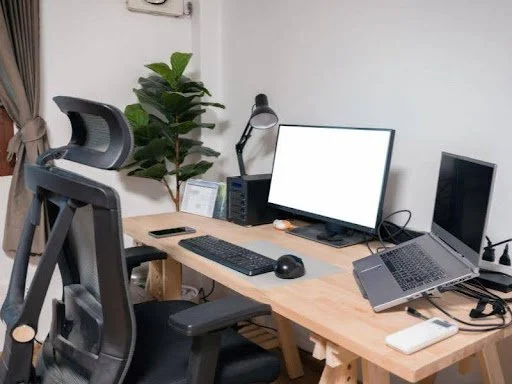
Selecting ergonomic equipment and accessories can drastically improve your comfort and productivity in a home office. Key considerations include the design and placement of keyboards and mice, the positioning of monitors, and how workspace organization contributes to efficiency.
Keyboards and Mice
A well-designed keyboard should have a slight slope to prevent wrist strain. Ergonomic keyboards are shaped to fit the natural resting position of your hands.
For the mouse, it's important to find one that sits comfortably in the palm, reducing the risk of carpal tunnel syndrome. Ideally, keyboards and mice should be placed in a way that keeps the wrists straight and the forearms parallel to the floor.
Keyboard: Tilt-adjustable, cushioned wrist rest
Mouse: Sculpted ergonomic design, easy-to-reach buttons, additional buttons to remap to common work related inputs
Monitor Positioning
The monitor should be at eye level to prevent neck strain, with the top of the screen no higher than eye level. If using a laptop, a laptop riser can elevate the screen to the appropriate height. For users with dual monitors, they should be centered to the user and angled to create a gentle curve, allowing for easy viewing without excessive neck movement.
Single Monitor: Center at eye level, 20-30 inches from the eyes
Multiple Monitors: Equidistant curve, angled to reduce neck twisting
Organization and Cable Management
Organization reduces clutter and enhances focus. Cable organizers can help keep desk space clear and prevent equipment from being entangled. Simplifying workspace layout and utilizing space-saving accessories like wall-mounted peripherals or under-desk cable management solutions help maintain a tidy and efficient work area.
Desk Organization: Vertical file holders, drawer organizers such as under desk pedestals
Cable Management: Under-desk trays, cable sleeves, adhesive clips
Maintaining Health and Wellness

In a home office, it is crucial to prioritize health and wellness by adopting ergonomic practices and taking necessary breaks. These measures counteract potential discomfort and health issues arising from prolonged periods of work.
Correct Posture and Ergonomic Practices
An ergonomically designed workspace can significantly improve posture and reduce back pain. To achieve an ergonomic posture while sitting, ensure that the back is well-supported with the natural curve of the spine maintained. The chair should be adjusted so that the feet are flat on the ground or on a footrest, and the knees are at level with the hips. The arms should be parallel to the floor, with elbows close to the body and forearms straight.
Taking Regular Breaks
To combat the risks associated with repetitive actions and prolonged static posture, such as repetitive strain injuries or carpal tunnel syndrome, you should incorporate short breaks into your daily routine. These breaks boost blood circulation and help prevent both neck strain and eye fatigue.
A simple schedule for taking breaks may include:
Five minutes of stretching or walking for every hour of work.
Brief pauses every 20–30 minutes to adjust posture and rest the eyes.
Stretching the arms, neck, and shoulders can help alleviate tension and improve circulation. Engaging in a quick walk or standing activity refreshes both the body and mind, contributing to overall efficiency and well-being.
This is why standing desks are often recommended as they enable you to seamlessly switch between standing and sitting and regular intervals.
Personalizing Your Workspace
Creating a personalized workspace requires balancing comfort and functionality. Integrate elements that foster both privacy and a serene ambiance, essential for productivity.
Incorporating Privacy
Privacy is key for concentration and efficiency in a home office. If possible, use a spare bedroom or a separate room to minimize distractions and maintain focus. For those without a spare room, partition screens or bookcases can effectively delineate a workspace within a larger room. Adding soundproof curtains or acoustic panels can further reduce noise from other parts of the house. Incorporating plants not only acts as natural sound absorbers but also improves air quality and creates a calming environment.
Achieving Quiet
Achieving a quiet workspace involves using various sound absorption techniques. Soft furnishings like rugs and carpets help dampen noise. Investing in a good pair of noise-canceling headphones can also block out background noise, allowing for better focus and productivity.
Ergonomic Considerations
As we’ve mentioned before, choosing the right ergonomic chair is essential. A quality office chair with lumbar support tailored to your body type can prevent strain and fatigue. The placement of your workstation is equally important. Ensure that the items you use on a daily basis are within touching distance to avoid any unnecessary stretching.
Task Lighting
Proper lighting is crucial to reduce eye strain. Use adjustable desk lamps to provide the right amount of light, complementing natural light sources as much as possible.
Calming Elements
To create a tranquil atmosphere, consider adding gentle background music or a desk fountain. These elements can provide consistent, calming sensory input that enhances your ability to focus.
By incorporating these elements, you can create a home office that supports privacy, quiet, and productivity.

Discover Quality & Style: Your Ultimate Guide to Wooden Tables
Wooden tables are an integral part of interior design, renowned for their versatility and durability. Made from different types of wood like oak, mahogany, or pine, these tables come in various sizes and styles to suit every ambience. Their popularity stems from both aesthetics and utility. They serve as functional pieces for dining, working or decorative use while adding charm to any space.
We partnered with a furniture company. for this post. The opinions in the post are honest. All reviews and opinions expressed in this post are based on our personal views. We are excited because we know you will love it.
Wooden tables are an integral part of interior design, renowned for their versatility and durability. Made from different types of wood like oak, mahogany, or pine, these tables come in various sizes and styles to suit every ambience. Their popularity stems from both aesthetics and utility. They serve as functional pieces for dining, working or decorative use while adding charm to any space.
Selecting quality wooden tables significantly impacts the aesthetics, durability, and functionality of your space. Top-quality wood imparts timeless elegance. It is less prone to damages such as scratches or dents than lower-grade woods, ensuring longevity in use. Moreover, it provides strong support for items placed on top. Thus, investing in well-made wooden tables helps you enjoy long-term value alongside sophisticated style appeal.
Understanding wooden tables requires knowledge of wood types, carpentry techniques and finishes. Hardwoods like oak or mahogany are preferred for their durability and grain beauty. Construction focuses on sturdy structures that resist wear wobble-free. Finally, finishes can either highlight natural characteristics with clear coatings or alter appearance with paint or staining. Thus, appreciating a wooden table involves recognizing the craftsmanship, material and finish choice used in its creation.
Brief history of wooden tables
Wooden tables have a storied history, traceable to ancient Egypt. Their initial function wasn’t aesthetic but utilitarian - serving as platforms for storing items. After the 16th century Renaissance period in Europe, they increasingly featured intricate designs symbolizing wealth and status. By the Industrial Revolution, mass production began catering to the general populace's tastes too. Today's wooden tables blend tradition with modern design trends beautifully.
Different types of wood used in tables
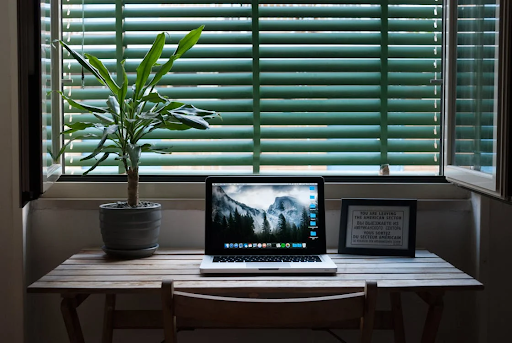
Numerous types of wood are used in crafting tables, each delivering a unique aesthetic. Pine is popular for country-style tables with its beautiful yellow hue and prominent knots. Oak provides exceptional durability together with eye-catching grain patterns, making it well-suited for traditional furniture. Maple's delicate pale colour creates modern-looking tables while rich tones of mahogany suggest an air of luxury and sophistication.
Importance of wood quality in table construction
High-quality wood is vital in table construction to ensure longevity, function and aesthetics. Using top-notch materials increases durability, preventing warp or damage over time. Higher-grade woods also provide a refined appearance that showcases natural grain patterns, enhancing the overall design appeal. Excellent quality wood plays a crucial role in creating stable and visually pleasing furniture pieces like tables, thereby displaying superior craftsmanship.
Elements of a Quality Wooden Table
A quality wooden table encompasses various elements. Predominantly, it's crafted from solid, durable hardwood like oak or walnut for longevity and resilience against wear. The construction reflects fine workmanship, boasting well-fitted joints and smooth surfaces devoid of splinters or cracks. Its finish enhances the wood's grain whilst providing protection. Irrespective of design - rustic or contemporary - it creates a warm aesthetic in any room.
Materials: Different types of quality wood
Materials used in various fields can significantly impact the quality of an end product. Among these, wood stands as a substantially versatile material owing to the diverse types available. Depending on the source trees, woods like oak, cherry, maple and mahogany offer different textures and durability. This divergence ensures optimal fit for distinct demands across construction, furniture making or crafting industries; proving versatility through quality differentiation.
Craftsmanship: Signs of a well-made table
A well-made table exhibits true craftsmanship through several distinct signs. These include the use of high-quality materials ensuring robustness, expertly applied finishes enhancing its aesthetics and longevity, seamless joint techniques proving structural stability, meticulous detailing reflecting artisan's skills, uniformity and symmetry denoting precision. Additionally, the surfaces should be smooth to the touch with no visible glue marks or imperfections indicating exceptional attention paid to its construction process.
Durability: How the table stands the test of time
The durability of a table is measured by its ability to stand the test of time. Crafted from materials like hardwoods are more resilient, and capable of surviving generations of use and wear. Exceptional craftsmanship also contributes to longevity; notable features include reinforced joints, sturdy design structure, and protective finishes that withstand spills or heat – all hallmarks of a durable, timeless table.
Wooden tables FAQs
What is the best affordable wood for a table?
Pine is arguably the best affordable wood for a table. It's abundant, cost-effective and easy to work with, making it extremely popular for furniture-making. Although it’s softer than hardwoods like oak or maple, pine is durable and wears well over time, flaunting distinctive swirling grain that can bring rustic charm to any living space. Hence its high demand among budget-conscious consumers.
How much should a good table cost?
The cost of a good table varies greatly depending on several factors: material, design, craftsmanship and brand. An average-quality wooden dining table might range from $500 to $1000 while high-end ones could exceed $2000. Personal budget, aesthetic preferences, and frequency of use should be considered when determining how much your ideal table ought to cost. Remember: durability is key for this central piece of furniture!
What is the best length for a table?
The best length for a table depends entirely on the intended function and available space. For dining tables, professionals suggest at least 2 feet of space per person for comfortable seating. Smaller workspaces or hallways may fit narrow console tables better. Large family rooms could accommodate coffee tables around 4 feet long. Ultimately, measuring your available area assists in choosing an appropriately sized table.
Which wood is good for a table?
Hardwood species, such as oak and walnut, are excellent choices for creating a sturdy table. Both possess greater durability against daily wear and tear. Oak presents an elegant grain pattern giving each table a unique style while walnut exhibits warm tones amplifying aesthetics significantly. Although pricier than softwoods like pine or fir, the longevity factor of hardwoods makes their investment worthwhile.
5 Do's and Don'ts for Taking Care of Your Septic Tank
Whether you're a first-time homeowner or have lived in your house for years, taking care of your septic tank is crucial for maintaining a healthy and functional household. In order to help you avoid costly repairs and unpleasant surprises, we've compiled a list of 5 do's and don'ts for taking care of your septic tank. So, let's dive in and learn how to properly maintain this important aspect of your home!
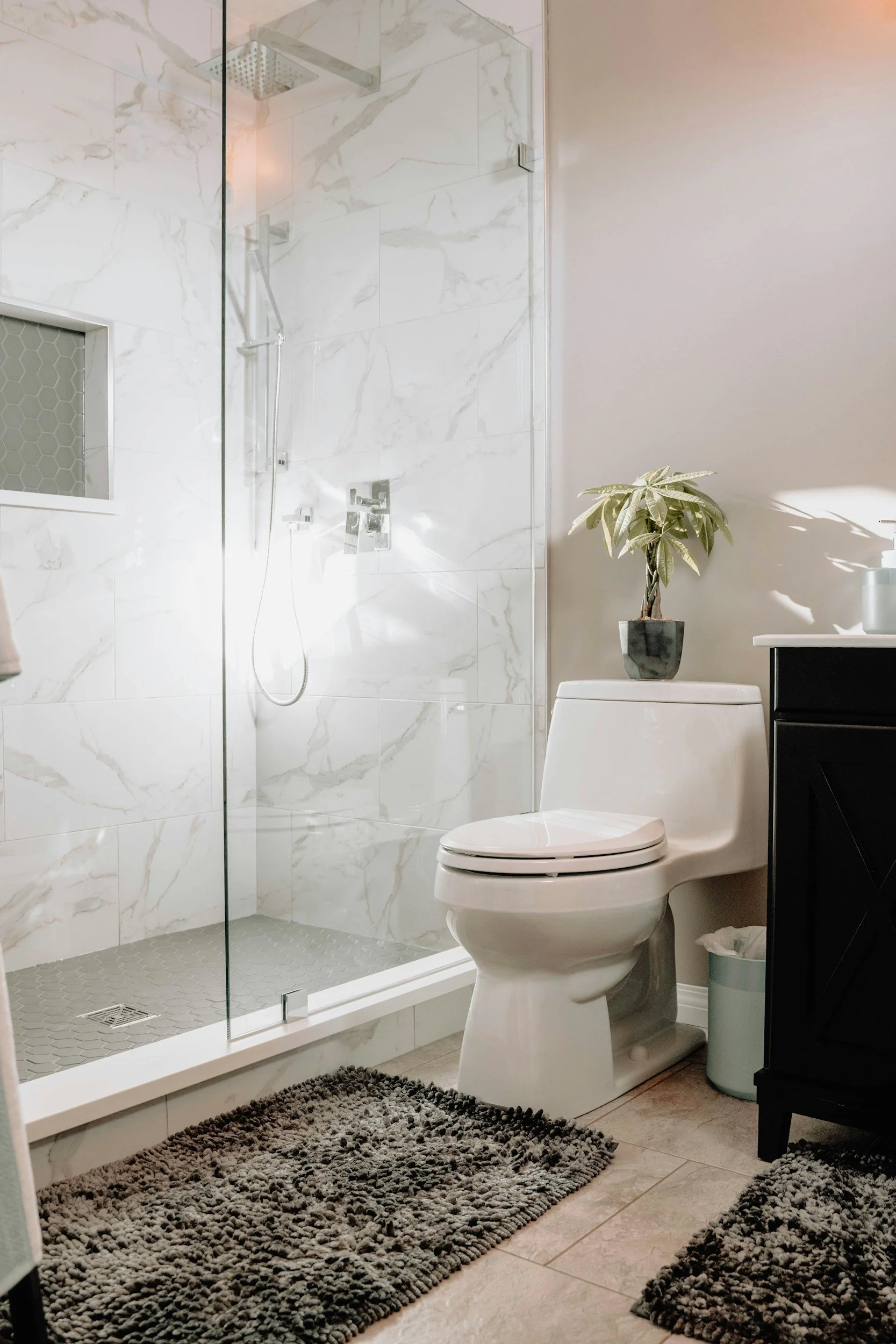
Whether you're a first-time homeowner or have lived in your house for years, taking care of your septic tank is crucial for maintaining a healthy and functional household. In order to help you avoid costly repairs and unpleasant surprises, we've compiled a list of 5 do's and don'ts for taking care of your septic tank. So, let's dive in and learn how to properly maintain this important aspect of your home!
Do
Regularly Inspect Your Septic Tank
One of the most important things you can do to take care of your septic tank is to regularly inspect it. This will help identify any potential issues early on and prevent major problems down the line. It's recommended to have your septic tank inspected at least once every three years by a professional, but you can also do your own visual inspections in between. To safely inspect your septic tank, follow these steps:
Locate Your Septic Tank
Your septic tank should have a concrete lid or manhole cover that is either flush with the ground or slightly raised. If you're unsure of where your septic tank is located, you can contact your local health department for assistance.
Check for Any Visible Damage
Look for cracks or breaks on the tank, as well as any signs of leaks such as puddles or wet spots around the tank.
Check the Level of Scum and Sludge
Use a long stick or measuring tape to check the level of scum and sludge inside the tank. The scum layer should be no more than 6 inches from the bottom of the outlet pipe, and the sludge layer should be no more than 12 inches from the bottom of the outlet pipe.
Check the Inlet and Outlet Pipes
Make sure these pipes are free from any blockages or obstructions, as this can cause issues with the flow of wastewater.
Document Your Findings
Keep a record of your inspections to track any changes over time. This will help detect any potential problems before they become major issues.
Don't
Flush Anything Other Than Toilet Paper
One of the biggest mistakes homeowners make is flushing things down the toilet that should not be flushed. This includes items like paper towels, feminine hygiene products, and even some "flushable" wipes. These items can clog your septic system and cause major issues. Stick to flushing only toilet paper to keep your septic tank in good condition.
Do
Pump Your Septic Tank Regularly
Septic tanks need to be pumped on a regular basis in order to remove solid waste buildup. The frequency of pumping depends on the size of your tank and the number of people in your household, but on average, it should be done every 3-5 years. Neglecting to pump your septic tank can lead to backups and potentially costly repairs.
A great septic tank cleaner can be found by researching and reading reviews from reputable sources such as your local health department or consumer review websites. It's also a good idea to consult with a professional, licensed septic tank company who can provide recommendations based on your specific needs and location. Additionally, asking for referrals from friends or neighbors who have had positive experiences with their own septic tank pumping companies can also be helpful. Remember to always choose a reputable and experienced company for the best results in maintaining your septic tank.
Don't
Pour Grease Down the Drain
Grease may seem harmless when poured down the drain, but it can actually cause major problems for your septic tank. Grease can solidify and clog pipes, leading to backups and potentially damaging your system. Instead, dispose of grease in a separate container and throw it in the trash.
Aside from avoiding pouring grease down the drain, there are also other ways to repurpose it. You can use leftover cooking grease as a natural lubricant for squeaky hinges or as a fire starter for your next camping trip. You can also mix it with birdseed and create homemade bird feeders. Just make sure to let the grease cool and solidify before disposing of it.
Do
Use Water Efficiently
Conserving water not only helps the environment, but it also benefits your septic tank. Excessive water usage can overload and strain your septic system, leading to potential failures. Be mindful of water usage in your household and fix any leaks or drips promptly.
In addition to being mindful of water usage, try to stop any poor water habits that can cause harm to your septic tank. This includes things like leaving the tap running while brushing your teeth, taking unnecessarily long showers, and doing multiple loads of laundry in a single day. By changing these habits, you can not only maintain a healthy septic tank but also save money on your water bill.
Bonus Tip
Know the Location of Your Septic Tank and Drainfield
In case of any issues or emergencies, it's good to know the location of your septic tank and drainfield. This can save time and money when it comes to repairs or maintenance. Keep a map of your septic system in a safe and accessible place for reference.
Taking care of your septic tank is essential for the overall health and functionality of your home. By following these do's and don'ts, you can ensure that your septic system will continue to work efficiently for years to come. Remember, regular maintenance and proper usage are key to a healthy septic tank! Good luck with your septic tank!

