

A resource for those seeking information on organizing and transforming spaces.

5 Smart Ways to Repurpose Metals Post-Renovation
Renovations often leave behind a surplus of materials, particularly metals. Instead of discarding these valuable resources, consider repurposing them creatively and sustainably. Here are five smart ways to give those leftover metals a new lease on life.
Renovations often leave behind a surplus of materials, particularly metals. Instead of discarding these valuable resources, consider repurposing them creatively and sustainably. Here are five smart ways to give those leftover metals a new lease on life.
Create Custom Furniture
One ingenious way to repurpose metal is by transforming it into custom furniture. Metal scraps can be welded into various forms to create unique pieces like coffee tables, bookshelves, or even bed frames. This not only saves money but also adds a touch of industrial chic to any home. Moreover, custom furniture crafted from reused metal is incredibly durable and can become a striking focal point in any room.
Design Artistic Decor
Another excellent use for excess metal is in artistic decor. Sculptures, wall art, and decorative panels can be crafted from metal remnants, bringing an artistic flair to your living spaces. These pieces can be as intricate or as simple as desired, providing a perfect opportunity for creativity. Additionally, metal decor adds a modern and sophisticated touch to home interiors, often serving as conversation starters.
Build Garden Structures
Outdoors, metals can be repurposed into functional and aesthetic garden structures. Consider using metal to build trellises, pergolas, or raised garden beds. These structures not only enhance the garden's visual appeal but also offer practical benefits like supporting climbing plants or organizing the garden layout. The natural patina that develops on metal over time can also lend a rustic charm to outdoor spaces.
Construct Functional Fixtures
Leftover metal can be used to construct functional fixtures around the home. Handrails, light fixtures, and shelving brackets are just a few examples of how metal scraps can be utilized. These fixtures can be designed to fit specific needs and spaces, providing both aesthetic and practical benefits. Repurposing metal in this way ensures that no piece goes to waste and contributes to a cohesive home design.
Develop Storage Solutions
Finally, consider repurposing metal to create innovative storage solutions. Metal bins, hooks, and racks can be crafted to help organize spaces like garages, kitchens, and closets. These storage solutions are not only robust and durable but also add a sleek and modern look to the home’s interior. Using repurposed metal for storage ensures that materials are used efficiently while enhancing the functionality of living spaces.
Final Thoughts
Repurposing metals post-renovation is a smart and sustainable approach that offers numerous benefits. From creating custom furniture to developing innovative storage solutions, the possibilities are endless. Implementing these ideas not only helps in reducing waste but also infuses homes with unique and personalized touches. Embrace the potential of leftover metals and transform them into functional and beautiful additions to your home. It's important to be comfortable releasing things when they become overwhelming. When dealing with scrap metals, consider taking them to a scrap metal store like Big Daddy Scrap for disposal, allowing you to let go without feeling guilty about your investment.
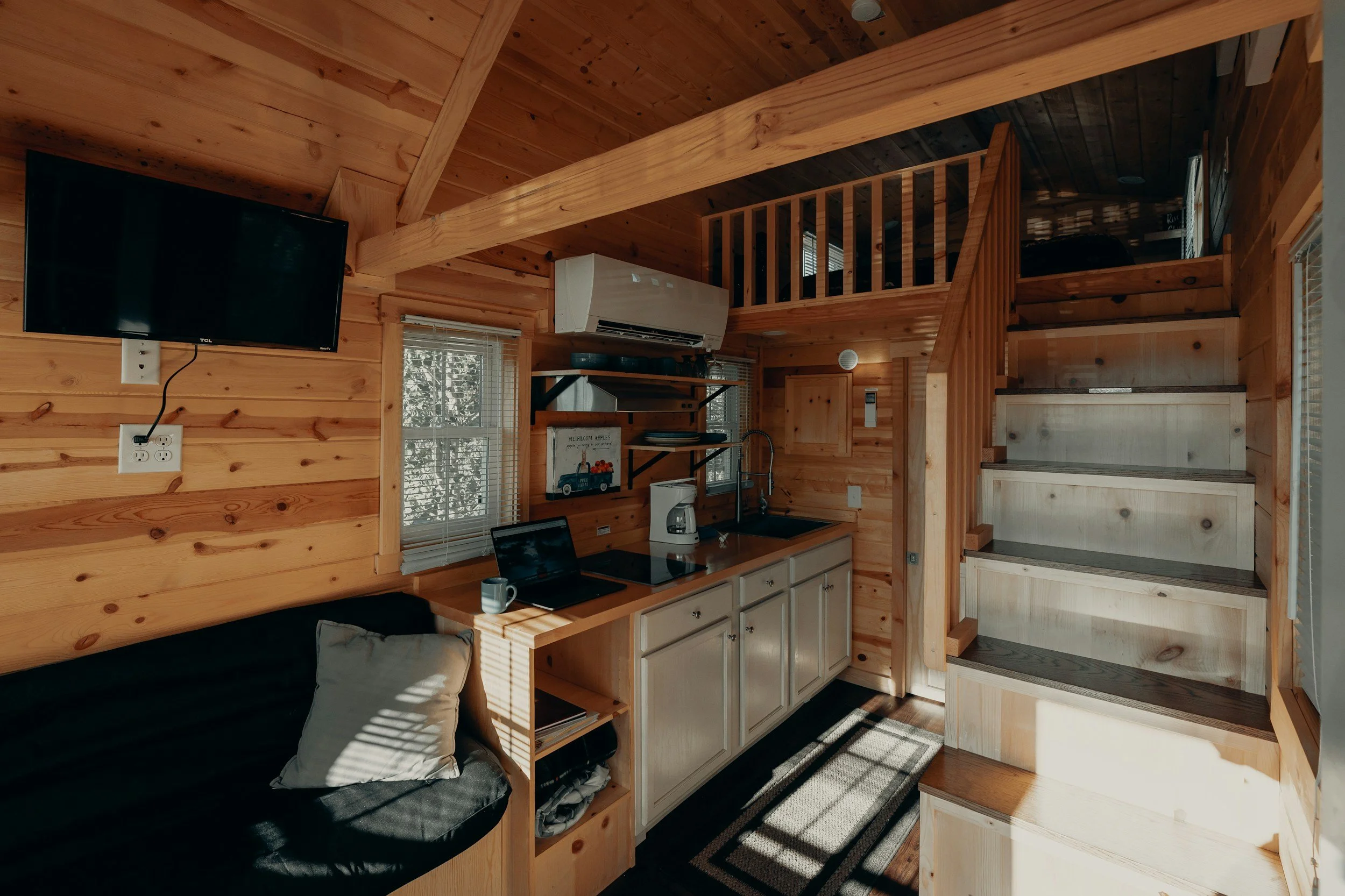
Maximizing Small Spaces: Smart Solutions for Cozy Living
When you venture out of home for the first time and only have a budget big enough to rent a small space, it can seem discerning. You finally have your freedom, but how can you live with everything in such a small space? You don’t want to feel cramped, but rather have everything you need with space to move.
We partnered with a home maintenance company for this post. The opinions in the post are honest. All reviews and opinions expressed in this post are based on our personal views. We are excited because we know you will love it.
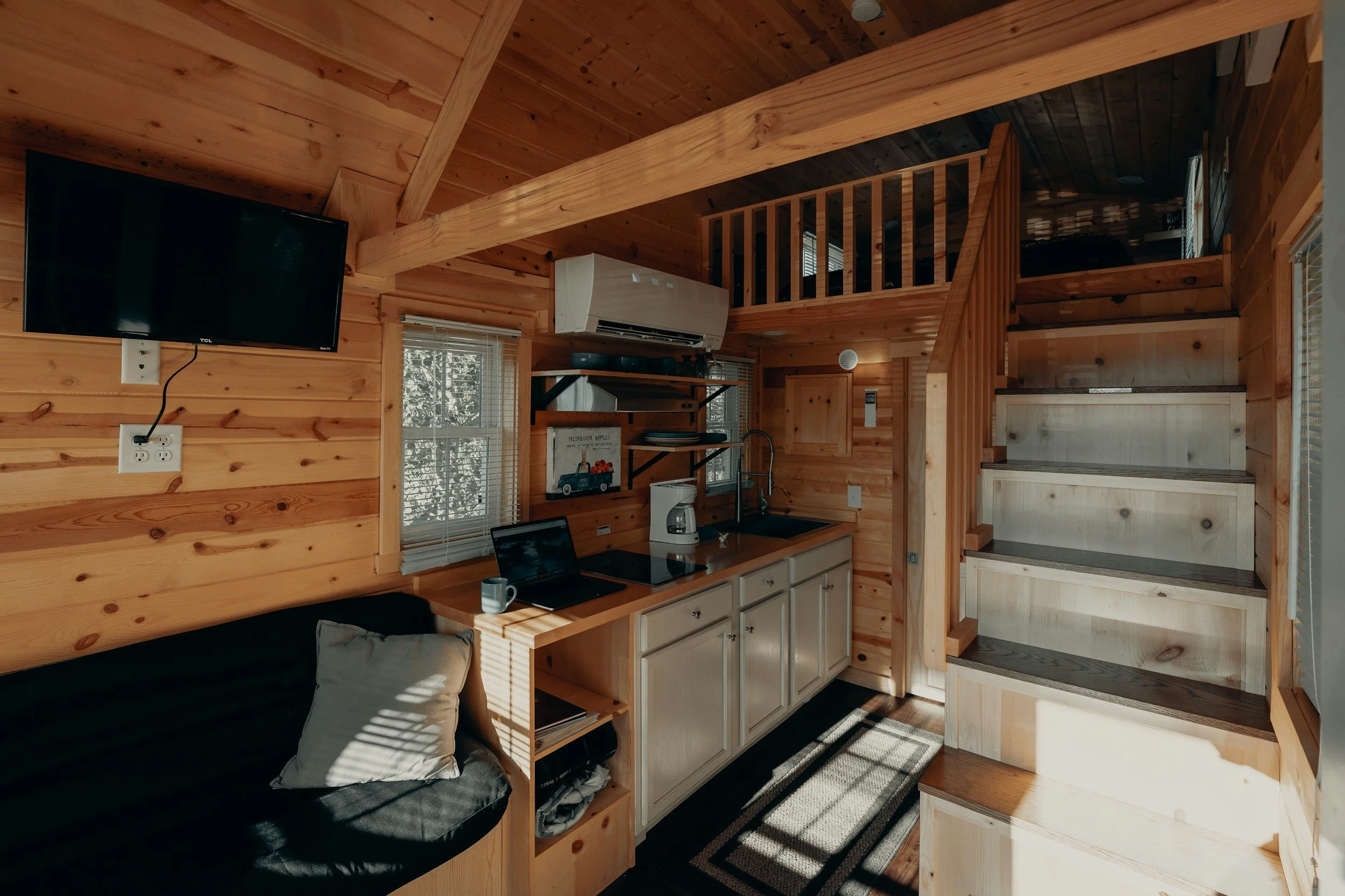
When you venture out of home for the first time and only have a budget big enough to rent a small space, it can seem discerning. You finally have your freedom, but how can you live with everything in such a small space? You don’t want to feel cramped, but rather have everything you need with space to move.
Luckily, you don’t have to feel too disappointed yet. There are some great ways to maximize a small space with creative and practical solutions. We’re here to help you embrace minimalism, while also giving you some ideas on how to have all your essentials in a smaller area.
Let’s get started!
Embrace minimalism
Have you ever gone through your wardrobe and noticed how there are so many things you don’t wear anymore? However, even though you don’t wear them, you keep telling yourself you will again one day, and therefore keep it there. This is the opposite of minimalism. If this is your way of thinking when you’re living in a small space, you need to switch it over and become more minimalist.
Go through everything you own, in every drawer or cupboard, and declutter the area, ensuring you only keep the essentials. The same can apply to furniture. Will you ever use that step ladder or stool again? If the answer is no, then it’s time to get rid.
Optimize vertical space
Not everything you own or all your furniture needs to sit on the floor. You also have walls in your space that can be utilized. For example (if allowed), you can put up wall shelving to help you hold your books, accessories, or even some decorative pieces. There are different types of shelving units to choose from, so go for the one that best suits your aesthetic.
Alongside shelves, some great hanging storage solutions are also available. If your coats are taking up too much space in your wardrobe for other clothes, you can place a number of hooks on the walls to hold them.
Use mirrors and light colors
Sometimes you don’t necessarily need to get rid of items and furniture, but rather just find a way to create the illusion of a larger space. One of the best ways to do this is by installing mirrors around your living area. For example, a bigger mirror above the main seating area in your living room can make it seem like there’s more space than there is.
Mirrors, light colors, and natural light can help give the impression that you have more room. Paint your walls with lighter tones, from white to beige to eggshell. Also, ensure that your windows aren’t blocked so you have enough natural light coming into the area.
Smart storage solutions
As we move into the modern world, we see much more innovative storage solutions being made available. The great thing about these is that they can help people who live in smaller areas make the most of their space. For example, many pieces of furniture come with built-in storage solutions, such as under the bed or within the sofa.
You can create hidden storage spaces if you need more space for your items. For example, if you have stairs, you can always place some drawers under them or consider purchasing some concealed cabinets. It makes it look like there’s nothing there when there is.
Furniture arrangement
You can’t just place your furniture wherever you want anymore. You need to be tactical about it, especially if you want to make the most out of your space. For example, if you have a sofa, you should never place it at an angle against a corner because you’re covering up a large amount of space you could utilize.
Before you even purchase furniture, ensure you’ve measured your space. You never want to buy something bigger than what can fit. Also, create a floor plan before you arrange everything, such as through an app, so you have a better idea before physically moving the furniture.
Flexible and movable furniture
Not every piece of furniture needs to be out at all times, as well. There are so many foldable products out there, allowing you to make more space when you aren’t using them. For example, you can purchase foldable tables and chairs if you don’t have room for a dining room table. Find a place to put them while they aren’t in use where they are also out of sight, giving you more floor space when you need it.
Modular furniture is also a great idea to consider. These are pieces that can be rearranged. For example. If you don’t have space for a bed and a sofa, you can purchase a sofa bed that acts as two things in one. When you aren’t sleeping and have guests around, you can put the bed away, and no one would be wiser.
Underfloor heating
During the winter months, you want to feel as warm and comfortable as possible. Unfortunately, traditional heating methods like radiators can take up a lot of space in the room. This is a place where you could add another piece of furniture or install shelving to give you more storage space.
Luckily, underfloor heating is an efficient alternative that doesn’t take up any space. The system is installed below the floor’s surface, radiating warmth upwards. It gives you more room for other things and keeps the whole room feeling toasty and comfortable, rather than just one space like a radiator. Ensure you have it installed by trained professionals for the best results.
Conclusion
We all have to start somewhere in life, and when we’re on a budget, we might not be able to afford a massive mansion with lots of space for our stuff. But that doesn’t mean you can’t enjoy the best out of your area. By utilizing these tips, you can ensure you’re happy with your living space, have everything you need, and are comfortable at all times.

7 Tips for First-Time Home Buyers
Getting ready to buy your first home can be really exciting. But it can also make you feel overwhelmed and stressed out. After all, buying a house is always a complex transaction, and it's normal to feel intimidated by the process if you've never done it before.
We partnered with a financial company for this post. The opinions in the post are honest. All reviews and opinions expressed in this post are based on our personal views. We are excited because we know you will love it.

Getting ready to buy your first home can be really exciting. But it can also make you feel overwhelmed and stressed out. After all, buying a house is always a complex transaction, and it's normal to feel intimidated by the process if you've never done it before.
From saving money for the right down payment to hiring a reliable real estate agent to help and guide you, here are seven tips for first-time home buyers.
Start with saving money for a down payment
A down payment is a sum you must pay upfront when buying a house. It's a small percentage of the total cost of the home you want to buy. The higher your down payment is, the lower your monthly mortgage payments should be.
This is why it's in your best interest to save enough money to make a down payment higher than the minimum required. For example, in Canada, the minimum down payment required for a house with a purchase price of $500,000 or less is 5% of its purchase price.
Try to save money for a down payment of at least 20%, which would not require mortgage default insurance.
Improve your credit score if it needs some improvement
You will need a mortgage to buy your first home. A high credit score would help you get approved for the mortgage amount you want and benefit from an attractive interest rate. If you already have an excellent credit score, congratulations. You should have no trouble getting approved for a mortgage.
However, if your credit score needs to be improved, start working on it as soon as possible. Make sure there are no errors on your credit report, pay off your debt, and pay all your bills in full and on time.
Compare your mortgage options and get pre-approved
Getting pre-approved for a mortgage is essential before searching for your dream home. This will limit your options and ensure you don't fall in love with a house you can't afford to buy.
When applying for a mortgage, you can either apply directly to a lender or work with a broker. Mortgage brokers don't lend money to you. They analyze your situation, connect you with a mortgage lender that fits you best, and negotiate on your behalf. As a first-time home buyer, contacting a reliable mortgage broker is a wise idea.
Be realistic about how much mortgage you can afford
Homeownership comes with many costs that influence which home you can afford to buy. You must pay for insurance, taxes, moving costs, utilities, and potential repairs or improvements.
Look at your current monthly income and be realistic about how much mortgage you can afford. A mortgage lender will not lend you money if they can't be certain that you can make your mortgage payments month after month.
Decide which mortgage amount you can afford or consider increasing your monthly income.
Check if you qualify for a tax credit or an assistance program
Different tax credits and assistance programs help first-time home buyers reduce home buying costs.
Living in Canada could be eligible for different incentives, such as the Home Buyer's Plan, the GST/HST New Housing Rebate, or a Tax-Free First Home Savings Account.
Check if you qualify for one of these and if another assistance program is offered in your area.
Start searching for your dream home
Now that you know how much you can afford your first home, start shopping around. Start by making a list of what you want. What would your dream home look like? How many bedrooms do you need? Which neighbourhood would you like to live in?
Look at listings for homes you can afford. If you find a home that meets your criteria, see if you can schedule a visit. However, you might have to compromise if you don't find anything that meets your needs in a location that interests you.
Hire a great real estate agent
The last tip for first-time home buyers is to hire an experienced real estate agent. Instead of figuring it out independently, let a professional guide you through the closing process.
They will advise you on arranging a home inspection, negotiating with the seller, getting the right home insurance plan, and dealing with all the paperwork. This will finally make your dream of buying your first home come true.

8 Ways to Create a Dog-Friendly Home
Pet-friendly homes involve more than toys and a bed. From choosing pet-safe materials to providing designated areas, there are many ways to incorporate pet-friendly elements into your home.
We partnered with a pet care company for this post. The opinions in the post are honest. All reviews and opinions expressed in this post are based on our personal views. We are excited because we know you will love it.

Pet-friendly homes involve more than toys and a bed. From choosing pet-safe materials to providing designated areas, there are many ways to incorporate pet-friendly elements into your home.
Creating a dog-friendly house is about making your home a safe, comfortable, and enjoyable environment for your canine companion. Your effort will be rewarded with a happier, healthier, and more fulfilling bond with your furry friend.
Here are some practical tips for transforming your living space into a comfortable and safe environment for your pets.
Designate a Dog Zone
Designate an area where your dog can eat, sleep, and relax comfortably. Consider using a cozy bed, crate, or dog den in a quiet corner of the house where your dog feels safe and secure. Creating a specific area like this for your dog can help manage their behaviour and establish boundaries within your home.
Choose a quiet, low-traffic area of your home where your dog can relax undisturbed, and outfit the space with comfortable bedding, toys, and whatever else you think they need to make it inviting and enjoyable.
Food and Water Station
A consistent feeding routine with nutritious dog food is essential for your dog’s health and well-being. Establishing a designated feeding area can help create a structured feeding schedule and prevent overeating or food aggression.
A food and water station contains spills and messes in one area, making it easier to clean up after your pet. You can store dog food, treats, and other feeding accessories nearby. This ensures that everything your pet needs is easily accessible and organized in one place.
Secure Hazardous Items
Inspect your home thoroughly and identify any items that could harm your dog. This includes household cleaners, chemicals, medications, plants, foods toxic to pets, sharp objects, small toys or objects they might chew and swallow.
Keep these hazardous items out of reach and securely stored in cabinets, closets, or high shelves where your pup cannot access them. Use childproof locks or latches to secure cabinets and drawers containing cleaning supplies, chemicals, and medications. Store food items on your counter in sealed containers to prevent your dog from eating them.
Remove Toxic Plants
Familiarize yourself with common household plants that poison pets. Some examples include lilies, azaleas, oleander, sago palm, and philodendron. Research each plant in your home to determine its toxicity level and potential effects on dogs if ingested.
If you’re unsure about the toxicity of a particular plant, err on the side of caution and remove it until you can confirm its safety. Replace it with pet-safe alternatives that are non-toxic and harmless if ingested. Pet-safe plants include spider plants, Boston ferns, African violets, and air plants.
Utilize Pet Gates
Pet gates can help prevent dogs from accessing areas of your home where they may encounter hazards or potential dangers. These areas include staircases, kitchens, or rooms with fragile items or electrical cords. Restricting access to these areas can reduce accidents, falls, and injuries.
Pet gates can also help manage your dog’s behaviour and prevent unwanted activities, such as chewing on furniture, raiding the trash, or entering forbidden areas.
Create a Safe Outdoor Space
Ensure your outdoor space is securely fenced to prevent your dog from wandering off. In addition, ensure that there are no wildlife and other animals that could threaten. Check for any gaps or weaknesses in the fence that pets could escape through, and repair or reinforce as needed.
Provide adequate shelter and shade in your outdoor space to protect them from extreme weather conditions such as heat, cold, rain, or snow. Install a doghouse, gazebo, or covered patio where they can shelter from the elements and rest comfortably outdoors.
Consider placing water-resistant outdoor beds or mats in shaded areas for your dog to relax and cool off. Always supervise your dog outdoors to ensure their safety and well-being.
Provide Enrichment and Toys
Dogs can easily become bored and restless if they don’t have enough mental and physical stimulation. This commonly leads to behavioural issues such as excessive barking, chewing, digging, or aggression.
Providing toys and enrichment activities keeps pets engaged and entertained, reducing boredom-related behaviours. Rotate these toys regularly to keep your dog interested.
Minimize Noise and Stress
Loud noises and stressful environments can cause anxiety and discomfort for dogs, leading to increased stress levels and potential health problems. Minimizing noise and creating a peaceful environment helps dogs relax and feel safe.
Create a quiet, designated space where your pup can retreat during stress or anxiety. Use soundproofing techniques such as curtains, rugs, and sound-absorbing materials to reduce noise levels in your home.

