

A resource for those seeking information on organizing and transforming spaces.

6 Tips for Testing the Plumbing in Your New House
Purchasing a new home is a milestone achievement, yet it comes with its set of responsibilities, especially when ensuring everything is in prime condition. Among these, the plumbing system demands considerable attention as it plays a critical role in the day-to-day functionality and comfort of your home. Here are essential tips to effectively evaluate the plumbing system in your newly acquired residence.
We partnered with a home maintenance company for this post. The opinions in the post are honest. All reviews and opinions expressed in this post are based on our personal views. We are excited because we know you will love it
Purchasing a new home is a milestone achievement, yet it comes with its set of responsibilities, especially when ensuring everything is in prime condition. Among these, the plumbing system demands considerable attention as it plays a critical role in the day-to-day functionality and comfort of your home. Here are essential tips to effectively evaluate the plumbing system in your newly acquired residence.
Inspect Pipes for Leaks
Ensuring the pipes in your home are leak-free is essential to prevent costly damages down the line. By performing a comprehensive inspection, you can identify any potential issues before they spiral out of control. Keep an eye out for tell-tale signs such as moisture, discoloration, or damage on walls, ceilings, and floors. It's also crucial to check for any visible corrosion on the pipes. By conducting this thorough examination, you can rest assured that your home's plumbing system is in top shape, saving you both time and money.
Test Water Pressure
Understanding the water pressure in your home is essential for ensuring that your plumbing system runs smoothly. From morning showers to washing dishes, knowing the pressure of the water that flows through your pipes is crucial. Low pressure can be a sign of many issues, including clogged pipes or a broken pressure regulator. One way to evaluate water pressure is to turn on all the taps and showers in your home to gauge the flow. Doing so will give you a clear understanding of whether the water pressure meets your expectations. Knowing how to test water pressure can help save you from costly plumbing repairs down the road, so take the time to evaluate your water pressure regularly.
Evaluate the Water Heater
The condition and functionality of the water heater can significantly impact your quality of life. Check the installation date, assess for any signs of rust or leakage, and ensure the temperature setting aligns with safety standards. Consulting a professional for an evaluation might also be beneficial.
Verify Proper Drainage
Ensuring proper drainage is essential when it comes to maintaining a functional plumbing system. Slow drains are the most common indicator of a problem and can be easily verified by simply filling sinks, bathtubs, and showers. Paying attention to the speed of draining water can help determine whether there are underlying plumbing issues. Additionally, gurgling sounds can point to venting problems, which may need to be addressed by a professional plumber. Keeping a watchful eye on drainage and taking quick action can prevent more significant plumbing problems down the road.
Check Sewer System
Maintaining a healthy sewer system is vital to the well-being of any property. It’s important to understand the layout of the system and know how to properly care for it. A sewer inspection can be incredibly helpful in identifying potential blockages or maintenance needs. By examining the system thoroughly, homeowners and property managers can avoid costly repairs and ensure the overall health of their sewer system.
Professional Inspection
While initial checks can be undertaken independently, enlisting the services of a professional plumber for a comprehensive inspection is highly recommended. While it's possible to perform initial checks independently, a pro can spot problems that might not be immediately visible. Additionally, an expert can offer guidance on necessary repairs and maintenance to keep your home running smoothly. With their knowledge and experience, a professional plumber can ensure that any issues are addressed quickly and effectively, saving you time and money in the long run.
By following these practical steps, homeowners can ensure that the plumbing system in their new house is functional, reliable, and prepared to handle their daily needs. Taking proactive measures early on helps prevent future inconveniences, ensuring a seamless transition into your new ho

How to Choose the Perfect Color for Your Roof
When it comes to your home's exterior, the color of your roof plays a significant role in its overall appearance and curb appeal. Whether you're building a new home or looking to refresh your current one, selecting the right roof color can make a big impact. Here's a guide on how to choose the perfect color for your roof.

When it comes to your home's exterior, the color of your roof plays a significant role in its overall appearance and curb appeal. Whether you're building a new home or looking to refresh your current one, selecting the right roof color can make a big impact. Here's a guide on how to choose the perfect color for your roof.
Consider Your Home's Style and Architectural Design
The first step in choosing a roof color is to deeply consider your home's architectural style and the visual harmony it creates with the surrounding environment. Each architectural style has a set of traditional colors that complement it. For instance, a traditional colonial home typically looks stunning with classic colors such as black, gray, or brown, which give it a timeless and elegant appearance. On the other hand, a Mediterranean-style home can achieve a more authentic and vibrant look with terracotta, clay, or even a rich olive green. These hues echo the warm, earthy tones found in Mediterranean landscapes and materials. Additionally, modern and contemporary homes often benefit from minimalist and sleek shades like metallics, charcoal, and cool blues, enhancing their cutting-edge aesthetic.
To ensure the roof color complements the overall look, take cues from your home's existing design elements such as siding, trim, and landscaping. For example, if your home features warm-colored siding and natural stone elements, a warm-toned roof in shades of brown or red will blend seamlessly. If your home has cool-toned exteriors and sleek metal accents, a cool-gray or blue-gray roof can create a cohesive, sophisticated look. Also, consider the impact of regional climate on your choice. In hotter climates, lighter roof colors can reflect sunlight and help keep indoor temperatures cooler, potentially reducing energy costs. By harmonizing your roof color with your home's style and the surrounding elements, you can achieve a balanced, visually appealing exterior that enhances your home's overall curb appeal.
Assess Your Surroundings
When selecting a roof color, it’s crucial to consider your surroundings to ensure a harmonious fit within your neighborhood and natural landscape. Begin by observing the neighboring homes and their roof colors. A thoughtfully chosen roof color can enhance the cohesiveness of the entire street, while a mismatched choice might stand out in a disruptive way. If your neighborhood predominantly features homes with neutral roof tones, such as grays and browns, you might want to follow suit to maintain a pleasing visual flow. Conversely, if your area is known for its vibrant, eclectic style, don't hesitate to choose a bold, standout color that still complements your home's exterior palette. Additionally, consider any homeowners' association rules or local regulations that might dictate acceptable roofing colors to ensure compliance.
Furthermore, integrate your roof color choice with the natural landscape surrounding your property. For homes nestled in wooded areas, earthy tones such as mossy greens, rich browns, and deep reds can create a seamless blend with the environment, enhancing the natural beauty of your setting. If your home is in a coastal region, consider colors inspired by the sea and sky—soft blues, light grays, and sandy beiges. These hues not only reflect the serene surroundings but also evoke a calming atmosphere. Similarly, if your property is situated in a desert climate, consider warm, sun-baked colors like terracotta, adobe, or tan, which can complement the arid landscape while also reflecting more sunlight to keep your home cooler. By aligning your roof color with both the architectural context and the natural environment, you'll ensure that your home looks cohesive, intentional, and visually appealing from every angle.
Think About Energy Efficiency
Beyond aesthetics, the color of your roof can significantly impact your home's energy efficiency. In warmer climates, choosing a lighter-colored roof can have practical benefits, as these roofs reflect more sunlight and reduce heat absorption. This reflective capability, often referred to as the albedo effect, helps keep the attic space and overall home cooler, which can result in lowered air conditioning costs by up to 15%. Materials like light-colored asphalt shingles, white metal roofing, or reflective tiles are excellent choices for homeowners looking to enhance energy efficiency. Additionally, modern roofing technologies often include "cool roof" coatings designed to reflect even more UV and infrared rays, further reducing heat buildup.
Conversely, in colder climates, a darker-colored roof can be advantageous. These roofs absorb more heat, which can help to reduce heating costs during frigid winter months. Darker roofs can also aid in faster snowmelt, potentially reducing the weight and ice dam formation that can cause damage. When selecting a darker roof, consider materials like black or dark gray shingles, slate, or dark-colored tiles. It's also worth exploring advanced roofing options with integrated thermal insulation properties that can provide added benefits, regardless of your climate. By thoughtfully considering the energy implications of your roof color and material, you can not only enhance your home's aesthetic but also achieve substantial long-term savings on your energy bills.
Consult with Roofing Professionals
If you're uncertain about which roof color would best suit your home, consulting with roofing professionals can be a wise decision. Experienced roofers like Brown's Roofing can offer invaluable, tailored advice by evaluating various aspects, such as your home's architectural style, local climate conditions, and your personal aesthetic preferences. For instance, they can provide insights into color choices that complement your home's existing exterior palette while also addressing specific regional weather patterns. Roofing experts often have access to a broader range of color samples and materials, allowing you to visualize different options through physical swatches or advanced digital renderings. Additionally, they can discuss the benefits of emerging roofing technologies like cool roofs or solar-reflective shingles, which might not be on your radar but could significantly impact energy efficiency.
Moreover, professional roofers bring a wealth of knowledge about the latest industry standards and materials, ensuring that your roof not only looks great but also stands the test of time. They can advise on the durability and maintenance requirements of various roofing materials, helping you choose an option that fits your lifestyle and budget. Beyond just color, they can also recommend complementary features such as gutter styles, ventilation options, and underlayment types that can enhance the overall performance and lifespan of your roof. Working with professionals ensures that all aspects of your roofing project are meticulously planned and executed, reducing the likelihood of costly mistakes or future repairs. By leveraging their expertise, you can achieve a beautifully cohesive and functional roof that enhances your home's curb appeal and long-term value.
Take Samples and Test Them Out
Before making a final decision on your roof color, it's essential to take samples and test them out on your home. Colors can appear differently depending on lighting conditions throughout the day and under various weather conditions. To get the most accurate representation, obtain physical samples of your top color choices and place them in different locations on your roof. Observe how the colors look at dawn, midday, dusk, and under both sunny and cloudy skies. This thorough evaluation will help ensure that the selected color maintains its appeal throughout all times of day and varying weather conditions. Additionally, consider using digital tools and apps that allow you to visualize different roof colors on a photo of your home; this can provide a broader perspective on the overall look.
Moreover, don't forget to consider the potential impact of environmental elements such as nearby trees, buildings, and even pollution, which can alter the appearance of your roof over time. When testing samples, keep an eye on how these factors might affect the color. For example, roofs in areas with heavy foliage might be prone to mold or algae growth, which can darken lighter colors. For a final decision, seek feedback from family, friends, or even neighbors, as fresh eyes can often offer new insights. Testing samples meticulously and evaluating all these factors will ensure you make a well-informed choice that you'll be delighted with for years to come.
In conclusion, choosing the perfect color for your roof involves considering factors such as architectural style, surroundings, energy efficiency, consulting with professionals, and testing out samples. By taking these steps into account and being thoughtful in your decision-making process, you can find a roof color that enhances the beauty and functionality of your home for years to come.

Unlocking Convenience: The Advantages of Parcel Mailboxes
These days, you can get anything from groceries to gadgets from the comfort of your home with only a few clicks. Online purchasing is incredibly convenient and offers a world of options at our fingertips. But managing deliveries becomes challenging when our shopping carts fill up with more goods. This is where parcel delivery boxes come into play, providing a new level of convenience for modern life while also offering a solution to the turmoil of parcel deliveries.
We partnered with a home improvement company for this post. The opinions in the post are honest. All reviews and opinions expressed in this post are based on our personal views. We are excited because we know you will love it.
These days, you can get anything from groceries to gadgets from the comfort of your home with only a few clicks. Online purchasing is incredibly convenient and offers a world of options at our fingertips. But managing deliveries becomes challenging when our shopping carts fill up with more goods. This is where parcel delivery boxes come into play, providing a new level of convenience for modern life while also offering a solution to the turmoil of parcel deliveries.
What Are Parcel Delivery Boxes?
If you're looking for a convenient solution designed to collect both packages and letters, what you need is a secure brick-in parcel letterbox. These boxes ensure that your deliveries are safe from theft and damage, providing peace of mind whether you’re at home, at work, or even away on vacation. High-quality models come with weather-resistant features. They protect your parcels from rain, snow, and other elements. This means that no matter the weather, your deliveries will remain dry and in good condition.
One of the key advantages of having a box like this is the ample space it provides for multiple packages. You don’t need to rely on couriers to leave your packages in potentially unsafe places or with neighbours. Instead, you can rest assured knowing that your deliveries are securely stored until you’re ready to collect them. This is particularly useful for those who are often out during delivery times or travel frequently.
These receptacles offer great security and convenience. Many modern designs come with various installation options, making them versatile enough to fit into different home setups. They’re available in different sizes to cater to people’s ever-changing delivery needs, ensuring that there’s a suitable option for everyone. Whether you live in a house with a large yard or a smaller urban apartment, there’s a box that will suit your space and lifestyle.
The brick-in-parcel box is a perfect fit for today's fast-paced, e-commerce-driven world. Today, people shop online for everything from clothing to RC vehicles, so having a reliable and secure way to receive packages is more important than ever. These receptacles streamline the delivery process and reduce the need for missed delivery slips and trips to the post office to retrieve parcels. They integrate seamlessly into a modern lifestyle, offering security, convenience, and peace of mind.
Benefits of Using Parcel Mailboxes
Convenience
Owning a brick-in parcel letterbox changes the way you accept deliveries. You don’t need to wait at home, staring out the window, hoping the delivery van finally shows up – you can simply go about your day. There’s no need to rush home from the shops only to find that the delivery guy has already come and gone, leaving a frustrating “Sorry we missed you” note behind. A parcel box ensures that you can accept packages at any time, day or night, all year round. It doesn't get impatient with delays or worry about the weather.
Whenever you get home, your package will be waiting securely inside, safe from theft and the elements. This kind of convenience means you can live your life on your schedule, without having to make trips to the post office to collect missed deliveries. The peace of mind that comes with knowing your packages are secure and waiting for you is priceless, making parcel boxes an essential addition to any modern home.
Parcel Theft Prevention
Unfortunately, the surge in parcel theft has also coincided with the rise in internet purchasing. Thieves find simple opportunities to strike since so many deliveries are left unattended and are frequently poorly camouflaged by dumpsters or plant pots.
Your hiding place, no matter how cunning you think it is, cannot compare to the security of a brick inside a package box. Since breaking into these safes requires a lot of work and noise, most thieves are naturally discouraged from attempting it. If you have one at home, you can order even the most expensive things online with confidence and not have to worry about them getting stolen.
Beyond just the inconvenience and loss of stolen goods, package theft can lead to identity theft. But with a parcel box, your packages and your personal information are secure. Your identity remains safe, and you can enjoy the convenience of online shopping without the stress. This receptacle is an essential tool for anyone looking to protect their deliveries from theft and ensure their peace of mind.
Weather-Proof
Whenever it rains, you typically come home to find a soggy parcel sitting behind the trash cans. While at least it's still there, it's often not in the best condition. The unpredictability of package deliveries can mean that they're left out in the rain or snow for longer than you can anticipate, potentially causing significant damage to their contents. If you miss your bus due to a meeting running late, this can result in an extra hour of rain soaking through the box containing your new gadgets. By the time you get home, the damage may be beyond repair, and return can be difficult.
A brick in parcel letterbox can completely prevent such weather-related mishaps. While your package might catch a few drops on its way from the delivery van to the receptacle, once inside, it's safe from the elements. These boxes keep your packages dry and secure. They ensure that rain, snow, or wind can’t ruin your deliveries. So, whether you're at work, stuck in traffic, or simply enjoying a rare sunny day, you can trust that your parcels are well-protected.
Accept Deliveries at Any Time
A parcel box offers the convenience of accepting deliveries around the clock. You don’t need to meticulously plan your schedule to be home for that crucial delivery window or pay extra for specific time slots. You can simply choose free shipping and know your package will be safely delivered to your box. Some brands might hesitate to leave high-value items in your parcel box, and perishables shouldn't be left too long. But overall, the flexibility is a game-changer. You can enjoy a staycation without worrying about missing an important delivery.
Moreover, you get an added safety benefit – no more opening your door to strangers after dark. Your delivery receptacle takes care of everything, acting as a vigilant watchdog for your packages. Whether you're at work, out with friends, or simply not wanting to be disturbed, your parcel box ensures that your deliveries are safe and sound.
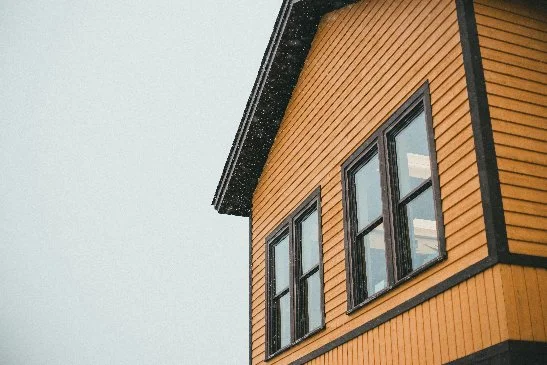
Transform Your Home’s Exterior: Expert Advice on Siding Choices
Is your home's exterior looking a little tired or outdated? You're not alone! Many homeowners struggle with trying to find the best siding options for their homes. But don't worry, because we have expert advice that will help transform your home's exterior and give it the fresh look it deserves. Whether you're looking to increase curb appeal or improve energy efficiency, we've got you covered. Let's get started!
Is your home's exterior looking a little tired or outdated? You're not alone! Many homeowners struggle with trying to find the best siding options for their homes. But don't worry, because we have expert advice that will help transform your home's exterior and give it the fresh look it deserves. Whether you're looking to increase curb appeal or improve energy efficiency, we've got you covered. Let's get started!
The Importance of Siding
Siding is not just about aesthetics; it also plays a crucial role in protecting your home from the elements. From harsh weather conditions to pests and moisture, siding acts as a barrier between the interior of your home and what's outside. This is why choosing high-quality and durable siding material is essential for maintaining the structural integrity of your home.
Factors to Consider
When it comes to choosing the right siding for your home, there are a few factors you should consider. These include:
Climate
The weather in your area is a significant factor in determining the type of siding that will work best for your home. For example, if you live in an area with extreme temperatures or high humidity, you'll need a siding material that can withstand these conditions. Vinyl and fiber cement are both excellent options for varying climates.
Budget
Siding materials come in a wide range of prices, so it's essential to have a budget in mind before making your decision. Keep in mind that while some materials may be more expensive upfront, they may save you money in the long run due to their durability and energy efficiency. Make sure to weigh the initial cost against long-term benefits when making your choice.
Maintenance
How much time and effort are you willing to put into maintaining your siding? Some materials require more upkeep than others, so consider your lifestyle and home maintenance capabilities before making a choice. Wood siding, for example, may require regular painting or staining, while vinyl requires very little maintenance.
Aesthetics
Of course, the appearance of your siding is crucial in enhancing the overall look of your home. Consider the style, color, and texture of different siding options to find one that complements your home's architecture and your personal taste. You can also consult with a professional for their expert opinion on what will work best for your home.
Popular Siding Choices
Now that you know the essential factors to consider, here are some of the most popular siding options on the market:
Vinyl
This is a cost-effective option that comes in a variety of colors and styles. It's also low maintenance and durable, making it a popular choice for many homeowners. However, it may not be as environmentally friendly as other options, so keep that in mind if that's important to you.
Fiber Cement
Made from a combination of cement, sand, and cellulose fibers, this siding material is highly durable and resistant to fire, pests, and rot. It can also mimic the look of wood, brick, or stucco. It's much more expensive than vinyl and requires professional installation.
Wood
Wood siding offers a classic and natural look that many homeowners love. It does require more maintenance than other options, but it can add warmth and charm to your home's exterior. Remember that wood is susceptible to rot and pests, so regular upkeep is necessary.
Brick
If you're looking for a timeless and elegant siding option, brick is an excellent choice. It's also extremely durable and low maintenance. It is one of the more expensive options and may not be suitable for all architectural styles, so bear that in mind.
Stucco
This siding material has been around for centuries and offers a unique look to any home. It's also highly durable and can withstand various weather conditions. Note that it does require regular maintenance to prevent cracks and water damage.
What to Avoid
Now that you know the most popular siding choices, here are some materials to avoid:
Aluminum
It can dent easily and may not be suitable for all climates. It's also not as energy-efficient as other options.
Asbestos
This hazardous material is no longer used in siding, but if your home was built before 1980, it's essential to have it checked before making any changes. Asbestos can cause serious health issues if disturbed.
Hardboard
This material is prone to rot and water damage, making it a poor choice for siding. It also requires regular painting or staining, which can add to the maintenance costs.
Synthetic Stucco
While it's cheaper than traditional stucco, it can trap moisture and lead to serious damage if not installed properly. It's also challenging to repair, so it's best to avoid this option.
No matter which siding option you choose, it's essential to consult with a professional to ensure you're making the best decision for your home. With their expertise and our expert advice, you can transform your home's exterior and give it a fresh new look that will last for years to come. Happy renovating!

