

A resource for those seeking information on organizing and transforming spaces.

Seasonal Home Maintenance Checklist: Keeping Your Property in Top Shape Year-Round
As a property owner, you have a lot of responsibility when it comes to upkeep and maintenance. In addition to improving the appearance of your home, an annual cleaning routine can also improve your health. To help you get prepared, here are some maintenance guidelines to keep in mind throughout the year.

As a property owner, you have a lot of responsibility when it comes to upkeep and maintenance. In addition to improving the appearance of your home, an annual cleaning routine can also improve your health. To help you get prepared, here are some maintenance guidelines to keep in mind throughout the year.
Protecting The Home During Winter
Maintaining your house has many benefits, including lowering your overall maintenance costs and improving the longevity of your home systems. Another perk is that you can keep your family safe, which you can start when the cold winter months are approaching. Have your heating system and furnace maintained before the winter season. Also, reverse your ceiling fans so that they push the rising heat back down into your rooms.
This is also a good time to winterize the home. The most important task is to insulate your outdoor water spigot and the pipes in your attic and under sinks. Keep your house above 55 degrees Fahrenheit to avoid burst pipes.
As winter approaches, it’s also a good idea to ensure your home isn’t under-insulated. If you feel the wall and it’s damp or cold, chances are there’s not enough insulation. Have a contractor come out and inspect so you can keep your family warm and safe.
Get Ready For Summer
Just as you need to prepare for the cold winter months, you should also prepare for the hot summer.
When the warmer months are approaching, it’s a great time to have a professional inspect your HVAC systems and air conditioning. In addition to keeping cool, maintaining your air conditioner is also essential to improve your indoor air quality. Your home has various components, including paint and room deodorizers, that can contain or produce volatile organic compounds, which can affect the eyes, nose, and throat. When your AC unit is maintained, the inspector can ensure that it’s running efficiently, so the air is less toxic and it isn’t just recirculating the bad air.
Other home maintenance tips during the summer include:
Powerwash the driveway and patio to clean dirt and grime from the past year.
Examine windows and doors to verify they’re sealed tightly.
Eliminate bug nests in the home and yard.
Pull weeds to keep your grass and garden looking great.
Then, perform any other tasks that are applicable to your dwelling.
Spring Cleaning
Your initial focus during the spring season should be on eliminating dust wherever possible to keep your air clean and avoid health issues. Dirty air can affect people with asthma, allergies, and other existing respiratory issues. It can cause wheezing, stinging eyes, irritated sinuses, and more. Over time, poor air can lead to more long-term health issues, including death.
One solution to avoid poor air is to stay indoors, but that will only work if your home is clean. Dust your home regularly throughout the summer and clear all unnecessary clutter so there are fewer places for dust to gather. Also, check the often-forgotten places where dust can gather, including on top of fan blades and the window blinds.
Other items to add to your spring cleaning checklist include:
Sorting out and cleaning the freezer and refrigerator
Spot cleaning carpets
Cleaning outdoor furniture
Vacuuming your mattresses
This is also a good time to touch up the paint where it’s needed so the house looks like new.
Maintaining Your Home In The Fall
Fall is a good time to make repairs from an eventful summer and prepare for what comes next. This is a good time to call a contractor or head up to the roof yourself and make sure it's in good condition. Inspect it and look for broken shingles, and if you notice anything that needs repair, have it fixed before snow and other inclement weather arrives.
While you’re up on the roof, check the gutters and other debris that may be clogging up the works. If you have a chimney, this is also a good time to inspect it so you’re ready to start cozy fires when the weather gets colder. A chimney inspection includes checking for cracks, damage, and soot buildup that could create a fire hazard.
Finally, autumn is an excellent time to cover or bring in any lawn furniture and other items you don’t want covered in snow.
Conclusion
These are just a few of the crucial steps you should take to protect your home throughout the year. You can find other detailed cleaning checklists by searching online. Keep your house well-maintained, and it will last the test of time.

Key Areas to Inspect Before Settling Into an Older Property
Whether you're a first-time homebuyer or an experienced homeowner, there's something special about settling into a house that has stood the test of time. But before you start envisioning yourself sipping lemonade on the front porch, it's important to thoroughly inspect certain key areas of the property. In this guide, we'll go over the top things you should look out for before making your decision. So grab a snack and let's get started on finding your perfect older home!
Whether you're a first-time homebuyer or an experienced homeowner, there's something special about settling into a house that has stood the test of time. But before you start envisioning yourself sipping lemonade on the front porch, it's important to thoroughly inspect certain key areas of the property. In this guide, we'll go over the top things you should look out for before making your decision. So grab a snack and let's get started on finding your perfect older home!
Foundation and Structure
The first area to pay close attention to is the foundation and structure of the property. This includes the walls, floors, roof, and overall integrity of the house. Look for any signs of cracks or shifts in the foundation, as well as any noticeable sagging or unevenness in floors or ceilings. These could be indicators of larger structural issues that may be expensive to fix. It's also a good idea to check for any water damage or leaks, as this could weaken the structure over time.
Keep in mind that the climate of the area where the older property is located can have a significant impact on its overall condition. For example, homes in more humid locations may be more prone to mold and mildew growth, while those in colder climates may have issues with freezing pipes or roof damage from heavy snowfall. Be sure to research and understand the specific climate factors that may affect an older home in your desired location.
Electrical and Plumbing Systems
Next, it's crucial to inspect the electrical and plumbing systems in the house. Older properties may still have outdated wiring and plumbing that could potentially cause hazards or result in costly repairs. Make sure all outlets are functioning properly and that there are no exposed wires. Look for any signs of water damage or leaky pipes, and don't hesitate to ask about when these systems were last updated. It's important to have a professional inspect these areas thoroughly for your safety, such as someone at Alternative Plumbing Plus Inc.
Even after thoroughly inspecting these systems before purchasing the property, it's recommended to continue checking them regularly after moving in. It's recommended to have a professional inspection of the electrical and plumbing systems every few years to ensure they are functioning properly and catch any potential issues before they become major problems.
Roof and Attic
The roof is another critical area to examine before buying an older property. Look for any missing shingles, signs of water damage or leaks, and overall wear and tear. A new roof can be a significant expense, so be sure to know the condition of the current one before making your decision. Additionally, inspecting the attic can give you insight into any potential insulation or ventilation issues that could affect the overall energy efficiency of the house.
Some common repairs for an old roof and attic may include replacing damaged or missing shingles, repairing any leaks or water damage, and improving insulation to increase energy efficiency. Older properties may also have issues with ventilation, which can lead to problems like mold growth or higher energy bills. Be sure to have a professional address any necessary repairs before moving in to ensure the safety and longevity of your home.
Heating and Cooling Systems
Older homes may have outdated heating and cooling systems that could also be costly to replace. Make sure to check the age and condition of the furnace, air conditioning unit, and any other central heating or cooling systems. It's also a good idea to ask about insulation and energy efficiency measures in the house.
Pest Infestations
Pests such as termites, rodents, and ants can be common in older properties. Make sure to thoroughly inspect the house for any signs of infestations, such as droppings, chewed wires or wood, or visible nests. These can not only cause damage to the property but also be a health hazard.
Overall Maintenance and Upgrades
Take note of the overall maintenance and upgrades that have been done on the property. Has it been well taken care of, or does it require a lot of repairs? Are there any potential safety hazards, such as an old fireplace or lead paint? You need to consider the cost and effort required to maintain and update an older property.
It's important to budget for ongoing maintenance and potential upgrades when purchasing an older home. As mentioned earlier, older properties may require more frequent inspections and repairs compared to newer homes. It's recommended to set aside a portion of your monthly budget specifically for home maintenance costs. Additionally, it's a good idea to save up for any major upgrades that may be necessary in the future, such as a new roof or updated electrical and plumbing systems. By budgeting for these expenses, you can ensure the long-term health and safety of your older home while also avoiding any unexpected financial burdens.
While buying an older home can be exciting, it's essential to thoroughly inspect key areas of the property to ensure it is safe and in good condition. Don't be afraid to ask questions and have a professional inspection done before making your decision. With careful consideration, you can find the perfect older home that will provide you with many happy years of memories. Good luck, and happy move-in!
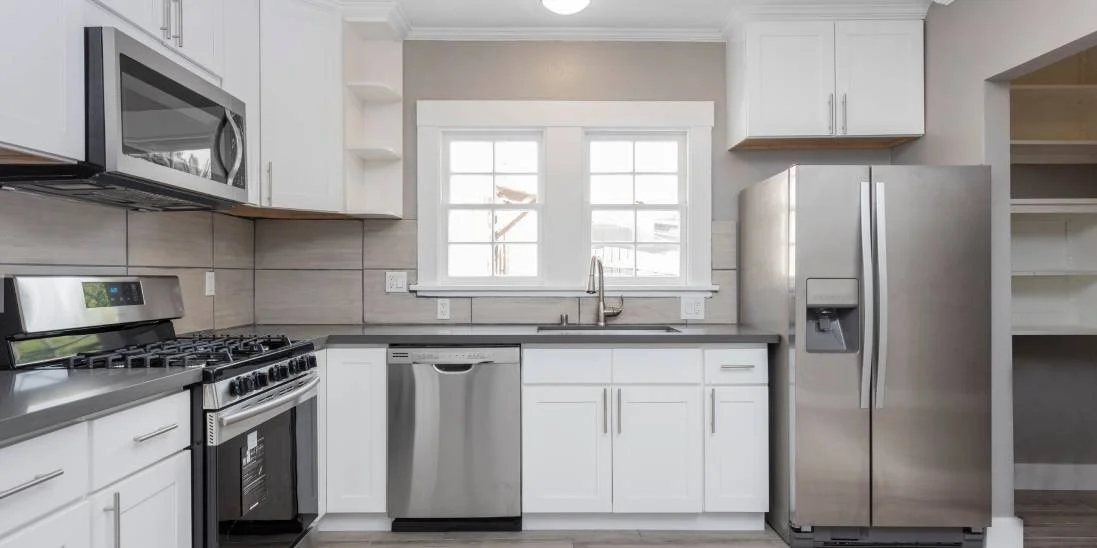
Advantages and Disadvantages of Stainless-Steel Appliances
Explore the pros and cons of stainless-steel appliances, delving into their durability, aesthetics, maintenance needs, and overall performance in your kitchen.

Stainless-steel appliances have become popular for modern kitchens, offering a sleek and contemporary look that complements a variety of interior styles. With their durability and resistance to rust and staining, these appliances provide both aesthetic appeal and functional benefits.
Let's look at the advantages and disadvantages of stainless-steel appliances to see if they’re right for your kitchen.
Advantages
Here are the strengths of stainless-steel appliances.
Sleek and modern appearance: Stainless-steel appliances have a clean and polished look that adds a touch of sophistication to any kitchen. They can easily blend in with different design styles, from traditional to industrial.
Easy to clean: Stainless steel has a smooth texture, making it very easy to wipe down and keep clean. It also resists smudges and fingerprints, so you don't have to worry about constantly wiping it down.
Durable and long lasting: Due to their high resistance to corrosion and staining, stainless-steel appliances tend to last longer than other materials. This resistance makes them a cost-effective option in the long run.
Heat and bacteria resistant: Stainless steel is a nonporous material, meaning it doesn't harbor bacteria or germs. It also has high heat resistance, making it safe to use near stovetops and ovens.
Versatile: Stainless-steel appliances come in various finishes, including brushed, satin, and matte. These finishes allow for more versatility in design choices and matching other kitchen elements.
Disadvantages
These are the disadvantages of stainless-steel appliances.
Prone to scratches: While stainless steel is durable, it can be prone to scratches from sharp objects or abrasive cleaners. These scratches can affect the appearance of appliances and require special care to remove.
Shows fingerprints and smudges: Despite their ability to resist fingerprints, stainless-steel appliances can still show them, especially with greasy or oily hands. This spot can be an issue for those who want their kitchen to always look spotless.
Higher initial cost: Stainless-steel appliances tend to have a higher upfront cost compared to other materials such as plastic or porcelain. However, stainless steel’s longevity and durability may offset this cost in the long run.
How To Care for Stainless-Steel Appliances
Caring for stainless-steel appliances requires a few simple yet effective strategies to maintain their pristine appearance and longevity. Regular cleaning is essential. Fortunately, using a mix of mild soap and warm water often suffices to remove most stains and debris. Applying the soap solution with a microfiber cloth, which is soft and nonabrasive, helps prevent scratches and keeps the surface smooth. After cleaning, you should thoroughly dry the appliance with a clean towel to avoid water spots and streaks.
For tougher stains or fingerprints, you can apply a mixture of vinegar and water using a spray bottle and wipe down with a soft cloth. Polishing the surface with a specialized stainless-steel cleaner can restore its shine and provide a protective layer against future stains. It's advisable to always wipe in the direction of the grain to ensure the best results and maintain the appliance's aesthetics.
Stainless-steel appliances offer a host of benefits that can enhance both your kitchen’s functionality and aesthetic appeal. There are many interesting facts you may not know about stainless steel, but, as with any material, it has its downsides. By understanding both the advantages and drawbacks of stainless-steel appliances, you can make an informed decision about whether they’re right for your kitchen. And with proper care and maintenance, you can enjoy their durability and timeless appeal for years to come.

5 Benefits of Home Automation That Are Essential for Homeowners
When it comes to modern living, home automation stands out as a remarkable innovation that transforms everyday existence into an experience of luxury, safety, and efficiency. Homeowners, in pursuance of enhancing their home environment, will find home automation not just a convenience but a necessity. This article elaborates on the pivotal advantages of home automation systems, including the profound impact of automatic door technology, to help one appreciate why it’s an investment worth considering.
When it comes to modern living, home automation stands out as a remarkable innovation that transforms everyday existence into an experience of luxury, safety, and efficiency. Homeowners, in pursuance of enhancing their home environment, will find home automation not just a convenience but a necessity. This article elaborates on the pivotal advantages of home automation systems, including the profound impact of automatic door technology, to help one appreciate why it’s an investment worth considering.
Enhancing Convenience
Home automation systems are epitomized by their ability to bring unmatched ease into one's life. With the simple touch of a button or a voice command, controlling various aspects of home function—from lighting to temperature—is made effortless. These systems eliminate the minutiae of daily routines, providing more time to focus on what truly matters.
Boosting Security
The assurance of security is a top priority for homeowners. Automated systems contribute to a fortified environment by integrating with security systems such that homeowners can enjoy peace of mind whether they are within the premises or away. With features like automatic door locks, surveillance cameras, and motion detectors, home automation not only deters potential intruders but also ensures instant notification of any unauthorized entry attempts. To enhance your home security, ensure you engage trusted contractors such as Howlett Lock And Door.
Optimizing Energy Efficiency
Sustainability is a major consideration in contemporary home management. Home automation is central to the effective management of a home's energy consumption. Systems can be programmed to adjust heating, cooling, and lights, ensuring that energy is conserved without sacrificing comfort. The result is a reduction in utility expenses and a step forward in the stewardship of the planet's resources.
Enhancing Accessibility
For individuals with limited mobility or disabilities, home automation is nothing short of revolutionary. By simplifying complex tasks and providing control over the living space, automated systems grant independence and improve quality of life. For example, the presence of an automatic door system permits effortless entry and exit, a boon for those who find traditional door mechanisms challenging.
Increasing Property Value
Investing in home automation can also be seen as investing in the property itself. These sophisticated technologies make a home more attractive to prospective buyers, who are often willing to pay a premium for the convenience and modernity that come with automation. It is, thus, both a present delight and a future asset.
Each benefit outlined herein contributes to the overarching value proposition of home automation, which offers homeowners an innovative way to augment their living spaces with sophistication and intelligence. The ability to control an automatic door remotely or to have your home respond to your preferences without command is not merely a showcase of technical prowess but a testament to how technology can adapt to human needs and elevate the standard of living. Adopting home automation systems means taking a significant step into the future of home management, where convenience, security, energy efficiency, and comfort merge to create an abode that isn’t just where the heart is—it’s where the smart is.

