

A resource for those seeking information on organizing and transforming spaces.
How to Improve Indoor Air Quality with Your HVAC System
With climate change and rising awareness of our planet’s health, air quality has come to the forefront of our priorities. People tend to pay much attention to airborne pollution from outside while ignoring the fact that IAQ is also a critical concern since most of a person’s time is spent indoors. Luckily, current HVAC technologies present various advanced options to help people get rid of IAQ threats and gain a healthier environment for dwelling or working.
We partnered with a home maintenance company for this post. The opinions in the post are honest. All reviews and opinions expressed in this post are based on our personal views. We are excited because we know you will love it
With climate change and rising awareness of our planet’s health, air quality has come to the forefront of our priorities. People tend to pay much attention to airborne pollution from outside while ignoring the fact that IAQ is also a critical concern since most of a person’s time is spent indoors. Luckily, current HVAC technologies present various advanced options to help people get rid of IAQ threats and gain a healthier environment for dwelling or working.
New HVAC designs have also been proved to have more efficiency in improving IAQ than the previous ones. For instance, the installation of upgraded filtration and ventilation of the heating ventilating and air conditioning systems in a New York office lowered the frequency of days employees took sick leave by 30%. In a California school, a new HVAC system that improved the filtration efficiency and air quality properly addressed the air problem and led to improved pupil attendance and performance.
What is Indoor Air Quality?
This as a branch of study deals with quality of the in-door air in relation to buildings and other established structures. Climate is affected by several factors that include; dust, mold, pet dander, volatile organic compounds (VOCs), and other forms of airborne particles. IAQ is essential to graphical representations of any room or space because these pollutants if ingested for long periods can trigger serious damaging impacts to human health.
Common Air Pollutants
To understand what measures can be taken in combating the issue of insufficiently clean indoor air, let’s first know what are the most common indoor pollutants. These are the most common pollutants that are found within a home, these include; Dusts, molds, pet danders, volatile organic compounds, and cigarette smoke, soot, and combustion products from heating devices or cooking appliances. These pollutants can be emitted from various products such as cleaning agents, paints, wallpapers, furniture, and also through the infiltration of outside air. Regardless of the type of pollutant, if people breathe in these pollutants over time they are likely to suffer from respiratory ailments, allergies, and headaches, and sometimes even severe illnesses, meaning that it is essential to combat indoor air quality problems.
The Role of HVAC Systems
Heating ventilation and air conditioning systems are crucial in any home to ensure the quality of air in your home is well managed since it circulates and filters the air that is within your house. These systems are aimed at taking in fresh and clean air from the outside, filtering it and ensuring that it is at the right temperature to supply it round the home, as it takes out the stale and polluted air. But again, when not well maintained HVAC systems, some of them can lead to poor indoor air quality. Problems such as blocked filters, faulty pipes, and a lack of proper ventilation lead to the circulation of stale air and stink, hence worsening the quality of air inside buildings.
Ways To Improve The Indoor Air Quality with HVAC Systems
Luckily, there are many great methods you can use to make the most of your HVAC system and enhance the air quality in your house. Some of these are:
Regular Filter Replacement
Among the tips, the first one is the most important, in order to ensure your HVAC system is clean and functioning properly air filters need to be replaced often. Dirty or blocked filters can decrease the efficiency of the system as well as introduce elements that are unhealthy for inhalation into the air conditioning loop in your home.
Importance of Proper Ventilation
Make sure your HVAC system is properly ventilating your house by swapping out the stale indoor air with fresh outdoor air. This circulation helps in the moderation of indoor air borne pollutants and manages the overall indoor air quality.
Cleaning and Maintenance of Ductwork
Ducts can gather dust particles, dirt, and even mold, which when circulated in your home’s circulating air, become detrimental to you and your family’s health. To some degree, this problem can be tackled by carrying out routine system maintenance, getting professional duct cleaning done on a regular basis, and enhancing the ventilation system.
Utilizing Air Purifiers and Filtration Systems
It is advisable to install air purifiers or high-efficiency particulate air (HEPA filters) to your heating, ventilation, and air conditioning (HVAC) system. Depending on their type, these highly developed systems may efficiently filter different pollutant substances such as dust, pollen, and even some bacteria as well as viruses.
Additional Tips for Enhancing Indoor Air Quality
While your HVAC system plays a crucial role, there are additional measures you can take to further improve the air quality within your home:
Managing Humidity Levels
Controlling humidity level between 30-50% can help avoid formation of mold, dust mites and other allergens. Using your HVAC system to dehumidify and humidify your home depends on what the weather is like and your preference as the homeowner.
Eliminating Sources of Pollution
Identify and remove potential sources of indoor air pollution, such as smoking, chemical-based cleaning products, or poorly ventilated areas like basements or garages.
Utilizing Natural Ventilation Methods
When the weather is favorable, all doors and windows should be opened to enable fresh air from outside to be circulated within the room, further decreasing the concentration of indoor pollutants.
Incorporating Indoor Plants for Air Purification
Some species of indoor plants can perform the function of air purification: they can saturate the interior with oxygen and absorb gasses and emissions, thereby increasing the quality of the air.
Professional Services
While some air quality improvement strategies can be implemented by homeowners, it's essential to seek professional assistance for more comprehensive solutions:
Importance of Professional HVAC Inspections and Maintenance
Regular professional inspections and maintenance of your HVAC system can identify and address potential issues that may be contributing to poor indoor air quality.
Hiring Certified Technicians for Duct Cleaning and Repairs
Professional HVAC services, performed by certified technicians, can effectively remove accumulated dust, debris, and contaminants from your ductwork, improving air quality and system efficiency.
Best Practices for IAQ Maintenance
Regular duct cleaning can remove accumulated dust, debris, and other contaminants, improving air quality and system efficiency.
Sealing leaks in HVAC ducts can prevent the introduction of outdoor pollutants and improve energy efficiency.
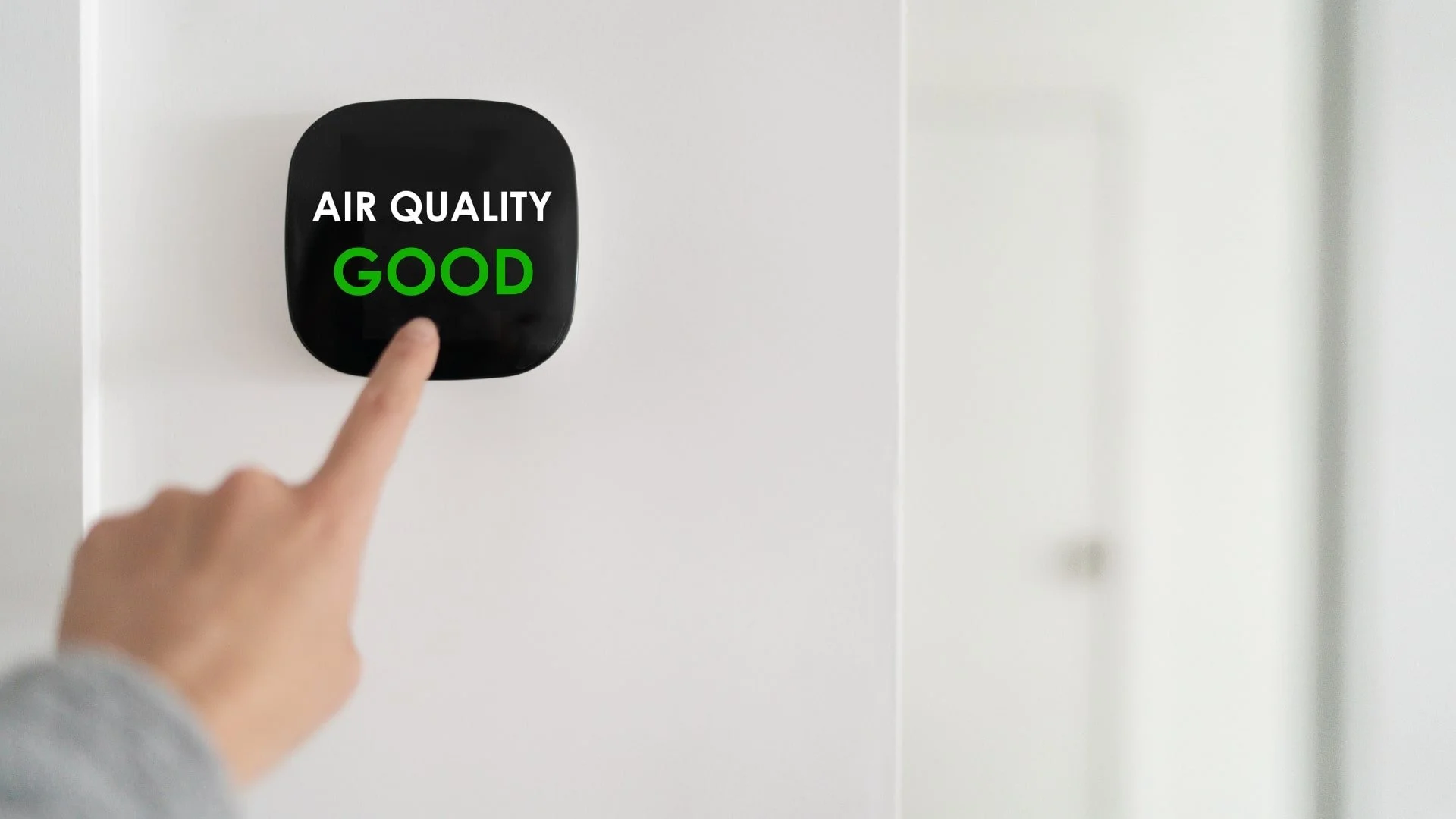
Consider investing in IAQ monitoring devices or hiring professionals to conduct regular testing to identify potential issues and take corrective measures.
Lifestyle Changes to Support IAQ
You should stop smoking indoors because it is known to worsen IAQ since it releases several pollutants that can burden the HVAC system and affect the efficiency of the filters.
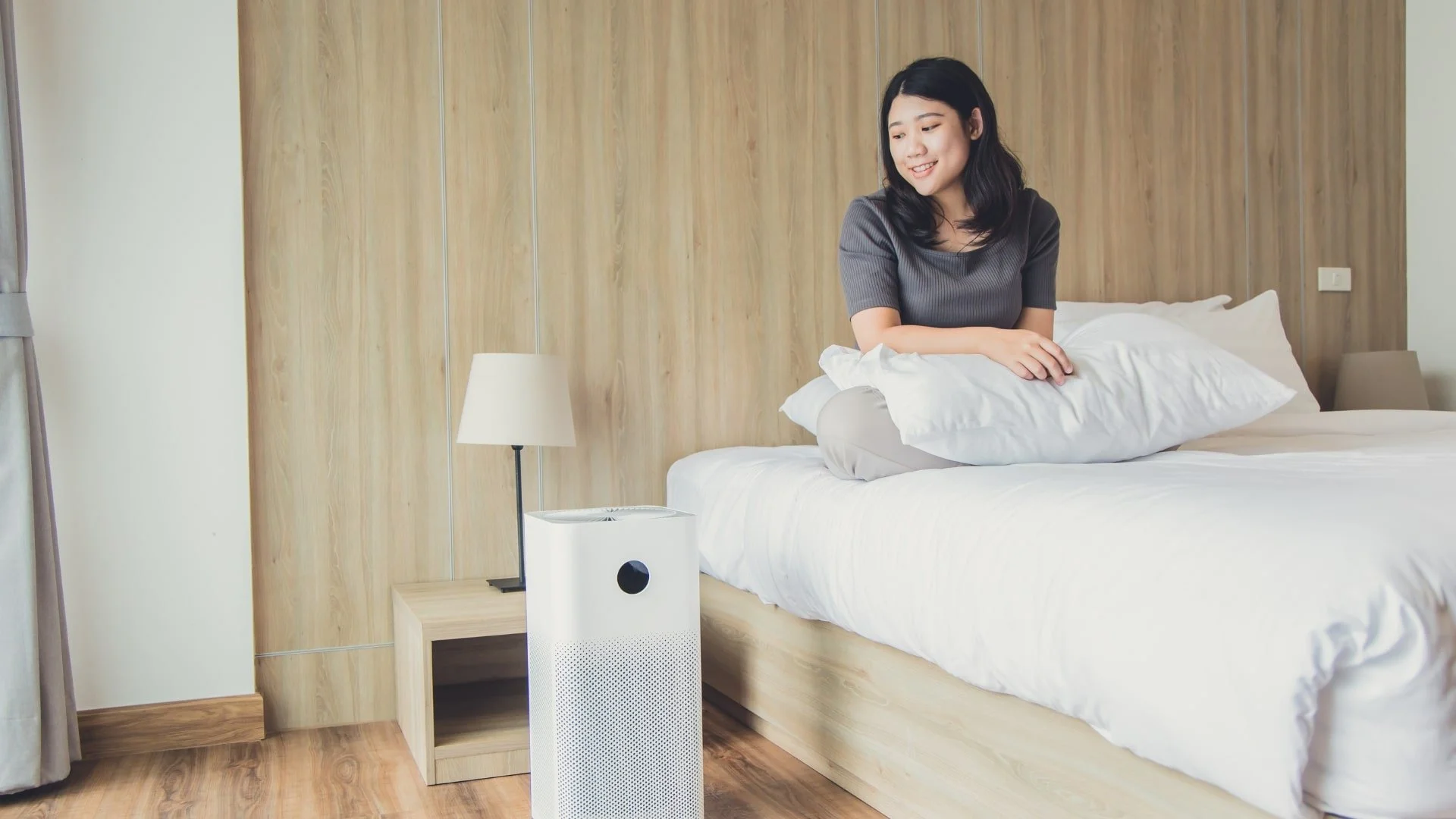
Portable air purifiers which are quite useful because they are additional to the HVAC systems and can enhance cleaning of the air in specific areas.
Choose cleaning products that contain concentrations of high Volatile Organic Compounds and other hazardous chemical compounds to decrease indoor pollutants.
Conclusion
Maintaining good indoor air quality is essential for a healthy living or working environment. Your HVAC system plays a pivotal role in achieving this by circulating, filtering, and conditioning the air within your home or office. By following the tips and best practices outlined in this article, you can optimize your HVAC system's performance and ensure a steady supply of fresh, clean air. Prioritize regular maintenance, choose the right filters, and consider implementing lifestyle changes to support your HVAC system's efforts in improving indoor air quality.

5 Unmatched Benefits of a Quality Roofing System for Enhanced Energy Efficiency
A home's roofing system does more than just protect against the elements. A quality roof plays a significant role in improving energy efficiency, offering homeowners substantial benefits that extend well beyond aesthetics and shelter. Explore how investing in a superior roofing system can transform your home into an energy-efficient haven.

A home's roofing system does more than just protect against the elements. A quality roof plays a significant role in improving energy efficiency, offering homeowners substantial benefits that extend well beyond aesthetics and shelter. Explore how investing in a superior roofing system can transform your home into an energy-efficient haven.
Superior Insulation Capabilities
High-quality roofing systems provide exceptional insulation. This advanced insulation helps maintain a consistent indoor temperature, reducing the need for constant heating or cooling. As a result, homes remain comfortable throughout the year without overburdening HVAC systems.
Reflective Roofing Materials
Modern roofing systems often incorporate reflective materials designed to deflect sunlight. This feature significantly reduces heat absorption, ensuring homes stay cooler during hot months. Reduced heat gain means less reliance on air conditioning, leading to lower energy consumption and utility bills.
Enhanced Ventilation
A well-designed roofing system promotes optimal ventilation. Proper ventilation ensures that warm air escapes from the attic, preventing heat buildup that can increase indoor temperatures. This process aids in keeping the entire house cooler and more energy-efficient, particularly in warmer climates.
Durable and Long-lasting
Quality roofing systems are not only energy-efficient but also durable. Materials such as metal and high-grade asphalt shingles have a longer lifespan, reducing the need for frequent replacements or repairs. This durability translates to sustained energy efficiency and cost savings over many years.
Environmentally Friendly Options
Many quality roofing systems offer environmentally friendly options. These systems often use sustainable materials or incorporate green technologies, such as solar panels. By choosing eco-friendly roofing solutions, homeowners contribute to reduced environmental impact while benefiting from improved energy efficiency. For this task, ensure you enlist reputable roofing contractors like Otero Brothers Roofing.
Final Thoughts
Investing in a quality roofing system delivers substantial energy efficiency benefits. From superior insulation and reflective materials to enhanced ventilation and durability, the advantages are clear. Homeowners seeking to lower energy costs and create a more comfortable living environment should consider upgrading to a high-quality roofing system. Embrace the future of energy-efficient living with the right roof that protects and performs.

5 Essential Home Maintenance Tips for Summer
With summer just now arriving, it's the perfect time to start thinking about how to keep your home in top shape. As the temperatures rise and the days get longer, a little proactive maintenance can go a long way in ensuring that your home remains cool, comfortable, and energy-efficient. By taking care of some essential tasks now, you can avoid costly repairs and keep your home running smoothly all season long. Here are five must-do home maintenance tips to help you get ready for the sunny days ahead.

With summer just now arriving, it's the perfect time to start thinking about how to keep your home in top shape. As the temperatures rise and the days get longer, a little proactive maintenance can go a long way in ensuring that your home remains cool, comfortable, and energy-efficient. By taking care of some essential tasks now, you can avoid costly repairs and keep your home running smoothly all season long. Here are five must-do home maintenance tips to help you get ready for the sunny days ahead.
Inspect and Clean Your Air Conditioner
As the summer heat looms, giving your air conditioner some attention is crucial for maintaining a cool and comfortable home. Begin by examining the outdoor unit and clear away any debris such as leaves, dirt, or twigs that might obstruct airflow. A clear unit operates more efficiently and lasts longer. Next, replace or thoroughly clean the air filter to enhance indoor air quality and ensure unobstructed airflow. Filters should typically be replaced every 30-90 days, depending on usage and the presence of pets or allergies. Pay attention to unusual noises or performance issues; these could be early signs of larger problems. It's also wise to check the evaporator and condenser coils for dirt build-up, as dirty coils reduce the system's ability to cool effectively. Finally, consider scheduling a professional inspection and tune-up with Hermitage Heating & Air Conditioning to catch any minor issues before they become major headaches. Regular maintenance can significantly extend the lifespan of your AC unit and improve energy efficiency, keeping your home comfortably cool all summer long.
Check Your Windows and Doors for Leaks
Leaky windows and doors can significantly impact your home's energy efficiency, causing your HVAC system to work harder than necessary. Start by carefully examining all windows and doors for any visible cracks, gaps, or worn-out weatherstripping. Pay close attention to the seals around the frames, especially in older homes, as these areas are prone to deterioration over time. Use high-quality silicone or latex-based caulk to seal smaller gaps and replace old or cracked weatherstripping with new, durable materials. For windows, consider installing energy-efficient window films that can reduce heat transfer, block UV rays, and still allow natural light to brighten your home. On particularly hot days, using thermal curtains or shades can provide an extra layer of insulation, keeping your home cooler and reducing the strain on your air conditioning system. For doors, ensure that thresholds are properly adjusted and consider adding a door sweep to further minimize air leakage. By investing a little time in sealing these leaks, you can enhance your home's comfort, reduce energy bills, and enjoy a more sustainable living space throughout the summer.
Clean Your Gutters
Maintaining clean gutters is a crucial step in protecting your home from water damage, mold growth, and pest infestations. As the summer storms roll in, clogged gutters can overflow, leading to water seeping into your foundation or roofing. Begin by donning a pair of durable gloves and using a sturdy ladder to safely reach your gutters. Remove leaves, twigs, and any other debris that could obstruct water flow. Consider using a garden hose to flush out smaller particles and ensure that downspouts aren't clogged. Inspect the gutter brackets for any signs of loosening or damage and secure them if necessary. It’s also a good idea to check for and repair any holes or rust spots that could lead to leaks. Moreover, installing gutter guards can be an effective long-term solution to minimize future build-up of debris. Ensuring that your gutters and downspouts direct water at least three to five feet away from your home's foundation can prevent potential basement flooding and soil erosion. By meticulously maintaining your gutters, you not only safeguard your home but also enhance its curb appeal and longevity.
Inspect Your Roof
Your roof serves as your home's first line of defense against the elements, making regular inspections a top priority to prevent costly damage. Start by checking for any missing, cracked, or curling shingles, which can expose your home to water leaks and reduced energy efficiency. Pay special attention to the areas around chimneys, skylights, and vents where leaks are more likely to develop. Look for signs of water intrusion, such as discolored patches on the ceiling or walls inside your home, which could indicate a compromised roof membrane. Additionally, inspect the flashing and seals around any roof penetrations to ensure they are intact and secure. Use binoculars for a ground-level inspection to spot issues without risking personal safety, but if you're comfortable on a ladder, a closer look may reveal granule loss on asphalt shingles or rust on metal roofing, both of which can signal wear and potential failure. Trim overhanging branches that could scrape the roofing material during high winds or provide a pathway for pests. If any issues are discovered, consult a licensed roofing professional for a thorough assessment and timely repairs. A well-maintained roof not only keeps your home cool during the summer but also provides critical protection during inclement weather, ensuring your peace of mind year-round.
Service Your Water Heater
Although it may seem counterintuitive to focus on your water heater during the summer months, carrying out regular maintenance can ward off future issues and ensure efficient operation. Over time, sediment such as minerals and debris can accumulate at the bottom of your water heater tank, impairing its efficiency and potentially causing damage. To address this, initiate a complete flush of the tank to eliminate this build-up. First, turn off the power supply or gas to the heater, attach a garden hose to the drain valve, and direct the water to a safe drainage area. Open the valve and allow the water to flow until clear, indicating the removal of sediments. Additionally, examine the tank for any signs of rust or corrosion, which may suggest a replacement is due. Inspect the anode rod, a crucial component that prevents rust by attracting corrosive elements; if the rod is less than half an inch thick or coated in calcium, it needs replacement. Moreover, test the temperature and pressure relief valve by lifting its lever and observing for proper discharge—a malfunctioning valve could pose a safety risk. Finally, ensure the temperature is set to a safe 120 degrees Fahrenheit to prevent scalding and prolong the unit's lifespan. By diligently maintaining your water heater, you can secure reliable hot water throughout the year and avoid unexpected repair expenses.
By following these five essential home maintenance tips, you'll be setting yourself up for a comfortable, energy-efficient, and stress-free summer. Regular maintenance not only improves the performance of your HVAC system but also helps preserve the value and integrity of your home. Think of it as an investment in your future comfort and peace of mind. So, take a proactive approach this season and give your home the care it deserves. With a little effort now, you'll enjoy a cooler, safer, and more enjoyable living environment all summer long, knowing you're well-prepared for any challenges that come your way. Happy maintaining!

Sculpting Your Home to Match Your Dreams: Remodeling Vs. Moving
The concept of a dream home often conjures up images of perfection in a homeowner's mind - the ideal layout, the perfect finishes, and an ambiance that aligns with personal taste and comfort. There comes a juncture in every homeowner’s life when the question arises - to remodel the current abode to match those dreams or to seek a new sanctuary elsewhere? This article unravels the rich tapestry of possibilities inherent in transforming your existing space into a personalized haven.
The concept of a dream home often conjures up images of perfection in a homeowner's mind - the ideal layout, the perfect finishes, and an ambiance that aligns with personal taste and comfort. There comes a juncture in every homeowner’s life when the question arises - to remodel the current abode to match those dreams or to seek a new sanctuary elsewhere? This article unravels the rich tapestry of possibilities inherent in transforming your existing space into a personalized haven.
Transforming an existing home to meet one’s aspirations is not simply about changing physical spaces; it's a creative and emotional undertaking that breathes new life into familiar walls. Homeowners are encouraged to visualize the untapped potential of their domiciles, to see beyond the imperfections, and to imagine the possibilities that lie within a skillful and thoughtful remodeling process.
The Heart of Transformation
Remodeling is akin to sculpting; it is an art form with a vision of beauty and functionality carved out from the existing structure. Undertaking a renovation project allows for customization that tailors each corner of the residence to the unique lifestyle and preferences of the inhabitants. Whether crafting the culinary paradise of a state-of-the-art kitchen, fashioning a serene spa-like bathroom retreat, or reconfiguring the living space for a more open and inviting flow, the options are as expansive as one’s creativity.
The process begins with establishing a clear vision. Prioritize the areas of the home that are most crucial to well-being and daily life. Engage with experienced architects or designers who respect your aspirations while guiding the transformation with professional insights. For example, consulting with a professional like Kimberlin Family Roofing if you plan to work on roofing projects can help get you on track with the necessary prep work. These experts provide not only design expertise but also an understanding of how to realize a property's full potential within the constraints of the existing structure.
The Strategic Makeover
Renovations may encompass a spectrum from minor updates to major overhauls, and one need not take on the Herculean task all at once. Strategic remodeling allows for gradual improvement, spreading out the financial commitment while steadily inching closer to the envisioned outcome. Perhaps start with the master bedroom, then the following year, move on to enhancing the outdoor living areas. It also gives you the chance to connect with multitalented professionals like Clover Creek Home Designs. This phased approach makes the dream attainable step by step without the overwhelming prospect of a complete overhaul.
Alongside aesthetics, consider the substantial value that remodeling can add to a property. Thoughtful upgrades can significantly increase a home’s market worth, ensuring that the investment not only brings daily joy and convenience but also contributes to financial solidity. It’s a win-win scenario that affords homeowners the added comfort of knowing that their investments improve their quality of life and build financial stability.
Connecting with the Craftsmanship
Spearheading a remodeling project offers the opportunity to infuse personal style into every nook. From selecting the grains of the wooden floors to the hues that will adorn the walls, each choice reflects the unique taste of the homeowner. Every brushstroke, tile laid, and fixture installed tells a tale of bespoke design, setting the backdrop for cherished memories and experiences in the years to come.
In the face of climate concerns, revamping a home provides an opportune moment to integrate sustainable practices and materials. Modern advancements offer a plethora of environmentally friendly options that reduce the ecological footprint while maintaining elegance and resilience. Employ energy-efficient solutions, repurposed materials, or smart-home technology that marry modernity with mindfulness towards nature.
The Verdict
While the allure of moving to a ‘ready-made’ dream home is undeniable, it comes with its own set of complexities, uncertainties, and often unexpected compromises. The decision to relocate should be weighed against the potential tied up within the current residence. A move can disrupt routines, detach from cherished communities, and involve significant financial and emotional costs.
Conversely, remodeling presents an opportunity to realize those dreamt-of spaces and rekindle a connection with a home filled with personal history. It’s an act of envisioning, creating, and committing to transforming what's already yours into what you've always wanted.
In conclusion, sculpting a home to match one’s dreams is a profound exercise in creativity, investment, and emotional fulfillment. Renovating extends beyond aesthetic changes; it’s about crafting an environment that resonates with personal aspirations and paves the way for future memories. This intimate form of self-expression solidifies the bond with your home, enriching the daily experience and making the ideation of a dream home a tangible reality, one room at a time.

