

A resource for those seeking information on organizing and transforming spaces.

Creating A Haven For The Senses: A Guide To Sensory-Friendly Homes
For individuals with Autism Spectrum Disorder (ASD), the world can be a place of overwhelming sensory experiences. Lights may seem brighter, sounds louder, and textures more irritating. This sensory overload can lead to anxiety, meltdowns, and difficulty functioning in daily life. Fortunately, creating a sensory-friendly home environment can significantly improve comfort, reduce stress, and promote overall well-being, fostering a space where they feel safe, secure, and able to thrive.
For individuals with Autism Spectrum Disorder (ASD), the world can be a place of overwhelming sensory experiences. Lights may seem brighter, sounds louder, and textures more irritating. This sensory overload can lead to anxiety, meltdowns, and difficulty functioning in daily life. Fortunately, creating a sensory-friendly home environment can significantly improve comfort, reduce stress, and promote overall well-being, fostering a space where they feel safe, secure, and able to thrive.
Understanding Sensory Needs
People with ASD experience sensory input differently. Some may be hypersensitive, meaning sights, sounds, and textures feel amplified. Others may be hyposensitive, seeking out stronger sensory experiences. The key to creating a sensory-friendly home lies in identifying the individual's specific sensitivities and tailoring the environment accordingly.
Building a Sensory Sanctuary
Imagine a space bathed in calming blue hues, where soft textures underfoot provide comfort, and strategically placed noise-absorbing materials create a tranquil atmosphere. This sensory haven can become a reality for your loved one with Autism Spectrum Disorder (ASD). This resource below explores design principles that cater to sensory needs, offering practical tips for transforming your home. Think dedicated activity zones that encourage focused play and strategic lighting that minimizes glare while providing ample illumination. You can create a space that fosters well-being and empowers your loved one to thrive through sensory regulation.
A Collaborative Effort
While the infographic offers valuable insights, it's important to remember that every individual with ASD is unique. Consulting with occupational therapists or autism therapeutic services can provide personalized guidance and support in crafting a sensory-friendly environment that fosters comfort, growth, and a sense of belonging.
Let's embark on a journey of creating a sensory sanctuary together! Explore the infographic to discover practical tips and strategies for transforming your home into a haven for the senses, empowering your loved one to thrive in a calming and supportive environment.
Keeping Your Home In Tip-Top Shape: Urgent Vs. Noncritical Repairs
Our homes are sanctuaries, providing a haven of comfort and security. However, even the most well-maintained residences can encounter repair needs from time to time. The key to keeping your home safe and functional lies in understanding the difference between urgent and noncritical repairs. Addressing urgent issues promptly can prevent costly damage and safety hazards, while noncritical repairs can enhance the aesthetics and functionality of your living space.
Our homes are sanctuaries, providing a haven of comfort and security. However, even the most well-maintained residences can encounter repair needs from time to time. The key to keeping your home safe and functional lies in understanding the difference between urgent and noncritical repairs. Addressing urgent issues promptly can prevent costly damage and safety hazards, while noncritical repairs can enhance the aesthetics and functionality of your living space.
Urgent Repairs
Urgent repairs demand your immediate attention. Ignoring urgent repairs can lead to costly consequences down the line. Here are some common examples of urgent repairs:
Plumbing or Septic Issues: Leaky pipes, clogged drains, and malfunctioning septic systems can cause water damage, mold growth, and even sewage backups. Addressing these issues with a qualified plumbing contractor is crucial.
Heating, Ventilation, and Air Conditioning (HVAC) Problems: A malfunctioning HVAC system can leave you uncomfortably hot or cold, depending on the season.
Roof Damage or Replacement: A damaged roof exposes your home's interior to the elements, making it susceptible to water damage, mold growth, and structural issues.
Noncritical Repairs
Noncritical repairs address cosmetic concerns or improve the functionality of your home without posing an immediate threat. These repairs can be tackled at your own pace and budget. Some examples of noncritical repairs include:
Refinishing Hardwood Floors: Scratched or dull hardwood floors can detract from the aesthetics of your home. Refinishing your hardwood floors can breathe new life into them and enhancing the overall look of your space.
Painting the Walls: A fresh coat of paint can dramatically transform a room, making it feel brighter, cleaner, and more inviting. Painting is a relatively inexpensive way to update the look and feel of your home.
Installing New Carpeting: Worn-out carpeting can be unsightly and uncomfortable. Replacing your carpeting with new flooring can improve the aesthetics and functionality of your living space.
Remember, addressing urgent repairs promptly is essential for maintaining a safe and functional home. The infographic below that accompanies this article provides a visual guide to help you distinguish between urgent and noncritical repairs. By understanding the urgency of repairs, you can make informed decisions to keep your home in top shape for years to come.
Modern Bathroom Trends to Elevate Your Home
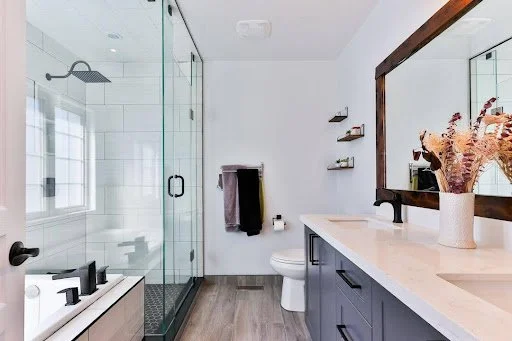
Keeping up with modern bathroom design trends is more than just about staying in style. A well-designed bathroom can significantly enhance both the aesthetic and value of your home. Whether you’re planning a complete renovation or just a minor bathroom makeover, incorporating the latest trends can transform your bathroom into a space that is both functional and luxurious. Let's dive into the top trends that are making waves in bathroom design today.
We partnered with a home design company for this post. The opinions in the post are honest. All reviews and opinions expressed in this post are based on our personal views. We are excited because we know you will love it.
Natural elements like wood, stone, and plants create a calming, organic atmosphere in modern bathrooms.
Minimalist designs with clean lines and simple color palettes focus on functionality and clutter-free spaces.
High-tech fixtures such as smart showers, heated floors, and touchless faucets add convenience and luxury.
Bold colors and patterns in tiles, wallpaper, and accessories add personality and flair.
Sustainable choices, including eco-friendly materials and water-saving fixtures, enhance style while reducing environmental impact.
Keeping up with modern bathroom design trends is more than just about staying in style. A well-designed bathroom can significantly enhance both the aesthetic and value of your home. Whether you’re planning a complete renovation or just a minor bathroom makeover, incorporating the latest trends can transform your bathroom into a space that is both functional and luxurious. Let's dive into the top trends that are making waves in bathroom design today.
Incorporating Natural Elements
One of the standout trends in modern bathroom design is the use of natural elements. Materials like wood, stone, and plants are being incorporated to create a calming and organic atmosphere. Imagine a wooden vanity paired with a stone sink, or a shower lined with natural slate tiles. These materials not only bring a touch of the outdoors inside but also add a sense of warmth and tranquility.
Adding plants to your bathroom is another great way to embrace this trend. Plants like ferns, orchids, and snake plants thrive in the humid environment of a bathroom and can improve air quality. A small potted plant on the windowsill or a hanging planter can make a big difference in creating a serene, spa-like ambiance.
Minimalist Designs
Minimalism continues to dominate modern bathroom design. This trend focuses on clean lines, simple color palettes, and functional furniture. The idea is to create a space that is clutter-free and emphasizes quality over quantity.
Opt for floating vanities and wall-mounted toilets to keep the floor area open and spacious. Stick to a neutral color scheme with shades of white, gray, or beige to maintain a clean and cohesive look. Minimalist bathrooms often feature built-in storage solutions to keep toiletries out of sight, contributing to the overall sleek and streamlined appearance.
High-Tech Fixtures and Features
Technology is playing an increasingly significant role in bathroom design. Modern bathrooms are now equipped with high-tech fixtures and features that offer convenience and luxury. Smart showers that allow you to control water temperature and flow with a touch of a button, heated floors that provide warmth underfoot during cold mornings, and touchless faucets that promote hygiene and water conservation are just a few examples of how technology is elevating bathroom experiences.
Mirrors with built-in LED lighting and anti-fog capabilities, voice-activated lighting, and integrated sound systems are also becoming popular. These features not only add a touch of sophistication but also make daily routines more efficient and enjoyable.
Bold Colors and Patterns
Gone are the days of playing it safe with bathroom colors. Bold colors and patterns are making a big splash in modern bathroom design. Whether it’s through vibrant tiles, eye-catching wallpaper, or striking accessories, incorporating bold elements can add personality and flair to your bathroom.
Consider using patterned tiles on the floor or as a backsplash to create a focal point. Brightly colored vanities or statement walls can also add a pop of color. The key to balancing bold elements is to pair them with neutral tones and simple designs, ensuring that the space remains cohesive and not overwhelming.
Sustainable and Eco-Friendly Choices
Sustainability is becoming a crucial consideration in modern bathroom design. Homeowners are increasingly seeking eco-friendly materials, water-saving fixtures, and energy-efficient lighting options to reduce their environmental footprint.
Bamboo and reclaimed wood are popular choices for sustainable materials. Low-flow toilets, faucets, and showerheads help conserve water without sacrificing performance. LED lighting, which uses less energy and lasts longer than traditional bulbs, is another eco-friendly option. By making these sustainable choices, you can create a bathroom that is not only stylish but also kind to the planet.
Conclusion
Incorporating these modern bathroom trends can elevate your home, creating a space that is both functional and beautiful. From natural elements and minimalist designs to high-tech features, bold colors, and sustainable choices, there are plenty of ways to transform your bathroom into a modern oasis. Consider these trends for your next renovation or makeover, and enjoy the blend of style and comfort they bring to your home.

How to Manage Home Renovation Waste Hassle-Free
Home renovations can be incredibly rewarding, transforming your living space into the perfect environment for your needs. However, one of the biggest challenges that homeowners face during these projects is managing the waste that accumulates. Piles of debris, discarded materials, and general clutter can quickly turn your renovation dream into a logistical nightmare. Efficient waste management is crucial to keep your project on track and your home as clean as possible.
We partnered with a home improvement company. for this post. The opinions in the post are honest. All reviews and opinions expressed in this post are based on our personal views. We are excited because we know you will love it.
Planning your waste management before starting renovations helps estimate the type and amount of waste, ensuring a smooth process.
Residential skip hire is a convenient, cost-effective, and eco-friendly solution for managing renovation waste.
Efficient skip usage involves packing smartly, adhering to weight limits, and avoiding prohibited items.
Alternatives to skip hire for smaller projects include Bagster bags, community recycling centers, and donating or selling usable items.
Home renovations can be incredibly rewarding, transforming your living space into the perfect environment for your needs. However, one of the biggest challenges that homeowners face during these projects is managing the waste that accumulates. Piles of debris, discarded materials, and general clutter can quickly turn your renovation dream into a logistical nightmare. Efficient waste management is crucial to keep your project on track and your home as clean as possible.
One of the most effective ways to handle renovation waste is by planning ahead. This ensures that you have a clear strategy for dealing with the waste, minimizing stress and potential delays. In this guide, we’ll explore the steps you can take to manage your home renovation waste hassle-free, including the benefits of using residential skip hire services
Planning Your Waste Management
Before you even pick up a hammer, it's essential to plan how you'll handle the waste generated by your renovation. Start by assessing the scope of your project. Are you just repainting a room, or are you tearing down walls and replacing fixtures? Understanding the extent of your renovation will help you estimate the type and amount of waste you'll produce.
Create a list of all the materials you'll be discarding. This might include old cabinetry, flooring, drywall, and other construction debris. Knowing what you'll need to dispose of will make it easier to choose the right disposal method and skip size, ensuring a smooth and efficient process.
Choosing the Right Disposal Method
There are several ways to dispose of renovation waste, but not all methods are created equal. Depending on the scale of your project, you might consider:
Hiring a Junk Removal Service: Great for quick clean-ups, but can be costly for large amounts of waste.
Taking Trips to the Dump: This can be time-consuming and labor-intensive, especially for big projects.
Using a Residential Skip Hire Service: Often the most convenient and cost-effective solution for significant renovations.
How Residential Skip Hire Works
Residential skip hire is a straightforward process that can save you a lot of hassle. Here’s how it works:
Choose the Right Skip Size: Skips come in various sizes, so select one that matches the amount of waste you expect to generate. For a full home renovation, a larger skip might be necessary, while smaller projects might only require a mini skip.
Book the Skip: Contact a local skip hire company and book the skip for the duration of your project. Make sure to arrange delivery and pick-up times that align with your renovation schedule.
Fill the Skip: As you work through your renovation, you can continuously fill the skip with waste materials. Be mindful of the weight limits and prohibited items.
Skip Collection: Once your skip is full or your project is complete, the skip hire company will collect it and take care of the disposal.
Benefits of Residential Skip Hire
Opting for residential skip hire offers several advantages:
Convenience and Time-Saving: With a skip on-site, you can immediately dispose of waste as it’s generated, keeping your work area clean and safe.
Cost-Effectiveness: Compared to multiple trips to the dump or hiring a junk removal service, a skip hire can be more affordable, especially for large projects.
Eco-Friendly Disposal: Reputable skip hire companies often sort through the waste to recycle as much as possible, reducing the environmental impact of your renovation.
Tips for Efficient Skip Usage
To make the most of your skip hire, follow these tips:
Pack Smart: Break down large items to maximize space. Place heavier items at the bottom and lighter ones on top.
Know the Limits: Be aware of the weight limit for your skip to avoid additional charges. Avoid overfilling as well; it’s illegal and unsafe.
Prohibited Items: Most skips won’t accept hazardous materials like asbestos, batteries, or chemicals. Check with your skip hire provider for a complete list of prohibited items.
Alternatives to Skip Hire
While residential skip hire is an excellent solution for many projects, it’s not always necessary. For smaller renovations or decluttering, consider these alternatives:
Bagster Bags: These are strong, disposable bags that you can fill and have collected by a waste removal service.
Community Recycling Centers: If you have a small amount of recyclable material, local recycling centers can be a convenient option.
Donate or Sell: Items in good condition can be donated to charity or sold online, reducing waste and benefiting others.
Conclusion
Managing home renovation waste doesn’t have to be overwhelming. By planning ahead and choosing the right disposal method, you can keep your project running smoothly and your home clean. Residential skip hire offers a hassle-free, cost-effective, and eco-friendly solution for managing large amounts of waste. Whether you're tackling a major renovation or just clearing out clutter, having a solid waste management plan in place is key to a successful project. So, roll up your sleeves, get organized, and enjoy the transformation of your home!

