

A resource for those seeking information on organizing and transforming spaces.

Top 4 Storage Hacks for Keeping Your Clothes in Pristine Condition
We’ve all been there: when your closet feels overstuffed, your dresser is a tangle of mismatched clothing items, and your wardrobe looks like something out of a nightmare. We make do with what we have the best we can, and with all the distractions of day-to-day life, it’s easy to have this problem sneak up on you. All of a sudden, clothes that should have been in pristine condition are stretched thin, torn, or creased in ways that seem impossible to get out; and you have no idea what happened.
We’ve all been there: when your closet feels overstuffed, your dresser is a tangle of mismatched clothing items, and your wardrobe looks like something out of a nightmare. We make do with what we have the best we can, and with all the distractions of day-to-day life, it’s easy to have this problem sneak up on you. All of a sudden, clothes that should have been in pristine condition are stretched thin, torn, or creased in ways that seem impossible to get out; and you have no idea what happened.
Improper storage of clothing shortens their lifespan, causing beloved articles to degrade in ways both surprising and upsetting. In this article, we’ll show you how to store your clothes so they stay in pristine condition; no matter how long you’ve had them for.
1. Maximize Closet Space
First, we know this may be a bit painful, but if your storage areas are overcrowded; well, you’ve gotta go the Marie Kondo route. If it doesn’t spark joy, it’s gotta go, and the sooner the better.
Audit the clothing in your dresser and your closet, assessing the value of what you have both intrinsically and personally. Fast fashion items are often made of cheaper stuff and will degrade faster than more expensive, well-made items. If your closet or dresser is overcrowded, and fast fashion items are shoved in right next to your more expensive, treasured clothing options, they can cause those expensive items to degrade faster by association.
If you have some fast fashion items that you’d like to keep, consider alternative methods for storage that don’t pack them in with your more expensive stuff. Consider donating anything you don’t want to keep or don’t see yourself wearing for a while to a local shelter. This way, you can declutter while also doing some good, knowing your clothing is going to those who need it.
2. Repair Damaged Items
Whether folding your clothes up in a dresser or hanging them in a closet, make sure that any outstanding damage to your clothing is repaired before storage. Tears, holes, and frays will grow worse if left untreated, especially on the hanger, as they will make your clothing degrade faster over time.
Also, especially when prepping clothing for long-term storage, be sure to wash every article before putting them aside. It may be tempting to transition clothes that have been sitting folded in your dresser for a while to a box without any extra steps, but washing them prevents odors from transferring between items, and can help stave off the odor of staleness that is often a consequence of long-term unuse.
Hack 3: Know When To Fold Vs. Hang
As a general rule, more expensive items should be hung up carefully, without packing clothing around them to minimize wrinkling. Keeping your closet organized in such a way keeps your clothing in top condition, avoiding staining from adjacent fabrics, looking neat, and preventing stretching. Less expensive items, or items being prepped for long-term storage, should be folded. Army rolling your clothes does more to maximize storage space than the traditional fold and also does a better job of preventing creases.
Daily essentials like cotton dress shirts, outerwear, blouses, and henleys should be hung up in your closet or wardrobe; seasonal items like sweaters and thick pants should be hung up in a relevant space in your alternative storage area. The same goes for clothes you keep in your dresser, with daily items army-rolled and packed away close by.
Remember, anything you haven’t used in the last year and has no sentimental value can be discarded; you can inexpensively replace low-quality clothing with high-quality options while also keeping up with current fashion trends. Tricks like looking for vintage clothing items, comparison shopping, or deal-hunting will help you replace old fast-fashion articles quickly.
Hack 4: Choose Your Storage Options
Finally, we come to best practices for alternative storage. Store your clothing in bins that are airtight and weather resistant, as these will degrade less over time and prevent pests from making a home in your clothing. Only use cardboard boxes if you’re planning on keeping them inside your main residence, as they’re more likely to degrade quickly from inadequate temperature conditions.
Follow the above tips, and your clothing will remain pristine; no matter where it's stored.

Identifying Dangerous Trees That Need Removal
As a homeowner, it's important to be aware of the potential dangers that trees on your property can pose. While trees are beautiful and provide shade and oxygen, they can also become hazardous if they are not properly maintained. This blog post will discuss how to identify dangerous trees that need removal in order to keep your property safe.
As a homeowner, it's important to be aware of the potential dangers that trees on your property can pose. While trees are beautiful and provide shade and oxygen, they can also become hazardous if they are not properly maintained. This blog post will discuss how to identify dangerous trees that need removal in order to keep your property safe.
Signs of Decay
One of the most obvious signs of decay in a tree is dead or dying branches. These branches may be bare, have no leaves, or show other signs of deterioration. Dead branches are not only unsightly but also pose a risk as they can fall unexpectedly, causing damage to property or injury to people. If you notice dead branches on a tree, it is best to have them removed as soon as possible. Another sign of decay to look out for is fungal growth on the trunk or branches of a tree. Fungi feed on decaying wood and can weaken the structure of the tree, making it more likely to fall during a storm or high winds. If you see mushrooms or other types of fungi growing on your tree, it is a clear indication that there is decay present and the tree should be inspected by a professional arborist.
Leaning Trees
Another red flag that a tree may be dangerous is if it is leaning significantly. While some trees naturally lean due to growth patterns, a tree that suddenly starts leaning or leans more than usual could indicate root damage or instability. This makes the tree more susceptible to falling over during strong winds or storms, potentially causing damage to your home, vehicles, or even injuring people nearby. Additionally, leaning trees can also disrupt power lines and pose a fire hazard if they come into contact with electrical wires.
Cracks in Trunk
Cracks in the trunk of a tree can also signal that it is unstable and may need to be removed. These cracks can weaken the structural integrity of the tree, making it more likely to break or fall over. If you notice any cracks in your tree, it is important to have it evaluated by an arborist who can determine if the tree needs to be removed for safety reasons.
Hire a Professional Tree Removal Service
When it comes to removing leaning or dead trees from your property, it's essential to hire professional tree removal services. These experts have the knowledge, experience, and equipment needed to safely remove trees without causing further damage or harm. They will also ensure that the tree is disposed of properly and that any remaining debris is cleaned up efficiently. By entrusting the task of tree removal to professionals, you can have peace of mind knowing that the job will be done correctly. Consult with tree removal company like Allen's Tree Service, Inc.,., for an assessment and removal plan if you suspect any trees on your property may pose a risk.
Prevent Future Hazards
In addition to removing leaning trees from your property, it's important to take steps to prevent future hazards from developing. Regularly inspecting your trees for signs of disease or structural issues can help you identify potential problems before they escalate. Proper pruning and maintenance can also help keep your trees healthy and stable. By staying proactive and caring for your trees, you can minimize the risks associated with hazardous trees.
Keeping your property safe from dangerous trees is essential for protecting your home and family. By being aware of signs of decay, leaning trees, and cracks in trunks, you can identify potentially hazardous trees that need removal. Stay proactive in maintaining your trees to ensure their health and safety for years to come.

Downsizing Your Home in Connecticut: Tips for Streamlining Your Belongings Before Moving
Are you planning on downsizing your home in Connecticut? Check out these tips for streamlining your belongings before moving to a new home!
Thinking about downsizing your home in Connecticut? Whether moving to a cozier space, cutting down on maintenance, or just looking for a fresh start, downsizing can be both exciting and a bit overwhelming. But don't worry; we’re here to help you navigate through the process with some practical tips to streamline your belongings before the big move. Stick around to discover how to make your downsizing journey smooth and stress-free!
#1 Start Early and Plan Ahead
One of the biggest mistakes people make when downsizing is waiting until the last minute to start sorting through their stuff. Trust me, you’ll want to give yourself plenty of time to go through everything. Begin by setting a timeline and breaking down the process into manageable steps. This way, you can tackle one room at a time without feeling rushed or overwhelmed.
Start with less emotional areas, like the kitchen or bathroom, and gradually move on to spaces with more sentimental items. Planning ahead also allows you to spread out the work over several weeks or months, making the task feel less daunting and more achievable.
#2 Categorize Your Belongings

When you're ready to start sorting, categorize your belongings into four main groups: keep, donate, sell, and discard. This method helps you make clear decisions about what to do with each item. Remember, the goal is to reduce clutter and only keep what you truly need and love. Begin by tackling one room at a time, and don’t forget to include storage areas like the attic, basement, and garage. Setting up designated areas in your home for each category can be helpful to keep things organized during the sorting process. Take your time to evaluate each item carefully, considering its usefulness, condition, and emotional significance.
If you’re struggling to decide, ask yourself if you’ve used the item in the past year. If the answer is no, it’s probably time to let it go. You can also consider the “one in, one out” rule to help maintain balance.
#3 Measure Your New Space
If you’re downsizing because you’re moving to a smaller home, before you start packing, take accurate measurements of your new home. Knowing the dimensions of each room will help you determine what furniture and items will fit and what won’t. This will save you from the headache of moving something only to realize it won’t work in your new space. Make sure to measure doorways, staircases, and elevators to ensure your larger items can be moved in without issues. A clear understanding of your new home’s layout will also help you visualize where your furniture and belongings will go, making the transition smoother.
Pro tip: Create a floor plan of your new home and sketch out where your furniture will go. This will give you a clear idea of what you can take with you and help you avoid cluttering your new space.
#4 Sell or Donate Unwanted Items
Once you've sorted through your belongings, it’s time to decide what to do with the items you’re not keeping. This is not only great for downsizing, but it will also make packing much easier. Consider selling valuable items through online marketplaces, garage sales, or consignment shops. Donating to local charities is a great option for items in good condition but not worth selling. Not only will you be helping others, but you may also qualify for a tax deduction. Research local charities and non-profit organizations that accept donations and schedule pick-ups if necessary.
#5 Digitize Where Possible

In today’s digital age, there’s no need to hold onto every piece of paper or photo. Consider digitizing important documents, photos, and memorabilia. Not only will this save space, but it also makes organizing and accessing these items much easier. Start by sorting through your paperwork and separating essential documents from those that can be discarded. Use a scanner or a smartphone app to digitize items and back up your files to cloud storage or an external hard drive. This will help protect your important memories and documents from physical damage.
#6 Keep Sentimental Items Mindfully
We all have items that hold sentimental value, but when you’re downsizing your home in Connecticut, that doesn’t mean you have to part with everything you cherish. Be mindful of the sentimental items you choose to keep. If something truly holds special meaning, find a way to incorporate it into your new space. Consider creating a designated area in your new home for sentimental items, such as a memory box or a display shelf. This way, you can still enjoy your cherished possessions without letting them take over your space.
However, keep in mind while packing these valuables so that they don’t get damaged during transport. For picture frames and fragile objects, use as much bubble wrap as possible.
#7 Involve the Whole Family

If you're downsizing with family, involve everyone in the process. It can be a great way to teach kids about organization and the value of letting go of unnecessary items. Plus, it makes the task more manageable when everyone pitches in. Encouraging teamwork can make the experience more enjoyable and help everyone feel more invested in the outcome.
#8 Hire Professional Help if Needed
If the thought of downsizing and moving feels too overwhelming, don’t hesitate to hire professional help. Especially if you’re moving long distance and need someone who will take care of all your belongings, consider asking for assistance with your Connecticut move. Professional moving companies can provide valuable services, making the process much smoother and less stressful. Reputable movers can offer expert advice, practical solutions, and hands-on help to ensure your move goes smoothly.
Final Thoughts
Downsizing your home in Connecticut can be a liberating experience, giving you the opportunity to declutter and simplify your life. By starting early, categorizing your belongings, and making thoughtful decisions, you can streamline your possessions and make your move a breeze. Now that you have these tips, you’re ready to take on your downsizing journey with confidence! Happy moving!
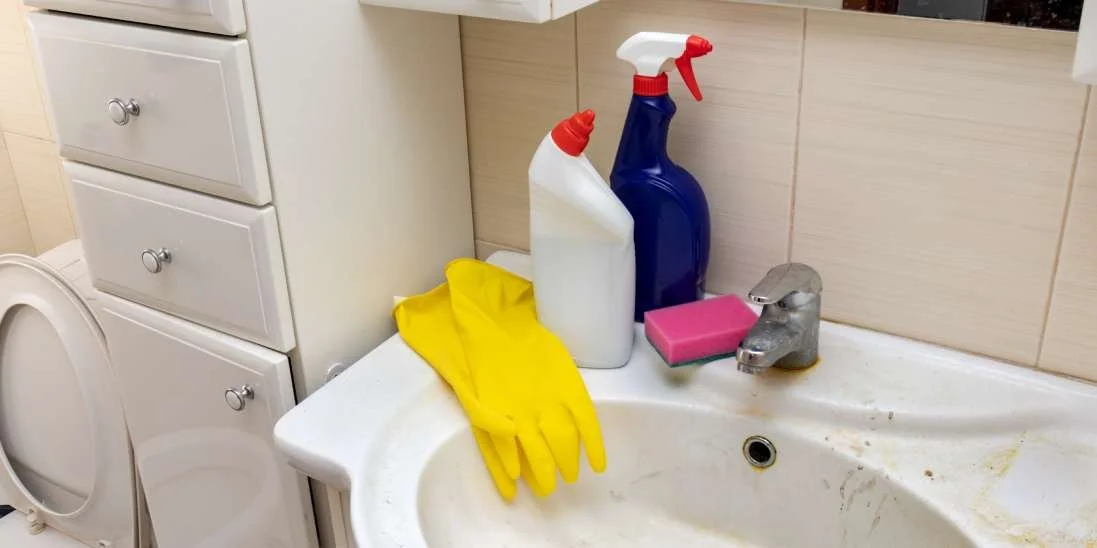
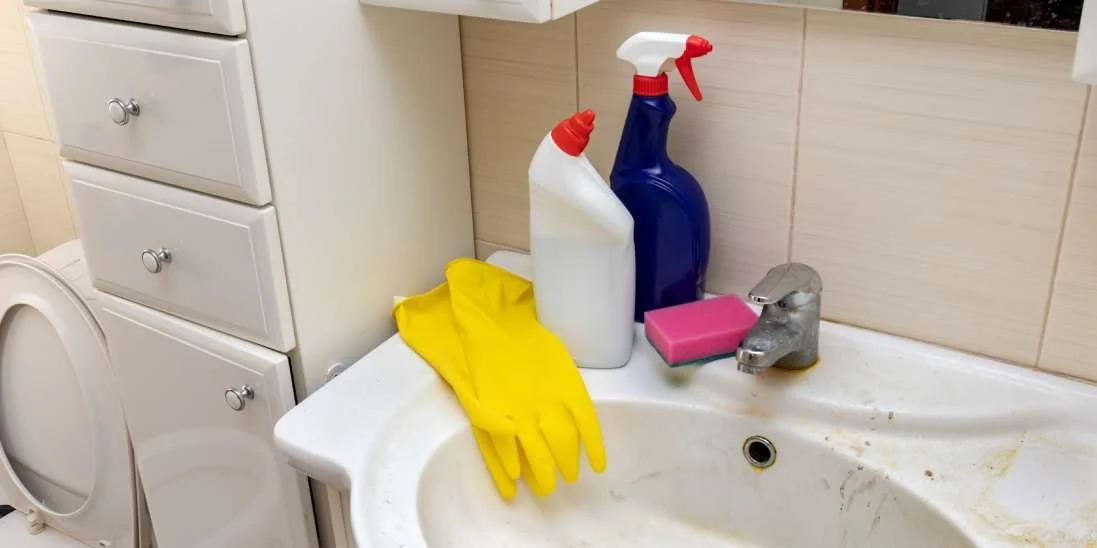
What Happens if You Stop Cleaning Your Bathroom?
Staying on top of chores is hard. However, neglecting important rooms can have dire consequences. Here’s what happens if you stop cleaning your bathroom.
We partnered with a home design company for this post. The opinions in the post are honest. All reviews and opinions expressed in this post are based on our personal views. We are excited because we know you will love it.
If the last thing you want to do after a long week is scour your bathroom, you’re in the majority. Very few people on this earth enjoy chores, especially the nasty ones. However, there are certain tasks, no matter how dirty, that are important to stay on top of. Cleaning your bathroom is one of them.
To truly understand the importance of this chore, read on to discover what happens if you stop cleaning your bathroom. You might be surprised by the unpleasant consequences.
You Invite Mold and Mildew Growth
Mold and mildew thrive in damp, humid conditions, making your bathroom their ideal growth environment. This is especially true in a tiny house bathroom, where limited ventilation and space can trap humidity more easily. When you skip regular cleaning, moisture from showers and baths provides mold and mildew the perfect habitat.
You Let Fecal Matter Accumulate
Every time you flush your toilet, tiny droplets containing bacteria are released into the air and settle onto surfaces like your countertops, floor, walls, and yes—even your toothbrush if it’s exposed.
Wait—doesn’t flushing with the toilet seat down prevent this? No. Studies show that lidded and lidless flushes alike distribute pathogens through aerosolized particles.
Unaddressed, your toilet flushes make your bathroom a breeding ground for harmful bacteria, compromising the hygiene of your entire bathroom.
You Face the Health Risks of Mold and Fecal Matter
So why is mold and fecal matter accumulation a problem?
Let’s start with mold. Mold exposure can lead to respiratory issues, allergies, and other serious health problems. One specific problem is athlete’s foot, caused by a type of fungi that thrives in humid conditions.
Next, the presence of fecal matter increases the risk of infections and gastrointestinal illnesses from germs like E. coli.
Basically, an unattended bathroom poses a health risk to your lungs, skin, and stomach. So what can you do about it?
Helpful Bathroom Cleaning Tips
The best way to make your bathroom a consistently healthy place is to stay on top of cleaning. Here are some tips to help you keep your bathroom sparkling clean.
Create a Cleaning Schedule
The easiest way to let chores get away from you is to not have a plan for consistency. Break down bathroom tasks into daily, weekly, and monthly activities to ensure no area is overlooked. For example, you can disinfect the toilet bowl every day, sanitize all surfaces once a week, and scrub the grout once a month.
Use Effective, Nontoxic Cleaning Products
Bottom-shelf cleaners are usually weaker and more toxic than their higher-quality counterparts. When it comes to your bathroom and your health, investing a bit in cleaning supplies will pay off in the long run. You might even consider homemade cleaners with ingredients like lemon and baking soda for a truly nontoxic clean.
Ventilate Your Bathroom
Use exhaust fans or open windows to reduce humidity and prevent mold growth. Air purifiers can also help with mold growth, so use them in conjunction with great ventilation. Essentially, you want to make the bathroom as dry as possible to deter unwanted fungal guests.
Now that you know what happens if you stop cleaning your bathroom, are you ready to pick up a scrubber and go to town on yours? Even though bathroom cleaning isn’t the most pleasant of chores, being consistent with it will greatly benefit your health, comfort, and peace of mind.

