

A resource for those seeking information on organizing and transforming spaces.

Key Considerations Before Overhauling Your Kitchen
Renovating your kitchen can breathe new life into your home, but the process requires careful planning. From budgeting to choosing the right materials, several factors can impact the success of your renovation project. This guide outlines the top considerations to help you make informed decisions and achieve a stunning transformation.
Renovating your kitchen can breathe new life into your home, but the process requires careful planning. From budgeting to choosing the right materials, several factors can impact the success of your renovation project. This guide outlines the top considerations to help you make informed decisions and achieve a stunning transformation.
Assess Your Current Kitchen Layout
A thoughtful assessment of your current kitchen layout is essential before making any changes. Start by evaluating the functionality of the existing space. Consider how you use your kitchen daily and identify any pain points. Are the appliances conveniently located? Is there enough counter space for meal preparation? Understanding these aspects can help you pinpoint areas that need improvement.
Next, think about the flow within your kitchen. A well-designed layout ensures smooth movement between cooking, cleaning, and dining areas. If navigating your kitchen feels cumbersome, it may be time to reconsider the placement of key elements such as the sink, stove, and refrigerator. Aim to create a layout that enhances efficiency and reduces unnecessary steps.
Collaborate with a professional designer or architect to explore various layout options. Their expertise can provide valuable insights into optimizing your kitchen's functionality and aesthetics. Whether you opt for a traditional work triangle or a more modern open-concept design, a well-planned layout sets the foundation for a successful renovation.
Establish a Realistic Budget
Setting a realistic budget is crucial to avoid financial strain during your kitchen renovation. Begin by researching the typical costs associated with similar projects in your area. This will give you a ballpark figure to work with and help you understand what to expect.
Prioritize your spending by identifying the most important aspects of your renovation. For instance, if high-quality appliances are a must-have, allocate a larger portion of your budget to this category. Similarly, if custom cabinetry is a priority, plan accordingly. Remember to factor in potential unexpected expenses, such as plumbing or electrical issues that may arise during the renovation.
It's also wise to explore various financing options if necessary. Home improvement loans, personal savings, and credit lines can all play a role in funding your project. By establishing a clear budget and sticking to it, you can avoid overspending and ensure your renovation stays on track.
Choose the Right Materials
The materials you choose for your kitchen renovation can significantly impact the overall look and durability of the space. Start by selecting high-quality materials for key areas such as countertops, cabinetry, and flooring. These elements endure heavy use and should be able to withstand the test of time.
Consider the pros and cons of different materials. For instance, granite and quartz countertops offer durability and aesthetic appeal, but they come at a higher cost. Laminate and solid surface countertops, on the other hand, are more budget-friendly but may not offer the same level of durability.
Don't overlook the importance of cabinetry. Solid wood cabinets provide longevity and a timeless look, while engineered wood and laminate options offer cost-effective alternatives. Ensure that the chosen materials align with your design vision and lifestyle needs, creating a cohesive and functional kitchen space.
Plan for Storage Solutions
Effective storage solutions are essential for maintaining an organized and clutter-free kitchen. Begin by assessing your current storage needs. Take inventory of your kitchen items, from pots and pans to small appliances and pantry staples. This will help you determine the amount of storage required.
Incorporate a mix of storage options to maximize space utilization. Consider installing pull-out drawers, lazy Susans, and vertical storage racks to make the most of your cabinets. Utilize wall space by adding open shelves or hanging racks for frequently used items. A well-designed pantry can also provide ample storage for dry goods and non-perishables.
Customization is key when planning your storage solutions. Tailor your cabinets and drawers to accommodate your specific needs. Adjustable shelving and dividers can help create a flexible storage system that adapts to your changing requirements. Thoughtful storage planning ensures that your kitchen remains functional and organized, even as your culinary needs evolve.
Focus on Lighting
Proper lighting is essential for both functionality and ambiance in your kitchen. Start by evaluating the natural light available in the space. Natural light enhances the overall atmosphere and makes the kitchen feel more inviting. Consider adding or enlarging windows to increase the amount of natural light entering the room.
Layered lighting is key to achieving a well-lit kitchen. Combine ambient, task, and accent lighting to create a balanced and versatile lighting scheme. Ambient lighting provides overall illumination, while task lighting focuses on specific work areas such as countertops and stovetops. Accent lighting adds a decorative touch and highlights architectural features or design elements.
Choose lighting fixtures that complement your kitchen's design style. Pendant lights, under-cabinet lighting, and recessed lighting are popular choices for modern kitchens. Ensure that the lighting is adjustable to accommodate different activities and moods. Properly planned lighting enhances both the functionality and aesthetics of your kitchen.
Consider Energy Efficiency
Incorporating energy-efficient features into your kitchen renovation can lead to long-term cost savings and a reduced environmental footprint. Start by selecting energy-efficient appliances that have earned the ENERGY STAR label. These appliances consume less energy and water, helping you save on utility bills while minimizing your impact on the environment.
Opt for LED lighting fixtures, which are more energy-efficient and have a longer lifespan compared to traditional incandescent bulbs. Additionally, consider installing low-flow faucets and energy-efficient ventilation systems to further reduce energy consumption.
Insulation and windows play a crucial role in maintaining energy efficiency. Ensure that your kitchen is properly insulated to prevent heat loss in the winter and keep the space cool in the summer. Energy-efficient windows with double or triple glazing can also help regulate indoor temperatures and reduce the need for excessive heating or cooling.
Personalize with Design Elements
Personalizing your kitchen with design elements allows you to infuse your unique style into the space. Start by selecting a color palette that resonates with you. Neutral tones such as white, gray, and beige create a timeless and versatile backdrop, while bold colors can add vibrancy and personality. Choose complementary hues for cabinetry, countertops, and backsplash to create a cohesive look.
Incorporate textures and materials that reflect your aesthetic preferences. Natural materials such as wood, stone, and metal add warmth and character to the kitchen. Consider mixing different textures to create visual interest. For example, pair a sleek marble countertop with rustic wooden cabinets for a balanced contrast.
Add personal touches through decor and accessories. Display your favorite cookbooks, artwork, and decorative items on open shelves or countertops. Incorporate plants to bring a touch of nature indoors. These personalized elements make your kitchen feel inviting and uniquely yours.
Ensure Proper Ventilation
Proper ventilation is crucial for maintaining a healthy and comfortable kitchen environment. Cooking generates heat, moisture, and odors that can accumulate if not properly ventilated. Start by selecting a high-quality range hood that effectively captures and eliminates airborne particles and odors.
Consider the size and capacity of the range hood based on the size of your kitchen and the type of cooking you do. A powerful range hood is essential for ventilating a larger kitchen or a space where heavy cooking occurs regularly. Ensure that the range hood is vented to the outside to effectively remove contaminants from the kitchen.
In addition to the range hood, consider installing exhaust fans to improve air circulation. Proper ventilation prevents the buildup of moisture, which can lead to mold and mildew growth. It also helps maintain indoor air quality, creating a healthier and more pleasant cooking environment.
Balance Functionality and Aesthetics
Achieving a balance between functionality and aesthetics is key to a successful kitchen renovation. While it's important to create a visually appealing space, functionality should never be compromised. Start by prioritizing the layout and workflow of the kitchen. Ensure that essential elements such as the sink, stove, and refrigerator are conveniently located to facilitate efficient meal preparation.
Choose materials and finishes that are both durable and visually pleasing. For instance, opt for stain-resistant countertops and easy-to-clean backsplash materials. Select cabinetry and flooring that can withstand daily wear and tear while complementing your design vision.
Consider the practicality of design elements. Open shelving, for example, can add a modern touch but may require frequent cleaning and organization. Striking the right balance ensures that your kitchen not only looks great but also functions seamlessly in your daily life.
Plan for the Future
When renovating your kitchen, it's important to consider your future needs and lifestyle changes. Plan for flexibility by incorporating adaptable design elements. For example, choose cabinets with adjustable shelving to accommodate changing storage requirements. Install multi-functional appliances that can adapt to different cooking methods and preferences.
Think about potential upgrades and expansions. If you anticipate needing more space in the future, plan for possible additions such as a kitchen island or extra storage units. Wiring for new technology and smart appliances can also future-proof your kitchen.
Consider the long-term value of your renovation. High-quality materials and timeless design choices can enhance the resale value of your home. By planning for the future, you can ensure that your kitchen remains functional and stylish for years to come.
Hire the Right Professionals
Hiring the right professionals is crucial to the success of your kitchen renovation. Start by researching and selecting experienced contractors, designers, and tradespeople like those from Rochester Bath & Kitchen Remodeling. Look for reviews, portfolios, and references to gauge their expertise and reliability.
Collaborate closely with your chosen professionals to communicate your vision and expectations. A clear and open line of communication ensures that everyone is on the same page throughout the project. Regularly scheduled meetings and progress updates can help address any concerns or adjustments in a timely manner.
Ensure that all necessary permits and inspections are obtained. A reputable contractor will guide you through the permitting process and ensure that the renovation complies with local building codes and regulations. Hiring the right professionals provides peace of mind and ensures a smooth and successful kitchen renovation.
Final Thoughts
Renovating your kitchen can be a rewarding endeavor that enhances both the functionality and aesthetics of your home. By carefully considering factors such as layout, budget, materials, storage, lighting, energy efficiency, personalization, ventilation, and future needs, you can create a kitchen that meets your unique requirements.
Taking the time to plan and make informed decisions will ensure that your kitchen renovation is a success. Whether you're looking to improve functionality, create a stylish space, or increase the value of your home, these key considerations will guide you through the process.
Ready to start your kitchen renovation? Connect with experienced professionals who can help you bring your vision to life. With careful planning and expert guidance, you'll soon be enjoying a beautifully renovated kitchen that enhances your home and lifestyle.

When Is the Right Time To Schedule a Furnace Inspection?
The best way to ensure your furnace remains in great shape is by having a professional inspect it; scheduling this inspection is paramount for your safety!

Maintaining your furnace is crucial for the safety of your home. If you have a busy schedule between caring for your kids and working full-time, you may need some tips on scheduling a maintenance check. Use this guide to determine the right time to schedule a furnace inspection and equip yourself with the knowledge to keep your home warm and safe.
Signs You Need a Furnace Inspection
Numerous signs might indicate your furnace needs an inspection. If you notice a sudden spike in heating costs without a corresponding change in usage, your furnace might be working harder than it should.
Additionally, unusual noises besides a dull hum indicate mechanical issues that require professional attention. Another sign is if your home experiences uneven heating or some rooms are colder.
Optimal Time for Scheduling a Furnace Inspection
Autumn is the perfect time to schedule a furnace inspection. This ensures your heating system is in top condition before the winter chill sets in. Fall inspections help you address issues before they worsen during the peak heating period.
Additionally, an HVAC professional could evaluate your furnace and recommend a replacement due to impending failure. In that case, you’ll have time to learn about the furnace installation process and prepare for it.
These professionals are generally less busy in the fall than in winter, making booking an appointment more convenient. By scheduling your furnace inspection in the fall, you ensure a smooth and efficient operation throughout winter.
Benefits of Early Maintenance
Early maintenance of your furnace offers several advantages. A head start helps you avoid inconvenient emergency repairs, especially during the winter when HVAC professionals are in high demand. Regular inspections and timely maintenance prolong the life of your furnace, ensuring it performs efficiently for many years.
A maintained furnace improves indoor air quality by reducing the risk of carbon monoxide leaks and other harmful emissions. Investing in early maintenance brings peace of mind, knowing your home is free from these issues.
Regular furnace inspections are vital for maintaining their safety and efficiency. Understanding the right time to schedule a furnace inspection makes your days easier to manage. Don’t wait for an emergency! Take proactive steps to take care of your home; you’ll thank yourself in the future.

The Role of Reserve Studies in HOA Financial Planning and How to Keep Your Records Organized
Imagine this: you’re managing a homeowners association (HOA), and you’ve got piles of documents scattered everywhere, financial records in disarray, and a looming reserve study that needs attention.
We partnered with a home RESEARCH company for this post. The opinions in the post are honest. All reviews and opinions expressed in this post are based on our personal views. We are excited because we know you will love it.
Imagine this: you’re managing a homeowners association (HOA), and you’ve got piles of documents scattered everywhere, financial records in disarray, and a looming reserve study that needs attention.
Sounds stressful, right?
Well, it doesn’t have to be! Reserve studies are vital to the financial health of an HOA, and keeping these documents organized can transform chaos into clarity.
Let’s dive into why these studies are essential and how you can keep your records in tip-top shape.
Understanding Reserve Studies
First things first, what exactly is a reserve study?
In simple terms, a reserve study is a detailed report that outlines the expected maintenance, repair, and replacement costs of common property elements over a set period.
Think of it as a roadmap guiding your HOA’s financial planning. It ensures that funds are allocated appropriately, so there’s no scrambling when it’s time to replace the roof or repave the parking lot.
These studies are a cornerstone of effective financial planning for any HOA.
By providing a clear picture of future expenditures, they help in setting accurate budgets and determining the necessary reserve funds.
Without a thorough and up-to-date reserve study, an HOA can quickly find itself in financial trouble, facing unexpected costs and insufficient funds.
The Impact of Well-Organized Reserve Study Documents
Keeping your reserve study documents well-organized isn’t just a nice-to-have; it’s a must.
When these documents are easily accessible and systematically arranged, you save time and avoid headaches.
Imagine finding exactly what you need in seconds instead of sifting through a chaotic pile. That’s the beauty of organization!
Not only does this efficiency streamline your financial planning, but it also ensures compliance with legal requirements.
Well-maintained records build transparency and trust within the community, showing residents that their funds are managed responsibly.
After all, no one wants to invest in a disorganized and unpredictable HOA.
Best Practices for Keeping Reserve Study Documents Organized
So, how do you achieve this organizational nirvana? Here are some practical tips:
Digital vs. Physical Organization
Both digital and physical storage have their merits.
Digital storage is fantastic for easy access and sharing, while physical copies provide a tangible backup. Whichever you choose, ensure consistency.
If you’re going digital, invest in reliable software that offers secure, cloud-based storage. For physical documents, use labeled binders and folders to keep everything in order.
Organizational Tools and Systems
There are myriad tools out there designed to make your life easier.
Software like PropFusion can help you manage your HOA’s reserve studies and financial documents seamlessly. Additionally, use spreadsheets for tracking expenses and setting reminders for document reviews.
Tools like Evernote or Google Drive can also help keep digital notes and files organized and easily searchable.
Regular Maintenance and Updates
Organization isn’t a one-and-done deal; it requires ongoing maintenance.
Set a schedule for regular updates and reviews of your reserve study documents. Quarterly check-ins can help ensure everything is current and accurate.
Remember, the goal is to keep your records as dynamic as your financial planning.
Practical Steps for HOAs
Ready to get started? Here’s a step-by-step guide:
Gather All Documents: Collect all existing reserve study documents and financial records. Create a checklist to ensure nothing is overlooked.
Choose Your System: Decide between digital and physical storage. If you're torn, consider a hybrid system that utilizes both.
Implement Tools: Use software like PropFusion to manage your documents. This can drastically reduce the time spent searching for files.
Organize and Label: Create a labeling system for easy access. Use clear, consistent names for folders and files.
Set a Maintenance Schedule: Regularly update and review your documents. Make it a habit, not a chore.
Additional Tips for Staying Organized
Involve the Community: Encourage board members and residents to contribute to maintaining organized records. When everyone is on the same page, the process is much smoother.
Use Technology: Leverage technology to automate reminders for updates and reviews. Calendar alerts and task management apps can be lifesavers.
Professional Help: Don’t hesitate to seek professional help if needed. Sometimes, a fresh pair of eyes can identify areas for improvement that you might miss.
The Importance of Consistency
Consistency is key in maintaining organized records. Make sure everyone involved in the HOA management is aware of the organizational system and adheres to it.
Regular training sessions can be beneficial to ensure that new members are up to speed.
Conclusion
To recap, reserve studies are critical for the financial health of an HOA. Keeping these documents organized ensures efficient financial planning, compliance, and community trust. So, don’t let disorganization get in the way. Take charge, implement these strategies, and watch your HOA thrive.
Now, go forth and conquer those piles of papers—or better yet, those digital files. Your organized future awaits!
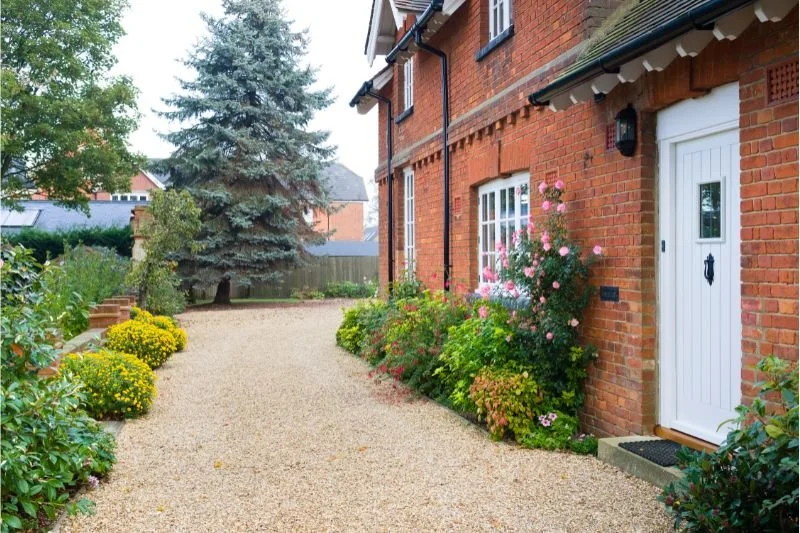
Innovative Driveway Designs for Modern Australian Homes
Have you ever stopped to consider how much your driveway contributes to your home's overall appearance and functionality? As the gateway to your property, driveways play a crucial role in creating that all-important first impression. But what makes a driveway truly stand out in today's modern architectural landscape? How can Australian homeowners strike the perfect balance between practicality and aesthetic appeal when it comes to their driveway design?
Have you ever stopped to consider how much your driveway contributes to your home's overall appearance and functionality? As the gateway to your property, driveways play a crucial role in creating that all-important first impression. But what makes a driveway truly stand out in today's modern architectural landscape? How can Australian homeowners strike the perfect balance between practicality and aesthetic appeal when it comes to their driveway design?
In recent years, the humble driveway has undergone a remarkable transformation. No longer just a utilitarian space for parking vehicles, it has become an integral part of a home's design, contributing significantly to its curb appeal and, by extension, its property value. As modern Australian homes continue to push the boundaries of innovative architecture, the demand for equally sophisticated driveway designs has surged. Homeowners are increasingly recognizing the potential of this often-overlooked space to make a bold statement, seamlessly integrate with the surrounding landscape, and even address environmental concerns.
This comprehensive guide delves into the world of contemporary driveway design, exploring the latest trends, materials, and techniques that are reshaping the way we approach this essential feature of our homes. From sustainable solutions that align with Australia's growing eco-consciousness to cutting-edge patterns that complement modern architectural styles, we'll cover everything you need to know to create a driveway that not only meets your practical needs but also elevates your home's overall aesthetic. Whether you're building a new home, renovating an existing property, or simply looking to refresh your outdoor space, this article will provide you with the insights and inspiration to transform your driveway into a true extension of your home's character and style.
Understanding Your Space: Assessing Your Driveway Needs
Before diving into the exciting world of driveway design, it's crucial to take a step back and assess your specific needs and constraints. Every property is unique, and what works for one home may not be suitable for another. The first consideration should be your property's layout and topography. Is your land flat, sloped, or uneven? The answer to this question will significantly influence your design choices and the materials you can use.
For instance, if you have a steep incline leading up to your home, you'll need to consider drainage solutions and possibly incorporate steps or terracing into your design. On the other hand, a flat property might allow for more flexibility in terms of patterns and layouts. Take the time to walk your property, noting any natural features like trees or rock formations that you'd like to preserve or highlight in your driveway design.
Local council regulations are another critical factor to consider. Each municipality in Australia has its own set of rules governing driveway construction, including width requirements, setbacks from property lines, and permissible materials. It's essential to familiarize yourself with these regulations early in the planning process to avoid costly mistakes or delays. Additionally, consider any homeowners' association guidelines if applicable, as these may impose additional restrictions on design elements or materials.
Materials Matter: Choosing the Right Surface for Your Driveway

When it comes to driveway materials, the choices available to Australian homeowners have never been more diverse. Each option comes with its own set of advantages and considerations, making it crucial to weigh your priorities carefully. Concrete remains a popular choice due to its durability and versatility. Modern concrete driveways are far from boring, with options for stamping, staining, and texturing that can mimic the look of more expensive materials like natural stone.
Pavers offer another versatile option, allowing for endless possibilities in terms of patterns and designs. From classic herringbone to modern geometric layouts, pavers can be arranged to complement any architectural style. They also have the advantage of being easier to repair than solid surfaces, as individual pavers can be replaced if damaged.
For environmentally conscious homeowners, permeable options are gaining traction. These materials allow water to seep through to the ground below, reducing runoff and helping to recharge local groundwater supplies. Options include permeable pavers, porous asphalt, and even reinforced grass systems that provide a solid driving surface while maintaining a green appearance.
Design Elements That Make a Statement
A truly exceptional driveway goes beyond just the surface material. Incorporating thoughtful design elements can elevate your driveway from a mere functional space to a standout feature of your home. One of the most effective ways to enhance your driveway's appeal is through the strategic use of greenery and landscaping. Consider creating borders with native plants that require minimal maintenance and water, or install planters at key points to soften the hardscape.
Lighting is another crucial element that serves both aesthetic and practical purposes. Well-placed lighting can guide visitors safely to your door while creating a warm and inviting ambiance after dark. Solar-powered options are particularly popular in Australia, offering energy efficiency and easy installation. For a modern touch, consider integrating smart lighting systems that can be controlled via your smartphone or programmed to respond to motion sensors.
Integrating your driveway design with your home's overall architecture is key to creating a cohesive look. This might involve echoing materials or colors from your home's exterior in your driveway design, or using similar geometric patterns to create visual continuity. Don't be afraid to think outside the box – a well-designed driveway can be a work of art in its own right, complementing and enhancing your home's architectural features.
Sustainable Driveway Solutions for Eco-Conscious Homeowners
As Australia continues to grapple with environmental challenges, many homeowners are seeking ways to make their properties more sustainable. Driveways, given their substantial footprint, present an excellent opportunity to implement eco-friendly design principles. Water-sensitive urban design (WSUD) is a concept gaining traction in Australian cities, and it can be applied to driveway design to great effect. This approach focuses on managing stormwater runoff, reducing pollution, and conserving water resources.
One way to incorporate WSUD principles into your driveway is through the use of permeable surfaces, as mentioned earlier. These allow rainwater to percolate into the ground, reducing the burden on stormwater systems and helping to prevent flooding. Another option is to design your driveway with a slight slope towards garden beds or rain gardens, where runoff can be naturally filtered and absorbed by plants.
Heat island effect is another environmental concern, particularly in urban areas. Traditional dark-colored driveway materials can absorb and radiate heat, contributing to higher local temperatures. To combat this, consider using light-colored or reflective materials that bounce back solar radiation. Some innovative products even incorporate special pigments that reflect infrared light, keeping surfaces cooler without sacrificing color options.
Innovative Patterns and Layouts
Gone are the days when driveways were limited to simple, straight paths from the street to the garage. Today's designs embrace creativity and individuality, with patterns and layouts that can transform this functional space into a true design feature. Geometric patterns are particularly well-suited to contemporary homes, offering a sleek and modern aesthetic. Consider bold diagonal lines, interlocking shapes, or even optical illusions created through clever use of contrasting materials.
For those who prefer a softer look, curved driveways can add a touch of elegance and interest to your property. These sinuous designs work particularly well on larger lots or in conjunction with landscaped gardens, creating a sense of journey as visitors approach your home. Curved driveways can also be practical, providing better visibility and easier maneuvering for vehicles.
Mixing materials is another trend that's gaining popularity in Australian driveway design. This approach allows you to combine the best qualities of different surfaces while creating visual interest. For example, you might use concrete for the main driving surface but incorporate bands of pavers or natural stone to delineate parking spaces or create decorative borders. This not only adds aesthetic appeal but can also help to break up large expanses of a single material, making your driveway feel more dynamic and intentional.
Conclusion: Driving Home Your Personal Style
As we've explored throughout this comprehensive guide, the world of modern driveway design is rich with possibilities for Australian homeowners. From sustainable materials that align with eco-conscious values to innovative patterns that make a bold architectural statement, there's no shortage of options to elevate your home's curb appeal and functionality. The key to success lies in understanding your unique needs, considering your property's specific characteristics, and aligning your design choices with your overall aesthetic vision.
Remember that your driveway is more than just a place to park your car – it's an opportunity to express your personal style and enhance the value of your home. By carefully considering materials, incorporating thoughtful design elements, and embracing sustainable practices, you can create a driveway that not only meets your practical needs but also becomes a standout feature of your property.
As you embark on your driveway design journey, don't be afraid to think creatively and push boundaries. Consult with professional driveway contractor and draw inspiration from successful projects. With careful planning and a dash of imagination, your driveway can become a true reflection of your home's character and your personal taste. So, take that first step towards transforming this often-overlooked space into a stunning introduction to your home – after all, first impressions do count, and your driveway is leading the way.

