

A resource for those seeking information on organizing and transforming spaces.

Incorporating a Breakfast Bar in Kitchen Design
When I'm on-site consulting about breakfast bar installations, I often tell my clients that this seemingly simple addition can transform the entire kitchen flow dynamics. Let me walk you through the architectural considerations that make a breakfast bar not just an eating space but a pivotal design element.
We partnered with a home design company for this post. The opinions in the post are honest. All reviews and opinions expressed in this post are based on our personal views. We are excited because we know you will love it.

When I'm on-site consulting about breakfast bar installations, I often tell my clients that this seemingly simple addition can transform the entire kitchen flow dynamics. Let me walk you through the architectural considerations that make a breakfast bar not just an eating space but a pivotal design element.
Spatial Planning Fundamentals
The golden rule in breakfast bar design is the 60-30-10 principle: 60% functionality, 30% aesthetics, and 10% flexibility. When I recently renovated the Peterson residence, we had to work around their existing kitchen cabinet brands while maintaining proper clearances. Here's what you need to know about spatial requirements.
Critical Measurements
Let's talk numbers. The optimal breakfast bar height ranges from 90-107cm (36-42 inches), depending on whether you're going for counter or bar height. I typically recommend 102cm (40 inches) – it's the sweet spot for both seated comfort and standing interactions.
For seating clearance, calculate:
Width per person: minimum 60cm (24 inches)
Knee depth: 30cm (12 inches)
Overhang requirement: 25-30cm (10-12 inches)
Linear circulation zone: 100cm (39 inches)
Structural Integration
Load-Bearing Considerations
Here's where it gets technical. For a cantilevered breakfast bar, we're looking at significant moment forces. I calculate using the formula: Maximum moment (M) = (w × l²) / 2 where w = distributed load (typically 2.5 kN/m²) and l = cantilever length
Support Systems
When I designed the Martinez kitchen, we implemented a hybrid support system:
Integrated corbel supports rated at 150kg per pair
Steel flat bar reinforcement (40mm × 5mm)
Structural adhesive bonding for the countertop material
Material Selection Matrix
Surface Materials
In my 15 years of kitchen design, I've learned that material selection can make or break a breakfast bar. Currently, I'm seeing excellent performance from:
Engineered quartz: 30mm thickness provides optimal structural integrity while maintaining visual lightness. The compression strength (>150 MPa) makes it ideal for cantilevered designs.
Natural stone: When using granite, I specify minimum 40mm thickness for spans exceeding 1200mm. Remember to account for the additional load on your supporting structure – granite weighs approximately 28kg/m².
Lighting Design Integration
Task vs. Ambient
The breakfast bar zone requires a minimum of 300 lux for comfortable daily use. I typically design a three-layer lighting scheme:
Pendant lights should hang 70-75cm above the counter surface. For a 2-meter bar, I recommend three pendants spaced 60cm apart, creating overlapping light pools with a colour temperature of 2700-3000K.
Storage Integration
Working with various kitchen cabinet brands has taught me that the back panel of a breakfast bar presents prime storage opportunities. In the Thompson project, we incorporated:
A recessed panel system allows for:
Hidden electrical outlets (required by code every 1200mm)
Concealed storage nooks
Integrated USB charging ports
Ventilation Considerations
When positioning near cooking zones, maintain a minimum 900mm clearance from any gas cooktop. I always integrate a localized ventilation solution with a minimum extraction rate of 400m³/h if the breakfast bar is within 1.5m of the cooking zone.
Ergonomic Optimization
Seating Ergonomics
The science of seating comfort is crucial. I specify stools with:
Seat depth: 38-42cm
Footrest height: 30cm from floor
Backrest angle: 5-10 degrees
Smart Technology Integration
Modern breakfast bars often serve as command centres. I recently completed a design incorporating the following:
Inductive charging zones
Pop-up power modules
Integrated smart display panels
Future-Proofing Considerations
Always design with adaptability in mind. I include:
Modular support systems
Adjustable height mechanisms
Expandable surface options
Project Execution Timeline
Typical installation sequence:
Structural preparation (2-3 days)
Support system installation (1 day)
Surface installation (1 day)
Finishing and detailing (1-2 days)
Cost Optimization
For budgeting purposes, here's my typical breakdown:
Basic installation: $1,200-2,500
Mid-range with custom features: $2,500-4,000
High-end with smart integration: $4,000-7,000+
Maintenance Protocols
To ensure longevity, I provide clients with a maintenance schedule based on material selection and usage patterns. Typically, this includes:
An annual inspection of:
Support system integrity
Sealant conditions
Surface material stability
Electrical component function
Conclusion
A well-designed breakfast bar is more than just an eating surface – it's an architectural statement that can enhance both the functionality and value of your kitchen space. As I always tell my clients, "Design for the morning rush, but plan for the evening entertainment."
Remember, whether you're working with premium kitchen cabinet brands or creating a custom solution, the key is integrating proper structural support with thoughtful design elements. When executed correctly, a breakfast bar becomes not just a functional element but a central feature that defines the entire kitchen space.
Quick Guide: Your Top Breakfast Bar Questions Answered
What's the ideal breakfast bar overhang and height?
For optimal comfort, I recommend a 30cm (12-inch) overhang and a height of 102cm (40 inches) from the floor. This configuration works perfectly with most kitchen cabinet brands and provides enough knee room for comfortable seating while maintaining proper ergonomics for both seated and standing interactions. If you're going for a more traditional counter-height installation, 90cm (36 inches) will align with your existing countertops.
How many people can I seat at my breakfast bar?
A good rule of thumb is to allow 60cm (24 inches) width per person plus 30cm (12 inches) total buffer space. This means a standard 2.4-meter breakfast bar comfortably seats four people while maintaining proper elbow room and ensuring comfortable dining without feeling cramped.
What's the best material for a heavily used breakfast bar?
Based on 15 years of kitchen installations, I consistently recommend engineered quartz for breakfast bars. It offers the best combination of durability, stain resistance, and easy maintenance while typically costing between $85-150 per square foot installed. It's virtually indestructible under normal use and doesn't require sealing like natural stone does.
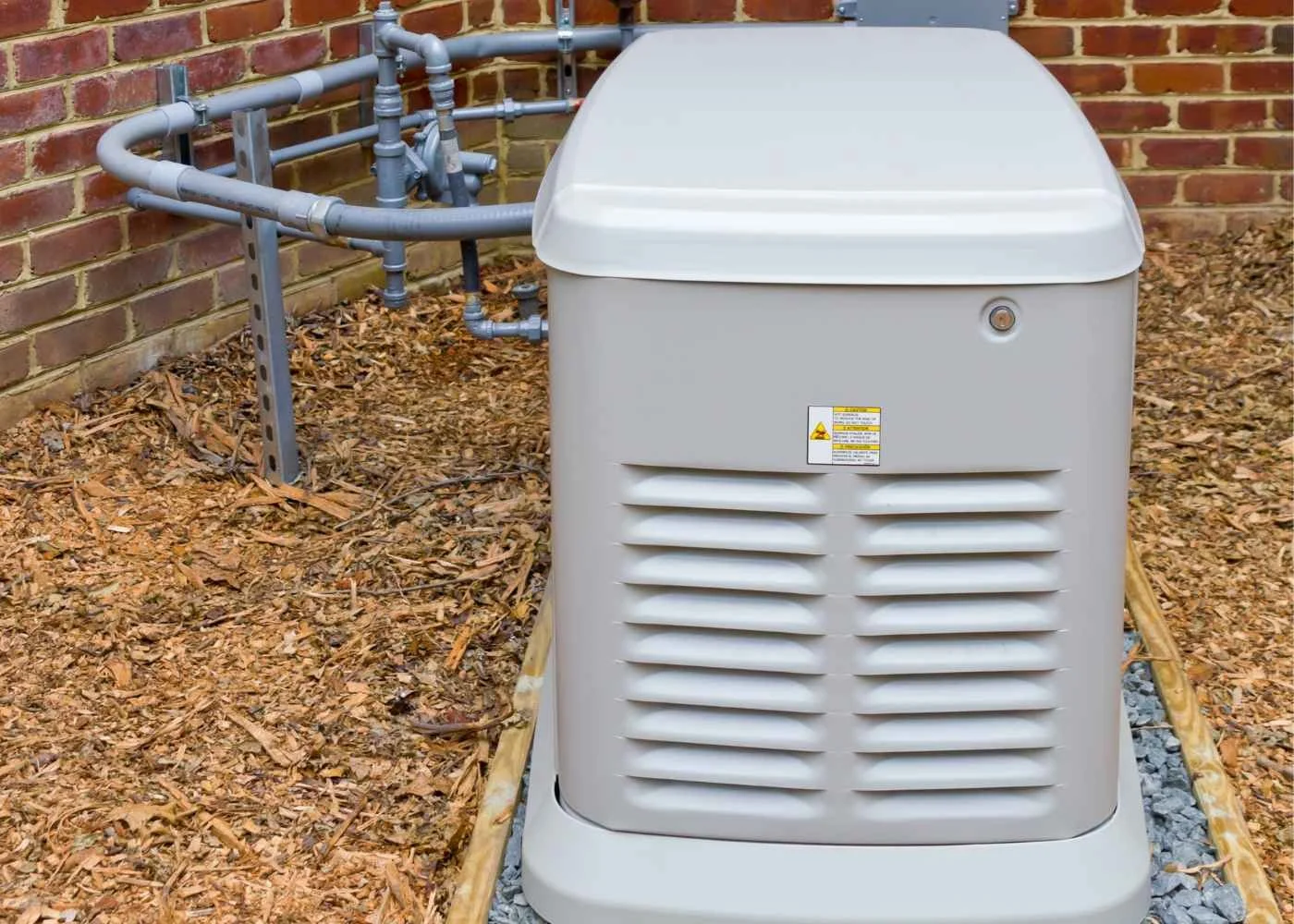
Top 5 Benefits of Home Generator Installation
Power outages can disrupt both comfort and convenience in today's world, where electricity is the lifeline of our daily activities. Homeowners increasingly find home generators an essential part of maintaining normalcy during unexpected power disruptions. Whether due to inclement weather or grid failures, having a reliable backup can make all the difference. This article explores the key benefits homeowners can expect when installing a home generator, laying out why this investment could be as vital as any other home improvement.
Power outages can disrupt both comfort and convenience in today's world, where electricity is the lifeline of our daily activities. Homeowners increasingly find home generators an essential part of maintaining normalcy during unexpected power disruptions. Whether due to inclement weather or grid failures, having a reliable backup can make all the difference. This article explores the key benefits homeowners can expect when installing a home generator, laying out why this investment could be as vital as any other home improvement.
Ensures Uninterrupted Power Supply
Power outages are not only inconvenient but can also pose significant challenges, especially for those who work from home or have medical equipment that requires constant power. A home generator provides a seamless transition from grid electricity to backup power the moment an outage occurs, ensuring that all essential services continue to function without a hitch. This uninterrupted supply means that daily routines, from making your morning coffee to running essential appliances, go on without a break. Furthermore, reliable power ensures safety, keeping security systems and lighting operational, deterring potential threats during blackouts.
Beyond the immediate conveniences, a consistent power supply safeguards sensitive electronics. Sudden outages and surges can damage computers, TVs, and other devices, leading to costly repairs or replacements. Generators mitigate this risk, offering peace of mind that your valuable electronics are protected. Homeowners can also appreciate the ability to maintain communication by keeping Wi-Fi routers and phones charged, ensuring connectivity with the outside world during emergencies.
Increases Home Value
The installation of a home generator can significantly enhance the market value of your property. Potential buyers view generators as a desirable feature, particularly in areas prone to severe weather or frequent outages. This added value stems from the assurance it provides in maintaining comfort and functionality, even when the grid fails. By offering a degree of self-reliance, generators make a home more appealing to tech-savvy buyers and those with critical electrical needs.
Furthermore, a generator represents a long-term investment in home resilience. Not only does it enhance the property's attractiveness, but it also distinguishes it in a competitive real estate market. Buyers are increasingly inclined towards homes with features that ensure minimal interruption to their lifestyle. Additionally, having a generator can sometimes be a bargaining chip, potentially allowing sellers to negotiate higher sale prices. This strategic advantage highlights that installing a generator is not just about immediate convenience but also about future financial gain.
Protects Against Financial Losses
Power outages often lead to unexpected expenses that can strain household budgets. Refrigerated and frozen foods can spoil quickly, resulting in waste and the cost of restocking. For businesses run from home, outages mean lost productivity, missed deadlines, and potentially dissatisfied customers. A home generator eliminates these concerns by maintaining power continuity, thus protecting against such financial losses.
Additionally, extended outages can necessitate temporary relocations to hotels or other accommodations, further escalating costs. With a generator, homeowners can avoid these expenses, staying comfortable and secure within their own homes. The cost of installing a generator often pales in comparison to the cumulative financial losses incurred during repeated outages. In essence, a generator acts as an insurance policy, safeguarding against the unpredictability of power interruptions.
Beyond immediate savings, the long-term financial benefits are also compelling. Ensuring continuous operation of heating systems during winter outages prevents frozen pipes and costly repairs. Likewise, maintaining operational sump pumps during storms averts basement flooding and water damage. These preventive measures underscore the financial prudence of investing in a home generator, emphasizing its role in long-term home protection.
Enhances Safety and Comfort
Safety is a paramount concern for homeowners, and a home generator plays a crucial role in enhancing it. During power outages, homes become vulnerable to accidents due to lack of lighting and non-functional security systems. Generators provide the necessary power to keep lights on, maintaining visibility and reducing the risk of falls or other accidents. They also ensure that security systems remain operational, offering peace of mind and protection against intruders.
In terms of comfort, maintaining indoor temperatures is essential, particularly in extreme weather conditions. Generators enable heating and cooling systems to function, safeguarding the well-being of all household members. Beyond basic climate control, preserving access to entertainment and communication devices keeps spirits high during prolonged outages. The psychological impact of knowing that your home remains a safe haven, regardless of external circumstances, cannot be overstated.
Additionally, generators support the operation of important appliances like refrigerators and freezers, preventing food spoilage and ensuring access to essentials. They also enable the use of stoves and microwaves, allowing families to continue preparing meals without disruption. Collectively, these factors contribute to a sense of normalcy and stability, reducing stress and improving overall quality of life during challenging times.
Eco-Friendly Options Available
For environmentally conscious homeowners, advances in generator technology offer greener solutions that align with sustainable living practices. Modern generators are designed to be more fuel-efficient, reducing emissions compared to older models. Some even use alternative fuels such as natural gas, which burns cleaner than gasoline or diesel. This shift towards eco-friendliness means that homeowners can enjoy the benefits of a generator without compromising their environmental values.
Additionally, integrating renewable energy sources, like solar panels, with battery storage systems presents a hybrid approach to power generation. These systems can store excess energy during sunny days and utilize it during outages, reducing reliance on fossil fuels altogether. For those looking to reduce their carbon footprint, these solutions are increasingly viable and cost-effective, providing backup power while contributing to a sustainable future.
Furthermore, many modern generators come equipped with smart technology that optimizes energy use and provides real-time monitoring of energy consumption. This allows homeowners to track and manage their energy usage more effectively, minimizing waste and maximizing efficiency. By choosing eco-friendly options, homeowners can enjoy the reliability of backup power while supporting broader environmental goals, demonstrating that preparedness and sustainability can go hand-in-hand.
Final Thoughts
The decision to install a home generator offers numerous benefits that extend beyond mere power continuity. From enhancing your home's value to providing financial protection and ensuring the safety and comfort of your family, generators are a wise investment for every homeowner. The ability to maintain normalcy during power outages, coupled with the option to choose eco-friendly solutions, makes this a compelling choice. For those pondering the next step in home improvement, considering a home generator might just be the upgrade that brings unmatched peace of mind and value. To explore further, homeowners may want to consult with specialists from trusted companies like All Phase Electric Service, who can tailor solutions to their specific needs, ensuring optimal performance and satisfaction.
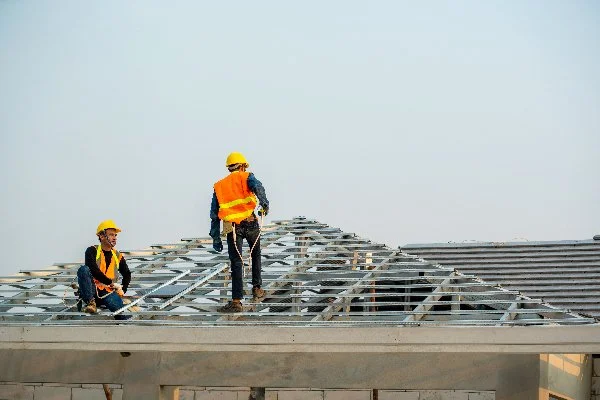
Preparing Your House for a Roof Replacement
Replacing your roof is a significant home improvement project that requires a lot of planning and preparation. This blog post offers practical advice on how to ready your home for this endeavor, ensuring a smoother process and helping to minimize potential disruptions. From clearing outdoor spaces to protecting belongings inside your home, each step is designed to facilitate a safe and efficient roof replacement. Additionally, effective communication with neighbors and collaboration with professional roofers can enhance the experience, providing peace of mind as you undertake this important upgrade to your property.
Replacing your roof is a significant home improvement project that requires a lot of planning and preparation. This blog post offers practical advice on how to ready your home for this endeavor, ensuring a smoother process and helping to minimize potential disruptions. From clearing outdoor spaces to protecting belongings inside your home, each step is designed to facilitate a safe and efficient roof replacement. Additionally, effective communication with neighbors and collaboration with professional roofers can enhance the experience, providing peace of mind as you undertake this important upgrade to your property.
Clear the Area Around Your Home
Before your roof replacement begins, it's important to clear the area around your home. Shifting lawn furniture, garden tools, grills, and decorations to a safe location reduces the risk of accidental damage from falling debris. This ensures the workers have a spacious and clutter-free environment to maneuver, which might also expedite the process. Additionally, consider moving plants that are close to the house or covering your garden beds with a tarp for protection. This proactive measure helps minimize potential disturbances and keeps your outdoor environment intact during the work.
Protect Items Inside Your Home
Roof replacement can generate a significant amount of dust and vibrations that might affect items inside your home. It's a good idea to cover or temporarily move delicate or valuable items away from the walls. Situating fragile items or electronics in a safe zone can prevent them from being unsettled during the roofing activity. Although working inside the home might seem unrelated, protecting items in the attic or top floors can be particularly beneficial due to their proximity to the roof. You may want to consider temporarily moving your items to a self-storage facility, like Tysons Self Storage, so that everything stays out of the way and not all cluttered in another area of your home. Taking these precautions helps to keep your belongings safe and undamaged during the intense work on the roof.
Section Off Areas Prone to Falling Debris
During the roof replacement, it is advisable to section off parts of your property where you anticipate debris might become an issue. This involves identifying zones directly beneath roof edges or places where workers will be active. Using flags or temporary fencing can act as a visual cue for family members, especially children, to stay clear of these areas. Marking these zones can maintain safety and prevent accidents during the project. Ensuring these sections are visibly marked and communicated is an important part of the preparation process for a roof replacement project.
Communicate with Neighbors
It’s considerate to inform your neighbors about the upcoming roof work. Noise and increased activity are common with a roofing job, and providing a heads-up prepares them for any temporary inconvenience. Sharing the expected timeline of the project can ease potential concerns about noise or disrupted traffic in the neighborhood. Your neighbors will appreciate your thoughtfulness, and you can also use this opportunity to discuss parking arrangements or access needs. Maintaining transparency with those around you can enhance community relations and avoid unnecessary misunderstandings during the project.
Collaborate with Professional Roofers
Collaborating with professional roofers ensures that your roof replacement is handled efficiently and reliably. Experienced roofers, like those at Sykes Roofing, bring expertise and the right tools to manage the complexities involved with replacing a roof. They can provide advice on suitable materials for your specific climate and aesthetic preferences. Moreover, professionals usually understand local building codes and will ensure that all work is compliant with regulations. Establishing clear communication lines with the roofing team will facilitate a smoother process and help address any questions or concerns you may have during the project.
Preparing for a roof replacement may feel like an overwhelming task, but with the right approach, you can manage it smoothly. Taking steps to clear and protect both the interior and exterior of your home safeguards your property from unnecessary mess and damage. By sectioning off areas and communicating with neighbors, you contribute to a safer and more pleasant environment for everyone involved. Collaborating with experienced professionals ensures your project is executed with care and precision. With these preparations, you are all set to move forward confidently with your roof replacement.

Why Your Old Front Door Might Be Costing You More on Energy Bills
Your front door is more than just an entryway; it plays a crucial role in your home’s security, aesthetics, and energy efficiency. While we often focus on windows, insulation, and heating systems when it comes to reducing energy costs, the front door is an often-overlooked culprit that could be quietly driving up your energy bills.
We partnered with a home improvement company for this post. The opinions in the post are honest. All reviews and opinions expressed in this post are based on our personal views. We are excited because we know you will love it.

Your front door is more than just an entryway; it plays a crucial role in your home’s security, aesthetics, and energy efficiency. While we often focus on windows, insulation, and heating systems when it comes to reducing energy costs, the front door is an often-overlooked culprit that could be quietly driving up your energy bills.
An old, inefficient front door can let drafts in, allowing hot or cool air to escape and forcing your heating or cooling system to work harder to maintain the desired indoor temperature. If you haven’t considered the condition of your front doors, it might be time to take a closer look—because upgrading could save you money in the long run.
1. The Role of Your Front Door in Energy Efficiency
Your front door is a key barrier between the interior of your home and the outdoor environment. When it's in good condition and properly insulated, it helps to keep your home warm in the winter and cool in the summer by preventing air leakage. However, older front doors, especially those made from outdated materials or lacking proper insulation, can allow unwanted air exchange.
If you’re noticing drafts near the entrance, or if the area around the door feels noticeably warmer or cooler than the rest of the house, your door might be to blame. Replacing or upgrading your door with an energy-efficient option can lead to significant savings on your energy bills by reducing the workload on your heating and cooling systems.
2. Signs Your Old Front Door is Inefficient
So how do you know if your front door is contributing to higher energy bills? Here are some common signs that your front door might be costing you more than you realise:
Visible gaps or cracks: Over time, doors can warp or shift, leaving small gaps or cracks between the door and the frame. These gaps allow air to escape, forcing your HVAC system to work harder to maintain the indoor temperature.
Feeling a draft: If you can feel a noticeable draft around your door, particularly at the bottom or sides, it’s a clear indicator that your door is not sealing properly.
Cold or warm spots near the door: When standing near the door, if you feel a significant difference in temperature compared to other areas of the house, your door’s insulation may be failing.
Rising energy bills: If you’ve noticed a steady increase in your energy bills without any significant changes to your household’s energy consumption, your front door could be part of the problem.
Moisture or condensation: If you see condensation or moisture around your door or windows, this could indicate that the seal is no longer effective, allowing warm, humid air to mix with cooler air, reducing energy efficiency.
3. How Old Doors Affect Heating and Cooling Costs
Older doors, especially those made from wood or outdated metal, often lack the insulation needed to prevent heat transfer. Heat transfer occurs when the warm air inside your home escapes during the winter or when cool air leaks out during the summer. When your home loses air through inefficient doors, your heating and cooling system has to compensate, working harder and using more energy.
This constant cycling of your HVAC system leads to higher energy bills, as more energy is required to maintain a stable temperature. For example, during the summer months, if cool air is escaping through the front door, your air conditioning unit will have to run longer to keep the house cool, resulting in higher electricity costs.
In addition, older doors may have damaged or ineffective weatherstripping, allowing drafts to enter the home. Replacing or upgrading the weatherstripping around your door is a cost-effective way to reduce drafts and improve energy efficiency, but sometimes the entire door needs to be replaced to see significant savings.
4. Energy-Efficient Door Options
If your current front door is costing you more on energy bills, it might be time to consider replacing it with an energy-efficient option. Modern front doors are designed with energy efficiency in mind, using better materials and insulation techniques to keep your home comfortable year-round. Here are some popular energy-efficient door options:
Fibreglass doors: Fibreglass doors are highly energy-efficient due to their excellent insulation properties. They’re also resistant to warping, cracking, and rotting, making them durable and long-lasting. Fibreglass doors can be made to look like wood, offering aesthetic appeal with the added benefit of energy savings.
Steel doors: Steel doors are another energy-efficient option, often filled with foam insulation to prevent heat transfer. They are durable and provide excellent security, but they may be prone to dents and scratches over time.
Wood doors with insulated cores: While solid wood doors are beautiful, they are not always the most energy-efficient. However, modern wooden doors with insulated cores can offer the warmth and charm of wood while improving energy efficiency.
Double or triple-pane glass doors: If your front door has glass panes, consider upgrading to double or triple-pane glass, which provides better insulation than single-pane glass. Look for doors with low-emissivity (Low-E) glass, which reflects heat and helps maintain a consistent indoor temperature.
When choosing a new front door, it’s essential to look for the Energy Star label, which indicates that the door meets the highest standards for energy efficiency.
5. Additional Ways to Improve Door Efficiency
If replacing your front door isn’t in the budget just yet, there are still steps you can take to improve its energy efficiency. Here are a few simple upgrades you can make:
Install or replace weatherstripping: Weatherstripping helps seal the gaps around your door, preventing drafts and air leaks. It’s relatively inexpensive and easy to install yourself.
Add a door sweep: A door sweep is a simple device attached to the bottom of your door to block air from entering or escaping through the gap between the door and the floor. Installing a door sweep can significantly reduce drafts.
Caulk around the door frame: Use caulk to seal any cracks or gaps between the door frame and the wall. This will help prevent air leaks and improve energy efficiency.
Use thermal curtains: If your front door has a large glass panel or windows, consider adding thermal curtains or blinds to block drafts and keep the interior temperature stable.
6. The Long-Term Benefits of an Energy-Efficient Front Door
Investing in an energy-efficient front door doesn’t just save you money on energy bills—it can also improve the overall comfort of your home and boost its resale value. With better insulation and reduced drafts, you’ll enjoy a more consistent indoor temperature, fewer cold spots, and a quieter, more comfortable living space.
Additionally, energy-efficient doors often come with enhanced security features, such as reinforced frames and better locking mechanisms, providing peace of mind for homeowners. Plus, upgrading your door can enhance the curb appeal of your home, making it more attractive to potential buyers if you decide to sell in the future.
Final Thoughts
Your front door plays a larger role in your home’s energy efficiency than you might think. An old, inefficient door can contribute to rising energy bills by allowing air to escape and forcing your heating or cooling system to work harder. By recognising the signs of inefficiency and either upgrading or replacing your door with a more energy-efficient model, you can significantly reduce your energy costs while making your home more comfortable.
Whether you choose a fibreglass, steel, or insulated wood door, or simply opt to improve the seals around your current door, addressing the inefficiency of your front door is a smart investment in your home’s energy performance and long-term savings.

