

A resource for those seeking information on organizing and transforming spaces.

How To Plan The Perfect Home Bar: A Step-By-Step Guide
Imagine it. You walk in after a hard day. Your home bar is waiting for you, inviting you to make yourself a cool drink. If you long for the ability to pull up a chair with a glass of your favorite suds enjoying time with family and friends right in your own home, you should know that it’s easier than you think. With this step-by-step guide, you can build the home bar of your dreams.

Imagine it. You walk in after a hard day. Your home bar is waiting for you, inviting you to make yourself a cool drink. If you long for the ability to pull up a chair with a glass of your favorite suds enjoying time with family and friends right in your own home, you should know that it’s easier than you think. With this step-by-step guide, you can build the home bar of your dreams.
Select a Location
Before you can start designing your home bar, you must choose a location in your home that will accommodate everything you need. Think about what you want to have in the bar. Do you want a small space for mixing drinks in your dining room? Or would you rather have a dedicated entertainment space for the bar, perhaps in the basement or on the patio? Make a list of furniture and appliances you’ll need. Consider using an augmented reality app to help you test out different configurations and confirm that you have enough space for everything you want.
Create a Functional Layout
Once you have the location, you can start to create a floor plan. Although a home bar could be a work of art, it should also be functional. Set a reasonable bar height, 42 inches for most people. If you want seating at the bar, be sure to leave at least 24 inches per seat. Avoid overcrowding the countertop, as you’ll need room to mix drinks (and possibly prepare snacks). Don’t forget about storage. If you’re going to keep your appliances below the counter, consider shelves or upper cabinets for the barware.
Identify Your Style
With a general layout in mind, you can brainstorm the best style for your bar. Think about the aesthetic that you’re hoping for. Do you long for a design that reminds you of a Victorian country home? Aim for lots of wood and gentle curves. Would you prefer to keep it simple? Consider open shelving and clean lines. Dying for a maximalist style? Go wild with wallpaper and intricate tilework. Just make sure that the design works with the rest of the space, using a cohesive color palette or other common design elements.
Choose Equipment and Barware
Now that you have a layout and general style for the bar, you can start to choose equipment and barware. Consider appliances that will keep your bottles and cans at the perfect temperature for serving, such as a beer cooler or wine fridge. Install a sink with a hot water line for easy cleanup. For barware, make sure that you cover bases with bar tools, such as a blender or shaker. Add glasses for your favorite drinks, including wine glasses, beer mugs, and highball glasses.
Stock the Bar
With everything in place, you just need to stock the bar. Depending on your tastes, filling out the bar can be a budget-buster. Measure the space, and plan to make multiple trips to the store. Cover the bases, including the most common spirits, a few bottles of wine, and your favorite beers. Remember to include mixers and garnishes, like cola or cherries. Aim for a smaller selection of your favorites instead of trying to get everything at once. You’ll need to be able to grab the bottles without causing the others to topple.
Building a home bar can give you a great space to relax or entertain, with everything you want for a wonderful night. By following this guide, you’ll know what you need to make the perfect bar for your home.
Author bio: Trevor Crivello is the founder and President of Iron Mountain Refrigeration and has a decade of experience in commercial refrigeration. Iron Mountain Refrigeration supplies commercial refrigeration equipment to fast-casual restaurants ranging from small operations to large national chains. Crivello leads Iron Mountain Refrigeration with a passion for quality and a devotion to providing the highest level of customer service.
SOURCES
https://www.luxlampshades.com/blogs/lux-blog/designing-your-home-bar-a-step-by-step-guide
https://homegamesroom.co.uk/blogs/home-bar-setup-and-essentials/setting-up-a-home-bar-a-step-by-step-guide

Organizing a Hybrid Move: Combining DIY and Professional Services for Efficiency
Organizing a hybrid move lets you combine DIY efforts with professional moving services. Learn how to balance tasks efficiently.
When relocating, organizing a hybrid move is an effective way to balance cost, time, and effort. This method combines the do-it-yourself (DIY) approach with professional moving services. It allows you to manage certain aspects of the move yourself while leaving others to trained movers. By blending these strategies, you can achieve a smooth and efficient transition to your new home, even if you are preparing your first move.
What Is a Hybrid Move?
A hybrid move combines the flexibility and cost-saving benefits of DIY moving with the reliability and convenience of professional services. It allows you to take charge of tasks you feel confident handling while outsourcing those requiring special skills or equipment. For example, you might pack your belongings and hire movers for transportation, or you could handle smaller items and leave heavy furniture to pros.
Benefits of Organizing a Hybrid Move
The primary benefit of a hybrid move is flexibility. You can adjust the arrangement to suit your needs and budget. It also gives you more control over the process while reducing the physical strain and risks associated with moving large or fragile items. Additionally, splitting tasks between yourself and professionals often results in significant cost savings compared to hiring a full-service moving company. By combining efforts, you might discover surprising benefits during the moving process:
Build Teamwork: Packing and organizing together strengthens bonds and keeps the process enjoyable.
Learn Efficient Packing: You’ll gain practical skills in organizing and packing, which can be useful in future situations.
Rediscover Forgotten Items: Sorting through belongings often uncovers meaningful memories or forgotten treasures.
Reduce Moving Waste: DIY efforts allow you to recycle and donate items directly, cutting down on unnecessary waste.
By embracing these unexpected perks, your hybrid move can become a productive and rewarding experience beyond just relocation.
Planning Your Hybrid Move
Organizing a hybrid move requires careful planning. Start by assessing the scope of your relocation. List all tasks involved, such as packing, loading, transportation, unloading, and unpacking. Identify which tasks you can handle independently and which ones would benefit from professional assistance.
Next, establish a clear timeline. Begin packing non-essential items well in advance, leaving essential items closer to your move date. Communicate with your chosen moving company to coordinate schedules and confirm the services they will provide.
Choosing the Right Moving Company

Selecting the right moving company is crucial for a successful hybrid move. Look for movers with experience in hybrid setups who offer customizable services. For example, companies like peasleyboisemovers.com provide flexible solutions. This ensures you only pay for what you need while benefiting from experienced movers for the most challenging aspects of your move.
Leveraging Professional Services for Heavy Lifting
While DIY efforts work well for packing and organizing, handling heavy furniture and appliances is best left to professionals. Trained movers have the equipment and expertise needed to transport these items safely, reducing the risk of damage to your belongings or injury to yourself. Many moving companies also offer specialized services for handling pianos, antiques, and other valuables.
Packing Tips for DIY Tasks
Packing is one of the most common DIY tasks in a hybrid move. To maximize efficiency, start by decluttering your home and removing items you no longer need. Use sturdy boxes, packing tape, and bubble wrap to protect your belongings. Label each box clearly with its contents and the room it belongs to in your new space.
Fragile items, such as glassware and electronics, require extra care. Wrap them individually and place them in padded containers. For larger or more delicate pieces, it may be better to leave some tasks to pros, especially for the most challenging parts of DIY moving.
Transportation and Logistics

Hybrid moves also allow you to save on transportation costs. If you can access a truck or van, you can prepare and pack a moving van with lighter items yourself. Hiring a professional moving company for larger loads or longer distances ensures reliability and efficiency. Coordination is key—plan your routes, confirm delivery schedules, and ensure you have enough manpower for loading and unloading.
Streamlining Your Move
To make your hybrid move as seamless as possible, keep communication open between all parties involved. Share your moving plan with family members, friends, or anyone helping with the DIY portion. For professional movers, provide clear instructions about what you expect them to handle. Stay organized, follow top tips for a successful move, and minimize confusion and delays.
Budgeting for a Hybrid Move
One of the advantages of organizing a hybrid move is its cost-effectiveness. However, careful budgeting is essential to avoid unexpected expenses. Allocate funds for professional services, packing materials, and potential transportation costs. Comparing quotes from multiple movers, such as peasleyboisemovers.com, can help you find the best value for your needs.
Handling Unpacking Efficiently
Unpacking can be just as overwhelming as packing. To stay organized, unpack one room at a time, starting with the essentials. If you’ve hired movers for transportation, they can help unload heavy items directly into their designated spaces, saving you time and effort. For non-essential items, take the time to arrange them properly in your new space.
Benefits of Delegating Tasks

A hybrid move works best when responsibilities are divided effectively. Taking on too much can lead to stress and fatigue. By leaving some tasks to pros, you ensure the most challenging parts of the move, such as handling heavy items or navigating logistics, are managed efficiently. This delegation saves time and reduces the risk of damage or accidents.
Conclusion: Combining DIY and Professional Services for Efficiency
Organizing a hybrid move combines the best DIY and professional services, offering flexibility and efficiency for your relocation. By taking control of tasks you can handle and outsourcing those that require expertise, you create a balanced approach that saves time and money. Whether you’re managing a local or long-distance move, careful planning and collaboration with experienced movers ensure a smooth transition. Start planning your hybrid move today for a stress-free and efficient relocation experience.

Building on Solid Ground: Why Seismic Testing is Non-Negotiable in Construction
Is the ground underneath us solid enough to support what we're building? This is the fundamental question that every construction project starts with. One cannot stress how crucial it is to maintain this stability. By giving engineers and contractors vital information about the earth, seismic testing enables them to design long-lasting, safe constructions. Here's why you can't afford to forego seismic testing.
Is the ground underneath us solid enough to support what we're building? This is the fundamental question that every construction project starts with. One cannot stress how crucial it is to maintain this stability. By giving engineers and contractors vital information about the earth, seismic testing enables them to design long-lasting, safe constructions. Here's why you can't afford to forego seismic testing.
Comprehending Seismic Testing
Analyzing the physical characteristics of the rock and soil underlying a building site is known as seismic testing. This method gives important information about the stability of the ground by determining how it responds to vibrations. Geotechnical specialists can identify possible dangers such as loose soil, fault lines, or subterranean cavities by employing sophisticated technology. Important choices regarding design, materials, and construction techniques are influenced by these findings.
Preventing Structural Failures
The stability of a structure is greatly influenced by the ground beneath it. Finding flaws that can jeopardize a building's foundation is made easier with seismic testing. Contractors run the danger of constructing on unstable soil without conducting enough testing, which could result in expensive repairs or, worse, structural disasters. Seismic testing guarantees that building is carried out on stable, solid ground by identifying these problems early.
Customizing Designs for Regional Situations
Soils differ from one another. Depending on the site, the ground's properties can differ significantly, thus what works for one project might not work for another. Seismic testing tailors construction designs to the specific conditions of the site. For example, areas with sandy or loose soil may require deeper foundations or soil reinforcement techniques. Customizing the approach ensures that the building can withstand its environment.
Importance of Ground Vibration Measurement
Ground vibration measuring studies, which evaluate the effects of vibrations on nearby structures and soil, are a crucial component of seismic testing. The ground may become unstable or adjacent buildings may sustain damage due to vibrations from construction activities like drilling or heavy machinery. By giving a detailed picture of how vibrations will impact the area, a seismic testing survey reduces these hazards. The project and its surroundings are safeguarded by this proactive approach.
Compliance with Safety Regulations

For good reason, one of the most strictly regulated sectors is construction. Priority one must always be safe. Particularly in seismically active regions, many jurisdictions mandate seismic testing as part of the permitting process for new construction. In addition to avoiding legal repercussions, following these rules shows a dedication to ethical building methods.
Conserving Money and Time
In the long run, seismic testing saves money, even if it may first appear to be an extra expense. Early detection of ground instability helps avoid costly mid-project modifications, delays, and repairs. Additionally, it lessens the possibility of long-term problems that can jeopardize the building's security. Seismic testing up front guarantees a more economical use of resources and expedites the building process.
Keeping Structures Long-Lived
Structures are made to endure for decades or perhaps millennia. Even the best-designed constructions may eventually settle, crack, or tilt if they are not supported by a sturdy foundation. The information required to build long-lasting foundations is provided by seismic testing. Contractors may provide projects that are safe and functional for centuries to come by taking care of possible problems before they become problems.
Reducing Environmental Hazards
Building frequently occurs in locations with pre-existing infrastructure or delicate ecosystems. The effects of construction operations on these surroundings are lessened with the use of seismic testing. For example, testing can identify areas where vibrations might harm nearby wildlife habitats or disrupt water flow. This information allows contractors to adjust their methods to minimize environmental damage.
Building Confidence Among Stakeholders
Every construction project involves a variety of stakeholders, from developers and engineers to investors and future occupants. Seismic testing builds confidence by providing concrete data about ground conditions. Stakeholders can rest assured that the project is rooted in safety and stability, fostering trust and collaboration throughout the process.
Developing Solutions for Regions at Risk of Earthquakes

The stakes are significantly higher in seismically active areas. When developing buildings that can resist earthquakes, seismic testing is essential. The information is used by engineers to design elements that lessen damage during seismic occurrences, such as flexible materials or shock-absorbing foundations. In addition to saving lives, this planning lessens the financial toll that natural disasters take.
Seismic testing is the cornerstone of safe, responsible building and goes much beyond a technical requirement. It offers the knowledge required to construct long-lasting structures, from detecting subsurface instability to guaranteeing regulatory compliance. By funding seismic testing, you're securing not only a building project but also the future of the communities and individuals who will depend on it. Not only is it a metaphor, but building on firm footing is essential to success.
Small and Simple Repairs to Make Around the House Before You Move
Before you hand over the keys, it’s essential to fix up certain parts of your home. Small repairs can make a big difference in how potential buyers or renters perceive the property, potentially speeding up the process and even adding to its value. Here’s a list of the most impactful yet simple fixes to tackle before you move out.
Before you hand over the keys, it’s essential to fix up certain parts of your home. Small repairs can make a big difference in how potential buyers or renters perceive the property, potentially speeding up the process and even adding to its value. Here’s a list of the most impactful yet simple fixes to tackle before you move out.
Patch Up Nail Holes and Scratches on Walls
Walls endure wear and tear over time, accumulating nail holes from artwork and scratches from daily activities. Addressing these imperfections can significantly enhance a home’s appearance, giving it a fresh and polished look. To tackle this, use a lightweight spackle to fill in nail holes, then sand the area down until smooth. Finish by touching up the spot with matching paint. If you don’t have the original paint, bring a small sample to a hardware store where they can color-match it for you, ensuring a seamless finish.
Fix Squeaky Doors and Cabinets
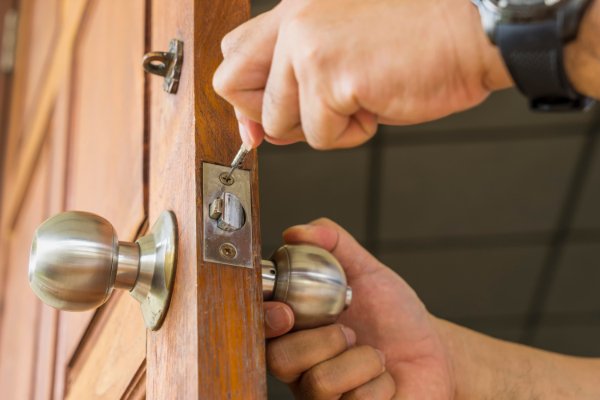
Squeaky doors and cabinets may seem like minor nuisances, but they can leave an impression of poor maintenance, which could detract from the appeal of a home. Fortunately, these issues are easy to fix. Applying a bit of WD-40 or a similar lubricant can effectively silence the squeaks, instantly improving functionality. While addressing the noise, take the time to tighten any loose hinges to ensure smooth and quiet operation, leaving a polished and well-cared-for impression.
Replace Broken or Damaged Light Bulbs
Ensuring all light fixtures are functional is a simple yet impactful way to enhance your home’s overall appeal. Burned-out or mismatched bulbs can make a space feel neglected or dim, so replacing them is essential before moving in or showcasing your home to buyers or renters. Swap out any non-functional bulbs with energy-efficient LED options, which not only brighten the space but also add eco-friendly value that resonates with environmentally-conscious individuals.
Repair Broken or Loose Tiles
Broken or loose tiles in the bathroom or kitchen can make an otherwise clean home appear neglected, so addressing these issues is an important step in maintaining a polished and well-cared-for look. Repairs are often simple and can be done using tile adhesive and grout repair materials, which are easily found at home improvement stores. For small cracks, a matching tile filler can seal the damage, restoring the area’s appearance and safeguarding against further wear.
Unclog Drains and Fix Leaky Faucets
Addressing leaky faucets and slow drains is more than just a convenience—it can prevent plumbing problems that might deter potential buyers or renters. Fixing these issues ensures a smooth and worry-free experience for anyone using the space. Start by checking for clogs, removing debris trapped in the drain, or using a safe chemical drain cleaner to tackle buildup. For leaking faucets, replace worn-out washers or cartridges—an inexpensive and straightforward task that can make a big difference in the functionality and appeal of your plumbing.
Touch-Up baseboards and Trim
Baseboards and trim may seem like minor details, but scuffs, dents, and dirt can make a room look less polished over time. Maintaining these features can instantly refresh the overall appearance of your space. Start by giving the baseboards a thorough wipe-down with a damp cloth to remove grime and dust. For scratches or peeling paint, touch up the affected areas with a fresh coat of paint to restore their crisp, clean look.
Wall and Ceiling Repair
Plaster walls and ceilings can develop cracks or holes over time, but these imperfections are straightforward to fix. Begin by cleaning the damaged area and removing any loose debris or crumbling plaster. Use a putty knife to apply joint compound or spackling paste, carefully filling in the crack or hole. Smooth out the surface, allow it to dry, and then sand it down until even. Finish by touching up the area with matching paint for a seamless look. If you’d rather avoid the effort and ensure a flawless result, consider hiring a professional service, someone like WA Ceiling Fixers, to handle every step, from preparation to painting, leaving your walls and ceilings looking pristine.
Refresh Caulking in Kitchens and Bathrooms
Refreshing caulking in kitchens and bathrooms is a simple yet impactful way to improve the look and feel of these spaces. Old, discolored, or peeling caulk can make areas around sinks, bathtubs, or countertops appear neglected, while replacing it gives them a clean, well-maintained appearance. To do it effectively, start by using a caulk remover to take off the old material. Then, apply a fresh, mildew-resistant caulk, and smooth it with a caulk finishing tool for a professional and polished result.
With these small but impactful repairs, you’ll leave your home in top shape, creating a positive impression for buyers or renters. These fixes won’t break the bank but can significantly boost the appeal and value of your property.

