

A resource for those seeking information on organizing and transforming spaces.

Essential Rooms To Expand When Designing Your Dream House
Create a home that fits your lifestyle with thoughtful upgrades and smart solutions designed to make everyday living more comfortable and convenient.
Drafting plans for your dream house? While it’s easy to focus on the kitchen, living room, and other big-ticket areas, don’t overlook the spaces that often deserve more attention. Thoughtfully designing every corner of your home ensures it caters to all your household’s needs, whether a functional home office, a cozy reading nook, or an organized storage area.
Expanding with purpose allows you to create spaces that look great, elevate your everyday experience, and make your home truly yours. Here are the essential rooms to expand when designing your dream house to help you get the most out of your future layout.
1. Make Your Kitchen a Star
No house feels complete without a spacious, organized kitchen. By adding extra square footage, you can install larger countertops, more cabinets, or even an island. This expansion provides extra space for appliances and layout freedom for those who love to entertain. Thinking about adding a dining nook extension? It’ll be the coziest spot for morning coffee if you do!
2. Laundry Room Goals
Many homeowners expanding their dream homes overlook their laundry rooms, cramming them into tight corners or dim basements. Why not make this room work a little harder for you? Stretching out this space means you can add premium organization tools such as shelving, pull-out drying racks, or built-in laundry sorters. Having extra room for storage streamlines weekly chores—a win for every household.
3. A Larger Master Bedroom
A bigger bedroom means more than just extra space; it’s an upgrade to your comfort. Consider adding room for a small sitting area, a walk-in closet, or even a connection to an ensuite bathroom. Create a peaceful retreat to start and end your days as you envisioned.
4. Bathrooms Redesigned for Comfort
Need more space in the morning? Expanding your bathrooms adds function and luxury. Additional vanities, upgraded showers, or even a soaking tub are all possible with a little extra space. Larger bathrooms feel more inviting and help families avoid the daily queue for sink time.
5. Flex Spaces for Work and Play
Flex rooms are trending, and for good reason. Boosting square footage in one of your multifunctional areas gives you more opportunities to live your way, whether it’s a home office, playroom, or gym. Flexibility makes everything easier and allows you to use your extra space to complement your lifestyle and needs.
Finishing Touches
Building your dream house is all about prioritizing comfort, functionality, and personal style. From extensions that redefine the chore-heavy laundry room to expanding your kitchen’s hosting potential, every added square foot can change how you live.
Looking for more ideas on various essential rooms to expand when designing your dream house? Browse our website for inspiration that sparks your imagination one space at a time.

5 Time-Saving Solutions for Moving
Moving can be a complex and time-consuming task, but with some smart preparation, you can make the process much smoother and more manageable. By following these five time-saving solutions, you’ll spend less energy on the move and more time enjoying your new home.
Moving can be a complex and time-consuming task, but with some smart preparation, you can make the process much smoother and more manageable. By following these five time-saving solutions, you’ll spend less energy on the move and more time enjoying your new home.
Start with a Packing Plan
Packing is one of the most time-consuming parts of moving, but starting with a clear plan can make a world of difference. Begin by creating a schedule and setting mini-goals for each day, such as packing specific rooms or categories of items. Use color-coded labels or number each box based on which room they belong to. For example, use red for the kitchen, blue for the bedroom, and so on. This will simplify unpacking and ensure that movers or friends know exactly where to place items in your new home. Additionally, set aside a "first-night" essentials bag or box containing toiletries, medications, pajamas, a change of clothes, phone chargers, and snacks. With these essentials close at hand, you won’t have to rummage through dozens of boxes after a long moving day.
Declutter Before You Pack
Packing items you no longer need or use is a waste of time and energy, so use the move as an opportunity to declutter your home. Go room by room and sort your belongings into three categories: keep, donate, and discard. Be realistic about what you truly need and use—an old sweatshirt you haven’t worn in years or expired pantry items don’t need to make the trip to your new home. Donating usable clothing, furniture, and household items to local shelters or non-profits can also give you a sense of satisfaction and lighten your load. Plus, by reducing the number of belongings you pack, you’ll cut down on moving costs, especially if you’re paying for professional movers or renting a moving truck.
Hire Professional Movers
Professional movers, such as companies like Esea Van Lines, can take a significant amount of stress off your plate, saving you time and physical effort. Movers are trained to efficiently pack, load, transport, and unload even the heaviest furniture and fragile items, so you don’t have to. Many companies also offer optional packing services - and while it comes at an additional cost, it means you won’t have to spend days or even weeks packing. When choosing movers, compare quotes and read reviews to find a reliable service. If a full-service move isn’t within your budget, consider hiring professionals for heavier tasks, such as transporting furniture and large appliances, while handling smaller items yourself.
Use Technology for Organization
Technology can be a lifesaver when it comes to keeping track of all your moving tasks. Use digital tools to catalog your belongings and create an inventory system for your boxes. Digital checklists can help you track moving-related tasks, such as scheduling utility shut-offs or notifying key service providers of your new address. Many tools also offer calendar features to keep moving deadlines front and center. Additionally, you can make online bookings for services like moving trucks, cleaners, or temporary storage, which streamlines the entire planning process. By staying organized with these tools, you can reduce the chances of overlooking critical details and keep the move on track.
Keep Essentials Accessible
Imagine reaching your new home and needing something urgently, only to discover it’s packed away in one of a hundred boxes. Avoid this by preparing a clearly labeled "essentials" box or bin for easy access, as briefly discussed above. Include everyday necessities such as toiletries, important documents, medications, cleaning supplies, scissors, garbage bags, basic tools like a screwdriver, and a change of clothes. A few comforting items, like your favorite coffee or a cozy blanket, can also make the transition feel smoother. If you’re moving with kids or pets, add snacks, toys, or pet food to the essentials box so that they stay happy and comfortable during the move. Keeping this box in your car or at the top of the pile ensures you know exactly where it is when you need it most.
By focusing on efficiency and staying organized throughout the process, moving can become a less daunting experience. These time-saving solutions will help you minimize stress and maximize productivity, making the transition to your new home as seamless as possible.
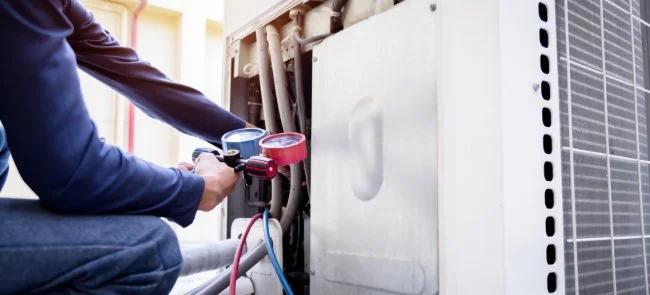
Common AC Problems and What to Do About Them
Air conditioners are a staple of home comfort, especially during hot seasons, but even the best systems can encounter problems. Being able to identify and address these common issues early can save you from costly repairs and uncomfortable days. Below are the most frequent AC problems you might face, alongside practical solutions to help keep your unit functioning efficiently.
Air conditioners are a staple of home comfort, especially during hot seasons, but even the best systems can encounter problems. Being able to identify and address these common issues early can save you from costly repairs and uncomfortable days. Below are the most frequent AC problems you might face, alongside practical solutions to help keep your unit functioning efficiently.
Poor Cooling Performance
If your AC is struggling to cool your home effectively, there are a few potential culprits to examine. Start with the thermostat—ensure it’s set to cooling mode and that the temperature is correctly adjusted. If the thermostat is fine, check the air filter. Filters that are clogged with dust and debris obstruct airflow, significantly reducing efficiency. Changing the filter regularly, about once every 1-3 months, depending on usage, can prevent this issue. If the problem persists, the refrigerant level might be low due to a leak. Signs of low refrigerant include ice forming on the coils or warm air blowing from the vents. Low refrigerant isn’t something you can fix on your own; you’ll need an HVAC professional to locate the leak, fix it, and recharge the system.
AC Won’t Turn On
When your air conditioner refuses to power on, the issue could range from simple to more serious. Begin by inspecting your circuit breaker panel—if the AC breaker has tripped, simply reset it. Also, check the thermostat batteries, as dead batteries can sometimes be the culprit. If these quick checks don’t solve the issue, it may point to a more significant problem, such as a faulty capacitor or damaged wiring. Capacitors start the AC motor, so if they fail, your unit won’t switch on. Electrical issues should always be handled by a professional to avoid potential safety risks and further damage to the system.
Strange Noises
Air conditioners are designed to operate quietly, so any unusual sounds are a clear sign of trouble. Different noises can indicate different problems—for example, banging might mean a loose or broken part rattling inside the system, while a buzzing sound could signify an electrical issue like a failing motor. Hissing noises, meanwhile, often suggest a refrigerant leak, which can compromise your AC's efficiency and harm the environment. If you notice such sounds, turn off the system immediately to prevent further damage. Document the noise you hear and contact a professional technician to diagnose and resolve the issue.
Water Leaks Around the Unit
It’s not uncommon for water to pool around your AC unit, especially in humid regions, but it still signals a problem. The most likely cause is a clogged condensate drain line, which can block proper drainage. To address this, you can try using a wet/dry vacuum or flushing the line with vinegar and water solution to clear the clog. However, if water continues to leak, it might indicate a cracked drain pan or improper installation of the drain line. These situations often require professional assistance to repair the damage and prevent further issues, such as mold growth or structural water damage.
Weak or No Airflow
If your AC is running but little to no air is coming from the vents, it can make your system work harder than it should, leading to higher energy bills and a less comfortable home. Begin by checking the air filter—dirty filters can disrupt airflow and overstrain the system. Replace the filter if necessary. Next, ensure that all air vents in your home are open and free of obstructions such as furniture or drapes. Weak airflow could also indicate leaks or blockages in the ductwork. A professional HVAC technician has the tools to inspect your ducts for damage and seal any leaks, ensuring consistent airflow throughout your home.
Foul Odors Coming from the Unit
An unpleasant smell coming from your air conditioning system is typically a sign of mold or bacterial growth inside the unit or ductwork. Mold can accumulate on the evaporator coil due to excessive moisture or on the duct walls if moisture isn’t properly managed. If you encounter this issue, start by thoroughly cleaning around the unit and replacing or washing reusable filters. For persistent odors, it might be necessary to schedule a professional cleaning. Technicians can treat the system with antimicrobial solutions and inspect your ducts for mold, ensuring both clean air and a more pleasant home environment.
Regular maintenance, including cleaning and servicing your AC, can help you avoid many of these issues. Neglecting minor problems often leads to major breakdowns, so don’t hesitate to reach out to a specialist if needed. By addressing small concerns early, you can enjoy a reliable, efficient cooling system all season long.

5 Reasons to Choose a Moving Partner for a Stress-Free Relocation
Transitioning to a new home can be an exciting chapter in life, but relocating often comes with challenges that can feel overwhelming—especially for first-time movers. The key to turning what could be a stressful day into a smooth and efficient process lies in selecting the right moving partner.
Transitioning to a new home can be an exciting chapter in life, but relocating often comes with challenges that can feel overwhelming—especially for first-time movers. The key to turning what could be a stressful day into a smooth and efficient process lies in selecting the right moving partner.
Finding a trustworthy and professional moving company is more than just hiring people to transport your belongings. It’s about ensuring your possessions are handled with care, timelines stay on track, and you can focus on starting fresh in your new space.
This post highlights the top five reasons why choosing the right moving partner is essential for a stress-free move, helping you feel confident and supported throughout the transition.
Professional Expertise for a Smooth Process
Experienced moving companies have the know-how to handle every aspect of the relocation process. From navigating narrow staircases to safely disassembling furniture, they are equipped with the skills and tools to tackle potential challenges.
Professionals are also well-versed in organizing the move efficiently. They optimize packing, loading, and unloading to minimize hassle. By hiring movers with expertise, you avoid the learning curve and guesswork of figuring things out on your own.
By ensuring your moving partner has the right credentials, you’re positioning your move for success right from the start.
Saves Time and Energy
Relocating involves countless tasks, from decluttering to coordinating utility setups and updating your address. Packing and moving your items without professional help can add unnecessary hours to an already full schedule.
When you lean on a professional team, they take on the literal heavy lifting while you focus on more critical aspects of your relocation. Movers come prepared with a clear plan to work swiftly and systematically, saving you valuable time and reducing physical strain.
The right moving partner will offer services such as packing, unpacking, and even furniture assembly. Opting for a comprehensive package can further simplify your experience and save you the added effort of sourcing separate services.
Ensures Safety for You and Your Belongings
Moving heavy furniture or fragile items without training can lead to accidents that damage your belongings—or worse, cause personal injury. Professional movers are trained in proper lifting techniques, use specialized tools, and transport items carefully to maximize safety.
Additionally, an experienced team knows how to secure items in the moving truck to prevent shifting or breakage during transit. By entrusting your belongings to professionals, you gain peace of mind knowing your treasures will arrive safely at your new home.
Tips for safe moves: choose movers who offer protective measures like padding, shrink wrap, and moving blankets; verify they have proper liability insurance in case of unforeseen accidents; and ask about how they handle fragile or high-value items, ensuring extra care is taken as needed.
Stress Reduction Through Planning and Support
First-time moves can feel chaotic without proper direction. An experienced moving company helps you establish a sense of order by creating a solid game plan. From scheduling the moving day to providing packing tips and checklists, a reliable moving partner offers structure that keeps you organized and prepared.
Most professionals also provide clear communication throughout the process. Knowing where your belongings are and what to expect at each stage keeps you informed and confident, removing the guesswork and last-minute surprises.
When you feel supported and well-informed by your moving partner, tackling the complexities of relocating feels manageable and stress-free.
Long-Term Value for Peace of Mind
While hiring a moving company requires an upfront cost, it delivers excellent long-term value. Trying to handle the move on your own often results in logistical headaches, damaged furniture, or even hiring last-minute assistance, all of which can add unexpected expenses.
Working with professionals ensures challenges are addressed proactively and minimizes risks that might lead to costly mistakes. Beyond financial benefits, professional movers help you save emotional energy and ensure you begin your new chapter on a positive note.
The right movers often provide flexibility with customizable packages to better suit your needs and budget. Whether you need assistance with only the heavy lifting or a full-service option, there’s a solution tailored specifically for you.
Final Thoughts
Your first move doesn’t have to be daunting. Take the first step towards a seamless and stress-free relocation by researching professional movers like Esea Van Lines. Remember, it’s important to choose a company that prioritizes expertise, safety, and customer satisfaction.
By choosing the right team to manage your move, you’re investing in peace of mind and ensuring your new beginning starts off on the right foot.

